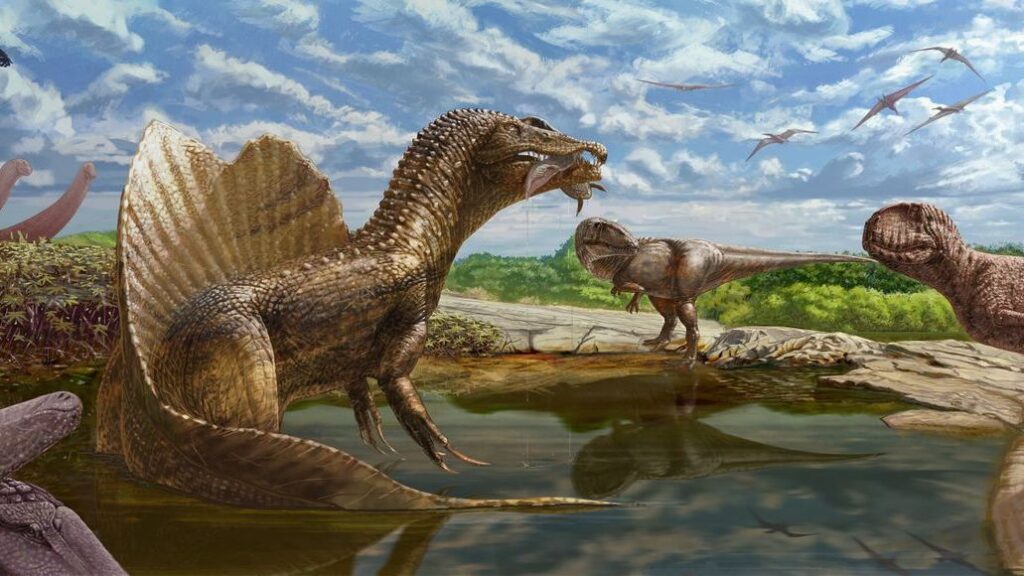
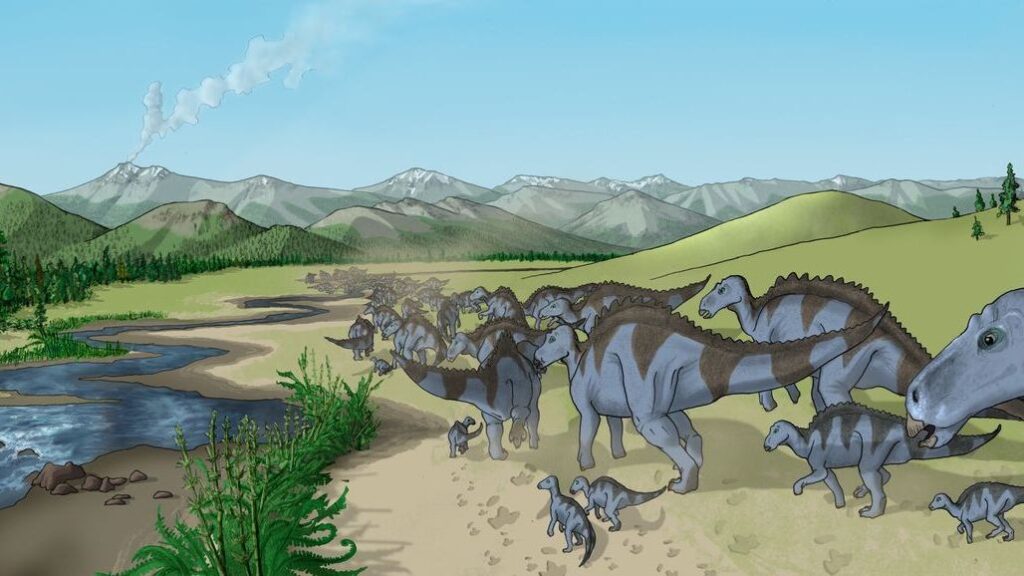
Ancient reptiles dominated Earth for over 160 million years, yet our understanding of their true appearance remained limited until recent discoveries revolutionized paleontology. Fossilized dinosaur skin impressions offer unprecedented insights into these creatures’ physical characteristics, filling crucial gaps in the evolutionary record. These rare preservations are transforming how scientists reconstruct extinct species, providing evidence about coloration, texture, and structure that bones alone cannot reveal. Each new skin impression discovery adds another piece to the evolutionary puzzle, allowing researchers to trace connections between ancient dinosaurs and modern birds while challenging long-held assumptions about prehistoric life. Let’s explore how these remarkable fossils are reshaping our understanding of dinosaur evolution.
The Rarity and Significance of Skin Fossilization

Skin impressions represent some of the most precious fossils in paleontology due to their exceptional rarity. Unlike bones, which mineralize relatively easily, soft tissues typically decompose before fossilization can occur. For skin to fossilize, very specific conditions must be present—rapid burial in fine sediment with minimal oxygen exposure and little bacterial activity. These conditions most often occur in ancient lakebeds, river deltas, and volcanic ash deposits where fine particles can capture minute details. When found, skin impressions provide direct evidence of external anatomy that skeletal remains simply cannot show, including texture, pattern, flexibility, and thickness. These characteristics offer crucial insights into thermoregulation strategies, defensive adaptations, and even possible social signaling that shaped dinosaur evolution over millions of years.
Breakthrough Discoveries in Preserved Skin Structures

Several landmark discoveries have dramatically advanced our understanding of dinosaur skin. The “mummified” Edmontosaurus discovered in the Hell Creek Formation preserved extensive skin impressions showing variations across different body regions. The Carnotaurus specimen from Argentina revealed unexpected scale patterns on a large theropod, challenging assumptions about predatory dinosaur coverings. Perhaps most revolutionary was the discovery of Dakota, a juvenile Edmontosaurus with about 90% of its skin preserved, showing muscle structure beneath the skin that helped scientists understand how these animals moved. The Kulindadromeus from Siberia revealed feather-like structures on a dinosaur previously thought to be outside the feathered lineage, forcing reconsideration of feather evolution timelines. These discoveries collectively demonstrate that dinosaur skin was far more diverse and complex than previously imagined, with different structures adapted for specific ecological niches.
Scale Patterns and Their Evolutionary Implications
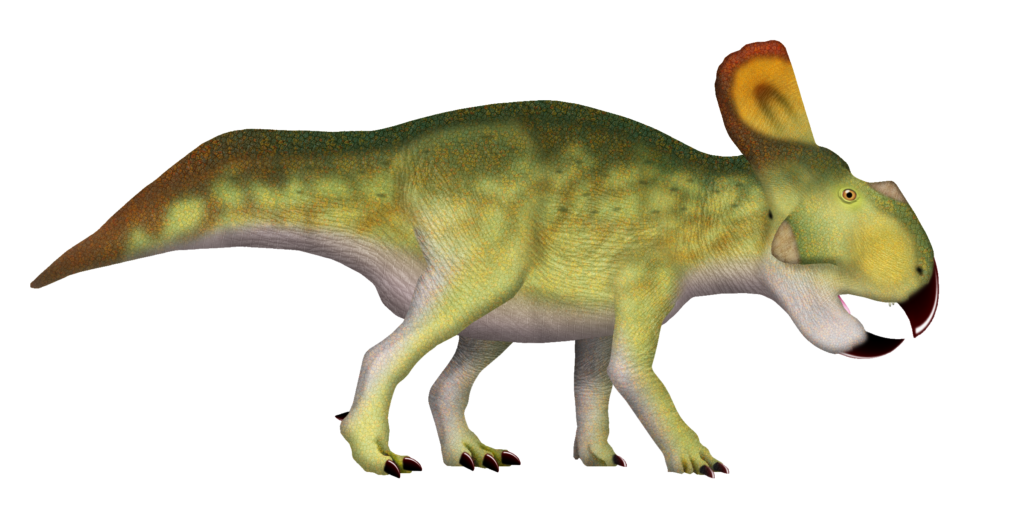
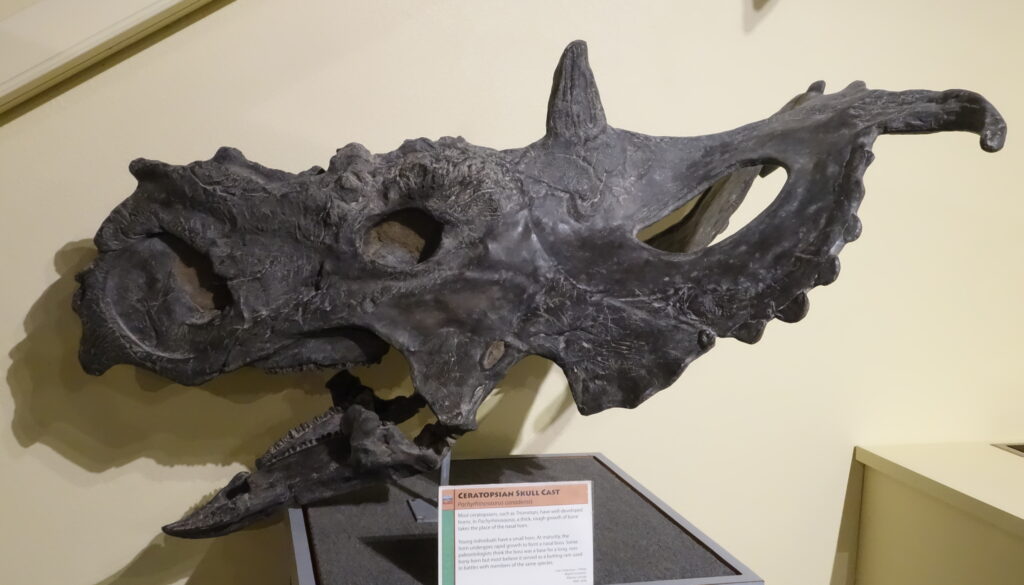
Dinosaur skin impressions reveal a remarkable diversity of scale patterns that offer important evolutionary insights. The tiny, non-overlapping tubercle scales found on many hadrosaurs differ substantially from the larger, sometimes keeled scales on ceratopsians. These variations weren’t merely cosmetic—they served specific functional purposes ranging from physical protection to thermoregulation. The discovery of “feature scales” (larger, specially modified scales) arranged in rows along some species’ backs suggests defensive adaptations similar to those seen in modern reptiles. Most fascinating is the evidence of scale patterns changing as animals matured, indicating that skin structures underwent developmental transitions throughout life cycles. The hierarchical arrangement of differently-sized scales on certain species points to complex evolutionary processes that optimized skin for multiple functions simultaneously. These patterns show clear evolutionary pathways between ancient archosaurs and modern reptiles, revealing how skin structures adapted to changing environmental pressures over millions of years.
Feathers, Proto-Feathers, and Evolutionary Transition
Perhaps the most revolutionary skin-related discoveries involve the preservation of feathers and feather-like structures, fundamentally altering our understanding of dinosaur evolution. Fossils from China’s Liaoning Province revealed exquisitely preserved feathers on numerous small theropods, confirming the evolutionary link between dinosaurs and modern birds. These specimens show various stages of feather evolution, from simple filamentous proto-feathers to complex structures with central shafts and barbs. The discovery of quill-like structures on the ornithischian dinosaur Psittacosaurus shattered the assumption that feathers were exclusive to the theropod lineage, suggesting feather-like structures may have been present in the common ancestor of all dinosaurs. Skin impressions reveal that many dinosaurs possessed multiple feather types on different body regions, indicating feathers evolved first for insulation or display before being adapted for flight. These findings have forced paleontologists to redraw the dinosaur family tree, reconsider the appearance of numerous species, and reexamine the evolutionary pathways that ultimately led to modern avian feathers.
Color and Pigmentation Evidence in Fossilized Skin
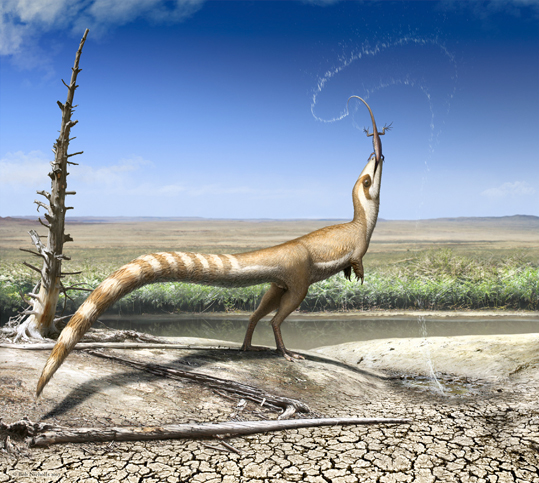
Recent technological advancements have enabled scientists to identify fossilized melanosomes—cellular structures containing pigment—in preserved skin and feathers. These tiny structures vary in shape depending on the color they once produced, allowing researchers to determine actual coloration patterns of certain dinosaurs. The small theropod Sinosauropteryx has been shown to have possessed a russet-colored striped tail based on these fossilized melanosomes. Similarly, Microraptor appears to have had iridescent black feathers similar to modern crows. Beyond mere appearance, these color patterns provide insights into behavioral and ecological adaptations. Countershading (darker upper surfaces and lighter undersides) discovered in Psittacosaurus suggests camouflage was an important survival strategy, while bright display colors in certain species indicate sexual selection pressures. The preservation of structural colors—those created by light interaction with feather microstructure rather than pigment—demonstrates sophisticated evolutionary adaptations for visual signaling that parallel developments in modern birds, strengthening the evolutionary connection between these groups.
Thermoregulation Insights from Skin Structures
Fossilized skin provides crucial evidence about how dinosaurs regulated body temperature, a fundamental aspect of their biology and evolution. The distribution and density of scales, feathers, and other skin structures offer clues about thermal physiology. Large dinosaurs with relatively simple scale patterns, like many sauropods, likely relied on their mass for thermal inertia—maintaining stable internal temperatures through sheer size. Smaller theropods with insulating feathers could retain body heat more efficiently, suggesting more active metabolism similar to modern birds. Some fossils show evidence of specialized skin structures that may have functioned as thermal windows—areas where blood vessels ran close to the skin surface to facilitate heat exchange with the environment. The discovery of different feather densities across body regions in some specimens indicates sophisticated temperature regulation capabilities. These adaptations reveal evolutionary pressures that drove dinosaurs toward increasingly efficient thermoregulation systems, culminating in the endothermic (warm-blooded) metabolism of modern birds—a major evolutionary transition documented through skin fossil evidence.
Defensive Adaptations Revealed Through Skin Fossils
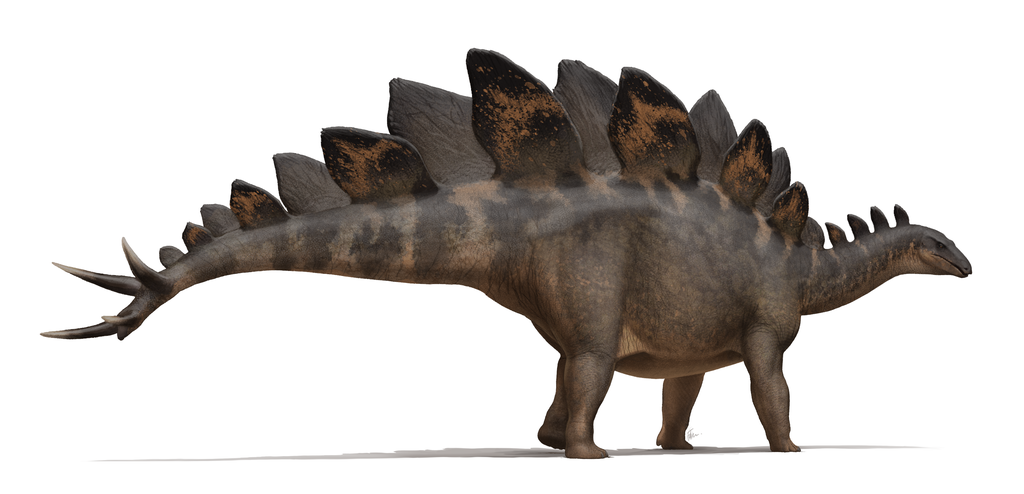
Skin impressions have revealed various defensive structures that illustrate evolutionary adaptations to predation pressure. The discovery of osteoderms—bony deposits within the skin—in many dinosaur groups shows convergent evolution of armor-like protection. Ankylosaurs developed elaborate osteoderms forming shield-like plates and defensive spikes, while some sauropods had rows of bony scutes along their backs. Skin impressions from nodosaurs reveal that keratin sheaths extended beyond the bony cores of their spikes, making these defensive weapons even more formidable than skeletal remains alone would suggest. Some hadrosaur specimens show surprising skin thickness variations, with tougher hide in vulnerable areas indicating specific adaptations to predator threats. The remarkable preservation of the nodosaur Borealopelta revealed both its armor pattern and evidence of countershading coloration, suggesting that even heavily armored dinosaurs faced significant predation pressure driving their evolution. These defensive skin adaptations demonstrate complex evolutionary responses to ecological relationships, particularly predator-prey dynamics that shaped dinosaur development across millions of years.
Social Signaling and Sexual Selection Evidence
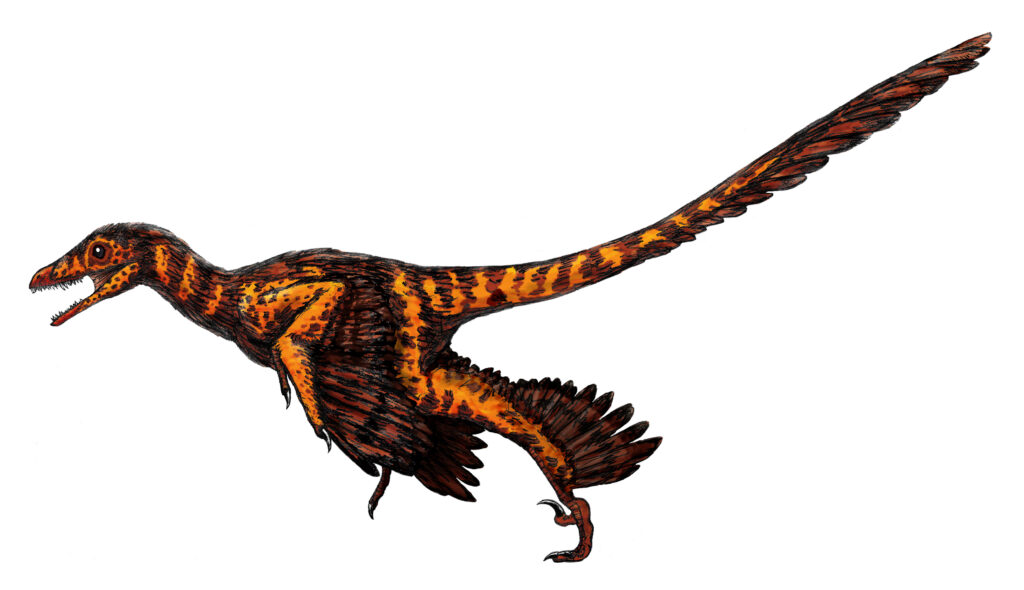
Skin structures preserved in the fossil record provide compelling evidence of social and sexual signaling adaptations among dinosaurs. Elaborate crests, frills, and skin appendages preserved in some specimens likely served communication purposes beyond physical defense. The discovery of display feathers with iridescent structural coloration in Microraptor suggests visual signals played important roles in mate attraction, similar to modern birds. Some ceratopsian skin impressions show evidence of colorful patches or specialized scale arrangements around their frills, supporting theories that these structures functioned primarily as visual displays rather than defensive adaptations. Skin impressions from crested hadrosaurs indicate the fleshy crests were likely covered with distinctively patterned skin, enhancing their visibility for species recognition and status signaling. These findings suggest complex social behaviors driven by sexual selection—an evolutionary force that favors traits attractive to potential mates rather than those purely beneficial for survival. The presence of such specialized display features across multiple dinosaur lineages indicates that social communication through visual signals was a fundamental driver of dinosaur evolution, much as it continues to be in their avian descendants.
Challenging Previous Assumptions About Dinosaur Appearance

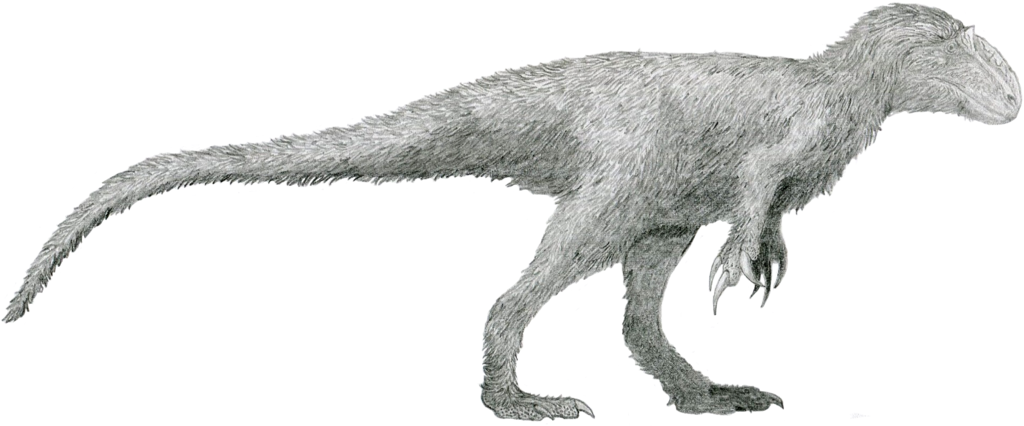
Fossilized skin has repeatedly forced paleontologists to revise long-standing conceptions about dinosaur appearance. The discovery of extensive feathering in many theropods completely transformed visualizations of these animals from scaly reptiles to more bird-like creatures. Evidence from the tyrannosaur Yutyrannus revealed large predators with feathery coats, challenging the scaly depiction of large theropods that dominated for decades. Skin impressions from hadrosaurs showed that the skin between their vertebral spines formed a smooth back contour rather than the jagged sail often depicted in older reconstructions. The recent finding that some sauropods possessed keratinous spines along their necks and backs has dramatically altered our visual understanding of these supposedly plain-looking giants. Perhaps most significantly, skin fossils have revealed that many dinosaurs possessed multiple skin covering types on different body regions, creating complex body patterns far removed from the uniform scaliness portrayed in traditional depictions. These revelations demonstrate that dinosaur evolution produced a far greater diversity of external appearances than previously imagined, reflecting complex adaptations to varied ecological demands and selection pressures.
Advanced Imaging Techniques Revolutionizing Skin Analysis

Technological advancements have transformed how scientists study fossilized skin, revealing previously invisible details. Scanning electron microscopy allows researchers to examine skin structures at cellular levels, identifying minute features like melanosomes that indicate color and specialized scale microstructures. Synchrotron-based imaging techniques use high-energy X-rays to penetrate stone matrices without damaging fossils, revealing skin impressions hidden within rocks. Laser-stimulated fluorescence has proven particularly valuable, causing organic residues in skin impressions to glow under specific wavelengths, highlighting details invisible to the naked eye. UV light photography has revealed skin patterns in fossils where the actual skin is gone but left chemical traces in the surrounding matrix. These non-destructive methods allow researchers to study museum specimens without risking damage, sometimes finding skin impressions on fossils collected decades ago but never before detected. The application of computational analysis to these imaging results has enabled quantitative comparisons between extinct and living species, tracing evolutionary pathways with unprecedented precision and revealing how skin structures evolved across dinosaur lineages.
Geographical and Temporal Patterns in Skin Evolution

Skin fossil distribution across time and geography reveals fascinating evolutionary patterns that shaped dinosaur development. Early Jurassic skin impressions show relatively simple scale arrangements, while later specimens demonstrate increasingly complex structures, suggesting progressive adaptation over time. Feather evolution appears to have accelerated during the Middle Jurassic to Early Cretaceous period, coinciding with the diversification of maniraptoran theropods. Geographical patterns show interesting variations, with exceptionally preserved feathered dinosaurs concentrated in ancient lake deposits of what is now China, while North American formations yield more hadrosaur and ceratopsian skin impressions. Climate appears to have influenced skin evolution significantly, with more insulating structures found in specimens from ancient temperate environments compared to tropical regions. The global distribution of similar skin features across related species suggests certain adaptations evolved before continental separation, while other features developed independently in response to similar environmental pressures—a classic example of convergent evolution. These patterns help scientists understand how dinosaur skin structures responded to changing environments through the Mesozoic era, tracking evolutionary adaptations across both time and space.
Connecting Dinosaurs to Modern Birds Through Skin Evidence

Skin fossil evidence provides some of the most compelling connections in the evolutionary bridge between dinosaurs and modern birds. The progressive development of feathers—from simple filamentous structures in early theropods to complex flight feathers in later species—documents this transition in remarkable detail. Microscopic examination of fossil feathers reveals structural similarities with modern avian feathers, including central rachis (shaft) development and branching barbs. The discovery of follicle patterns in some fossilized skin shows anatomical arrangements nearly identical to those in modern birds, suggesting similar development mechanisms. Beyond feathers, the presence of scales on the legs of certain feathered dinosaurs parallels the scale patterns on modern bird legs, representing evolutionary continuity across millions of years. Evidence of molt patterns in some fossil specimens mirrors processes still observed in birds today, indicating shared physiological mechanisms. These skin structures demonstrate that many features once considered uniquely avian actually evolved gradually among dinosaur ancestors, reinforcing the scientific consensus that birds are, in fact, living dinosaurs—the surviving descendants of a once-diverse evolutionary lineage revealed through fossilized skin evidence.
Future Directions in Dinosaur Skin Research

The study of fossilized dinosaur skin continues to advance rapidly, with several promising research directions emerging. Chemical analysis of organic compounds preserved in some exceptional fossils may soon reveal more details about skin composition and protein structures, potentially allowing comparisons with genetic data from modern relatives. Researchers are developing more sophisticated techniques to identify and analyze melanosomes and other color-producing structures, which may eventually allow us to visualize entire dinosaurs in their true colors. Comparative studies between dinosaur skin structures and those of modern reptiles and birds are helping to establish clearer evolutionary pathways and functional relationships. Emerging preservation techniques are being applied to newly discovered specimens, potentially preserving molecular information that would previously have been lost. Computer modeling based on skin impression data is enabling scientists to test hypotheses about thermoregulation, movement capabilities, and ecological adaptations more rigorously than ever before. As new fossils continue to be discovered and technological capabilities expand, our understanding of dinosaur skin and its evolutionary significance will undoubtedly deepen, further illuminating the remarkable story of how ancient reptiles evolved into the diverse birds that surround us today.
The fossilized skin impressions of dinosaurs have revolutionized our understanding of these magnificent creatures and their evolutionary journey. From simple scale patterns to complex feathers, from defensive armor to colorful display structures, these preserved skin features reveal adaptation, specialization, and the relentless force of natural selection. Each new discovery challenges previous assumptions and fills critical gaps in our knowledge of dinosaur appearance, physiology, and behavior. As technology advances and more specimens come to light, fossilized skin will continue to provide crucial insights into the evolutionary pathways that transformed ancient reptiles into the birds that share our world today. These remarkable fossils remind us that evolution is not merely a theoretical concept but a tangible process written in stone—or in this case, preserved in the delicate impressions of skin that has long since turned to dust.