The story begins like something from humanity’s worst nightmares. Sixty-six million years ago, when the Earth was a steamy greenhouse planet teeming with dinosaurs, pterosaurs, and marine reptiles, an unseen visitor arrived from the depths of space. This cosmic intruder – a carbonaceous asteroid roughly six miles wide – was hurtling toward our planet at an unimaginable speed. Yet nobody could have predicted the apocalyptic chain of events that would unfold in the minutes, hours, and days following impact.
When that space rock slammed into the shallow waters off what is now Mexico’s Yucatan Peninsula, it unleashed forces beyond comprehension. The resulting Chicxulub crater became ground zero for one of Earth’s most dramatic transformations. What happened next reads like a scientific thriller, with each devastating consequence cascading into the next, ultimately reshaping the entire planet and paving the way for mammalian dominance. Let’s explore the terrifying sequence of events that unfolded .
The Initial Blast That Shook the World

The asteroid struck at an estimated speed of 20 kilometers per second at a relatively steep angle of between 45 and 60 degrees to the Earth’s surface, producing as much explosive energy as 100 teratons of TNT. To put this in perspective, that’s more than four billion times the power of the atomic bomb that devastated Hiroshima.
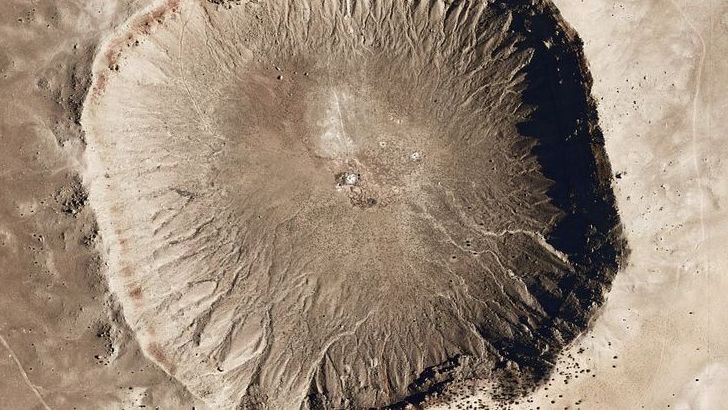
Initially, the impact blasted a cavity 100 kilometers wide and 30 kilometers deep, accompanied by a massive plume of 25 trillion metric tons of molten material shooting up into the atmosphere. The blast created devastating plasma that reached temperatures of over 10,000 degrees, destroying everything in the crater’s radius.
Within the first moments, superheated winds moving over 1,000 kilometers per hour radiated outward for 900 to 1,800 kilometers from the impact point, shredding vegetation and killing animals. The energy release was so immense that some of the molten material was launched completely out of Earth’s atmosphere into space.
Seismic Chaos and Earthshaking Tremors
The impact generated a seismic pulse roughly equivalent to a magnitude 10 earthquake. This was no ordinary tremor – it was a planet-shaking event that sent shock waves racing across continents at incredible speeds.
Seismic waves arrived at locations like the Tanis site in North Dakota within the first half hour after impact, coinciding almost perfectly with the formation of impact deposits. The ground literally bounced and rolled like ocean waves as these seismic pulses traveled thousands of kilometers from the impact zone.
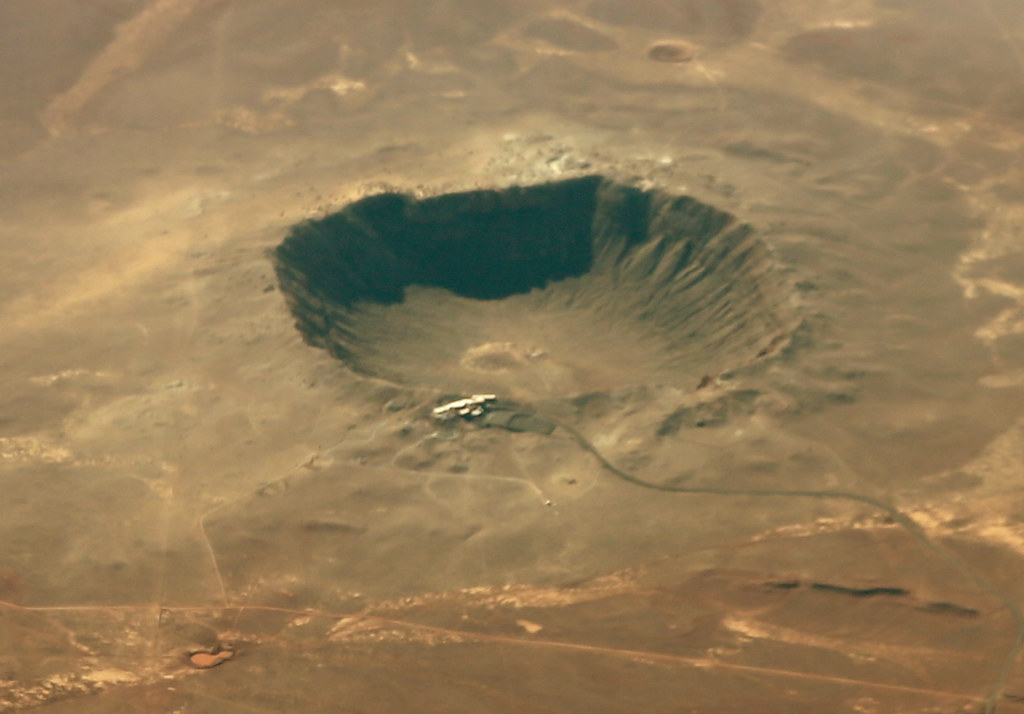
That seismic activity caused huge landslides on the seafloor, ripping through any colonies of life. The seismic pulse also created a tectonic formation unique to craters over two kilometers wide, causing an uplift of rocks to the center of the basin which then collapsed into a circle of mountains called a peak ring.
The Birth of Monster Tsunamis
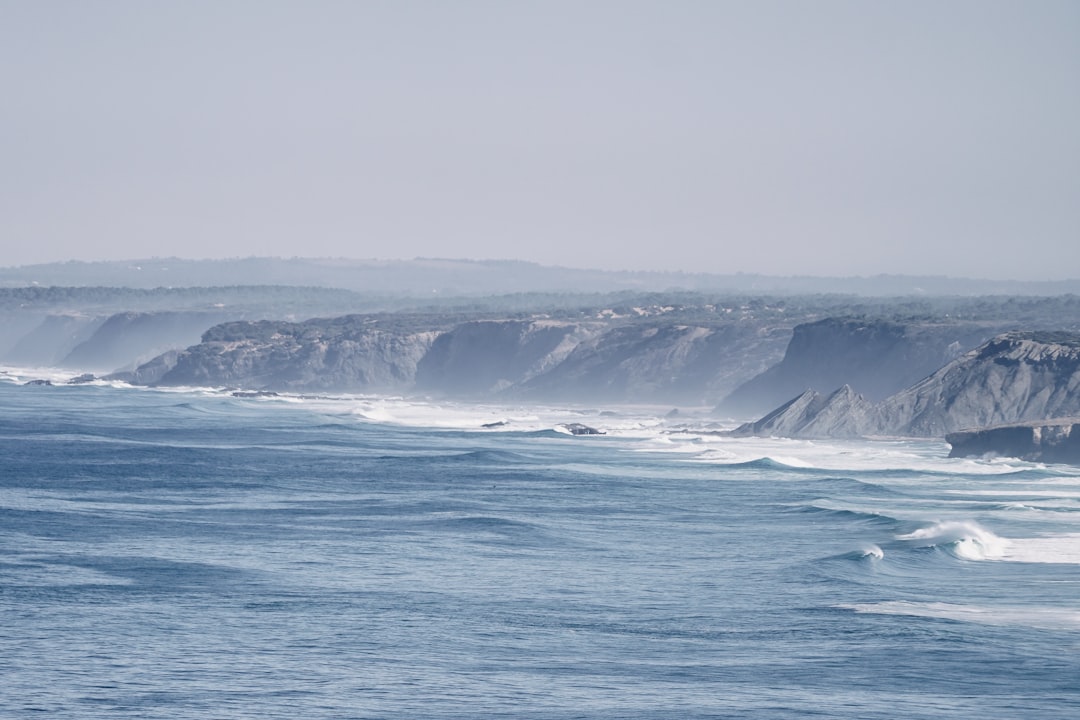
The impact generated a tsunami in the Gulf of Mexico that some modelers believe sent an initial tidal wave up to 1500 meters – or nearly one mile – high crashing into North America. This was not a single wave but a series of devastating surges that would continue for hours.
Because the impact occurred at sea, tsunamis radiated across the Gulf of Mexico, with estimates suggesting the waves were 50 to 100 meters high, while some estimates suggest they were 100 to 300 meters high when they crashed onto gulf shores.
The tsunamis penetrated more than 100 kilometers inland before the backwash swept continental debris back into the Gulf of Mexico, with both the initial waves and the resulting backwash deeply eroding the seafloor to depths of several hundred meters. These tsunami continued for hours to days as they reflected multiple times within the Gulf of Mexico while diminishing in amplitude.
Global Wave Devastation
The six-plus miles-wide asteroid triggered a megatsunami that was 30,000 times more energetic than any modern-day tsunami produced by earthquakes, with researchers combining numerical modeling and geological records to recreate the global impact.
The Chicxulub tsunami approached most coastlines of the North Atlantic and South Pacific with waves of over 10 meters high and flow velocities in excess of one meter per second offshore, strong enough to scour the seafloor and remove sedimentary records.
Over the first seven hours, the impact tsunami was 2,500 to 29,000 times greater in energy than the 2004 Indian Ocean tsunami. In the Gulf of Mexico alone, water moved as fast as 89 miles per hour. The waves literally rewrote the geography of coastlines around the world.
Atmospheric Inferno and Global Firestorms
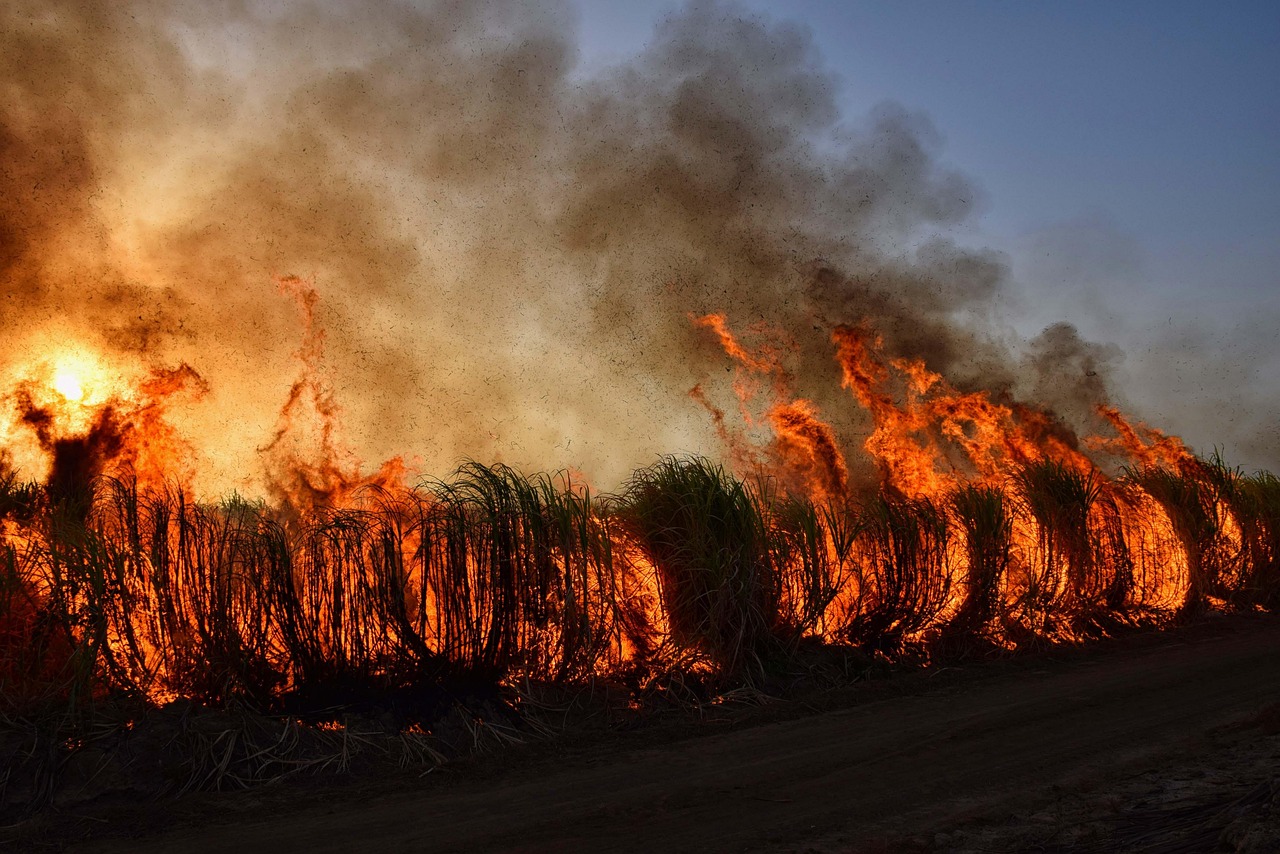
As material hurtled back into the atmosphere, it heated the atmosphere, generating wildfires, and the atmosphere of the Earth was choked with dust, completely obscuring the surface from sunlight. The remainder of the impact material rained down over North America, incinerating everything within a radius of more than 1,000 miles and causing wildfires in 70 percent of the world’s forests.
Charcoal deposits indicate that global forest fires might have raged for months. The impact had literally set the world on fire, with burning debris falling like hellish rain across vast continents.
The explosion ignited wildfires across vast regions, and the ejected material, some of which re-entered the atmosphere, heated up due to friction, causing a “global broil” effect. Imagine the entire planet temporarily transformed into a massive furnace, with temperatures soaring far beyond what any living creature could survive.
Poisonous Skies and Deadly Acid Rain
Much of the material in the impact plume was the sedimentary mineral gypsum – which is high in sulfur – as well as water vapor, leading to sulfate aerosols that caused a nuclear winter-like effect and acid rain. The impact had essentially turned the atmosphere into a chemical weapon.
The impact inundated Earth’s atmosphere with sulfur trioxide, from sulfate-rich marine rocks vaporized by the blast, which rapidly transformed into sulfuric acid, generating massive amounts of acid rain within a few days of the impact.
The presence of sulfur signatures requires extraordinary amounts of sulfur aerosols in the stratosphere, which slowly returned to Earth as acid rain and washed into shallow marine seas in the aftermath of the impact. It probably took five to ten years for the sulfuric acid rain to cease. The very air became lethal, dissolving through ecosystems with ruthless efficiency.
The Nuclear Winter Effect
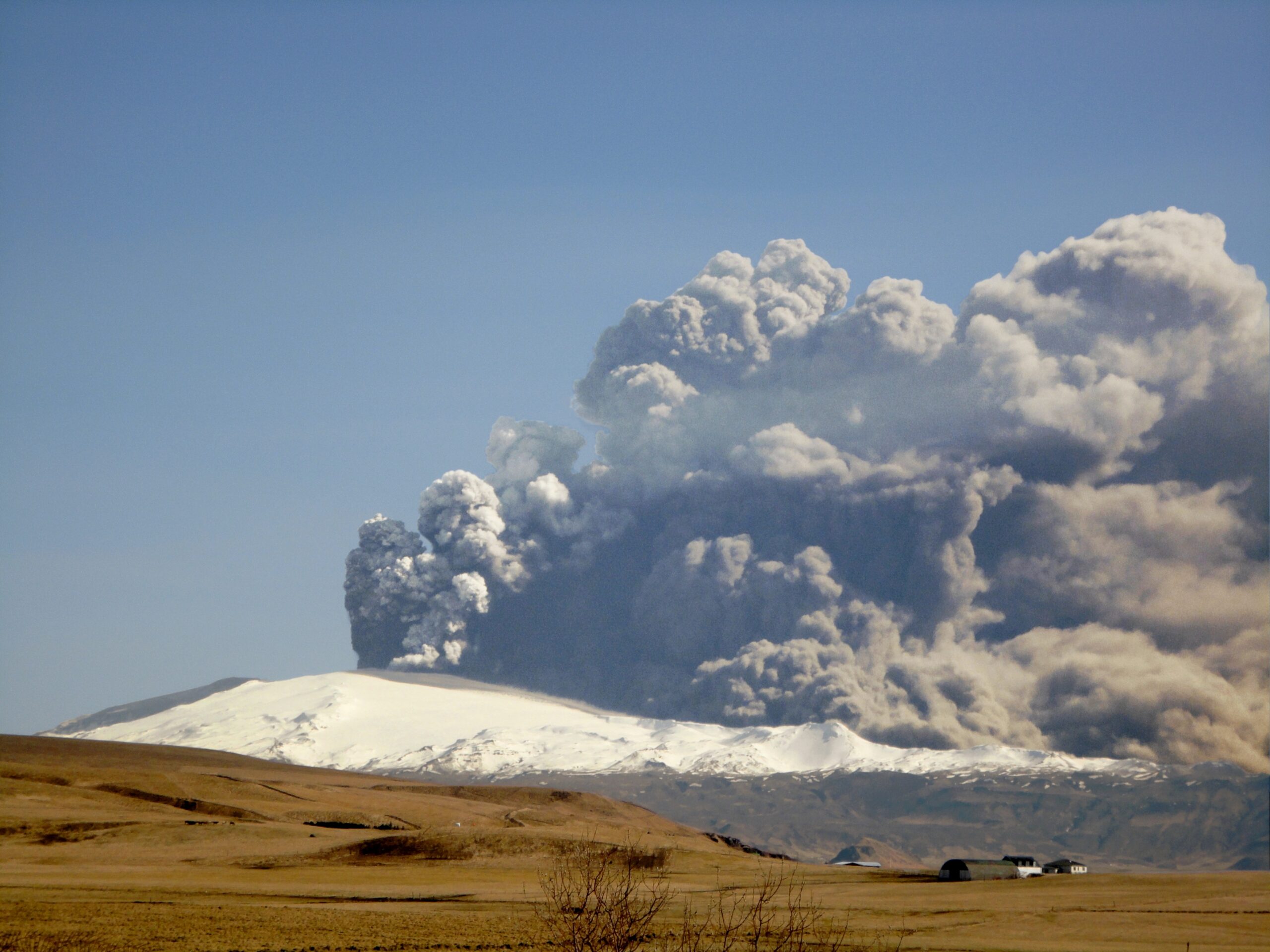
Sulfur-rich aerosols vaporized by the asteroid blast lingered in the atmosphere and blotted out the Sun, starving photosynthetic organisms and causing worldwide temperatures to plunge by an average of 26 degrees Celsius for a decade and a half. Earth had been plunged into an artificial ice age.
It would have taken a few hours to approximately a year for particles to settle through the atmosphere, with submicron dust suspended in the atmosphere for many months. Dust and soot from the impact and fires would have created an “impact winter” with zero sunlight reaching the surface of the Earth for a year or so.
Loss of sunlight would have eliminated the phytoplankton base of almost all aquatic food chains and caused complete collapse of aquatic ecosystems, with terrestrial plants likewise denied precious sunlight for photosynthesis. The foundation of life itself – photosynthesis – had been severed, triggering a domino effect that would ripple through every ecosystem on the planet.
The Long Road to Recovery
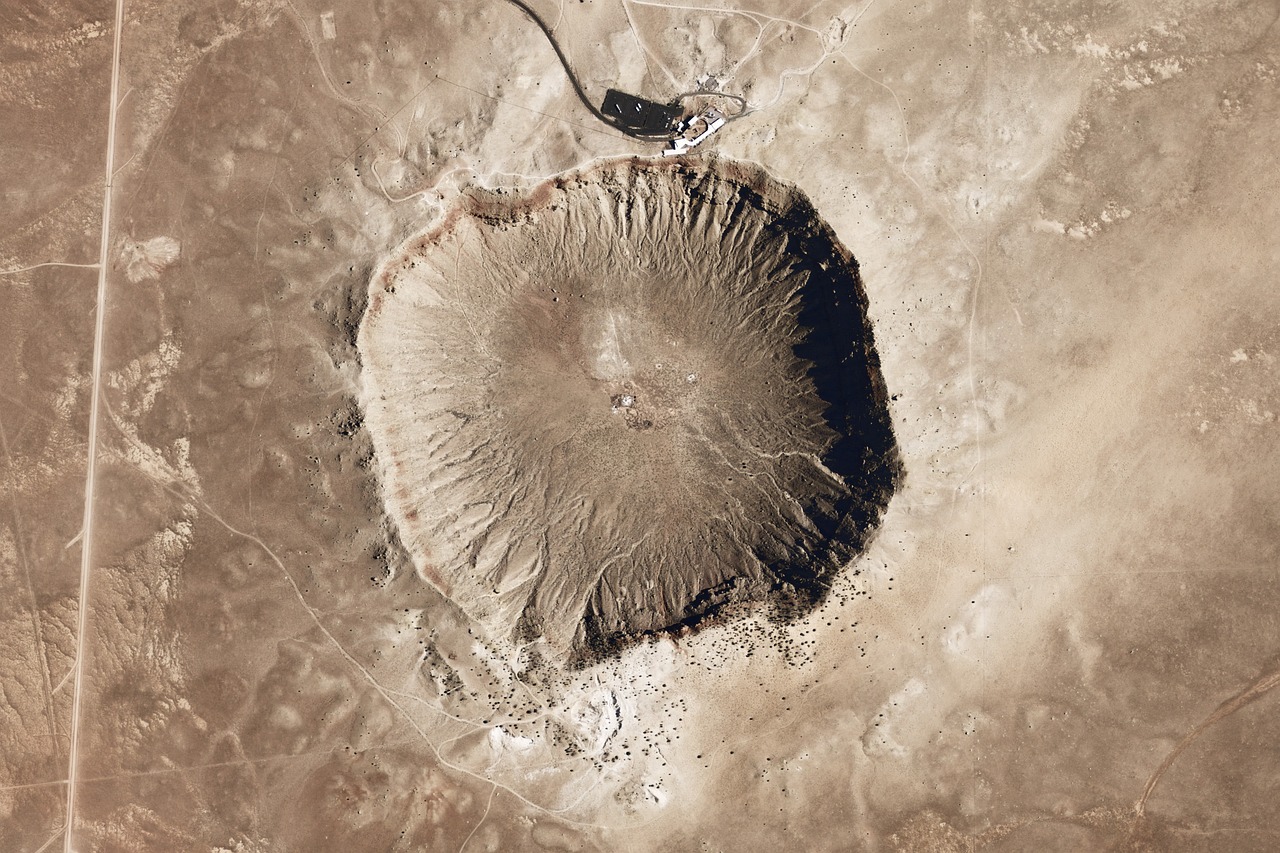
Surprisingly, at the crash site, researchers discovered evidence of a productive ecosystem that thrived in the immediate aftermath of the fiery strike. Life, as it often does, found a way to adapt and recover even from this ultimate catastrophe.
The peak ring drilling discovered evidence of a massive hydrothermal system, which modified approximately 140,000 cubic kilometers of Earth’s crust and lasted for hundreds of thousands of years, potentially providing support for the impact origin of life hypothesis. These underwater hot springs became oases of life in an otherwise devastated world.
Greenhouse warming would have persisted for decades if not longer, with some models estimating it persisted for thousands of years. The planet’s climate system had been fundamentally altered, requiring millennia to find a new equilibrium. Yet from this destruction emerged new opportunities for the mammals that would eventually inherit the Earth.
The Chicxulub impact stands as perhaps the most dramatic single event in Earth’s history, transforming our planet in a matter of hours and setting the stage for everything that followed. From the initial explosion to the years of environmental chaos that followed, it demonstrates just how quickly and completely our world can change. The next time you look up at the night sky, remember that somewhere out there, another cosmic visitor might be heading our way. What do you think about this ultimate planetary reset button? Tell us in the comments.