The ice-free polar regions of the Mesozoic Era present a fascinating geological and paleontological context that fundamentally shaped dinosaur evolution and migration patterns. Unlike today’s frozen Arctic and Antarctic landscapes, the poles during the dinosaur age were remarkably warm, hospitable environments that supported diverse ecosystems. This absence of polar ice caps created unique opportunities for dinosaur species to inhabit, traverse, and migrate through high-latitude regions that would be inaccessible in our current climate. The story of how dinosaurs navigated and thrived in these ice-free polar regions reveals important insights about ancient climate systems, evolutionary adaptations, and the remarkable global distribution of dinosaur species that continues to intrigue scientists today.
The Mesozoic Greenhouse World
The Mesozoic Era (252-66 million years ago) was characterized by a predominantly warm greenhouse climate significantly different from our current icehouse world. Carbon dioxide levels were substantially higher than today, estimated at 4-5 times present concentrations during much of the dinosaur age. This elevated CO2, combined with different continental configurations, created a much warmer global climate with significantly reduced temperature gradients between the equator and the poles. Even during the coolest periods of the Mesozoic, global temperatures averaged 3-4°C warmer than today, while the warmest intervals saw temperatures soaring 10-15°C above current levels. These conditions effectively prevented the formation of permanent ice caps at either pole, creating year-round habitable environments in regions that today remain frozen for much of the year.
Polar Forests Instead of Ice Sheets

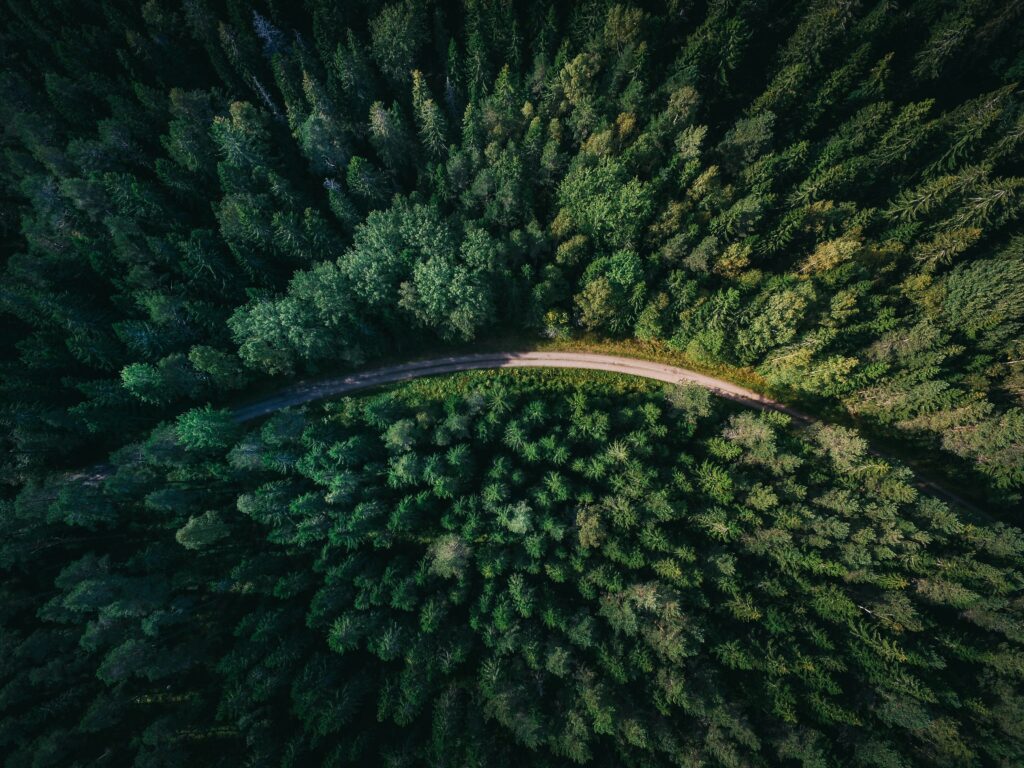
Rather than the barren ice landscapes we associate with modern poles, Mesozoic polar regions supported lush forests and diverse ecosystems. Paleobotanical evidence from both Arctic and Antarctic circles reveals abundant plant life, including conifers, ginkgoes, ferns, and various cycads that thrived despite the seasonal extremes of polar light conditions. These polar forests were remarkably productive ecosystems, with some trees showing growth rings indicating rapid summer growth during periods of constant sunlight. In Antarctica, fossil forests from the Cretaceous period show evidence of trees growing at rates comparable to modern temperate forests, despite their extreme southern location. These verdant polar landscapes provided crucial habitat and sustenance for dinosaur populations, enabling them to establish permanent residence or use these regions as seasonal migration destinations.
Evidence of Polar Dinosaurs

Paleontological discoveries have confirmed that numerous dinosaur species not only visited but permanently inhabited polar regions during the Mesozoic. In Alaska and northern Canada, fossils of hadrosaurs, ceratopsians, tyrannosaurs, and other dinosaur groups have been found well within what would have been the Arctic Circle. Most famously, the Alaskan formation known as the Prince Creek Formation has yielded thousands of fossils from at least 13 different dinosaur species dating to the Late Cretaceous period. Similarly, Antarctica has produced significant dinosaur fossils, including crested dinosaurs like Cryolophosaurus and the plant-eating Glacialisaurus. These discoveries establish that dinosaurs were not merely tropical or temperate creatures but were capable of thriving across virtually all latitudes of the Mesozoic world, including its poles, thanks to the absence of permanent ice caps.
Seasonal Migration Patterns

Despite the relative warmth of Mesozoic polar regions, these areas still experienced extreme seasonal variations in daylight, with months of continuous darkness in winter and continuous light in summer. This likely prompted many dinosaur species to develop seasonal migration patterns between polar and more temperate latitudes. Skeletal studies of some hadrosaur and ceratopsian species show growth patterns consistent with seasonal migration, with growth rings indicating different rates of development depending on location and food availability. Some paleontologists have proposed migration routes spanning thousands of kilometers, particularly during the Cretaceous period when land bridges connected many continents. These hypothesized “dinosaur highways” would have allowed species to follow optimal conditions throughout the year, moving poleward during summer abundance and retreating to more temperate regions during the polar winter darkness.
Adaptations to Polar Conditions
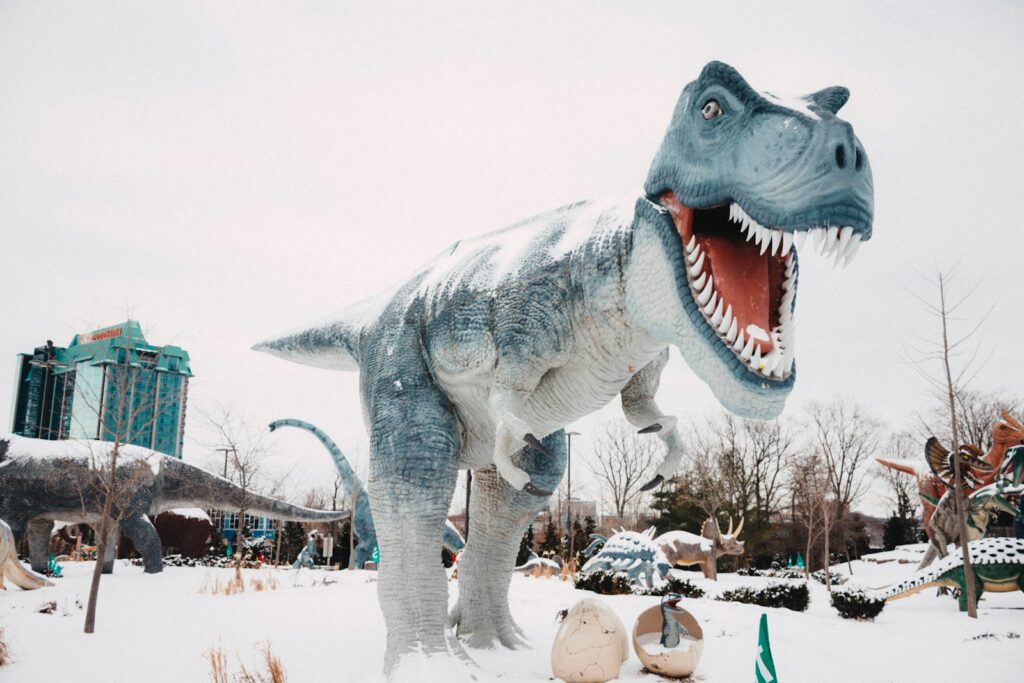
Dinosaurs that permanently inhabited polar regions evolved specific adaptations to cope with the unique challenges of these environments. Larger eyes in some polar dinosaur species may have helped them navigate during the prolonged winter darkness. Enhanced metabolic adaptations likely allowed polar dinosaurs to maintain activity during colder seasons, with some paleontologists suggesting certain polar species may have had higher metabolic rates than their lower-latitude relatives. Some fossil evidence indicates that certain polar dinosaurs possessed different proportions of insulating structures, potentially including feathers or proto-feathers, that would have helped maintain body temperature during cooler polar conditions. These specialized adaptations demonstrate that dinosaurs were not simply surviving in polar regions but specifically evolving to thrive in these unique environmental niches made possible by the ice-free conditions.
Continental Drift and Changing Migration Routes

Throughout the Mesozoic Era, the gradual breakup of the supercontinent Pangaea progressively transformed dinosaur migration possibilities, particularly regarding polar access. Early Mesozoic dinosaurs could potentially traverse virtually the entire supercontinent, reaching polar regions through continuous landmasses. As Pangaea fragmented into Laurasia and Gondwana, and later into recognizable modern continents, migration routes became increasingly complex and restricted. By the Late Cretaceous, the opening of the Atlantic Ocean had significantly altered possible migration paths, while the gradual separation of Australia and Antarctica from other southern landmasses created isolated polar ecosystems with unique dinosaur populations. These tectonic changes forced ongoing adaptations in migration strategies throughout dinosaur evolutionary history, even while polar regions remained ice-free and habitable.
Polar Biodiversity Hot Spots
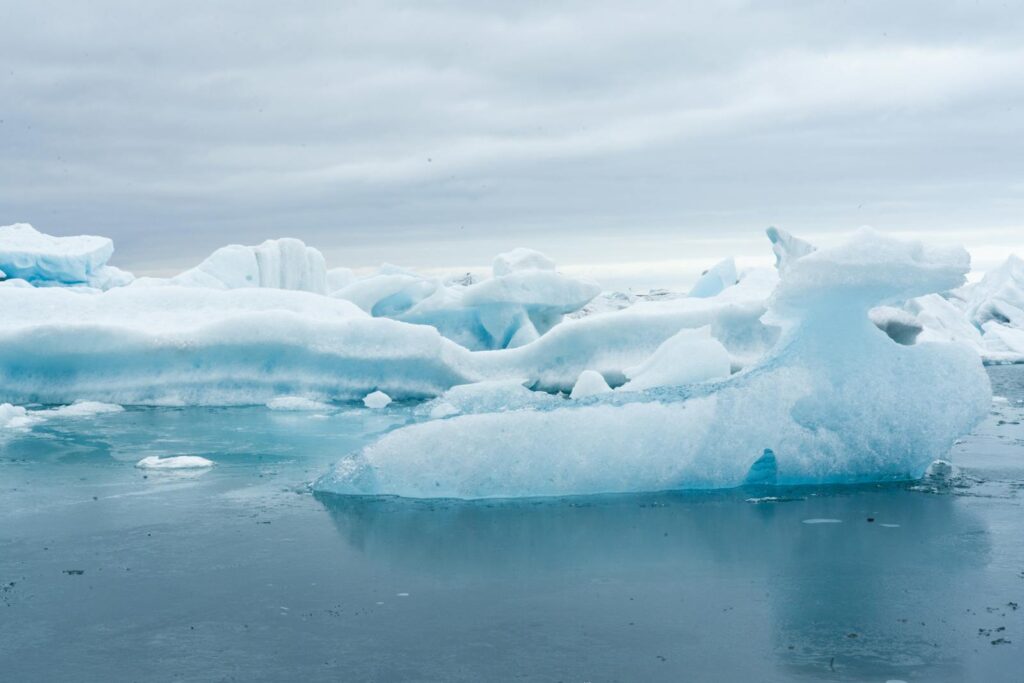
Far from being marginal environments, Mesozoic polar regions represented biodiversity hotspots with unique assemblages of dinosaur species. In Australia, which was connected to Antarctica and positioned near the South Pole during the Early Cretaceous, researchers have discovered dinosaur species found nowhere else, including the small ornithopod Leaellynasaura, specially adapted for the polar environment. These polar biodiversity zones were characterized by high endemism—species that evolved specifically within these unique ecological niches. The distinctiveness of polar dinosaur communities likely resulted from a combination of geographic isolation and the specific environmental pressures of polar conditions, even in an ice-free world. This polar biodiversity contributed significantly to the overall diversity of dinosaur species worldwide, adding another dimension to their evolutionary success.
Fossil Evidence from Alaska
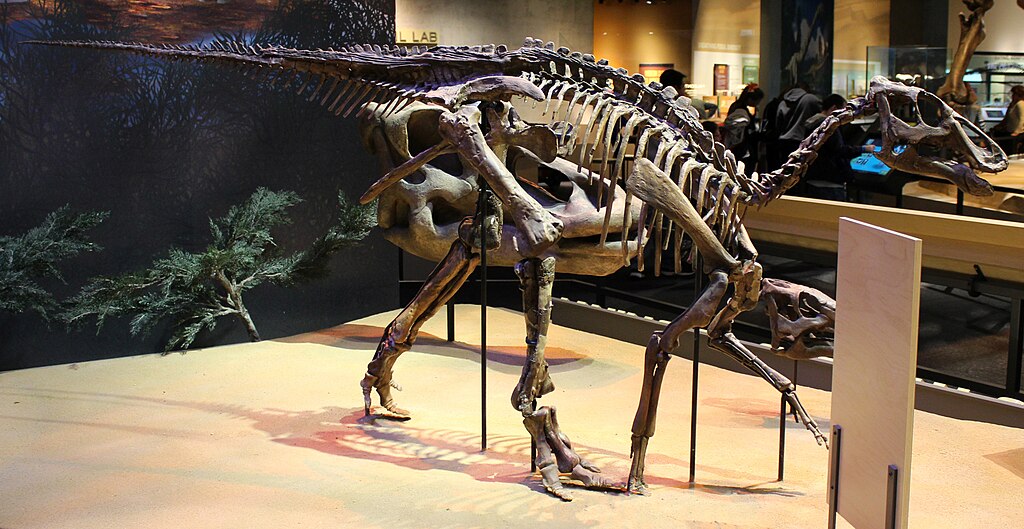
Alaska’s North Slope has proven exceptionally valuable for understanding polar dinosaurs, with the Prince Creek Formation providing one of the richest collections of Arctic dinosaur fossils in the world. Dated to approximately 70 million years ago, these sediments have revealed a diverse community that included tyrannosaurs, hadrosaurs, ceratopsians, pachycephalosaurs, and various small theropods. Perhaps most remarkably, fossil evidence suggests that many of these species were permanent residents rather than seasonal migrants. The Alaskan Pachyrhinosaurus, a ceratopsian related to Triceratops, shows adaptations specific to high-latitude living, while the discovery of juvenile dinosaur fossils and nesting sites provides compelling evidence that these animals were reproducing in the Arctic rather than merely visiting. These findings emphasize how the absence of polar ice allowed dinosaurs to fully integrate these regions into their global distribution.
Antarctic Dinosaur Discoveries
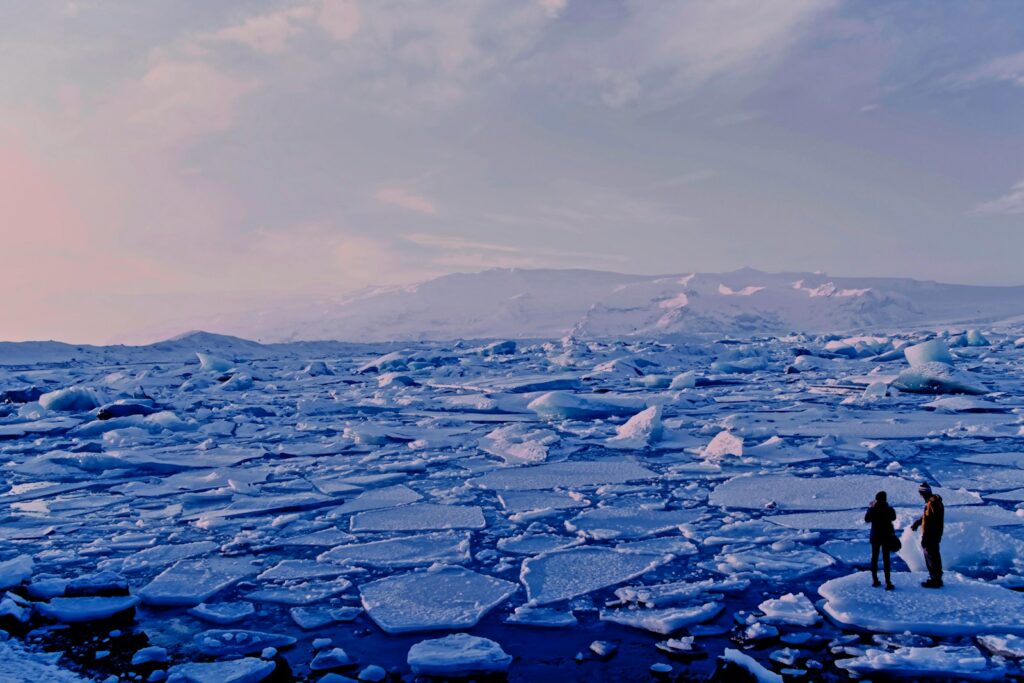
The frozen continent of Antarctica has gradually revealed its remarkable dinosaur history despite the challenges of paleontological work in this extreme environment. The most famous Antarctic dinosaur, Cryolophosaurus ellioti, was a large crested theropod that inhabited the continent during the Early Jurassic period when Antarctica was still connected to other southern continents but positioned very close to the South Pole. Additional discoveries include the sauropodomorph Glacialisaurus and evidence of large predatory theropods similar to Allosaurus. Fossil plants associated with these dinosaur remains confirm that Antarctica supported forests of southern conifers, ginkgoes, and ferns that provided habitat and food sources for these animals. The Antarctic dinosaur fossils are particularly valuable scientifically as they represent high-latitude dinosaur communities from the southern hemisphere, providing important comparative data to northern polar dinosaur ecosystems.
Dinosaur Behavior in Polar Environments
The seasonal extremes of polar environments, even without ice caps, likely shaped distinctive behavioral adaptations among dinosaur inhabitants. The most significant challenge was navigating the prolonged darkness of polar winters, which would have affected food availability and possibly activity patterns. Some paleontologists have suggested that certain polar dinosaur species may have entered states of torpor or reduced activity during winter months, though this remains speculative based on current evidence. Social behaviors may have been specially adapted, with some researchers proposing that polar hadrosaurs may have formed larger herds for winter survival than their lower-latitude relatives. Nesting behaviors also show adaptation, with evidence suggesting some polar dinosaurs synchronized their breeding to maximize the advantage of the resource-rich polar summers, laying eggs early enough that hatchlings could benefit from peak food availability.
Climate Fluctuations During the Mesozoic
While the Mesozoic Era was predominantly warmer than today’s climate, it experienced significant climate fluctuations that temporarily affected polar habitability. Several cooling events during the Jurassic and Cretaceous periods created brief intervals when seasonal ice may have formed at the highest latitudes, potentially restricting dinosaur distributions. Conversely, extreme warming events, such as the Paleocene-Eocene Thermal Maximum at the end of the Mesozoic, pushed temperatures even higher, potentially opening new migration routes at the highest latitudes. Paleoclimate evidence from ocean sediments, plant fossils, and oxygen isotope ratios in fossils indicates these climate oscillations created dynamic conditions that dinosaur species needed to adapt to through changing migration patterns. These climate fluctuations, although never cold enough to create permanent polar ice caps comparable to today’s, likely drove evolutionary adaptations and influenced speciation events among dinosaur lineages.
Implications for Modern Climate Change

The study of ice-free poles during the dinosaur era provides valuable insights relevant to understanding modern climate change scenarios. Studying how ecosystems functioned on a greenhouse Earth without polar ice caps offers potential glimpses into future conditions if current warming trends continue unabated. Researchers are particularly interested in understanding how the reduced temperature gradient between the equator and the poles affected global weather patterns, ocean currents, and climate stability during the Mesozoic. The rate of adaptation demonstrated by dinosaur species as they colonized polar regions may provide clues about how quickly modern species might adapt to rapidly changing environments, though the current rate of climate change exceeds what occurred during most of the Mesozoic. These paleoclimate studies offer an important perspective on the Earth’s climate system under fundamentally different boundary conditions than exist today.
The End of Polar Dinosaur Habitats
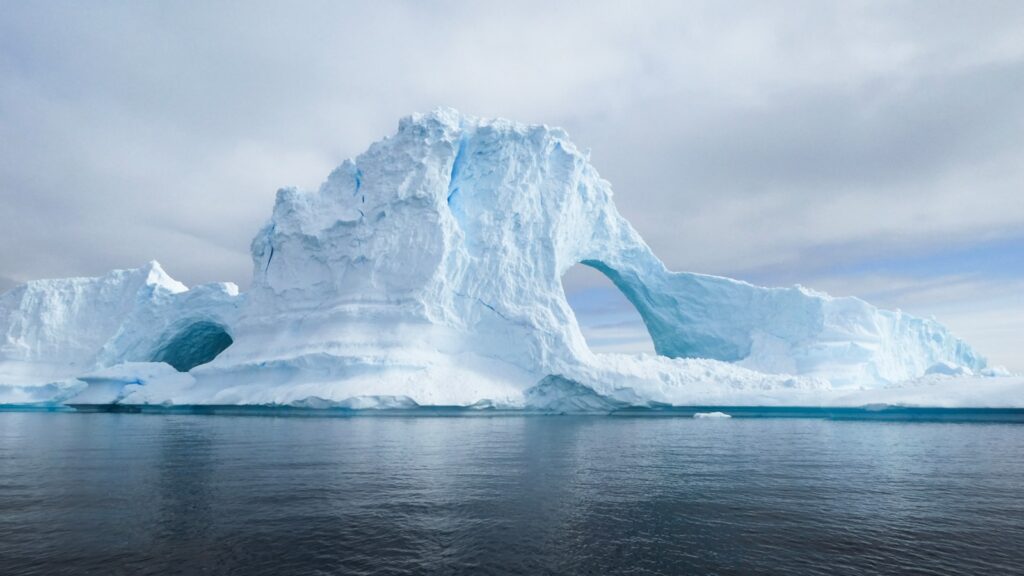
The extinction event that ended the dinosaur era approximately 66 million years ago coincided with significant global cooling that would eventually lead to the re-establishment of polar ice caps. Evidence suggests that in the aftermath of the Chicxulub asteroid impact, global temperatures dropped precipitously during an extended “impact winter,” fundamentally altering polar environments that had been dinosaur habitats for millions of years. The subsequent Paleogene period saw gradual cooling trends that eventually led to the formation of the Antarctic ice sheet approximately 34 million years ago, followed much later by Arctic glaciation around 2.7 million years ago. This post-dinosaur cooling and eventual glaciation of the poles represents one of the most significant climate transitions in Earth’s history, transforming formerly habitable dinosaur ecosystems into the ice-dominated polar environments we recognize today. This dramatic transformation underscores just how different the dinosaur world was from our own, particularly at the poles.
Conclusion

The ice-free polar regions of the Mesozoic Era created a fundamentally different world for dinosaurs than the one we inhabit today. These hospitable polar environments enabled dinosaurs to establish truly global distributions, develop specialized migration patterns, and evolve unique adaptations for high-latitude living. The fossil record from both the Arctic and Antarctic regions reveals diverse dinosaur communities that either permanently inhabited these regions or incorporated them into extensive migration networks. As our planet faces potential future warming, understanding how ecosystems functioned during this ice-free period provides valuable context for anticipating ecological responses to changing climate conditions. The story of dinosaurs at the poles reminds us that Earth’s climate has varied dramatically through geological time, with profound implications for the distribution and evolution of life on our planet.