Have you ever paused to wonder what might’ve happened if those ancient reptiles had evolved differently? Imagine velociraptors not just hunting, but organizing themselves into complex family units with leaders and social hierarchies. Picture massive sauropods not simply moving in herds, but forming alliances and displaying cooperative behaviors that rivaled the sophistication of today’s great apes.
It sounds like science fiction, right? Yet the evidence we’ve uncovered about dinosaur intelligence and behavior over the past few decades suggests these creatures were far more complex than we once believed. They weren’t just mindless beasts roaming prehistoric landscapes. So let’s explore this fascinating alternate reality where dinosaurs developed primate-like social structures, and what that might have meant for life on Earth.
The Intelligence Foundation: How Smart Were Dinosaurs Really?
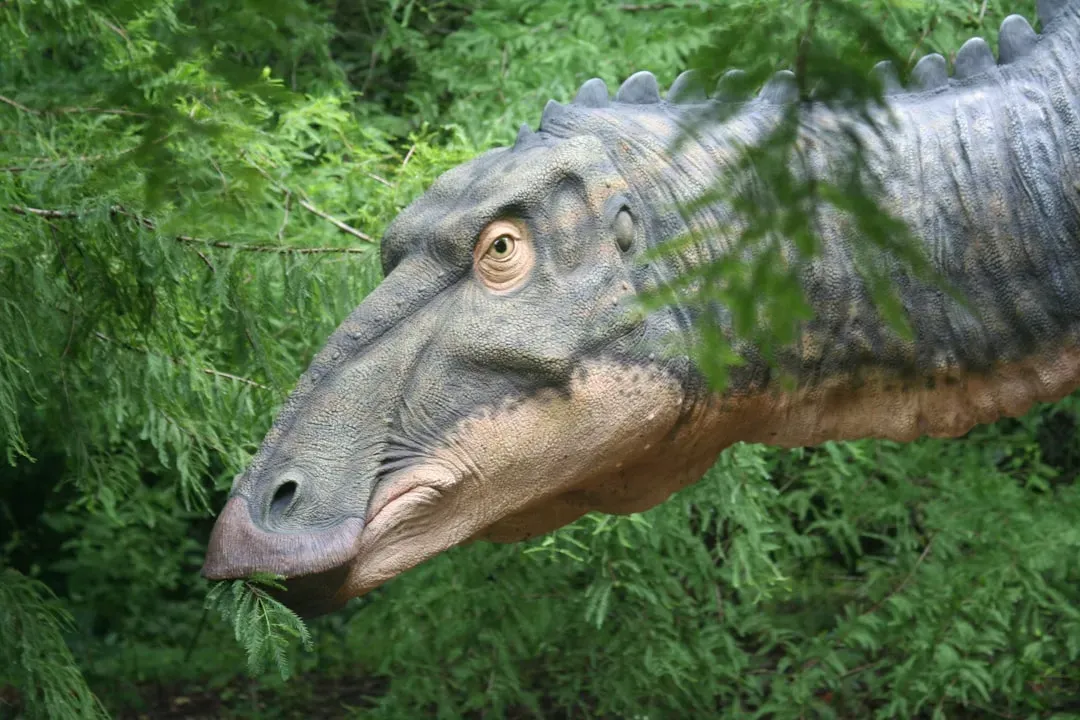
Dinosaurs are now recognized to have functioned at an avian level of behavioral complexity, a far cry from the slow-witted reptiles once portrayed in older textbooks. Some dinosaurs, particularly theropods, might have had intelligence levels comparable to modern birds, with theropod dinosaurs potentially having higher neuron densities similar to those found in modern primates. Think about that for a moment – a T. rex with cognitive abilities approaching a baboon’s.
Troodon is often considered one of the most intelligent dinosaurs to have ever existed, with a brain-to-body ratio larger than that of many other carnivorous dinosaurs, suggesting advanced behaviors and problem-solving skills. If dinosaurs like Troodon had continued evolving, their intellectual trajectory could have been remarkable. The fossil record shows us they already possessed the hardware for complex thought. Honestly, it makes you wonder what prevented them from making that leap.
Social Behavior Evidence: Were Dinosaurs Already Cooperating?
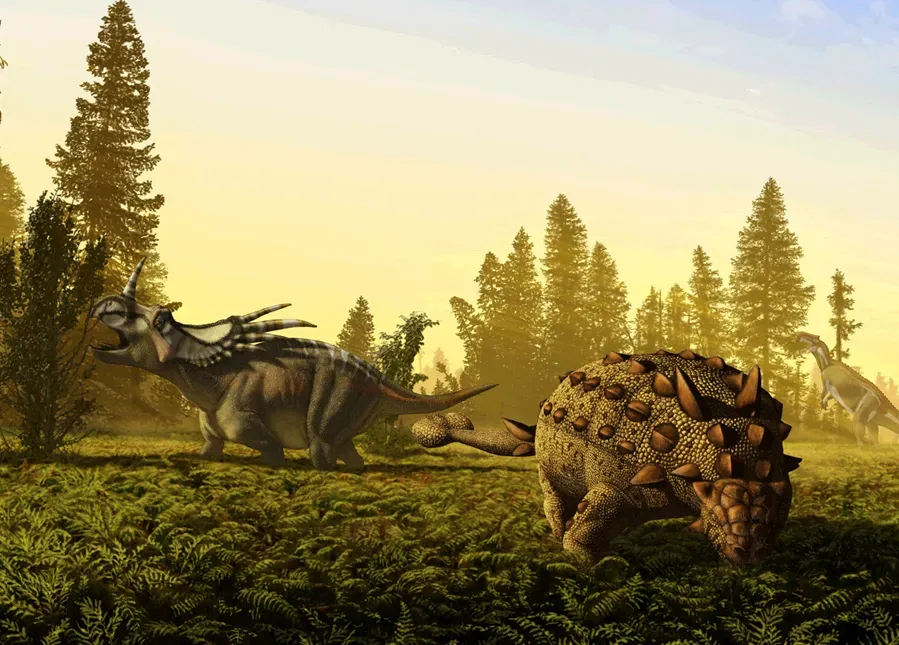
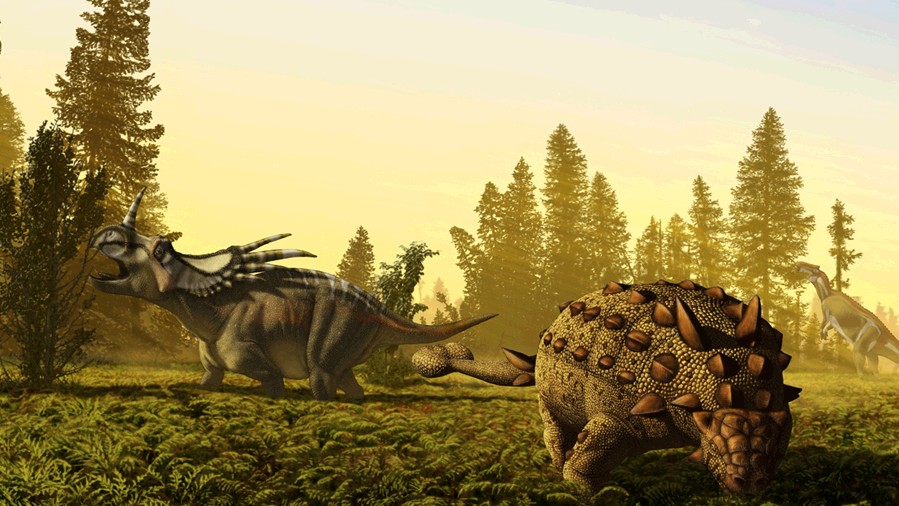
Evidence suggests that some dinosaurs, especially herd-forming species like hadrosaurs, had complex social structures and communication methods, with fossil trackways indicating coordinated movements. This wasn’t just random clustering. These dinosaurs stayed together in family groups, flocks, or herds, with tracks indicating that adult dinosaurs actively shielded their young from predators.
Picture this: a group of hadrosaurs moving in formation, with juveniles protected in the center, surrounded by watchful adults. Sauropod tracks show groups with juvenile footprints all in the center, flanked by adults moving together in the same direction, suggesting something fundamental about the sophistication of the dinosaurian brain. If they’d developed primate-like societies, this protective instinct could have evolved into complex childcare systems, possibly even teaching and mentoring younger members.
Communication Systems: Could Dinosaurs Have Developed Language?
Paleontologists have uncovered evidence suggesting that dinosaurs possessed a diverse array of communication methods, from vocalizations and visual displays to potential chemical signaling. But what if these rudimentary signals had evolved into something more sophisticated? Primates use complex vocalizations, facial expressions, and gestures to convey nuanced information about threats, food sources, and social status.
Communication played a crucial role in hunting strategies, with fossilized trackways providing evidence of coordinated movements and hunting patterns, suggesting some level of communication between pack members. Let’s be real – if dinosaurs could coordinate hunts, they had the foundation for symbolic communication. Given millions more years of evolution, we might have seen dinosaurs developing proto-languages, using specific calls for different prey animals or danger levels. The crests and frills of many species could have evolved as visual communication tools, flashing colors or patterns to convey complex social messages within their groups.
Hierarchical Structures: Dinosaur Dominance and Social Rank
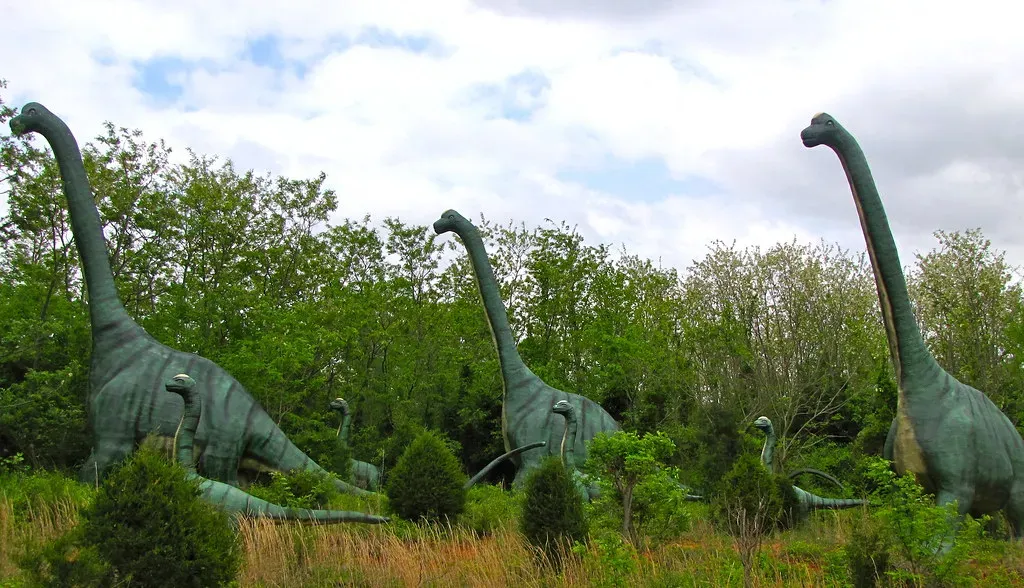
Primate group cohesion and stability are maintained through kinship, cooperation, and dominance structures, with stable hierarchies based on kinship where rank can be linearly traced and inherited. If dinosaurs had adopted similar systems, we’d see fascinating parallels in their fossil record. Within hunting packs, there would often be an individual that assumed a dominant role and acted as leader during hunts, with this alpha predator possessing unique characteristics or employing dominance displays that established their leadership position.
Imagine a troodon society where the most intelligent individuals rose to leadership positions, passing their status to offspring through learned behaviors and social recognition. The implications are staggering. In resident-nepotistic-tolerant hierarchies, stability is maintained via inter-individual coalitions and tolerance by dominant individuals, with power partially mitigated by cooperation among subordinate individuals. Such a system in dinosaurs could have created stable, multi-generational communities where knowledge accumulated and spread through social learning rather than instinct alone.
Cooperative Breeding and Parental Care
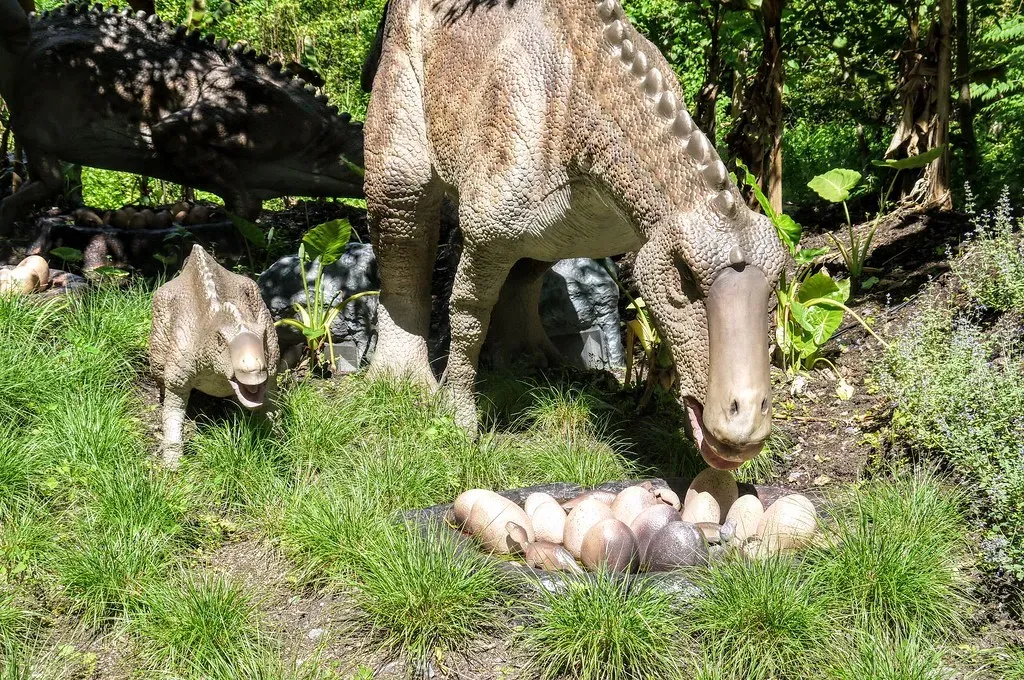
Primates excel at cooperative breeding, where multiple individuals share the burden of raising young. In one-female-multi-male groups, this social system promotes cooperative breeding, where non-breeding individuals assist in providing care for offspring produced by the main breeding female. There’s actually compelling evidence dinosaurs were already moving in this direction.
Nesting sites provide insights into reproductive habits, with some fossils showing that dinosaurs built nests in colonies, where multiple individuals laid eggs in close proximity. If dinosaurs had evolved primate-level social complexity, these communal nesting sites might have transformed into elaborate nurseries with designated caretakers. Aunts, uncles, and older siblings could have played active roles in protecting and teaching hatchlings, dramatically increasing survival rates. The bond between caregivers and young could have strengthened social ties across generations, creating tight-knit family units that recognized and supported each other throughout their lifetimes.
Tool Use and Cultural Transmission
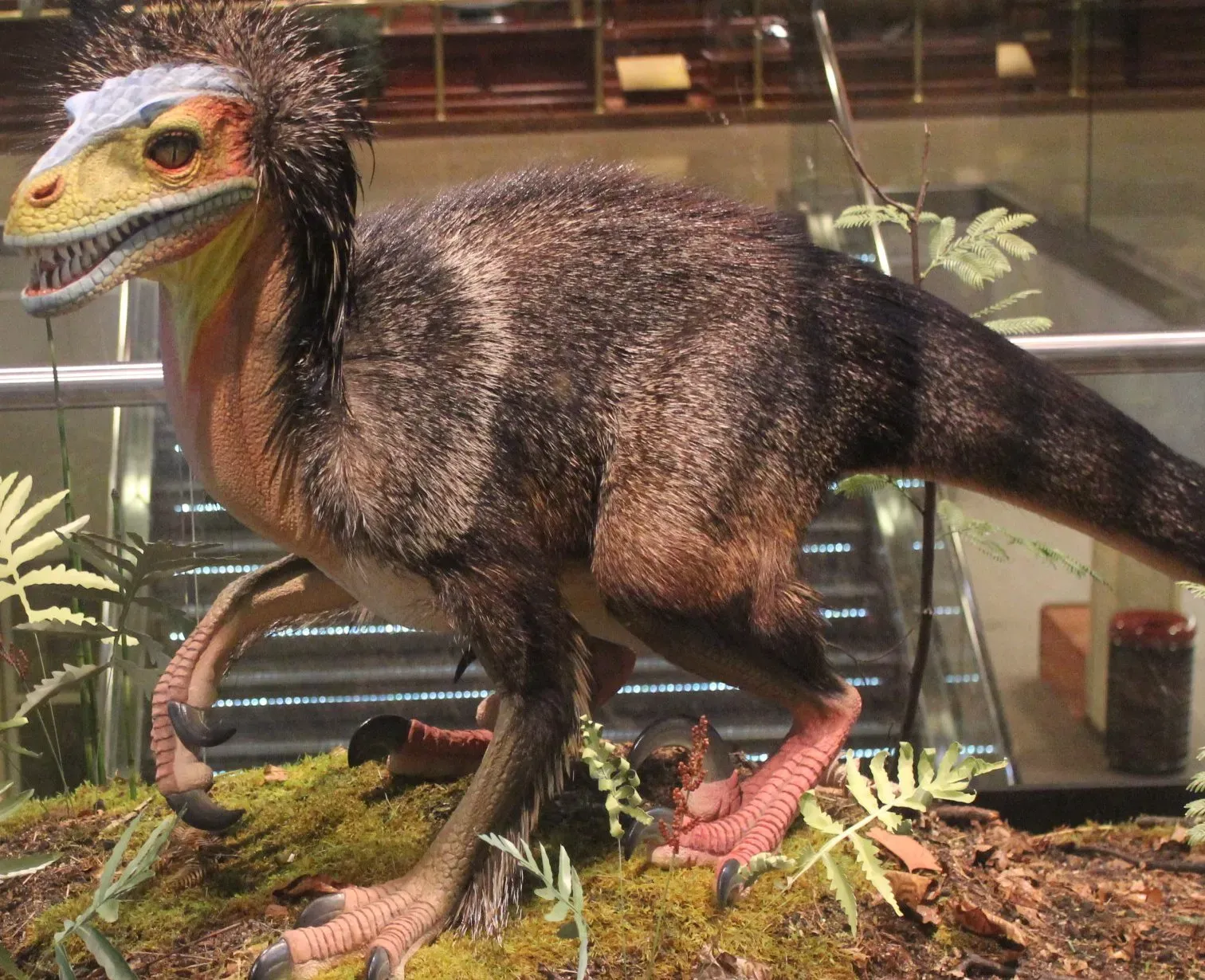
Here’s where things get really intriguing. Some modern birds display signs of cognitive behaviors that rival non-human primates, including social cognition and learning, problem solving, and tool use. Recent studies have suggested that certain dinosaurs may have exhibited complex cognitive abilities, such as tool use or even the capacity for problem-solving, pushing the boundaries of our understanding.
With primate-like social structures facilitating knowledge transfer between individuals, dinosaurs could have developed rudimentary tool use. Theropod dinosaurs such as troodon had large brains, large grasping hands, and likely binocular vision, providing the anatomical prerequisites for manipulation. Picture a troodon using a stick to flush prey from burrows, then teaching this technique to its offspring and packmates. Over generations, these behaviors could have become cultural traditions, passed down and refined. Different populations might have developed distinct “cultures” with unique hunting strategies, nest-building techniques, or even social rituals.
Multilevel Societies: Complex Dinosaur Communities
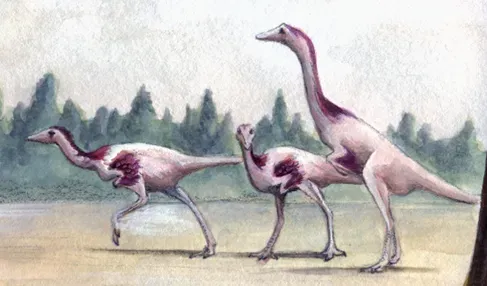
Multilevel societies are the largest and most complex form of primate social organisation, with social stratification that is discrete and has at least one stable core unit, typically composed of one-male units nested within clans, which are nested within bands. Applying this structure to dinosaurs creates a fascinating mental picture. Imagine different theropod family units forming larger coalitions for territory defense or mega-hunts targeting the largest herbivores.
The most complex type of social system found in primates is the multi-level society, with at least three levels: the one-male unit, the band, and the troop or herd, where the one-male unit is the reproductive unit and the band is the ecological unit that forages and sleeps together. Dinosaur communities could have organized similarly – small family groups hunting together daily, multiple families forming temporary bands for seasonal migrations, and entire regional populations gathering at rich feeding grounds or traditional nesting sites. These gatherings could have served social functions beyond mere resource exploitation, allowing for mate selection, alliance formation, and knowledge exchange between distant groups.
What Stopped Them: The Missing Evolutionary Pressures
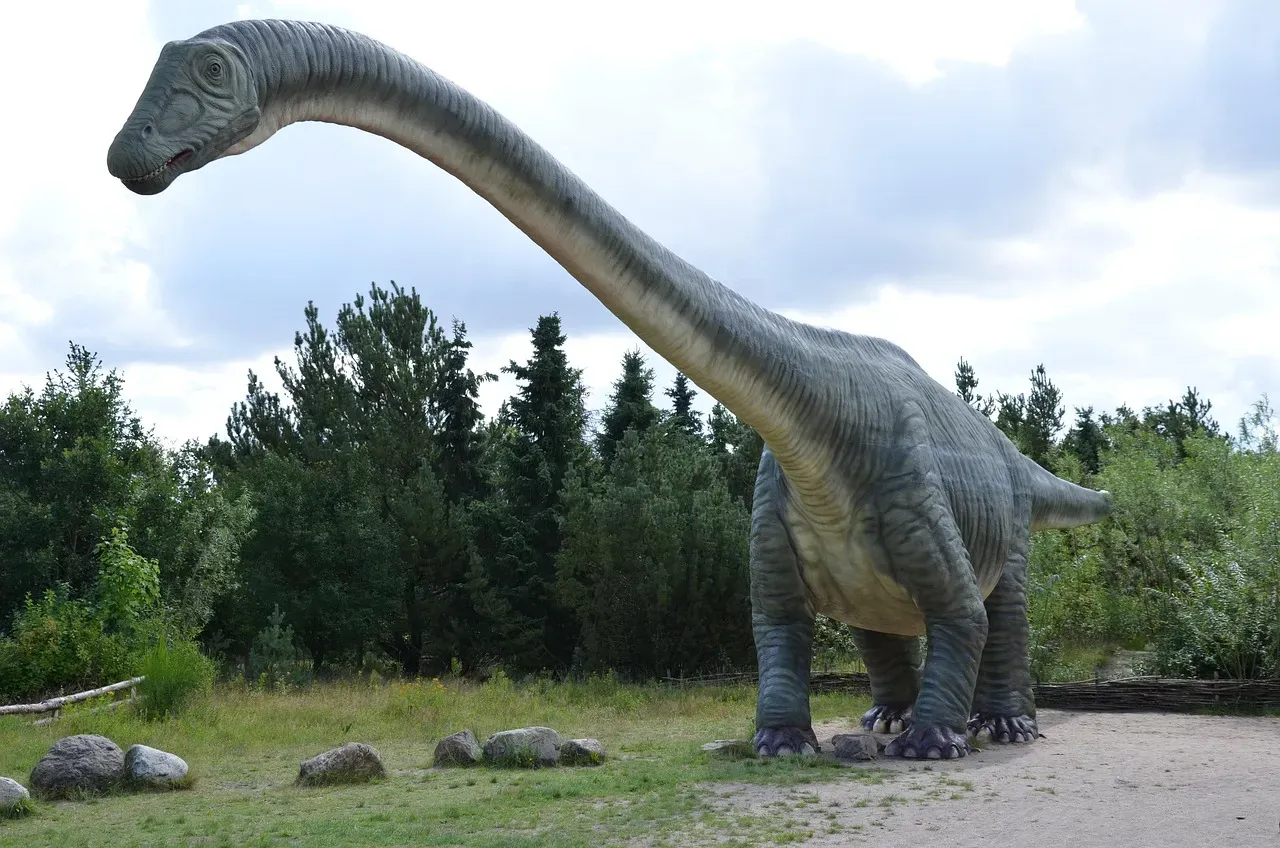
So why didn’t this happen? While dinosaurs ruled terrestrial ecosystems, they faced little direct competition from animals with the potential to develop intelligence, with mammals generally small and occupying minor ecological niches, reducing the selective pressure for dinosaurs to evolve more sophisticated cognitive abilities. The story of the dinosaurs highlights the contingent nature of evolution and the importance of various factors in shaping evolutionary trajectory, reminding us that intelligence is not an inevitable outcome of evolution.
The harsh reality is that dinosaurs were already successful. They dominated for roughly 165 million years without needing advanced social structures like those of primates. There’s actually not very much direct evidence for pack hunting in dinosaurs, despite what movies would have us believe. The evolutionary pressure simply wasn’t there. Their ecological dominance meant they could afford to be less socially complex. Then the asteroid struck, ending their reign before evolution could experiment further with intelligence and social sophistication.
Conclusion: A Lost Possibility in Evolutionary History
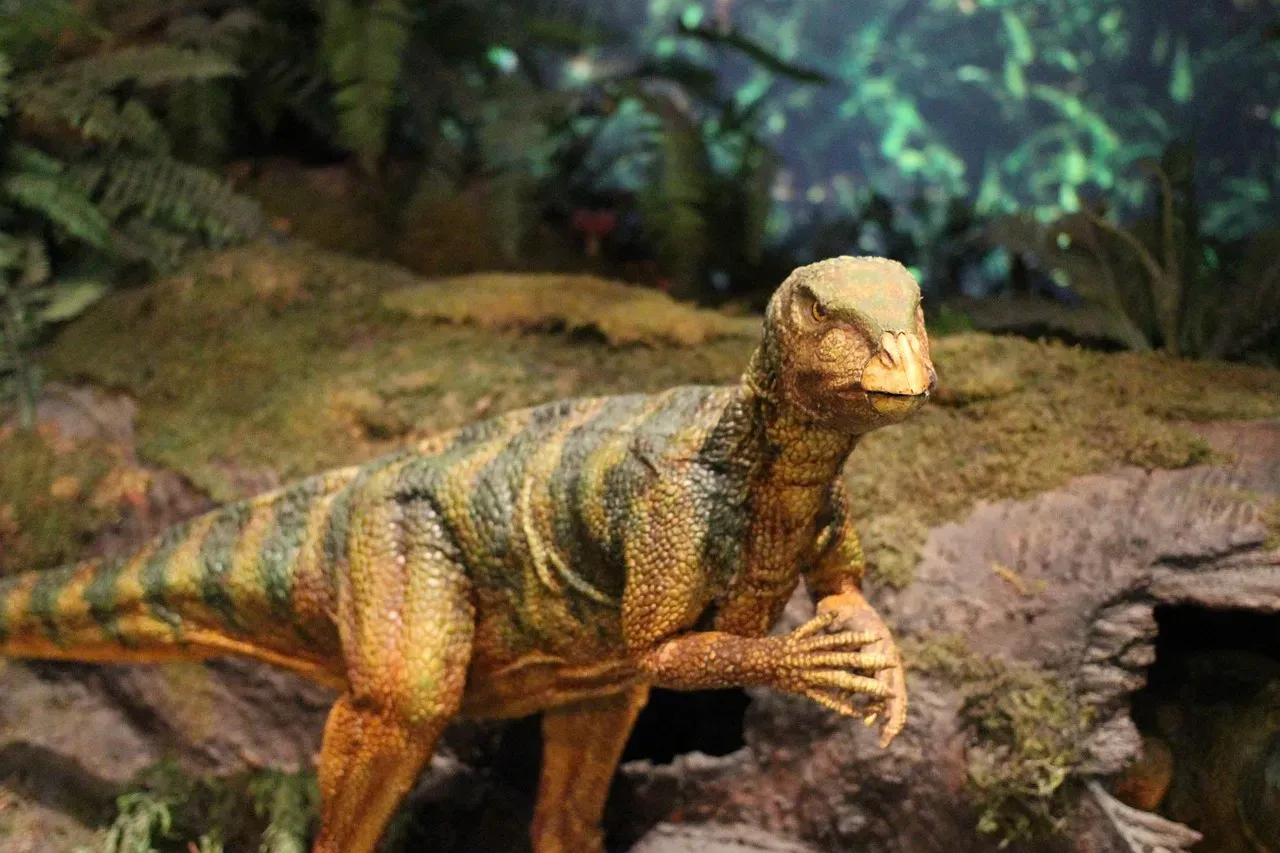
The notion of dinosaurs developing primate-like social structures remains firmly in the realm of fascinating speculation. Yet the evidence shows they weren’t as far from this possibility as we once imagined. They possessed growing intelligence, demonstrated rudimentary social behaviors, communicated with each other, and cared for their young. Had the catastrophic extinction event not occurred, who knows what another 65 million years of evolution might have produced?
Perhaps somewhere in an alternate timeline, intelligent dinosaur societies thrived, building complex communities and passing knowledge across generations. In our reality, that potential was cut short, leaving mammals to eventually fill the intelligence niche. Still, it’s a powerful reminder that evolution is not predetermined, and intelligence can emerge from unexpected places.
What would our world look like if those ancient reptiles had continued their evolutionary journey? It’s hard to say for sure, but honestly, the possibilities are mind-boggling to consider.