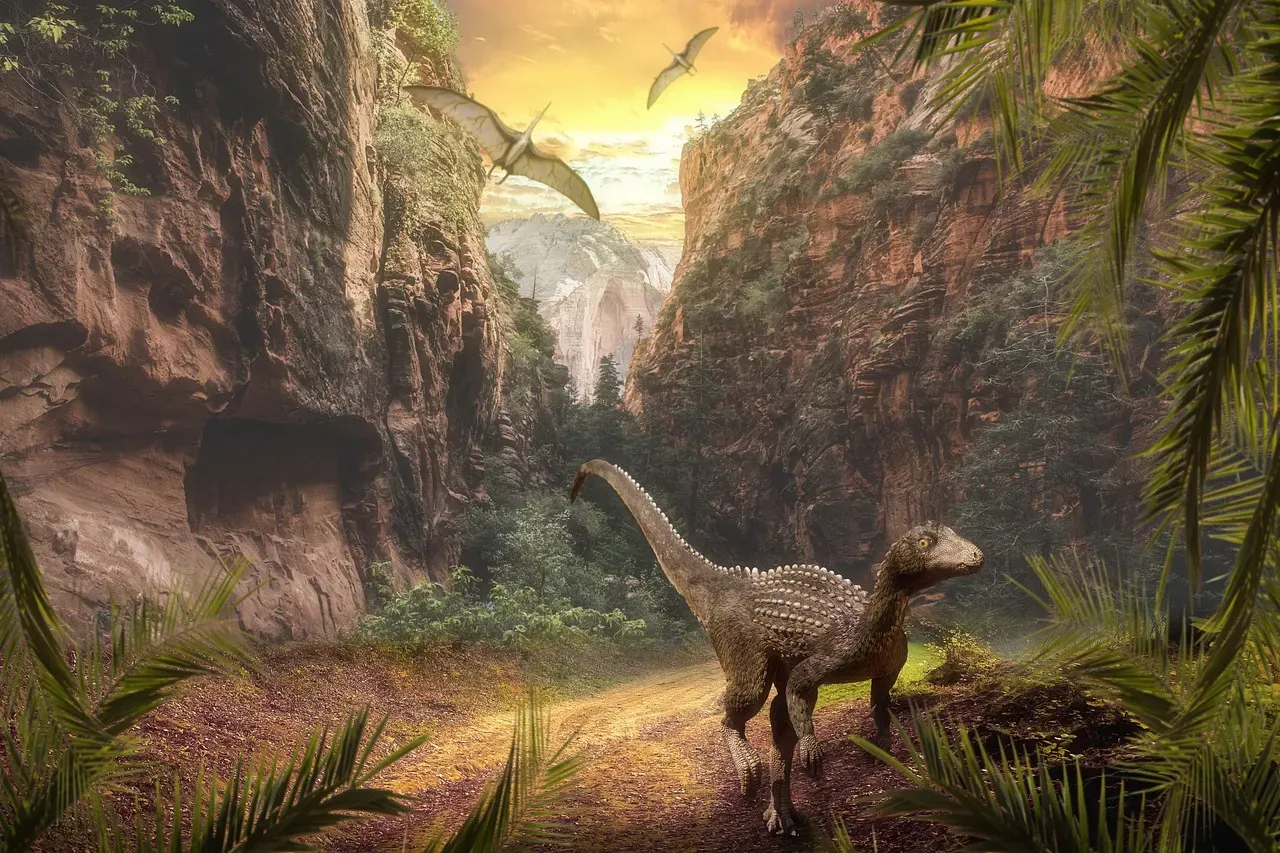
Have you ever imagined walking outside and seeing a creature the size of a bus grazing in your backyard? Picture yourself commuting to work while massive pterosaurs soar overhead. It sounds wild, but this could have been our reality if one particular asteroid had just missed Earth all those millions of years ago. The idea of dinosaurs roaming the planet today raises fascinating questions about evolution, ecology, and whether we humans would even exist.
Around 66 million years ago, an asteroid struck Earth with devastating force, triggering a mass extinction that killed over 90 percent of all species. Yet, what if that cosmic catastrophe never happened? Let’s dive into this mind-bending alternate timeline.
The Asteroid That Changed Everything
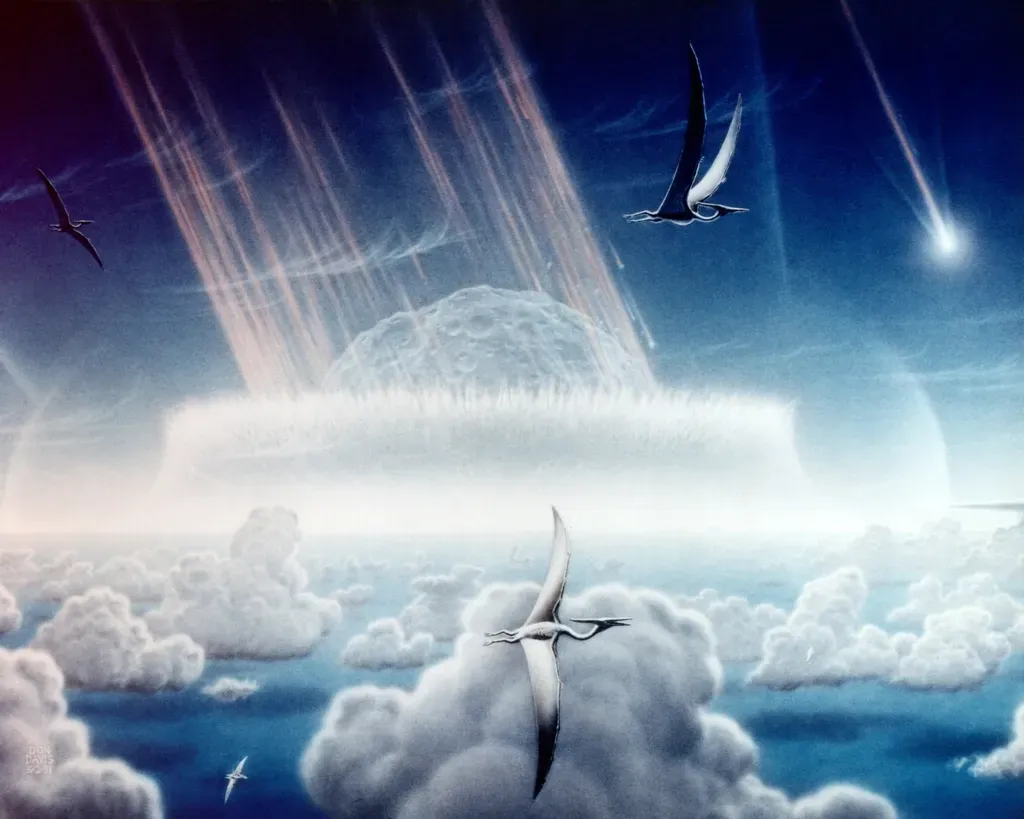
The asteroid struck the Yucatán Peninsula with the force of more than a billion nuclear bombs, punching a hole over 10 miles deep. The impact unleashed unimaginable destruction – tsunamis, wildfires, and earthquakes swept across the globe. What followed was even worse. Dust and soot choked the atmosphere, blocking out sunlight for years and causing temperatures to plummet dramatically.
Plants stopped photosynthesizing, then died, followed by the animals that fed on them, causing food chains to collapse. This cascade of catastrophe wiped the slate clean for life on Earth. Yet in our alternate scenario, imagine that asteroid veering just slightly off course, sailing past Earth harmlessly into the void of space. Everything that followed would have been radically different.
Mammals Would Have Stayed Small
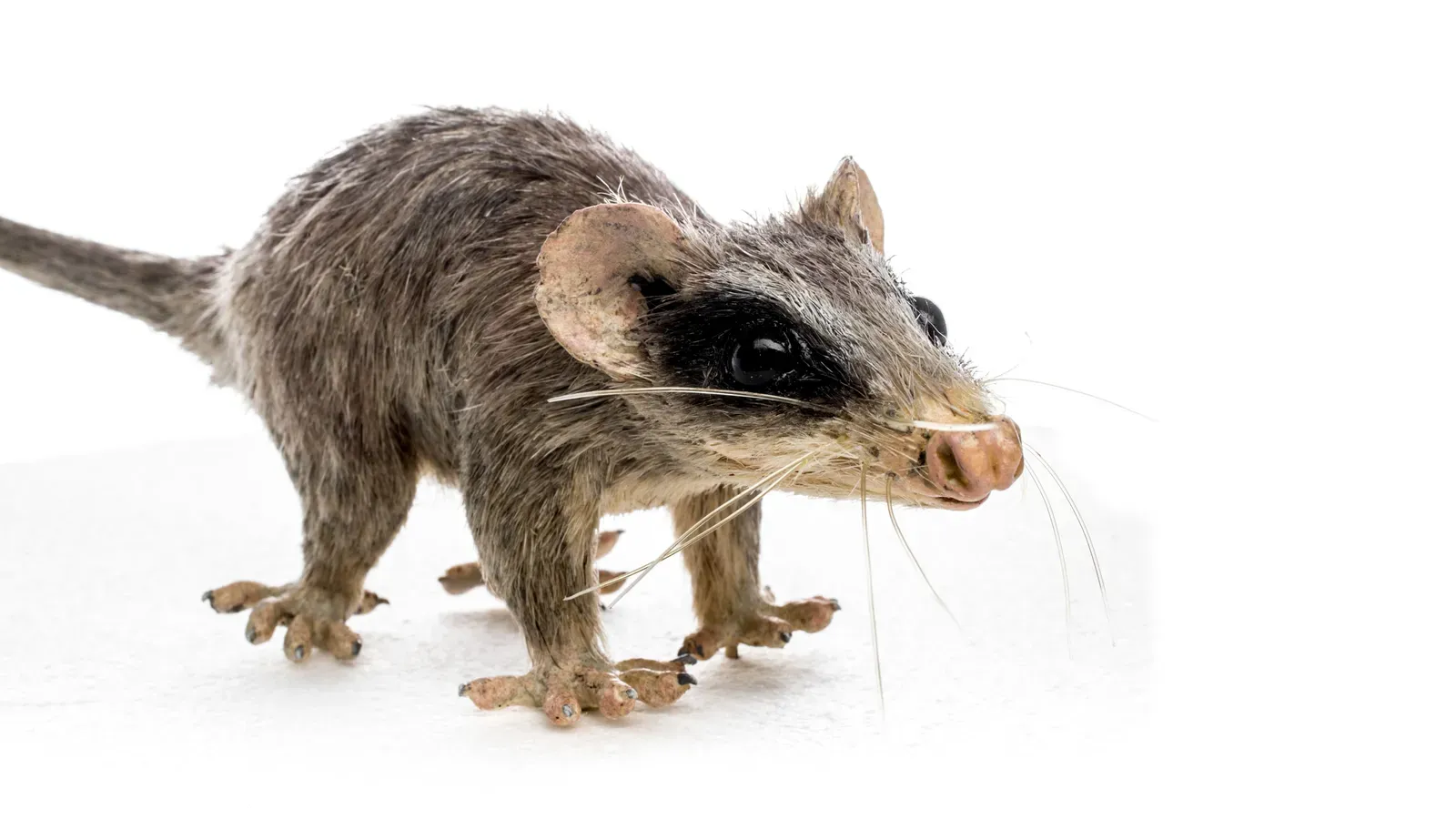
Here’s the thing – mammals and dinosaurs coexisted for 160 million years, but dinosaurs became giants and excluded mammals from large-bodied niches, forcing mammals to stay small and exploit ecological niches the bigger dinosaurs couldn’t access. They were clever little survivors, scurrying around in burrows and trees, but they never got their moment in the spotlight.
Mammals might have remained small, thriving in the ecological niches dinosaurs overlooked. Think about it – if dinosaurs continued dominating the landscape, there would be no elephants, no bears, no whales. The ecological spaces these giants occupy today would still belong to towering sauropods and armored ankylosaurs. Our furry ancestors would have stayed relegated to the shadows, never getting the chance to evolve into the diverse array of mammals we see today.
Could Dinosaurs Have Evolved Intelligence?
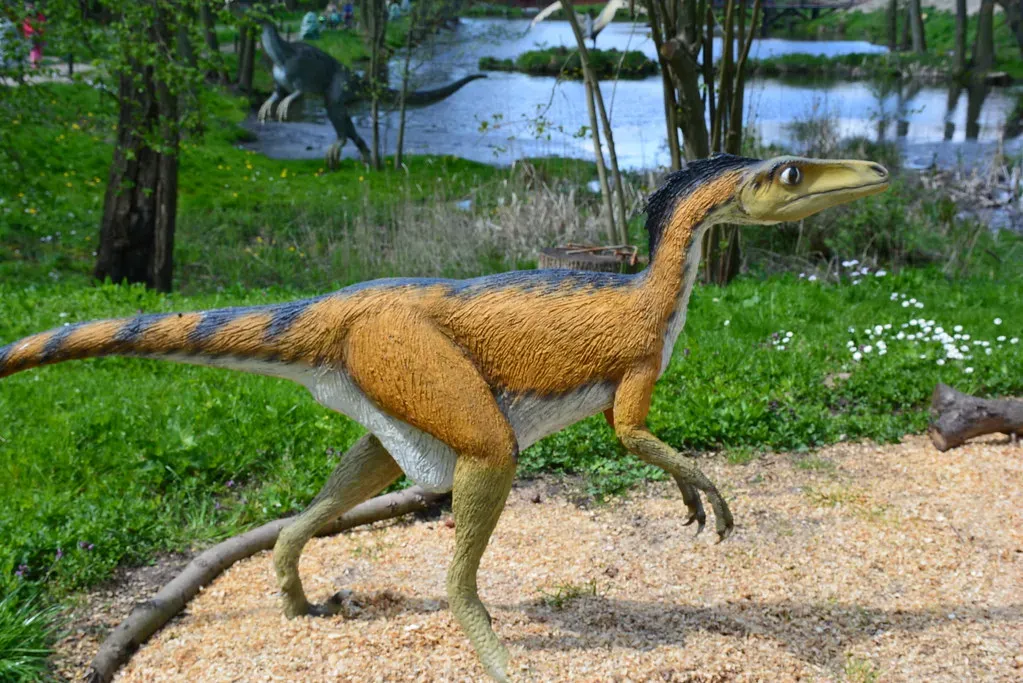
This is where things get really interesting. Some theropod dinosaurs like Troodon had large brains, large grasping hands, and likely binocular vision, leading scientists to suggest that they might have evolved to human intelligence levels if dinosaurs hadn’t become extinct. Picture a creature with sharp eyes, nimble fingers, and problem-solving abilities comparable to modern crows or even primates.
Troodon evolved 77 million years ago, and the extinction occurred just 12 million years later, which may not have allowed sufficient time for such evolution since it required about 50 million years for modern humans to evolve from early simians. Still, given tens of millions of additional years, who’s to say what might have happened? Some paleontologists have speculated about “dinosauroids” – bipedal, tool-using descendants of these clever reptiles. Would they have built cities, developed language, or even contemplated their own existence?
Humans Probably Wouldn’t Exist
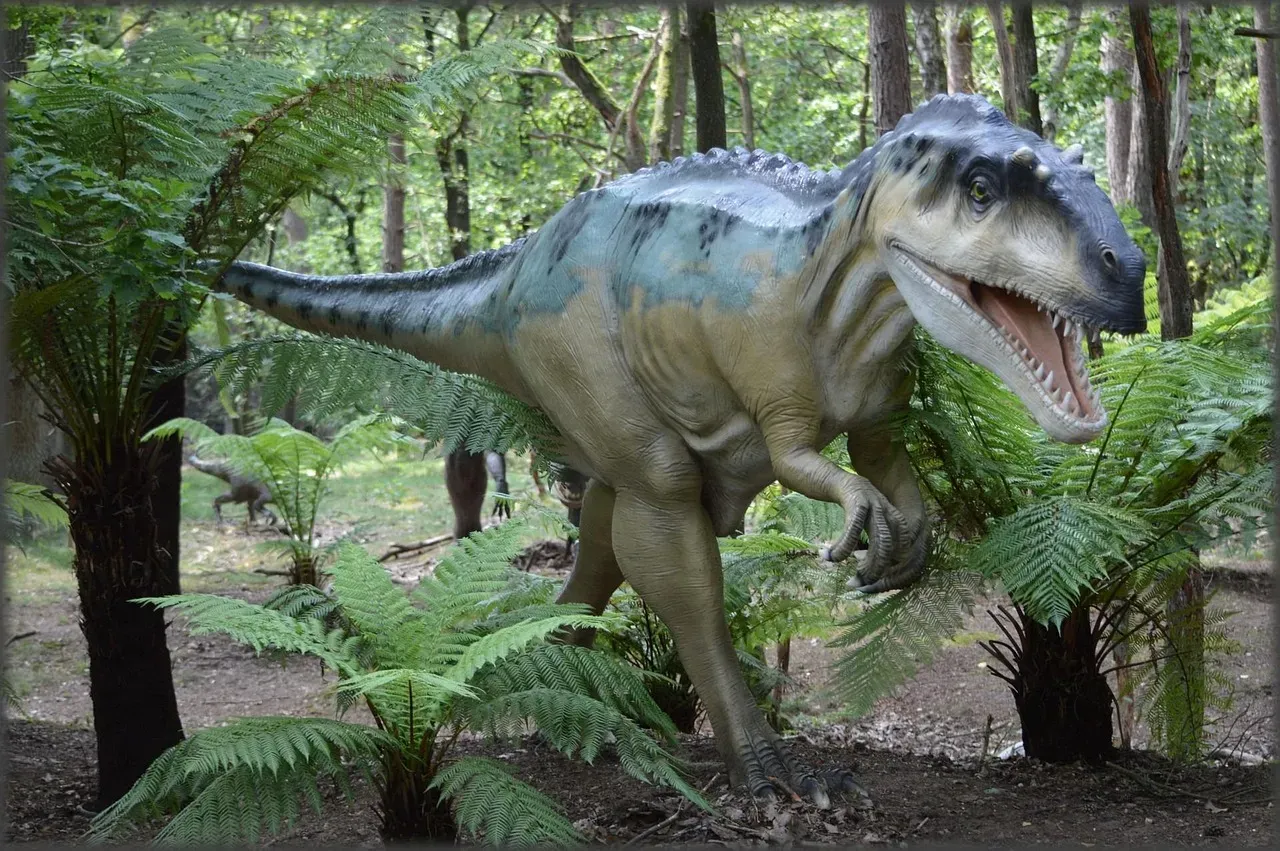
Let’s be real – we probably wouldn’t be here to ponder any of this. Without the ecological release provided by the dinosaur extinction, primates would never have evolved beyond small, tree-dwelling creatures, as African savannas where early hominids evolved would still have been populated by dinosaur herbivores and predators. Our entire evolutionary lineage depended on that asteroid impact.
Even with the dinosaurs gone, human evolution needed the right combination of opportunity and luck. Evolution isn’t some predetermined pathway leading inevitably to intelligent life. It’s messy, random, and highly dependent on specific environmental conditions. In a world still ruled by dinosaurs, the ecological pressures that shaped our ape ancestors simply wouldn’t exist. We’d be a cosmic footnote that never got written.
The World Would Look Dramatically Different
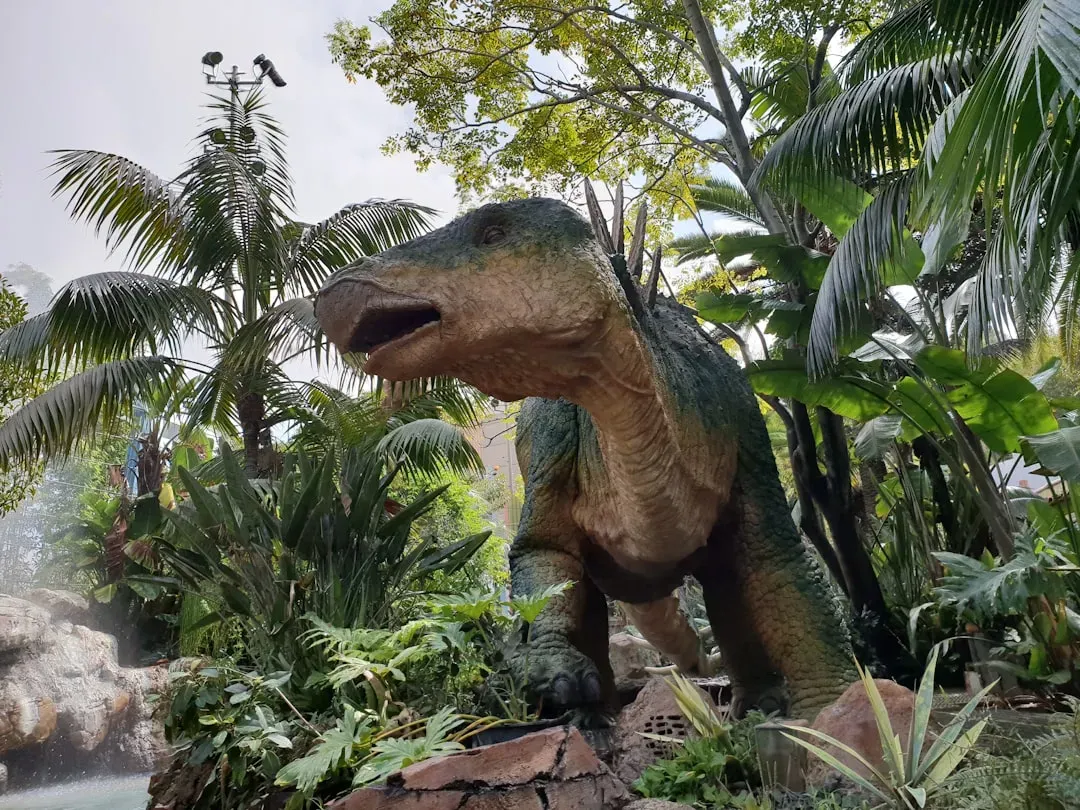
Imagine stepping into this alternate Earth. The continents would occupy roughly the same positions as in our timeline, but would be populated by bewildering dinosaurian megafauna rather than the mammals we know. Grasslands would host herds of massive herbivores instead of wildebeest or bison. Forests would echo with calls from feathered theropods rather than songbirds.
Plants in certain periods were less nutritious and easier to digest, meaning dinosaurs would likely shrink in size since their diet wouldn’t yield as much energy. Climate shifts would have reshaped these creatures over millions of years. Some species would have gone extinct naturally, while new ones evolved to fill emerging niches. The dinosaur world of today wouldn’t look identical to the Cretaceous – it would be an entirely new cast of characters.
Birds Might Never Have Diversified
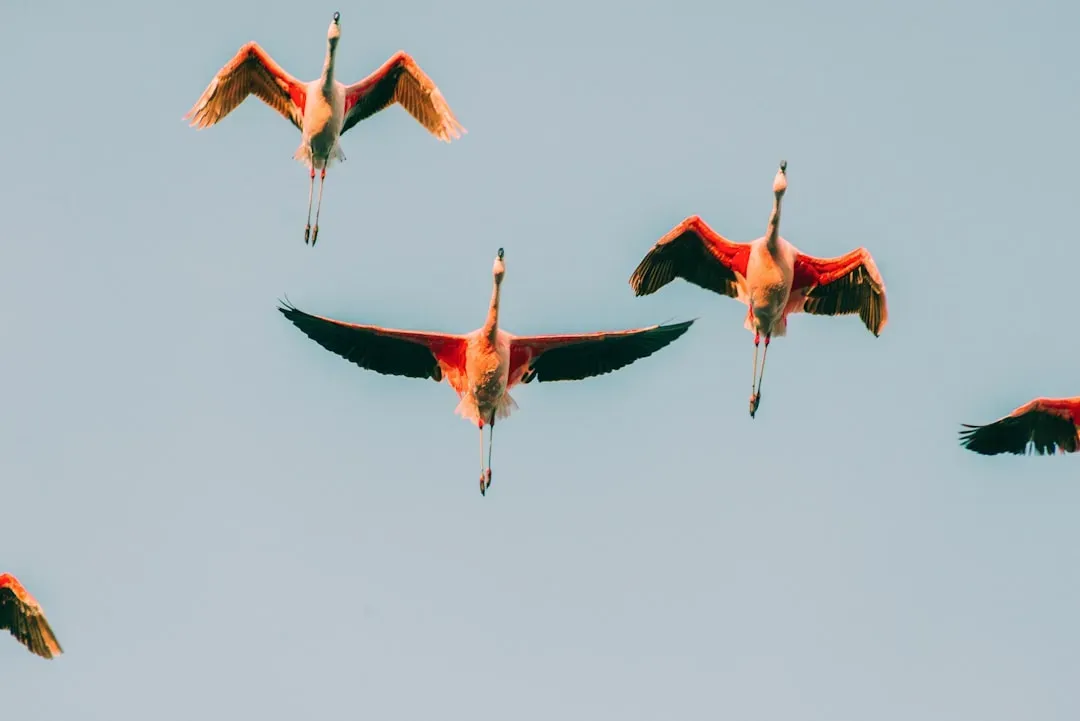
Birds coexisted with dinosaurs for a long time in the Cretaceous, but their diversity was low compared to today, and modern bird groups underwent explosive radiation after the mass extinction, possibly because pterosaurs went extinct and opened up new niches. Without that extinction event, you might never hear a songbird’s melody or watch a hummingbird hover at a flower.
The skies would belong to pterosaurs – those magnificent flying reptiles with wingspans that could exceed modern fighter jets. Competition from these aerial giants would have prevented birds from diversifying into the incredible variety we see today. No parrots, no hawks, no penguins. The aerial domain would remain firmly in reptilian control.
Climate and Ecosystem Evolution
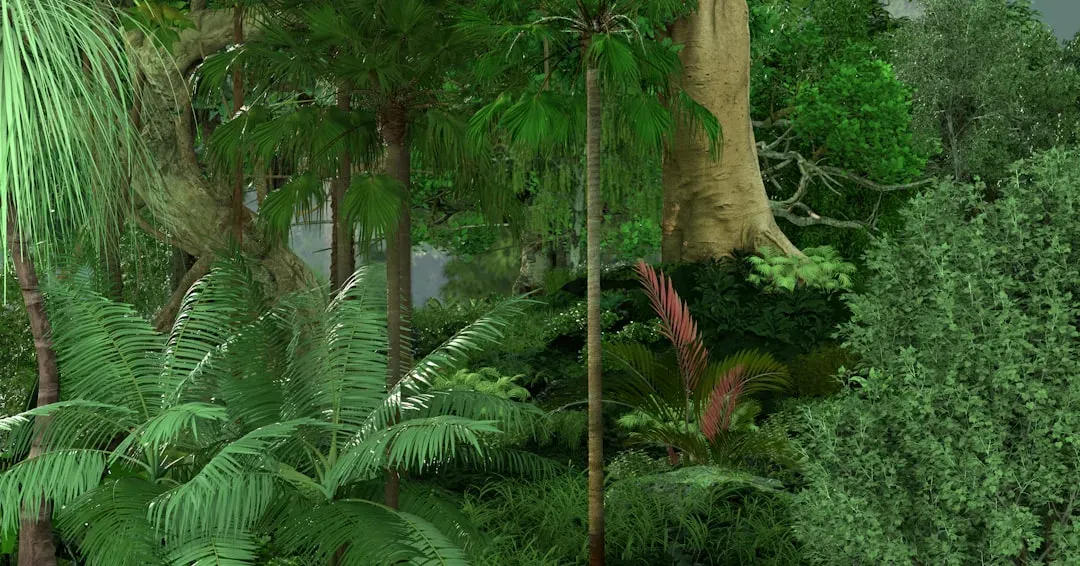
Around 55 million years ago, temperatures rose to 8 degrees Celsius hotter than today, rainforests sprouted, and vegetation flourished, meaning herbivores would have adapted and thrived but looked different. Earth’s climate has never been static – it’s constantly shifting, creating new challenges and opportunities for life.
Dinosaurs would have had to adapt to ice ages, warming periods, and changing vegetation patterns just like mammals did in our timeline. We might have seen dinosaurs evolving longer legs for traversing vast grasslands or developing specialized digestive systems for processing new types of plants. Some might have even developed fur-like feathers for surviving in colder climates, creating creatures that would challenge our very definition of what a dinosaur looks like.
The Humanoid Dinosaur Debate
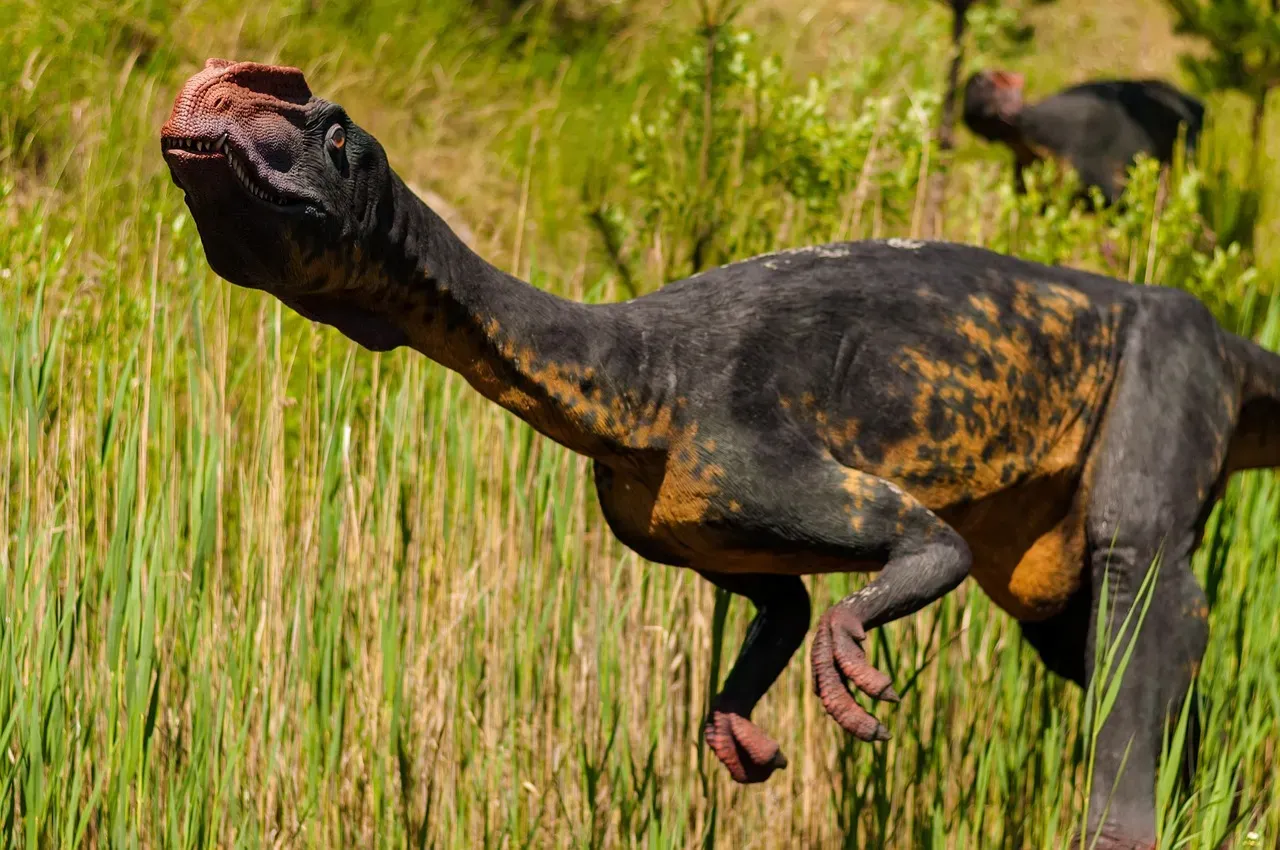
In 1982, paleontologist Dale Russell conjectured that Stenonychosaurus could have evolved into intelligent beings similar to humans, noting that there had been a steady increase in brain size among dinosaurs, and suggested its brain case could have measured 1,100 cubic centimeters, comparable to humans. The resulting model looked bizarrely humanoid – upright posture, large head, grasping hands.
However, critics found the dinosauroid suspiciously human, arguing that intelligent theropods would likely retain horizontal bodies and long tails rather than evolving into humanoid forms. Evolution doesn’t have a goal or preferred body plan. The fact that humans evolved our particular shape doesn’t mean it’s the best design for intelligence. Perhaps intelligent dinosaurs would have looked nothing like us – more bird-like, using their beaks and feet to manipulate objects rather than hands.
What This Alternate World Teaches Us
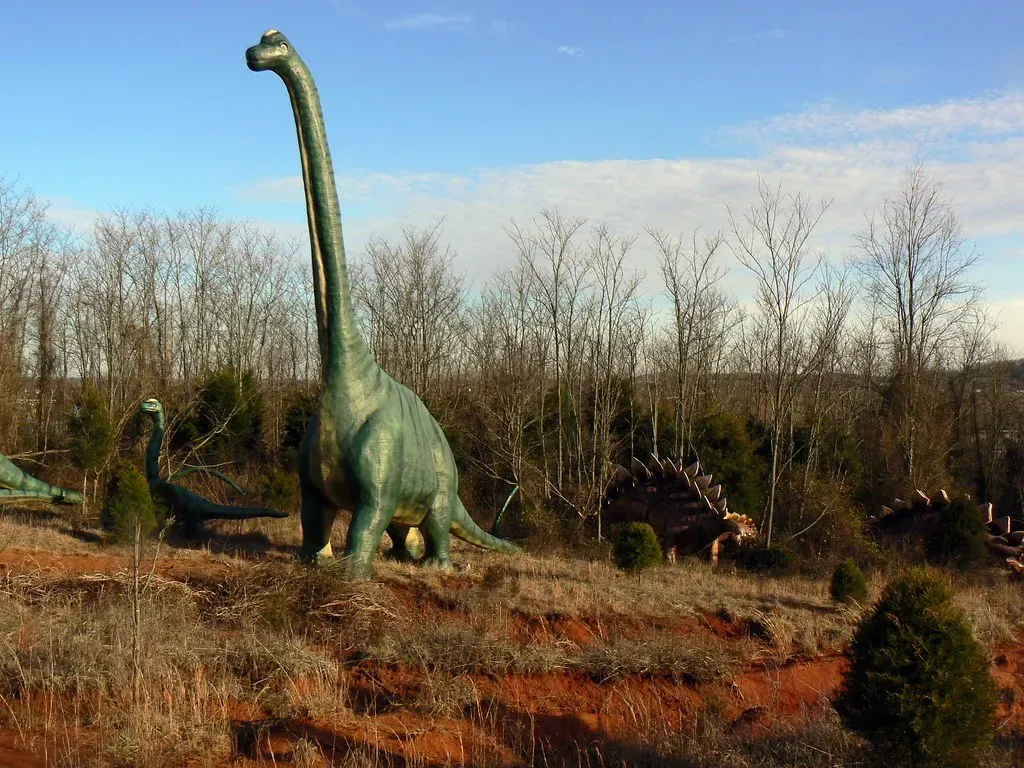
Contemplating this dinosaur-dominated Earth forces you to confront how contingent our existence really is. Even with dinosaurs gone and starting with mammals, the evolution of human-like intelligence still needed a rare combination of opportunity and luck. We’re not the inevitable endpoint of evolution – we’re an accident that happened to work out.
This thought experiment also highlights evolution’s creativity. Life finds a way to fill every available niche, whether through feathers, scales, or fur. Intelligence might have emerged eventually, but probably not in a form we’d recognize. The dinosaur descendants that pondered their existence might have communicated through elaborate dances, bioluminescent displays, or sounds beyond our hearing range. Their “civilization,” if they built one, would be utterly alien to us.
Conclusion: A World We’ll Never Know
The truth is, we’ll never really know what would have happened if dinosaurs had survived. Evolution is too complex, too influenced by countless variables we can’t predict. What we do know is that one asteroid fundamentally altered the trajectory of life on Earth, clearing the stage for mammals – and eventually us – to take center stage.
Dinosaurs showed no sign of becoming outmoded and seemed to thrive right until the end. They were successful, diverse, and still actively experimenting with new forms when catastrophe struck. In another timeline, they might still be here, and the world would be a place of wonder and strangeness beyond our imagination. What do you think would have fascinated you most about visiting that alternate Earth? Share your thoughts in the comments below.