Sixty-six million years ago, a rock roughly the size of a small city came screaming through the atmosphere and rewrote the entire story of life on this planet. One moment, non-avian dinosaurs ruled every continent. The next, the clock was reset. But here is the question that has haunted scientists, philosophers, and curious minds for generations: what if that rock had simply missed?
It sounds like the setup to a science fiction novel. The truth, though, is that some of the world’s sharpest paleontologists and evolutionary biologists have spent real careers thinking this through. The answers are not what you might expect, and some of them are genuinely humbling. So let’s dive in.
The Moment That Changed Everything, and Might Not Have
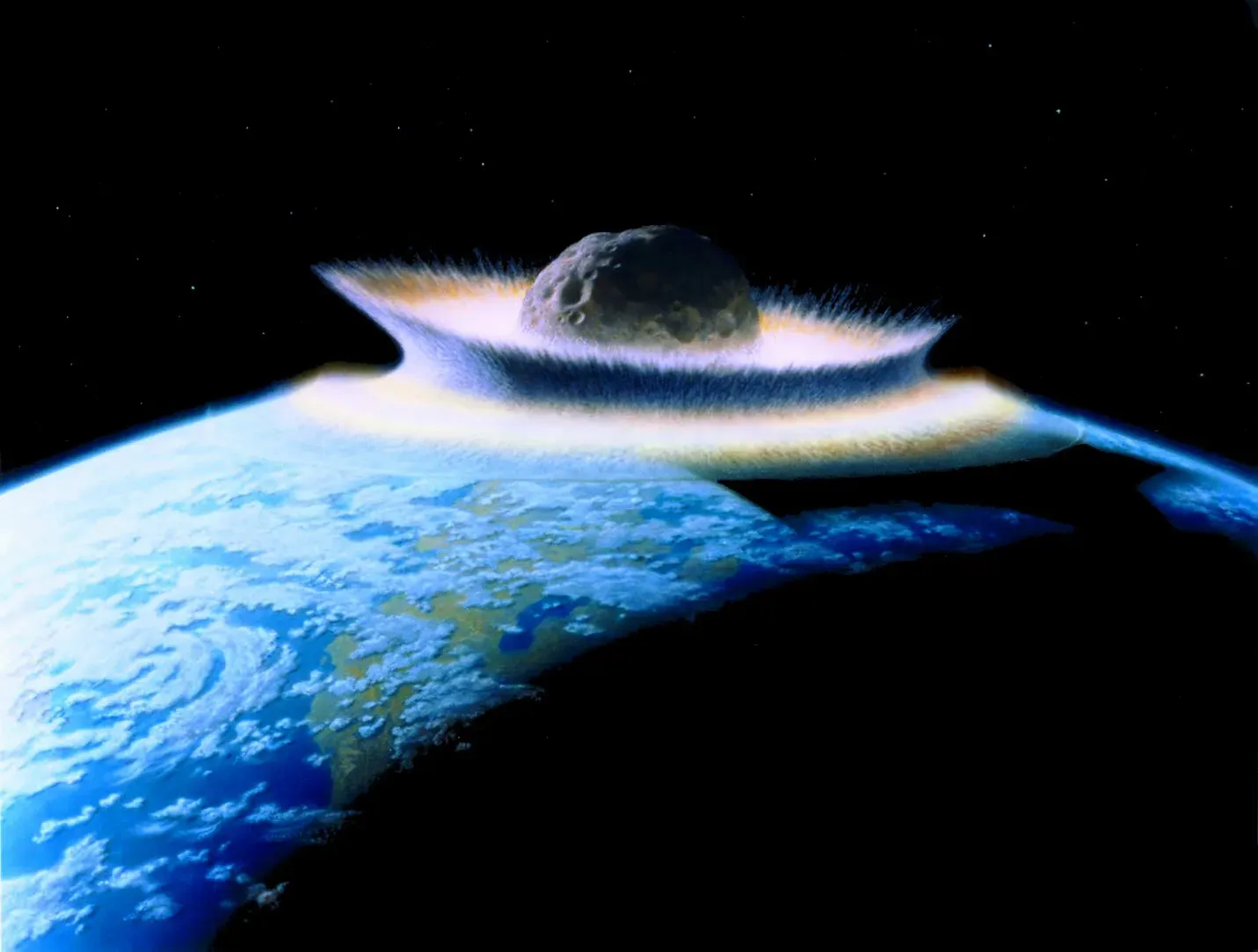
You already know the broad outline, but the details are staggering. The asteroid that took out the dinosaurs was roughly nine miles wide and hit Earth with the destructive force of ten billion Hiroshima bombs. The radioactive shockwave obliterated everything for hundreds of miles in every direction, and roughly three quarters of all species on Earth went extinct. That is not just a bad day. That is the single most consequential event in the history of complex life on this planet.
Here is the thing though. If that asteroid had hit just a little earlier, a little later, or even a few miles off course, we would be living in a very different world today. Had it landed farther off the coast in a deeper part of the ocean, the water might have absorbed some of the blast and its devastating effects on the atmosphere. The margin between the world you live in and an entirely different Earth was, essentially, the width of a continent.
How Dinosaurs Would Have Kept On Evolving
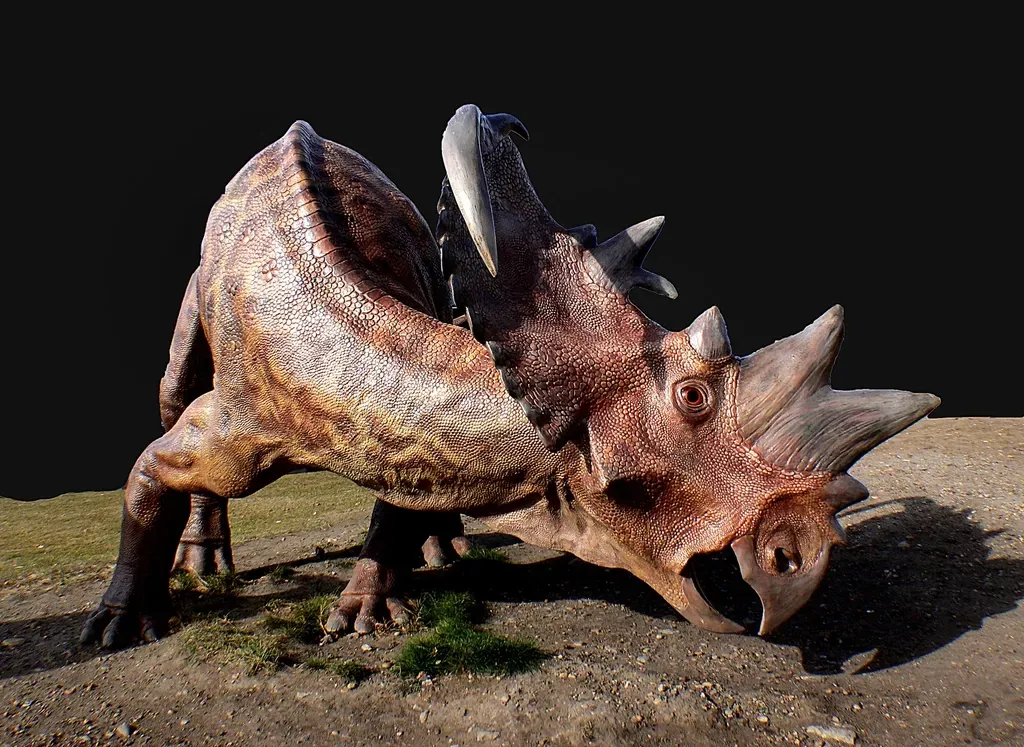
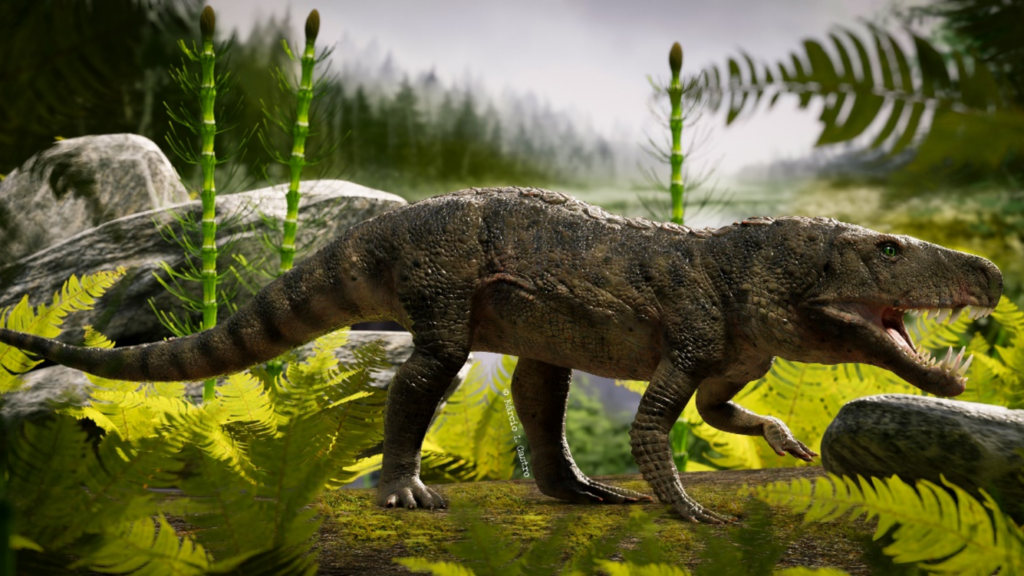
If you picture dinosaurs frozen in time as T. rex and Triceratops, think again. If dinosaurs were still around today, they would be pretty different from what we think of at the end of the age of dinosaurs. You might still recognize them as a dinosaur, but who knows what kinds of body shapes and body plans might have come up in the past 66 million years. Evolution does not stop. It is restless.
Had dinosaurs not faced extinction, natural selection would have continued to play its part in shaping their evolution. With millions of years passing, these creatures might have developed new adaptations and diversified further. New species would likely have emerged, adapting to changing environmental conditions over time. Think of it like a river that was forced to change course. The water always finds somewhere to go.
The Fate of Mammals in a Dinosaur-Ruled World
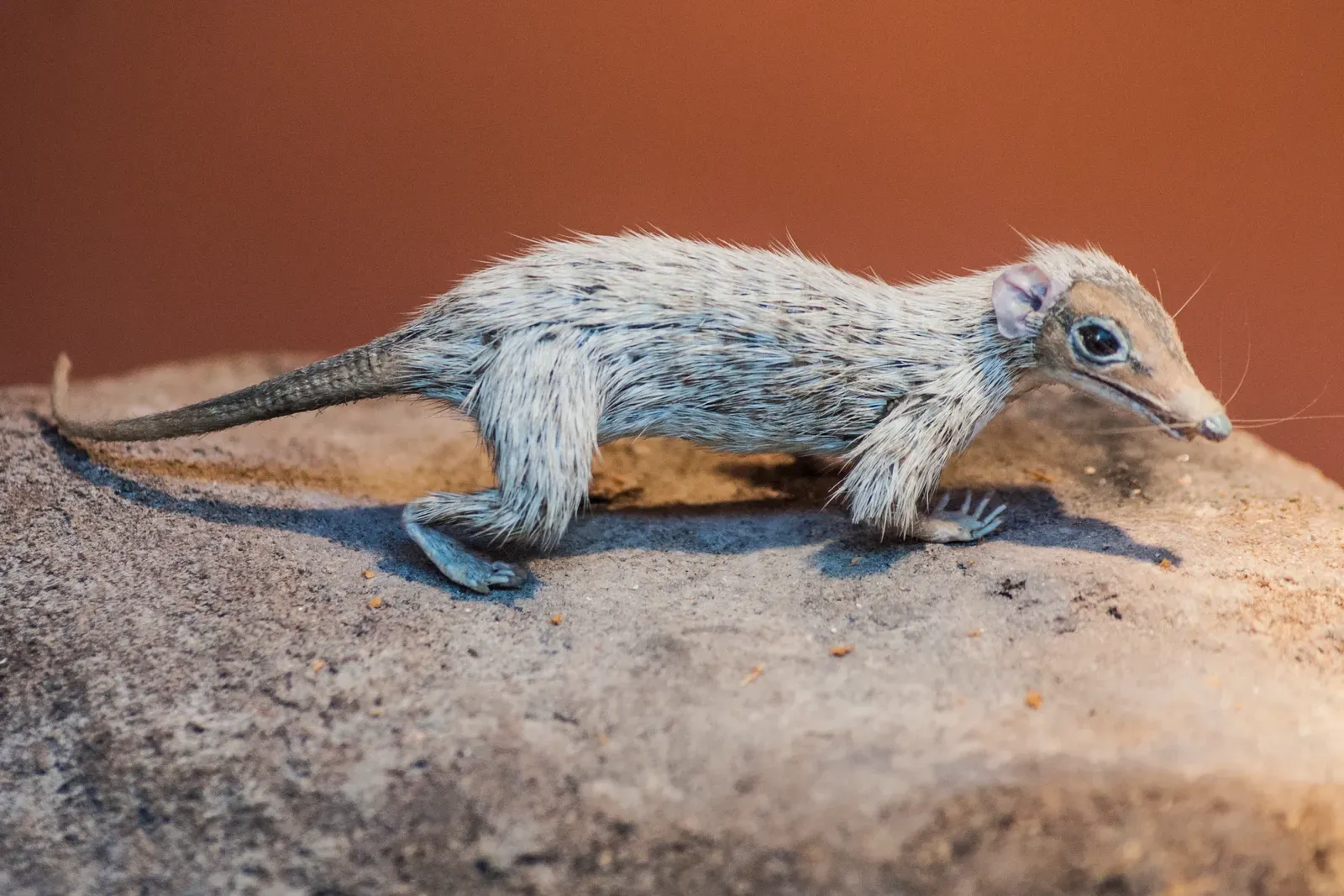
Here is where things get really sobering for those of us who are mammals. During the Mesozoic, mammals were relatively small. This is thought to be because of competition at larger body sizes from the much larger dinosaurs for resources such as food and space in the environment. The ecosystem had no room at the top table, so to speak.
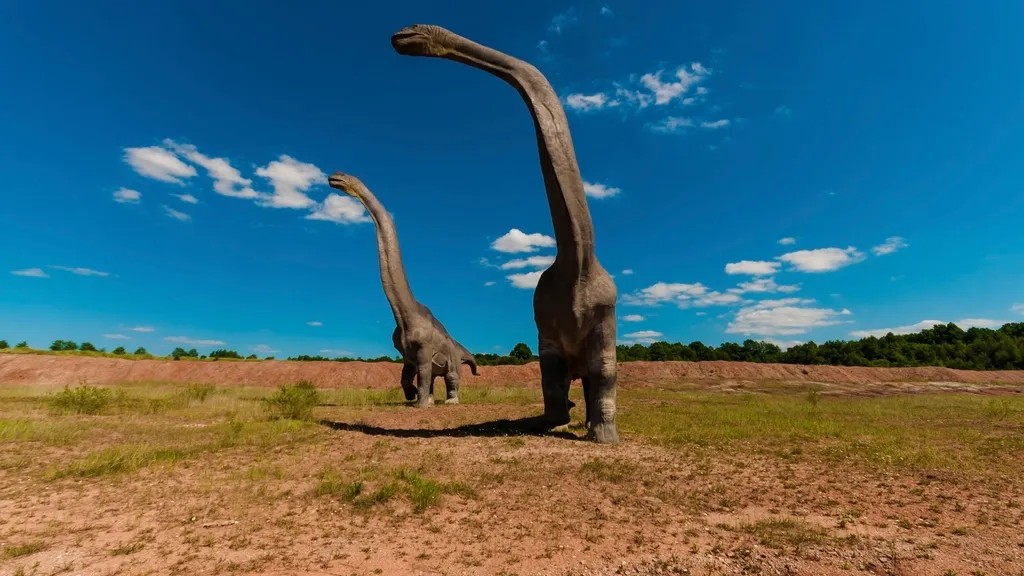
Most experts seem to agree that the largest land mammals such as elephants, mammoths, giant relatives of rhinos and sloths, and perhaps even horses and giraffes, probably could not have evolved if large dinosaurs had remained to occupy the niches they came to fill. Mammals, which in our reality took advantage of the post-extinction void, would have remained small, burrowing creatures, struggling to find a foothold in a world still ruled by giant reptiles. Honestly, the image of a mouse-sized ancestor of humanity cowering beneath the feet of enormous sauropods is not hard to imagine at all.
Could Dinosaurs Have Ever Become Intelligent?
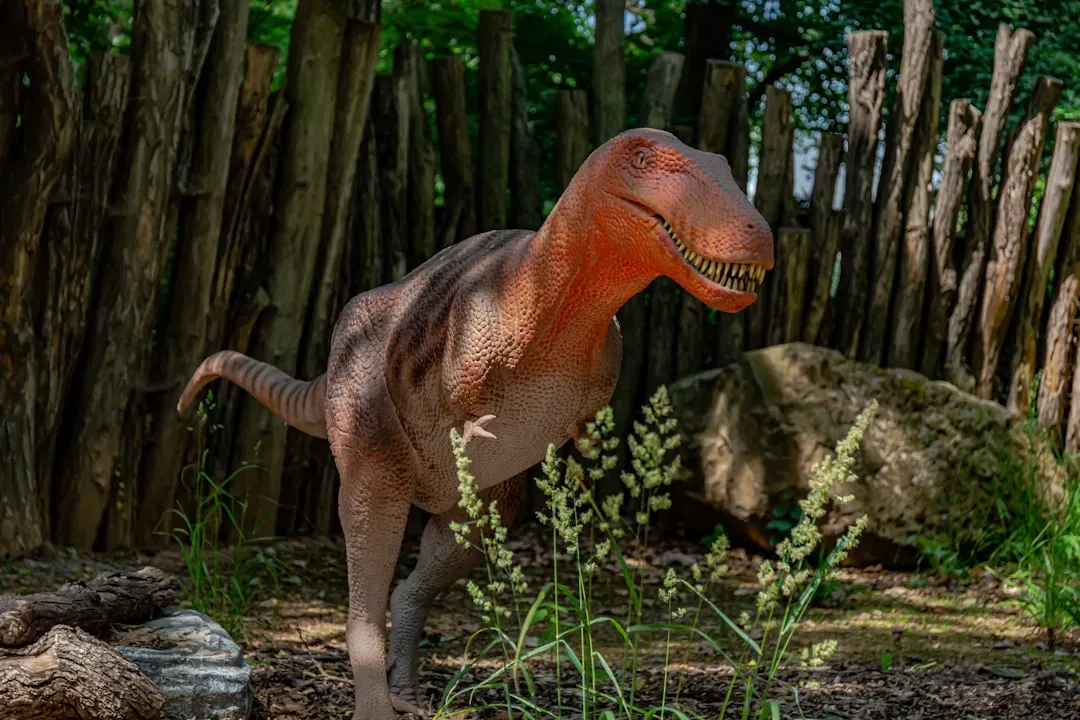
This is the section that keeps scientists up at night. In a 1982 thought experiment, American-Canadian paleontologist Dale Russell wondered whether troodontid dinosaurs could have evolved sentience had they not died in the end-Cretaceous mass extinction. He dubbed them humanoid dinosaurs, or “dinosauroids.” He based this on the fact that one species of troodontid already had a “large brain, stereoscopic vision, opposable fingers and bipedal stature.” That is not nothing. That is actually a remarkable starting point.
Over the past fifty years, the scientific view and public image of the intelligence and behavioral sophistication of dinosaurs has undergone considerable transformation. While dinosaurs were once considered slow-witted reptiles, the members of many dinosaur species are now recognized to have functioned at an avian level of behavioral complexity. Today, a few dinosaur descendants like crows and parrots have complex brains and can use tools, talk, and count. Still, most researchers are skeptical that full human-level intelligence was on the cards, given the structural constraints of the dinosaur brain.
A Radically Different Ecosystem and Plant Life
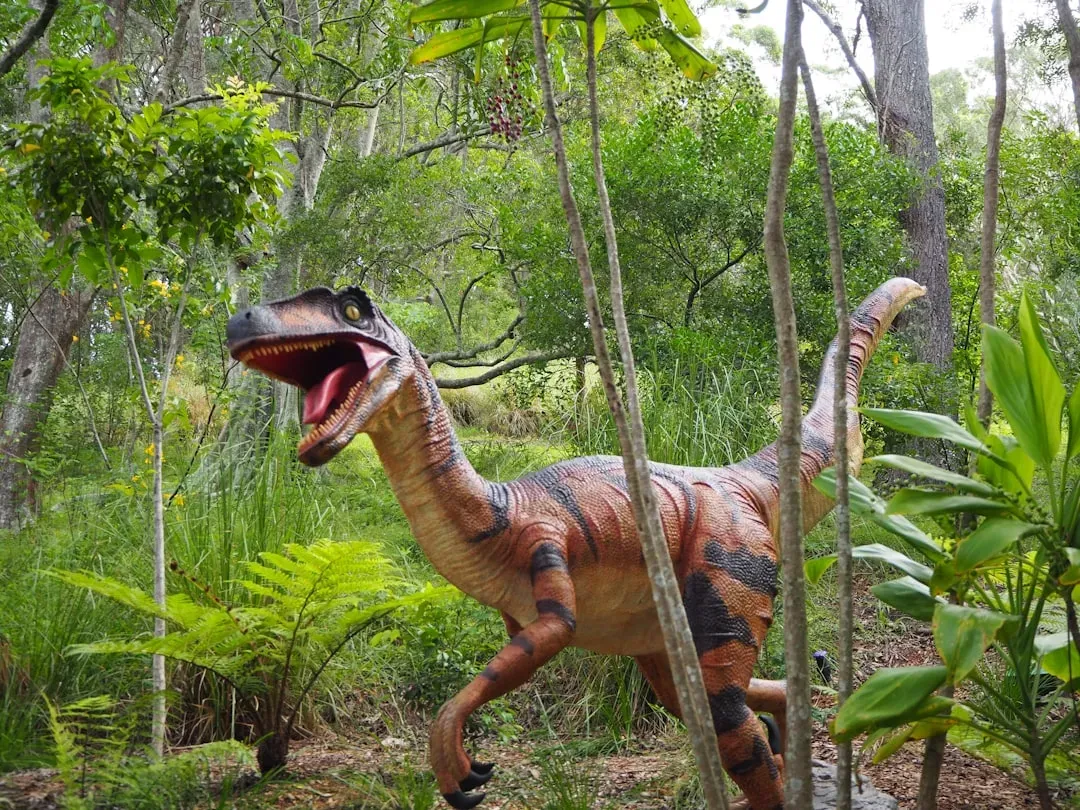
You might not immediately think about flowers and forests when you imagine this alternate Earth, but the plant kingdom would have looked completely different too. In the Cretaceous period, flowering plants and trees had only recently evolved to coexist with conifers, ferns, cycads, and other groups, while a diverse array of dinosaurs was the dominant form of megafauna on land. The global climate in which these plants and animals lived was also very different: warmer, steamier, and virtually devoid of ice.
The unchecked proliferation of dinosaurs would have continued to shape Earth’s ecosystems. Forests and vegetation might have looked drastically different, evolving alongside the dominant fauna of the time. This could have led to unique interrelationships between plants and animals, impacting ecosystem dynamics fundamentally. Imagine enormous herbivores driving the evolution of trees that grow taller, tougher, and more armored. It is co-evolution on a planetary scale that we never got to see.
The Oceans and Skies of an Alternate Earth
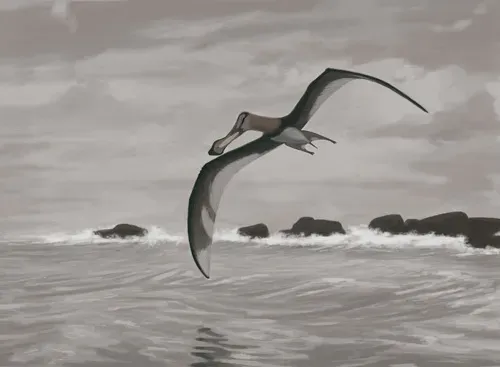
Life in this alternate world would not just be different on land. In a geologic instant, the K-T extinction event left Earth’s skies empty of pterosaurs, extirpated the mosasaurs and their ammonite prey from the seas, and denuded the land of non-avian dinosaurs. Without that extinction, all of this changes dramatically.
Flying reptiles like pterodactyls, and swimming reptiles like plesiosaurs and mosasaurs all became extinct around the time the asteroid hit, and unlike dinosaurs, they do not have any living descendants. Without the asteroid, chances are they would still be around. Picture swimming in an ocean still patrolled by creatures the size of buses. The oceans might have remained dominated by marine reptiles, and their interactions with any dinosaur species entering aquatic realms would have become a crucial area for adaptation and ecological shifts. It is hard to say for sure, but the seas of this alternate Earth would have been a very different and almost certainly more terrifying place.
Would You, or Anyone Like You, Even Exist?
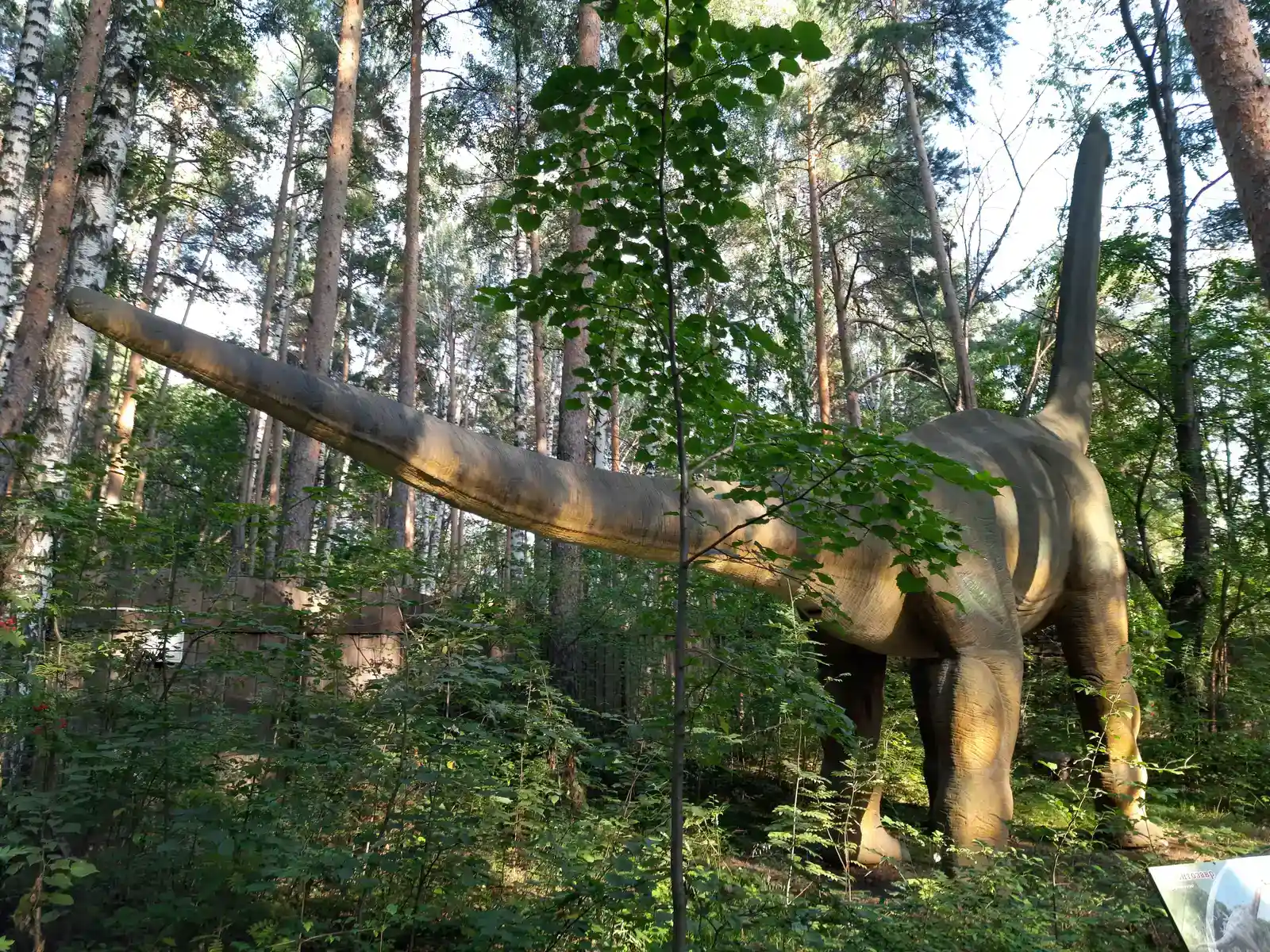
Let’s be real. This is the big question. And the honest answer is probably not. If the asteroid had missed Earth, it is likely that humans, at least as we know them, never would have existed. While smaller mammals may have still fared okay, human beings would still likely never have evolved. As one paleontologist put it, we evolved in a mammalian world that would have been impossible to achieve with large nonavian dinosaurs running around.
One possible endpoint for primates was us, but not all primates are destined to evolve into something like us, or even to survive long-term. We are just one species out of thousands that have existed over the past 55 million years, and by far the most unusual. Something about Africa, its unique flora, fauna, geography, climate, and history, pushed primate evolution in a totally different direction. That implies that even with the dinosaurs gone, the evolution of human-like intelligence still needed something else: a rare combination of opportunity and luck. So not only would you probably not exist, but the very specific chain of events that made your existence possible is genuinely mind-bending.
What Science Fiction Got Right (and Wrong)
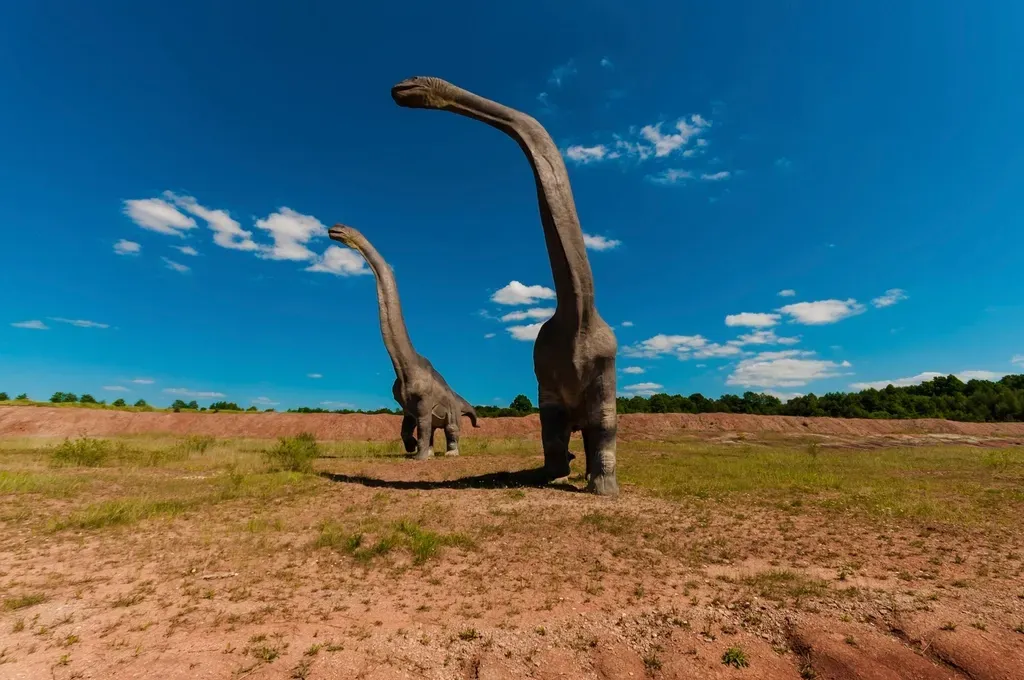
Popular culture has spent decades imagining this alternate Earth, and some of it is surprisingly close to the science. The book “The New Dinosaurs” explores a hypothetical alternate Earth, complete with animals and ecosystems, where the Cretaceous-Paleogene extinction event never occurred, leaving non-avian dinosaurs an additional 65 million years to evolve and adapt over the course of the Cenozoic to the present day. It remains one of the most thoughtful attempts to take this question seriously.
Although criticized by some paleontologists upon its release, several of the hypothetical dinosaurs in the book bear a coincidental resemblance in both appearance and behavior to dinosaurs discovered after the book’s publication. Many of the fictional dinosaurs are depicted with feathers, something that was not yet widely accepted when the book was written. That is speculative science aging remarkably well. Although dinosaurs surviving to the age of humans had been a plot point in numerous science fiction stories since at least 1912, the idea of exploring the fully-fledged alternate ecosystems that would develop in such a scenario truly began with Dixon’s exploration, in which dinosaurs were not lone stragglers of known species but diverse animals that had continued to evolve beyond the Cretaceous.
Conclusion: A Humbling Mirror Held Up to Our Own Existence
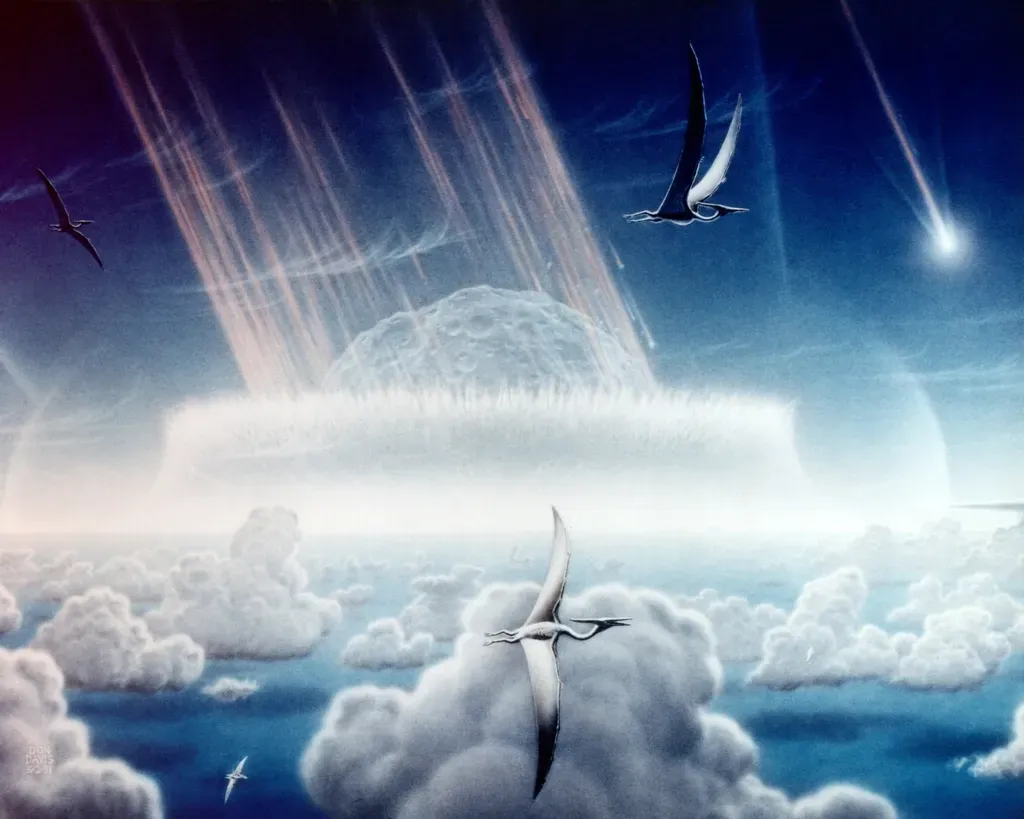
What this thought experiment ultimately reveals is not just what dinosaurs might have become. It reveals how contingent, fragile, and deeply unlikely you are. The world you live in, with its birds and elephants, its primates and its billions of humans, came into being because a rock from space hit the Yucatan Peninsula at exactly the right angle, at exactly the right time, in exactly the right depth of water.
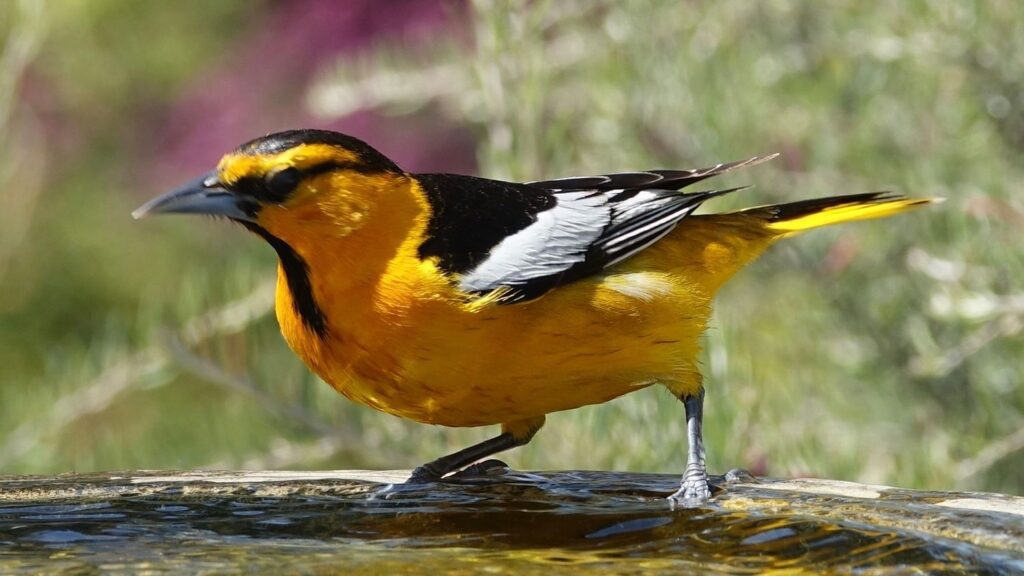
In contemplating this alternate evolutionary history, you gain a profound appreciation for the dynamic forces of nature that have shaped our world. Though the dinosaurs of ancient history never shared the Earth with humans, imagining a world where they did heightens our understanding of life’s resilience and adaptability. The dinosaurs did not fail. They dominated for close to 180 million years and simply ran out of luck on one particular afternoon, 66 million years ago. The next time you look up at a crow or a sparrow, remember: you are not looking at what replaced the dinosaurs. You are looking at a dinosaur. The rest of their story just took a very different turn.
So here is the question worth sitting with: if life is this dependent on random cosmic chance, what does that say about how rare, and how precious, every species alive today really is? What do you think? Drop your thoughts in the comments below.