Have you ever stopped to wonder what it would really mean to never die? Not just in some abstract, philosophical way, but in the gritty, messy reality of daily existence. The idea of living forever sounds appealing at first glance. More time to learn, to love, to explore every corner of your dreams. Yet beneath this shimmering promise lies a labyrinth of ethical questions that challenge everything we think we know about what it means to be human. We’re standing at a fascinating crossroads in 2026, where science fiction is inching closer to science fact, and the conversation about immortality is no longer reserved for mythology or fantasy novels.
The allure is obvious. Who wouldn’t want to escape the inevitable? Still, immortality isn’t just about adding years to your life. It’s about fundamentally rethinking society, relationships, purpose, and even morality itself. Let’s dive in and explore the profound dilemmas that would emerge if we could actually live forever.
The Question of Who Gets to Live Forever

When life extension technology first becomes available, it will likely be extraordinarily expensive, making it accessible only to wealthy individuals. Think about that for a moment. This could create a two-tiered system with an “immortal elite” and a “mortal majority,” exacerbating existing inequalities. The rich would not only have more money and power, but also infinite time to accumulate even more of both.
Those fortunate enough to afford the therapy would have significantly longer lives and more opportunities to gain control of economic or cultural institutions. Imagine political leaders holding office for centuries, or business moguls whose wealth compounds over millennia. Justice becomes a central concern here, because unequal access to immortality would deepen the chasm between haves and have-nots in ways we can barely comprehend.
Overpopulation and Resource Strain

One of the main objections to life extension is severe overpopulation, with radical life expectancy potentially leading to overpopulation even at very low fertility rates. Let’s be real, our planet is already struggling with resource management. People consume resources, and on a finite planet, overconsumption can lead to catastrophe. If nobody dies naturally anymore, where does everyone live? What do they eat? How do we manage water, energy, and space?
Without natural attrition, population growth would become unsustainable, requiring drastic measures and forcing humanity to confront the ethics of enforced death or strict birth control on an unprecedented scale. The very solutions to overpopulation raise their own moral nightmares. Would we need licenses to have children? Would governments enforce population caps? These aren’t easy questions, and they reveal how immortality could transform freedom into constraint.
The Burden of Eternal Existence

You might think living forever sounds wonderful, but consider the psychological toll. Philosopher Bernard Williams argued that life is made valuable through categorical desires, and given a long enough life, we might run out of such projects, making immortality tedious. Imagine completing every goal you’ve ever dreamed of. Then what? Another thousand years of… what exactly?
The burden of eternal existence would lead to a sense of disconnection from the mortal world, as friends, family, and loved ones passed away, leaving the individual alone and adrift. Watching everyone you love grow old and die while you remain would be emotionally devastating. The loneliness of immortality could become a prison rather than a gift, transforming eternal life into eternal grief.
Social Stagnation and the Loss of Progress

If leaders, innovators, and power structures endure indefinitely, societal change and progress would suffer, as the constant influx of new ideas brought by new generations is crucial for societal dynamism. Fresh perspectives drive innovation. New generations challenge old assumptions and push humanity forward. Without generational turnover, would society become fossilized?
Innovation might slow down if older generations perpetually held power. Think about it: if the same people controlled institutions for centuries, would they embrace change or cling to familiar ways? History shows that progress often requires challenging the status quo, but immortal leaders might have little incentive to relinquish control or adapt to new ideas.
Identity, Purpose, and the Meaning of Life

The very definition of what it means to be human is inextricably linked to our finitude, and immortality forces us to confront whether our virtues and capacity for good and evil are products of our limited time. Death gives life urgency and meaning. Deadlines matter because our time is limited. Remove that constraint, and suddenly every decision can be postponed indefinitely.
There are existential questions about whether life would lose its meaning if death were no longer a certainty. Would accomplishments feel as significant if you had unlimited time to achieve them? The scarcity of time creates value. Without it, would we lose the motivation that drives human achievement, creativity, and connection?
The Technology of Immortality: Mind Uploading versus Physical Extension
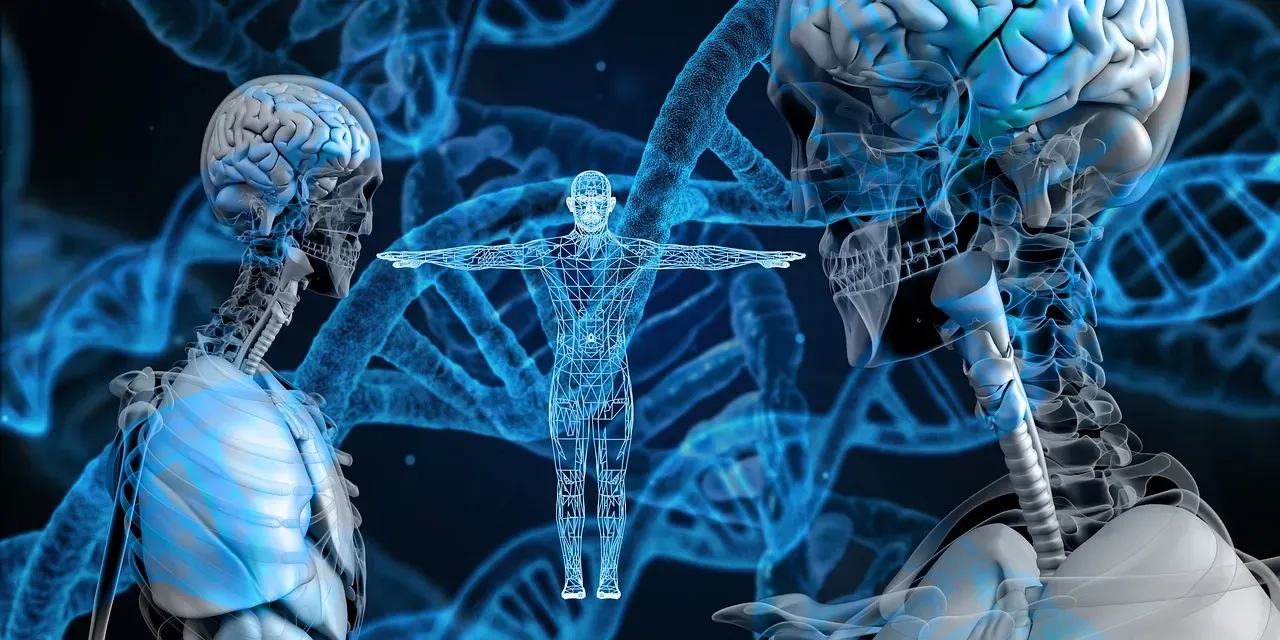
Two hypothetical options have attracted the most interest: rejuvenation technology, which removes and reverses damage of aging at the cellular level, and mind uploading. Each approach brings its own ethical complications. Physical rejuvenation keeps you in your body, but you remain vulnerable to accidents and violence. Mind uploading promises something closer to true immortality by creating digital copies of consciousness.
Mind uploading presents difficult ethical issues, as some philosophers think your upload might appear functionally identical without having any conscious experience, making you more of a zombie than a person. Here’s the thing: if we copy your mind to a computer, is that really you? Or just a sophisticated simulation that thinks it’s you? The philosophical puzzle of identity becomes painfully practical.
Duty, Relationships, and Generational Responsibility

One immediate ethical challenge concerns our sense of duty, as our current moral frameworks are predicated on finite existence, with duties to families, communities, and future generations understood within limited time. Honestly, how would family structures even work? Would marriage vows of “till death do us part” become meaningless if death never parts anyone?
To whom would an immortal owe duty, and how would commitments to family lines or national identities hold if generations pass like fleeting shadows? Your great-great-great-grandchildren could be your contemporaries. The concept of generations would blur into meaninglessness. Traditional social structures built around aging, succession, and legacy would crumble.
Healthcare, Suffering, and the Right to Die

Immortality will not mean invincibility, as diseases and wars will still kill and depression will still blunt the joys of living, meaning we could condemn someone to not just years but decades or centuries of torment. This is crucial to understand: immortality doesn’t guarantee perpetual health or happiness. What happens when someone experiences unbearable suffering but cannot die naturally?
In a world where human lives are measured in centuries or millennia, values about suicide and euthanasia might need to be re-examined. The right to die could become as important as the right to live. If you’re guaranteed centuries of existence, shouldn’t you also have the right to choose when enough is enough? The ethics of assisted death would take on entirely new dimensions.
Conclusion: A Future Worth Living

Life extension is, on balance, a good thing, though we must fund research aggressively while proposing feasible and just policies for preventing an overpopulation crisis. The pursuit of immortality isn’t inherently wrong, but it demands careful ethical consideration. We need to think beyond the individual benefits and consider the collective consequences for humanity and our planet.
Interventions that substantially increase human longevity might generate more social, economic, political, legal, ethical and public health issues than any other technological advance in biomedicine. The dilemmas we’ve explored aren’t just hypothetical exercises. They’re questions we may need to answer sooner than we think. What kind of immortal world do you want to live in? One where only the wealthy escape death, where the planet buckles under endless human expansion, where purpose fades into tedium? Or can we imagine something better?
The ethical puzzle of immortality reveals something profound about being human. Perhaps what matters most isn’t how long we live, but how we live and who we share that life with. What do you think about it? Would you choose immortality if given the chance, knowing all the complications it would bring?