Close your eyes for a moment. Imagine stepping out of a time machine and planting your feet onto the warm, dense soil of ancient Earth, roughly 80 million years ago. There’s no traffic. No city hum. No notification ping. Just the world, living and breathing in ways your modern ears have never encountered.
Now here’s the thing that might genuinely surprise you – what you would hear is probably nothing like what Hollywood has been feeding you your entire life. No thunderous roars. No dramatic lion-like bellows echoing across the plains. The real soundscape of the dinosaur world, as science is gradually uncovering, would be simultaneously stranger, richer, and more hauntingly beautiful than anything you could script for a blockbuster film. Honestly, I think that makes it even more fascinating. Let’s dive in.
The Mesozoic Stage: A World Built for Sound
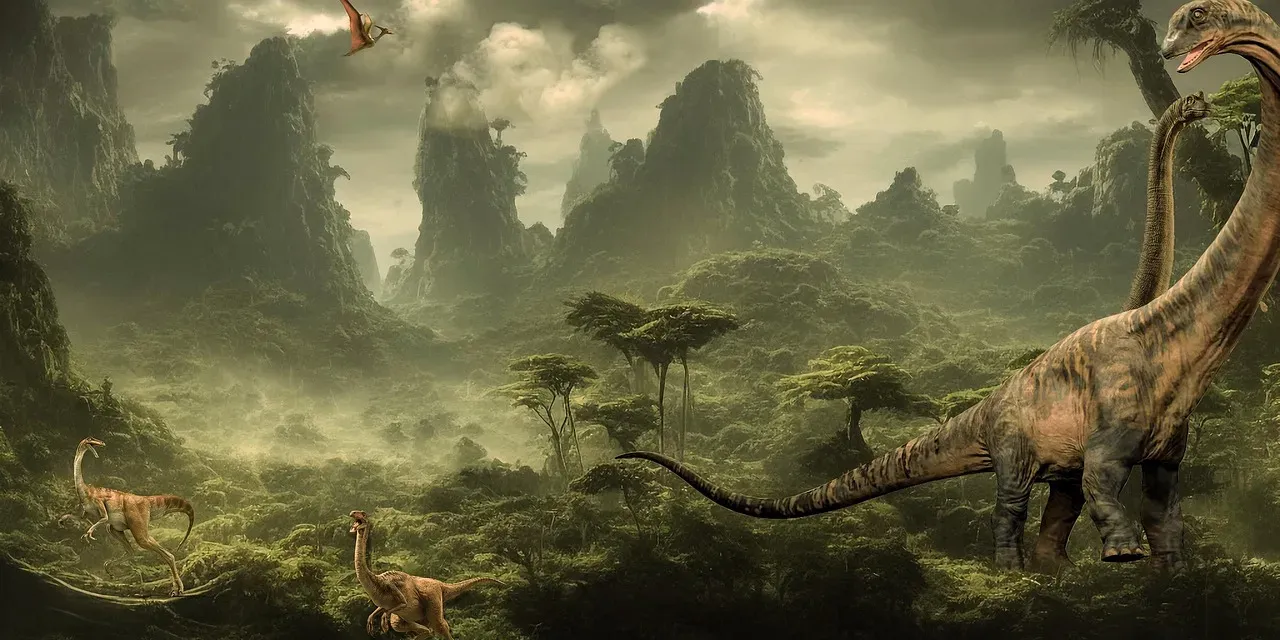
You’d be standing inside the Mesozoic Era, a stretch of Earth history lasting from roughly 252 to 66 million years ago, characterized by the dominance of archosaurian reptiles like the dinosaurs, a hot greenhouse climate, and the slow, grinding tectonic breakup of the supercontinent Pangaea. Think of it as an entirely different planet wearing Earth’s address. The landscape itself would have shaped every sound you’d encounter.
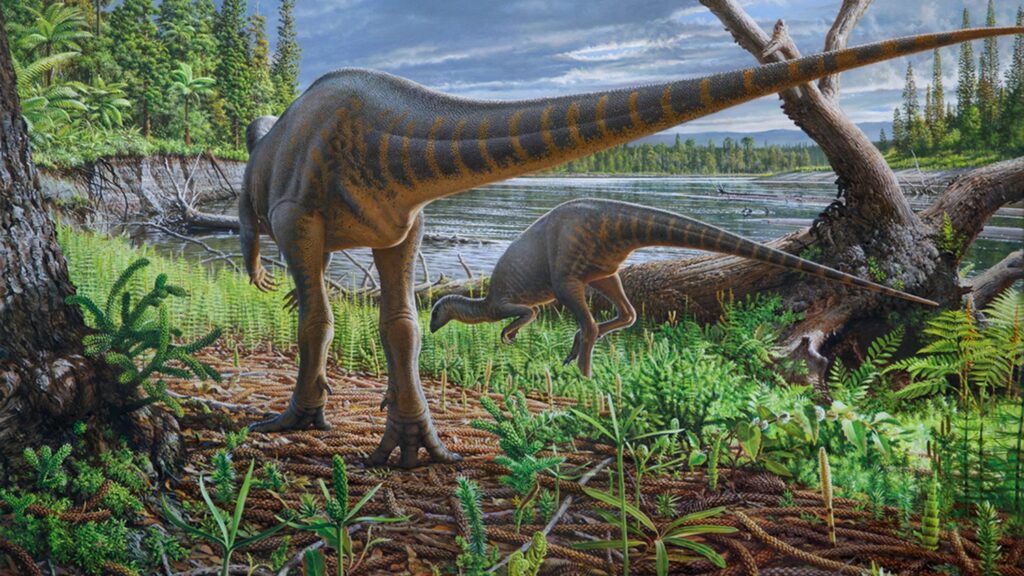
Cycadeoids, ginkgoes, conifers, and ferns dominated the Triassic through Early Cretaceous floras, with more modern conifers and early relatives of cypress joining the mix in the warmer, moister Jurassic and Early Cretaceous. These dense, waxy-leaved forests would have muffled and filtered sound differently from a modern broadleaf woodland. Every rustle, every footfall, every low call would bounce through needled canopies and fern-thick undergrowth – creating a sonic texture wholly unlike anything alive today.
The Shocking Truth About Dinosaur Roars
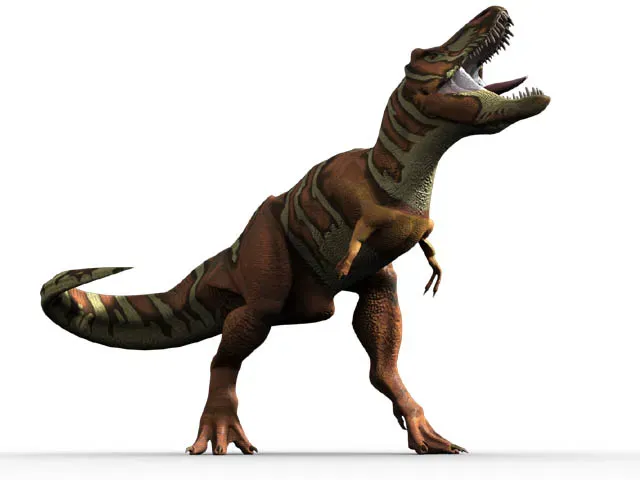
Here’s where your inner Jurassic Park fan might need to sit down. Research in recent years points to unexpected findings that are no less interesting – evidence suggests that dinosaur vocalizations were not likely to have sounded like roars at all. That classic image of a T. rex throwing its head back and bellowing? Almost certainly fictional.
Animals produce closed-mouth vocalizations by inflating their esophagus or tracheal pouches while keeping their mouth closed, producing something comparable to a low-pitched swooshing, growling, or cooing sound. These closed-mouth vocalizations differ substantially from open-mouth vocalizations like bird calls – think of them as lower and more percussive, as opposed to bird calls, which are more varied in pitch and almost melodic. So yes. What you’d hear from a Tyrannosaurus rex might be more like a deep, resonating throb than a roar. Terrifying in an entirely different way.
What Science Says the T. rex Actually Sounded Like
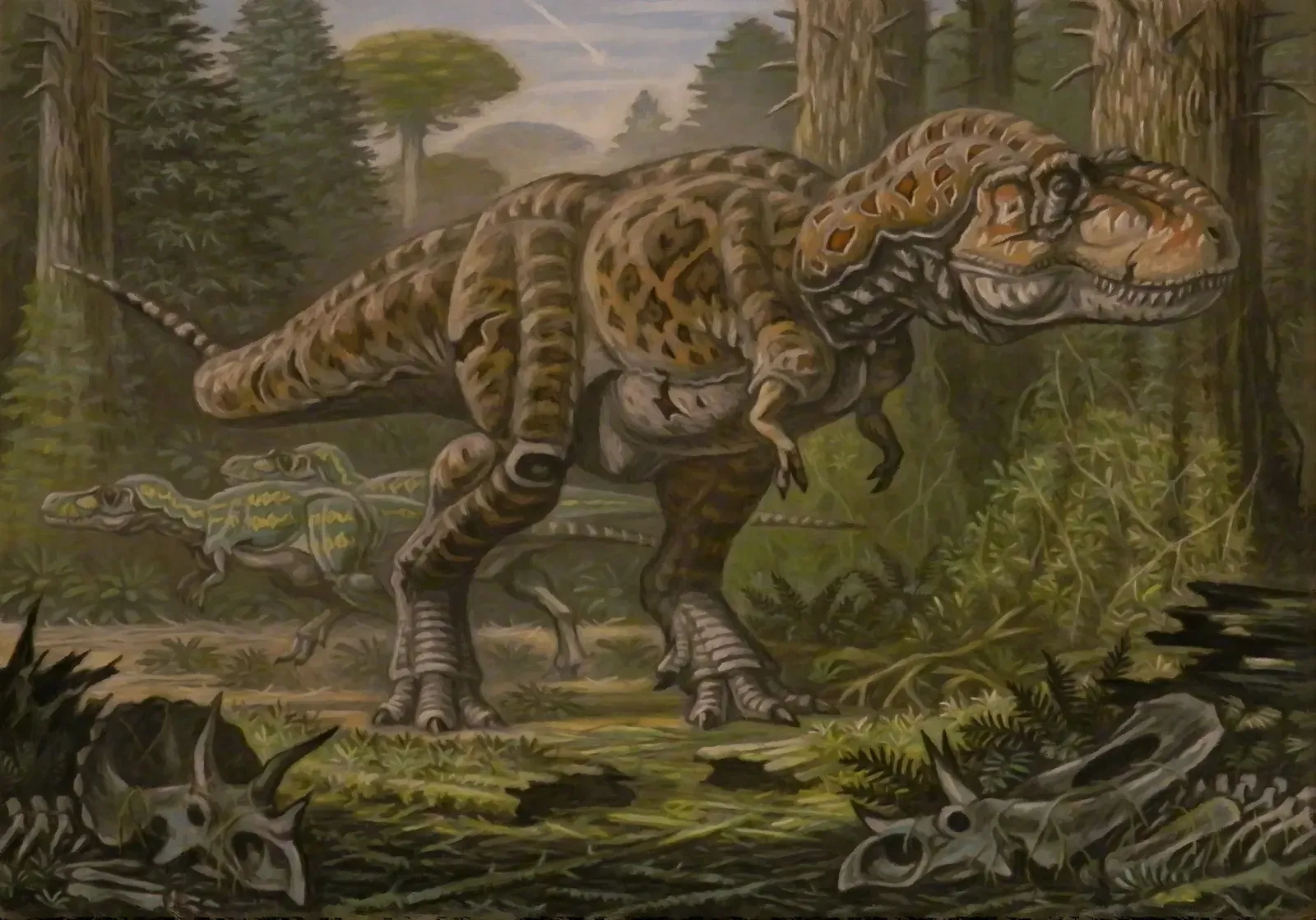
Although researchers are still not entirely certain what Tyrannosaurus rex sounded like, they have developed a sound they believe is accurate – one produced by combining the sounds of animals they consider similar, resulting in something so deep that researchers think it could be felt rather than just heard. Feel that for a second. Not heard. Felt. Like standing too close to a massive speaker at a concert.
When a modern alligator growls with its jaw shut, you can see the water vibrate around it. Now imagine what a T. rex could do, being up to fifteen times bigger than an alligator. The physical impact of that sound on your body would be primal and overwhelming. Using what researchers know about the T. rex’s skeleton and comparing it with the skeletons of crocodiles and birds, scientists used the sounds of a Chinese alligator and the Eurasian bittern bird to come up with the ‘voice’ of Tyrannosaurus – which, while probably not the real sound, is likely closer than what you hear in Jurassic Park.
Parasaurolophus: Nature’s Living Trombone
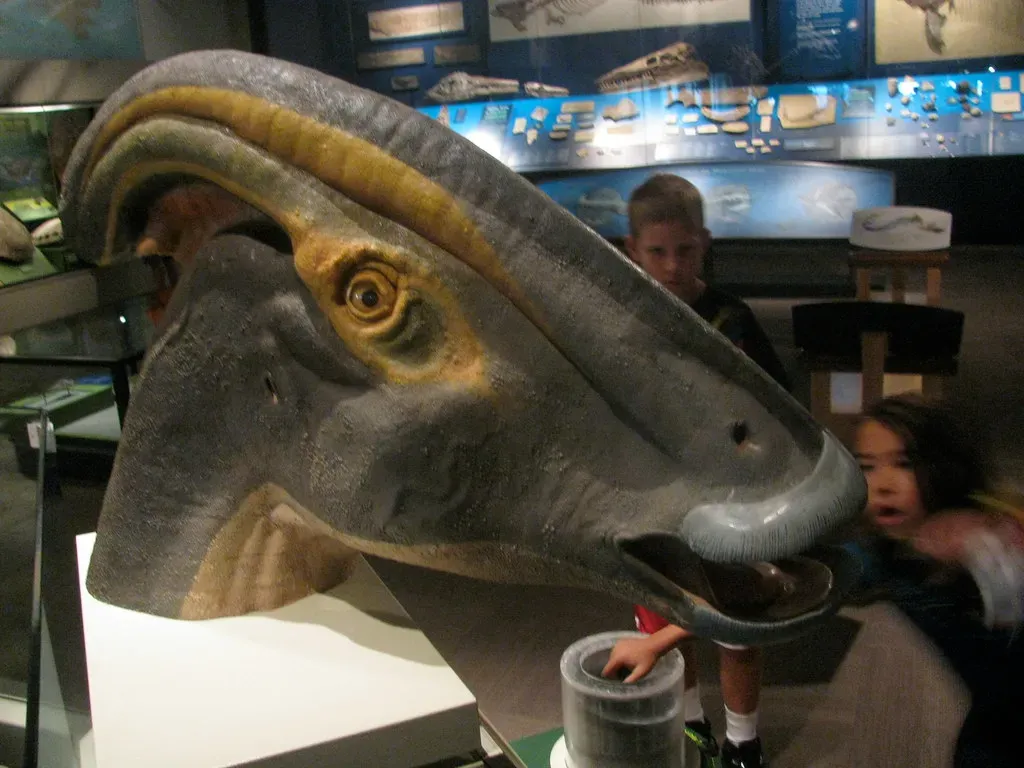
If you walked through a Late Cretaceous forest, one sound in particular might stop you dead in your tracks. Dinosaur vocalization research took off after the 1995 discovery of a rare Parasaurolophus skull fossil measuring about 4.5 feet long, featuring a bony tubular crest extending back from the top of its head – a crest many scientists believe contained a labyrinth of air cavities shaped something like a trombone, likely used to produce distinctive sounds.
The unique anatomy of the crest suggests that it played a crucial role in vocalization, enabling Parasaurolophus to produce low-frequency sounds that could travel long distances – functionality that would have been essential for communication within large herds, as well as for territorial displays or mating calls. Based on the structure of the crest, the dinosaur apparently emitted a resonating low-frequency rumbling sound that could change in pitch, with each Parasaurolophus probably having a voice distinctive enough to distinguish it not only from other dinosaurs, but from other individual Parasaurolophuses. Imagine a herd of hundreds, each calling with their own unique signature. That’s not noise. That’s a symphony.
The Insect Orchestra Nobody Talks About
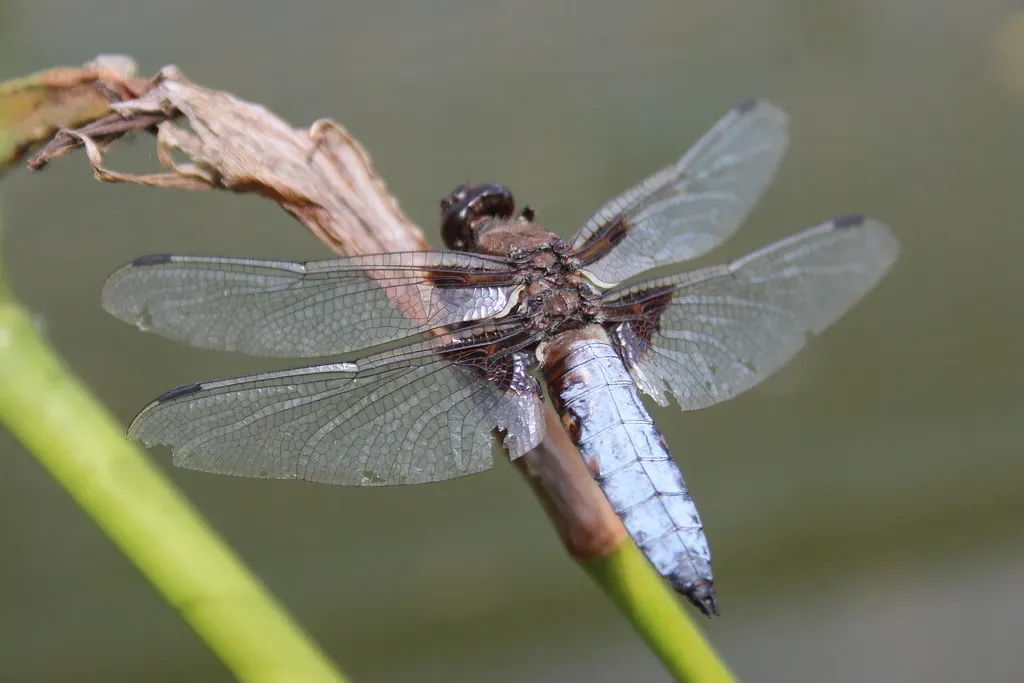
Let’s be real – we obsess over dinosaur roars, but the actual dominant sound layer of the Mesozoic might have been something far smaller. Over 100 million years ago, long before the sounds of vertebrates like birds and frogs filled the air, ancient forests were dominated by the chirping of insects – the first land animals to communicate by sending sound waves through the air, enabling them to communicate over longer distances.
Researchers studied fossil wings and sound-producing apparatus on 87 fossils from China, South Africa, and Kyrgyzstan dating from 150 to 240 million years ago, revealing that katydids had evolved a high diversity of singing frequencies – including high-frequency calls – by at least the Late Triassic around 200 million years ago, and had developed complex acoustic communication by at least the Middle Jurassic. So if you were standing in a Jurassic forest at dusk, the insects would be filling your ears with a clicking, chirring, high-pitched wall of sound. Much like a summer evening today, only louder, stranger, and absolutely ancient.
The Voices of Herds: Dinosaur Social Communication
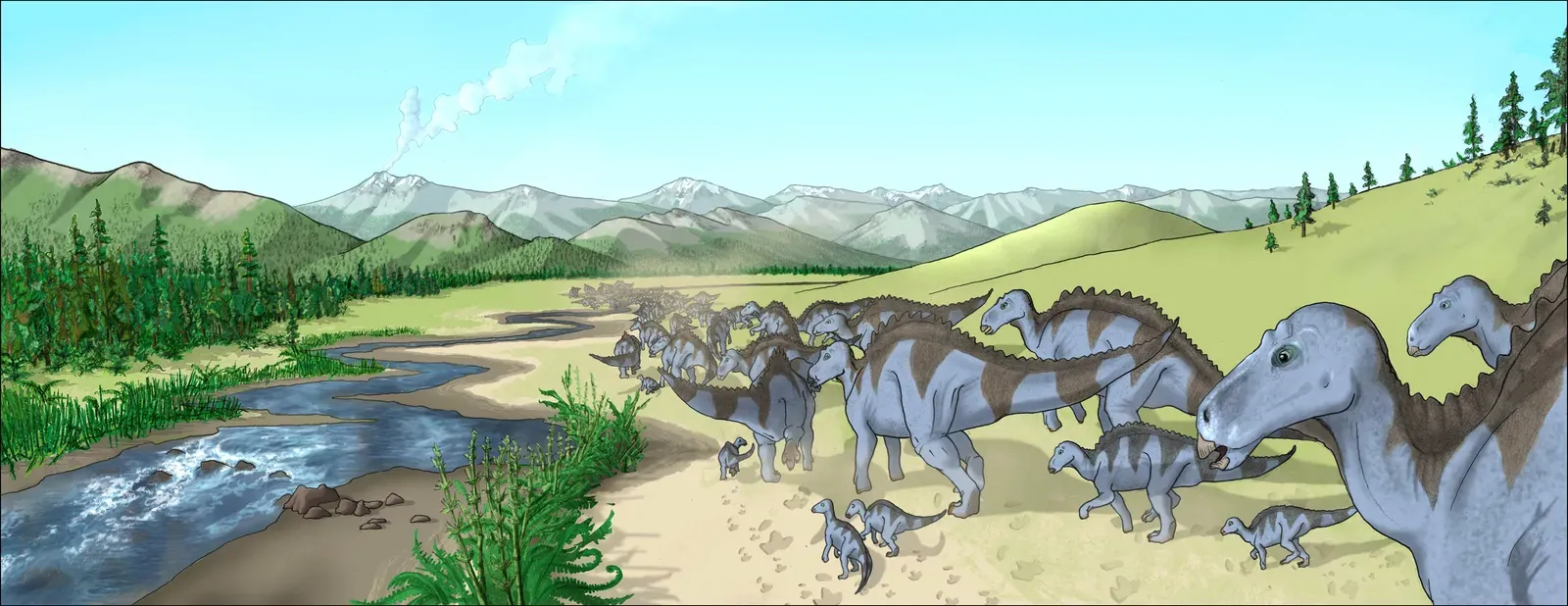
One of the most emotionally striking ideas to emerge from paleoacoustics research is this: dinosaurs may have been far more socially vocal than we ever imagined. Vocal communication would have been very useful for species living in herds, and one dinosaur family certainly made sounds – hadrosaurs, whose duck-billed heads featured breathing tubes passing through a crest made of nasal bones.
Baby Parasaurolophus would have produced higher-pitched calls, while adults developed the deep, resonant tones associated with the species – a gradual change in vocal ability that might have played important roles in social hierarchy and family dynamics, with some scientists theorizing that the changing voice helped establish age-based pecking orders within herds. Think about that. Young dinosaurs calling in higher, uncertain tones while the elders responded with deep, authoritative rumbles. It’s not so different from what you’d observe in a family of elephants today. Nature, it seems, has always favored the same social logic.
The Plant World’s Role in Shaping Prehistoric Sound
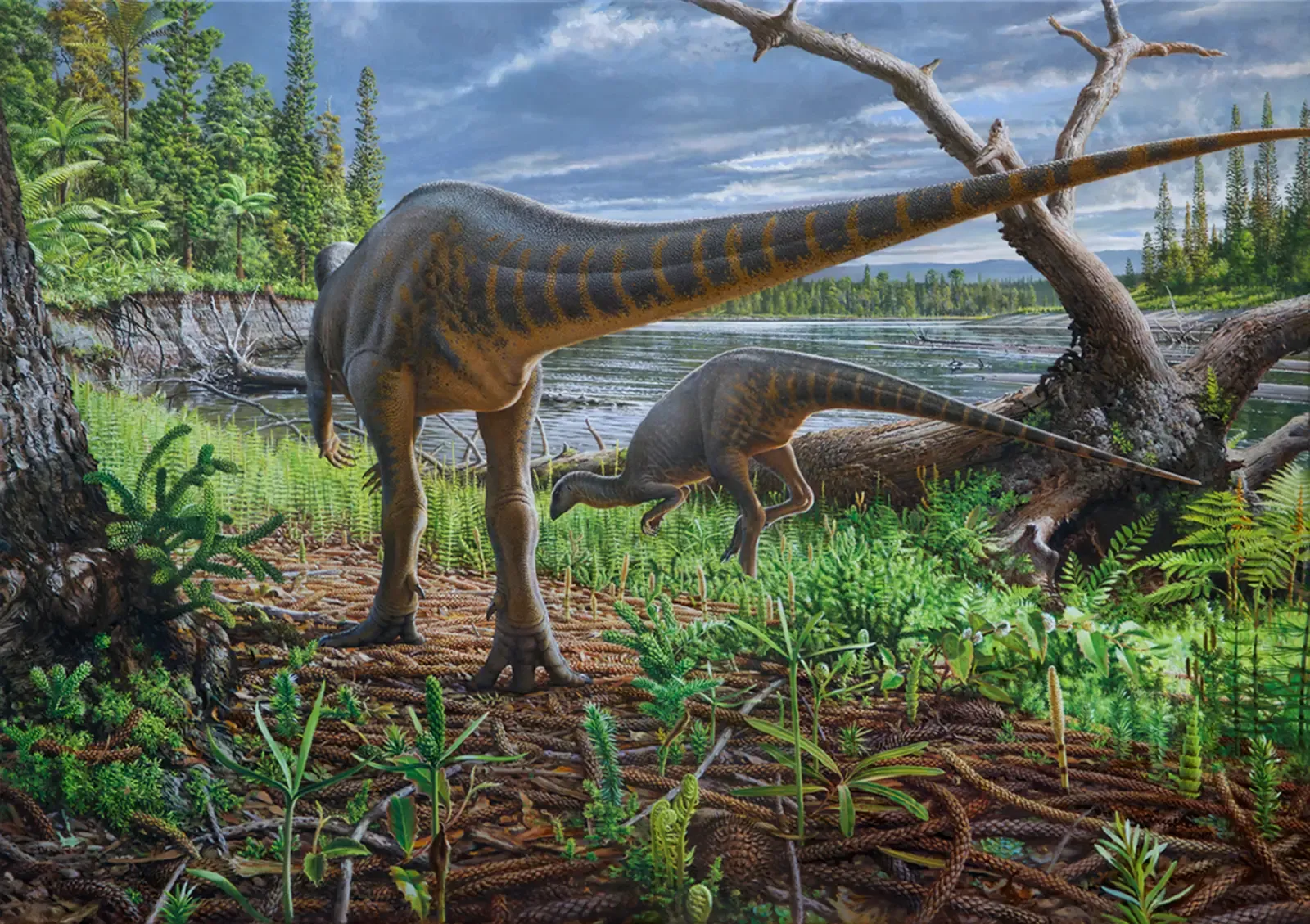
You might not have considered this before, but the plants themselves were a massive part of the soundscape. The Cretaceous period saw the emergence and rapid diversification of flowering plants, introducing new acoustic textures as wind passed through their broader, more varied leaf structures. Falling pine cones and the movement of large, primitive seeds would have created percussive elements within the plant-based soundscape, with the interaction between plants and rainfall producing distinctive sounds, particularly during the typically warm, wet climate that characterized much of the Mesozoic.
The total photosynthesis carried out by plants globally during the Mesozoic Era was twice as high as it is today, likely related to the elevated atmospheric carbon dioxide and higher average annual temperatures. More plant mass, more leaf movement, more rustling, more creaking ancient trunks. Picture the amplified version of every forest sound you’ve ever heard during a summer rainstorm, but layered under the distant calls of creatures that weigh more than a dozen cars. It’s hard to say for sure, but I think that kind of soundscape would make modern nature sound quiet by comparison.
When the Silence Finally Came: The End of the Acoustic Age
It almost feels painful to talk about. After roughly 186 million years of that extraordinary living orchestra, the sound stopped. As dust and aerosols blocked sunlight in the months following the impact, the resulting cold and darkness would have silenced many of the day-active species, creating an eerie acoustic emptiness unprecedented in the previous 186 million years of Mesozoic time – with the permanent disappearance of non-avian dinosaurs eliminating their distinctive vocalizations and the seismic effects of large-bodied species.
The subsequent Paleogene period featured a markedly different soundscape dominated by the calls of surviving birds, amphibians, insects, and the gradually diversifying mammals that began to fill ecological niches left vacant – an acoustic reorganization that represents one of the most dramatic soundscape transitions in Earth’s history. What was once a world shaking with the rumbles of titans became quieter, lighter, filled with birdsong and small mammal chatter. The Mesozoic soundscape was neither completely alien nor entirely familiar – a complex acoustic environment featuring elements recognizable to modern ears alongside sounds that have no contemporary equivalent. That might be the most haunting thought of all.
Conclusion: A Symphony Lost to Time, But Not to Imagination
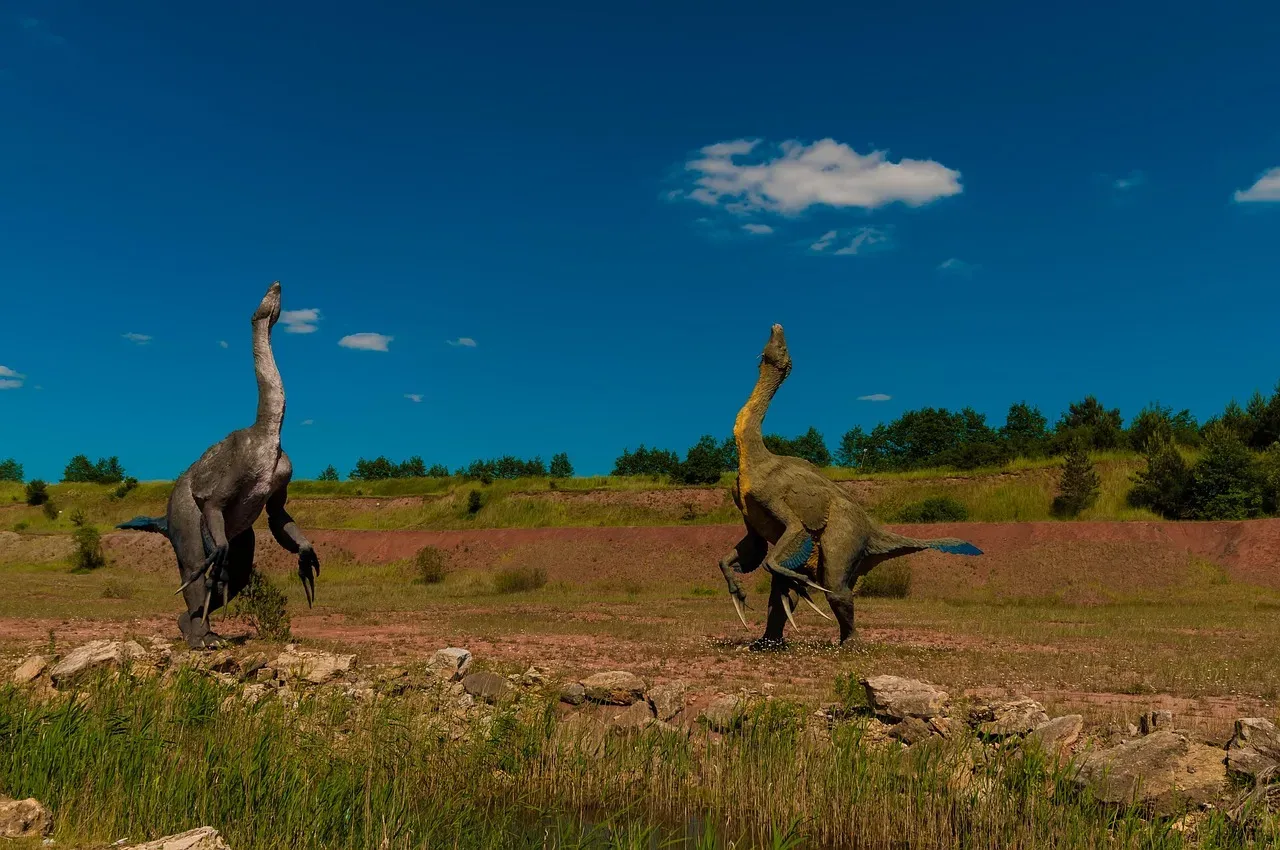
If you could truly hear the sounds of a thriving dinosaur world, you would not hear what movies promised you. You would hear something stranger, deeper, and in many ways more moving. Low booming calls rolling across warm coastal plains. Insect choruses so thick they’d feel like a physical presence. The resonant, trombone-like calls of hadrosaur herds echoing through fern-filled valleys. The felt, rather than heard, pulse of a T. rex moving through dense conifers.
Science is still piecing this acoustic world together, one fossil at a time. As interdisciplinary research continues to bridge the gap between paleontology and acoustics, our understanding of dinosaur vocalizations grows more nuanced – efforts that not only satisfy scientific curiosity but also enrich our connection to the ancient past, allowing us to imagine the prehistoric world in a more vivid and immersive way. The silence of extinction doesn’t have to mean silence in our minds. The more we learn, the louder that lost world becomes.
So here’s a thought to leave you with: if that ancient soundtrack could somehow play through your headphones right now, do you think it would sound terrifying – or beautiful? Tell us what you think in the comments.