Have you ever been absolutely certain about something, only to discover you remembered it all wrong? Maybe you swore the Monopoly Man wore a monocle or remembered Darth Vader saying a different line than he actually did. If so, you might have experienced the Mandela Effect. This strange phenomenon has puzzled people across the internet and sparked countless debates about memory, reality, and even alternate universes.
The fascinating part isn’t just that your memory was wrong. It’s that thousands, sometimes millions, of other people remember it the exact same incorrect way. How can so many minds be fooled in precisely the same manner? Let’s explore this bizarre corner of human psychology and see what science has to say about these collective memory glitches.
Where Did the Mandela Effect Get Its Name?

The term was coined by paranormal researcher Fiona Broome, who reported having vivid and detailed memories of Nelson Mandela dying in prison in the 1980s. She shared in 2009 that she had a clear memory of former South African president Nelson Mandela dying while in prison. Here’s the kicker though: he actually died in 2013, decades after his release and after serving as President of South Africa from 1994 to 1999.
Broome found that other people thought the exact same as her, even though the event never happened. The people she spoke to also remembered seeing news coverage of Mandela’s death and a speech made by his widow. Something felt eerily consistent about these shared false recollections, prompting Broome to investigate further. She speculated that the phenomenon could be evidence of parallel realities.
What Exactly Is the Mandela Effect?

It’s a phenomenon in which participants collectively misremember the specific details of a person, place, situation or event as if it were a reality, when in fact it was not. Think of it as a shared mistake that spans across groups of people, sometimes millions of them. False memories usually occur in an individual way, but what’s really striking about the Mandela Effect is that it is a form of false memory that occurs across people.
The Mandela effect comes into play when constructions of recollections that feel authentic, yet deviate from actual events, happen at the collective level – where large groups of people recall the same baseless fact or event. The experience can be downright unsettling. You might feel completely confident in your memory, certain you’ve seen or heard something a particular way, only to learn that reality disagrees with you entirely.
Famous Examples That Will Mess With Your Head
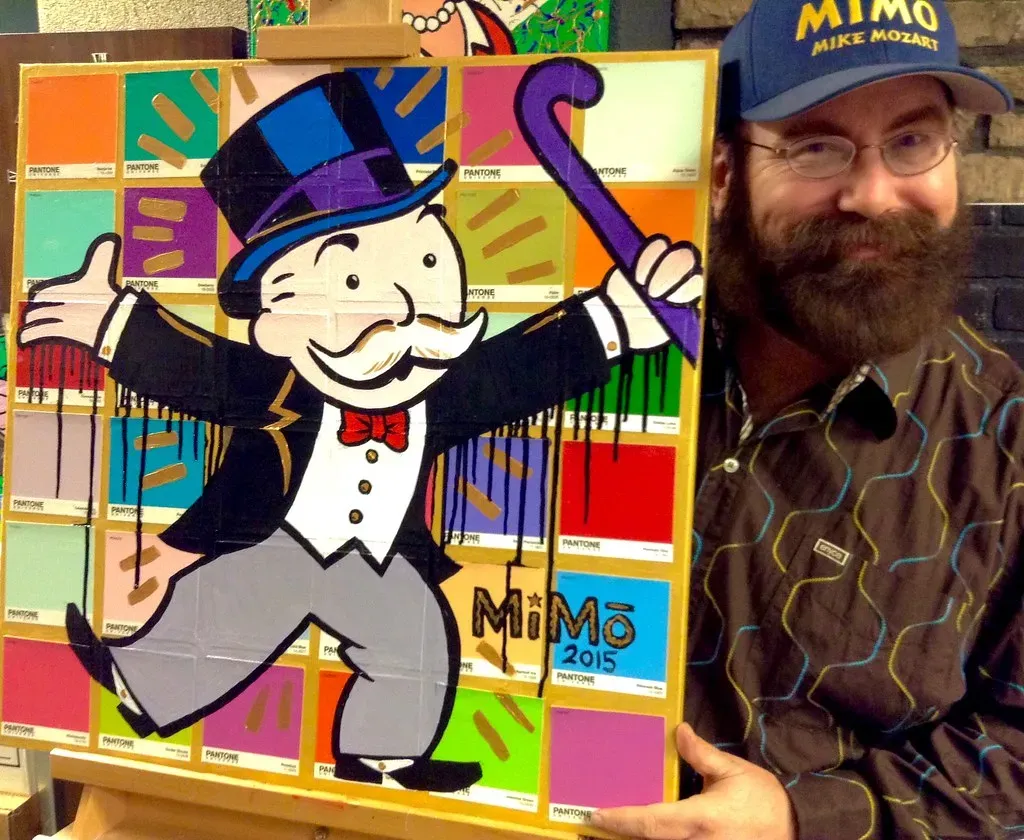
Let’s be real, some of these examples might make you question everything you thought you knew. Many would describe Mr. Monopoly as an older gentleman with a cane, a top hat, and a monocle, however, not a single iteration of Monopoly has included him wearing a monocle. Yet if you close your eyes right now, you probably see that monocle crystal clear in your mind.
Common false memories include C-3PO being entirely golden (he has a silver leg), the spelling of a classic children’s book being “The Berenstein Bears” (it’s really “The Berenstain Bears”), and misquotes from movies. Darth Vader never actually said “Luke I am your father.” People remember the witch in Snow White saying “mirror, mirror on the wall,” but the real line was actually “magic mirror on the wall”. Many people remember Pikachu with a black-tipped tail, but his tail has never had black on the end.
The Psychology Behind False Memories
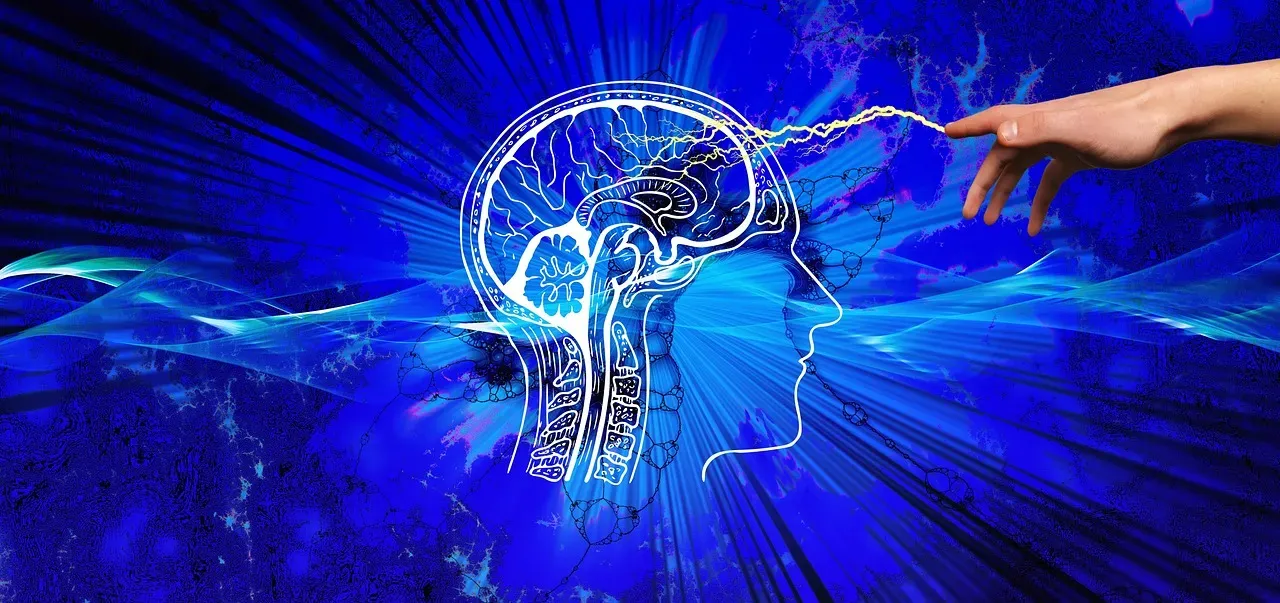
According to neuropsychologist research, the Mandela Effect may happen because of our brains’ ability to create and store false memories. It sounds wild, but here’s the thing: our modern understanding of human memory challenges the idea that memories are always accurate, and it’s argued that all memories, to some degree, are false. Human memory is far from a perfect recording device.
Some doctors believe the Mandela effect is a form of confabulation, which is honest lying where a person creates a false memory without intending to lie or deceive others. They’re attempting to fill in gaps in their own memory. Our memory for small details tends not to be great, and it gets worse as time goes by. Honestly, if you think about it, our brains are constantly making judgment calls about what to store and what to discard.
Schema Theory and Memory Construction
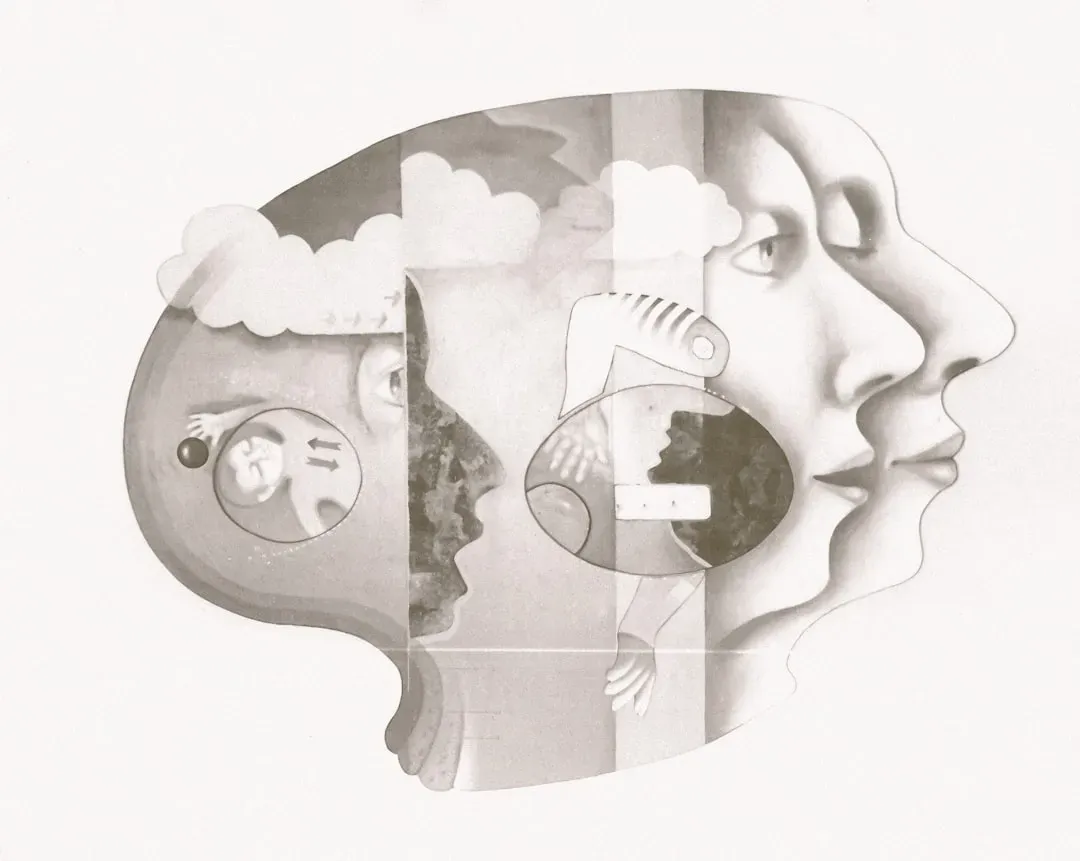
According to schema theory, our brains encode memories in part through expectations of how things ought to be, and we remember the gist of what happened while our minds fill in the details accordingly. It’s kind of like your brain is an overeager editor, adding flourishes to incomplete information. We rely on schemas to organize our experiences and understanding of the world and often use familiarity to indicate accuracy.
Schemas are organised “packets” of knowledge that direct memory, and in this way, schemas facilitate understanding of material, but can produce distortion. Think of your memory as a story your brain tells itself rather than a video recording. Sometimes the brain embellishes details to make the narrative more coherent or logical, even when those details never actually existed.
Social Contagion and the Internet’s Role

Combining the innovation of the internet and how fast information spreads on social media creates all the right ingredients for the Mandela Effect to occur, and when enough people disseminate the wrong information and play off each other’s collective misremembering, the truth can get buried or lost. Social media acts like an accelerant for these false memories. Once an incorrect version gains traction online, it spreads like wildfire.
Scientists suggest that these are examples of false memories shaped by similar cognitive factors affecting multiple people and families, such as social and cognitive reinforcement of incorrect memories or false news reports and misleading photographs. Suggestibility may play a causal role in the Mandela effect when combined with social media, and exposure to misquotations may result in false belief in their truth. The more we see others confidently claiming the same false memory, the more our own brains accept it as fact.
Why Do We All Make the Same Mistakes?

The fact that we can demonstrate consistencies in false memories for certain icons suggests that part of what drives false memories is dependent on our environment and independent of our subjective experiences with the world. This is truly mind-blowing when you think about it. There’s something universal about how our brains process certain information that leads us down identical wrong paths.
Research published in Psychological Science confirmed that people have confident, but incorrect, visual memories of famous icons or characters. Different images may elicit the visual Mandela Effect for different reasons, including prior expectations for an image, prior visual experience with an image and others could have to do with something entirely different than the images themselves. For the most part, people only see C-3PO’s upper body depicted in media, and the falsely remembered gold leg might be a result of them using prior knowledge that bodies are usually only one color to fill in this gap.
Could It Actually Be Parallel Universes?
Let’s get weird for a moment. Highly speculative theories allege that it is the cause of some kind of “glitch in the matrix,” delving into connections between the Mandela effect, simulation theory, and parallel worlds. Some explanations tie into theories that suggest the Mandela Effect occurs when our reality interacts with other alternate realities or parallel universes, while these explanations draw upon real physics theories, they lack scientific support.
The notion of parallel universes is consistent with the work of quantum physicists, but until the existence of alternative realities is established, psychological theories appear much more plausible. The Mandela Effect is not evidence of parallel universes, rather it’s a reflection of how memory works. I know it sounds crazy, but sometimes the simplest explanation really is the right one. Our brains are just remarkably fallible when it comes to remembering details.
The Takeaway About Our Imperfect Memories
Memory is not a perfect recording of events that happened, and it can change with time and with practice and priming. The Mandela Effect serves as a humbling reminder that even our most vivid, confident memories can be completely wrong. What makes it especially fascinating is discovering that millions of other people share your exact same false memory.
The phenomenon of collective false memories seems to extend beyond the knowledge of psychology and neuroscience, and research concludes that we cannot know for certain why large groups of people share these fabricated memories. Maybe that uncertainty is what keeps us so intrigued. The Mandela Effect challenges everything we think we know about memory, truth, and shared reality. Next time you’re absolutely certain about remembering something, you might want to double check. Your confident brain might be playing tricks on you, along with thousands of others who remember it exactly the same wrong way. What’s your favorite Mandela Effect example? Does it make you question what else you might be misremembering?