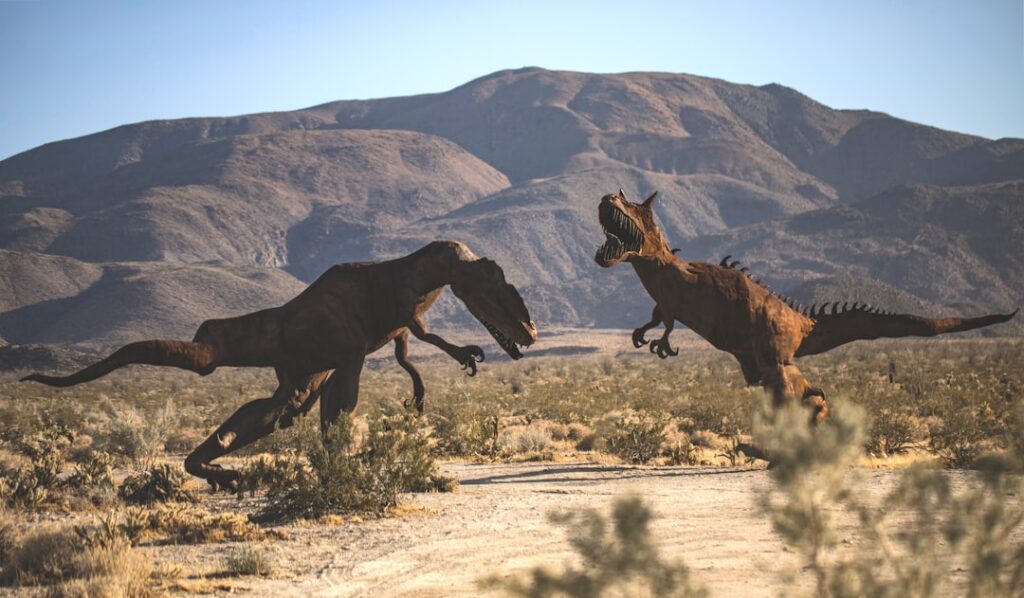
The Jurassic Period, spanning roughly 201 to 145 million years ago, stands as Earth’s golden age of giants. This fascinating chapter in our planet’s history produced the largest land animals that ever walked the Earth, from towering sauropods like Diplodocus to massive marine predators ruling ancient seas. What made this era so perfectly suited for such spectacular gigantism remains one of paleontology’s most captivating questions.
The secret lies not in a single factor, but in a remarkable convergence of environmental conditions that created Earth’s most hospitable climate for oversized life. From oxygen-rich atmospheres to warm greenhouse climates and abundant vegetation, the Jurassic offered a biological paradise that allowed life to reach unprecedented scales. Let’s explore the extraordinary conditions that made this period truly perfect for giants.
The Oxygen Revolution That Supercharged Life
The Jurassic atmosphere’s oxygen levels remain debated among scientists, with some estimates suggesting levels that may have supported gigantic life forms, though research indicates oxygen concentrations varied throughout the period. This oxygen-rich environment fundamentally changed the rules of biology, allowing creatures to grow far larger than would be possible today.
Higher oxygen concentrations meant that massive animals could efficiently fuel their enormous metabolisms. Mammals are 4 to 6 times less efficient in turning food to energy than reptiles are, so they need higher oxygen concentrations for muscles to work effectively. For the dominant reptiles of the Jurassic, this oxygen boost provided an incredible advantage, enabling them to support the massive body masses that defined the era.
A Greenhouse Paradise Without Polar Ice
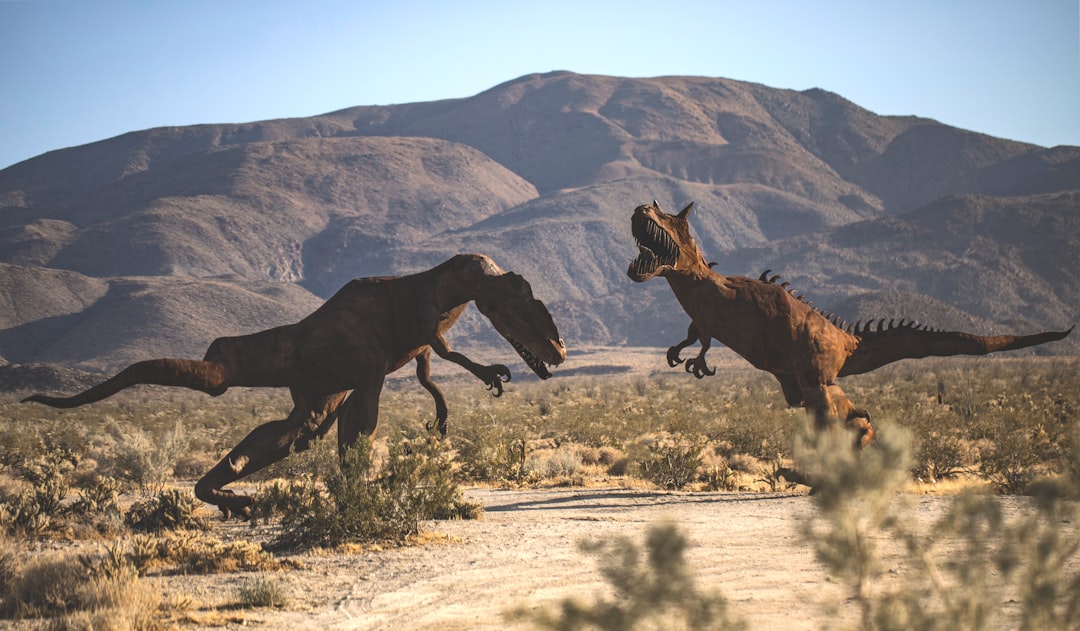
The global mean average temperatures were warmer than the present day by around 6–9 °C and the sea-level was generally also high. This greenhouse climate created a world without polar ice caps, where fossils of warm-adapted plants are found up to 60° N and 60° S paleolatitude, suggesting an expanded tropical zone.
The uniformly warm climate eliminated harsh seasonal variations that might stress large animals. In higher paleolatitudes, ferns and other frost-sensitive plants indicate that there was a less severe temperature difference between the Equator and the poles than exists today. This climate stability allowed giants to thrive across vast geographical ranges without facing the temperature extremes that limit large animals today.
Carbon Dioxide Levels That Drove Explosive Plant Growth
The Jurassic atmosphere contained extraordinary levels of carbon dioxide that fueled unprecedented plant growth. The atmospheric CO2 content was around seven times (1900 ppm) the preindustrial level, while other studies suggest elevated CO2 levels during various periods of the Mesozoic Era.
This CO2-rich atmosphere acted like a massive greenhouse, but more importantly, it provided plants with abundant raw materials for photosynthesis. Huge amounts of this greenhouse gas made the climate during the Jurassic Period extremely humid and warm. The result was explosive vegetation growth that could support enormous herbivorous dinosaurs weighing dozens of tons.
Plate Tectonics Creating Perfect Geography
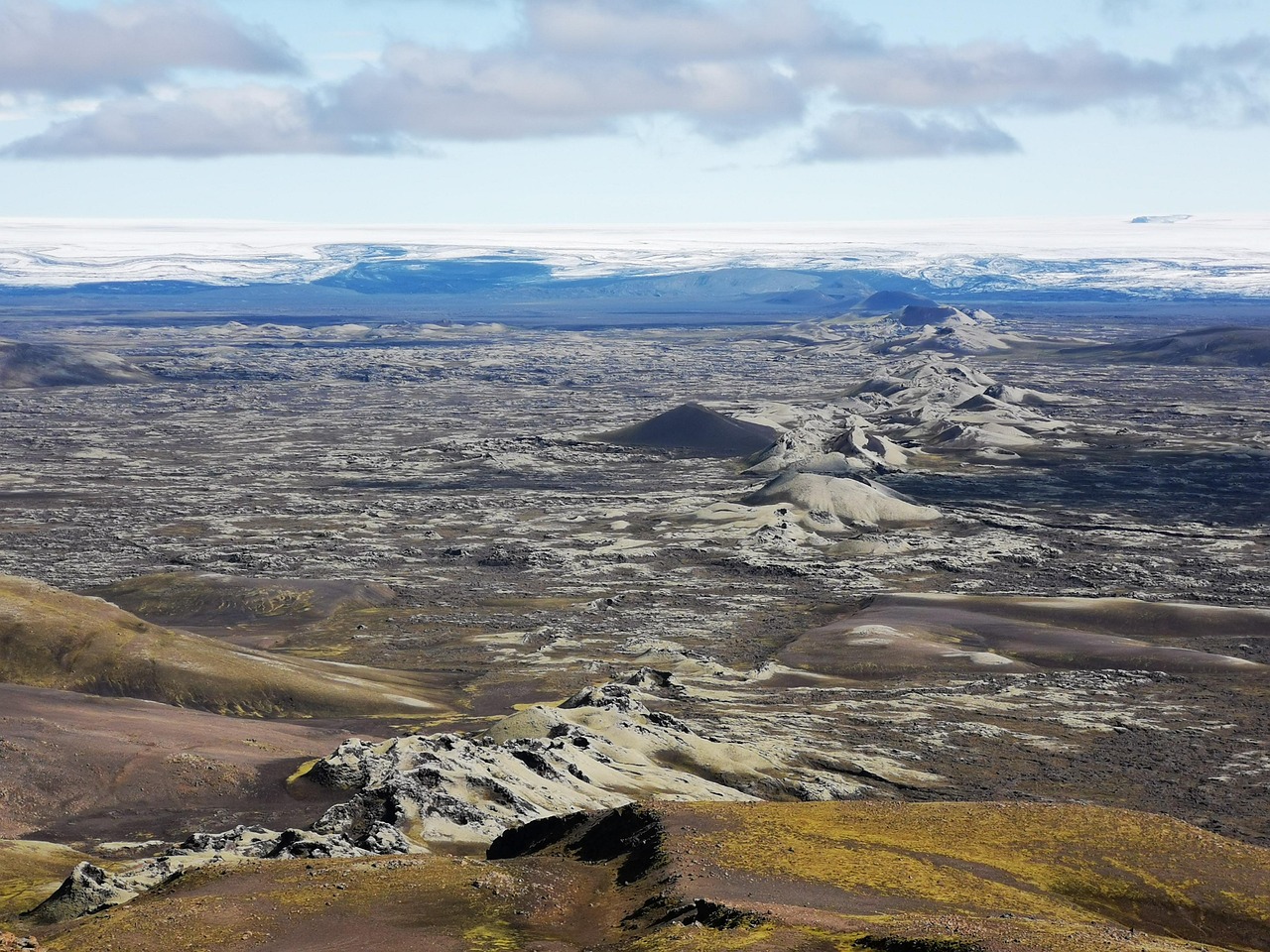
By the beginning of the Jurassic, the supercontinent Pangaea had begun rifting into two landmasses: Laurasia to the north and Gondwana to the south. This continental breakup created ideal conditions for giant life forms by opening new ocean basins and creating extensive shallow seas.
Mountains rose on the seafloor, pushing sea levels higher and onto the continents. These elevated sea levels created vast shallow marine environments that teemed with life, while the continental configuration allowed for extensive tropical and subtropical zones where giants could flourish. Heightened plate tectonic movement led to significant volcanic activity, mountain-building events, and attachment of islands onto continents.
Abundant Vegetation Supporting Massive Herbivores
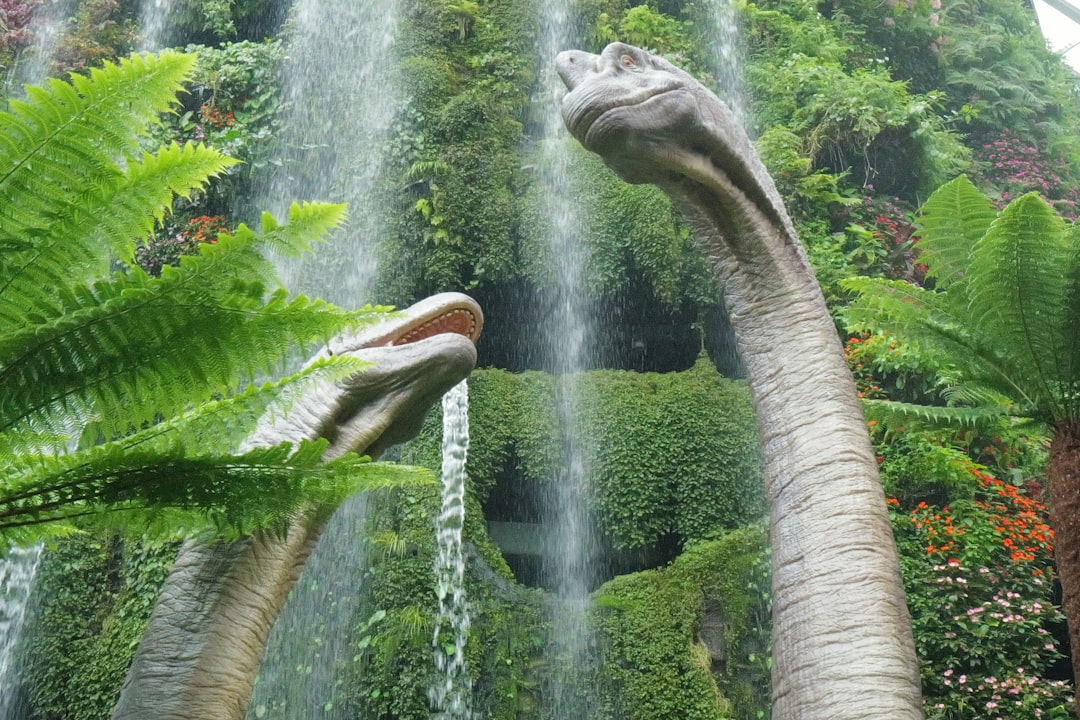
The Jurassic period was characterized by a warm, wet climate that gave rise to lush vegetation and abundant life. The period saw the dominance of gymnosperms (“naked-seed” plants such as conifers) replaced the seed ferns that dominated older ecosystems.
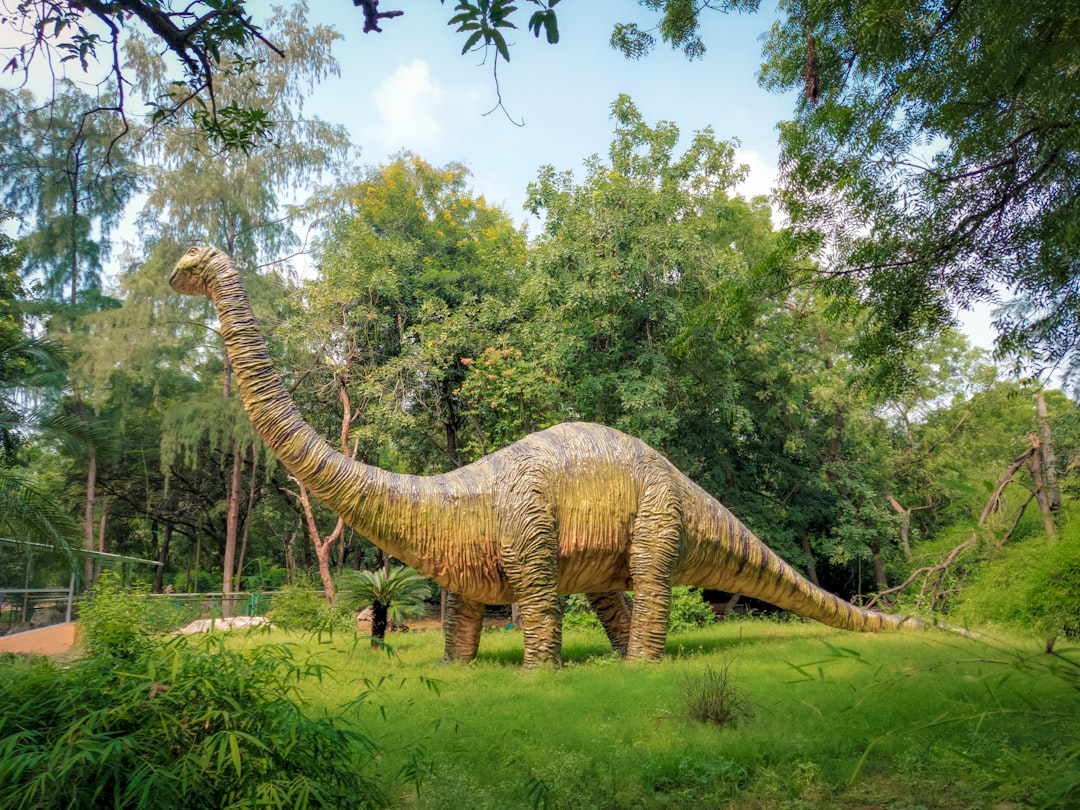
This abundant plant life provided the massive food base necessary to support giant herbivorous dinosaurs. Some of the enormous sauropods called apatosaurs (also called brontosaurs) weighed up to 30 tons. Brachiosaurus, one of the largest land animals of all time, weighed more than 50 tons, and consumed literally tons of vegetation in a few days. The rich vegetation growth ensured these giants never faced food shortages.
High Sea Levels Creating Marine Highways
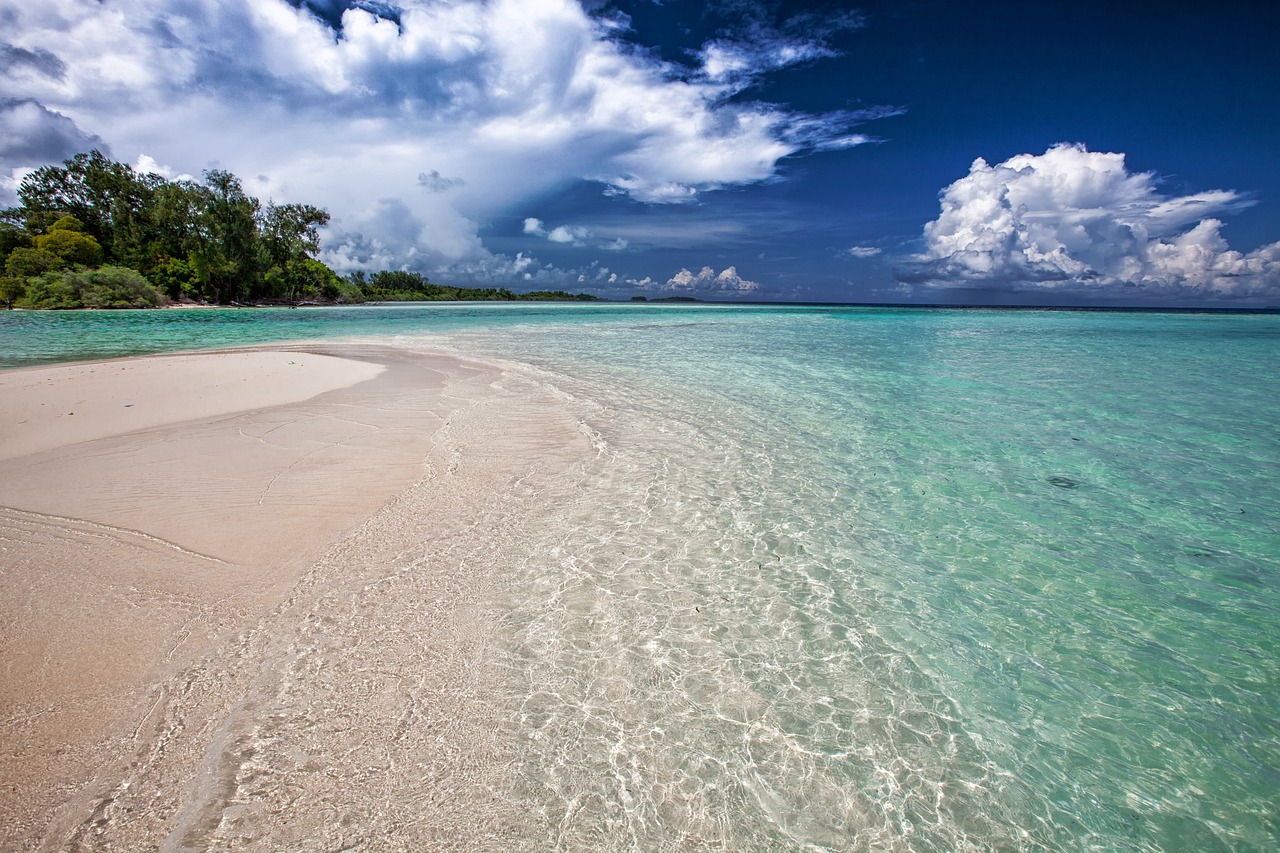
There seems to have been a gradual rise to a peak of ~75 m above present sea level during the Toarcian. These dramatically elevated sea levels created extensive shallow marine environments that covered much of what are now continents.
The oceans, especially the newly formed shallow interior seas, teemed with diverse and abundant life. These marine highways allowed giant marine reptiles like plesiosaurs and ichthyosaurs to colonize vast areas, while the warm shallow seas provided perfect nurseries for marine giants. The extensive coastlines also created diverse ecological niches that supported both terrestrial and marine giants.
Volcanic Activity Enriching Ocean Chemistry
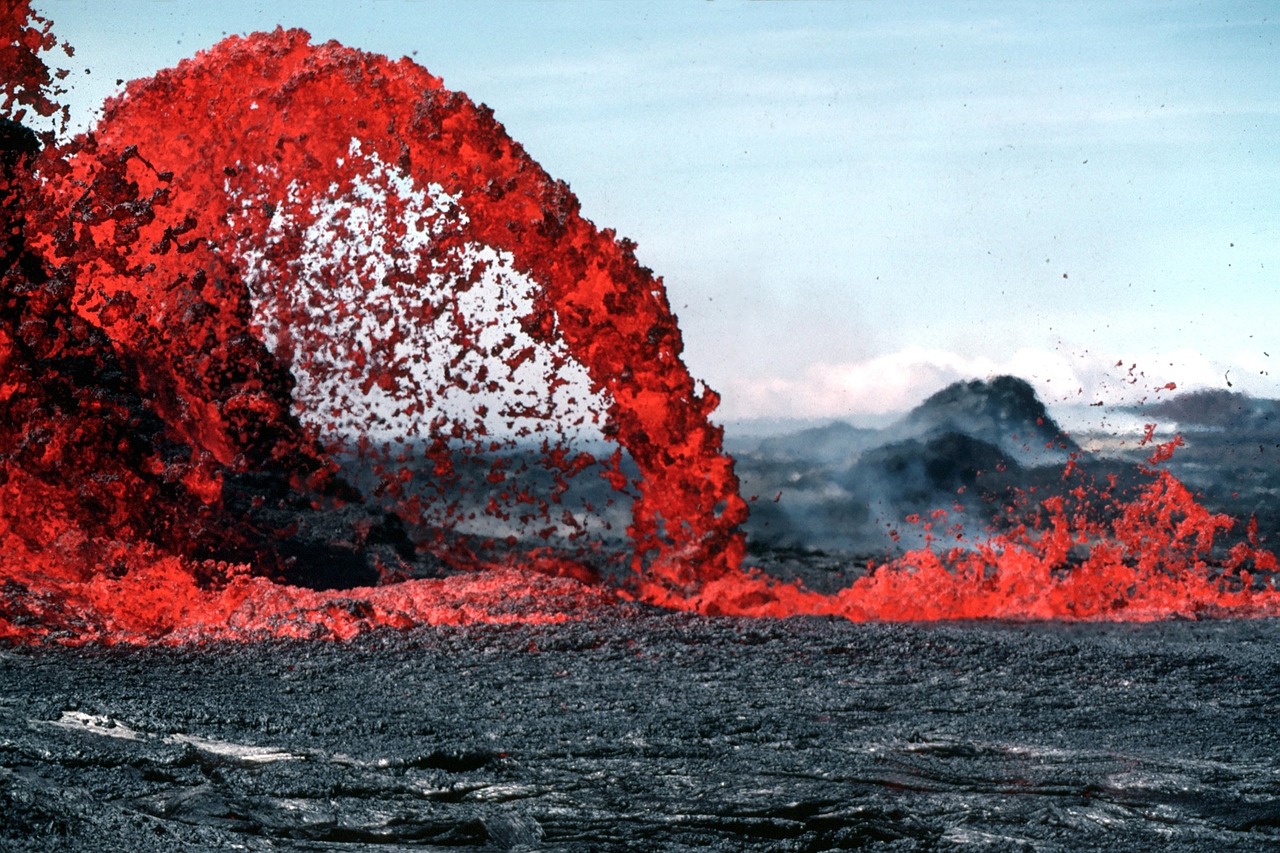
This process, called subduction,led to volcanism at the surface, with rocks constantly melting and emitting CO2 into the atmosphere. While this volcanic activity contributed to high CO2 levels, it also had another crucial effect on supporting giant life forms.
Volcanic activity enriched ocean chemistry with essential minerals that supported marine food chains from the bottom up. During the Jurassic Period, when marine reptiles like ichthyosaurs and plesiosaurs thrived, volcanic activity in modern South Africa released an estimated 20,500 gigatons of carbon dioxide (CO2) over 500,000 years. This volcanic input provided nutrients that fueled marine ecosystems capable of supporting giant marine predators.
Climate Stability Supporting Long-Term Evolution
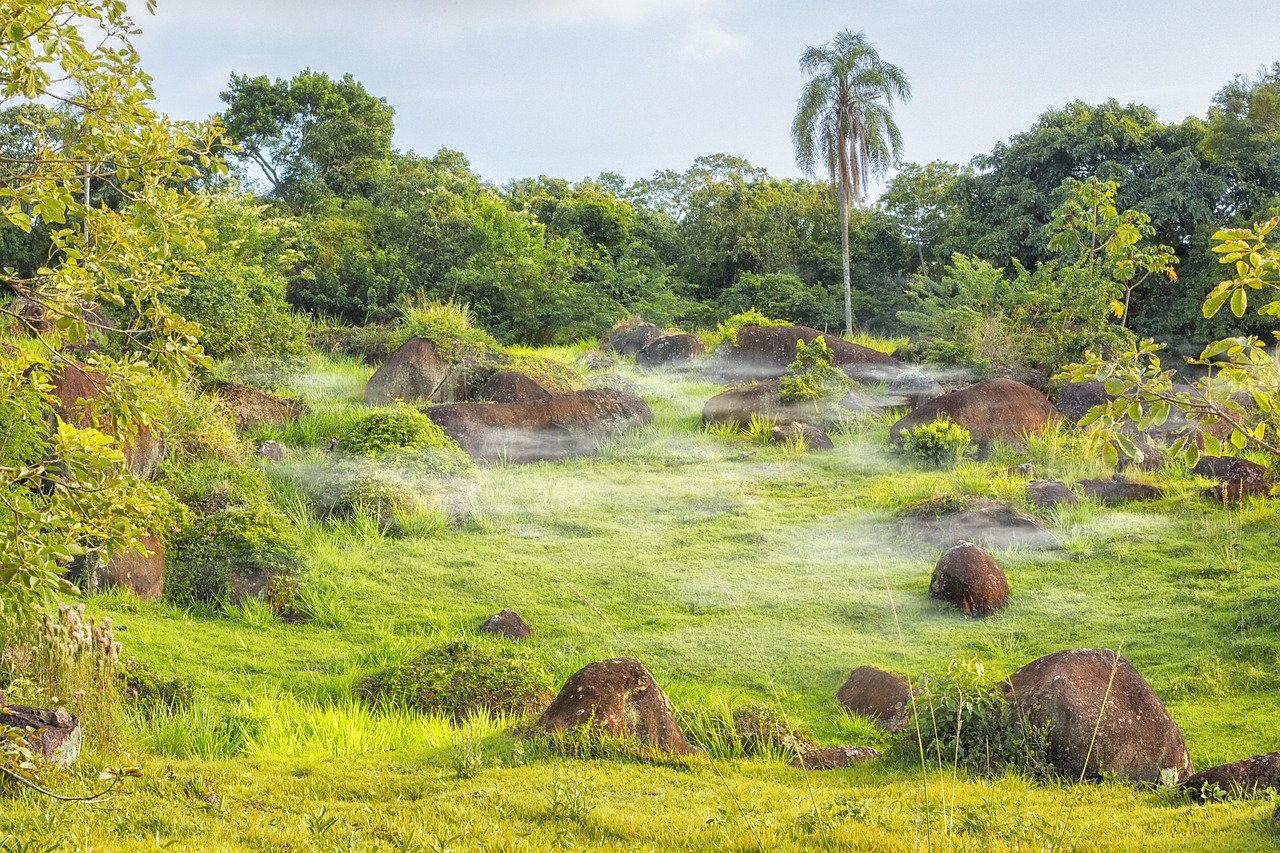
The Jurassic climate remained remarkably stable over millions of years, providing the long-term environmental consistency that giants needed to evolve. The climate was comparatively stable, and it apparently created favorable conditions for the development of ecosystems.
Coolest temperatures existed during the Middle Jurassic and warmest temperatures in the Late Jurassic. A drop in temperatures occurred at the Jurassic-Cretaceous boundary. This gradual climate evolution over tens of millions of years allowed giants time to adapt and evolve to ever-larger sizes, rather than facing the rapid climate changes that might have favored smaller, more adaptable species.
Conclusion
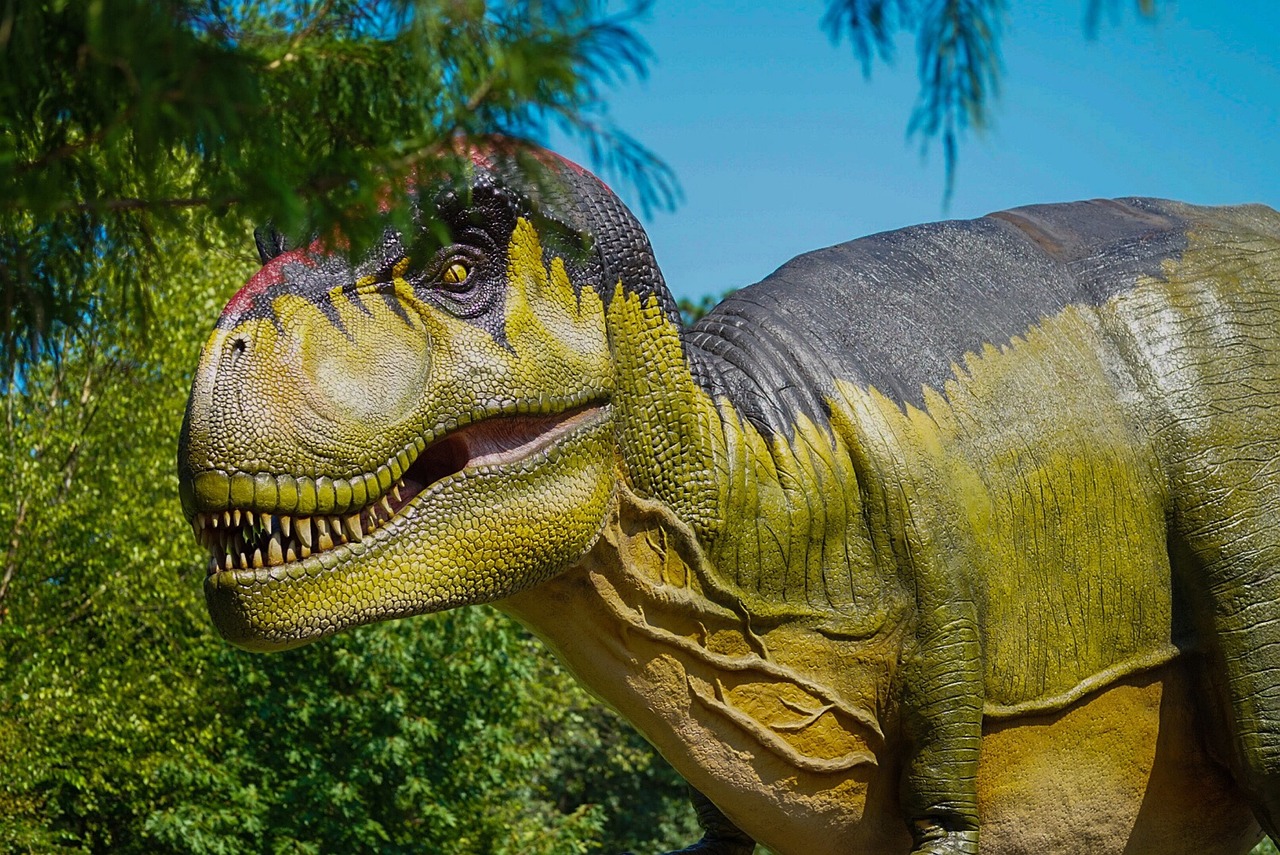
The Jurassic Period represents a unique moment in Earth’s history when multiple environmental factors aligned to create the perfect conditions for gigantism. High oxygen levels supercharged metabolisms, abundant CO2 fueled explosive plant growth, warm greenhouse climates eliminated seasonal stress, and elevated sea levels created extensive shallow marine environments. This remarkable convergence of factors produced Earth’s most spectacular giants, from the towering sauropods that dominated land to the massive marine reptiles that ruled ancient seas.
Understanding these perfect conditions helps us appreciate just how extraordinary the Jurassic giants truly were. They weren’t just lucky accidents of evolution, but products of a perfectly calibrated planetary system that may never occur again in Earth’s history. What do you think made the biggest difference in creating this age of giants? Tell us in the comments.