
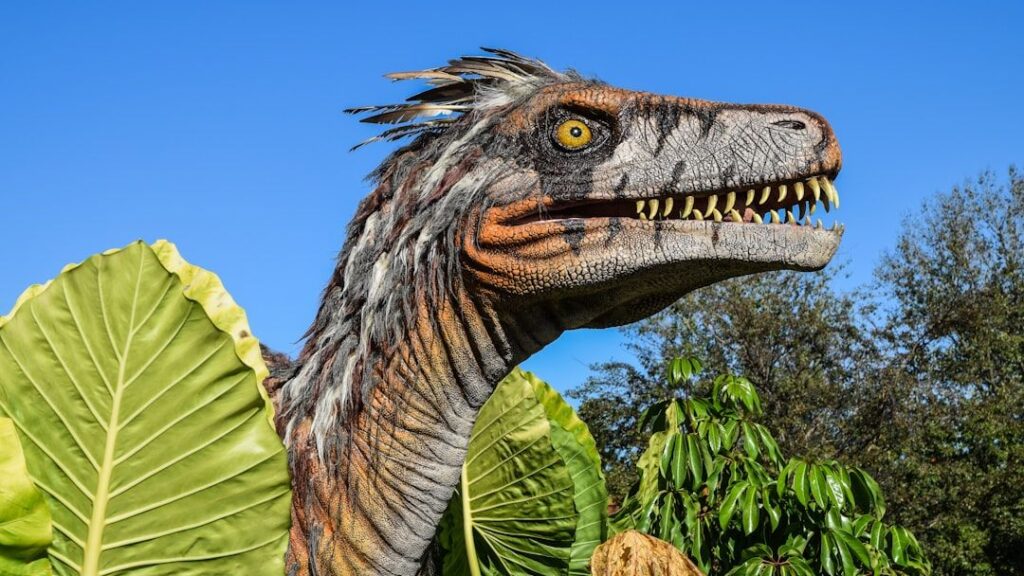
If you grew up on plastic gray-green dinosaurs that dragged their tails and barely moved, you were basically taught a fantasy with a thin crust of science. Classrooms in the 1970s and 80s painted dinosaurs as oversized, dim-witted lizards that lumbered around swamps, lived in eternal heat, and then mysteriously dropped dead when the world changed. It sounded authoritative back then, but compared with what we know today, it might as well have been a bedtime story.
Over the last few decades, paleontology has gone through a revolution that feels more like upgrading from a black‑and‑white TV to a 4K screen. New fossils, better technology, and smarter questions have completely rewritten the script. Dinosaurs were faster, stranger, more colorful, and more complex than those classroom posters ever admitted. Let’s walk through how the science has changed, and why the dinosaurs you thought you knew are now almost unrecognizable.
Dinosaurs Were Not Just Giant Lizards
Back in the 70s and 80s, teachers usually framed dinosaurs as huge reptiles, basically crocodiles on stilts that had simply gotten lucky for a while. The idea was simple: reptiles are cold-blooded, slow, and not especially bright, so dinosaurs must have been the same thing on a larger scale. They were often lumped together with any big extinct reptile, from marine plesiosaurs to flying pterosaurs, as if everything ancient and scaly was one big family. That gave us a mental picture of dinosaurs as generic monsters, not a unique group of animals.
Modern science has sliced that old picture to pieces. Dinosaurs are now understood as a distinct branch of life with their own evolutionary story, separate from marine reptiles and flying pterosaurs, which weren’t dinosaurs at all. They were not simply scaled-up modern lizards; they had very different hips, limb structures, growth patterns, and life histories. When you hear that birds are living dinosaurs, that is not a cute metaphor, it is a literal statement about ancestry. The line between dinosaur and “big reptile” has been redrawn with surgical precision, and it turns out that what schools once mashed together actually belonged to several very different evolutionary experiments.
From Sluggish Brutes to Active, Athletic Animals
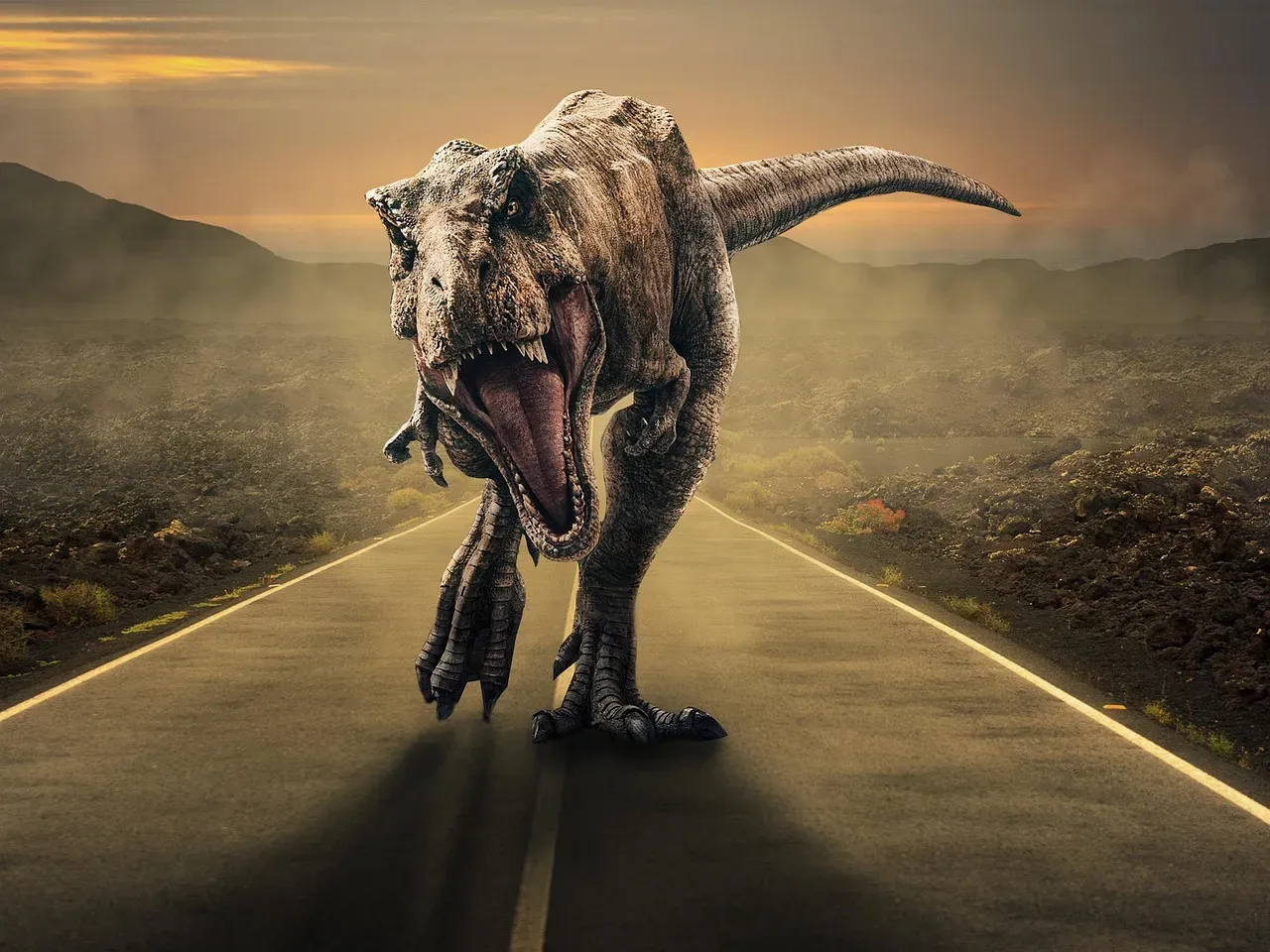
If you flip through older textbooks, dinosaurs look like they are seconds away from a nap in every drawing. Tails trail on the ground, legs sprawl outward, and the animals seem too heavy to do anything but plod. The dominant assumption was that dinosaurs were cold-blooded in the classic reptile sense: their body temperature simply followed the environment, making them slow, especially in cooler climates. I remember a teacher confidently saying that a Tyrannosaurus could not run; it was basically a walking garbage truck with teeth.
Evidence collected since then has flipped that script. Bone histology shows growth rings that point to faster growth and higher metabolic activity than typical modern reptiles. Trackways preserve tight, narrow gaits and sometimes surprisingly quick step patterns that suggest agile movement instead of belly-dragging strolls. Beyond that, many dinosaurs had bird‑like lung systems and sophisticated circulatory features that line up better with active animals than with sluggish ones. While scientists still debate the exact temperature control strategies, the old image of dinosaurs as half-asleep swamp monsters has given way to something closer to big, dynamic, athletic land animals that could chase, migrate, and interact in complex ways.
Birds Are Dinosaurs, Not Just Their Distant Cousins
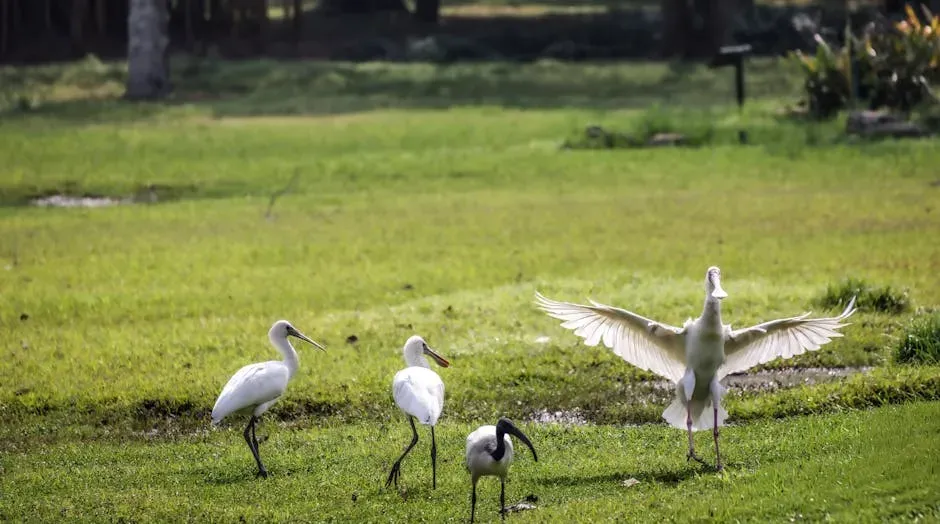
In the 70s and 80s, most school lessons treated birds and dinosaurs as very far apart. Maybe you heard that birds “evolved from reptiles” in some vague way, but it usually stopped there. Dinosaurs were pictured as extinct failures, while birds and mammals were the clever survivors that replaced them. The emotional message was clear: dinosaurs lost, birds won, end of story.
Today, that story is almost upside down. Birds are now recognized as a surviving lineage of theropod dinosaurs, meaning that tiny backyard sparrows and massive long‑tailed raptors once shared a deeper common identity. Key skeletal features, such as the structure of the hip, wishbone, and hand bones, link birds directly to certain theropod groups. Even aspects of their lungs, feathers, and nesting behavior connect them tightly. In other words, dinosaurs never fully vanished; one branch simply shrank, took to the skies, and kept going. This realization does more than change a label; it forces us to see dinosaurs not as a dead end, but as a long-running evolutionary success story that is still unfolding on every telephone wire and city park today.
Feathers, Color, and the Death of the Drab Dinosaur
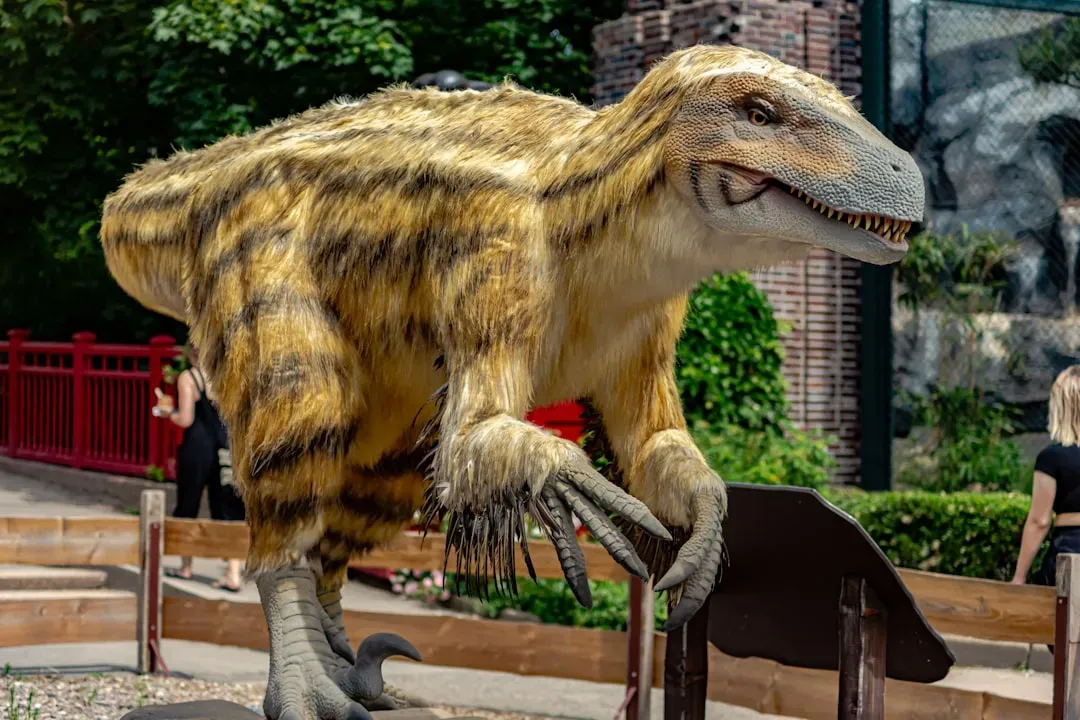
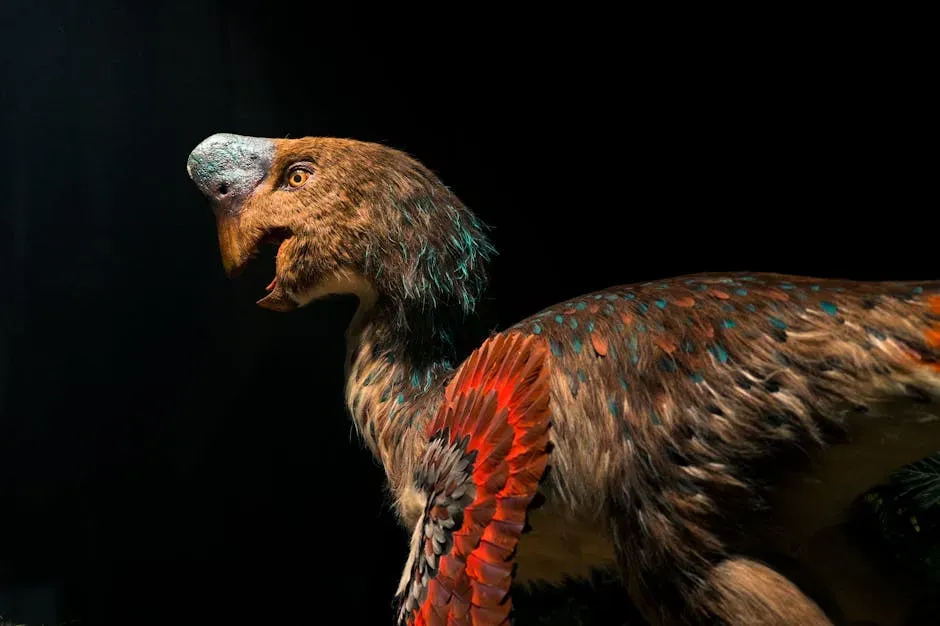
Textbooks from the late twentieth century usually portrayed dinosaurs in muted greens and browns, as if every species agreed to dress like faded army surplus. Feathers on dinosaurs were either dismissed outright or treated as wild speculation. At best, a teacher might say something like, “Some scientists think certain small dinosaurs might have had something like fuzz,” and then the topic would move on. The visual message was: scaly, dull, and uniform.
Fossil discoveries, especially from exceptionally well-preserved sites, have completely shredded that old vision. Paleontologists have found clear impressions and even structural remnants of feathers on many non‑avian dinosaurs, including some that were not just small, tentative experiments but full‑on feathered predators and plant‑eaters. In a few cases, microscopic pigment structures preserved in these feathers give clues to actual coloration, suggesting patterns and tones rather than flat gray or green. Not every dinosaur was feathered, of course, but enough were that the idea of a purely scaly dinosaur world is no longer credible. The animals that once roamed ancient landscapes may have been as visually varied and striking as modern birds, turning our former gray plastic toy box into something closer to a living, shifting art gallery.
Warm‑Blooded, Cold‑Blooded, or Something In Between?
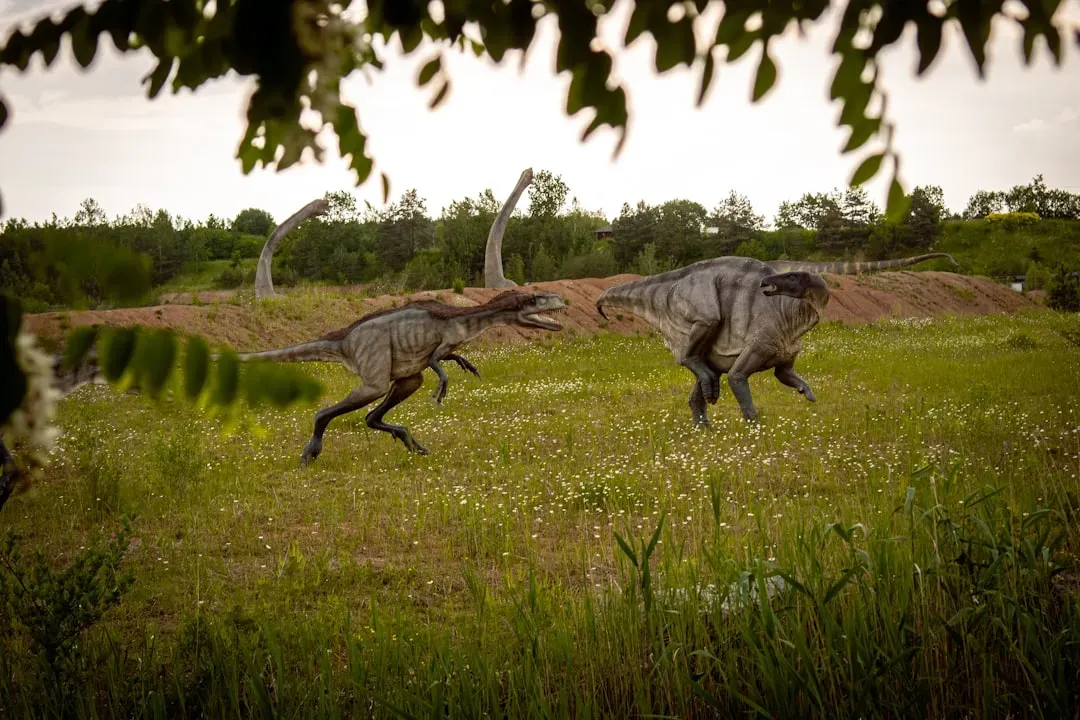
Old-school teaching split the animal world into two neat metabolic camps: warm-blooded mammals and birds on one side, cold-blooded reptiles, amphibians, and fish on the other. Dinosaurs were filed into the reptile drawer, so they were automatically labeled as cold‑blooded, with all the assumed sluggishness and environmental dependence that came with it. That tidy classification was easy to memorize for a test, but reality, as always, turned out to be messier.
Modern research suggests that dinosaurs likely covered a broader spectrum of metabolic strategies than those old two boxes allowed. Some species show features consistent with high, relatively stable body temperatures, such as dense bone structures, rapid growth rates, and evidence of sustained activity. Others may have had more flexible strategies that depended on size, environment, and lifestyle. The emerging picture is that dinosaurs were not locked into a single category but experimented with physiology in ways that blur the simple warm‑blooded versus cold‑blooded divide. It is a reminder that nature rarely respects the clean lines we draw in school charts, and that dinosaurs were adapting in real time to an ever‑changing world.
Dinosaur Behavior: From Solitary Monsters to Social, Caring Animals
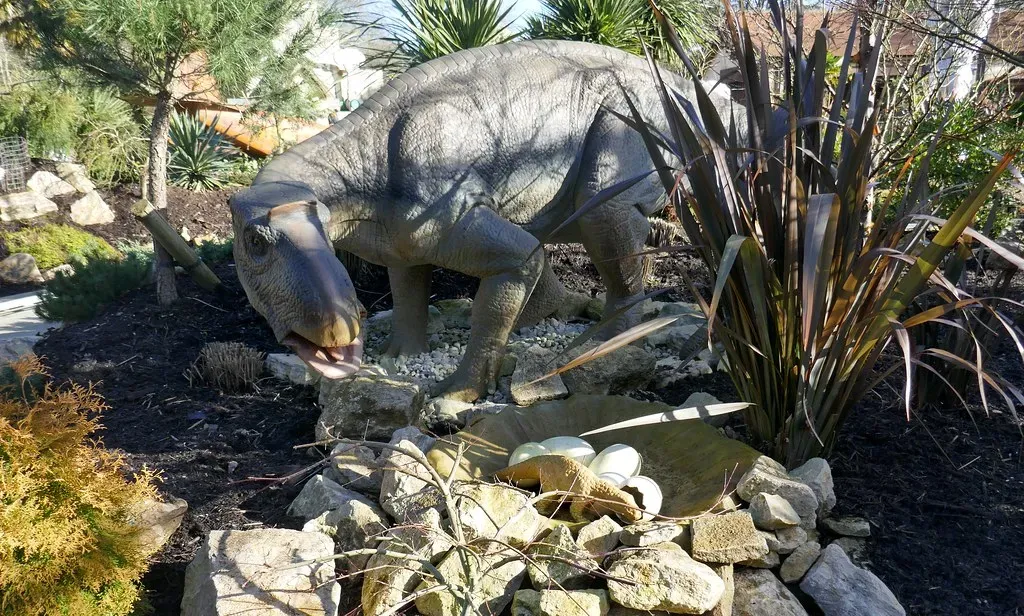
Older teaching often made dinosaurs seem like solitary movie monsters, roaming alone and occasionally clashing in dramatic battles. Nesting, parental care, or social structure were largely ignored or assumed to be minimal. The stereotype was that reptiles, including dinosaurs, simply laid eggs and walked away, leaving the next generation to fend for itself. That turned dinosaur life into a series of disconnected individuals rather than living communities.
Fossil evidence has since painted a much richer social picture. Paleontologists have uncovered nesting grounds with multiple layers of use, suggesting that some dinosaurs returned to the same sites repeatedly, much like modern seabirds or turtles. Arrangements of fossilized individuals imply herd behavior in some species, hinting at group movement, protection, or coordinated living. Bone beds of young and adults together, along with trackways that seem to show mixed-age groups, point toward at least some dinosaurs engaging in parental care and social interaction. While we still have to be careful not to project human emotions directly onto them, the days of assuming dinosaurs were simple, antisocial brutes are long gone.
The End of the Dinosaurs Was Fast, Violent, and Not the Whole Story
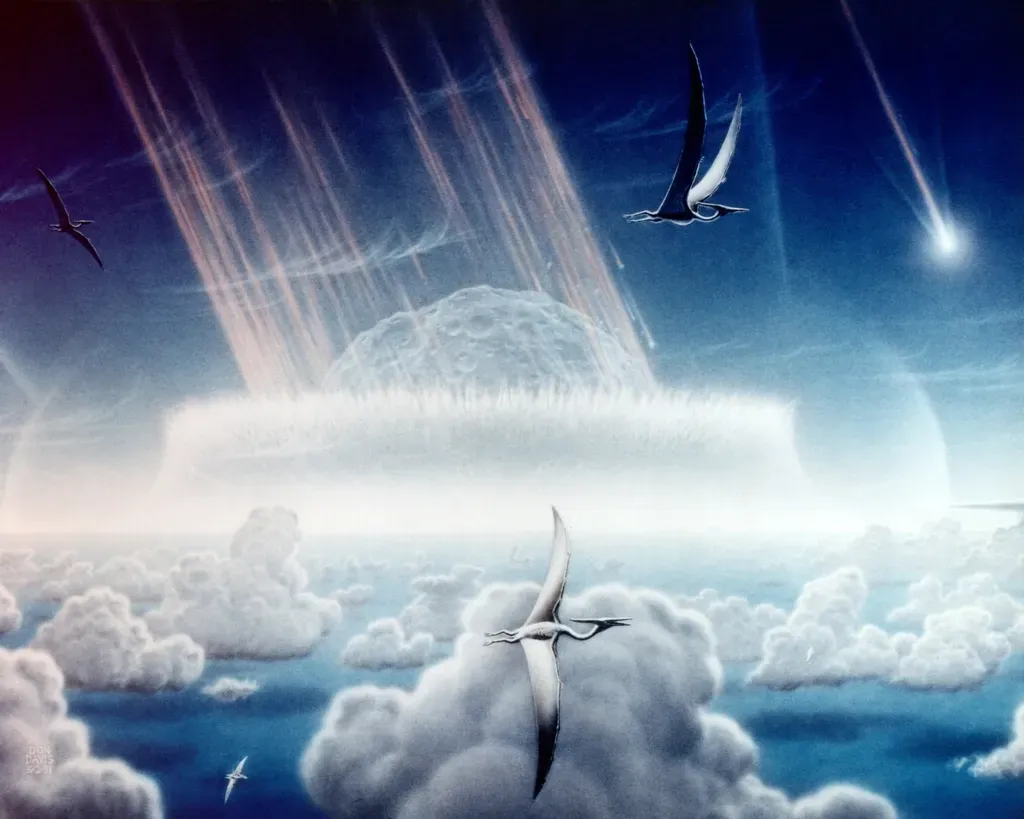
In many 70s and 80s classrooms, the extinction of dinosaurs was presented as a slow fade‑out. The climate got cooler, or maybe there were too many volcanoes, or perhaps dinosaurs just could not keep up with mammals. The explanations were vague, sometimes contradictory, and often dragged out over huge spans of time. The sense was that dinosaurs just gradually failed and disappeared, like a TV show that quietly gets canceled after losing ratings.
By now, the evidence for a major asteroid impact at the end of the Cretaceous has become one of the most dramatic scientific stories we have. Signs of a massive collision, including a worldwide layer of impact‑related debris and the discovery of a large impact crater, support the idea that many dinosaur lineages were wiped out in a geologically short, catastrophic event. Yet even this apocalyptic moment is not the full story, because one dinosaur branch – birds – made it through and diversified afterwards. So the clean classroom narrative of total, slow extinction has been replaced by a more complex picture: a disastrous impact layered on top of longer‑term environmental shifts, followed by a reshuffling of life where dinosaurs both ended and survived, depending on which branch you look at.
Opinionated Conclusion: Dinosaurs Are More Alive in Our Minds Than Ever
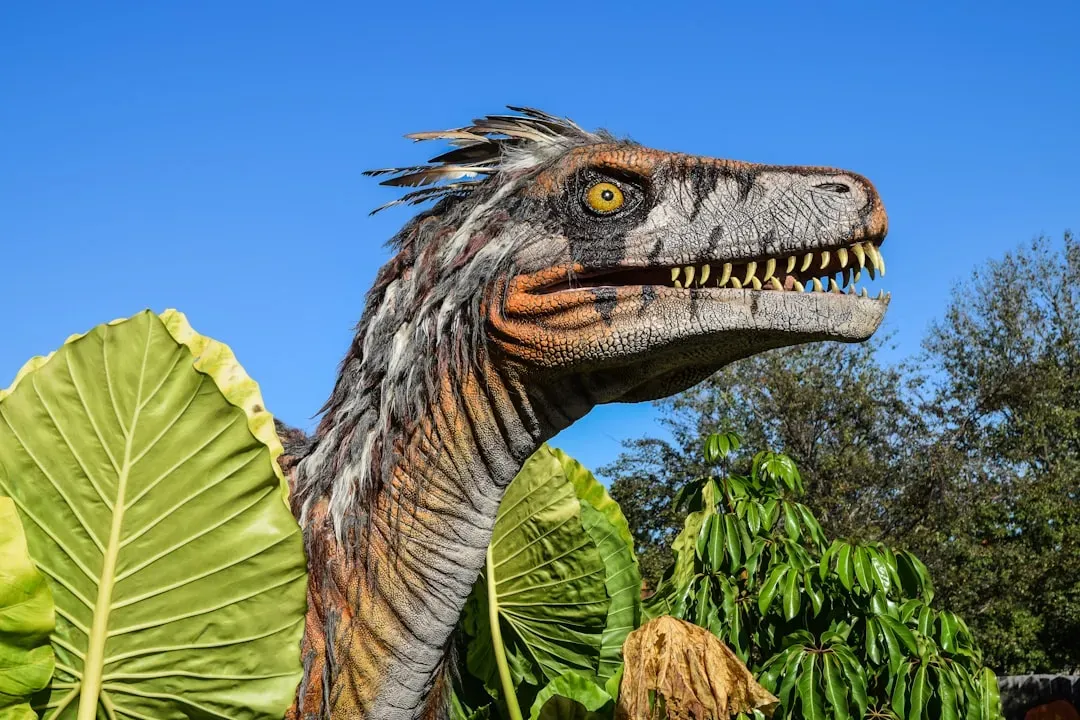
When I compare what I was taught as a kid to what scientists now know, it honestly feels like we were given a rough sketch instead of the full painting. The old image of dinosaurs as dull, lumbering failures has been dismantled by decades of patient work with rocks, bones, and new technology. We now see them as energetic, complex, sometimes feathered animals that experimented with physiology, behavior, and form in ways that still surprise experienced researchers. The cartoon monsters from dusty textbooks have been replaced by real creatures that are stranger and, in many ways, more impressive than the fiction ever was.
Here is my honest opinion: clinging to the 1970s view of dinosaurs today is like insisting that music peaked with cassettes and refusing to admit streaming exists. The science has moved on, and it is better, richer, and more awe‑inspiring than the old version. Dinosaurs are no longer static museum pieces; they are part of an active, ongoing story about life on Earth, one that includes the pigeons outside your window as much as the fossils in a glass case. The question is not whether our childhood lessons were wrong – they were – but whether we are willing to update our imaginations as eagerly as scientists have updated their theories. Did you ever think the most mind‑blowing thing about dinosaurs would be how alive they still are in the world around us?