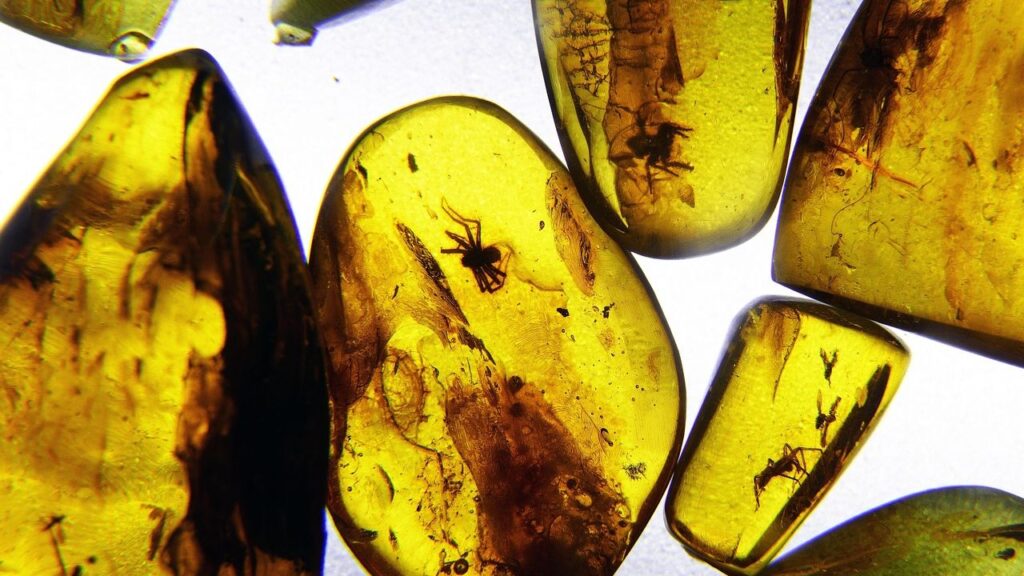
Have you ever held a piece of amber in your hand and wondered about the stories locked inside? It’s hard not to be mesmerized by the golden glow, the way light dances through fossilized resin. These aren’t just pretty stones. They’re time capsules, preserving moments from hundreds of millions of years ago in stunning detail.
Amber preserves otherwise unfossilizable parts of organisms, giving scientists an extraordinary window into worlds that vanished eons ago. Unlike typical fossils that show only bones and hard parts, you’re looking at soft tissues, delicate wings, even the tiniest hairs on an ancient insect’s leg. It sounds almost too good to be true, but these specimens exist in museums and private collections around the globe, revealing secrets about how life evolved on our planet.
Perfectly Preserved Windows Into Lost Worlds
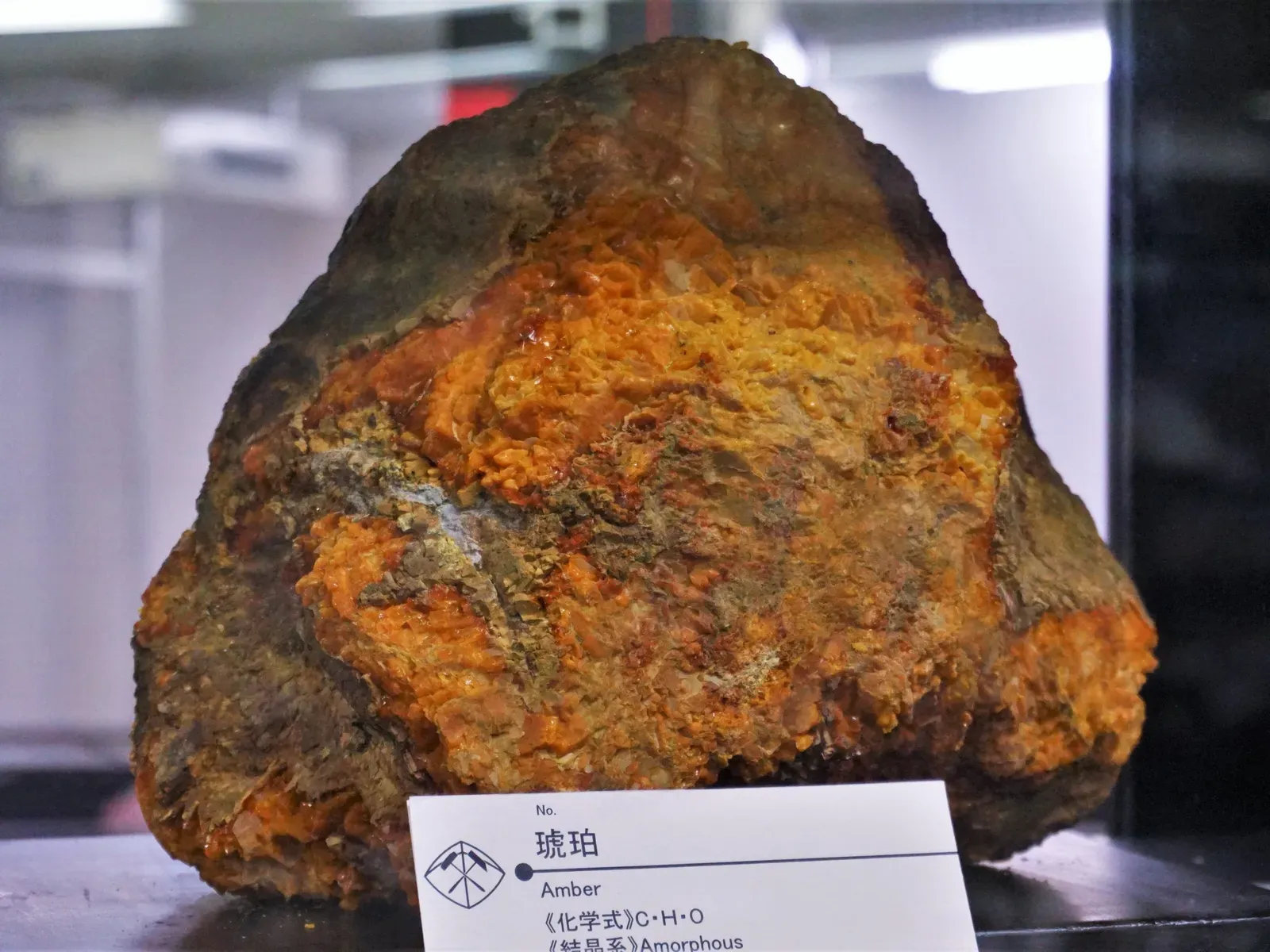
Let’s be real, most fossils leave a lot to the imagination. You get bones, maybe shells if you’re lucky, but rarely anything that shows the soft parts of ancient creatures.
Amber captures soft tissues, colors, and even cellular structures, providing a three-dimensional window into life forms that would otherwise have vanished without a trace. Honestly, it’s remarkable when you think about it. When an organism becomes engulfed in fresh resin, the sticky substance rapidly seals it from oxygen and bacteria that would normally cause decomposition. The process works like nature’s own preservation vault, locking creatures away before decay can destroy them. Insects, spiders and even their webs, frogs, bacteria, wood, flowers, hair, feathers and other small organisms have been recovered in amber deposited roughly 130 million years ago.
You can actually see colors preserved in some specimens. Feathers found in Canadian amber revealed the actual color of the feathers, with shades of black and brown being preserved. That’s not something you normally get from mineralized fossils sitting in sedimentary rock.
The Oldest Amber Arthropods Tell Surprising Stories
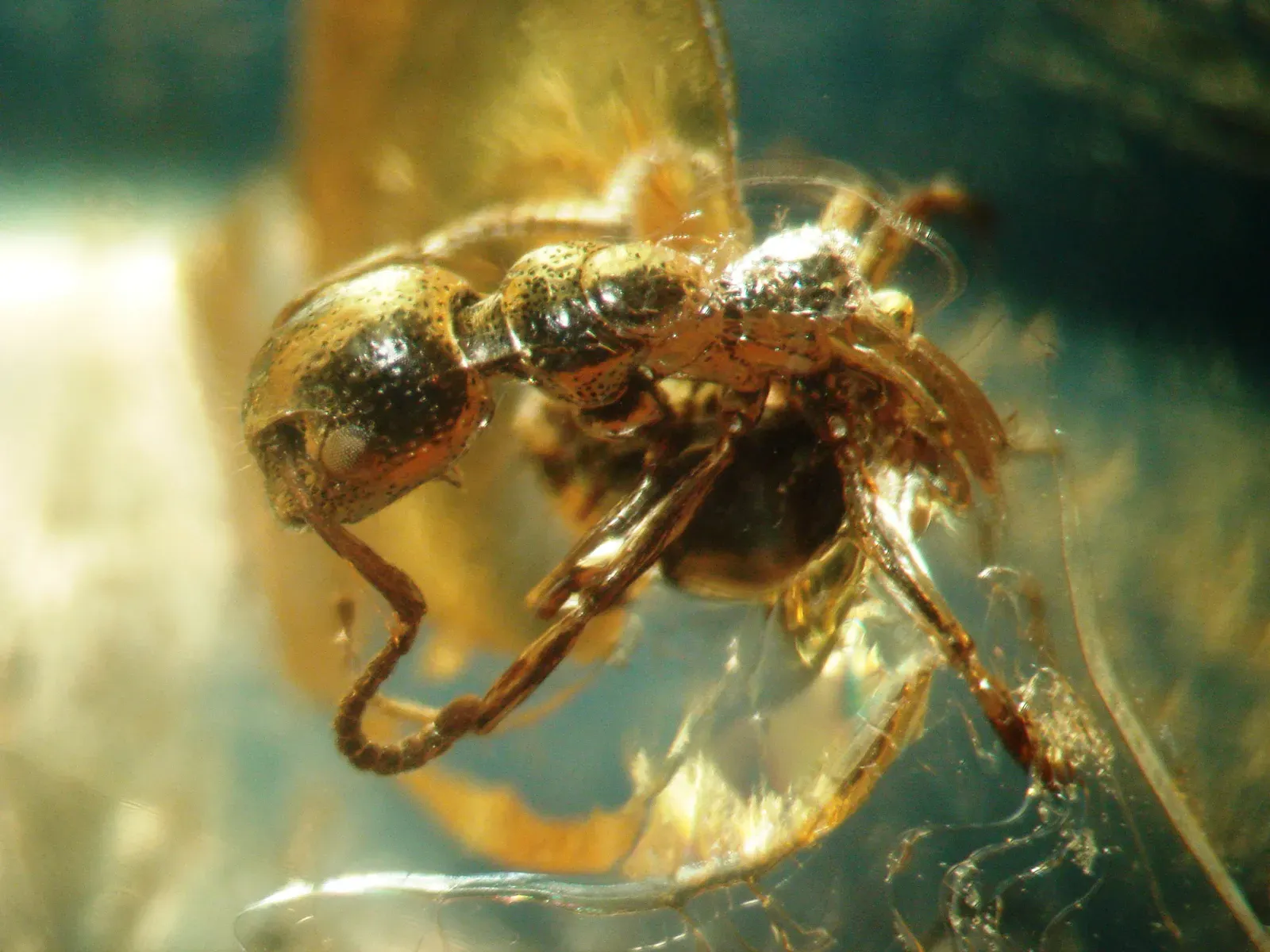
Two newfound, 230-million-year-old mites, along with an extinct insect related to gnats and mosquitoes, are the oldest animals yet found in amber – by more than a hundred million years. Let that sink in for a moment. These tiny creatures from the Triassic period got trapped in resin before flowering plants even existed.
Here’s what really surprised scientists about these ancient mites. The ancient mites likely fed on the leaves of the tree that preserved them, yet roughly 97 percent of today’s gall mites feed on flowering plants. They’re remarkably similar to modern gall mites, despite living a hundred million years before flowering plants evolved, hinting at the resilience of the basic mite design. That tells you something about evolution. Sometimes the basic blueprint works so well that it doesn’t need much tinkering over vast stretches of time.
These specimens came from Italian droplets of amber, and researchers had to screen roughly 70,000 drops before finding just three arthropod inclusions. The effort was worth it, though.
South America’s Hidden Treasure Trove
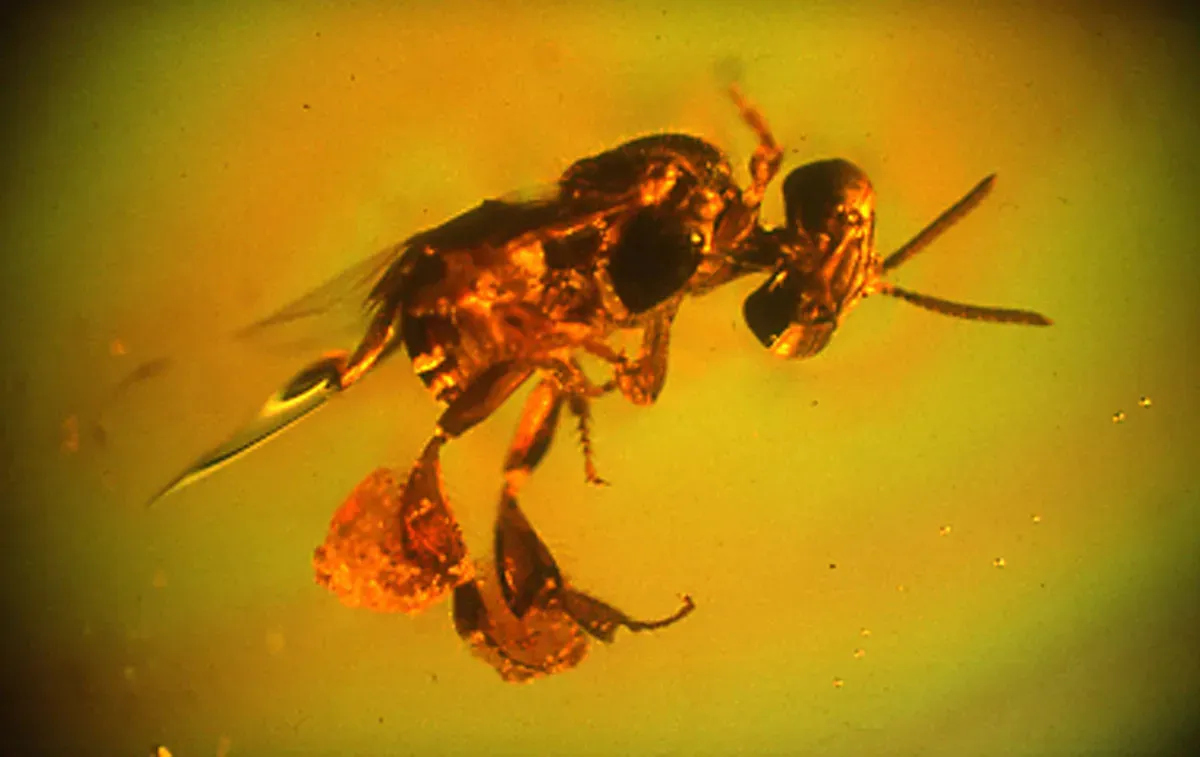
For decades, scientists scratched their heads wondering why so few amber deposits existed in the Southern Hemisphere. Almost all known amber deposits from the past 130 million years have been in the Northern Hemisphere, and it’s long been an enigma that scientists have found few in southern regions that once comprised the supercontinent Gondwana.
That puzzle started getting solved recently. Many specimens found at a sandstone quarry in Ecuador date to 112 million years ago, with at least six types of arthropods found preserved. The discovery involved thousands of amber pieces within a layer just 70 centimeters thick, and it’s much richer than any other known Cretaceous amber deposit in the northern hemisphere. This was huge news for paleontologists who study ancient life in the southern continents.
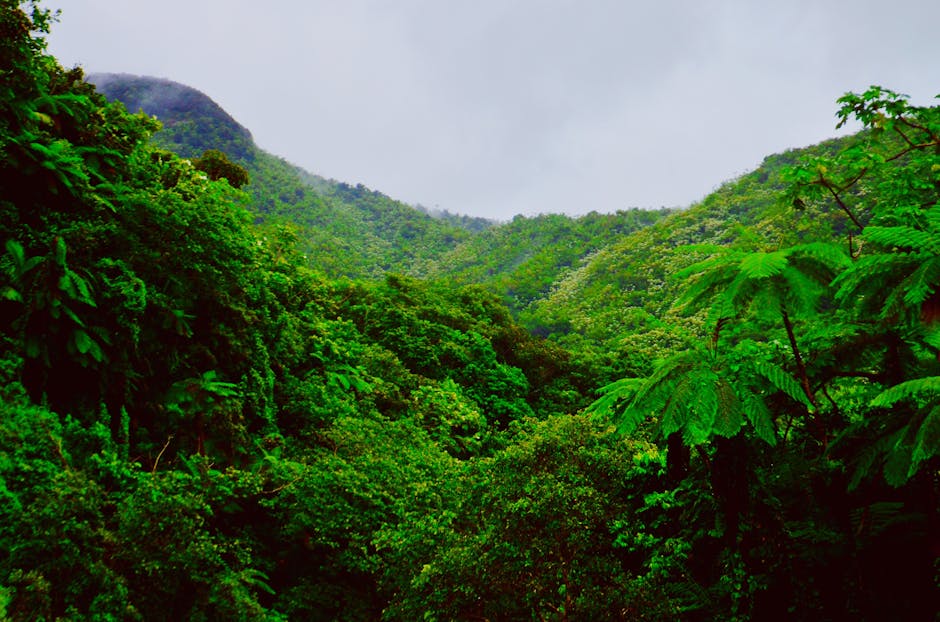
The Ecuadorian discovery opened doors we didn’t even know were closed. Based on an analysis of fossils in the amber, the ancient rainforest contained species of ferns and conifers, including the unusual Monkey Puzzle Tree, that no longer grow in Amazonia. It was essentially a different type of forest altogether. Their presence suggests a rainforest ecosystem with freshwater streams and ponds, painting a picture of lush, humid environments teeming with life during the age of dinosaurs.
Behavioral Snapshots Frozen in Time
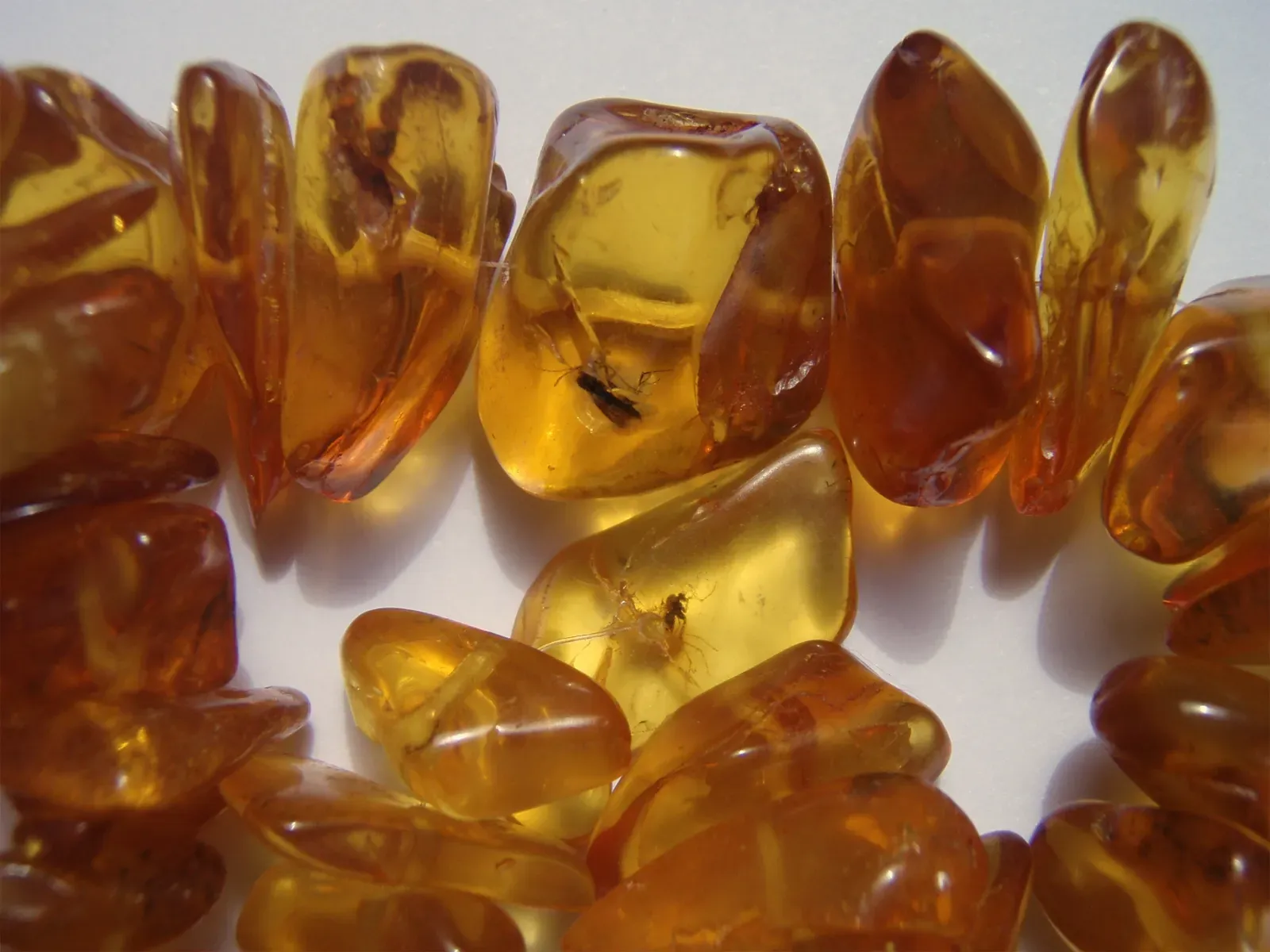
Sometimes amber captures more than just individual creatures. It freezes moments of behavior, interactions between species, predator and prey locked together forever.
Australian amber has preserved intimate moments of prehistoric behaviour, including pairs of mating flies frozen in time, clusters of juvenile spiders suggesting social behaviour, and feeding patterns of ancient insects. Think about that for a second. We’re not just seeing what ancient bugs looked like. We’re witnessing what they were actually doing millions of years ago. A spider and its victim were preserved, with the prey being a hapless male parasitic wasp that had flown into an orb weaver spider’s web, with even fifteen strands of silk found with the dueling minibeasts.
One of the most fascinating finds involved maternal care. A 100-million-year-old care of offspring was unknown among insects until now, discovered in Burmese amber. The implications are profound. It shows that complex social behaviors existed far earlier than scientists previously thought. These aren’t simple automatons responding to stimuli. These were creatures with intricate life cycles and family structures.
Revealing Ancient Food Webs and Parasitic Relationships
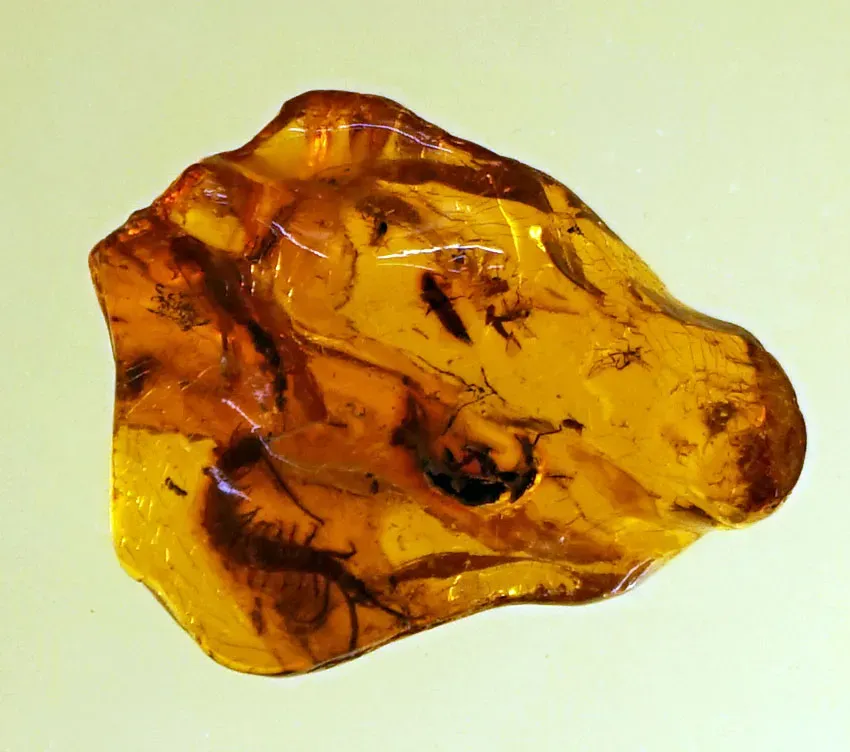
The connections between species, who ate whom, who parasitized whom, all of this gets preserved in amber too. The insect, along with a second specimen of a young ant infected with a similar fungus, are two of the oldest examples of a bizarre natural phenomenon that involves fungal parasites hijacking the bodies of their hosts before ultimately killing them.
I find this stuff both fascinating and slightly unsettling. The discovery suggests that terrestrial ecosystems were already very complex, and that Ophiocordyceps, in particular, may have begun to act as predators of insects in the Cretaceous period, regulating the populations of certain groups. These “zombie fungi” didn’t just appear recently. They’ve been controlling insect behavior for nearly a hundred million years. The species of fungus that infected the prehistoric ant may be an ancestor of zombie-ant fungi, and thus likely controlled its host’s body in similar ways.
Beyond fungi, there are parasitic mites caught mid-attack. A mite similar to the Varroa mite was caught in mid-attack, measuring just 0.7 millimeters long, frozen at the moment it was targeting its ant host. These tiny dramas play out in golden resin, showing us the brutal reality of survival in prehistoric forests.
Climate and Environmental Clues From Tiny Inclusions
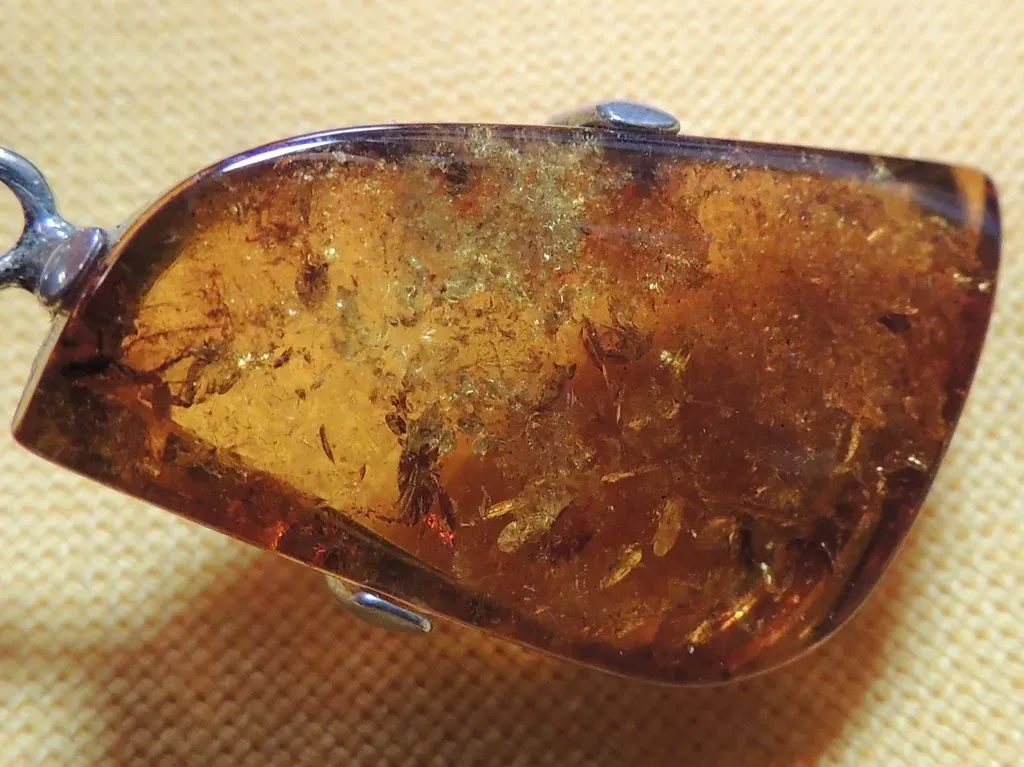
You might think insects don’t tell you much about climate, but you’d be wrong. The types of creatures trapped, and where they’re found, reveal enormous amounts about ancient environments.
Fossilized resin known as Pine Island amber dates back approximately 90 million years to the mid-Cretaceous period, when lush, swampy forests thrived near the South Pole. Yes, you read that correctly. Antarctica wasn’t always the frozen wasteland we know today. The Antarctic amber pushes the known range further south, indicating that resin-producing trees grew and thrived even under the challenging conditions of polar darkness for months each year. That completely changes how we understand ancient climate patterns and where life could flourish.
The insects themselves are environmental indicators. Caddisflies have aquatic larvae, which means that there must have been pools of freshwater nearby when the amber formed. See how that works? One tiny fossilized bug tells you there were streams or ponds in the area millions of years ago. Because the insects caught in the amber include species whose larvae must develop in water, researchers propose that South America’s Cretaceous forests were once home to towering conifers, a dense understory of ferns, and a motley crew of bugs.
The DNA Debate: What Really Survives in Amber?
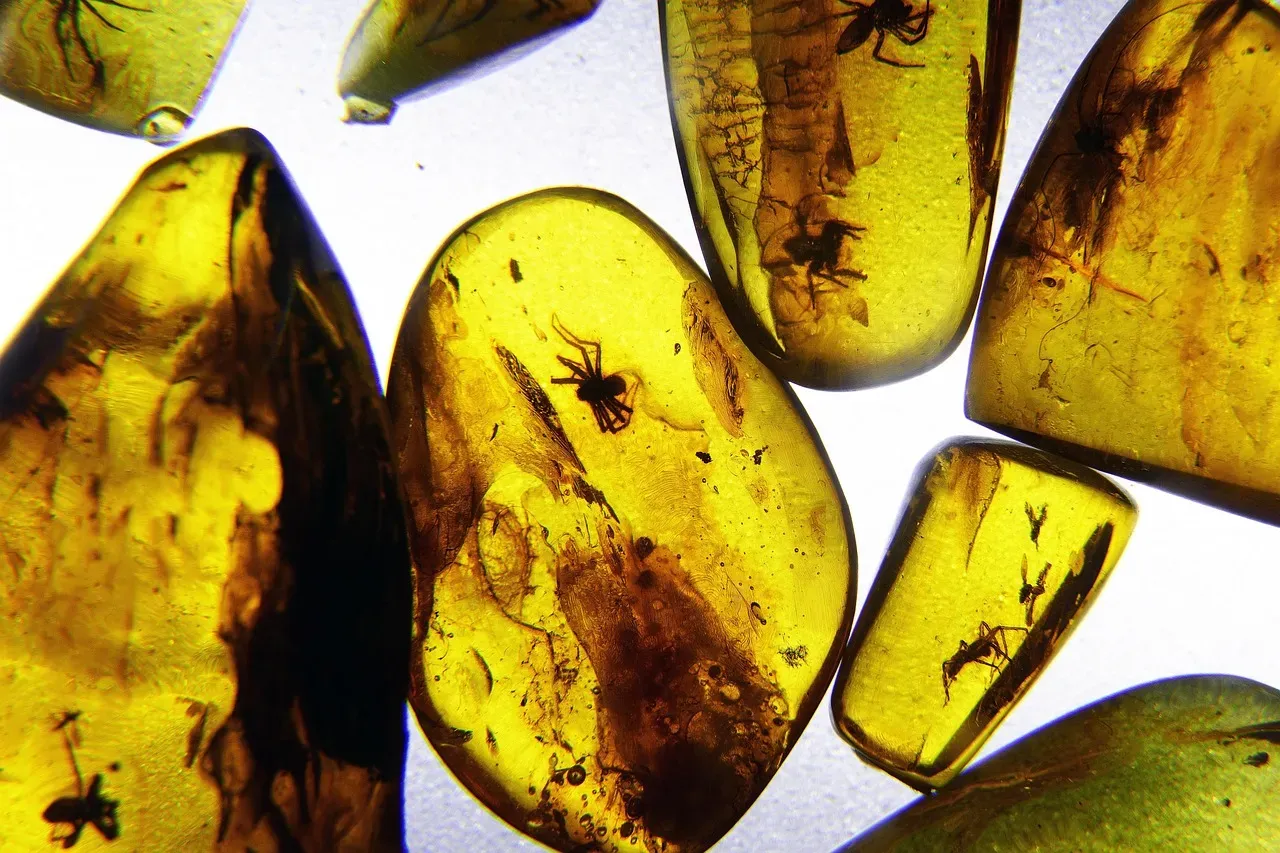
Here’s where things get tricky, and honestly a bit disappointing if you grew up dreaming about Jurassic Park. In the 1990s reports were made of ancient insect DNA being retrieved from amber dating back tens of millions of years, but these exciting discoveries were unable to be reproduced in later studies, leading the overall scientific community to dismiss the original findings.
The harsh truth is that DNA degrades. Although it is now known that ancient DNA is not preserved in amber, the processes behind its degradation remain poorly known. It is doubtful that DNA stays preserved for a long time inside the resin, as the permeability of resin, especially in hydrated conditions, makes it a non-viable environment for preserving organic molecules. So no, we’re not bringing back dinosaurs anytime soon, or probably ever.
That said, other biological materials do survive remarkably well. Amber researchers have reported chemical traces lingering in their fossils: pigments that reveal how creatures shimmered under the mid-Cretaceous sun, and structural molecules such as chitin from arthropod exoskeletons. While we can’t clone ancient organisms, we can still learn incredible details about their biochemistry and appearance.
Conclusion: Golden Keys to Understanding Our Planet’s Past
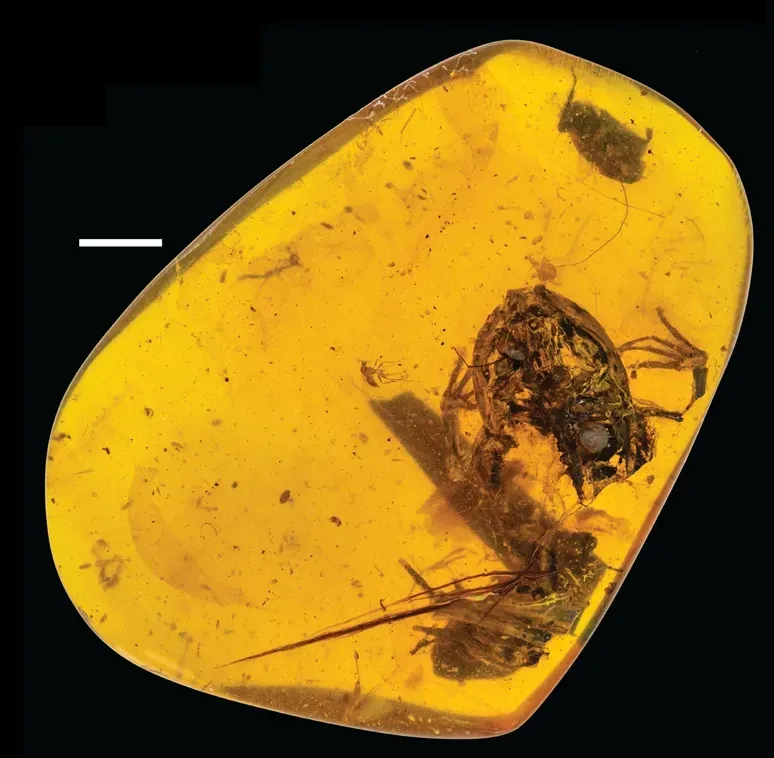
When you look at amber deposits from around the world, you’re essentially holding pieces of Earth’s autobiography. These golden capsules have shown us forests near the South Pole, revealed complex parasitic relationships that persist today, and captured behavioral moments we never imagined could be preserved.
Amber is helpful in the reconstruction of ecosystems as well as organisms, giving scientists tools to understand not just individual species but entire webs of life stretching back hundreds of millions of years. From the oldest arthropods in 230-million-year-old Italian amber to recent discoveries in Ecuador opening windows onto Gondwanan forests, each find adds another piece to the puzzle of life’s history.
The secrets locked in amber continue to surprise us. Every new deposit discovered, every specimen examined with cutting-edge technology, reveals details that challenge what we thought we knew. What other mysteries are still waiting in collections yet to be studied, or in deposits yet to be discovered? The story isn’t finished. What would you hope scientists might find next?