You’ve probably walked past history without even knowing it. Imagine standing beneath a rock shelter in Texas, staring at figures painted thousands of years ago, wondering what those ancient artists were trying to tell us. Some mysteries refuse to stay buried. Ancient American cave paintings remain one of archaeology’s most captivating puzzles, offering glimpses into minds separated from ours by millennia yet speaking a visual language we’re only beginning to understand.
These aren’t just pretty pictures on stone. They’re time capsules of belief systems, cultural codes, and spiritual practices that endured longer than most modern nations have existed. Let’s be real, the more scientists discover about these artworks, the more questions emerge. Let’s dive in.
When Did Native Americans Actually Start Painting in Caves?
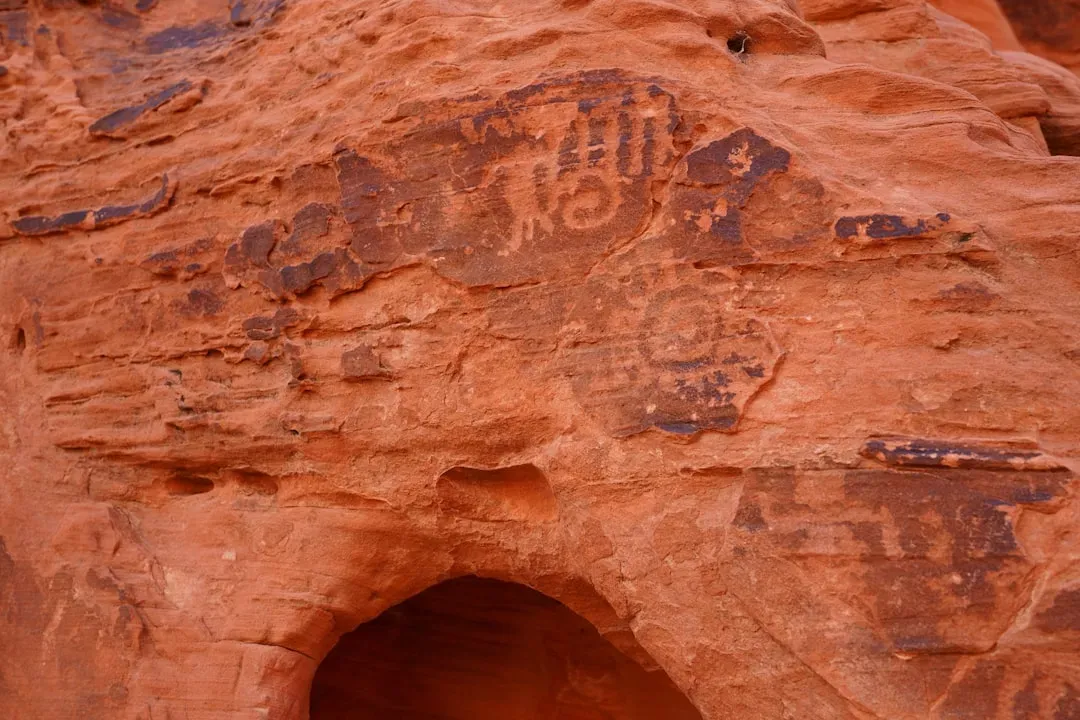
The oldest rock art along the U.S. Mexico border now dates back nearly 6,000 years and persisted as an artistic tradition for more than 4,000 years. Think about that for a second. This Pecos River style tradition began almost 6,000 years ago and lasted until roughly 1,000 to 1,400 years before present, spanning approximately 175 generations of artists.
In the southeastern United States, the oldest cave art sites date back some 6,500 years ago, during the Archaic Period. The first ancient cave art site in North America was discovered in Tennessee in 1980, and since then, 89 other sites have been found across southeastern North America. The tradition wasn’t static either – it evolved and changed yet somehow maintained core elements across unimaginable spans of time.
Why Can’t Scientists Agree on What These Paintings Mean?
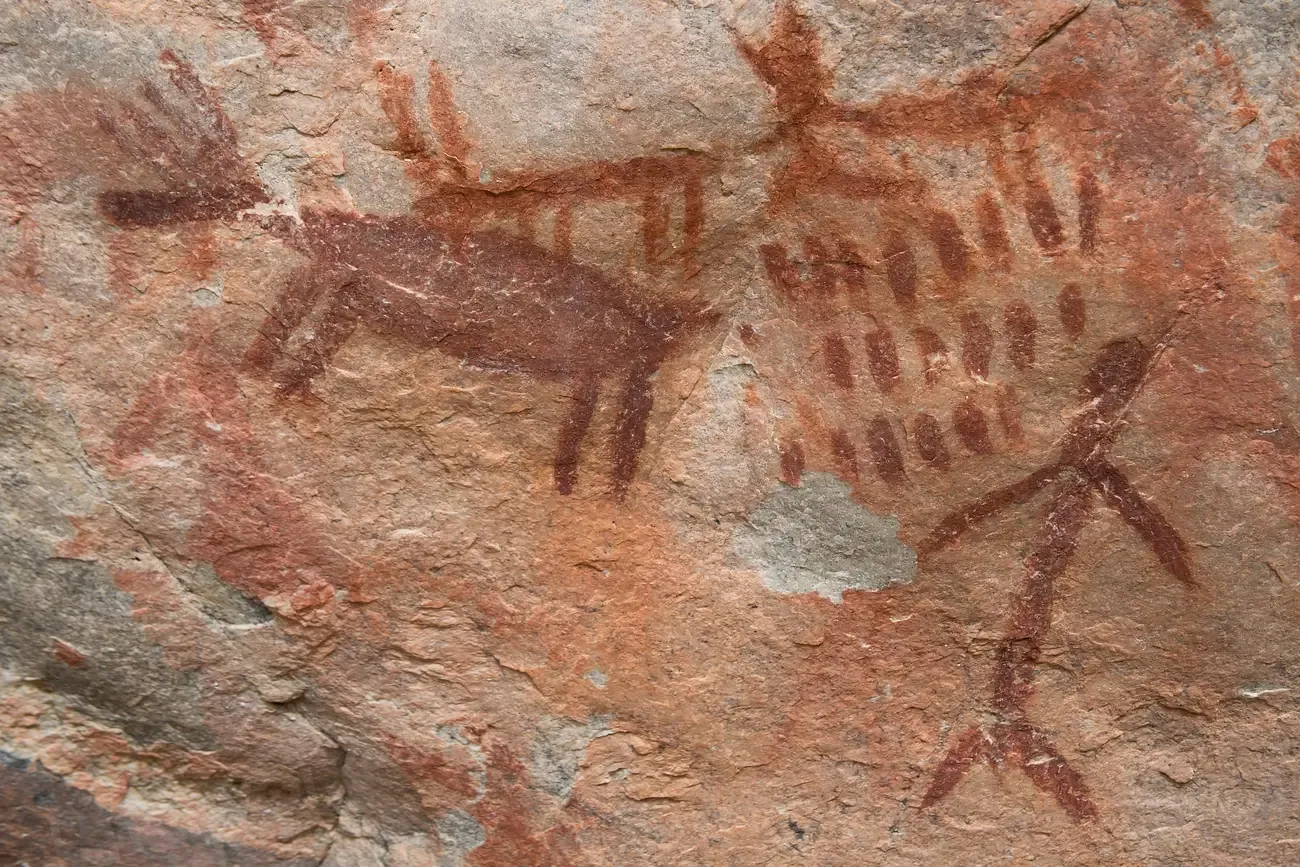
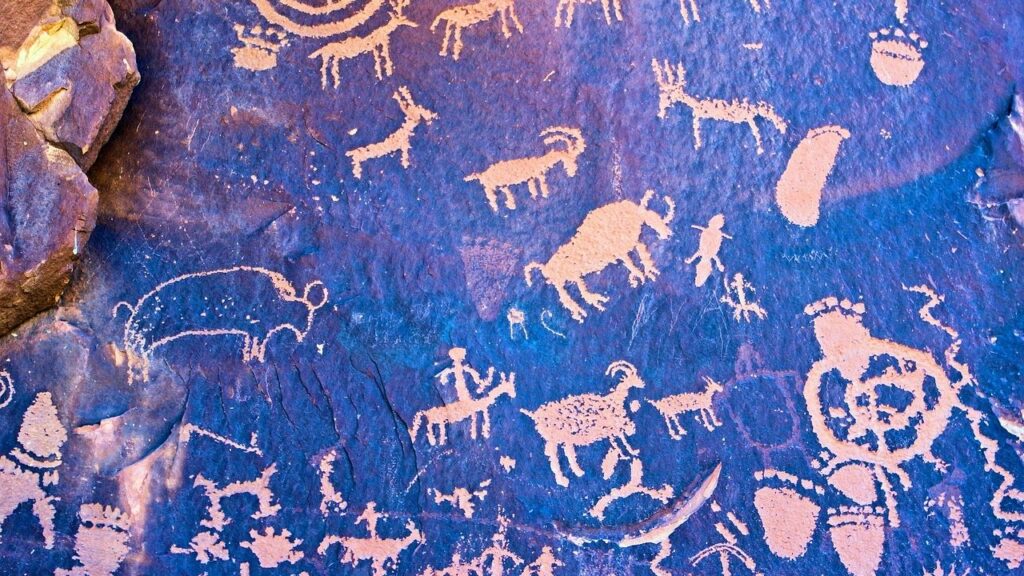
Here’s the thing: meaning isn’t straightforward. No one living today is sure what ancient petroglyphs and pictographs are or what they mean. When asked what cave art means, archaeologists often respond “We don’t know,” which isn’t grumpiness but rather a theoretical stance.
Researchers have discovered anthropomorphic figures that are not recognizable characters from ethnographically recorded Southeast Native American stories, nor from archaeologically known iconographic materials, suggesting they may show characters from previously unknown religious narratives. Some images might depict creation myths, others could mark territorial boundaries or sacred sites. Native Americans explain these carvings as part of religious ceremonies, hunting rituals, or for communicating important messages. The uncertainty itself reveals how much knowledge has been lost.
How Do Researchers Date Paint That’s Thousands of Years Old?
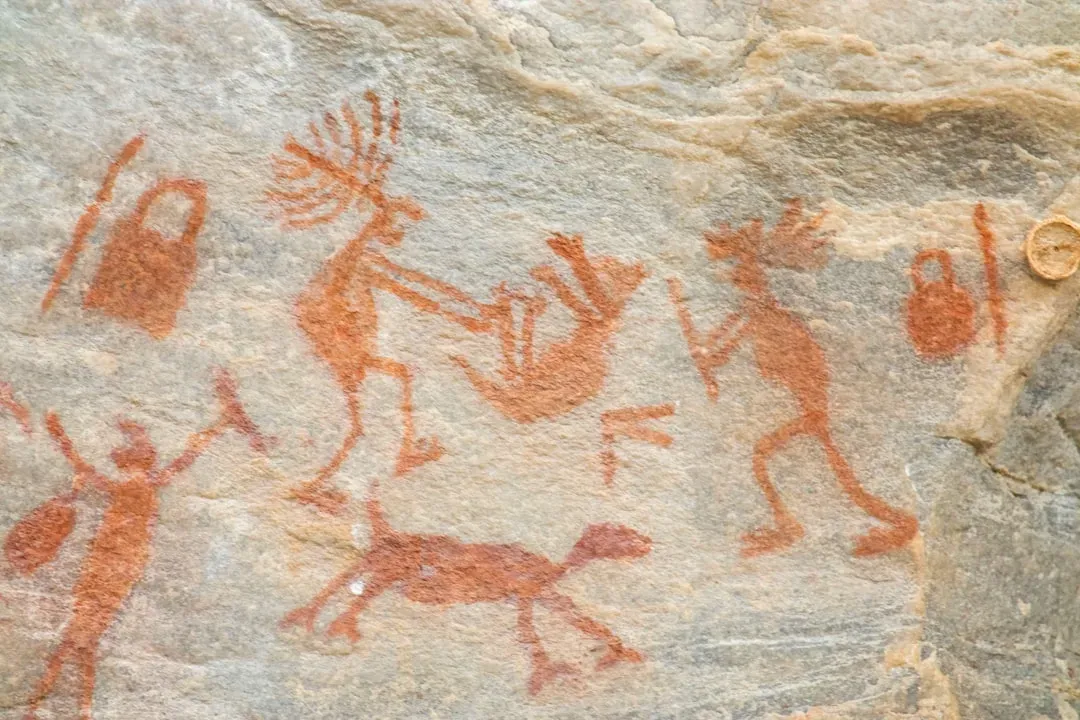
Dating ancient rock art used to be nearly impossible. Rock art is difficult to date because radiocarbon dating typically requires a rich source of organic material, and the paint pigments used in many murals are inorganic mineral compounds. Scientists got creative.
Researchers developed an approach combining two advanced techniques that could extract microscopic organic materials from paint samples. The result is now a suite of radiocarbon ages representing the most complete and securely dated rock painting assemblage in the Americas. It’s hard to say for sure, but these breakthroughs have revolutionized what we understand about how long these traditions actually lasted and when they began.
Did Cave Artists Really Spend 4,000 Years Painting the Same Symbols?
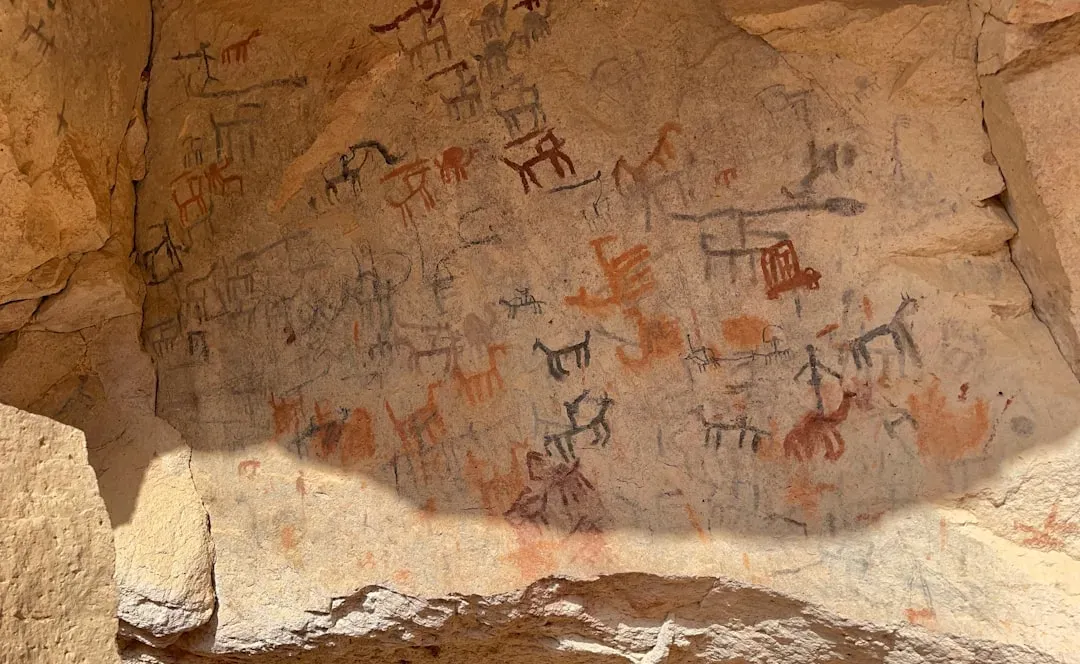
This blows my mind, honestly. Perhaps most surprising are the implications of the lengthy persistence of these very specific cultural practices for about 175 generations of artists. We’re talking about an artistic tradition longer than recorded Western history.
This continuity occurred despite significant changes in paleoenvironment and subsistence practices. Middle Holocene aridity, widespread flooding, shifts in projectile point technology, and intermittent incursions of bison hunting groups all occurred while the Pecos River tradition remained intact, with core attributes like motifs, composition rules, and color sequences remaining consistent. It suggests these paintings held meanings so profound they transcended everyday survival concerns.
What Advanced Technology Finally Revealed Hidden Artworks?
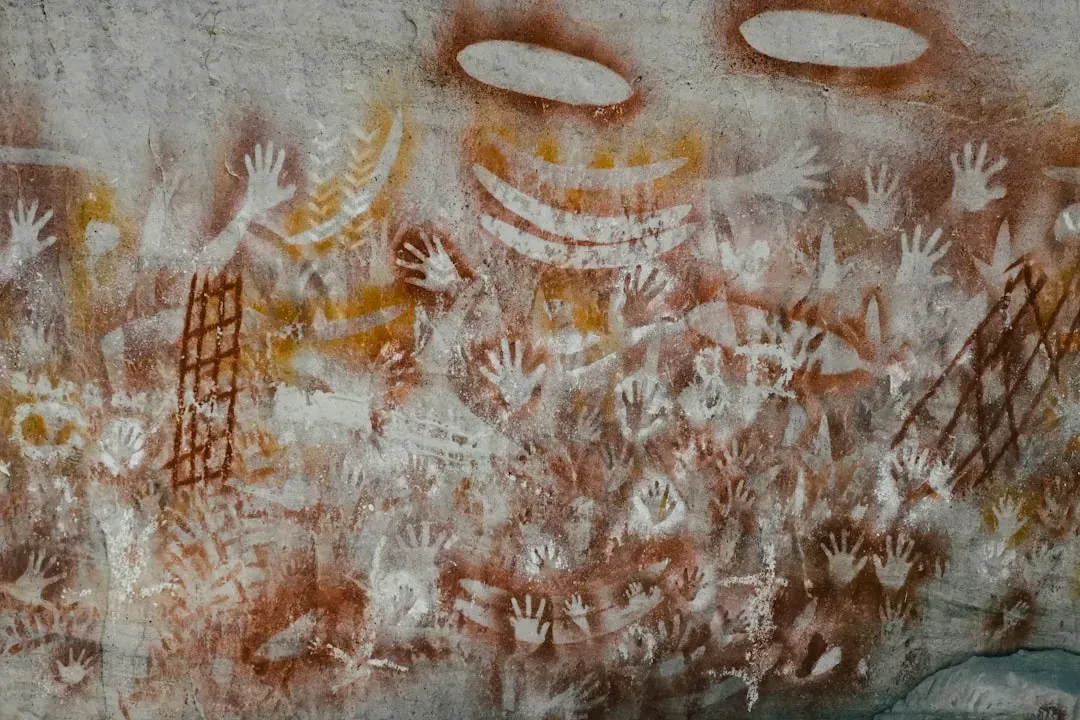
Sometimes the biggest discoveries hide in plain sight. The photogrammetry process involves taking thousands of photos to create a 3D model, producing accurate records that unveiled secret artwork in caves with very low ceilings. During two months of fieldwork, teams took 16,000 photographs.
Using 3D scans, researchers revealed artworks including one stretching 11 feet in length, making it the largest known cave art ever discovered in North America. Researchers stitched photos together using computer software to align images in 3D space, then manipulated the resulting model using virtual reality software, allowing them to light the space any way they wanted and virtually step back to see entire ceilings. Technology bridged the gap between ancient intent and modern understanding.
Were These Caves Sacred Portals to Another World?
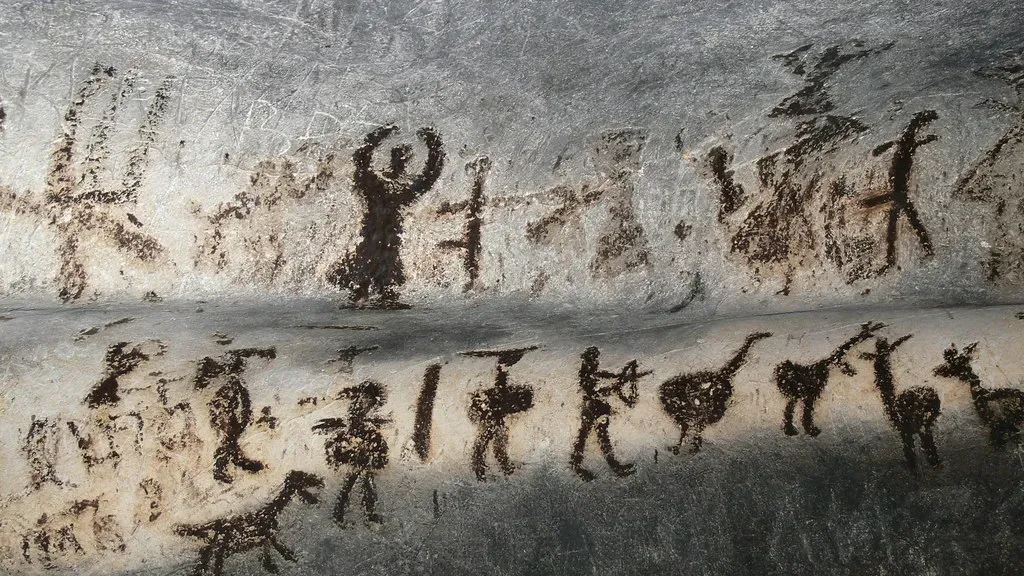
The locations matter as much as the images themselves. Research suggests that ontological beliefs about landscape may be at work – the rock shelters and caves were special places of religious power and knowledge that served as portals to the supernatural world, literally for millennia. These weren’t casual art galleries.
The pictures are found in dark zone sites where Native American people made artwork at personal risk, crawling meters or even miles underground with cane torches. Scientists say that no signs of hunting or other daily activities appear when rock art was produced, underscoring caves’ transition from general purpose sites to special places for keeping cultural knowledge alive. You don’t risk your life in total darkness just to doodle.
Why Did Artists Paint Figures They Couldn’t Even See Completely?
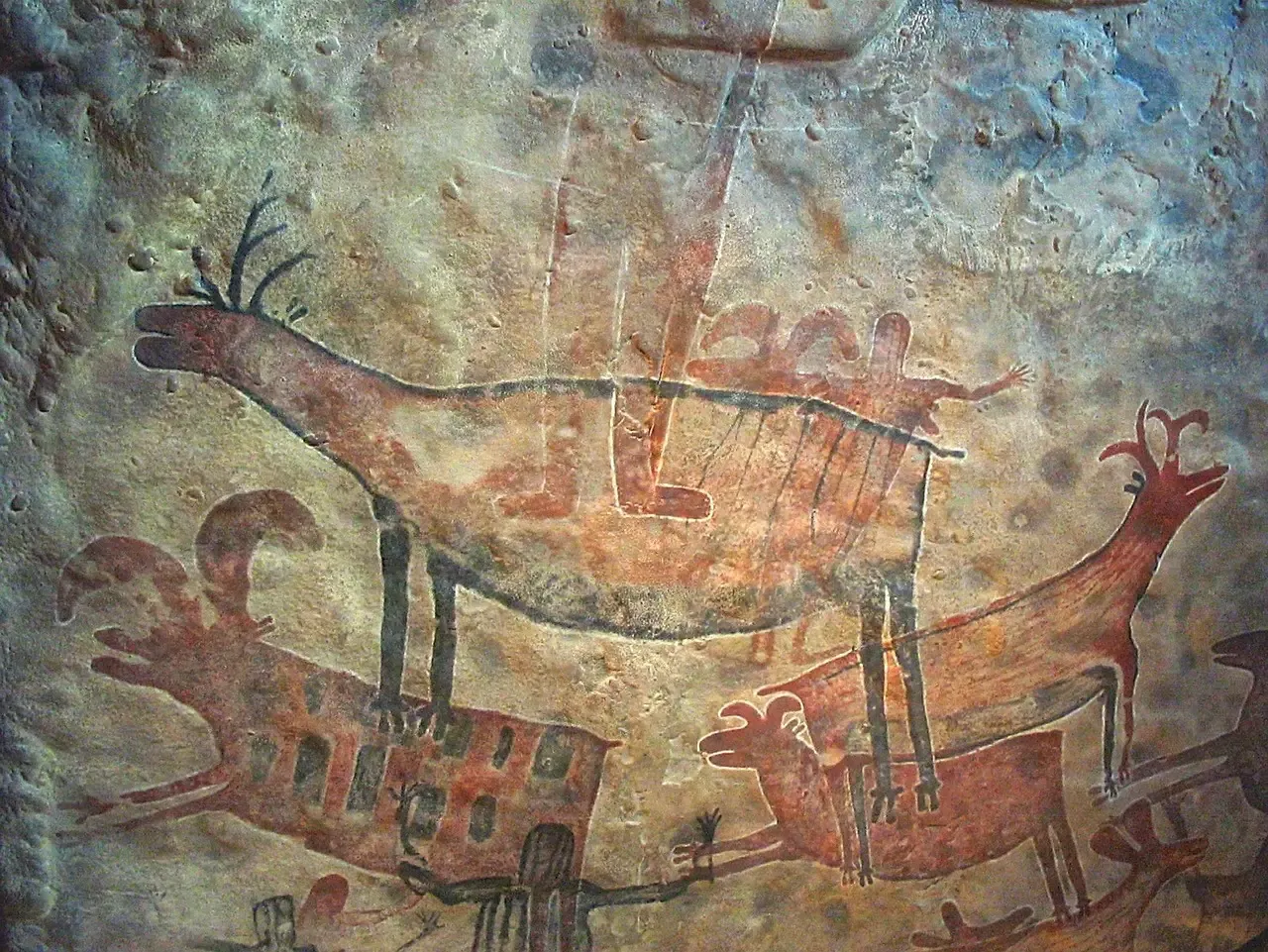
The chamber containing art in one Alabama cave has a low ceiling only 1.9 feet from the cave floor, making it physically impossible to view artwork in its entirety. Some carvings sit just above a ledge barely wide enough for a foothold on sheer rock faces more than 100 feet high, meaning artists had the rock surface directly in front of their nose and at no point could they see the whole animal they were creating.
This suggests the act of creation itself held significance beyond the finished product. Hunter gatherers had rich intellectual lives and aesthetic sensibilities incorporating complex symbols to express their beliefs, transmitting these beliefs and ritual practices over millennia using paintings in caves as a kind of visual archive for their conceptual world. The process was ritual. The difficulty was perhaps intentional.
What Happens When These Irreplaceable Paintings Disappear Forever?
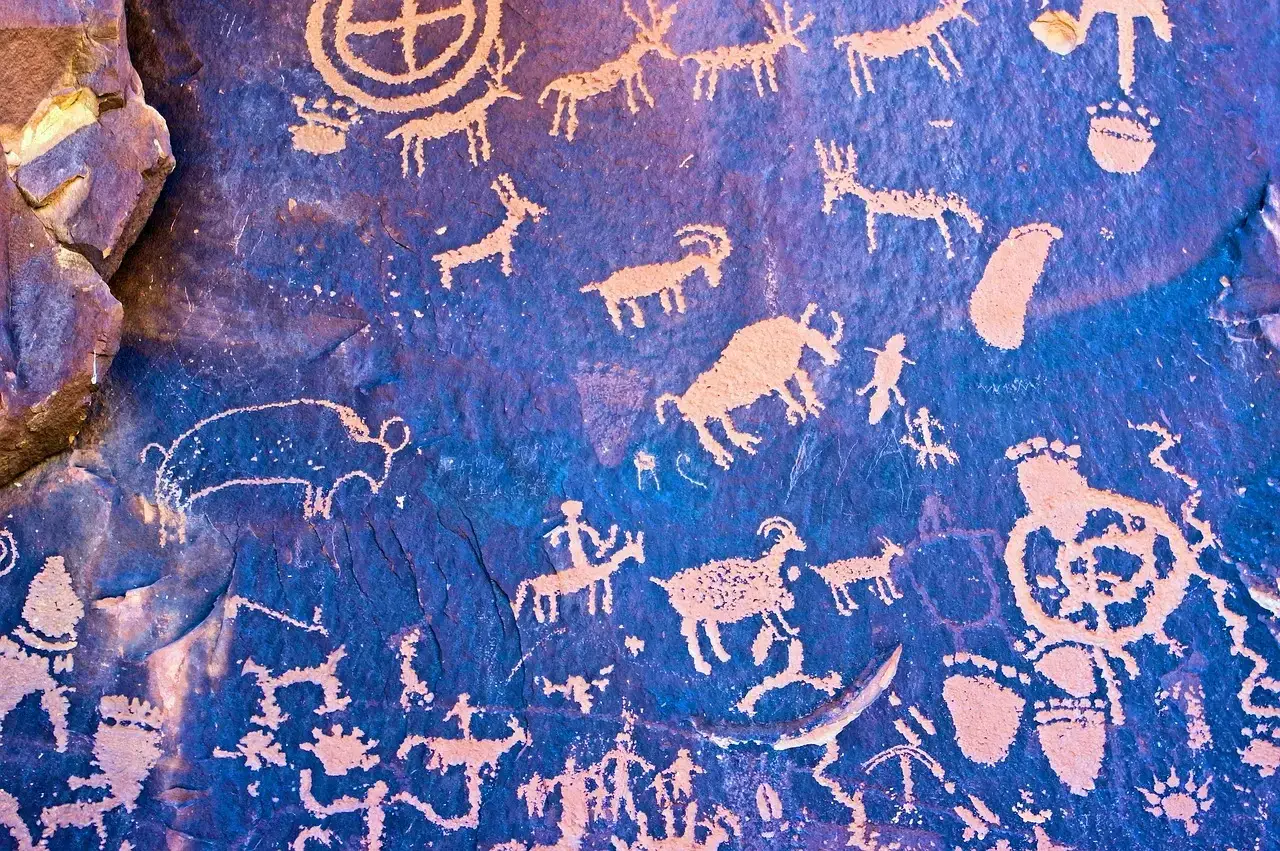
Time and humanity threaten what ancient hands created. The Qajartalik petroglyphs containing more than 170 faces carved about 1,500 years ago have been vandalized several times. Petroglyphs and pictographs are at great risk due to vandalism, changing weather patterns, and erosion, with scientists doing everything possible to preserve these images given natural impacts.
Nobody knows how many images existed along the shores of the Columbia, though it’s estimated there were 90 or so sites between Pasco and The Dalles. Many were lost when reservoirs flooded them. Once gone, these visual archives of human consciousness disappear forever, taking their secrets with them. Protection isn’t just about preserving old pictures – it’s about safeguarding windows into worldviews we’re only beginning to comprehend.
Conclusion: Messages Across Time We’re Still Learning to Read
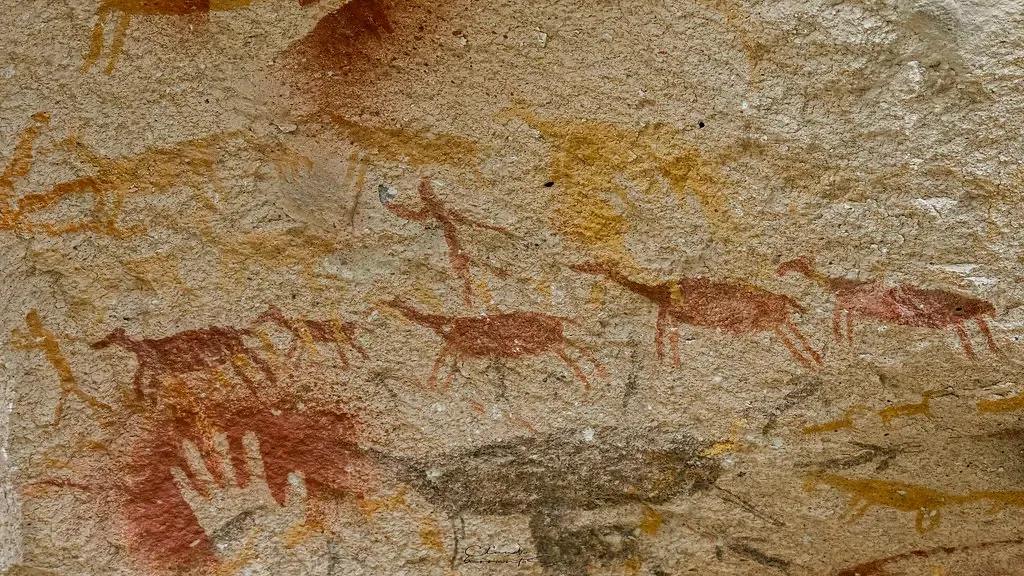
Ancient American cave paintings force us to confront uncomfortable truths about how little we truly understand. These aren’t primitive scratches made by unsophisticated people – they’re sophisticated symbolic systems created by cultures with complex cosmologies that lasted longer than Christianity has existed. The secrets they hold aren’t locked away by ancient artists being deliberately cryptic. They’re hidden because we’ve lost the cultural keys to unlock them.
Every new discovery changes what we thought we knew. What surprises you most about these ancient artists’ dedication to preserving their visions across countless generations?