If you think dinosaurs are a solved mystery – big reptiles stomp around, asteroid hits, the end – the next decade is going to feel like a plot twist. Every few months, another new fossil, new imaging technique, or new computer model quietly rewrites something we thought we knew for sure. It is like trying to finish a jigsaw puzzle, only to discover the picture on the box was wrong the whole time.
When I first read about feathered tyrannosaurs years ago, I remember laughing out loud in disbelief. It sounded like someone had tried to turn Jurassic Park into a fashion show. But that feeling – wait, is that really true? – is exactly what the next 10 years of dinosaur science will keep delivering. From color and behavior to growth, evolution, and even how they died, the surprises are only getting started.
Dinosaur Colors, Patterns, and Real-World “Camouflage Codes”
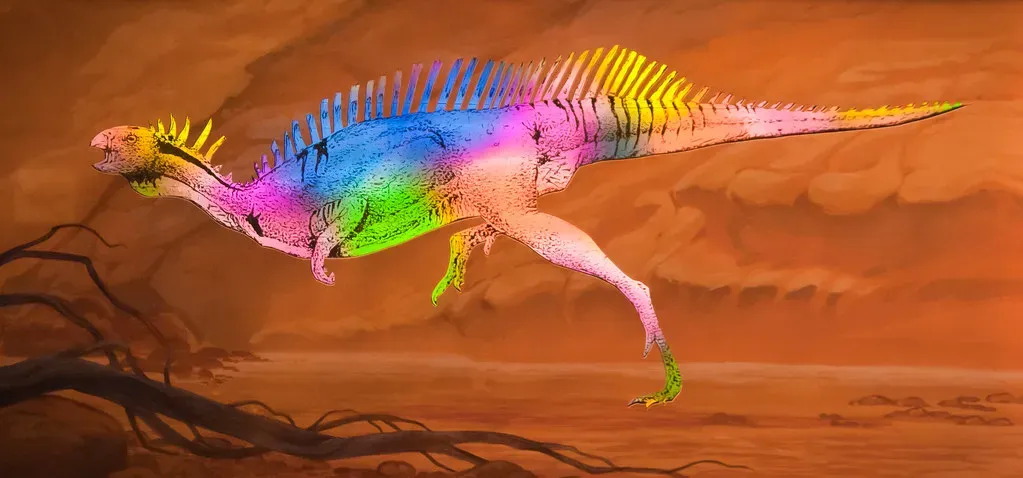
Here is the wild part: paleontologists have already recovered microscopic pigment structures from some dinosaur fossils, letting them estimate actual colors for a few species. Over the next decade, with better imaging and more well-preserved specimens, we will likely go from a few guesswork reconstructions to a small but growing library of reasonably grounded color patterns. That means being able to say, with some confidence, that a particular small predator had a dark back and a light belly, or that a feathered dinosaur had barred wings like a hawk.
This will not just be about aesthetics; it will change how we think these animals lived. Color tells stories about camouflage, display, and social signaling. A striped tail might suggest forest hunting, while bold head crests could signal mating displays or intimidation. I suspect a lot of the next wave of reconstructions will look more like tropical birds and weird mammals than green, lizard-like movie monsters. And once people see these vibrant, pattern-rich animals, it will be very hard to go back to the drab, grey giants we grew up with.
Feathers, Filaments, and the End of the “Big Scaly Lizard” Image
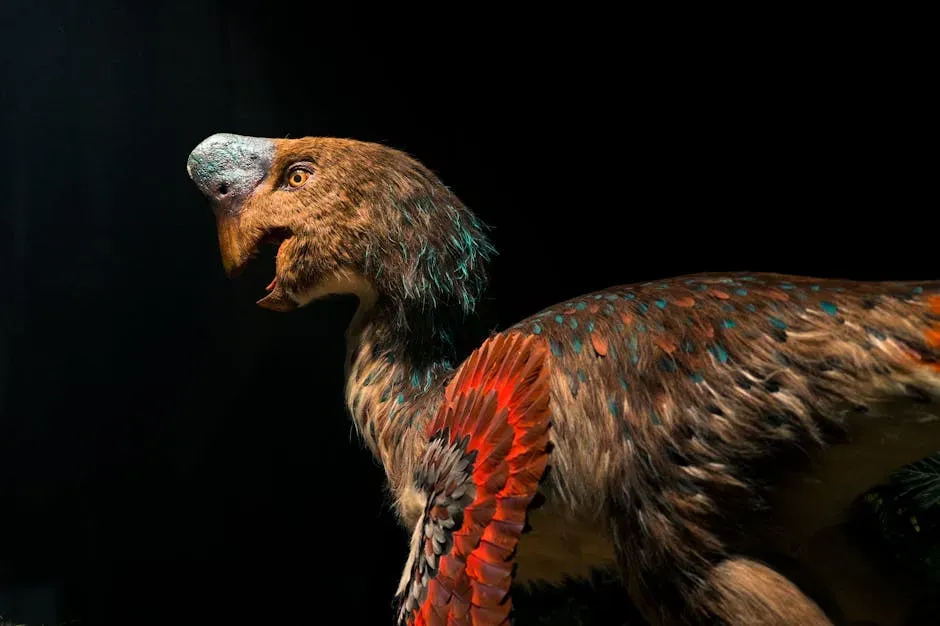
We already know that many dinosaurs, especially close relatives of birds, had feathers or feather-like filaments. But the next 10 years will probably push that boundary further into groups we still imagine as scaly by default. As more fossils are found in fine-grained rocks that preserve soft tissues, it is likely that simple filaments – not full bird feathers, but fuzzy coverings – will turn up in more lineages. That would mean the classic naked-skin T. rex may become as outdated as the old idea of tail-dragging sauropods.
At the same time, more detailed feather impressions and better comparison with living birds will refine how we reconstruct plumage. Were some feathers stiff and blade-like for display? Were others soft and downy for insulation? My hunch is that we will discover a surprising variety of feather types on a single animal, like a mashup of ostrich, vulture, and penguin rolled into one. And that in turn will force us to confront a more complex reality: dinosaurs were not just reptilian; they occupied a strange middle ground that does not fit neatly into our modern categories.
New Species at a Breakneck Pace – and What That Really Means
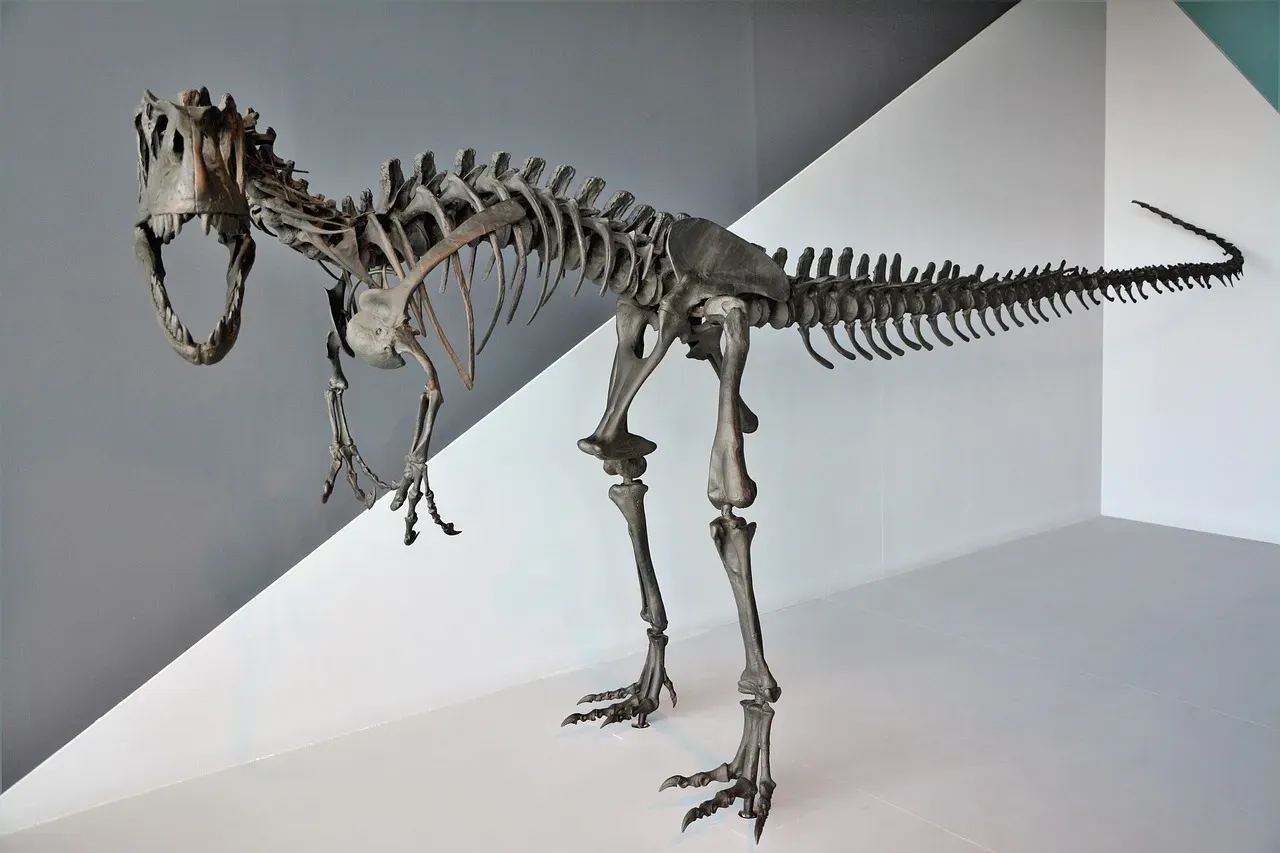
New dinosaur species are being described at a pace that would have stunned researchers a generation ago, and there is no sign that this is slowing down. Over the next decade, as fieldwork expands in under-explored regions like parts of Africa, South America, and Asia, we will probably see dozens, maybe hundreds, of additional named species. Some will be strange one-offs; others will fill in gaps in known groups, helping us see evolutionary trends that used to look like random scatter.
The surprising part is not just the numbers, but what they will imply. Right now, we already suspect that the dinosaurs we know are only a tiny fraction of the species that once existed. As more fossils turn up, we will likely find that many “classic” dinosaurs are really just a few branches on a hugely bushy evolutionary tree. Whole ecosystems, with complex predator-prey chains and niche specialists, will start to come into focus. I think people will be shocked to learn how many perfectly good “dinosaur worlds” there were beyond the handful of celebrities kids memorize today.
Dinosaur Brains, Senses, and a Major Rethink of Intelligence
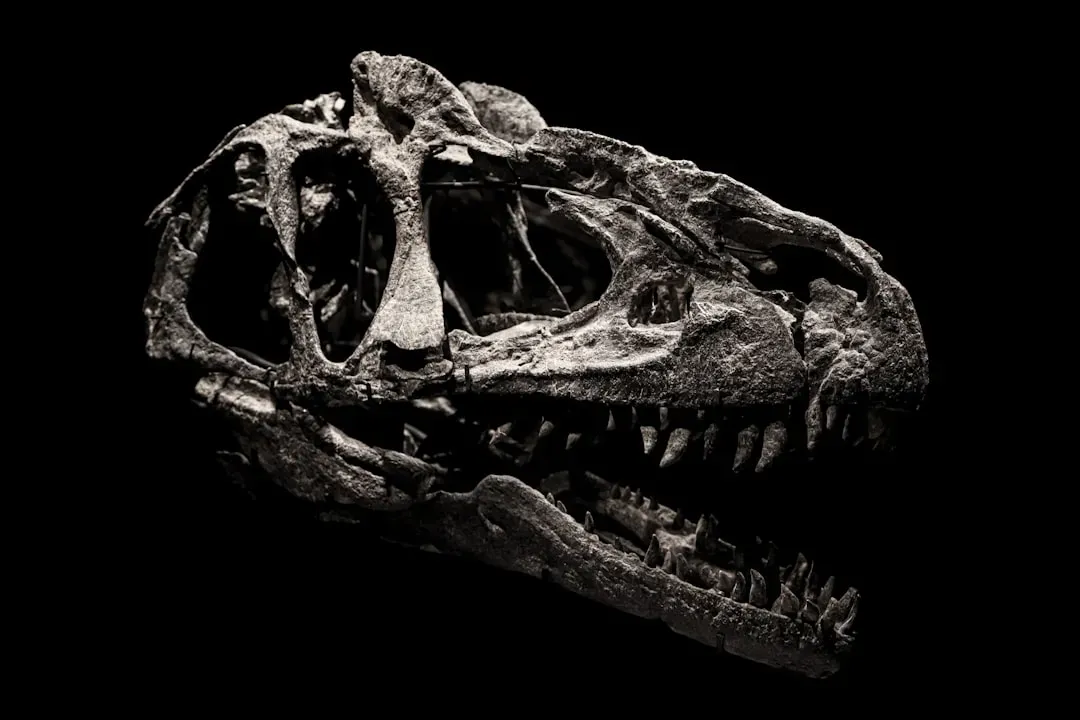
Using CT scans of skulls, scientists can already reconstruct brain shapes and estimate the relative sizes of different regions, from smell centers to vision and balance systems. Over the next 10 years, as scanning becomes cheaper and more routine, we will almost certainly get a flood of new data on dinosaur neuroanatomy. That will help answer questions that sound almost like science fiction: how sharp was a tyrannosaur’s vision, how good was a raptor’s hearing, and did some herbivores have better social memory than we thought?
I think the biggest surprise here will be how many dinosaurs were not slow, dull creatures but animals with sensory and cognitive abilities comparable to modern birds and mammals. No, we are not talking about dinosaur philosophers, but we may well find that some species had relatively enlarged regions for vision, coordination, or even social behavior. Once people understand that certain dinosaurs might have been as behaviorally complex as crows or emus, it makes the Mesozoic world feel less like a monster movie and more like a strange, alien version of our own planet.
Growth, Life Cycles, and the Truth About Giant Teenagers
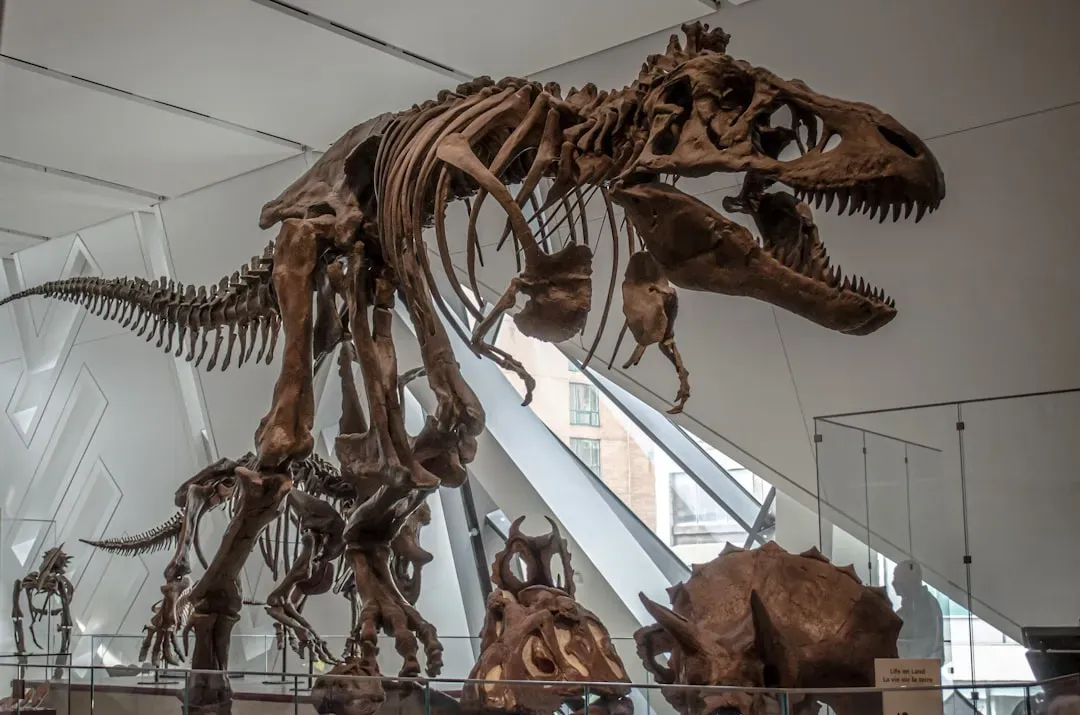
By cutting very thin slices of bone and looking at growth rings and tissue structure, paleontologists can estimate how fast a dinosaur grew, how old it was when it died, and even when it reached sexual maturity. In the coming decade, more of this work on different species and populations will probably reveal that many dinosaurs grew at astonishing rates. Some big theropods might have packed their growth into a few intense teenage years, more like large mammals than like typical reptiles.
That has a ripple effect on everything from how we reconstruct populations to how we think about parenting and behavior. If juveniles of some species looked radically different from adults – smaller horns, different proportions, even different diets – that means the fossil record has probably been mixing kids and grown-ups and calling them separate species. As growth studies improve, I suspect we will see some dinosaur names quietly disappear as scientists realize they are just life stages of the same animal. It is a humbling reminder that nature rarely lines up neatly with the labels we invent.
Climate, Ecosystems, and Dinosaurs as Case Studies for Our Future
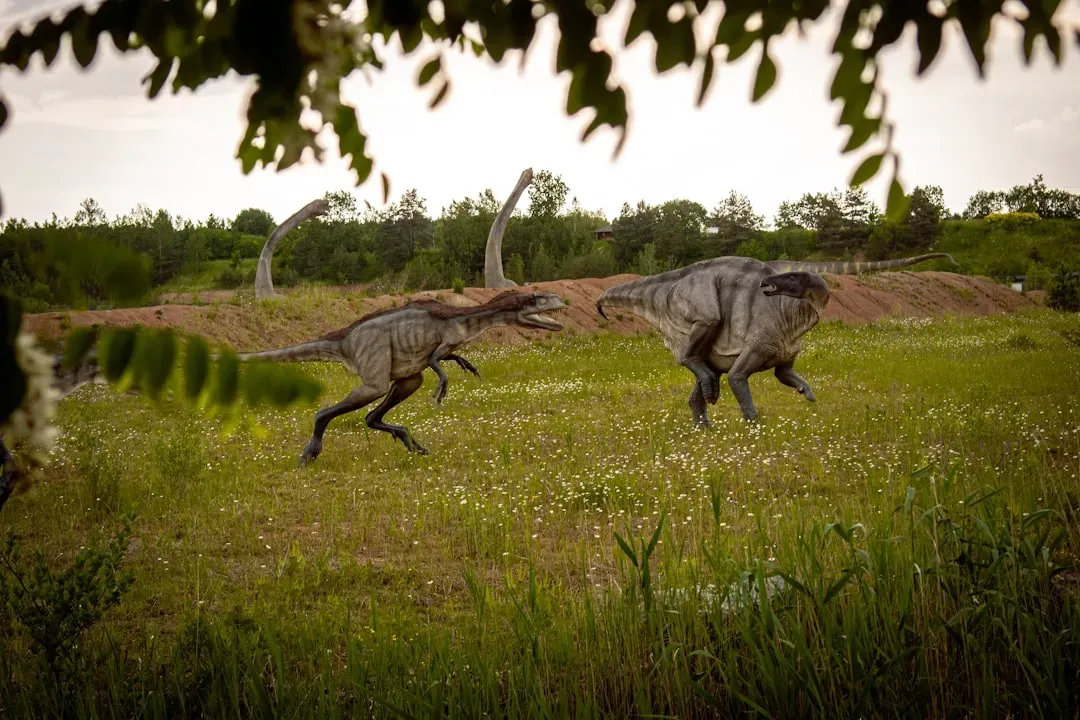
We already know that dinosaurs lived through major climate shifts, fluctuating sea levels, and changing ecosystems long before the final asteroid impact. Over the next decade, more precise dating, climate modeling, and geochemical analyses will likely sharpen the timeline: which groups thrived during warming pulses, which struggled, and how ecosystems reorganized around them. That turns dinosaurs from distant curiosities into living experiments in how life responds to environmental upheaval.
This is where the story gets uncomfortably relevant. As we learn more about how dinosaur communities adapted, migrated, or collapsed during past climate swings, scientists will inevitably compare those patterns to what is happening today. The surprise for many people will be that extinction is often a slow-motion cascade, not a single dramatic event. Dinosaurs may end up being used less as symbols of sudden doom and more as detailed case studies in resilience, vulnerability, and the long, messy path from thriving ecosystem to empty landscape.
From a personal standpoint, I think this might be the most important shift of all. Dinosaurs will stop being just icons of the past and start serving as mirrors for our choices now. It is one thing to say climate change matters; it is another to see whole ancient food webs rising and falling in patterns that feel eerily familiar.
The End of the Asteroid-Only Story: Extinction Gets Complicated
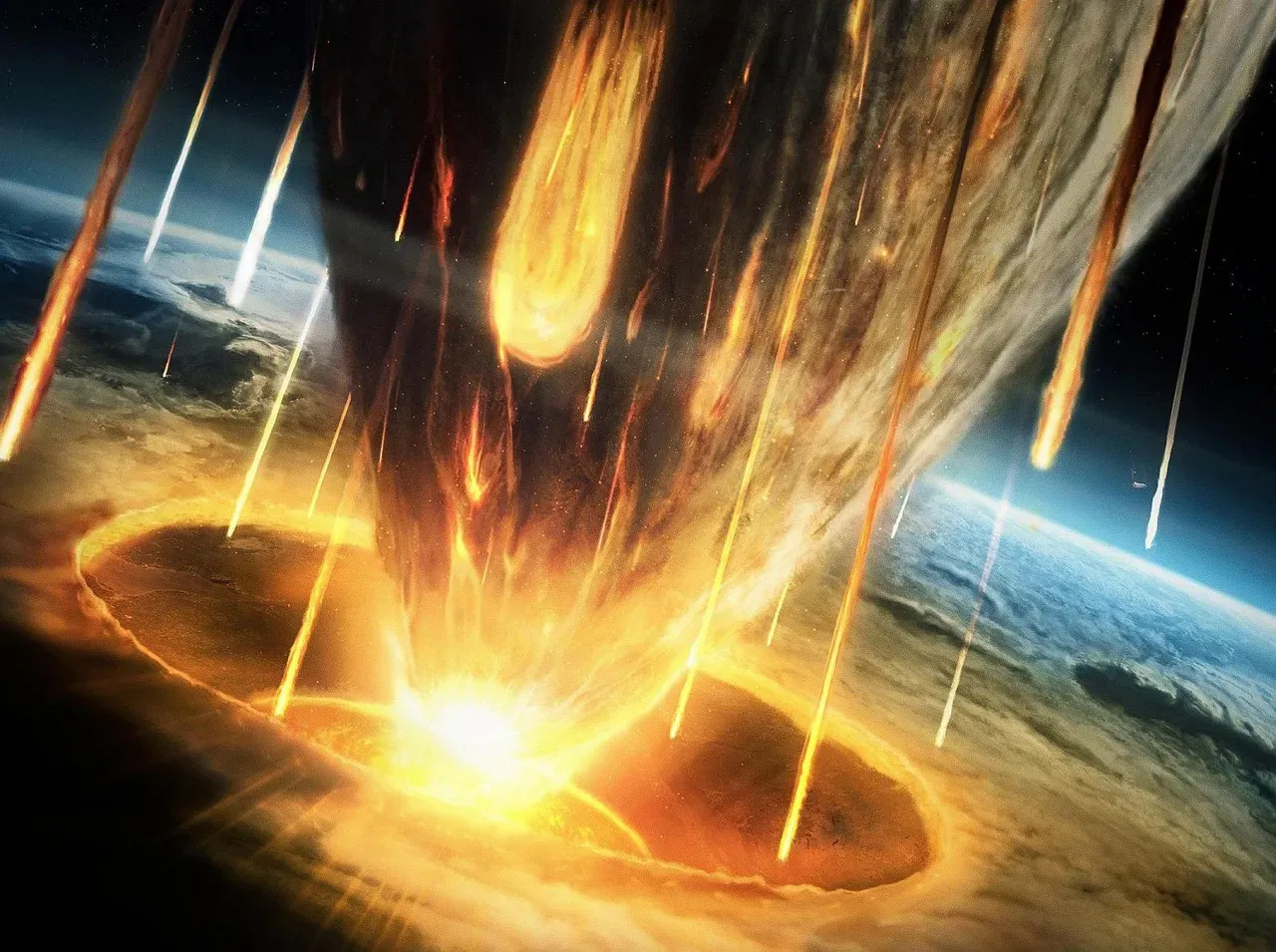
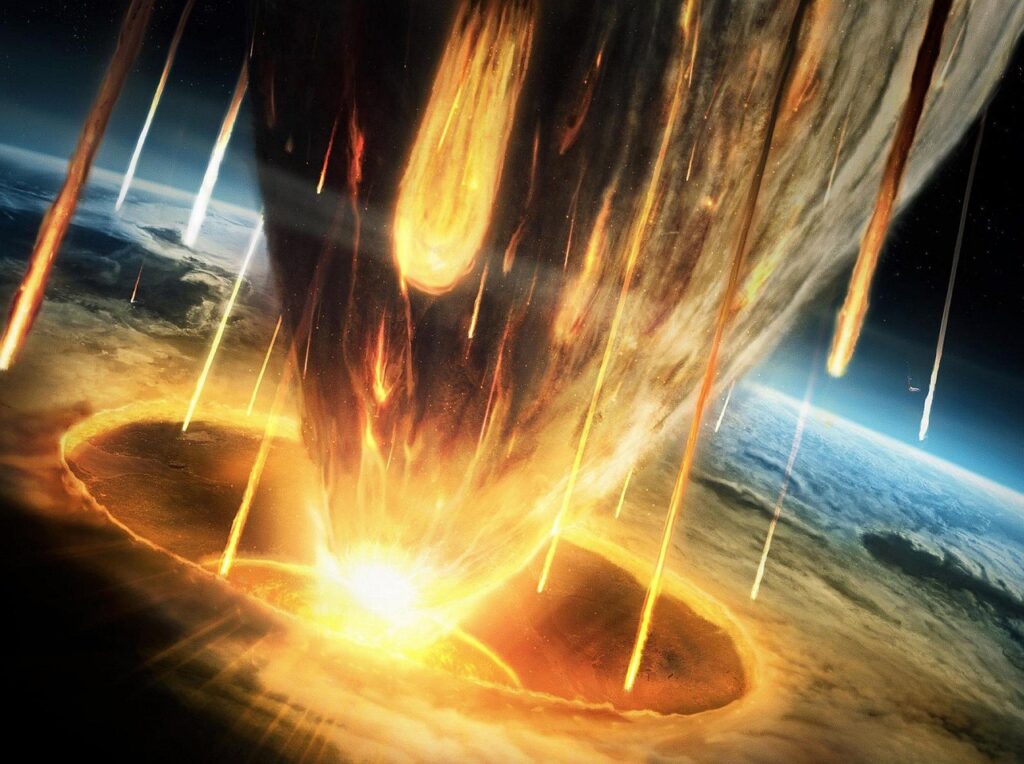
The idea that an asteroid struck Earth, kicked up dust, blocked sunlight, and wiped out most dinosaurs is strongly supported and not going anywhere. But the details around that event are already getting more nuanced, and the next 10 years will likely push that further. More precise dating of volcanic eruptions, changes in ocean chemistry, and fossil turnover rates will probably reveal a more tangled story, where some lineages were already stressed while others were surprisingly robust until very late.
This complexity will surprise people who grew up with the tidy asteroid narrative. We may find that dinosaurs were hit by a combination of long-term environmental shifts and the sudden, catastrophic impact – a one-two punch rather than a single blow. Some regions might have remained ecological refuges longer than others; certain small, adaptable species may have held on in patchy pockets before finally disappearing, while their bird relatives slipped through the bottleneck. That version of the story is less cinematic but much more realistic, and to me, it makes the survival of birds feel almost miraculous.
Conclusion: Dinosaurs Will Become Less Alien – and That Is the Real Surprise
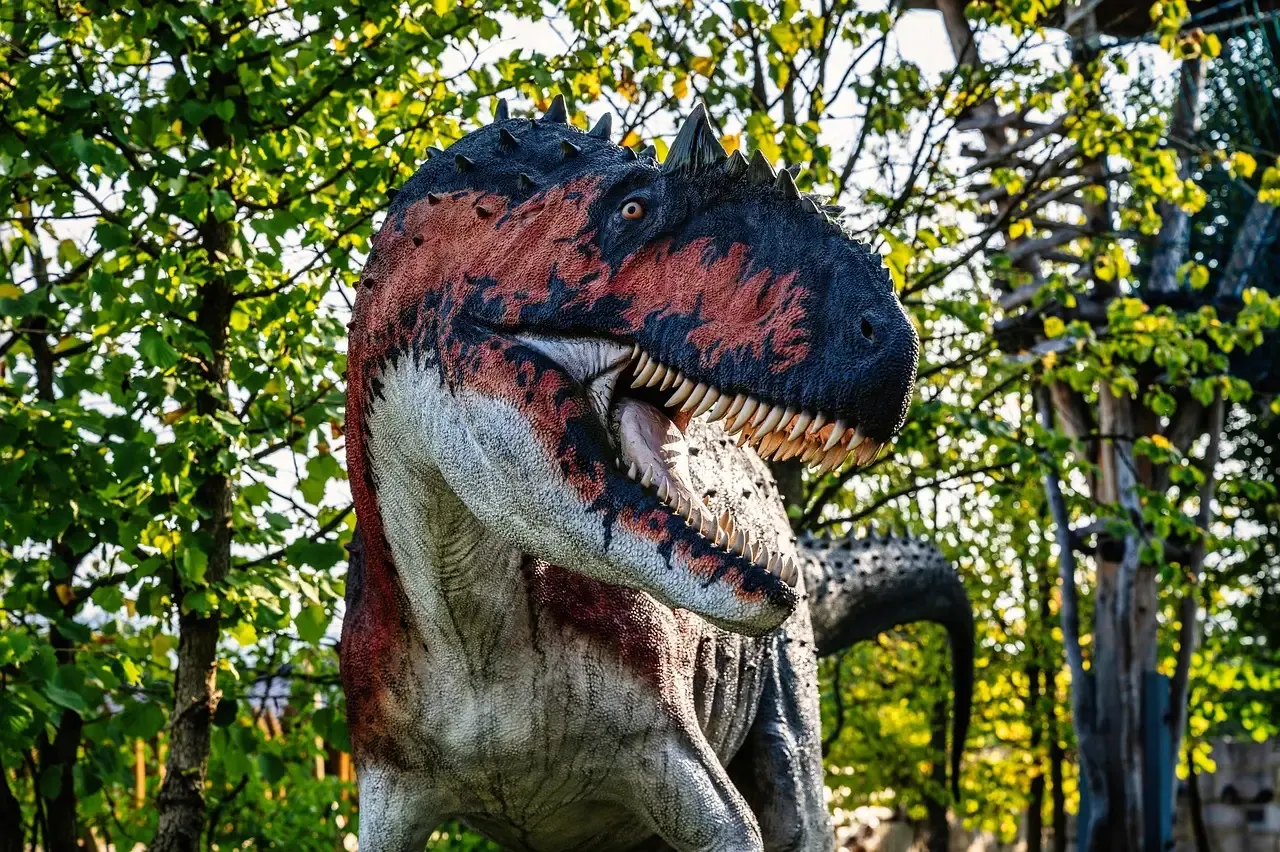
When you zoom out, a pattern starts to emerge: almost every trend in dinosaur science is pushing these animals closer to us, not further away. Color reconstructions, feather studies, brain scans, growth analyses, and climate modeling all add layers of familiarity. Instead of faceless monsters, we get animals with complex lives – courting, parenting, competing, migrating, and adapting under pressure. The next decade will probably not give us one giant, shocking revelation; it will give us a steady stream of smaller surprises that add up to a very different picture.
Personally, I think the biggest surprise will be emotional rather than technical. As dinosaurs become more vivid and relatable, it gets harder to see them as props and easier to see them as once-living creatures that shared this same planet, under the same sun, dealing with their own crises. That shift in perspective might be the quiet revolution of the next 10 years of dinosaur science. It makes you wonder: when future scientists look back at us, will they be as surprised by our world as we are now by theirs?