
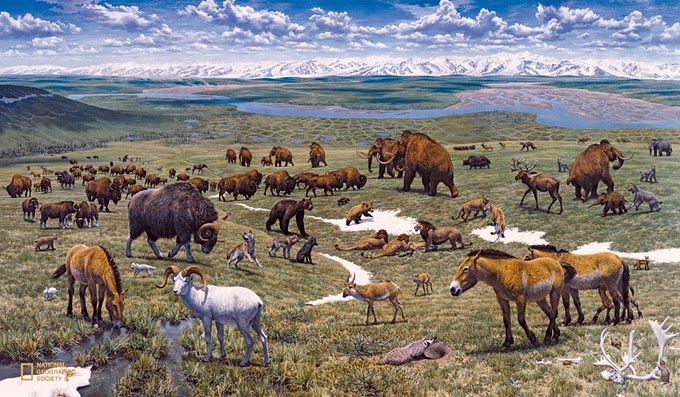
The funny thing about Ice Age movies is that, once you look at the actual science, they start to feel almost tame. The real Ice Age world was a place where ice sheets towered higher than city skylines, seas drained away from entire coastlines, and animals the size of trucks wandered over what is now your quiet suburb. It was not just cold; it was unstable, loud, and occasionally terrifying.
In other words, if you stepped into the real Pleistocene instead of a cute animated version, you wouldn’t be trading jokes with talking mammoths. You’d be clinging to life in a climate system that swung wildly between frigid extremes and brief warm interludes, while volcanoes rumbled and predators with saber teeth watched from the shadows. Let’s walk through what this world really looked like and why, in almost every important way, it was far stranger and more dramatic than anything you’ve seen on screen.
The Ice Age wasn’t one frozen moment – it was a wild climate yo‑yo
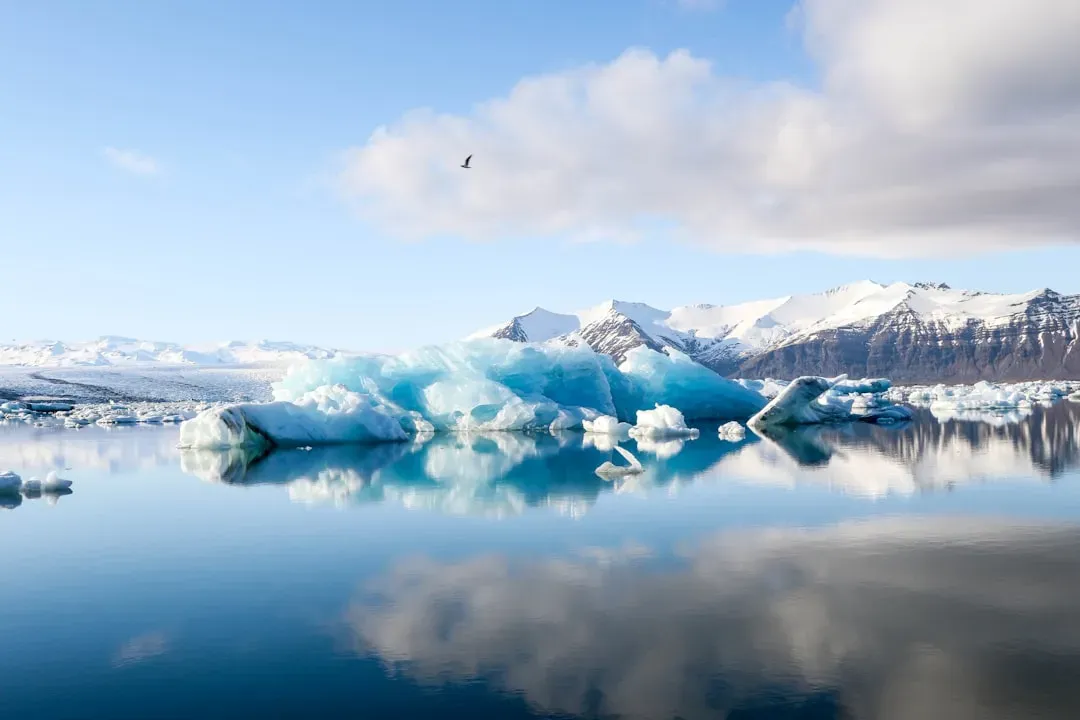
Animated movies usually treat the Ice Age like a single, endless winter: snow everywhere, all the time, one long frosty vibe. In reality, the period we casually call “the Ice Age” (mainly the last few million years, especially the last glacial period ending roughly twelve thousand years ago) was more like a climate roller coaster. Massive ice sheets would grow over tens of thousands of years and then retreat surprisingly quickly, with temperatures jumping more in a single human lifetime than many people assume is even possible.
Earth’s orbit, tilt, and wobble pushed the planet in and out of these frozen phases, and the climate kept responding in big, jolting steps. In some regions of the Northern Hemisphere, temperatures appear to have changed by several degrees within decades, not millennia, which is the sort of thing that would utterly scramble ecosystems and migration routes. So instead of one stable winter backdrop, imagine centuries of creeping cold punctuated by abrupt warm snaps, shifting rainfall patterns, dust storms, and collapsing ice fronts – a world that never really sat still long enough for a cozy, predictable plotline.
The ice sheets were bigger and scarier than any movie glacier
On screen, glaciers usually show up as scenic backdrops or dramatic cliff faces your favorite characters almost fall off. In the real Ice Age, glaciers were not just pretty scenery; they were continent‑reshaping monsters. The ice sheets over North America and northern Europe were kilometers thick in places, pressing down the crust under their weight and grinding entire mountain ranges into flour‑fine rock dust as they inched south.
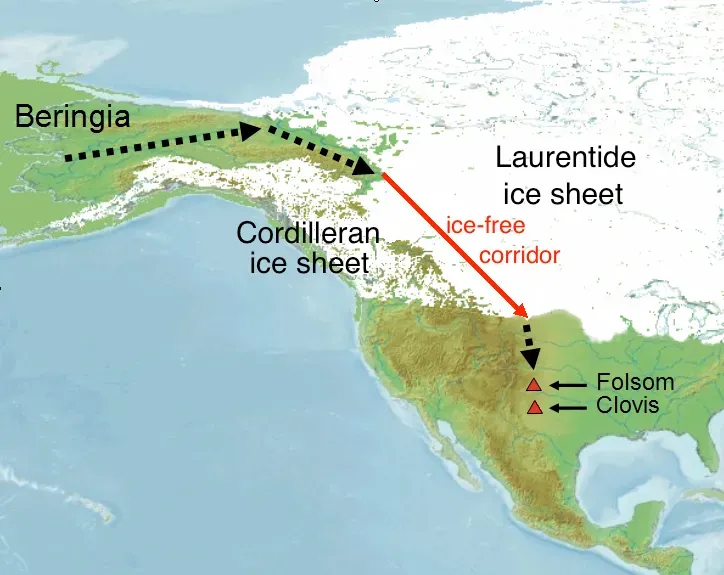
Imagine standing near the margin of the Laurentide Ice Sheet, where Canada and the northern United States meet today. You would be looking at an ice wall as tall as a skyscraper, rumbling with internal creaks and booming cracks as chunks calved off. Meltwater torrents would roar out from underneath, carrying boulders the size of houses and occasionally bursting in outburst floods that could rearrange entire landscapes in days. Movies show one or two “glacier break” moments; the real thing was a continuous, violent construction and demolition project carved into the face of a continent.
Coastlines moved hundreds of kilometers – whole worlds appeared and vanished

Animated Ice Age films love a good cliff over the ocean, but they almost never address the single most mind‑bending fact: during the last glacial maximum, so much water was locked up in ice that global sea level dropped by roughly the height of a thirty‑story building. That means much of today’s continental shelves were dry land, exposing vast plains that no human alive will ever see again in person. Places like Doggerland between Britain and mainland Europe or the Bering land bridge between Siberia and Alaska were not narrow crossings but full landscapes, with rivers, wetlands, and wildlife.
For early humans and other animals, this shifting shoreline was a matter of life and death. A migration route that worked for generations could simply drown as the ice melted and seas surged back over those lowlands. Communities and ecosystems were forced uphill and inland, step by step, decade by decade. Compared with that slow but relentless erasure of entire regions, the dramatic “cracking ice cliff above the ocean” trope in movies feels almost gentle – the real horror story was watching your world literally shrink on the horizon over a handful of human lifetimes.
The real Ice Age cast: less cute, more lethal
Every Ice Age film leans hard on a charming lineup of talking mammals, and to be fair, some of the headliners are real: mammoths, ground sloths, saber‑toothed cats, and woolly rhinos did roam the frozen steppes. But the true cast list was far more crowded, more regional, and a lot less family‑friendly. There were giant short‑faced bears in North America that likely ran faster than a human sprinter, hyenas and lions hunting across what is now Europe, and strange, stocky hominins like Neanderthals sharing the stage with early Homo sapiens.
Many of these animals were adapted to cold, open environments, with thick fur, stocky bodies, and sometimes ridiculously oversized horns or tusks that would look fake in a movie. But cuteness would not have been much of a survival trait; efficiency and toughness mattered more. Even herbivores could be dangerous, capable of smashing predators or human hunters who got careless. So instead of one small, plucky herd of misfit friends, picture sprawling, overlapping territories full of specialized killers, hard‑driving grazers, and highly adaptable humans and cousins all competing for the same shrinking patches of pasture and shelter.
Life on the ground was harsh, dusty, and surprisingly not always snowy
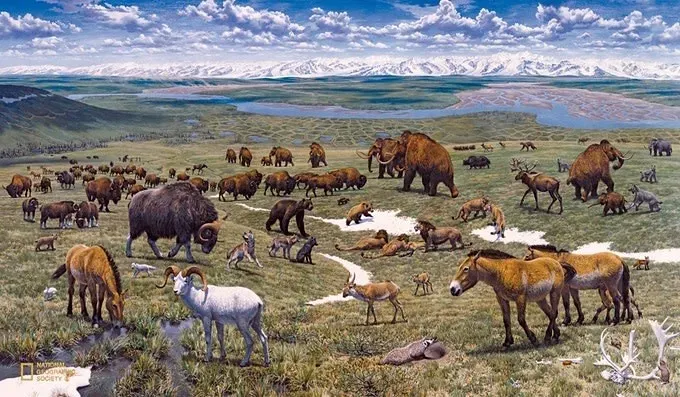
One of the biggest misconceptions popularized by animated Ice Age stories is the idea that everything was buried under fluffy snow all the time. In reality, large parts of the Ice Age world were cold but fairly dry, more like a windy high‑altitude steppe than a Christmas card. Much of Eurasia and North America south of the main ice sheets was a sea of tough grasses, scattered shrubs, and dusty, wind‑blown soils, with snow cover coming and going with the seasons rather than staying for eternity.
That meant that animals – and humans – often lived in landscapes that would have looked bleak rather than beautifully frosted: brown, beige, and gray, with low vegetation and long, bitterly cold winters followed by short, frantic growing seasons. Dust storms could sweep across these plains, carrying fine particles ground up by glaciers that had been dumped downstream. Breathing that in day after day was not exactly the clean, crisp mountain‑air vibe that movies suggest; it was more like living downwind of a constant construction site at the edge of a freezer.
Humans in the Ice Age were ingenious survivors, not comic relief
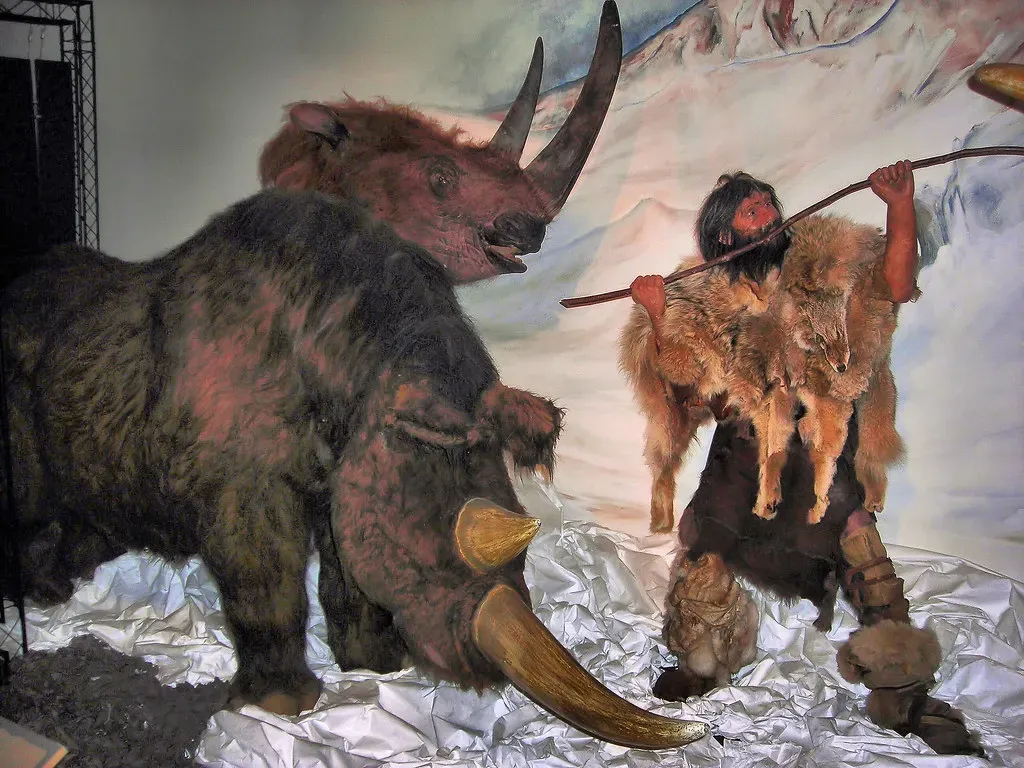
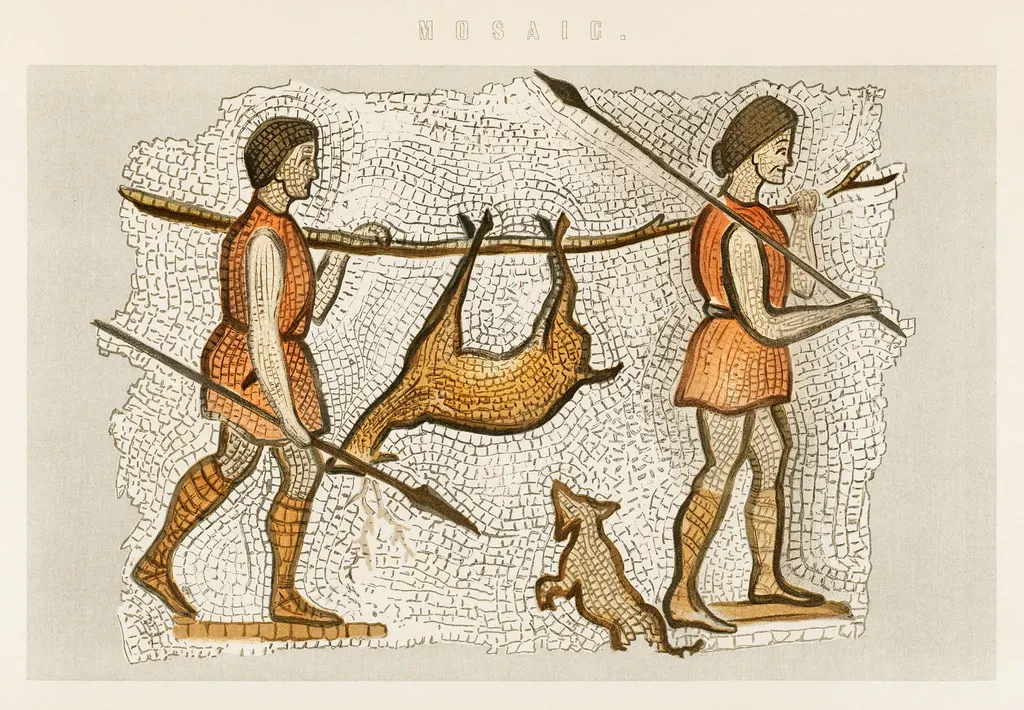
When humans appear in animated Ice Age stories, they are often simplified into mysterious background figures or comic side notes. The real people of the Pleistocene, though, were operating at the very edge of what the human body and mind can manage. They tracked migrating herds over hundreds of kilometers, built shelters from bones, hides, and scarce wood, and learned to cooperate in tight‑knit groups because solo survival was essentially impossible in the coldest regions.
They managed fire in brutal conditions, tailored clothing from fur and leather that could stand up to deep sub‑zero temperatures, and developed hunting strategies that required not just strength but planning and communication. When you look at the tools, art, and burial sites left behind, what stands out is not some cartoonish primitive stereotype but a deep, persistent creativity. In a way, the Ice Age was a pressure cooker that forced human ingenuity to level up, and it is wildly underplayed if all we see on screen are clumsy cavemen or background extras.
The drama of extinction: the ending was not neat or simple
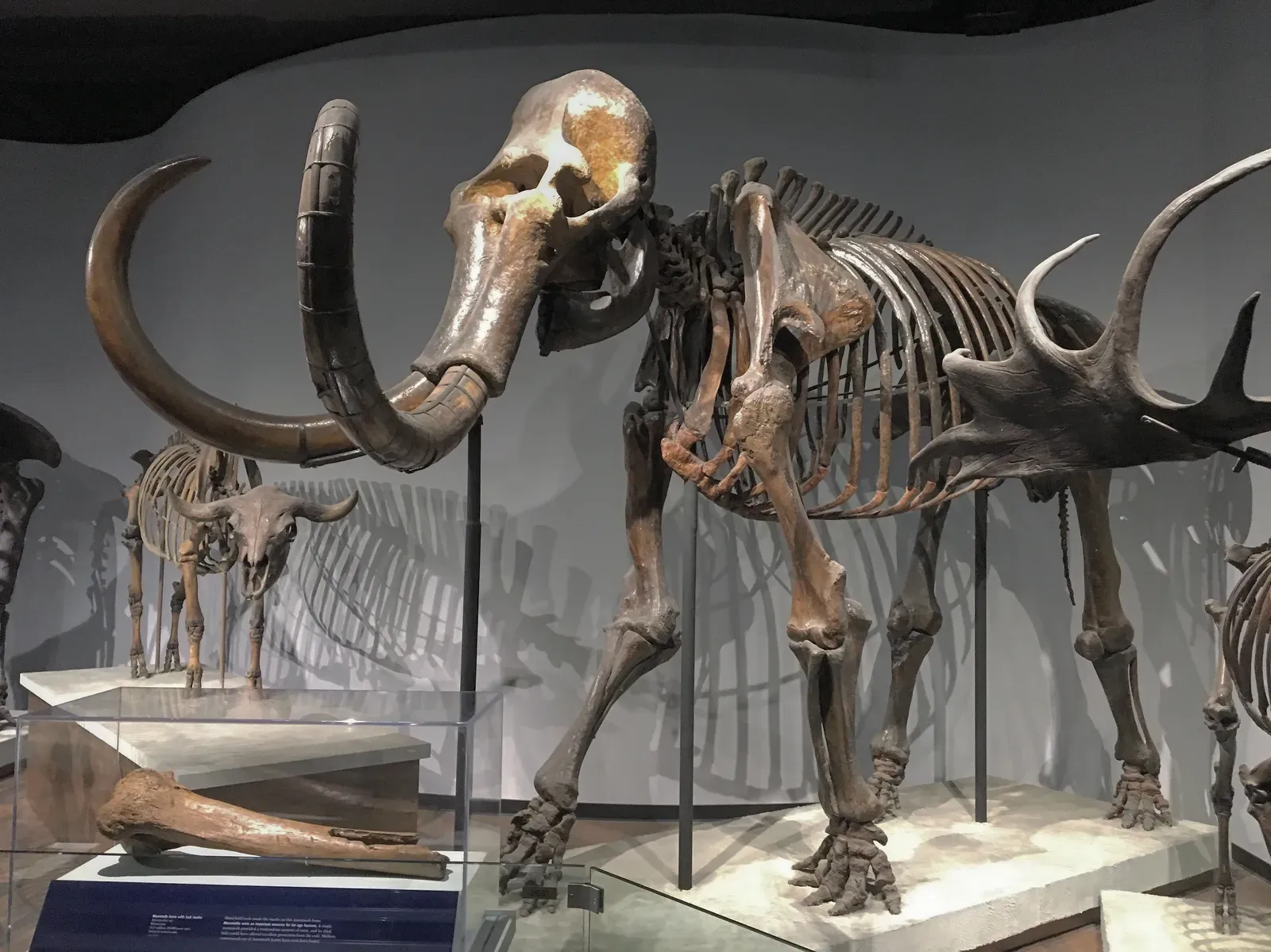
Movies like tidy endings, but the end of the last Ice Age was anything but tidy. As the world warmed and ice sheets melted back between roughly twenty thousand and ten thousand years ago, ecosystems scrambled to keep up. Forests spread into areas once dominated by open steppe, coastlines flooded inland, and many of the giant animals that had defined Ice Age life disappeared. Woolly mammoths, mastodons, giant ground sloths, and many others vanished in a relatively short geological window.
Scientists still debate how much of this was driven by rapid climate change and how much by expanding human hunting pressure and habitat disruption, and the honest answer is that the balance probably varied from place to place. What is clear is that the end credits did not roll on a peaceful, graceful fade‑out. It was a messy, patchy collapse in which some species clung on in isolated refuges while others blinked out abruptly, leaving ghost ecosystems behind – grasslands built for animals that no longer existed, and early human communities suddenly living in a quieter but lonelier world.
The truth really is stranger: why the real Ice Age beats every movie
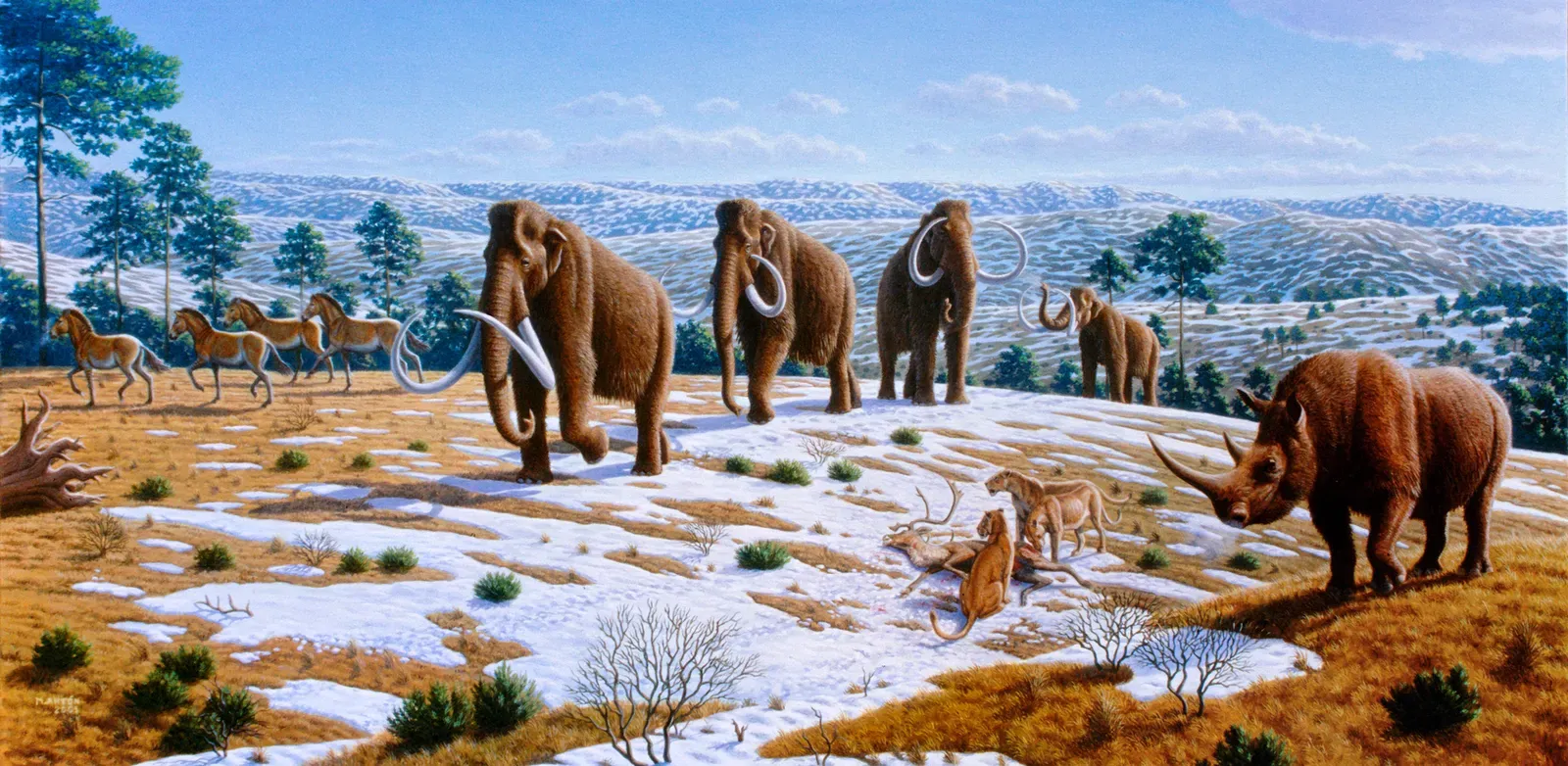
If I am honest, as much as I enjoy a good animated romp through a frozen landscape, the real Ice Age makes those stories feel like a trailer for a much bigger, rougher film. We are talking about ice walls that reshaped continents, seas that disappeared and then roared back, climate swings sharp enough to rewrite the rules of survival, and a cast of humans and animals constantly pushed to adapt or die. No scriptwriter would dare pitch sea levels dropping by the height of a tower and then rising again, swallowing entire countries of land, because it would sound too over the top – yet that is exactly what happened.
There is also something uncomfortably relevant about this history for us now. We are living in a time when climate is changing rapidly again, but this time driven largely by human activity rather than orbital cycles. Knowing how violently Earth’s systems have moved in the past, and how thin the margin for survival could be for Ice Age communities, makes today’s trends feel a lot less abstract. The truth is that reality has always been more dramatic than our animations; the only real question is whether we are willing to learn from that wild, frozen past or treat it as just another background setting for a joke. Which version did you picture before you knew what the Ice Age was really like?