Have you ever felt an unexplainable connection to a particular animal? Maybe you find yourself drawn to the quiet wisdom of an owl or the fierce independence of a wolf. It’s not just random fascination. Your spirit animal might be telling you something profound .
The connection between the animals we resonate with and how we navigate our emotional landscape is more revealing than most people realize. While emotional intelligence might sound like corporate jargon, it’s really about understanding yourself and others on a deeper level. Here’s the thing: your spirit animal isn’t just some quirky personality quiz result. It actually mirrors the way you process emotions, handle relationships, and move through the world.
The Wolf: Your Social Awareness Shines Through
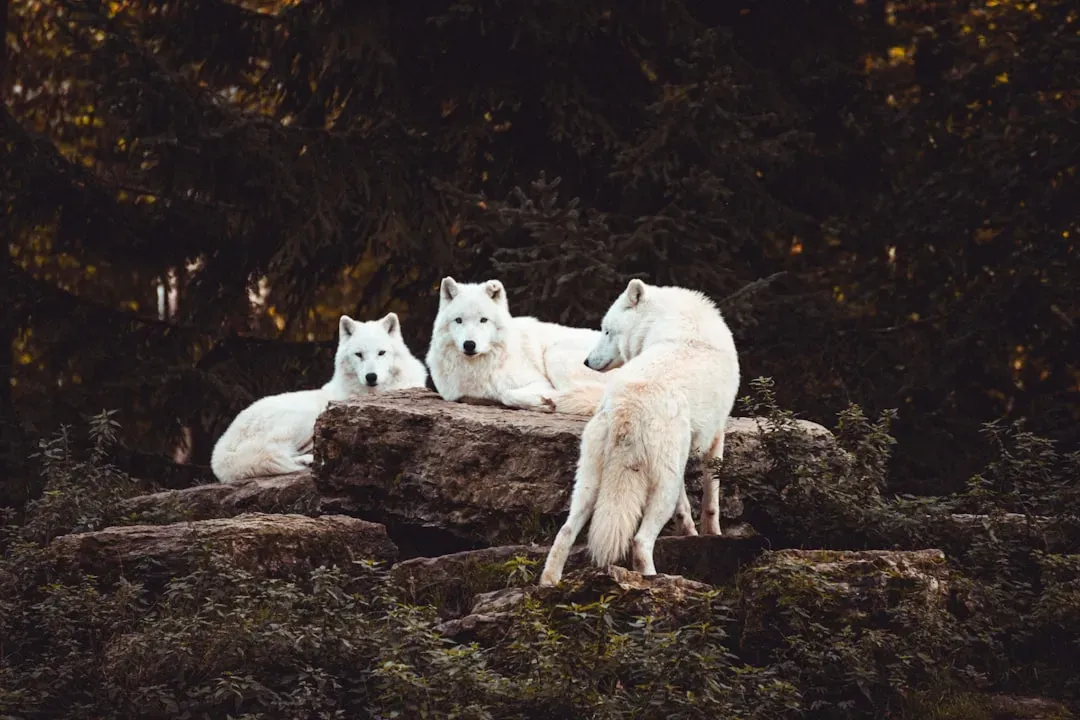
If you identify with the wolf as your spirit animal, you’re likely someone who values relationships deeply, trusts intuition, and navigates challenges with both grace and strategy. Self-awareness is the cornerstone of emotional intelligence, forming the foundation upon which other components depend.
Wolves operate within complex social structures. They read the room instinctively, picking up on subtle shifts in energy and dynamics. Sound familiar? You probably have that same gift. You understand group dynamics without anyone explaining them to you, and you can sense tension before it becomes obvious. Like the wolf, you have a way of reading situations to tell what the outcome will be before it actually happens. Your emotional intelligence manifests through loyalty and the ability to maintain deep connections while still honoring your need for independence.
The Elephant: Empathy Is Your Superpower
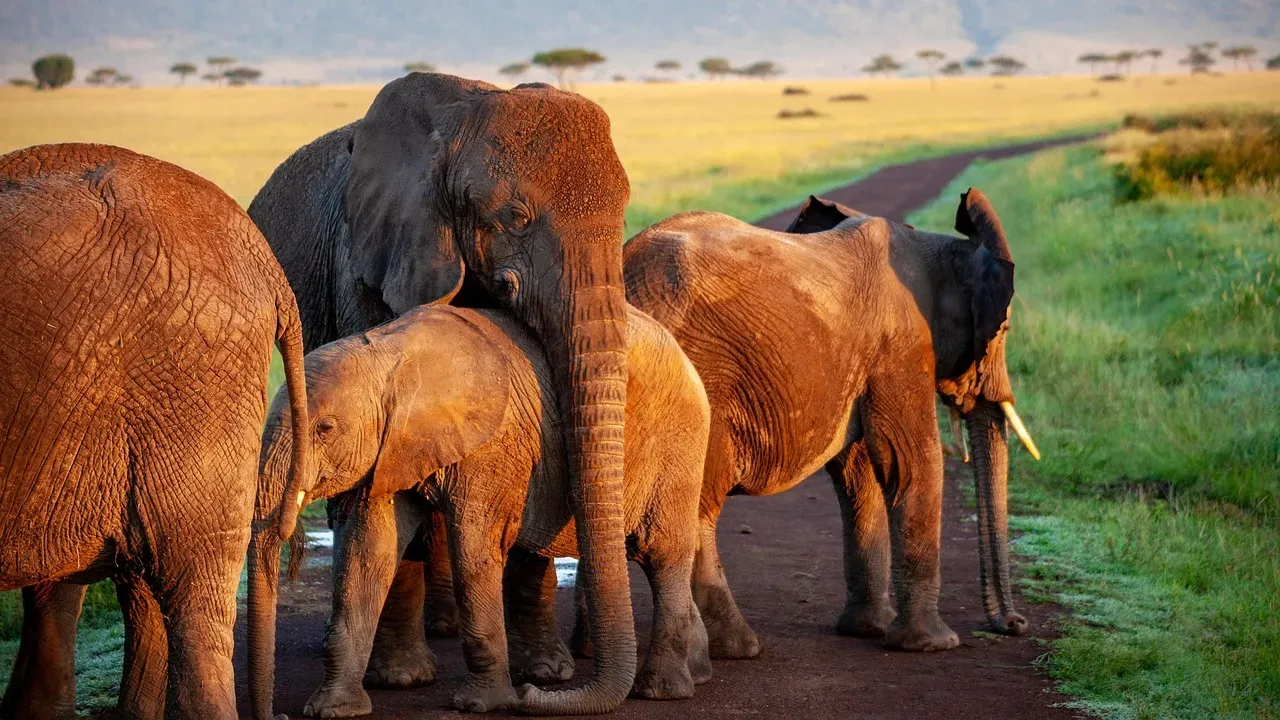
Elephants are known for their profound empathy and wisdom, and if an elephant is your spirit guide, you likely possess deep compassion, emotional intelligence, and calm strength that serves as a guiding presence in others’ lives. This is massive. Empathy means you have the ability to sense others’ feelings and perspectives, taking an active interest in their concerns while picking up cues to what’s being felt and thought.
Your elephant spirit reveals something crucial about your emotional makeup. You don’t just sympathize with people, you actually feel what they’re going through. This ability to recognize emotions in others and experience them as if they were your own is key to healthy social relationships. You’re the person friends call during a crisis because they know you’ll truly understand. Your emotional intelligence isn’t performative; it runs bone-deep through everything you do.
The Owl: Wisdom Through Emotional Insight
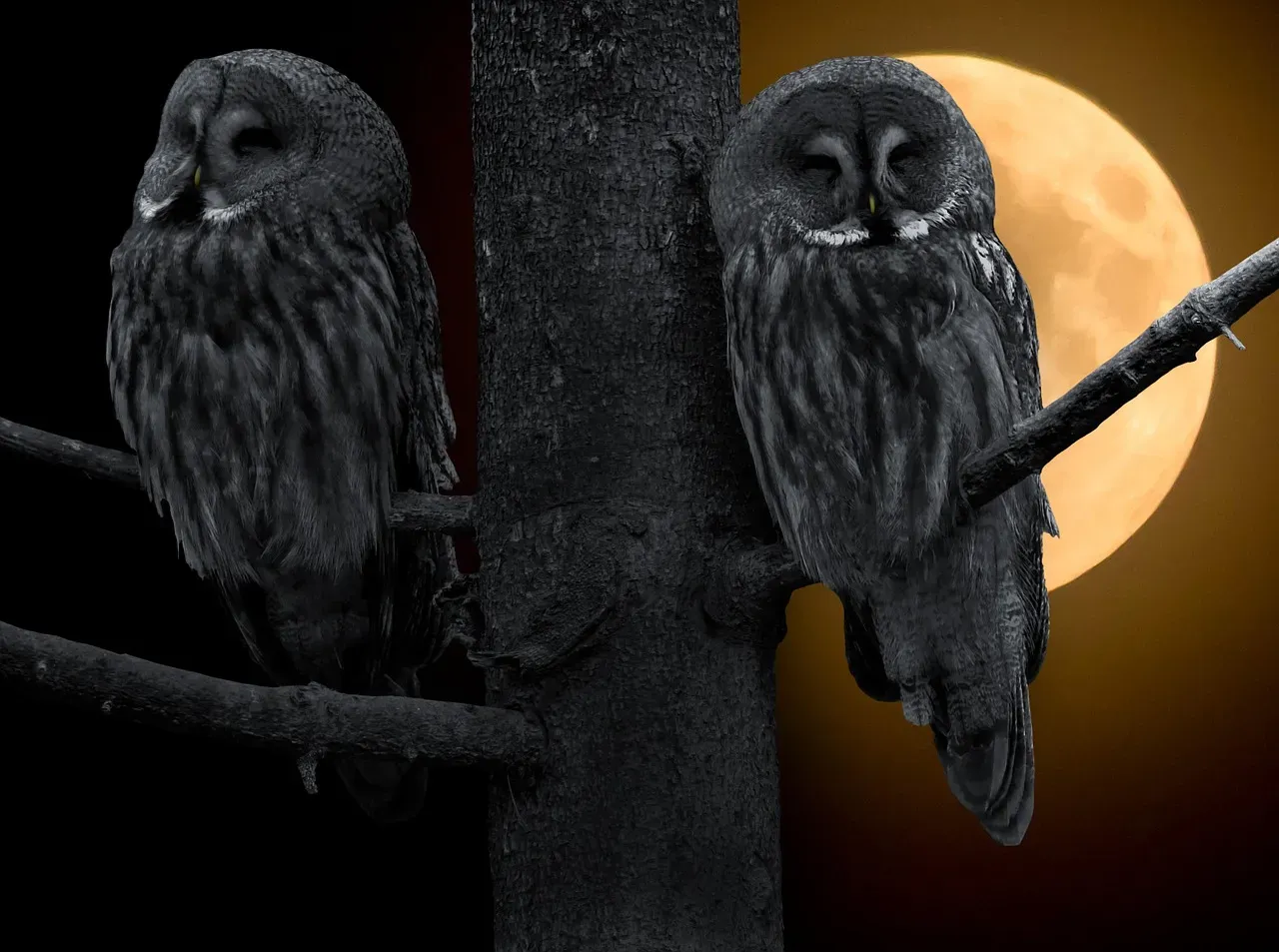
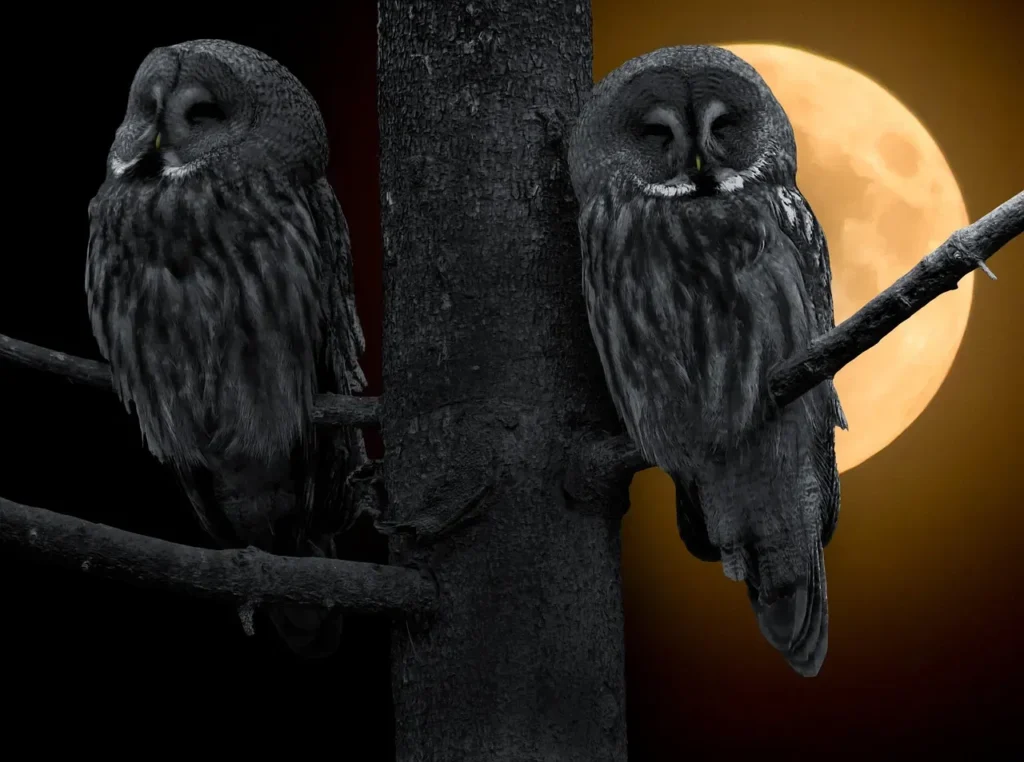
Owls are often associated with wisdom, mystery, and intuition, and as a spirit animal, the owl points to individuals who are intuitive, enjoy exploring life’s mysteries, and possess a keen mind for learning and understanding. Let’s be real, if the owl resonates with you, you’re probably the observer in most situations.
Emotional self-awareness lies at the heart of emotional intelligence, representing the ability to understand your own emotions and their effects on performance. You notice patterns others miss. You understand that emotions contain information, not just noise to be suppressed. While others react impulsively, you take a breath, observe, and then respond thoughtfully. Your high level of self-awareness allows you to regulate emotions much better, pausing to consider why you’re feeling something before choosing a more productive behavior.
The Dolphin: Joy and Emotional Healing

Dolphins are playful, empathetic, communicative, and socially aware, living in community while communicating in complex ways and representing joy, emotional healing, and the ability to bring peace through connection. Honestly, this is one of the most emotionally intelligent spirit animals you could have.
If the dolphin is your spirit animal, you likely have a compassionate heart and quick mind, understanding people on an emotional level and using that awareness to lift others up while staying light and honoring your emotional wisdom. You intuitively know when someone needs a laugh versus when they need serious support. Social awareness describes your ability to recognize others’ emotions and the dynamics within your environment, and leaders who excel in this practice empathy. You’re proof that emotional intelligence doesn’t have to be heavy or serious; sometimes it looks like bringing lightness into difficult situations.
The Bear: Self-Regulation and Quiet Strength
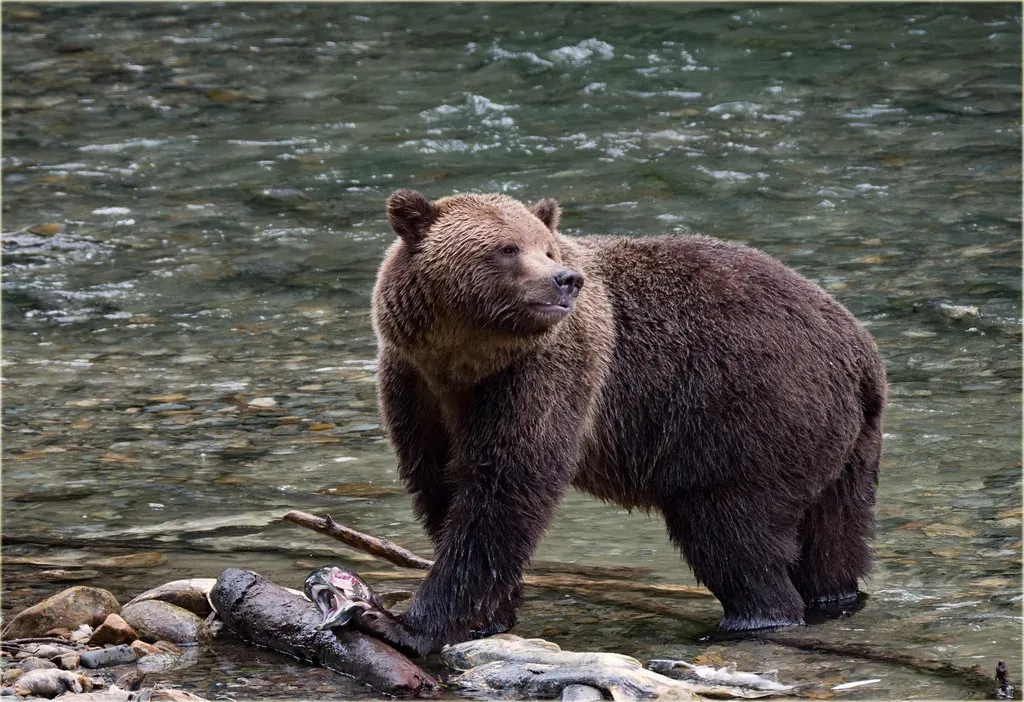
Just as bears hibernate, they symbolize introspection and personal reflection, and if you’re drawn to the bear spirit animal, you may stand firm in your beliefs, embrace leadership, and often seek solitude for personal growth. This speaks volumes style.
Self-management refers to the ability to manage emotions, particularly in stressful situations, while maintaining a positive outlook despite setbacks, and leaders who lack this tend to react rather than keeping impulses in check. You understand the value of withdrawing to process your emotions rather than exploding all over everyone. Self-awareness is the foundation of emotional intelligence, and when you’re aware of your emotions and the behaviors they trigger, you can begin to manage these emotions and behaviors. Your strength isn’t about dominating; it’s about knowing when to act and when to step back and reflect.
The Deer: Sensitivity as Strength
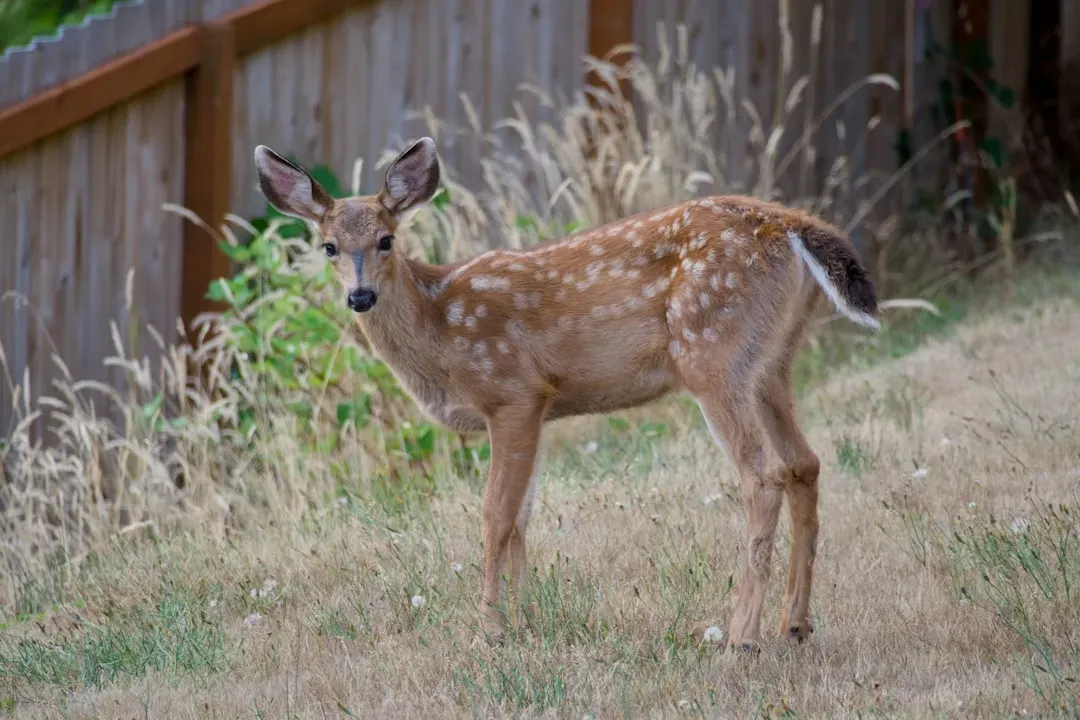
The deer spirit animal represents grace, gentleness, and sensitivity, and people with this spirit animal are often highly intuitive, strongly connected to their emotions, gentle, kind, and use their intuition to navigate life. I know it sounds crazy, but sensitivity is actually a form of advanced emotional intelligence.
Deer are graceful and gentle animals known for keen senses and alertness, and as a spirit animal, the deer represents those who are sensitive, intuitive, and able to navigate tricky situations gracefully, often seen as peaceful, non-aggressive, and attracted to natural beauty. You pick up on emotional undercurrents that others completely miss. Being empathetic and socially comfortable requires recognizing the importance of mindfulness in the social process, and social awareness requires your presence in the moment. Your ability to remain present and attuned is a gift, not a weakness.
The Eagle: Vision Beyond the Immediate
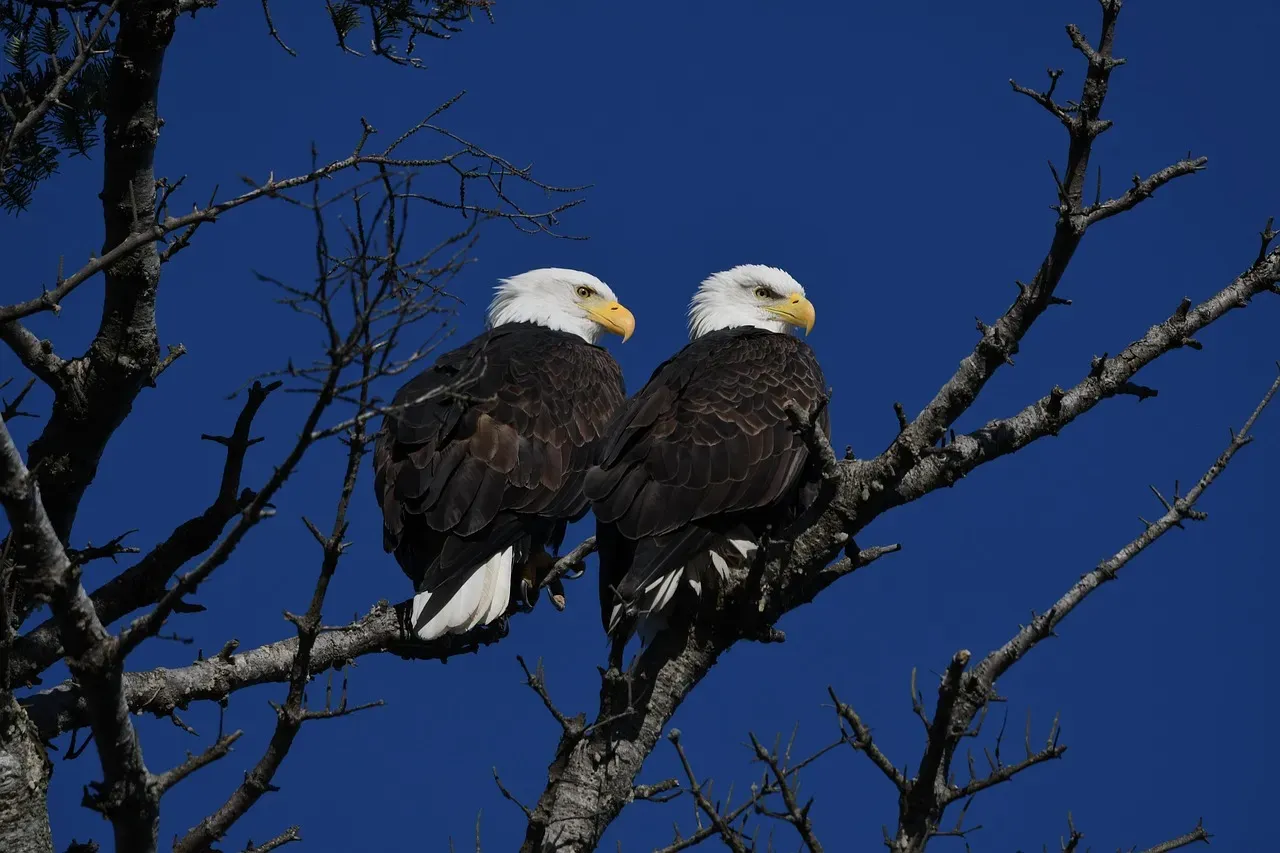
Eagles are known for their remarkable vision and high flight, symbolizing perspective and resilience, often linked to those who see life from a broad viewpoint and demonstrate wisdom, courage, and the ability to overcome obstacles with a strong spiritual connection. This perspective is crucial for emotional intelligence.
Self-awareness is the ability to recognize and understand one’s own emotions and reactions and how they affect life experiences, and people who are self-aware can identify their likes and dislikes and establish life goals. Your eagle spirit means you can zoom out from the emotional chaos of the moment and see the bigger picture. You understand that today’s crisis might be tomorrow’s valuable lesson. Organizational awareness means the ability to read a group’s emotional currents and power relationships, identifying influencers, networks, and the dynamics that matter in making decisions. You spot patterns in relationships and situations that help you navigate complex emotional terrain with clarity.
The Butterfly: Embracing Transformation
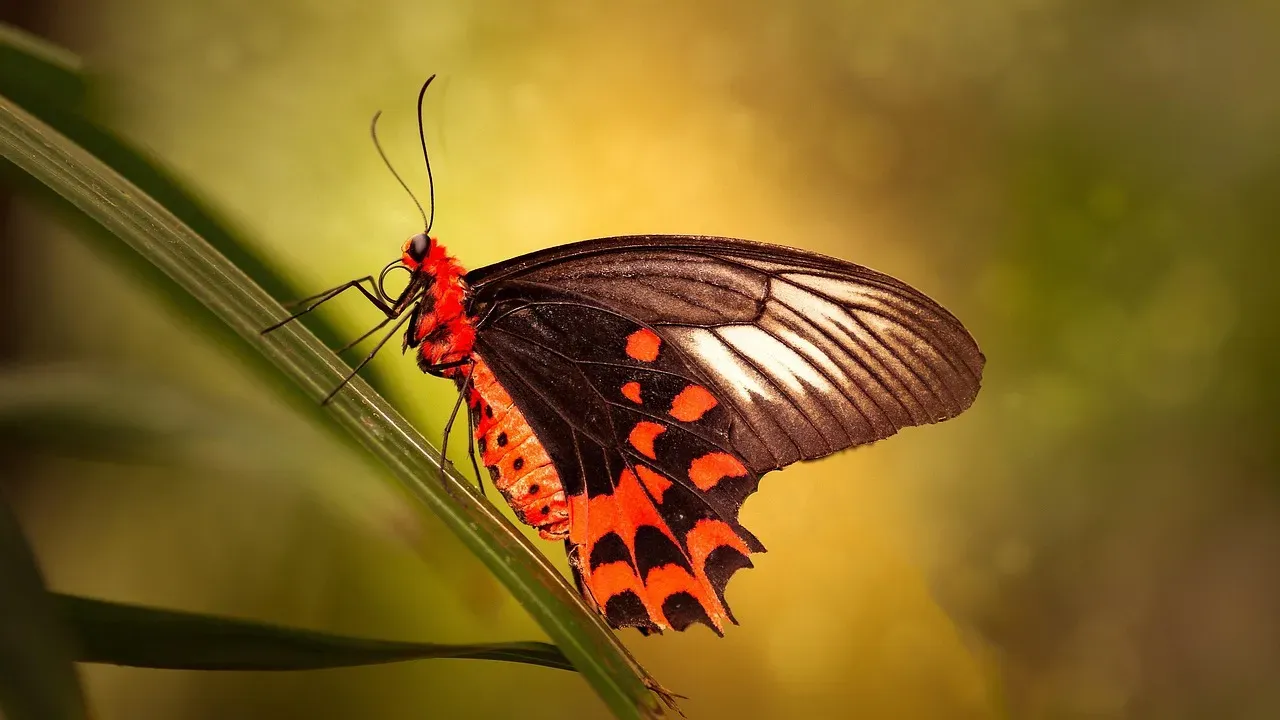
The butterfly symbolizes transformation, joy, and lightness, and if this is your spirit animal, you’re likely drawn to express joy and light in the world, embracing change and personal growth with grace while possibly being in or about to embark on a significant transformative period. Transformation requires serious emotional intelligence.
The butterfly represents transformation and adaptability, acknowledging emotional depth. You understand that emotions aren’t static. You allow yourself to feel everything fully, knowing that emotions move through you if you don’t block them. Intrinsic motivation means being driven to meet personal needs and goals rather than external rewards, and people who are intrinsically motivated experience a state of flow by being immersed in an activity. Your ability to transform challenges into growth opportunities shows remarkable emotional maturity.
The Wolf Pack Versus Lone Wolf: Relationship Management Styles
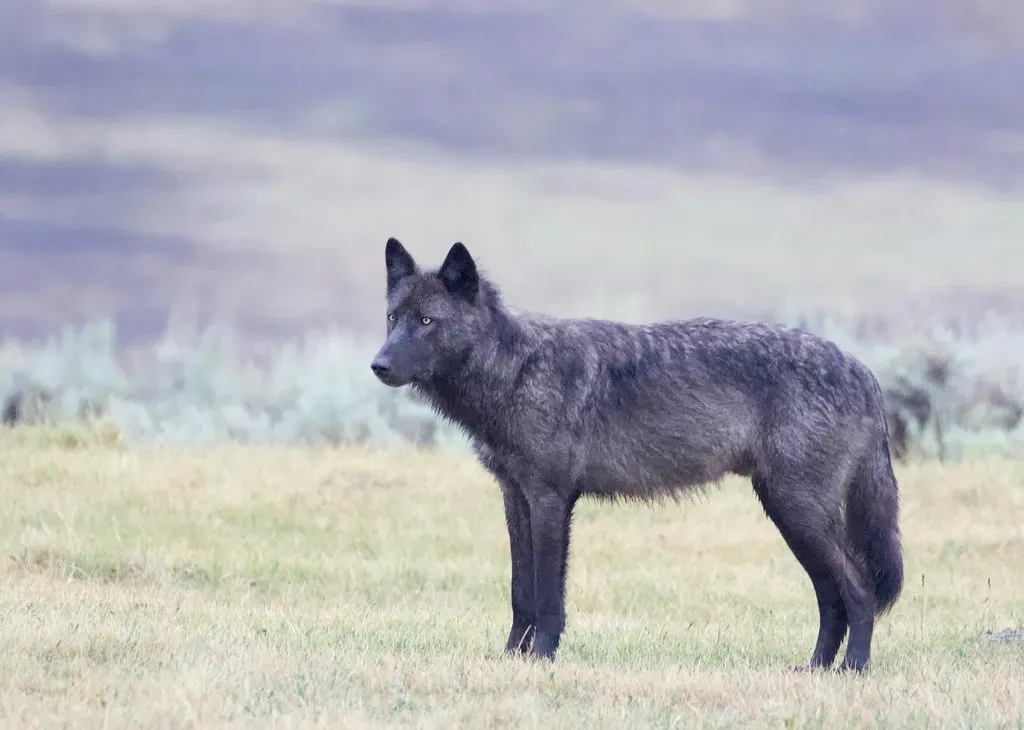
Wolves are pack animals and generally monogamous creatures, finding one mate to spend their lives with, much like those who value close personal relationships and deep connections, having a unique way of seeing and navigating the world. Here’s where it gets interesting. Your relationship management style reveals crucial aspects of your emotional intelligence.
Relationship management refers to your ability to influence, coach, mentor others, and resolve conflict effectively, and addressing issues as they arise is important because every unaddressed conflict can waste roughly eight hours of company time in unproductive activities. Whether you’re a pack wolf or a lone wolf says something profound about how you handle connections. Pack wolves excel at collaboration and teamwork. The teamwork competence means working with others toward a shared goal while empathizing and creating an atmosphere of respect, helpfulness, and cooperation, drawing others into active commitment.
The Fox: Adaptability and Emotional Agility
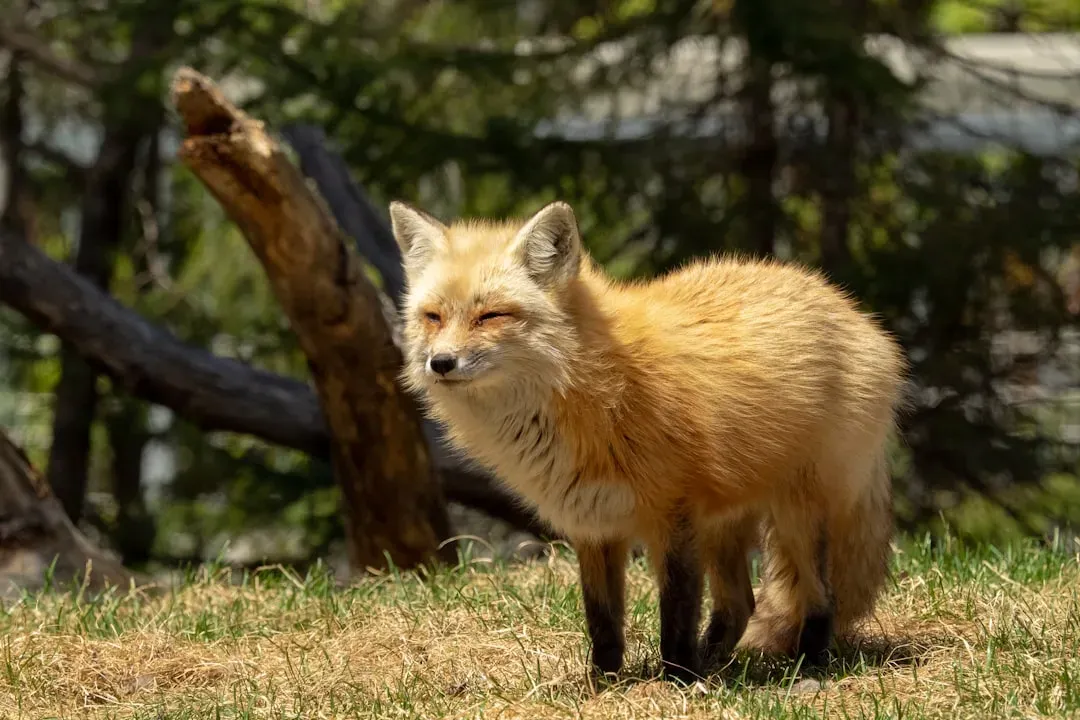
The fox is a spirit animal that symbolizes cunning, wit, and adaptability, and in many cultures, the fox is seen as a trickster using quick thinking and clever ways to outwit enemies and get what it wants. Before you think this sounds manipulative, hold on. Creative and curious individuals who are open to experience embrace novel ideas, and the fox symbolizes cleverness and adaptability, aligning with their innovative spirit.
Emotional agility is a real component of emotional intelligence. Self-management involves managing emotions in stressful situations, and the more in tune you are with emotional intelligence, the easier you can transition from reaction to response by pausing, breathing, collecting yourself, and doing whatever it takes to manage emotions appropriately. Fox spirit people read situations quickly, adapt their approach, and find creative solutions to emotional challenges. You’re not being fake; you’re being flexible and responsive to what each situation requires.
Your Spirit Animal as Your Emotional Intelligence Mirror
Spirit animals are believed to offer guidance and understanding, serving as symbolic representations of our inner characters, strengths, and challenges, and by understanding the traits of your spirit animal, you can learn more about yourself and the life lessons you need to learn. This isn’t just feel-good fluff. It’s legitimate self-discovery.
Emotional intelligence is a set of skills that help us recognize, understand, and manage our own emotions as well as recognize, understand, and influence the emotions of others. Your spirit animal acts like a shorthand for understanding your emotional intelligence profile. Today, spirit animals are often used in personal spiritual practice, and people may feel a connection to an animal based on recurring dreams, meditation experiences, or strong emotional responses, and while modern interpretations can be meaningful, it’s important to approach them with respect and awareness of their deeper origins. Whether you resonate with the collaborative wolf, the empathetic elephant, or the transformative butterfly, you’re gaining insight into how you process the emotional world around you.
The animals we’re drawn to aren’t random. They reflect back the emotional intelligence skills we already possess and the ones we’re still developing. So what do you think? Does your spirit animal reveal truths that you’ve been sensing but never quite articulated? Tell us in the comments.