When we think of prehistoric creatures soaring through ancient skies or stomping across primeval landscapes, we often lump them all together as “dinosaurs.” However, this classification oversimplifies the rich diversity of prehistoric reptiles that once ruled our planet. Among the most common misconceptions is the belief that pterosaurs—those magnificent flying reptiles—were dinosaurs. While both groups lived during the Mesozoic Era and captured our imagination, they represent distinct evolutionary lineages with fascinating differences in anatomy, lifestyle, and evolutionary history. This article explores the key distinctions between dinosaurs and pterosaurs, shedding light on these remarkable animals that dominated Earth long before humans arrived.
Evolutionary Origins: Different Branches of the Reptile Family Tree
Dinosaurs and pterosaurs both evolved from archosaurs, a group of reptiles that emerged in the late Permian period about 250 million years ago and also gave rise to crocodilians. However, they diverged into separate evolutionary paths relatively early. Dinosaurs belong to the group Dinosauria, which splits into two major lineages: Saurischia (including theropods like T. rex and sauropodomorphs like Brachiosaurus) and Ornithischia (including stegosaurs, ankylosaurs, and ceratopsians like Triceratops). Pterosaurs, on the other hand, belong to the group Pterosauria, which represents an entirely separate branch of archosaur evolution. This evolutionary separation means that, despite living simultaneously for much of the Mesozoic Era, pterosaurs are no more dinosaurs than crocodiles are—they’re simply different types of archosaur reptiles with their own unique evolutionary history.
Defining Characteristics: What Makes a Dinosaur a Dinosaur

Dinosaurs possess several distinct anatomical features that set them apart from other reptiles, including pterosaurs. One key characteristic is their upright stance—dinosaurs held their limbs directly beneath their bodies, unlike the sprawling posture of most reptiles. They also had a distinctive hip structure with either a bird-like or lizard-like arrangement of the pubis bone, defining the two main dinosaur groups. Additionally, dinosaurs featured specialized ankle joints and typically had three or more sacral vertebrae fused to their pelvis. Many dinosaurs also possessed a hole in the skull in front of the eye socket called the antorbital fenestra. These defining characteristics apply to all dinosaurs, from the massive sauropods to the swift-footed raptors, and help paleontologists determine which fossil creatures truly belong in the dinosaur family tree.
Defining Characteristics: What Makes a Pterosaur a Pterosaur
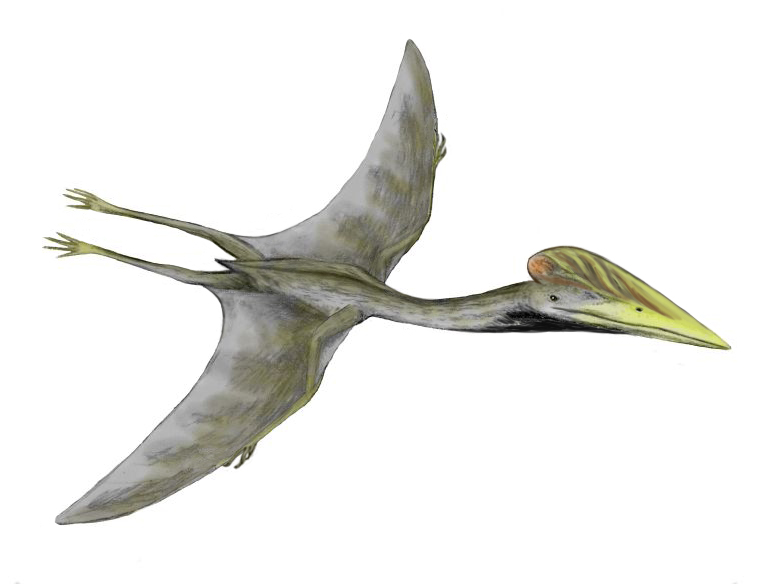
Pterosaurs exhibit their own set of unique anatomical features that clearly differentiate them from dinosaurs. Most notably, pterosaurs evolved specialized forelimbs with dramatically elongated fourth fingers that supported leathery wing membranes, creating the first vertebrate adaptation for powered flight. Their bones were hollow and pneumatic (air-filled), making them lightweight for flight—a convergent evolution similar to but distinct from birds. Pterosaurs also possessed an elongated wrist bone called the pteroid that supported a membrane in front of the arm, improving aerodynamic efficiency. Their skulls were typically elongated with large brains relative to body size, excellent vision, and varied dental adaptations depending on diet. Additionally, many pterosaurs featured elaborate head crests of various shapes and sizes, likely used for species recognition and display. These specialized adaptations made pterosaurs supremely adapted for their aerial lifestyle in ways fundamentally different from dinosaurs.
Locomotion Differences: How They Moved

The way dinosaurs and pterosaurs moved represents perhaps their most obvious difference. Dinosaurs were primarily terrestrial animals adapted for walking and running on land, with specializations ranging from the swift bipedal stance of theropods to the heavy quadrupedal gait of sauropods. Their limb structure featured upright posture with legs positioned directly beneath the body, enabling efficient terrestrial locomotion. Pterosaurs, conversely, evolved primarily as flying animals, with their forelimbs modified into wings supported by an elongated fourth finger. On the ground, pterosaurs adopted a unique quadrupedal stance using the three non-wing fingers as “knuckle-walkers,” with evidence suggesting they could also walk effectively and even launch into flight from flat ground. Some pterosaurs like azhdarchids were likely proficient walkers, while others may have been more awkward on land, similar to modern seabirds. This fundamental difference in locomotion reflects the distinct ecological niches these animals evolved to occupy.
Size Ranges: From Tiny to Titanic
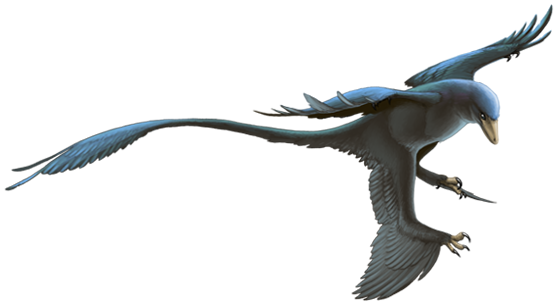
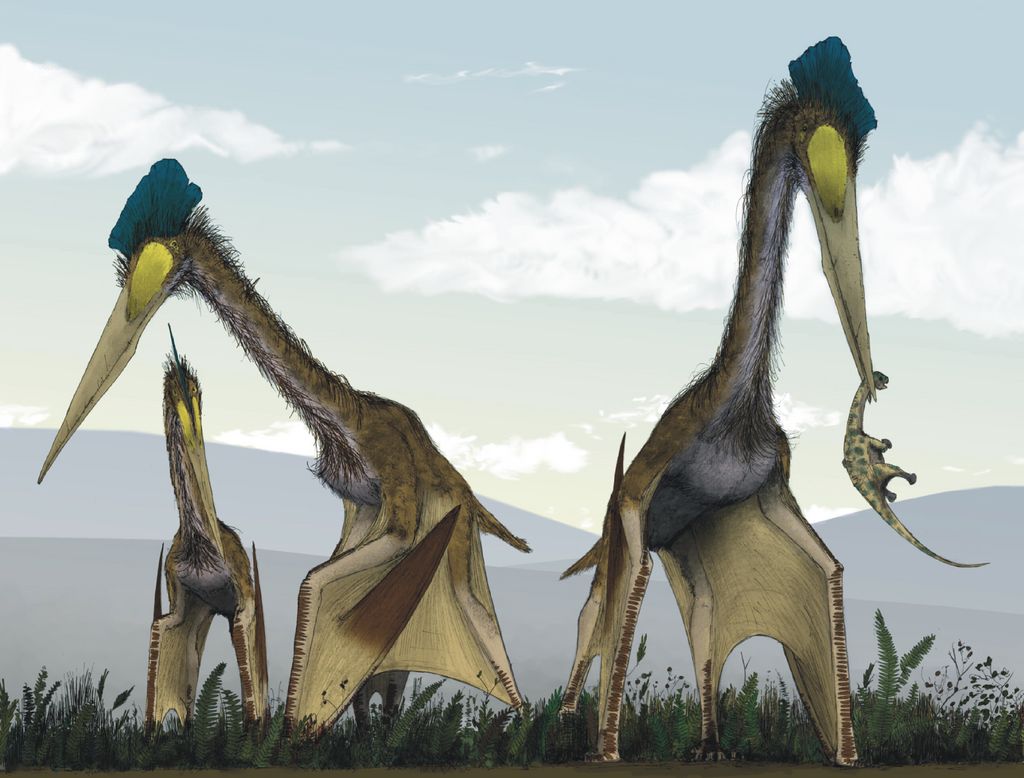
Both dinosaurs and pterosaurs exhibited remarkable size diversity throughout their evolutionary history. Dinosaurs ranged from chicken-sized creatures like Microraptor (about 1.5 feet long and weighing just a few pounds) to the enormous sauropods like Argentinosaurus, which may have reached lengths of 100-130 feet and weights exceeding 70 tons. Pterosaurs similarly spanned impressive size ranges, from the early cat-sized Pterodactylus with a wingspan of about 2.5 feet to the enormous Quetzalcoatlus and Hatzegopteryx, which reached wingspans of 33-36 feet, making them the largest flying animals ever known. Interestingly, both groups followed different size trends over time; while dinosaurs generally increased in maximum size until their extinction, pterosaurs reached their greatest diversity of sizes during the Jurassic period, with the later Cretaceous dominated by larger species. This size variation reflects the different evolutionary pressures and ecological niches each group exploited throughout the Mesozoic Era.
Timeline of Existence: When They Ruled
Dinosaurs and pterosaurs shared the planet for much of the Mesozoic Era, though with slightly different timelines. Dinosaurs first appeared in the Late Triassic period around 230-240 million years ago and quickly diversified to dominate terrestrial ecosystems for over 165 million years until the end-Cretaceous mass extinction 66 million years ago (with the exception of birds, which are technically avian dinosaurs that survived). Pterosaurs emerged slightly earlier in the Mid-Triassic around 245 million years ago, establishing themselves as Earth’s first vertebrate flyers long before birds evolved. They thrived alongside dinosaurs throughout the Jurassic and Cretaceous periods, but unlike dinosaurs, they left no surviving descendants after the mass extinction. Both groups experienced significant evolutionary changes throughout their existence, with more primitive forms giving way to increasingly specialized species that adapted to changing environments and ecological pressures over millions of years.
Flight Adaptations: Wings and Aerodynamics
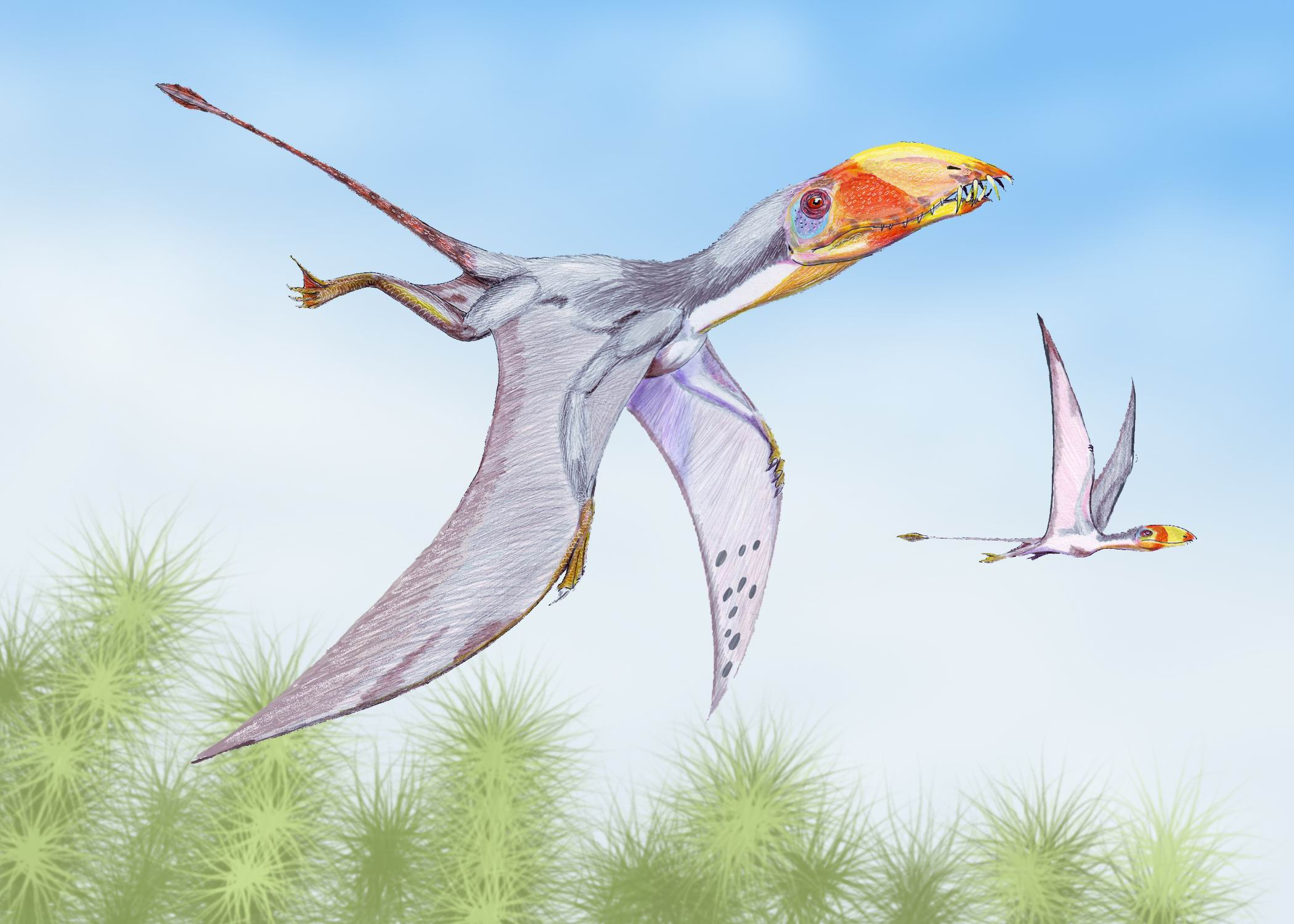
The ability to fly represents one of the most significant differences between pterosaurs and dinosaurs. Pterosaurs were the first vertebrates to evolve powered flight, developing a unique wing structure unlike anything seen before or since. Their wings consisted of a leathery membrane (the patagium) stretched between an elongated fourth finger and the body, supported by specialized lightweight, hollow bones. In contrast, most dinosaurs remained firmly terrestrial throughout their evolution. The exception came with a specific lineage of small theropod dinosaurs that eventually evolved into birds, developing feathered wings with a completely different anatomical structure than pterosaur wings. This represents convergent evolution—separate animal groups independently evolving flight through different anatomical solutions. While modern birds are technically avian dinosaurs, their flight mechanism evolved entirely separately from pterosaurs, using feathers rather than skin membranes and transforming the entire forelimb rather than extending a single digit.
Habitat and Ecological Niches
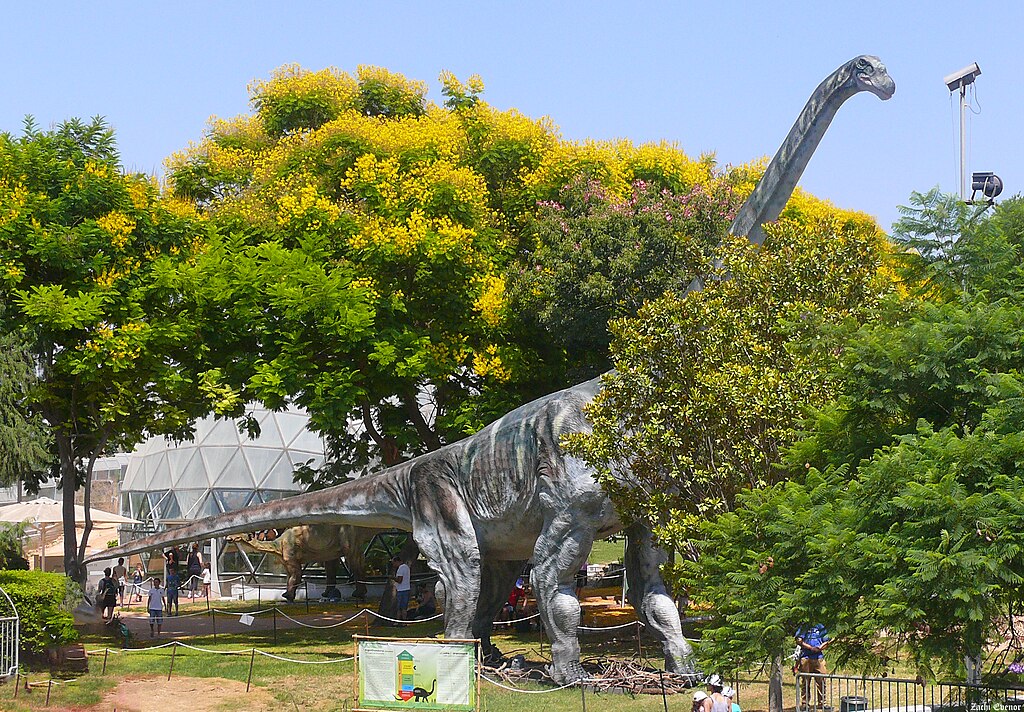
Dinosaurs and pterosaurs occupied distinctly different ecological niches within Mesozoic ecosystems, though with some overlap. Dinosaurs dominated terrestrial environments worldwide, filling roles from massive herbivores that shaped vegetation patterns to apex predators that controlled animal populations. They inhabited diverse landscapes from forests and plains to coastal regions and mountains, but remained primarily land-based. Pterosaurs, by contrast, mastered aerial niches, with different species specialized for various flight styles from soaring over oceans to maneuvering through forests. Many pterosaurs appear to have been piscivorous (fish-eaters), using their extended jaws and teeth to snatch prey from water surfaces, while others evolved to consume fruits, insects, or small animals. Later pterosaurs like the giant azhdarchids likely functioned similarly to modern storks, foraging across landscapes for small prey. This ecological separation allowed these two major reptile groups to coexist throughout the Mesozoic without direct competition.
Reproduction and Growth
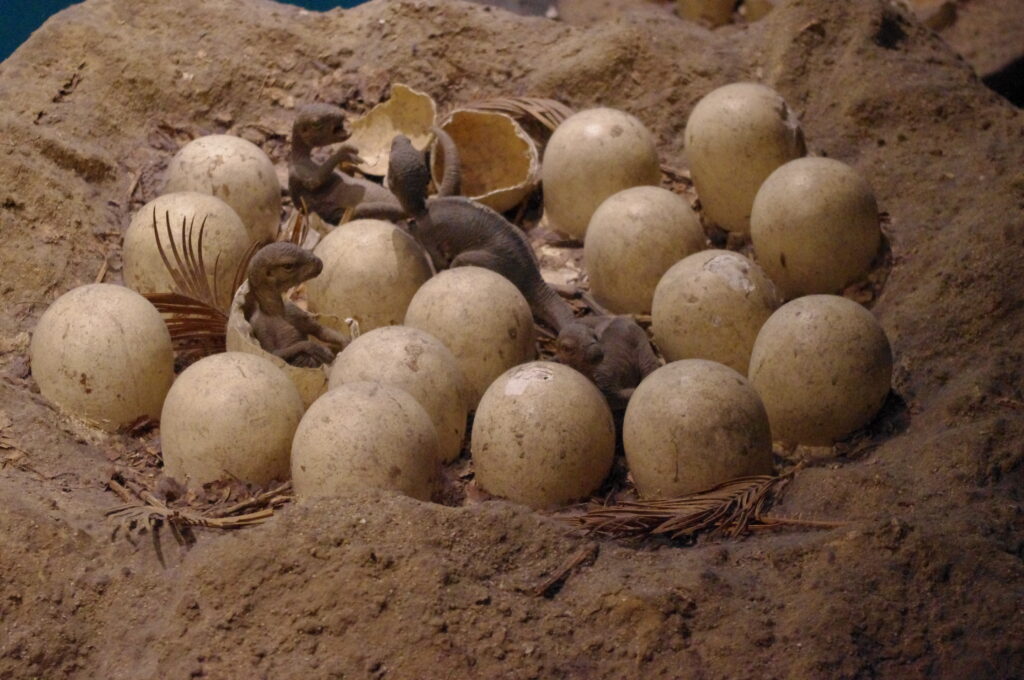
Both dinosaurs and pterosaurs reproduced by laying eggs, but differences existed in their reproductive strategies and growth patterns. Dinosaurs laid hard-shelled eggs in nests, with evidence suggesting many species exhibited parental care. Their growth rates varied by species, with some dinosaurs reaching adult size relatively quickly while others grew more gradually over many years. Fossil evidence indicates that some dinosaurs formed herds or colonies during nesting, suggesting complex social behaviors around reproduction. Pterosaurs also laid eggs, but recent fossil discoveries suggest their eggs had leathery, parchment-like shells rather than hard shells. Remarkably, pterosaurs appear to have been precocial—hatchlings likely had well-developed wing membranes and could potentially fly shortly after hatching, unlike the altricial (helpless) hatchlings of many dinosaurs. Additionally, pterosaur growth appears to have been rapid in early life stages, allowing juveniles to quickly develop flight capabilities, though some larger species likely took years to reach full adult size.
Common Misconceptions in Popular Culture
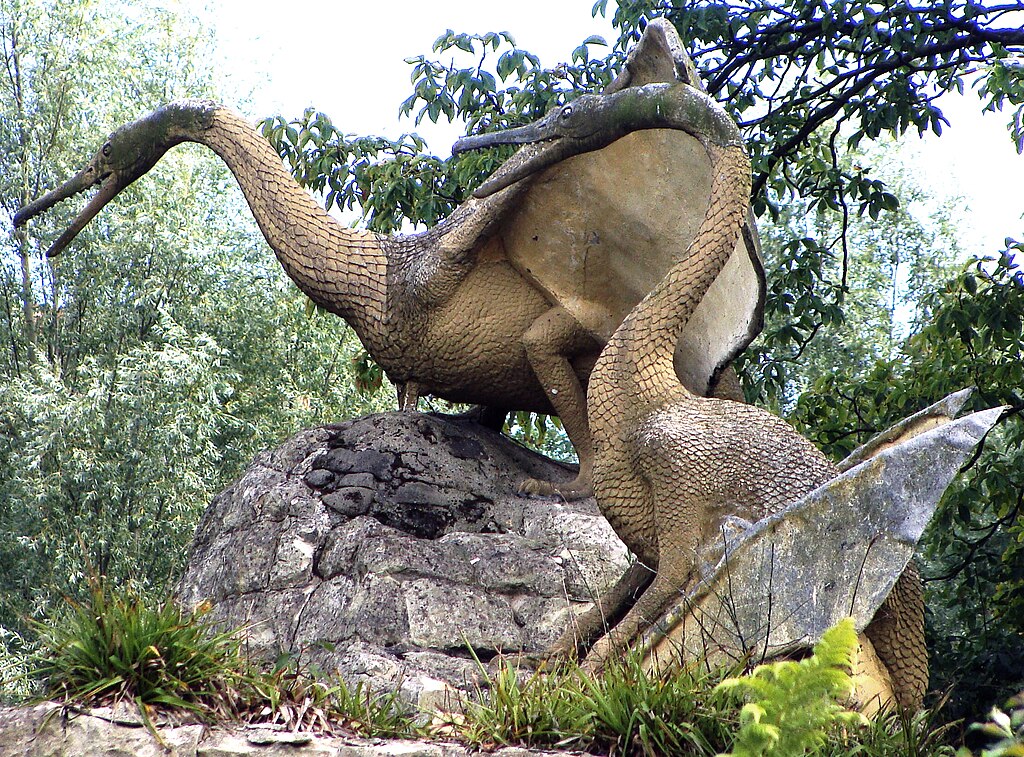
Popular media has perpetuated numerous misconceptions about both dinosaurs and pterosaurs, often conflating these distinct animal groups. Perhaps the most common error is depicting pterosaurs as flying dinosaurs, when they represent an entirely separate branch of reptile evolution. Films and television shows frequently portray pterosaurs (often mislabeled as “pterodactyls”) with leathery, bat-like wings but dinosaur-like bodies or behaviors. Another widespread misconception is showing pterosaurs grasping prey with talon-like feet similar to birds of prey, when in reality their feet were adapted differently and not used for hunting in this manner. Media depictions also often show pterosaurs as capable of picking up and carrying large animals or humans, despite biomechanical studies indicating most species lacked the strength for such feats. Similarly, dinosaurs are frequently portrayed with incorrect postures, sounds, or behaviors based more on dramatic effect than scientific accuracy. These misconceptions, while entertaining, obscure the fascinating biological realities that made both animal groups successful for millions of years.
Notable Examples: Famous Dinosaurs

Throughout the dinosaur lineage, certain species have captured public imagination and become iconic representatives of prehistoric life. Tyrannosaurus rex stands as perhaps the most recognized dinosaur, a massive theropod predator with bone-crushing bite force that dominated North American ecosystems at the end of the Cretaceous period. The long-necked Brachiosaurus and other sauropods represent the largest land animals ever to walk the Earth, with specialized adaptations for reaching high vegetation. Triceratops, with its distinctive three-horned face and bony frill, exemplifies the ceratopsian dinosaurs that evolved elaborate head ornamentation. Stegosaurus, featuring its double row of plates and tail spikes, demonstrates the diverse defensive adaptations that evolved among dinosaurs. Velociraptor, made famous by films but often depicted much larger than its actual turkey-sized reality, represents the intelligent, feathered dromaeosaurids that were close relatives to birds. Each of these dinosaurs evolved specialized adaptations for their ecological roles, from predation to herbivory, showcase the remarkable diversity within Dinosauria.
Notable Examples: Famous Pterosaurs
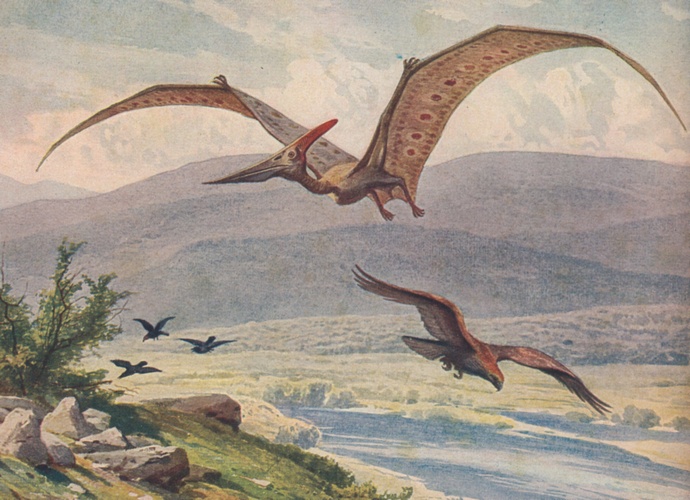
The pterosaur lineage produced numerous remarkable species that illustrate the diversity of these flying reptiles. Pteranodon, with its distinctive backward-pointing cranial crest and 20-foot wingspan, represents one of the most recognized pterosaurs, adapted for soaring flight over Cretaceous seas where it fed primarily on fish. The earlier Pterodactylus, despite lending its name to the colloquial term “pterodactyl” often misapplied to all pterosaurs, was actually a relatively small pterosaur with a modest crest and generalized features. Dimorphodon, with its large head and short wingspan, represents an earlier pterosaur with probable adaptations for more maneuverable forest flight. Quetzalcoatlus stands as perhaps the most impressive pterosaur, reaching the size of a small airplane with a wingspan of up to 36 feet and likely functioning as a terrestrial stalker similar to modern storks. Tapejara and related tapejarids featured spectacular sail-like head crests that may have served as rudders during flight and sexual display structures. These diverse pterosaurs demonstrate the remarkable evolutionary radiation of flying reptiles that conquered Mesozoic skies through unique anatomical adaptations.
Extinction: What Happened to Them?
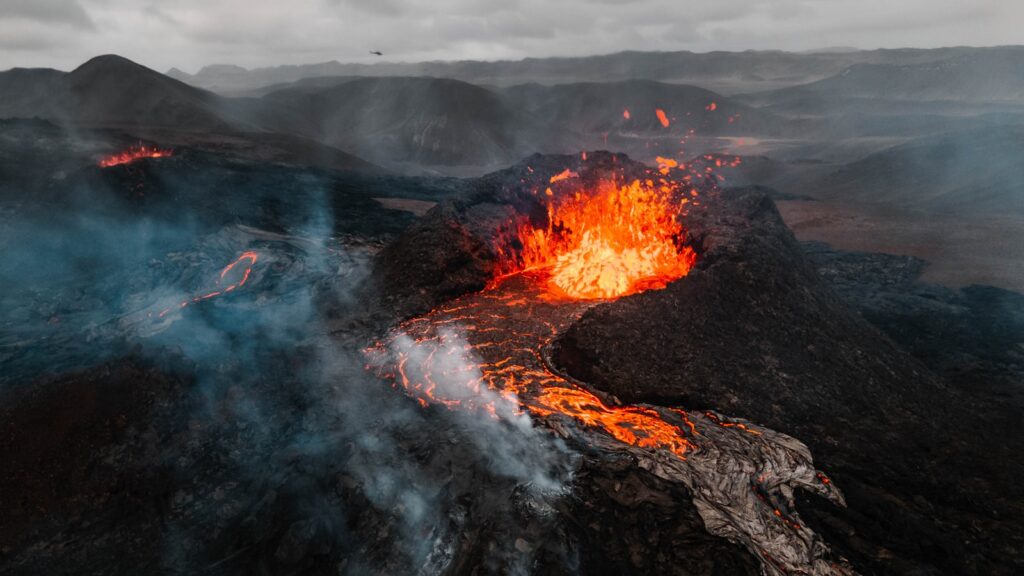
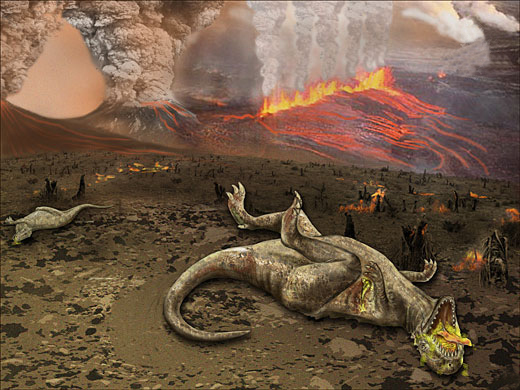
The end of the Mesozoic Era brought the simultaneous extinction of non-avian dinosaurs and pterosaurs approximately 66 million years ago during the Cretaceous-Paleogene (K-Pg) extinction event. This catastrophic mass extinction, triggered primarily by an asteroid impact in what is now Mexico’s Yucatán Peninsula, eliminated approximately 75% of all species on Earth. The impact caused immediate devastation through tsunamis, wildfires, and an impact winter as dust and debris blocked sunlight, disrupting photosynthesis and collapsing food webs worldwide. Both dinosaurs and pterosaurs, having evolved into numerous specialized forms over millions of years, lacked the adaptability to survive these rapidly changing conditions. Interestingly, while pterosaurs disappeared completely, leaving no descendants, one lineage of dinosaurs—small, feathered theropods—survived to evolve into modern birds. This differential survival pattern reminds us that extinction often has complex patterns, with some groups completely disappearing while others persist through adaptations that prove unexpectedly valuable during catastrophic events.
Modern Scientific Understanding and Ongoing Research

Our understanding of both dinosaurs and pterosaurs continues to evolve rapidly through new fossil discoveries and advanced research methodologies. Modern paleontology now employs sophisticated technologies like CT scanning, which allows researchers to examine internal structures of fossils without damaging them, revealing previously unknown anatomical details. Biomechanical modeling helps scientists understand how these animals moved, flew, and functioned by applying engineering principles to fossil evidence. Advances in geochemistry enable researchers to analyze isotopes in fossil bones and teeth, providing insights into diet, metabolism, and environmental conditions. Genomic studies of modern birds as living dinosaurs offer perspectives on dinosaur biology impossible to determine from fossils alone. For pterosaurs, ongoing discoveries of exceptionally preserved specimens with soft tissues, particularly from Brazilian and Chinese formations, have revolutionized our understanding of their wing structures, body covering, and ecology. These scientific advances continue to refine the evolutionary relationships between dinosaurs and pterosaurs while also painting increasingly detailed pictures of how these fascinating animals lived, moved, and interacted with their ancient environments.
Conclusion
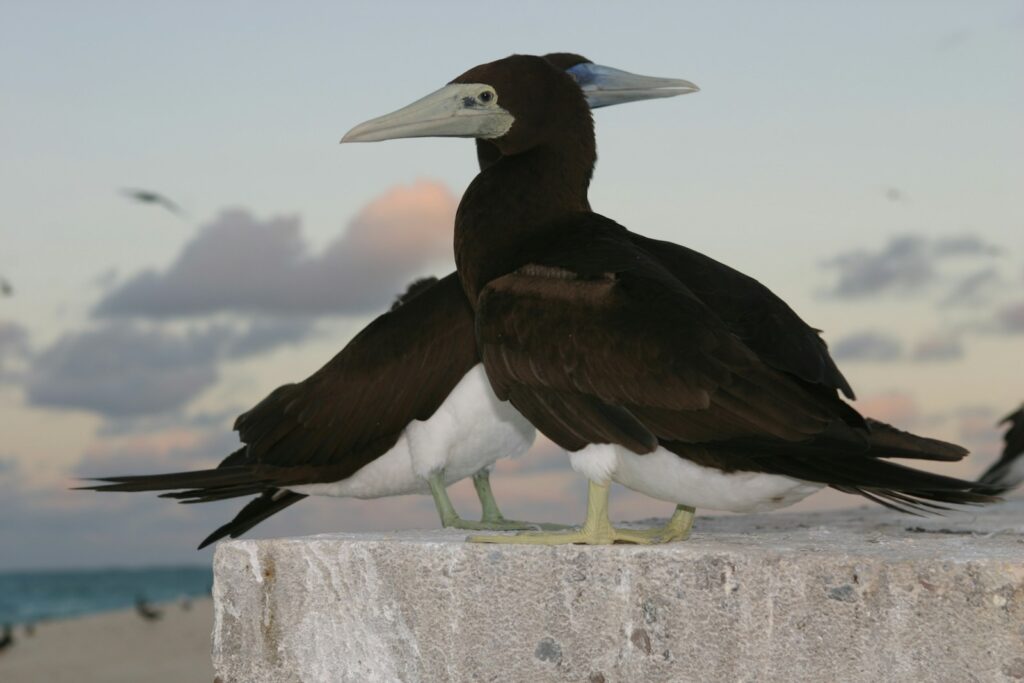
While dinosaurs and pterosaurs coexisted during much of the Mesozoic Era and superficially might seem similar to the untrained eye, they represent fundamentally different branches of reptile evolution with distinct anatomical features and ecological adaptations. Dinosaurs conquered land environments with their upright posture and diverse specializations, eventually giving rise to birds, while pterosaurs mastered the skies through unique wing structures supported by elongated finger bones. Understanding the differences between these prehistoric groups enriches our appreciation of evolutionary history and the diverse paths that adaptation can take. Rather than diminishing either group by conflating them, recognizing their distinct evolutionary achievements allows us to marvel at the remarkable diversity of life that has inhabited our planet across deep time.