
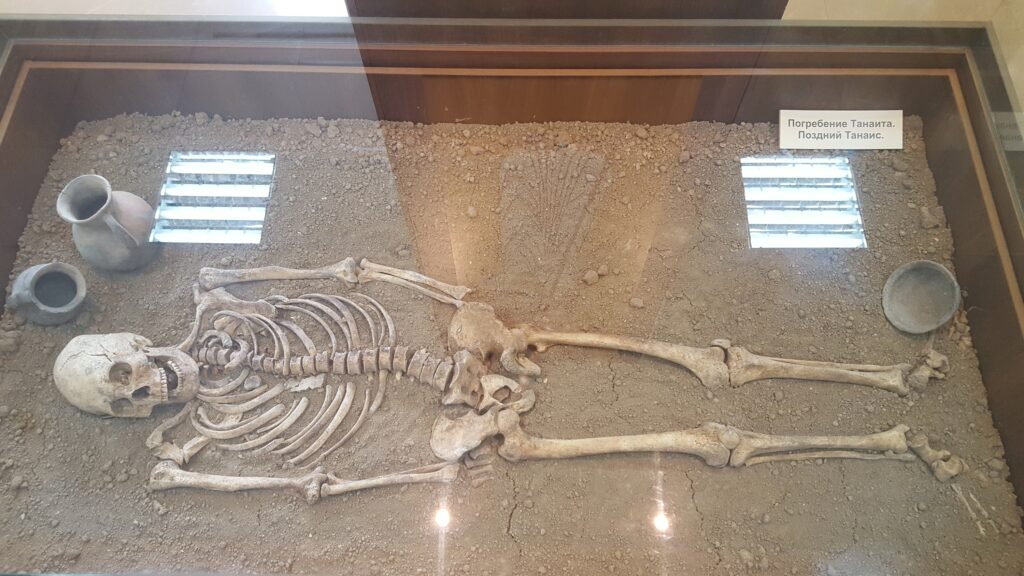
Walk through any old cemetery and you feel it immediately: love, regret, fear, hope, all pressed into stone and soil. Now stretch that feeling back tens of thousands of years and ask a deceptively simple question: when did humans first start missing the dead? It sounds like there should be a clear origin story, a first grave where grief suddenly switched on. The reality is stranger, subtler, and far more fascinating.
Archaeology has uncovered burials older than most written myths, skeletons dusted with red ochre, bodies curled like sleepers, and graves packed with tools and ornaments. These finds whisper that something deeply emotional was happening. But bones cannot literally tell us what anyone felt. So we stand at the edge of time, reading gestures carved into earth and stone, trying to decide which were driven by raw survival and which by the ache of absence.
The First Graves: Practical Disposal or Painful Farewell?
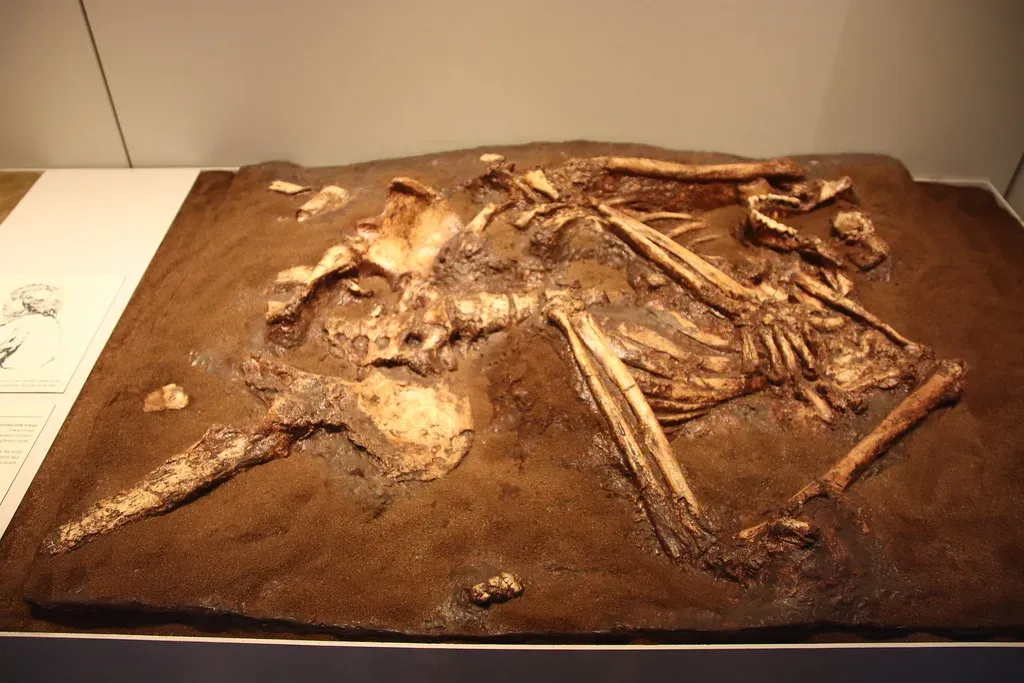
One of the most surprising things about early burials is how ambiguous they are. A body placed in a pit could signal respect for the dead, fear of disease, an attempt to deter scavengers, or all of these at once. Archaeologists have unearthed some of the earliest known intentional burials in places linked to both early Homo sapiens and our cousins like Neanderthals, and the care taken to place bodies suggests that death was not treated as simple trash removal.
But here’s the problem: intention is not preserved in the soil. A carefully positioned skeleton might reflect spiritual beliefs or just careful packing to make the body fit. Even the presence of grave goods, such as tools or ornaments, could mean the living believed the dead needed them in another world, or it might show that burying belongings was a way to protect or redistribute resources among the living. When we ask whether this means people were missing the dead, we are really asking how far practical concerns can overlap with emotional ones.
Neanderthals and the Question of Shared Grief
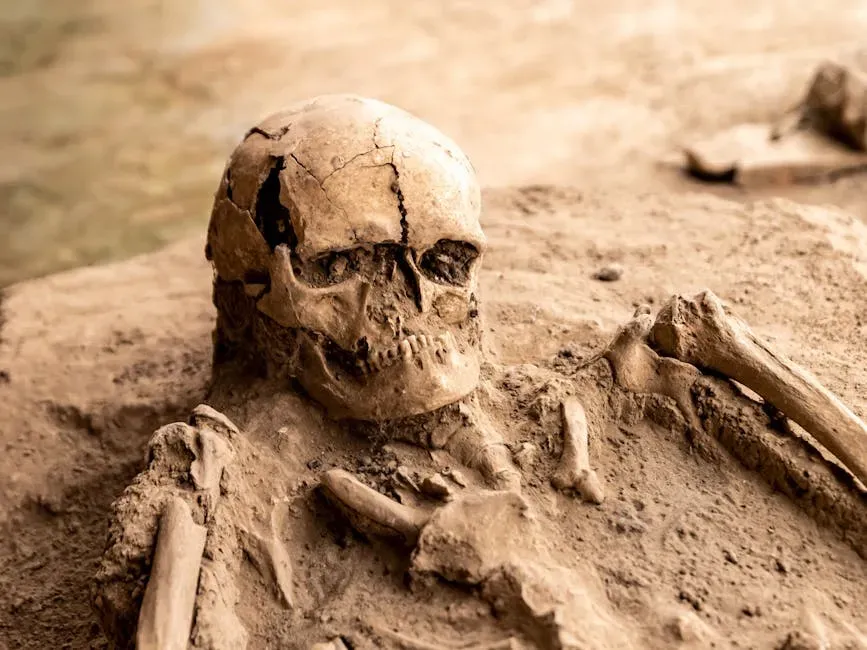
The idea that Neanderthals buried their dead with care once shocked researchers because it suggested that deep emotional lives might not belong to our species alone. Some sites associated with Neanderthals show bodies placed in what look like dug pits, sometimes with animal bones or objects nearby. This has often been read as evidence that they, too, recognized death as something more than a random event.
Yet the debate is far from settled. Some archaeologists argue that what look like graves may simply be natural depressions where bodies ended up, preserved by chance rather than design. Others point out that even if burials were intentional, we still do not know if Neanderthals were mourning in a way that matches our own grief. The very possibility that they did, though, forces us to widen our picture of who might have felt the sting of losing a loved one long before our species took center stage.
Homo Sapiens and Symbolic Burials: When Meaning Multiplies
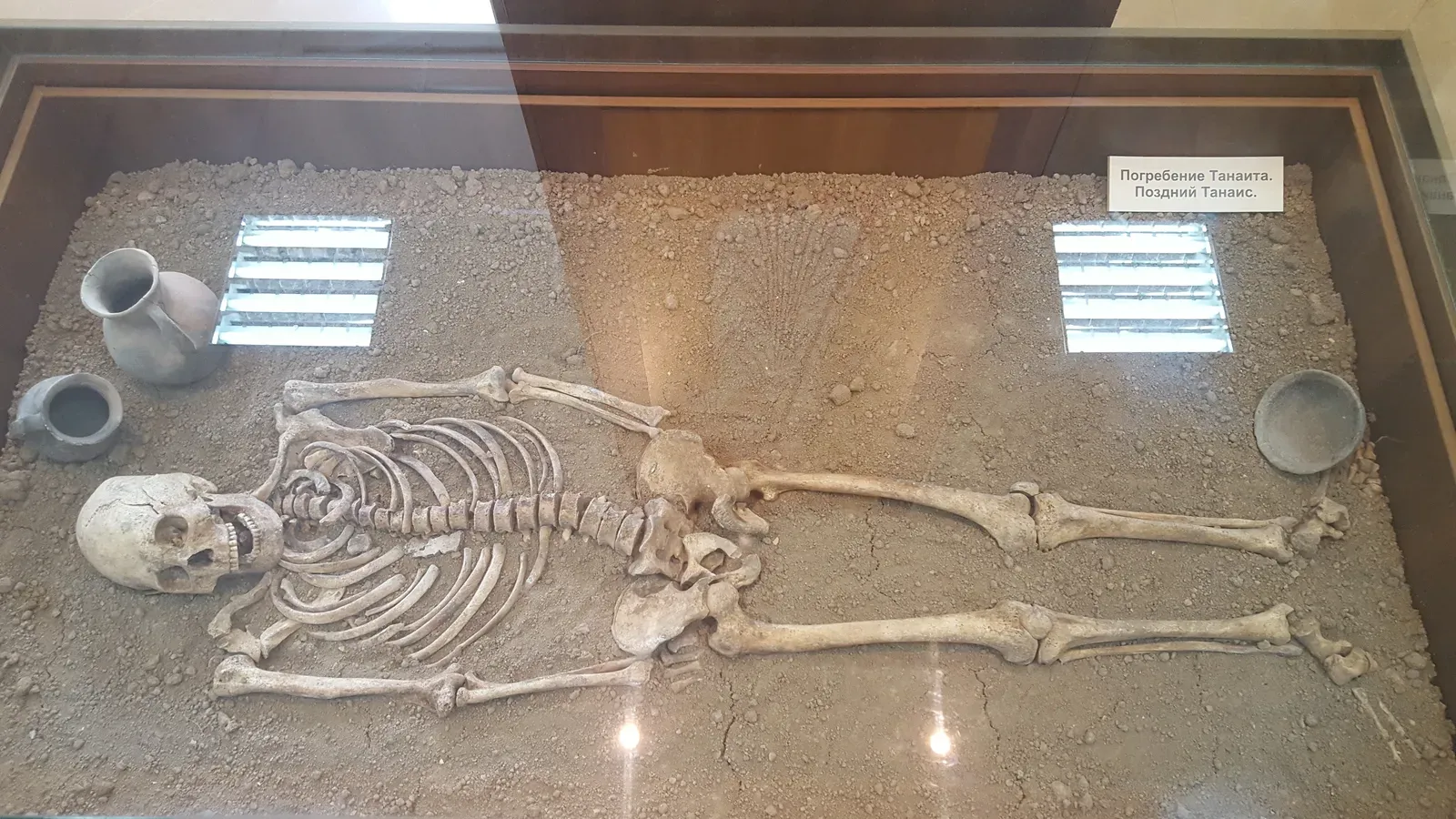
When anatomically modern humans arrive on the scene in the archaeological record, something clearly begins to change in the material traces of death. Graves become more elaborate, with bodies sometimes heavily decorated, arranged with care, and surrounded by objects that were not useful in any obvious practical sense. These burials hint at symbolism, ritual, and stories told about what happens after the final breath.
Symbolic thinking opens the door for a new kind of missing: not just reacting to an immediate loss, but weaving that loss into a narrative about ancestors, spirits, or an afterlife. When a person is buried with objects that took many hours to craft, it suggests they mattered to their community in a lasting way. Still, symbolism does not automatically equal sorrow. Rituals may comfort the living, establish group identity, and express belief without telling us exactly what any one person felt at the edge of a grave.
Grave Goods, Red Ochre, and the Language of Care
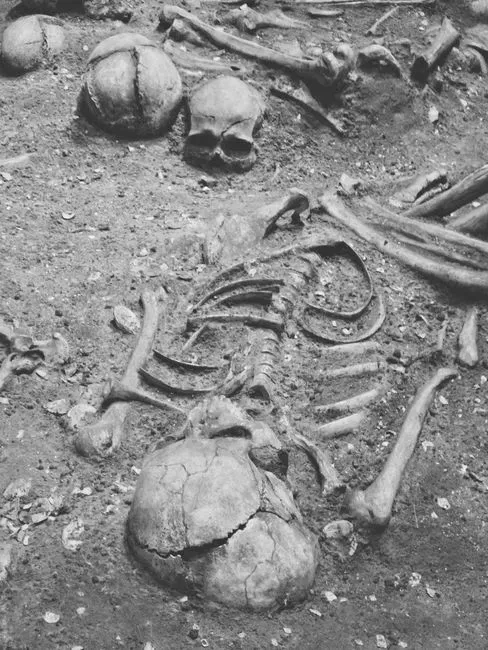
At many early human burial sites, archaeologists find red ochre sprinkled over bodies or surrounding the grave. This pigment does not feed anyone or protect crops; its use suggests beauty, symbolism, or some blend of both. In some cases, bodies are accompanied by beads, carved items, or carefully placed animal remains, turning a simple burial into something that looks like a deliberate ceremony.
For a modern observer, these gestures look like love made visible: painting the dead, surrounding them with meaningful objects, almost like packing a suitcase for a journey. But we must resist the urge to simply project our own feelings backward. These practices might also have been about protecting the living from the power of death, marking social status, or reinforcing myths that held a group together. The presence of care in the arrangement is clear; the exact emotional flavor of that care remains hard to pin down.
Grief Without Graves: The Invisible Side of Missing the Dead
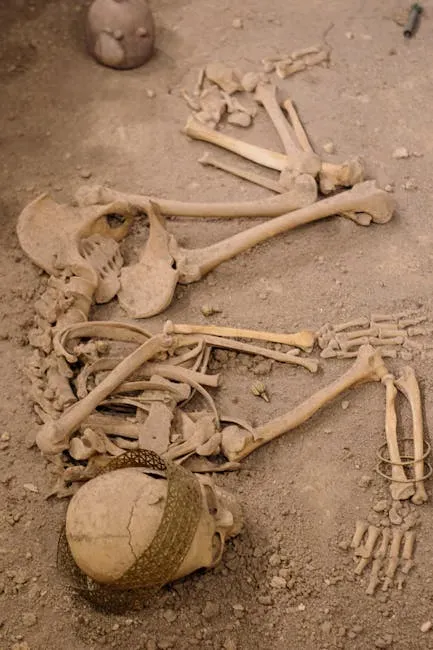
One of the biggest traps in this whole question is equating grief with formal burial. Many past communities likely left bodies on the landscape, in trees, on platforms, or exposed to animals and the elements. In such cases, grief could have been intense, communal, and carefully ritualized, but it would leave almost no archaeological trace. If we only look for pits and bones, we risk mistaking absence of graves for absence of emotion.
This matters because it reminds us that missing someone is primarily a mental and social experience, not a material one. A group could talk to their dead, dream about them, sing songs about them, and feel torn apart by their loss, all without building a single permanent structure or digging a single deep grave. Archaeology, powerful as it is, can only ever show us the physical shadow cast by those feelings, never the feelings themselves.
The Cognitive Leap: Imagination, Time, and the Pain of Absence
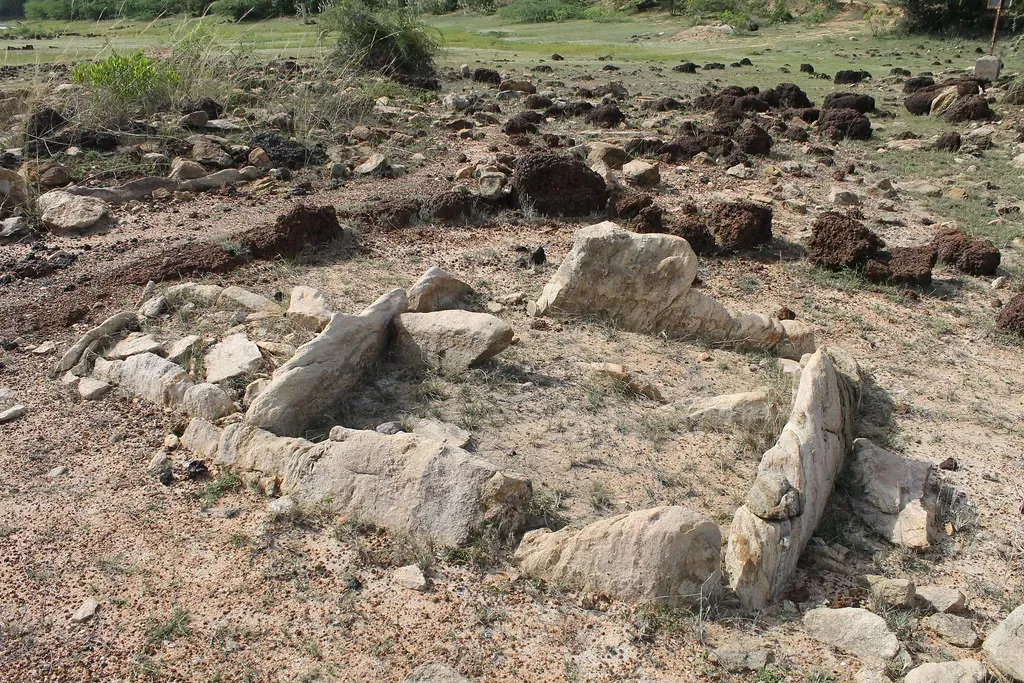
To miss someone, you need more than just social bonds; you need imagination and a sense of time. You have to understand that a person once here is now gone, and yet somehow still present in memory. As human brains evolved to handle more complex planning, storytelling, and social networks, they also became more capable of replaying interactions and anticipating futures that would never happen. That mental upgrade is a blessing and a curse.
Some researchers argue that once humans developed the ability to think in terms of long-term relationships and to imagine alternative realities, grief was almost inevitable. The stronger the ability to picture what could have been, the sharper the pain when it never will be. Archaeological signs of long-distance social ties, shared symbols, and coordinated rituals all point to minds that could sustain these deep, time-stretched connections. But pinning down the exact moment when that cognitive leap turned into genuine, reflective missing is beyond the reach of any shovel.
Why We Still Cannot Circle a Date on the Timeline
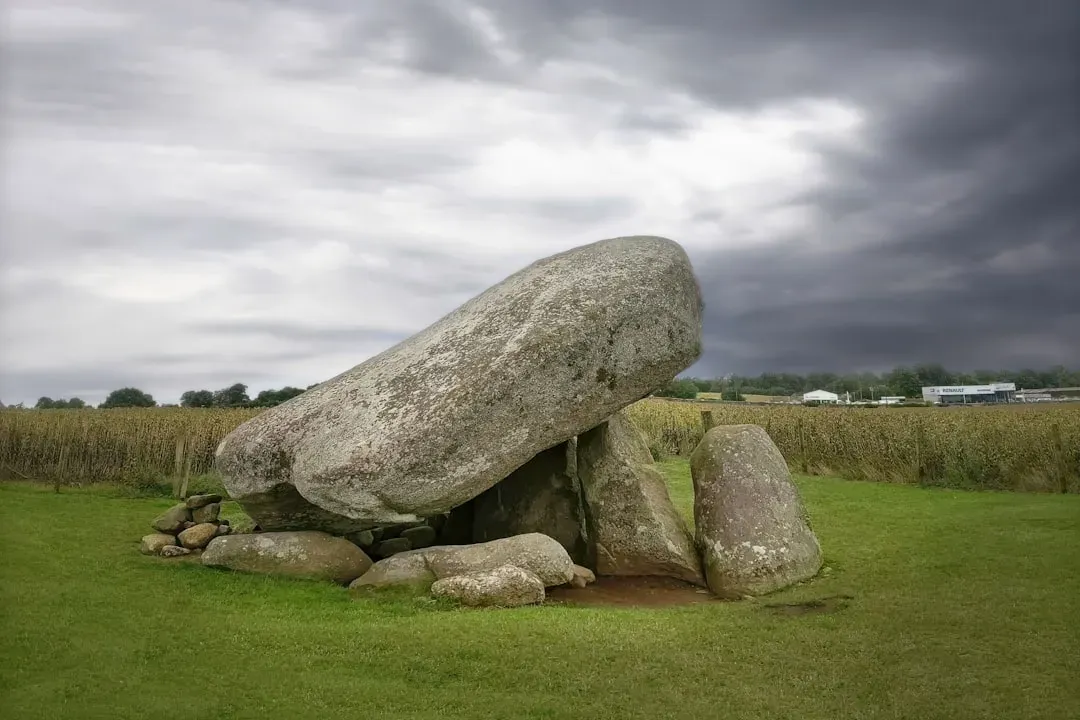
It is tempting to want a clear breakthrough moment: a specific site where archaeologists can say that here, finally, humans started missing their dead. The evidence simply does not cooperate. What we see instead is a messy, overlapping pattern of practices that suggest concern for the dead emerging in different forms in different groups, sometimes intensifying, sometimes fading, always shaped by local beliefs and needs.
The line between practical disposal, ritual, and emotional longing is blurry, and it has probably always been that way. A burial might simultaneously keep predators away, honor a person’s status, and soothe heartbreak. Asking for a single origin point for missing the dead is a bit like asking when jokes first became funny: the elements build slowly, reinforce each other, and cross species and cultures. The desire for a neat date tells us more about our need for tidy stories than it does about the reality of ancient emotion.
What Our Search for an Answer Reveals About Us
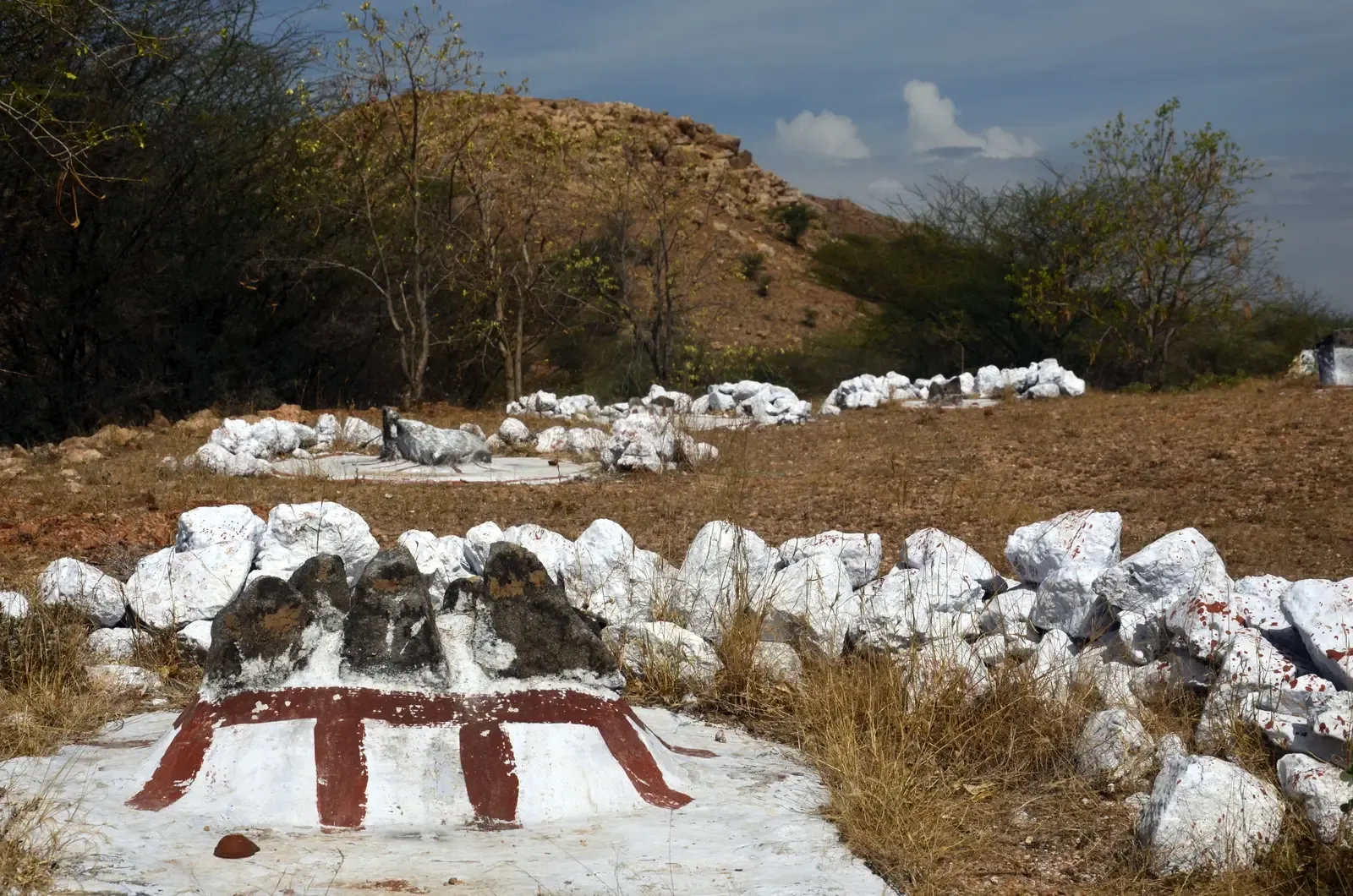
In the end, the question of when humans began missing the dead might be less revealing about prehistory and more revealing about the present. We want to know if people far behind us on the timeline loved like we do, suffered like we do, and told themselves the same kinds of stories to make sense of loss. When we peer into old graves, we are also quietly asking whether love and grief are fundamental to being human or just passing cultural habits.
My own view is that the impulse to miss the dead is baked deeply into the kind of social, imaginative creatures we are, and that as soon as our ancestors could recognize individuals and remember them across time, they were capable of that ache. Archaeology cannot stamp an official date on the birth of grief, and it never will. But the scattered traces it gives us – careful burials, symbolic gestures, evolving rituals – are enough to say that missing the dead has probably been with us for as long as we have really been ourselves. When you think about the first person who ever lay awake replaying a lost voice in their mind, would you guess they lived recently, or that they stood under a completely different sky, thousands of generations ago?