Paleontology, the study of ancient life through fossils, relies heavily on the principles of stratigraphy and geological context to determine the age and original location of specimens. However, occasionally scientists discover fossils that appear to be “out of place” – either geographically distant from where they would be expected or seemingly from the wrong period. These anomalous findings challenge existing scientific models, spark controversy, and sometimes lead to groundbreaking revisions in our understanding of Earth’s history. While some cases represent genuine scientific mysteries, others have more mundane explanations or have been misrepresented. Let’s explore this fascinating aspect of paleontology that continues to intrigue both scientists and the public.
The Principle of Superposition and Why Context Matters
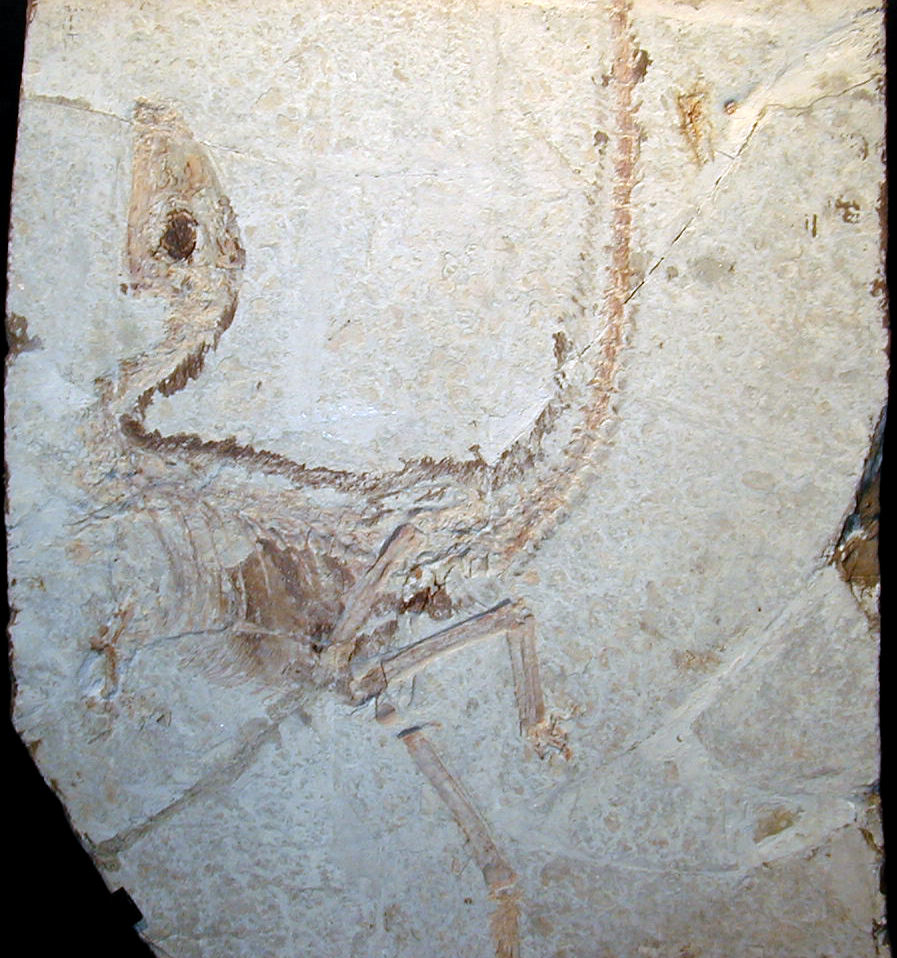
When studying fossils, scientists rely on fundamental geological principles to determine their age and significance. The principle of superposition, established by Nicolas Steno in the 17th century, states that in undisturbed rock layers, the oldest strata lie at the bottom while newer layers accumulate above. This principle forms the backbone of relative dating in paleontology and geology, allowing scientists to establish a chronological sequence of fossils. When fossils appear in unexpected layers, it raises immediate questions about either the accuracy of existing models or the potential disruption of the geological record. Context is crucial because a fossil’s scientific value isn’t limited to the specimen itself but extends to its relationship with surrounding sediments, other fossils, and geological formations. Without proper context, even the most spectacular fossil discovery loses much of its scientific significance, similar to how an archaeological artifact becomes less informative when removed from its original setting.
Geological Processes That Can Displace Fossils
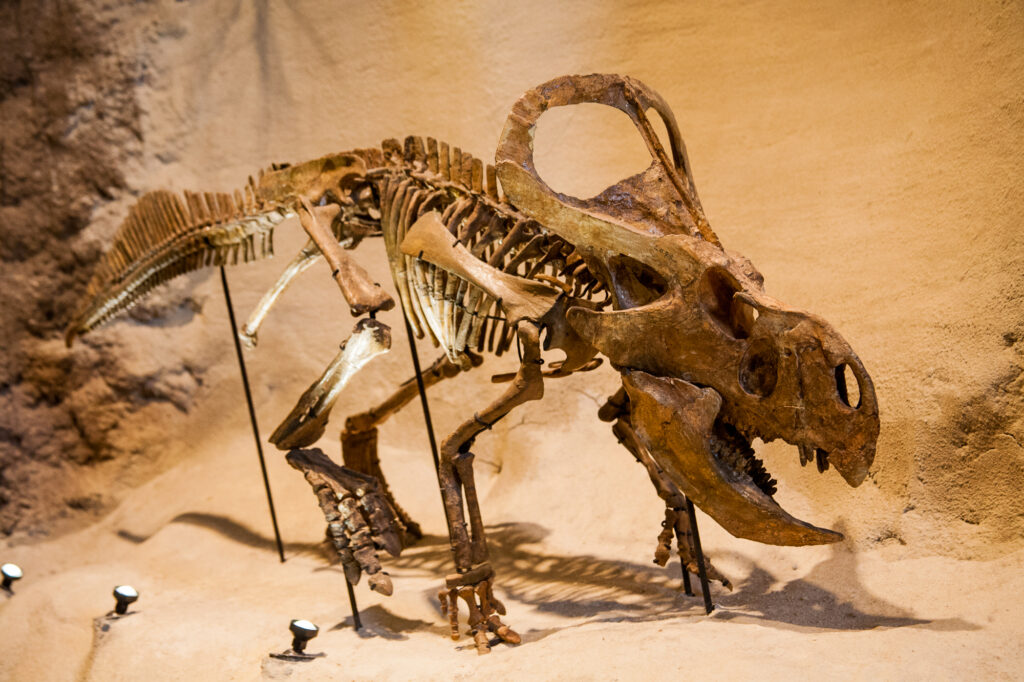
Several natural geological processes can move fossils from their original positions, creating the appearance of anomalous placement. Erosion can expose ancient fossils at the surface, potentially allowing them to be redeposited in younger sediments. Tectonic activity, including faulting and folding, can dramatically disrupt rock layers, sometimes inverting entire sequences and making older fossils appear to be stratigraphically above younger ones. Glacial transport represents another significant displacement mechanism, as advancing ice sheets can pick up fossiliferous rocks and deposit them hundreds of miles away from their source. Landslides and mass wasting events can similarly displace large volumes of fossil-bearing rock. Rivers and streams continuously erode, transport, and redeposit sediments, creating what geologists call “reworked fossils” when older specimens become incorporated into newer sedimentary deposits. Understanding these processes helps paleontologists differentiate between genuinely anomalous fossils and those that have simply been relocated by Earth’s dynamic systems.
Famous Cases of Temporally Misplaced Fossils

Throughout paleontological history, several notable cases of temporally misplaced fossils have generated scientific debate. The Paleocene dinosaur controversy emerged when dinosaur fossils were reportedly found in Paleocene rocks, suggesting some dinosaurs survived the end-Cretaceous extinction event. Careful analysis later revealed these were likely reworked fossils eroded from older Cretaceous layers. The “Precambrian rabbit” represents a hypothetical example often cited in discussions of evolutionary theory – finding such a fossil would indeed challenge current understanding, as mammals evolved hundreds of millions of years after the Precambrian era. Polystrate fossils, particularly tree trunks that extend through multiple rock layers, have been misinterpreted by some as evidence against conventional geological timescales, though geologists explain these as the result of rapid burial followed by continued sedimentation. The Cambrian “Explosion” initially appeared to show complex animals appearing without predecessors, though subsequent discoveries have revealed a more gradual evolutionary development. These cases demonstrate how apparent temporal anomalies often lead to refined understanding rather than overturning established science.
Geographical Puzzles: Continental Drift and Fossil Distribution
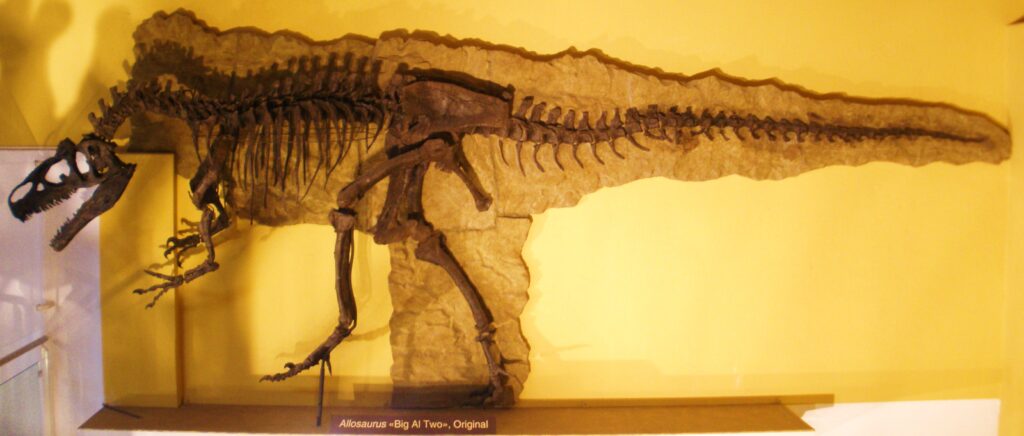
The distribution of fossils across continents initially presented perplexing geographical puzzles that seemed impossible to explain. The discovery of identical Glossopteris plant fossils across South America, Africa, India, Antarctica, and Australia played a pivotal role in validating Alfred Wegener’s continental drift theory. Similarly, finding fossils of the same Mesozoic reptiles on continents now separated by vast oceans provided compelling evidence that these landmasses were once connected. The case of Lystrosaurus, a tusked herbivorous reptile whose fossils appear across modern-day Africa, Antarctica, and India, strengthened the concept of the supercontinent Pangaea. Before plate tectonic theory gained acceptance in the mid-20th century, paleontologists struggled to explain these distributions, sometimes proposing now-discredited land bridges or parallel evolution. Today, paleobiogeography—the study of the geographical distribution of organisms through geological time—relies heavily on our understanding of continental drift to explain fossil patterns that would otherwise appear anomalous. This field demonstrates how initially puzzling fossil distributions ultimately provided some of the strongest evidence for one of geology’s most revolutionary theories.
Human Activity and Fossil Displacement

Human activities have significantly contributed to fossil displacement throughout history, creating potential confusion for future researchers. Ancient civilizations collected and traded fossils long before modern paleontology emerged, with evidence suggesting Roman, Chinese, and Native American cultures all recognized and valued these stone remnants. Archaeological sites often contain fossils brought from distant locations for decorative, medicinal, or religious purposes. The Victorian fossil trade represented a particularly active period of fossil displacement, with commercial collectors sometimes deliberately misrepresenting the provenance of specimens to increase their value. Even in modern times, the illegal fossil trade continues to separate specimens from their original contexts, with poachers often deliberately falsifying location data to protect their collection sites. Scientific expeditions themselves have occasionally contributed to confusion through poor record-keeping or mislabeling. These human-caused displacements create significant challenges for researchers attempting to establish accurate biogeographical and temporal distributions, highlighting the critical importance of maintaining detailed provenance records for all fossil specimens.
The Lazarus Effect: Species That Reappear in the Fossil Record

The Lazarus effect, named after the biblical figure raised from the dead, describes the phenomenon of taxa disappearing from the fossil record for significant periods before reappearing in younger rocks. This pattern creates the impression of species that have “returned from extinction,” though the more likely explanation involves gaps in preservation. The coelacanth represents perhaps the most famous example—this fish was thought extinct for 65 million years until discovered living in the Indian Ocean in 1938, demonstrating how incomplete fossil records can be. Numerous other organisms exhibit this pattern, including the Metasequoia (dawn redwood), known only from fossils until living specimens were discovered in China in the 1940s. The Wollemi pine, discovered in Australia in 1994, was previously known only from 90-million-year-old fossils. These Lazarus taxa aren’t truly “out of place” fossils but rather highlight preservation biases in the fossil record, particularly for species with small populations or living in environments with poor fossilization potential. The existence of these “living fossils” reminds paleontologists that the absence of evidence isn’t necessarily evidence of absence, encouraging caution when declaring extinct lineages and interpreting gaps in the fossil record.
Pseudoscience and Misinterpreted Fossils

The field of out-of-place fossils has unfortunately attracted numerous pseudoscientific claims that misinterpret genuine findings or promote outright fabrications. The infamous “Piltdown Man,” a purported missing link between humans and apes discovered in England in 1912, represents one of the most notorious scientific hoaxes, combining a human skull with an orangutan jawbone that fooled experts for decades. The “Ica stones” of Peru, depicting humans alongside dinosaurs, have been conclusively shown to be modern carvings despite claims they represent ancient artifacts. Supposed human footprints alongside dinosaur tracks in the Paluxy River bed of Texas have been thoroughly debunked, with detailed analysis revealing them to be erosional features or altered dinosaur prints. Creationists frequently cite these and similar examples as evidence against evolutionary timescales, while ignoring the scientific explanations. The “OOPArt” (Out-Of-Place Artifact) phenomenon extends beyond fossils to include supposedly anachronistic technologies, most of which have conventional explanations when properly examined. These pseudoscientific claims persist partly because genuine scientific anomalies do occasionally emerge, though careful investigation typically resolves them within the established framework of geological time rather than overturning it.
The Mystery of the London Hammer
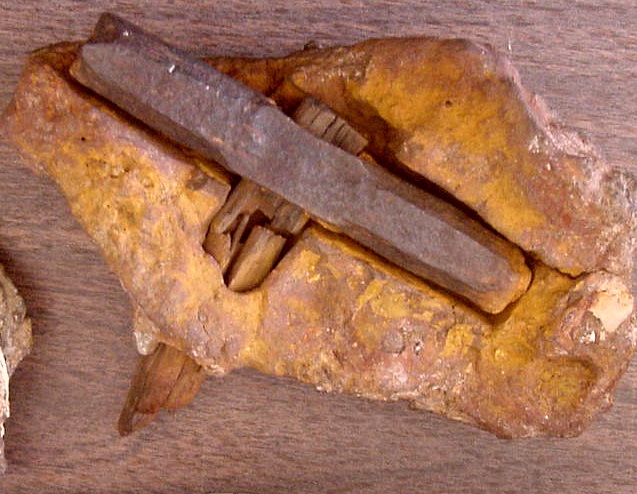
The London Hammer (also called the “London Artifact”) represents one of the most frequently cited examples of an allegedly anomalous discovery. This ordinary hammer with a wooden handle was reportedly found encased in a limestone concretion near London, Texas, in the 1930s. Some creationists have claimed the hammer must be millions of years old based on its encasement in “ancient” rock, suggesting it contradicts conventional geological timescales. However, geologists explain that limestone concretions can form relatively quickly under the right conditions, sometimes in just decades rather than millions of years. The hammer itself appears to be of relatively recent, post-industrial design, consistent with 19th-century tools. No systematic excavation or professional documentation occurred at the time of discovery, severely limiting any scientific conclusions that can be drawn about its context. The lack of any verifiable stratigraphic information makes it impossible to establish the hammer’s relationship to the surrounding geology. This case illustrates how finds lacking proper archaeological or geological documentation become fertile ground for speculation, while highlighting the importance of professional field methods in establishing the true significance of unusual discoveries.
Biogeographical Range Expansions and Climate Change
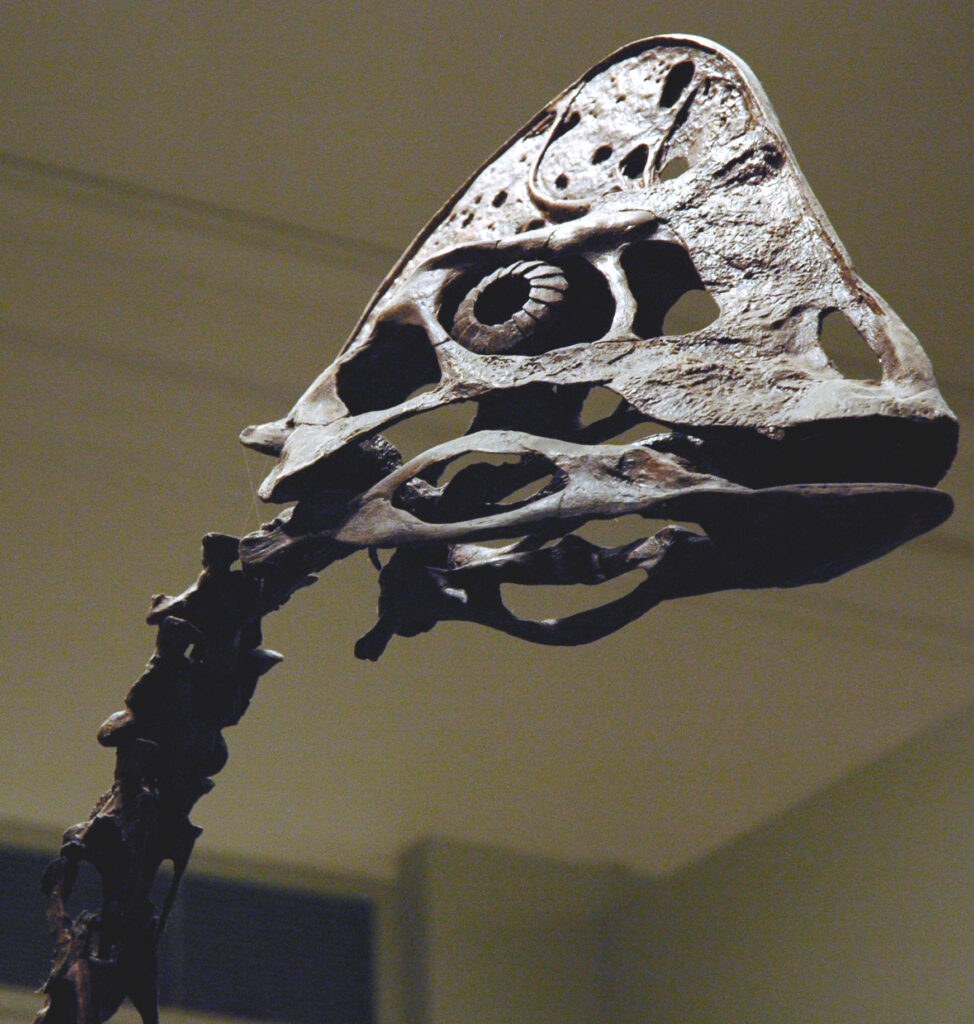
Fossil discoveries sometimes appear geographically anomalous when found outside a species’ known historical range, but these cases often reveal important information about past climate conditions and animal migrations. Hippo fossils discovered in the British Isles, dating to interglacial periods, indicate dramatically warmer climates in regions now considered temperate or cool. Similarly, reindeer remains found in southern France demonstrate how species adapted to cold environments once inhabited much more southerly territories during glacial periods. Fossil corals in areas now far from tropical seas provide compelling evidence of dramatic climate shifts, while ancient palm fossils in Alaska and Antarctica reveal these polar regions once supported lush forests. These out-of-place fossils represent valuable paleoclimate indicators, helping scientists reconstruct ancient environmental conditions. Rather than being anomalous, such discoveries provide crucial data points for understanding how species ranges expand, contract, and shift in response to changing environments. In our current era of anthropogenic climate change, these historical biogeographical shifts offer potential insights into how modern ecosystems might respond to warming temperatures, though the unprecedented rate of current climate change introduces significant uncertainty to such comparisons.
Challenging Findings That Changed Scientific Understanding

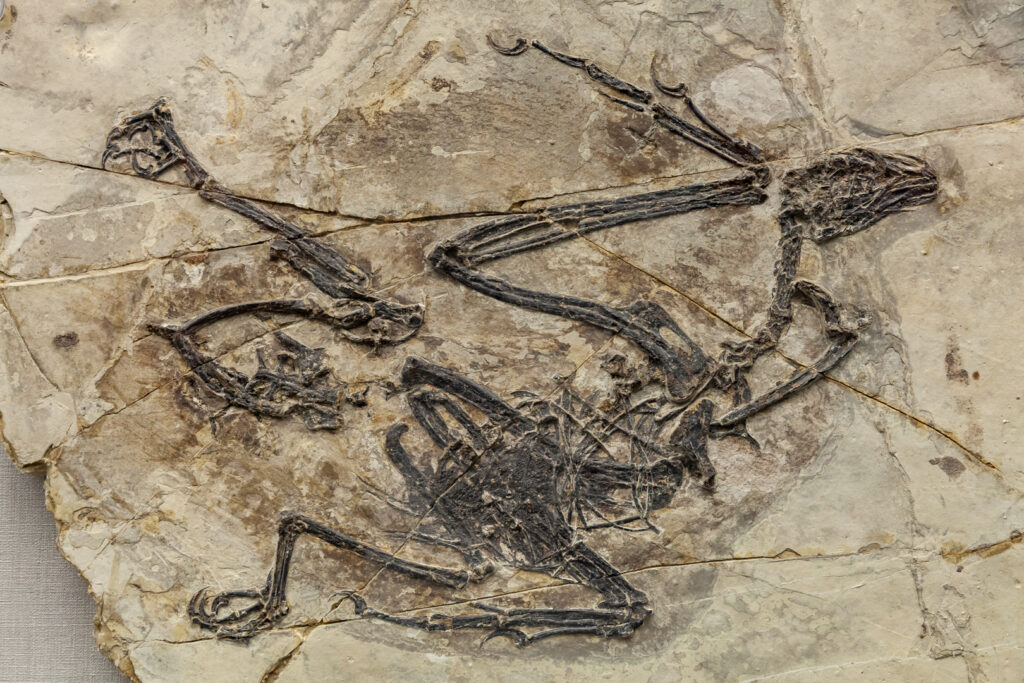
Occasionally, genuinely anomalous fossil discoveries have led to paradigm shifts in scientific understanding, demonstrating how unexpected findings drive progress in paleontology. The discovery of Tiktaalik, a transitional form between fish and tetrapods, in the Canadian Arctic represented a significant geographical expansion of where scientists looked for such fossils, previously focused primarily in Europe. Finding early whale fossils in Pakistan’s inland deserts initially seemed geographically puzzling, but ultimately provided crucial evidence for cetacean evolution from land mammals. The unexpected discovery of feathered dinosaurs in China revolutionized our understanding of dinosaur appearance and their evolutionary relationship to birds. Australopithecus sediba in South Africa and Homo floresiensis (the “Hobbit”) in Indonesia both represented hominin species found outside regions where early human ancestors were previously thought to have evolved, expanding our understanding of human evolution’s complexity. The discovery of a giant impact crater beneath the Yucatán Peninsula seemed geographically disconnected from dinosaur extinctions until scientists recognized its global consequences. These examples demonstrate how scientifically challenging discoveries, rather than being ignored or dismissed, typically stimulate research that enhances rather than undermines our understanding of evolutionary history and geological processes.
Fossil Contamination and Dating Errors

Some cases of apparently anomalous fossils can be attributed to contamination issues or errors in dating techniques rather than genuine temporal or geographical misplacements. Radiocarbon dating, while powerful, remains vulnerable to contamination from younger carbon sources, potentially making samples appear more recent than their true age. Even minute amounts of modern carbon introduced during excavation, transportation, or laboratory handling can significantly skew results, especially for very old specimens. Cross-contamination between samples in laboratory settings occasionally occurs despite careful protocols. Dating techniques based on uranium decay series face challenges from groundwater leaching, which can remove uranium from samples and result in erroneous age calculations. The reservoir effect represents another complication, particularly when dating marine organisms that may have incorporated carbon from deep ocean waters with different isotopic signatures than contemporary atmospheric carbon. These technical challenges don’t invalidate dating methods but underscore the importance of multiple, independent dating techniques and careful sample handling. When unusual results emerge, scientists typically investigate potential methodological issues before accepting findings that dramatically contradict established chronologies, illustrating how scientific skepticism operates within the field itself.
Modern Tools for Authenticating Anomalous Fossils

Contemporary paleontologists employ sophisticated analytical techniques to verify the authenticity and context of potentially anomalous fossil discoveries. Advanced imaging technologies, including CT scanning and synchrotron radiation, allow non-destructive examination of internal structures and mineral composition without damaging valuable specimens. Scanning electron microscopy enables visualization of microscopic features that might reveal weathering patterns inconsistent with claimed burial history. Stable isotope analysis provides insights into the environmental conditions under which fossils formed, potentially identifying inconsistencies with purported origins. DNA analysis, though limited to relatively recent specimens, can confirm taxonomic identifications and evolutionary relationships when ancient genetic material remains preserved. Taphonomic analysis, studying the processes affecting organisms from death to discovery, helps identify whether a specimen shows appropriate degradation patterns for its claimed age and burial environment. Rare earth element analysis can determine whether a fossil’s chemical signature matches the surrounding matrix or indicates it originated elsewhere. These powerful analytical tools, combined with traditional stratigraphic methods, create a robust framework for evaluating unusual discoveries. The application of multiple independent techniques significantly reduces the likelihood of misidentification or misinterpretation, ensuring that genuinely anomalous fossils receive proper scientific scrutiny rather than dismissal or uncritical acceptance.
The Value of Skepticism in Paleontology
Healthy scientific skepticism plays a vital role when evaluating claims of out-of-place fossils, protecting the integrity of paleontology while remaining open to potentially revolutionary discoveries. The history of science demonstrates that truly paradigm-shifting findings often initially face resistance, requiring extraordinary evidence to support extraordinary claims. This cautious approach doesn’t reflect closed-mindedness but rather maintains scientific rigor by demanding thorough documentation, multiple lines of evidence, and elimination of more conventional explanations before accepting radical interpretations. Peer review serves as a crucial filter, allowing experts to evaluate methodologies and conclusions before findings enter the scientific literature. Scientific skepticism differs fundamentally from denial or cynicism by focusing on evidence rather than preconceived notions, remaining willing to accept new ideas when sufficiently supported by data. This balanced approach has successfully distinguished genuine scientific breakthroughs from errors and hoaxes throughout paleontology’s history. The most significant advances in understanding prehistoric life have typically emerged not from isolated sensational claims but from careful accumulation of evidence that eventually necessitates revising existing models. This methodical process ensures that when scientific understanding does change, it rests on solid empirical foundations rather than spectacular but unreproducible anomalies.
Conclusion
Out-of-place fossils, whether temporally or geographically anomalous, continue to fascinate both scientists and the public. While many such cases have prosaic explanations involving geological processes, human interference, or dating errors, others have genuinely expanded our understanding of Earth’s complex history. The scientific process handles these anomalies not by dismissing them outright nor by uncritically embracing them, but through careful investigation using multiple analytical techniques. This balanced approach has repeatedly transformed apparent contradictions into valuable data points that enhance rather than undermine our understanding of evolution and geological time. As technology advances and field methods improve, previously puzzling discoveries often find explanations within existing scientific frameworks, though occasionally they necessitate significant revisions to established models. This dynamic process of questioning, testing, and refining represents science at its best—simultaneously conservative in demanding rigorous evidence yet revolutionary in its willingness to incorporate new information, regardless of how unexpected its source or implications.