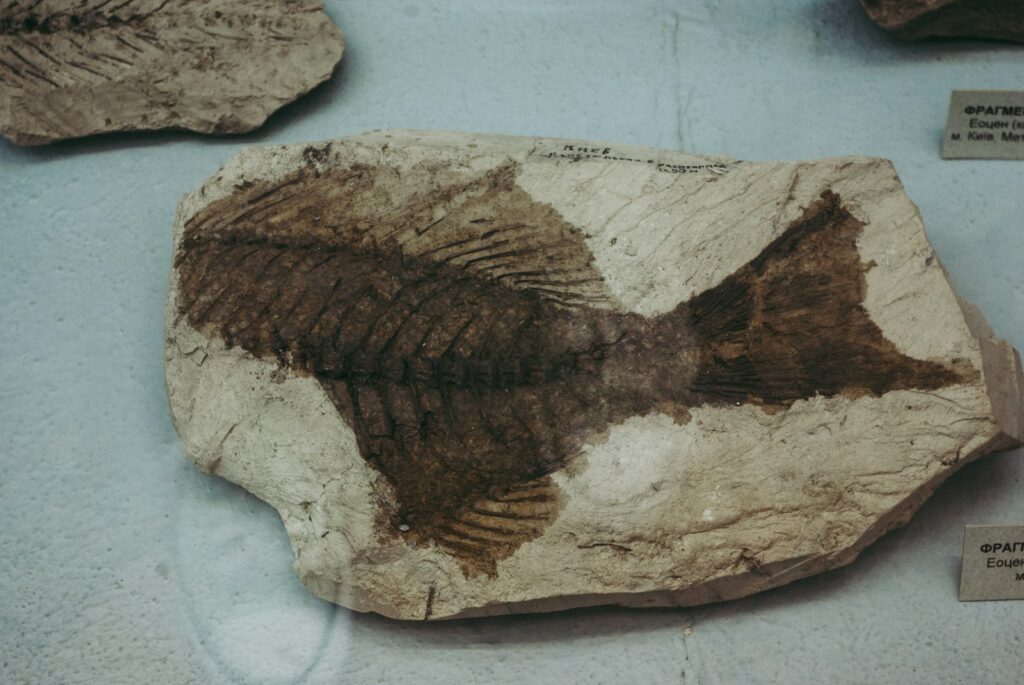
The world of paleontology sits at a fascinating intersection of scientific discovery and public wonder. For centuries, fossil discoveries have captivated our imagination and expanded our understanding of Earth’s ancient past. However, behind museum displays of complete dinosaur skeletons and prehistoric creatures lies a complex reality that many visitors don’t realize: very few fossils are found intact. The practice of reconstructing and assembling fossil specimens using adhesives and artificial materials is widespread in both scientific institutions and commercial markets.
This raises important questions about authenticity, scientific integrity, and the blurry line between legitimate restoration and fraudulent manipulation. In this exploration, we’ll examine when and why fossils are assembled from multiple pieces, how to distinguish between scientific reconstruction and deceptive practices, and what this means for both researchers and collectors.
The Reality of Fossil Preservation
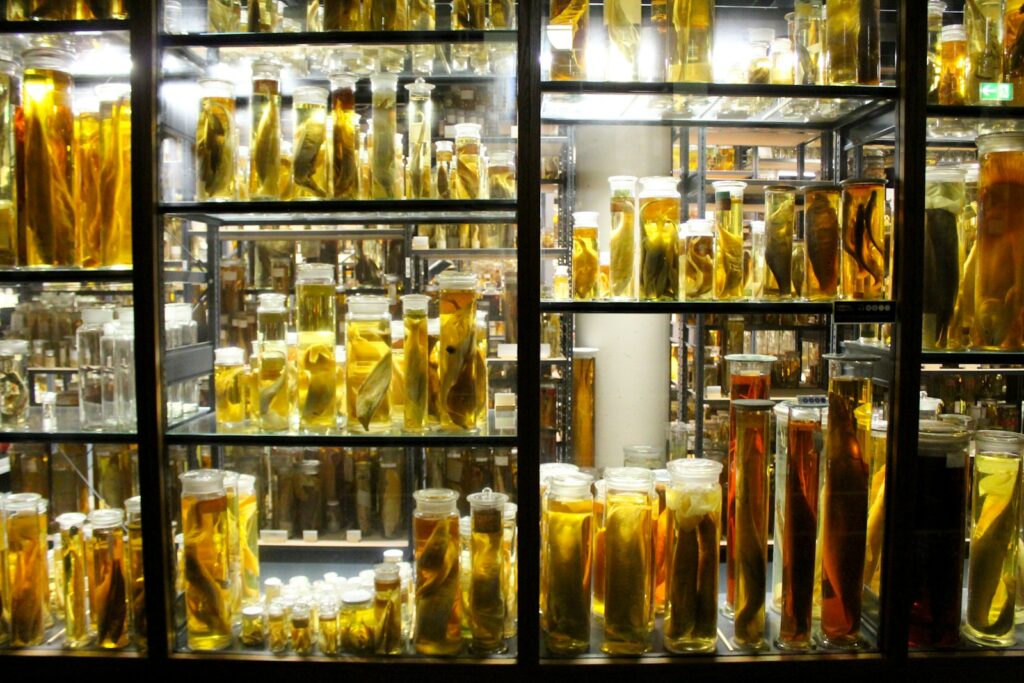
Complete, perfectly preserved fossils are extraordinarily rare in paleontology. The process of fossilization itself is highly selective, requiring specific conditions that preserve organic remains before they decompose. Even when fossilization occurs successfully, millions of years of geological processes including tectonic movements, erosion, and weathering, typically fragment specimens. When paleontologists conduct excavations, they commonly recover only portions of organisms, often scattered across dig sites.
For instance, the famous T. rex specimen “Sue” was found as hundreds of separate bones spread across a significant area. The natural fragmentation of fossils means that some form of reconstruction is almost always necessary to study or display specimens in a meaningful way. Understanding this reality is crucial for appreciating why adhesives and restoration techniques are standard practice rather than exceptions in paleontology.
Scientific Reconstruction: A Necessary Practice
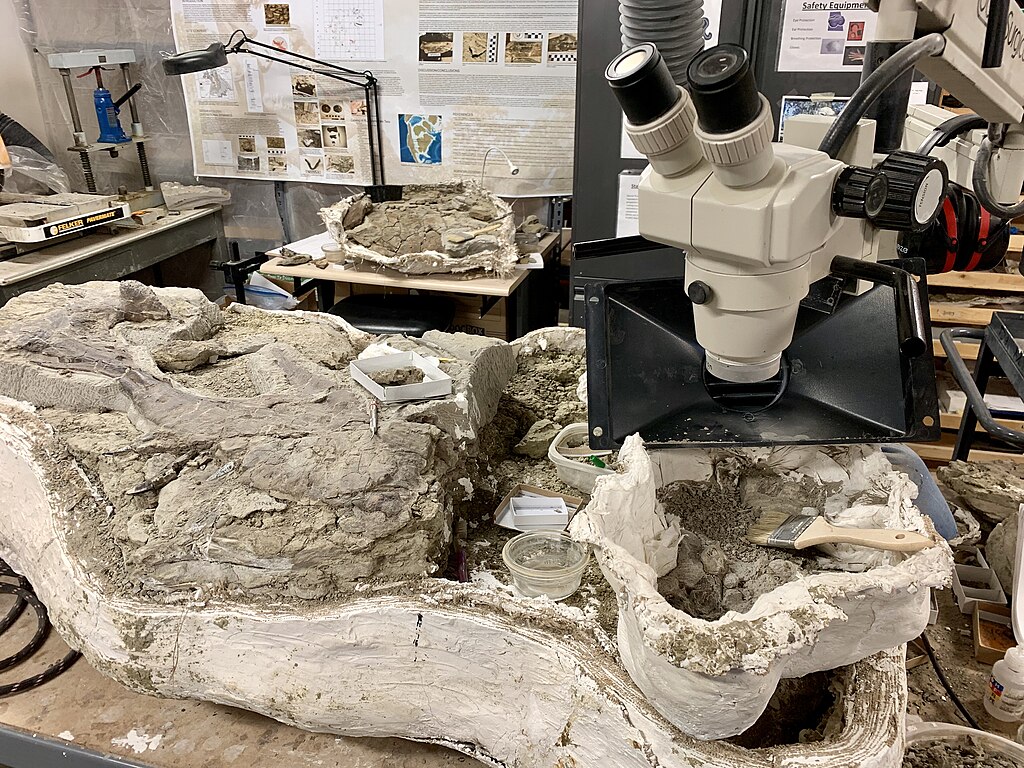
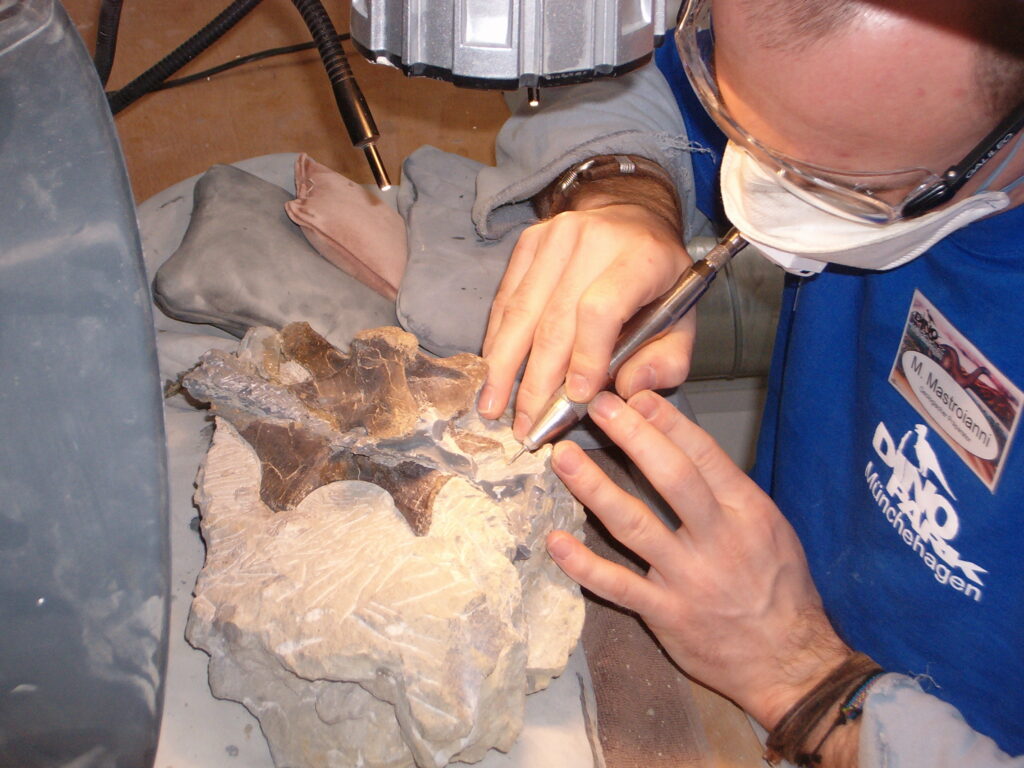
Within scientific institutions, the reassembly of fossil fragments serves crucial research purposes beyond mere display aesthetics. When paleontologists reconstruct fossils, they’re attempting to accurately represent the organism as it existed in life, which provides valuable data about anatomy, biomechanics, and evolutionary relationships. The Field Museum in Chicago, for example, employs highly skilled preparators who may spend thousands of hours carefully cleaning, stabilizing, and assembling fossil fragments using reversible adhesives and documented techniques.
These scientific reconstructions follow strict protocols that prioritize accuracy and clearly distinguish between original fossil material and any added substances. Importantly, research papers based on such specimens typically include detailed information about which parts are original and which have been reconstructed, ensuring scientific transparency. Far from being deceptive, these reconstructions represent the best efforts of scientists to recover information that would otherwise be inaccessible.
The Ethics of Fossil Preparation

Professional paleontologists adhere to ethical guidelines when preparing and reconstructing fossil specimens. These standards include using reversible adhesives that allow future researchers to separate joined pieces if necessary, as research methods improve. Conservators typically document every step of the preparation process, photographing specimens before and after treatment and maintaining detailed records of all materials used. Color-coding or otherwise marking reconstructed portions ensures that original material can be distinguished from additions.
The Society of Vertebrate Paleontology and similar organizations publish ethical guidelines that emphasize the importance of preserving scientific information over aesthetic considerations. These ethical considerations become particularly important when fossils may be studied by multiple generations of scientists, each with increasingly sophisticated analytical techniques. When done properly, ethical fossil preparation balances the need to stabilize fragile specimens with the scientific imperative to maintain the integrity of the original material.
Commercial Market Practices

The commercial fossil market operates under significantly different incentives than scientific institutions, creating contexts where deceptive practices sometimes occur. Complete specimens command dramatically higher prices than fragmentary ones, creating financial motivation to present fossils as more complete than they actually are. Some commercial dealers have been documented using extensive fillers, artificial materials, and even parts from multiple specimens or species without disclosure to create more visually appealing and valuable products.
These practices range from minor touch-ups to wholesale fabrications that significantly misrepresent the scientific value of specimens. The market for ammonites provides a telling example, where dealers regularly reconstruct missing sections of these spiral fossils to create perfect specimens that are actually composites. Unlike scientific institutions, commercial preparators may not document their work or disclose which portions are original, making authentication challenging for collectors without specialized knowledge.
Common Reconstruction Techniques

Fossil reconstruction employs a variety of techniques depending on the specimen’s condition and intended use. For preliminary assembly, reversible adhesives like polyvinyl acetate (PVA) or specialized conservation glues allow pieces to be joined while preserving the option to separate them later if needed. When fossil fragments contain gaps, preparators may fill these spaces with materials like epoxy resins, plaster, or modeling compounds that can be distinguished from the original material. More extensive reconstructions might involve creating mirror-image copies of existing parts when one side of a symmetrical specimen is better preserved than the other.
For display specimens, particularly those mounted in lifelike poses, internal armatures of metal or other materials provide structural support that prevents damage to fragile fossils. Digital technologies now also allow for virtual reconstructions and 3D printing of missing elements based on related specimens, providing new options for completing fossils without altering original material.
Identifying Authentic Versus Fraudulent Reconstructions
Several key indicators help distinguish scientifically sound reconstructions from potentially fraudulent ones. Legitimate fossil preparations typically include clear documentation about which parts are original and which have been reconstructed, often with different textures or colors marking reconstructed areas. Reputable museums and sellers willingly provide provenance information that details where the fossil was found and its preparation history. Under ultraviolet light, many modern adhesives and fillers fluoresce differently than fossil material, revealing areas of reconstruction.
Weight can also provide clues, as artificial materials often differ in density from the mineralized original fossil. Particularly suspicious signs include perfectly symmetrical specimens with no imperfections, fossils purported to be complete when such specimens are extraordinarily rare for that species, and dealers who refuse to answer specific questions about reconstruction work. Collectors should be especially cautious of specimens that seem too perfect or too inexpensive for what they claim to represent.
The “Archaeoraptor” Scandal: A Cautionary Tale
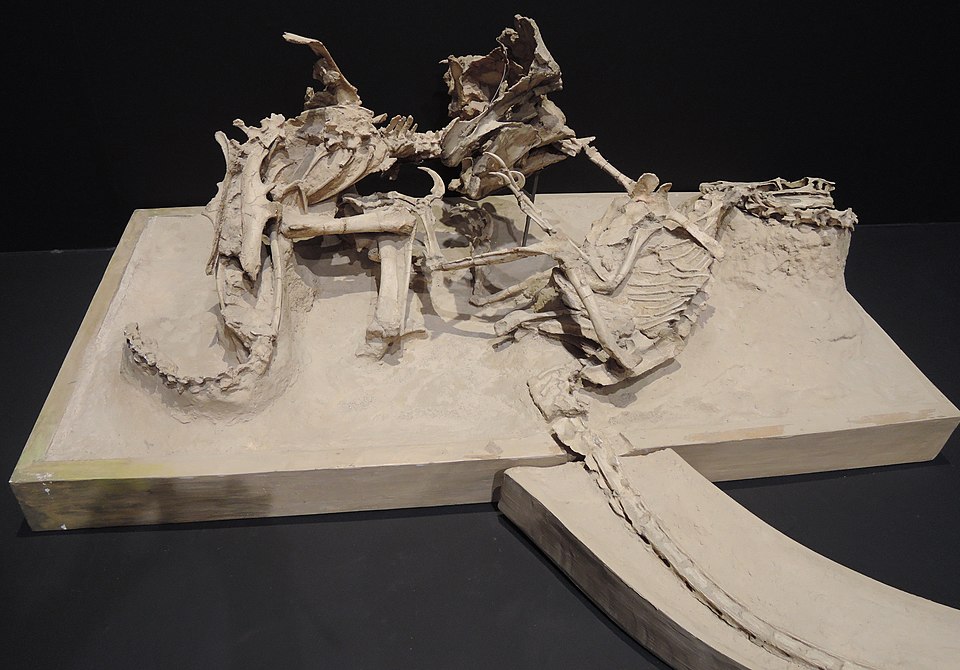
The infamous “Archaeoraptor” incident demonstrates the serious consequences of undisclosed fossil manipulation. In 1999, National Geographic published an article about a fossil supposedly representing a missing link between dinosaurs and birds, purchased from a Chinese dealer for $80,000. Subsequent investigation revealed the specimen was actually a composite created by gluing together parts from multiple fossils of different species, including a primitive bird and a small dromaeosaurid dinosaur. This deception wasn’t merely a commercial fraud but had scientific implications, temporarily misleading researchers about evolutionary relationships.
The scandal highlighted vulnerabilities in the study of commercially sourced specimens without clear provenance information. National Geographic was forced to publish a prominent retraction, damaging the magazine’s scientific credibility. The incident now serves as a powerful reminder of the importance of provenance documentation and proper examination of specimens, particularly those from commercial sources where financial incentives for fraudulent assembly exist.
Legal and Regulatory Considerations
The legal framework surrounding fossil reconstruction varies significantly between countries and contexts. In the United States, fossils found on private land generally belong to the landowner and can be legally sold, while those from public lands are protected by laws such as the Paleontological Resources Preservation Act. Countries like Mongolia, China, and Argentina have declared all fossils national patrimony, making their export illegal regardless of how they were acquired.
With regard to reconstruction specifically, most jurisdictions have no explicit regulations governing how extensively fossils can be modified, though general consumer protection laws against fraudulent misrepresentation may apply when reconstructions are sold without disclosure. Museums and academic institutions typically establish their own internal policies for ethical preparation based on professional standards rather than legal requirements. The international nature of the fossil trade further complicates enforcement, as specimens may pass through multiple countries with different regulatory approaches before reaching their final destination.
Museum Displays: What Visitors Don’t Realize

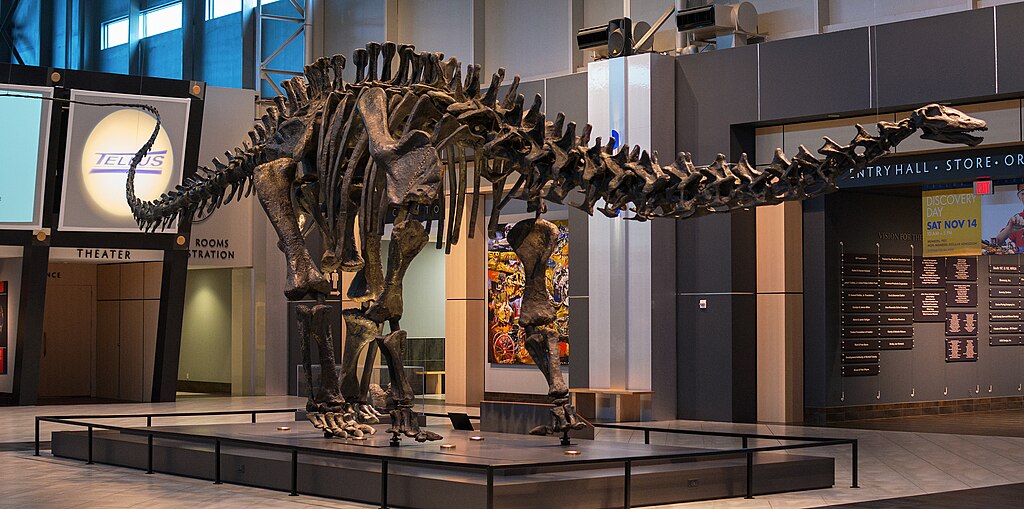
The impressive dinosaur skeletons dominating natural history museum halls present a somewhat idealized version of paleontological reality. Most museum visitors don’t realize that virtually every mounted dinosaur skeleton contains significant reconstructions, with original fossil material often comprising less than 50% of what they see. The famous Tyrannosaurus rex “Stan” at the American Museum of Natural History, for example, includes approximately 63% real fossil material, with the remainder reconstructed based on other specimens.
Museums typically mount casts rather than original fossils for displayed skeletons to protect valuable specimens while allowing dramatic, gravity-defying poses that would damage real fossils. Small plaques or display information often note these details, but visitors frequently overlook them, leading to misconceptions about completeness. Some modern museums have begun addressing this by using different colors or textures to visually distinguish original material from reconstructions, or by creating displays that explicitly show the fragmentary nature of fossil discoveries alongside completed reconstructions.
The Value Equation: How Reconstruction Affects Worth

The relationship between reconstruction and a fossil’s monetary value operates on a complex sliding scale rather than simple rules. Generally, specimens with minimal reconstruction command higher prices among serious collectors, with the premium for completeness reflecting both rarity and scientific value. However, context matters enormously—a scientifically important specimen may retain significant value despite reconstruction if the work was professionally done and well-documented.
The market shows interesting contradictions: some collectors specifically seek visually perfect specimens even knowing they contain significant reconstructions, while others value authenticity above aesthetic appeal. For investment purposes, extensively reconstructed fossils typically represent poorer long-term value, as subsequent generations of collectors increasingly prioritize authenticity.
Auction houses like Sotheby’s and Christie’s now routinely include detailed disclosure of reconstructed portions in fossil lot descriptions, reflecting growing sophistication among high-end collectors. The most valuable specimens combine rarity, scientific significance, minimal restoration, and impeccable documentation of any work that has been done.
Digital Reconstruction: The Future of Paleontology
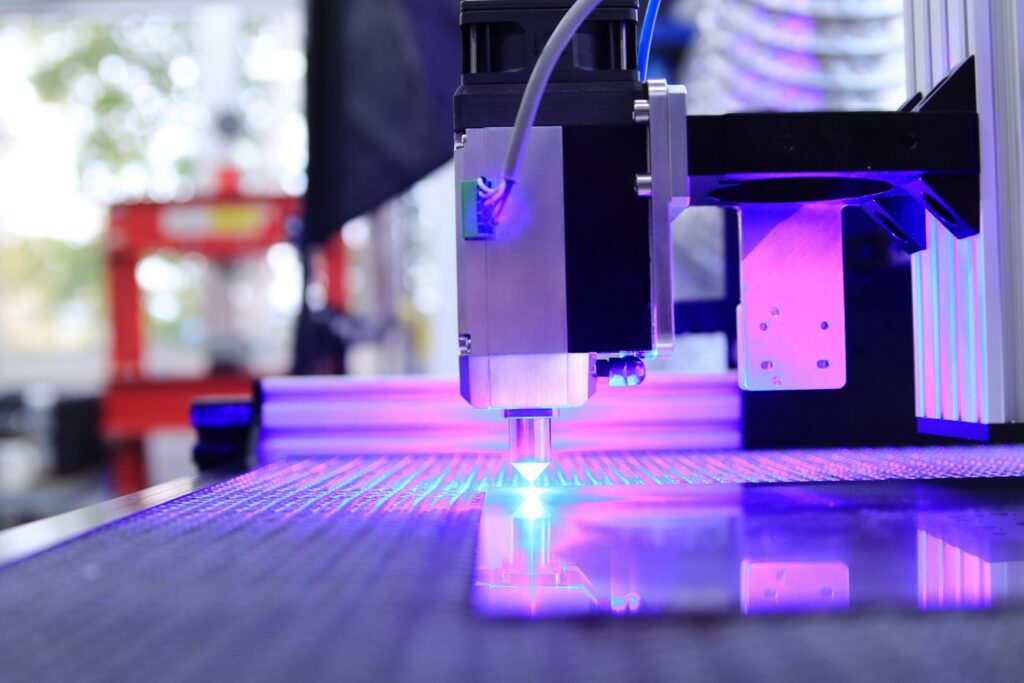
Advanced technologies are revolutionizing how scientists approach fossil reconstruction while potentially reducing ethical concerns about physical manipulation. Computed tomography (CT) scanning allows researchers to examine internal structures of fossils without damaging them, while photogrammetry creates detailed 3D models from photographs taken from multiple angles.
These digital models can then be manipulated virtually to correct distortions, fill gaps, or test assembly configurations without altering the original specimens. Museums increasingly create digital repositories of their collections, allowing researchers worldwide to study fossils virtually and potentially identify matches between fragments held in different institutions.
3D printing technology enables the creation of physical replicas based on these digital reconstructions, satisfying display needs without risking original material. Perhaps most importantly, digital reconstruction methods create permanent records of exactly what was done, providing unprecedented transparency. As these technologies become more accessible, they may establish new standards for non-invasive fossil study that preserve specimens in their found state while still enabling comprehensive analysis.
Best Practices for Fossil Collectors

Collectors entering the fossil market can protect themselves from misrepresentation by following several key principles. Always purchase from reputable dealers who provide detailed written documentation of any reconstruction work, including photographs of specimens before and after preparation. Request information about what adhesives and fillers were used, as quality preparations use reversible, conservation-grade materials. Be particularly wary of specimens that seem suspiciously complete or perfect, especially for species known primarily from fragmentary remains.
Consider having valuable purchases examined by a professional paleontologist or using services like UV light examination that can reveal undisclosed reconstructions. Join collector organizations that share information about ethical sources and problematic sellers. Most importantly, adjust expectations around completeness—understanding that some degree of reconstruction is normal can help collectors make informed decisions about acceptable levels for their collection. The most satisfied collectors typically develop specialized knowledge about their areas of interest rather than relying entirely on seller representations.
The Ongoing Dialogue Between Science and Commercial Practices

The relationship between scientific paleontology and commercial fossil markets continues to evolve, with both tension and occasional collaboration. Professional paleontologists have traditionally viewed commercial collection with suspicion, concerned about important specimens being lost to science or prepared without proper documentation. However, some museums now work with commercial preparators who have developed specialized skills through years of experience.
Professional organizations like the Association of Applied Paleontological Sciences promote ethical standards among commercial dealers and preparators, encouraging transparency about reconstruction. Notable collaborations have emerged when commercial collectors discover significant specimens but lack the resources to study them properly, leading to partnerships with academic institutions.
Digital technologies may further bridge these worlds by allowing scientific documentation of privately held specimens. The most productive path forward likely involves recognizing legitimate roles for both scientific and commercial interests while establishing clearer standards for disclosure and preparation methods that preserve scientific information regardless of who owns the fossil.
Conclusion: Balancing Authenticity and Accessibility
The practice of joining and reconstructing fossil fragments epitomizes the tension between scientific ideals and practical realities in paleontology. While perfectly preserved, complete fossils represent an ideal, the fragmentary nature of the fossil record makes some level of reconstruction inevitable for both study and display. The key distinction between legitimate scientific practice and potential deception lies not in whether reconstruction occurs, but in how it’s conducted and communicated.
Transparent documentation, reversible methods, clear differentiation between original and reconstructed portions, and honest disclosure represent the ethical standards that separate responsible reconstruction from potentially fraudulent practices. As both scientific techniques and public awareness evolve, we’re moving toward a more nuanced understanding that acknowledges the necessity of reconstruction while demanding accountability in how it’s performed. For scientists, collectors, and museum visitors alike, this balanced perspective enhances rather than diminishes our appreciation for these remarkable windows into Earth’s distant past.