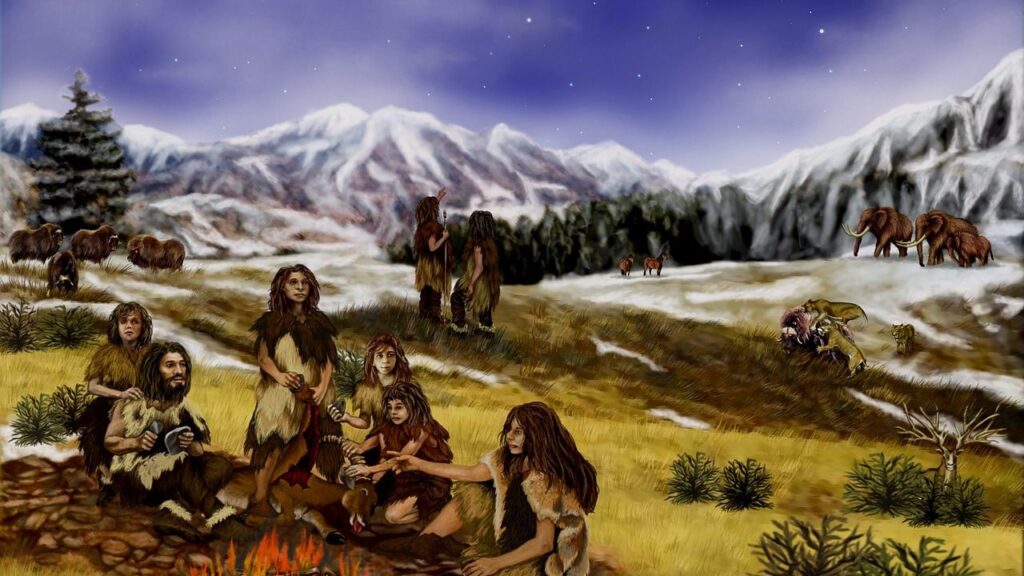
Picture walking across an open plain at dusk, watching mammoths in the distance and hearing, somewhere behind a stand of trees, the low rasping call of a predator with canines longer than your hand. That scene is not fantasy; for a long stretch of the Ice Age, humans and saber-toothed cats really did move through the same valleys, drink from the same rivers, and hunt many of the same prey animals. The world they shared was colder, wilder, and far more dangerous than anything we know today, but it was also the cradle of some of our most important survival skills.
What makes this story so gripping is that it sits right on the edge between science and imagination. Fossil bones, stone tools, and ancient DNA tell us these animals were not just movie monsters but living, breathing neighbors that shaped how early people moved, thought, and even told stories around the fire. The more scientists dig into caves and permafrost, the clearer it becomes that our species did not simply pass through a world of giant predators; we learned to outthink them. How we managed that, without claws or fangs of our own, might be one of the most underrated survival dramas in Earth’s history.
Ice Age Worlds: The Landscapes Humans and Saber-Toothed Cats Shared

It can be hard to picture just how different Earth looked when saber-toothed cats were still around. Much of the Northern Hemisphere during the last Ice Age was dominated by massive ice sheets, with open, windy grasslands stretching out in front of the glaciers like frozen prairies. In North and South America, in parts of Europe, and across Africa, mosaic landscapes formed a patchwork of grasslands, shrublands, woodlands, and river valleys, packed with large herbivores like bison, horses, camel relatives, ground sloths, and mammoths. These were not quiet backdrops; they were noisy, dusty, constantly shifting environments where herds moved with the seasons and predators followed close behind.
Humans occupied many of these same spaces, often hugging rivers, lakes, and coastal zones where water, fish, and plant foods were more reliable. At the same time, saber-toothed cats, including species like Smilodon in the Americas and Homotherium in Eurasia and Africa, favored open to semi-open areas where ambushes were easier and herds were plentiful. That means there were broad regions – especially around waterholes, migration corridors, and choke points in terrain – where humans and saber-toothed cats overlapped again and again. Think of it like different commuters sharing the same freeway at rush hour: different goals, same bottlenecks, and endless chances for dangerous encounters.
Who Were the Saber-Toothed Cats, Really?
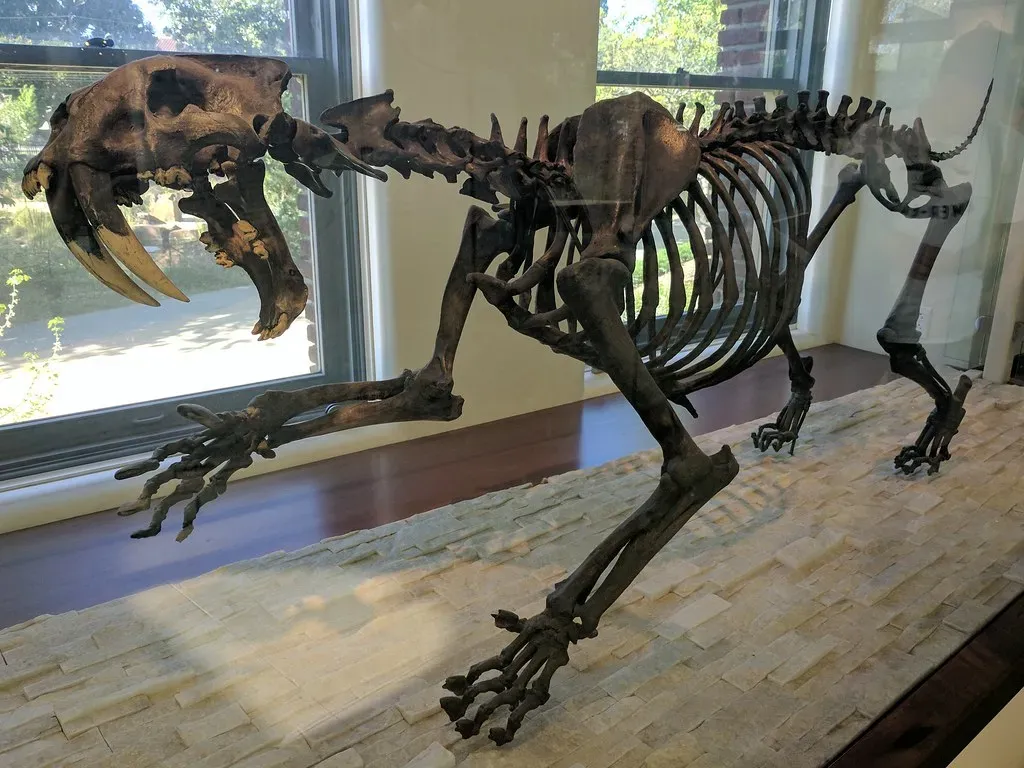
Despite the name, saber-toothed cats were not all close relatives of modern lions and tigers; they were more like distant cousins within the broader cat family tree. Several different lineages evolved oversized upper canines over millions of years, a striking example of repeated evolution toward the same dramatic solution: long, flattened blades for killing large prey quickly. Smilodon, the famous North and South American form, was stocky with huge forelimbs and a powerful neck, almost like a feline wrestler built to grab and pin struggling animals. Homotherium and some of its kin were leaner and more long-legged, better suited for running and perhaps more active during the day.
The sabers themselves were impressive but also surprisingly delicate at the tips, which suggests they were not used for slashing through bone but for precise, targeted killing bites into soft tissue like the throat. That kind of weapon demands control and positioning, which fits with the idea that these predators relied on teamwork or careful ambushes rather than wild, chaotic attacks. When you put it all together – heavy forelimbs, flexible spine, careful bite – it paints a picture of specialized hunters that were extremely effective under the right conditions but less adaptable than modern big cats. That specialization may have helped them dominate for a while, but it likely made them vulnerable when their world began to change.
First Neighbors: Evidence That Humans and Saber-Toothed Cats Met
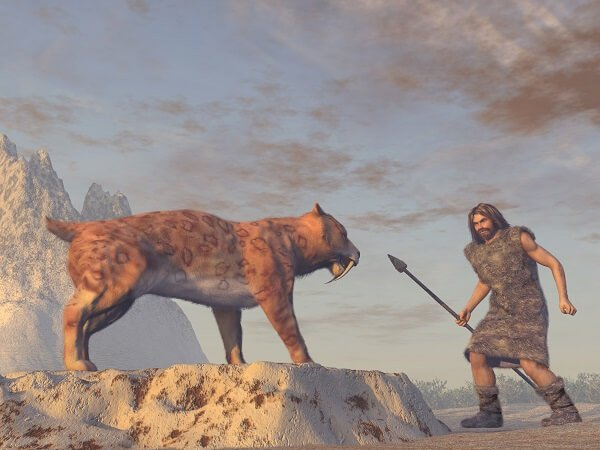
It might sound like something pulled from a campfire story, but the evidence that humans and saber-toothed cats shared space is written in the ground. In several places, fossils of saber-toothed cats have been found in the same layers as stone tools, butchered bones, and other signs of human activity. In some sites, large herbivore skeletons show cut marks from stone knives on top of bite marks from saber-toothed cats, hinting at a tug-of-war over the same carcass. That kind of overlap strongly suggests that people and these predators were not just distant neighbors but direct competitors for food.
There are also cave deposits and sinkholes where multiple carnivores, including saber-toothed cats, wolves, and other big cats, appear alongside remains of humans or their close relatives. While the records are often fragmentary and open to debate, they point toward a landscape where humans were simply one more large animal in a crowded predator guild. Importantly, we do not see clear proof of people regularly hunting saber-toothed cats, but we do see hints that they scavenged kills, defended carcasses, and occasionally ended up as prey. The fossil record here is like a badly damaged book, with most pages missing, but the chapters we still have make one thing clear: this was not a clean separation of worlds; it was shared ground.
Life on the Edge: How Humans Avoided Becoming Prey
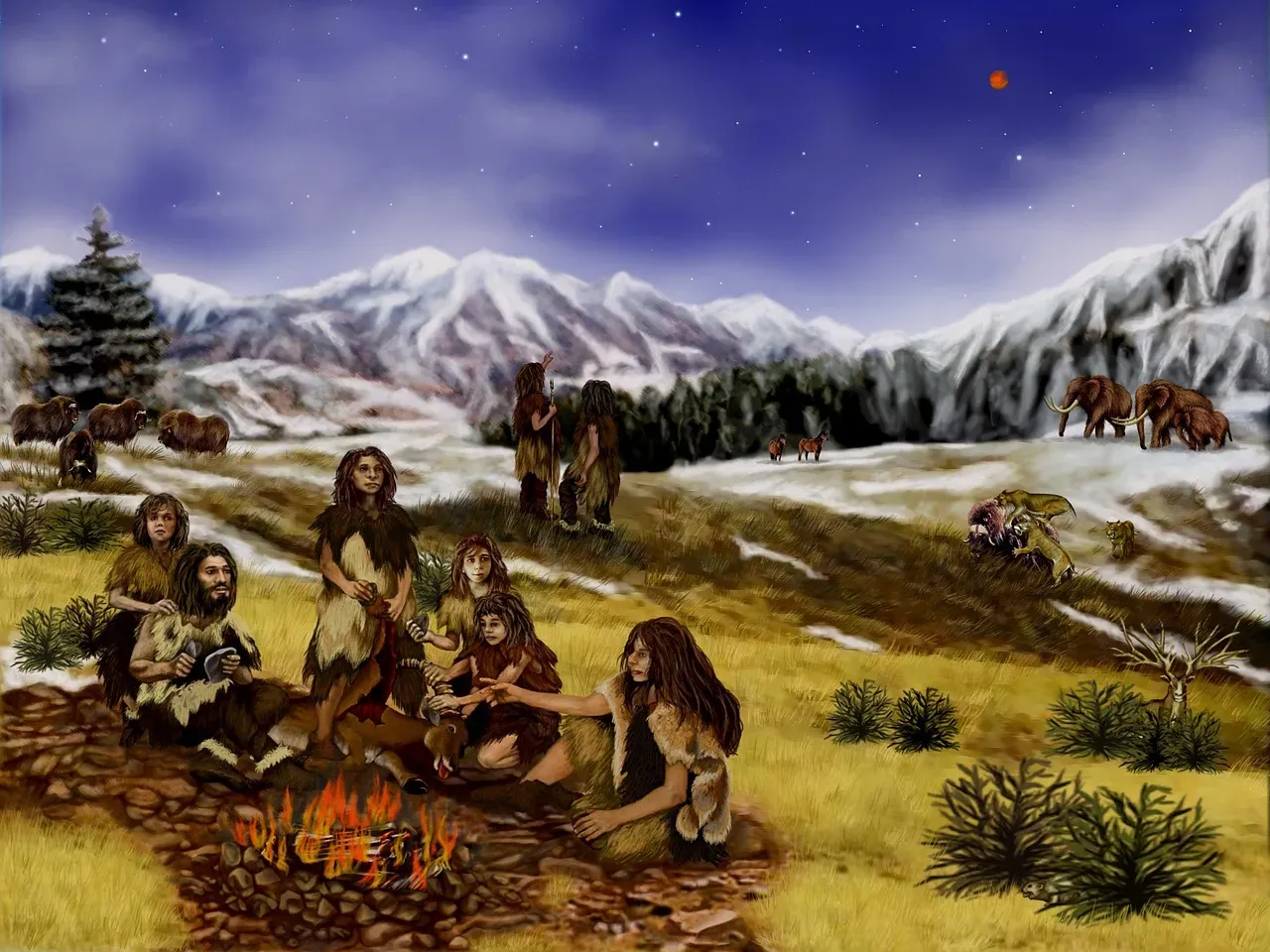
For early humans, living alongside saber-toothed cats meant waking up each day in a world where being careless could get you killed. Their main defenses were not claws or speed but awareness, planning, and social cooperation. Moving in groups meant more eyes and ears to detect danger, and it also meant individuals could take on specific roles – some scanning the horizon while others processed food or cared for children. Over time, this constant pressure from predators probably sharpened not just our senses but our social rules: stay close, watch each other’s backs, do not wander off alone at night.
Fire was another game changer. It offered light that pushed back the darkness, smoke and flame that many animals instinctively avoided, and a way to hold safer camps at night. Combine that with the use of spears, clubs, and later throwing weapons, and suddenly humans became less appealing targets. A single person with a stick is snack-sized; a dozen people with fire and coordinated shouting become something even a saber-toothed cat would think twice about. It is not hard to imagine how repeated close calls – hearing that distinctive cough in the dark, finding fresh tracks near camp – would burn lessons into human memory and story, reinforcing behaviors that kept the group alive.
Competition for the Big Game: Hunting, Scavenging, and Risky Opportunities
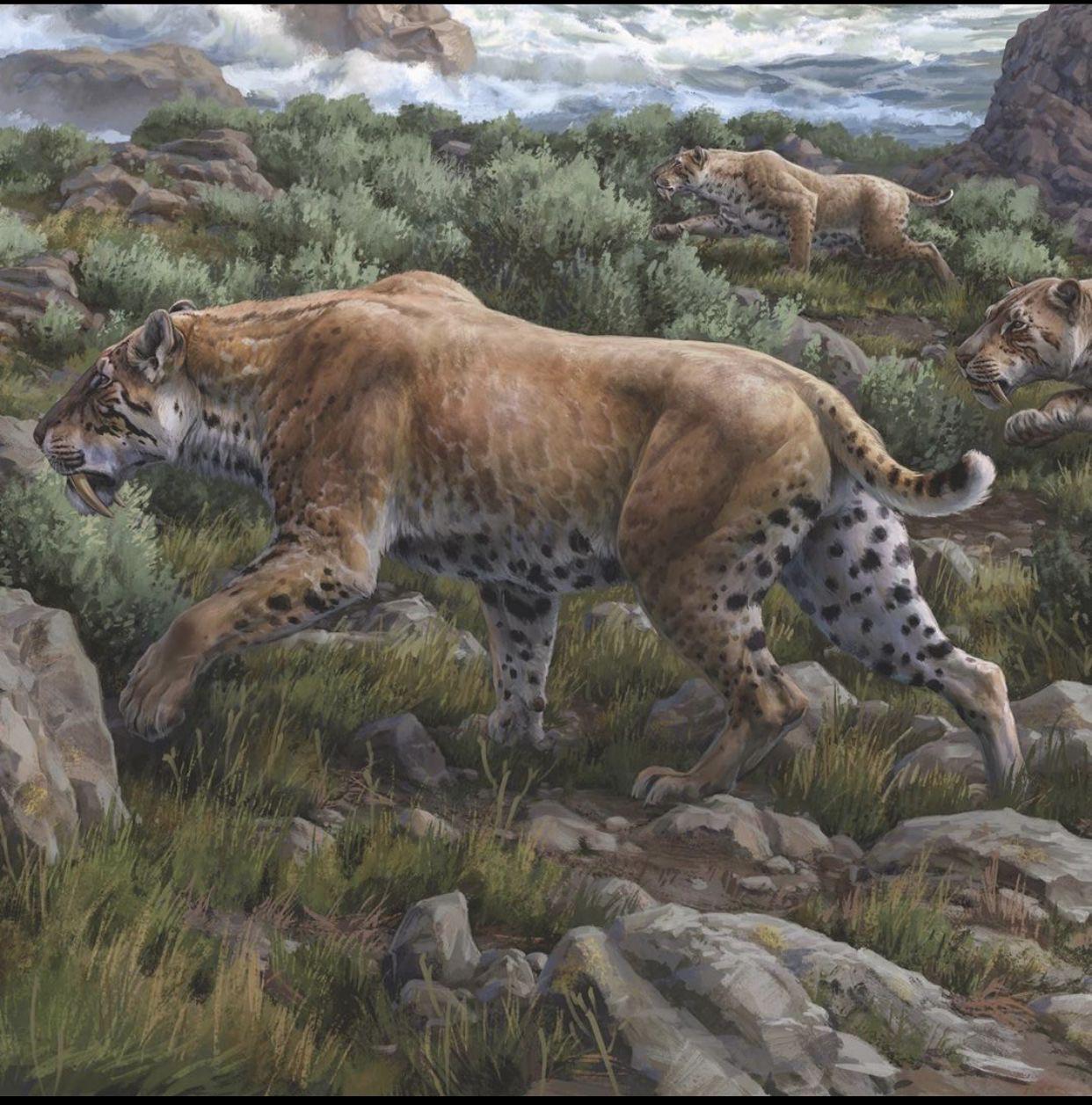
Humans and saber-toothed cats were after many of the same large herbivores, which instantly put them in competition. While saber-toothed cats were perfectly built to tackle big, powerful animals, humans approached the same prey from a different angle: endurance, planning, and technology. Early hunters likely tracked herds over long distances, used terrain to their advantage, and relied on tools like spears and eventually projectile weapons to bring animals down from a safer distance. That contrast – ambush sprint versus strategic persistence – meant that both species could exist in the same landscape, but they still collided over the choicest kills.
Scavenging probably blurred the line between hunter and thief. When a saber-toothed cat killed a large herbivore, humans could move in after the cat had fed, using tools to slice away what was left. In some cases, especially once humans developed better weapons and learned to cooperate in large groups, they might even have tried to drive cats off fresh kills. That kind of interaction would have been incredibly risky, but the payoff – hundreds of pounds of meat – could sustain a band for days. Over generations, humans essentially played a long game: investing in skills and social bonds that let them tap into food resources even when powerful predators were already on the scene.
Fear, Story, and the Human Imagination
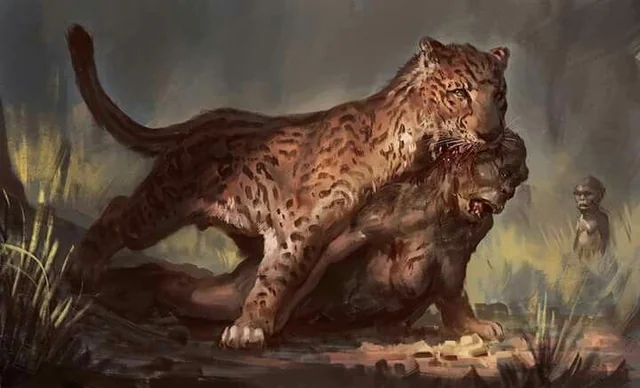
Spending thousands of years around giant predators almost certainly left marks not only on our bodies and behavior but also on our inner worlds. Even today, people who camp in lion country or live near large bears develop a special kind of alertness and a set of stories about what those animals can do. It is reasonable to think that saber-toothed cats filled a similar role in the minds of Ice Age people, becoming symbols of danger, power, and the thin line between life and death. Nighttime sounds, shining eyes at the edge of the firelight, and fresh tracks on a trail would have fed a constant stream of fear and fascination.
Those emotional reactions may have shaped early art and myth, even if we cannot point to a clear, carved saber-tooth and say with certainty what it meant. The broader pattern is clear: humans are storytellers, and we turn our biggest threats into characters we can talk about, remember, and plan around. In that sense, saber-toothed cats were more than just animals; they were recurring figures in the mental maps people carried in their heads. The habits we still have today – teaching children to fear certain animals, weaving predators into legends, exaggerating their size and power – may echo lessons first learned when those long canines were still glinting in the real-world sun.
Why Saber-Toothed Cats Vanished While Humans Stayed
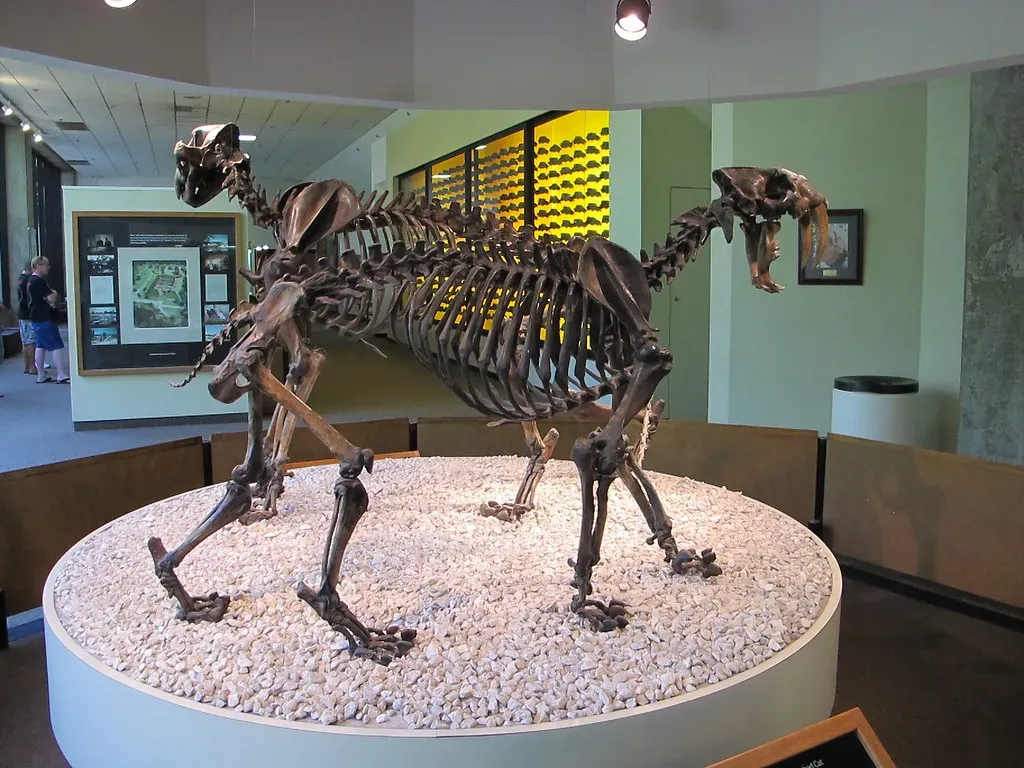
The extinction of saber-toothed cats around the end of the last Ice Age is one of those puzzles where there is no single clean answer, but a web of overlapping pressures. Climate was shifting rapidly, reshaping habitats and shrinking the open, megafauna-rich landscapes that had suited these predators so well. As ice retreated, some regions turned wetter and more forested, while others lost the stable cold environments that supported huge herds of big herbivores. For a highly specialized hunter built for large prey in relatively open terrain, that changing backdrop was like a stadium being dismantled mid-game.
At the same time, humans were spreading into new continents and ramping up their hunting efficiency. Whether people directly overhunted the prey that saber-toothed cats relied on or simply added another layer of stress to ecosystems already in flux, the result was fewer, more scattered big animals. Modern humans, with flexibility in diet, technology, and social strategies, could pivot toward smaller game, fish, and plant foods. Saber-toothed cats, tuned to a narrower lifestyle, had much less room to adapt. From a modern perspective, it looks brutally simple: the generalist tool-maker who can eat many things and live in many ways wins; the specialist megafauna hunter loses. It is not a comforting lesson, but it fits what we see again and again in the fossil record.
What Living With Saber-Toothed Cats Still Teaches Us Today
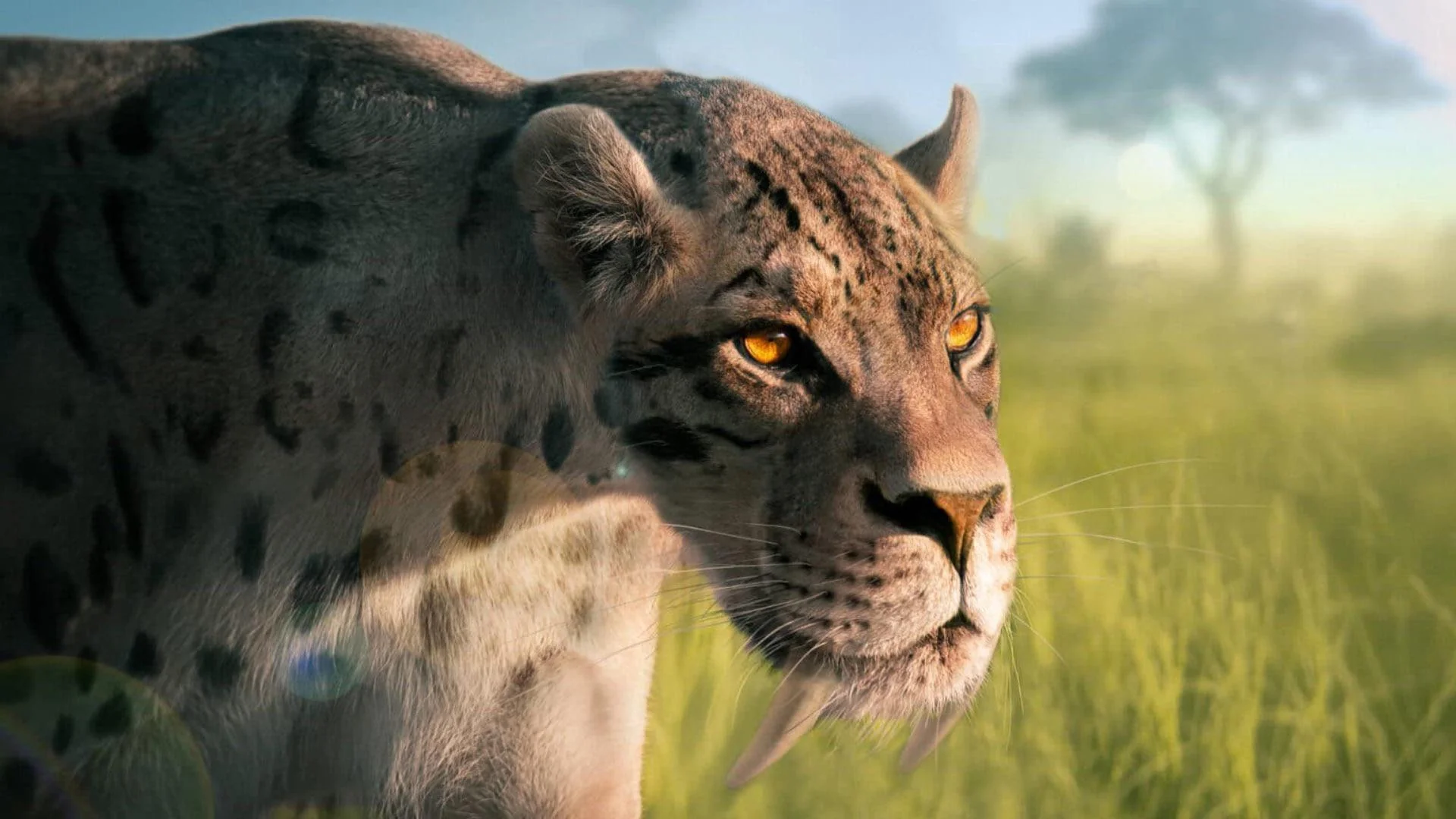
Thinking about a time when humans walked under the same sky as saber-toothed cats forces us to confront a truth we often forget: our species grew up as prey as much as predator. We were not destined rulers of the planet; we were nervous primates clinging to the edges of dangerous landscapes, surviving because we could think, share, and remember. That background should make us more humble when we look at modern ecosystems and the large animals still hanging on. The disappearance of saber-toothed cats, along with many other big Ice Age creatures, is a warning that even dominant predators can vanish when the environment flips too fast or when a new competitor plays by different rules.
Personally, I find it hard not to feel a strange mix of relief and loss. Relief, because I like the idea of camping without worrying about a feline the size of a modern big cat dragging me off in the dark. Loss, because a world with saber-toothed cats was wilder, richer, and more intimidating in a way that probably kept our ancestors sharply in tune with their surroundings. If anything, the story of humans and saber-toothed cats sharing landscapes should push us to be more honest about our own impact as the new dominant predator on Earth. We once learned to survive by coexisting, competing, and sometimes outlasting other powerful hunters; the real test now is whether we can use that same intelligence to avoid turning the rest of the planet’s great animals into just another set of bones in the ground. When you imagine those long vanished canines, do you feel more like the hunted primate we used to be, or the overconfident species we have become?