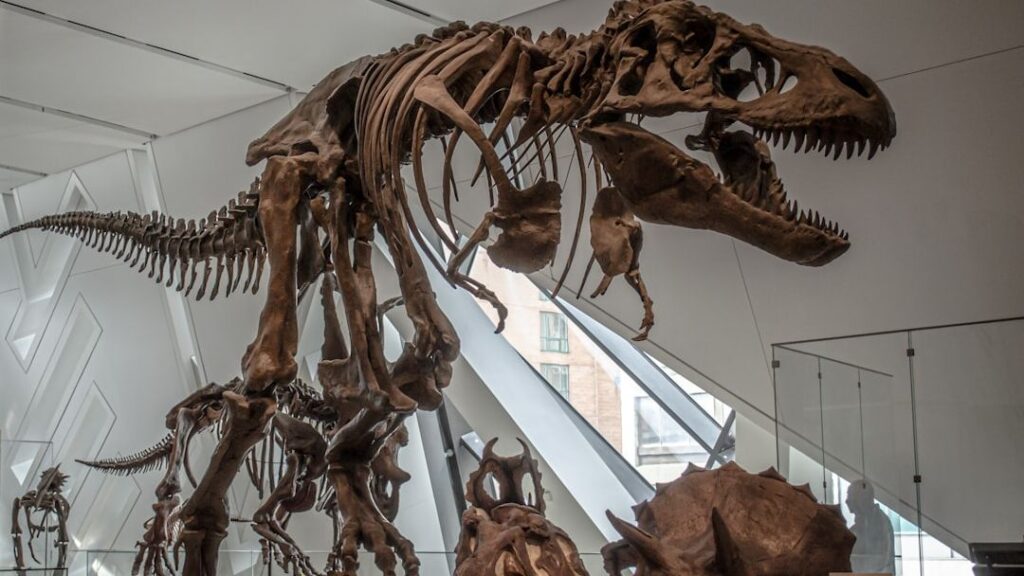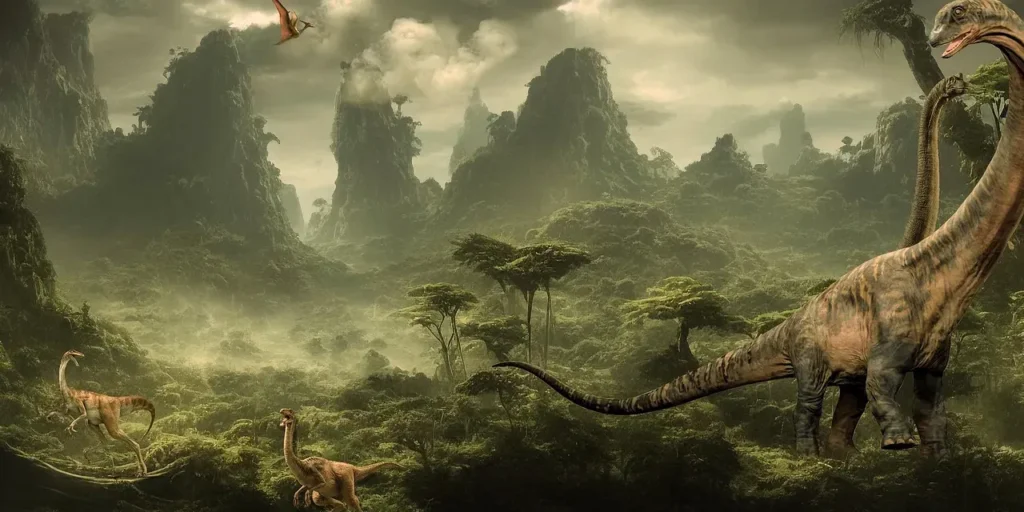
Picture the Rocky Mountains flanked by palm trees. Imagine crocodiles basking in the waters of what’s now Canada. Envision lush rainforests covering North Dakota and Wyoming. Sounds impossible? It’s not science fiction, it’s the story you’re about to discover.
Long before ice ages reshaped our continent and long before humans took their first steps, North America was a dramatically different place. It was a land where subtropical forests stretched north beyond the Arctic Circle, where giant reptiles ruled swampy coastlines, and where the climate would have felt more like the Amazon than Alaska. This ancient world existed for millions of years, and the evidence lies buried beneath our feet, waiting to reveal its secrets.
The Paleocene Paradise: A World Reborn After Catastrophe
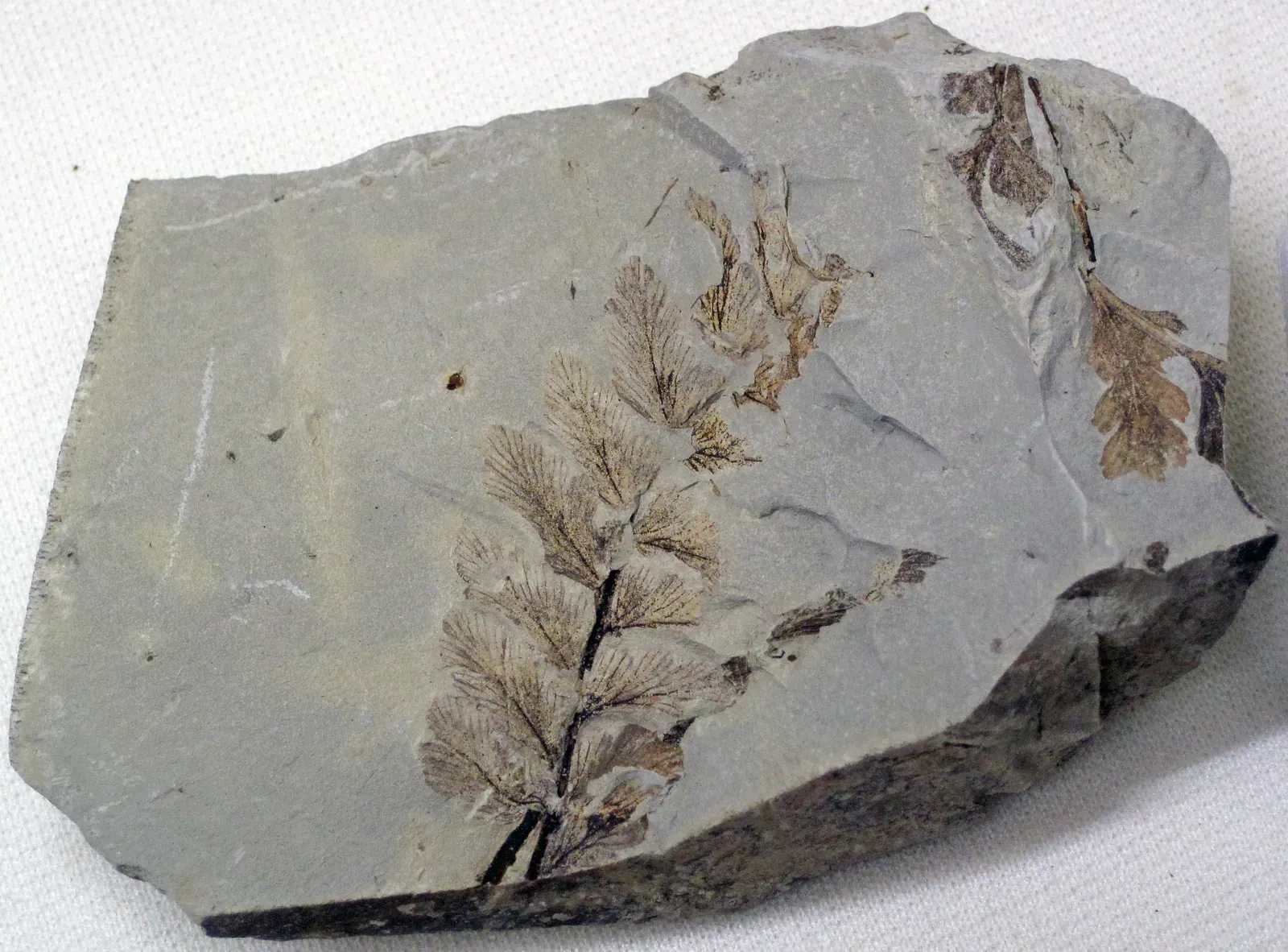
The Paleocene Epoch spanned from 66 million to 56 million years ago, following the extinction of the dinosaurs and preceding the even warmer Eocene. This was a time when life was figuring itself out all over again. Modern plant species like cacti and palm trees appeared during this epoch, and relatively warm temperatures worldwide gave rise to thick forests around the globe. Think of it as nature’s grand experiment after the reset button was pressed.
North America experienced a climate characterized by general warming with little to no frost, and seasonal variations probably alternated between dry and wet seasons. Alaska clearly had broadleaf evergreen floras that typically grow in tropical forests, even though the land hasn’t changed significantly in latitude since the Paleocene. That’s hard to wrap your head around, right? It means areas we now associate with ice and snow once hosted vegetation that today you’d only find in the tropics.
The Eocene Greenhouse: Turning Up Earth’s Thermostat
During the Eocene Epoch, temperatures were warmer than during any other time in the Cenozoic Era, with lots of rainfall, no seasons, no glaciers, and similar temperatures throughout most of the globe. This wasn’t just a warm spell. It was peak tropical conditions like North America had never seen before or since.
Tropical rainforests grew as far north as northern North America and Europe, with palm trees growing as far north as Alaska and northern Europe during the early Eocene, although they became less abundant as the climate eventually cooled. Palm trees grew in Alaska and Spitzbergen Island, and crocodilians lived above the Arctic Circle. Let’s be real, that’s almost unimaginable today. The Arctic Circle hosting creatures that now retreat when temperatures drop below comfortable subtropical levels shows just how radically different Earth’s climate systems operated back then.
Rainforests Stretching From Coast to Coast
Rainforest-like habitats covered much of the continents during the Eocene, eventually giving way to more open woodland as the epoch progressed. You would’ve walked through dense, humid forests in places where today you’d find prairies, deserts, or even frozen tundra. The diversity was staggering.
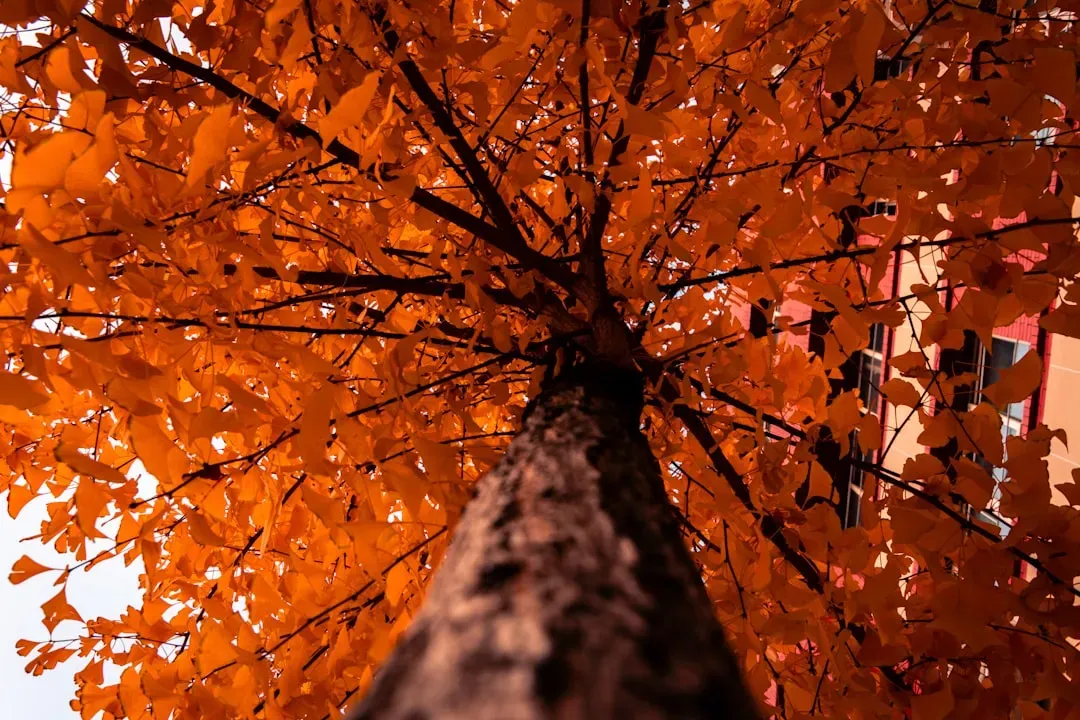
In North Dakota’s Almont/Beicegel Creek formation, fossils show flora families like Ochnaceae, Cyclocarya, and Ginkgo, indicating the same floral families have characterized American rainforests since the Paleocene. These weren’t scattered trees struggling to survive. The extinction of large herbivorous dinosaurs may have allowed forests to grow quite dense, with little evidence of wide open plains. The landscape was so packed with vegetation that plants evolved special techniques just to compete for sunlight and nutrients.
Giant Reptiles in Unexpected Places
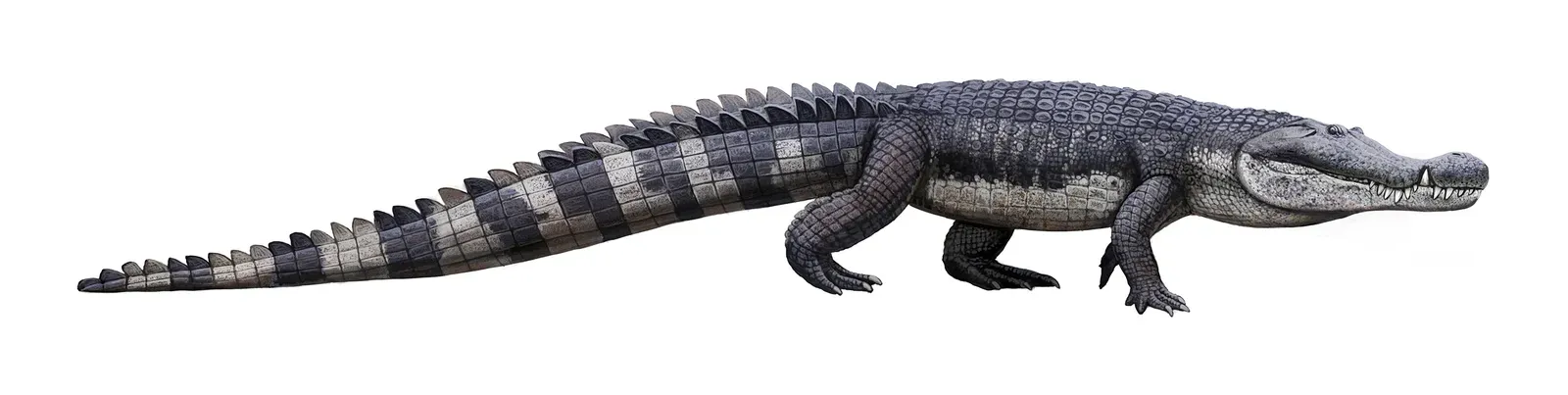
The larger modern group of crocodilians likely first appeared in Europe up to 145 million years ago, and the ancestors of crocodiles and alligators split from each other in North America. These weren’t the crocodiles and alligators you’re picturing today. They were experiments in evolution, testing out different sizes and lifestyles.
Deinosuchus lurked in the Western Interior Seaway, an ancient sea that split North America in half during the Cretaceous Period. This absolutely monstrous animal likely measured around eight meters or more in total body length. Here’s the thing, these massive reptiles thrived because the warm, wet conditions provided abundant prey and ideal habitats. Alligators first appeared during the late Eocene epoch, about 37 million years ago, becoming permanent fixtures in North America’s subtropical waterways.
Palm Trees in the North: Evidence That Seems Impossible
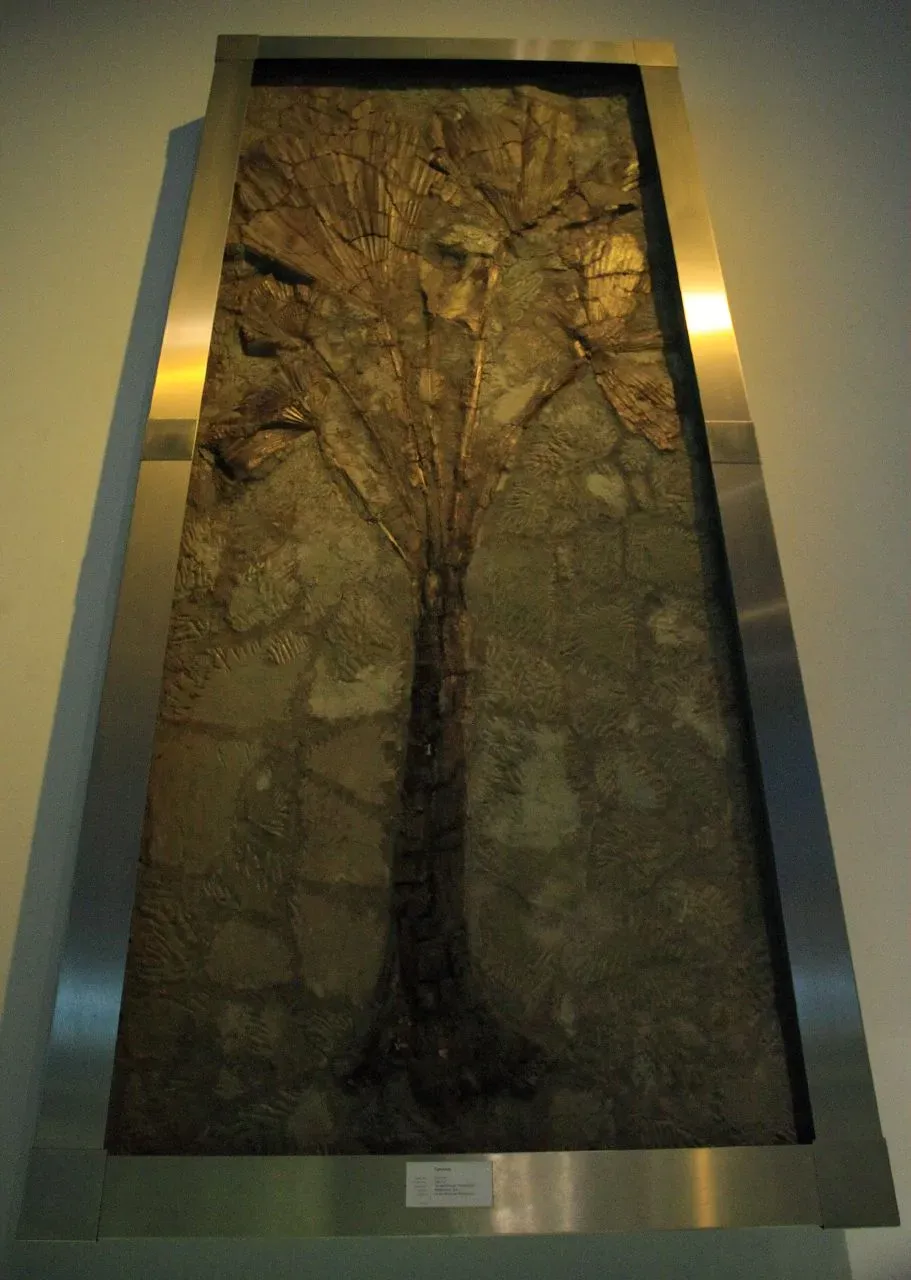
The presence of fossil palms in the Campanian to Maastrichtian stages of Alberta and Saskatchewan constrains climate reconstructions for the Late Cretaceous high midlatitudes of North America at roughly 55 degrees North to exclude significant freezing episodes. Translation? Where parts of Canada sit today, freezing temperatures were essentially unknown for millions of years.
During the Eocene, ferns of many varieties, pines, redwood trees, maples, birch, palms, sycamores, and willows appeared across North Dakota. The climate had to be warm and wet to support the forests where these plants grew. Modern researchers keep finding evidence of this tropical paradise everywhere they look in geological records. It’s consistent, overwhelming, and honestly kind of mind blowing when you think about standing in Montana or Wyoming and imagining palm fronds overhead.
The Carbon Dioxide Connection: Understanding Ancient Atmospheres
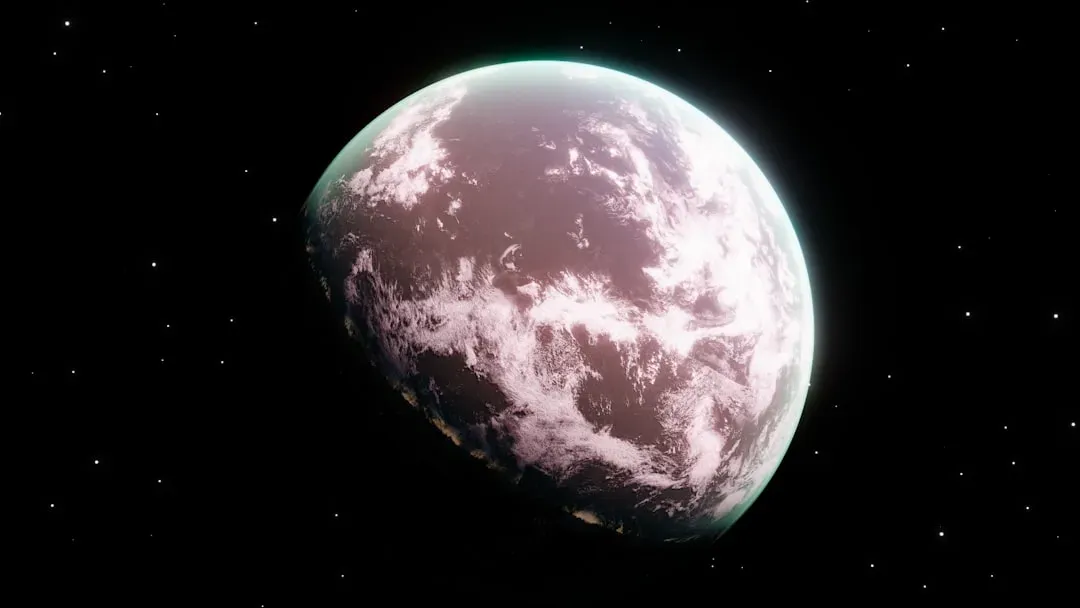
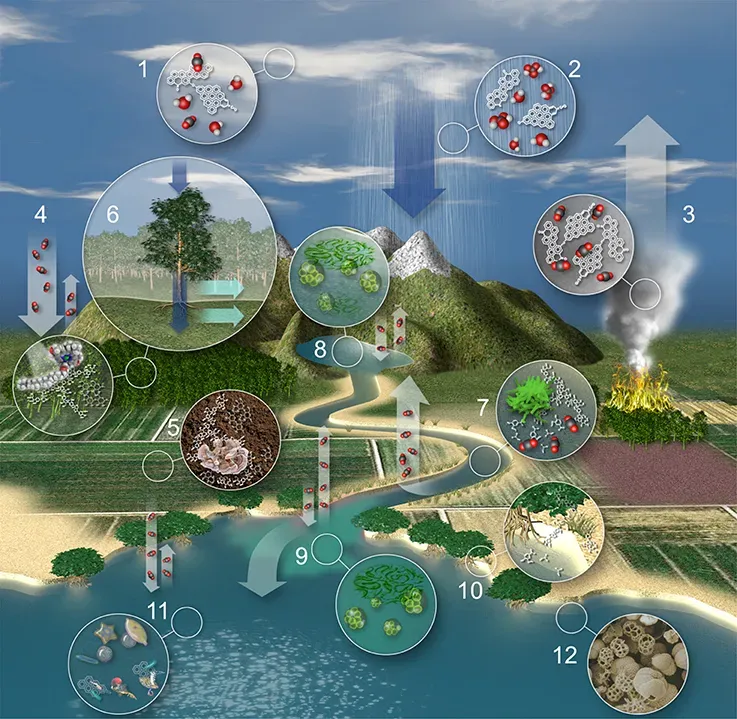
In the early Cenozoic around 60 million years ago, carbon dioxide concentrations were over 2,000 parts per million and started falling around 55 to 40 million years ago. For context, today’s levels hover around 420 parts per million and we’re already seeing significant climate impacts. That ancient atmosphere was a completely different beast.
This record is of interest for understanding interactions between climate, the biota, and the ecosystems they occupied under atmospheric carbon dioxide levels much higher than today. The greenhouse effect was cranked up to maximum. Higher CO2 trapped more heat, creating global temperatures that allowed tropical conditions to extend far beyond the equator. Global deep water temperatures in the Paleocene likely ranged from 8 to 12 degrees Celsius, compared to 0 to 3 degrees Celsius in modern times. Even the ocean depths were dramatically warmer.
The Great Cooling: When Paradise Started Fading
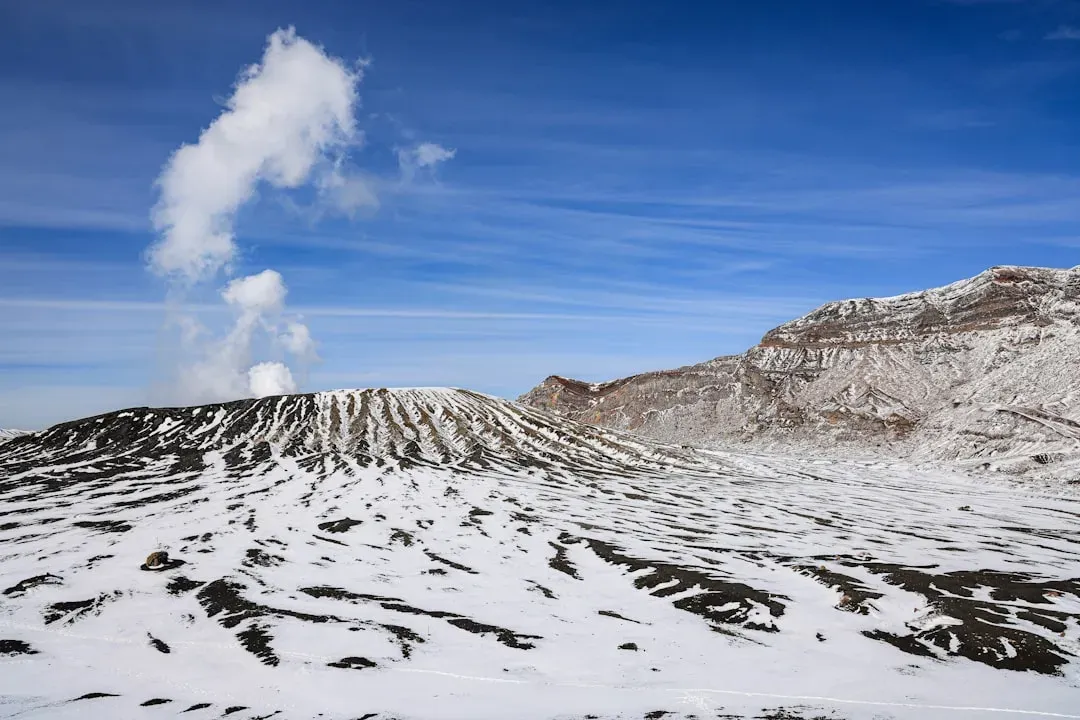
As the Eocene progressed, Earth’s temperature gradually cooled, and by the end of the epoch, the planet was much cooler with more extreme seasons and Antarctic ice caps beginning to form. This wasn’t an overnight transformation. It took millions of years, but the writing was on the wall for North America’s tropical ecosystems.
Around 15 million years ago, volcanism between Central and South America created the Isthmus of Panama connecting North and South America, preventing water from flowing between the Pacific and Atlantic Oceans and reducing heat transfer from the tropics to the poles, creating a cooler Antarctica and larger Antarctic glaciers. By 5 million years ago during the Pliocene Epoch, ice sheets had started to grow in North America and northern Europe. The tropical paradise was shrinking, retreating south toward the equator where remnants still exist today.
Lessons From a Lost World
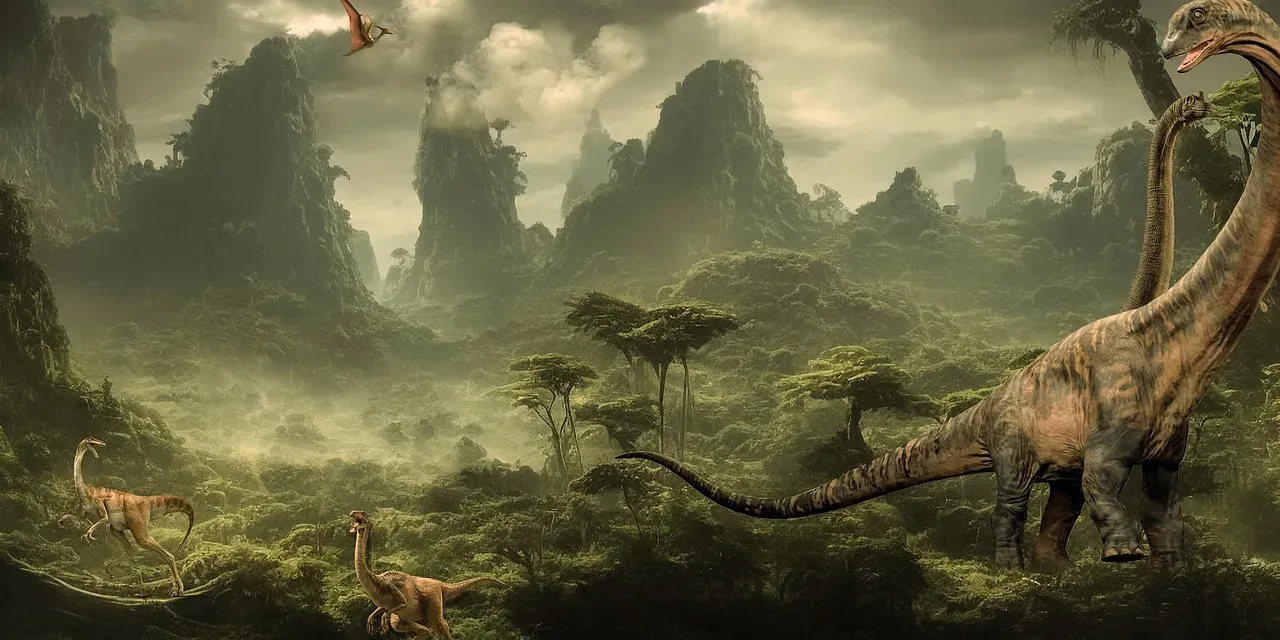
What’s now the Midwest has gone from being ice-covered to tropical and back during its long history. That singular fact should reshape how you think about Earth’s climate. Our planet is capable of dramatic transformations that happen on timescales far longer than human lifetimes but far shorter than the age of the planet itself.
The approximately 58 million-year-old Cerrejón flora from Colombia demonstrates that despite fluctuations in climate and forest area, the same plant families have dominated tropical rainforest biomes since the Paleocene. Life adapts, migrates, and persists. When North America cooled, those tropical species didn’t vanish from Earth. They retreated to regions where conditions still suited them. The Amazon rainforest, the forests of Southeast Asia, and other tropical zones today are the descendants and relatives of the ecosystems that once covered Wyoming and the Dakotas.
Standing in a snowy Canadian winter or a dry Montana summer, it’s nearly impossible to imagine crocodiles and palm trees. Yet the rocks don’t lie. The fossils tell a story of a radically different world, one where North America truly was a tropical paradise. That world is gone now, reshaped by continental drift, changing ocean currents, and shifting atmospheric composition. Still, its legacy lives on in the coal deposits formed from ancient swamps, in the fossils that keep turning up, and in our growing understanding of just how dynamic and changeable our planet really is. What do you think it would’ve been like to walk through those ancient forests? Share your thoughts with us.