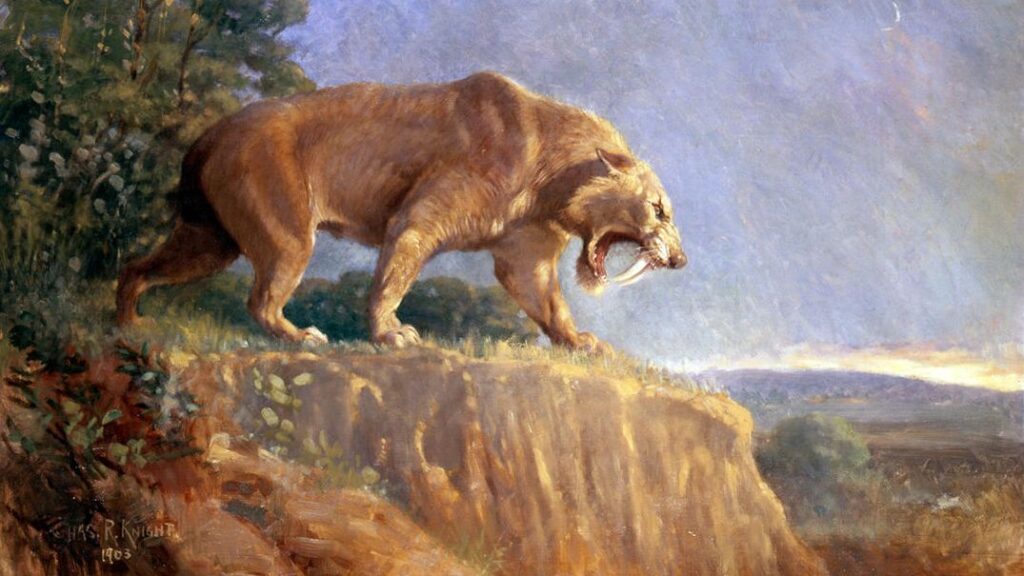
Think about North America millions of years ago. Dense forests, wide open plains, and massive herbivores roaming everywhere you looked. Yet where there’s abundant prey, there are always hunters lurking in the shadows. The continent’s evolutionary history has gifted us with a fascinating parade of top predators, each dominating their respective eras with impressive adaptations and fearsome hunting strategies.
You might immediately think of Tyrannosaurus rex when someone mentions prehistoric predators. That’s fair, because the tyrant king certainly earned its reputation. However, the story of apex predators in North America stretches across vastly different time periods, with three particularly notable contenders standing above the rest. These weren’t just big animals. They were ecological powerhouses that shaped entire ecosystems and determined which species thrived or perished during their reigns.
The Tyrant King of the Late Cretaceous
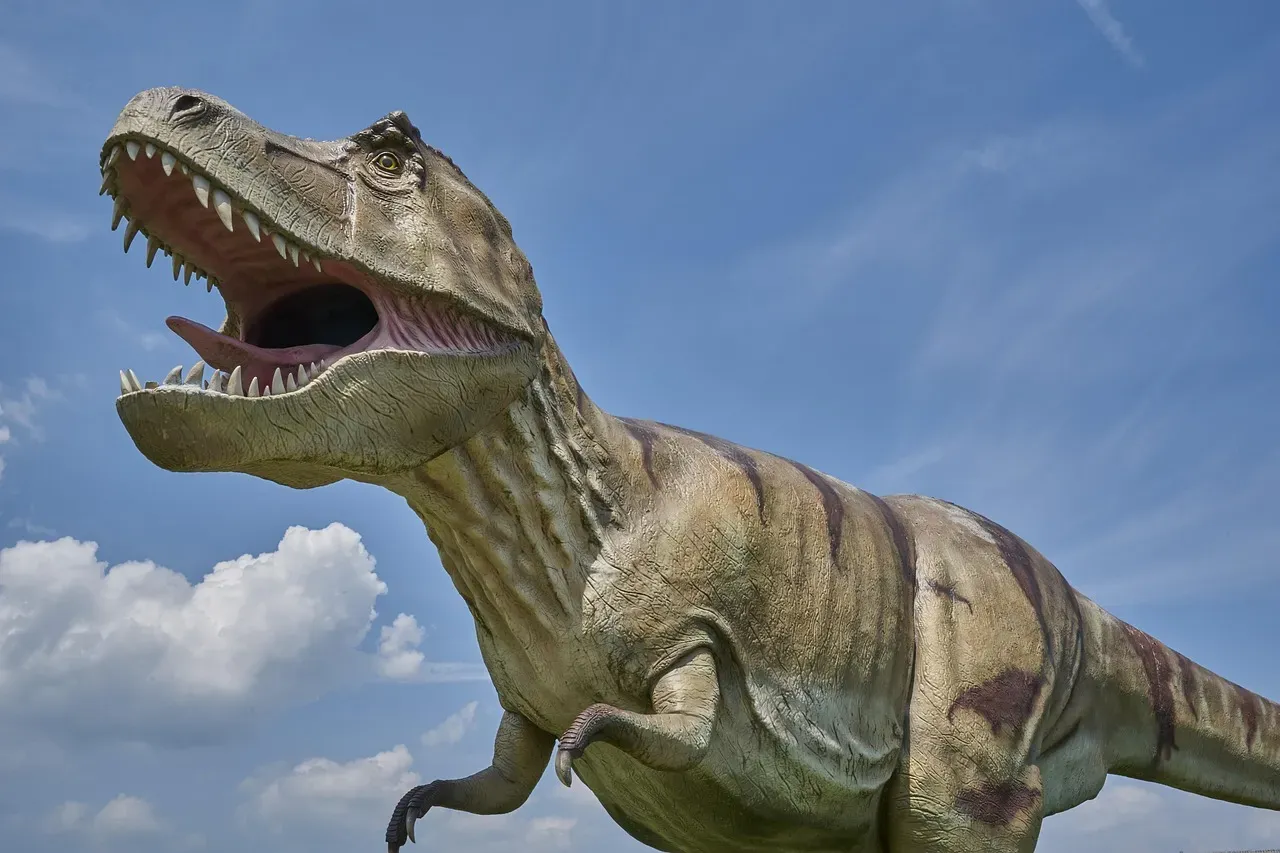
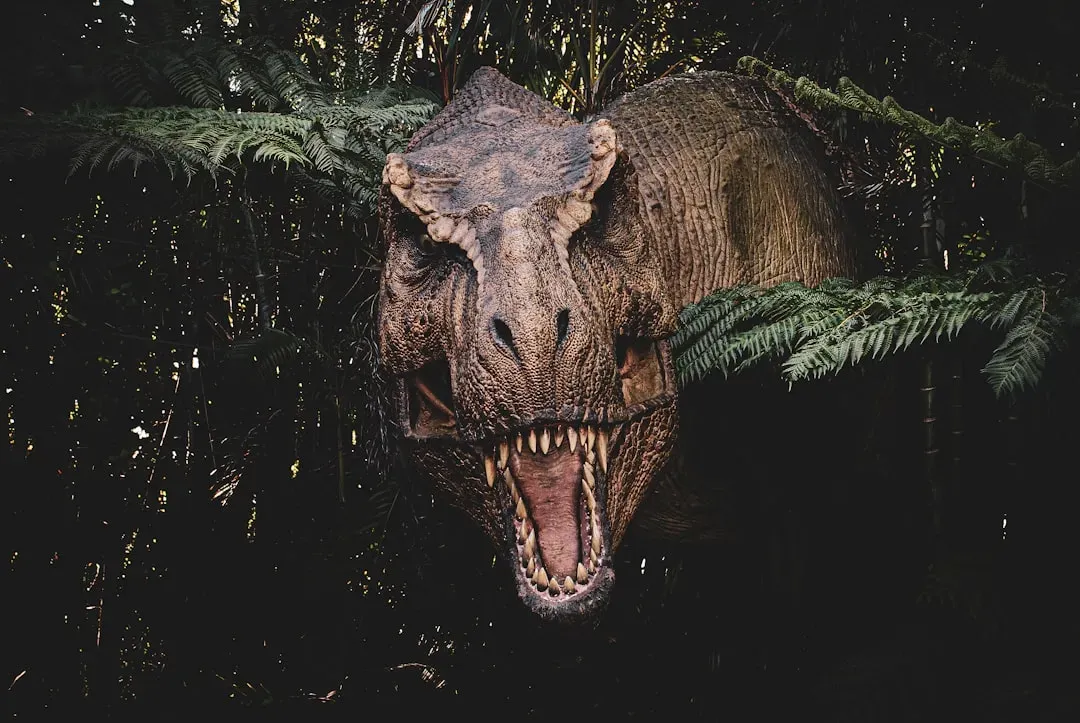
Tyrannosaurus rex lived throughout what is now western North America and was the apex predator in this region at the end of the Cretaceous Period. Fossils are found in formations dating to the late Maastrichtian age, between 69 to 66 million years ago. This wasn’t just some overgrown lizard wandering around hoping to stumble upon a meal. Its bite could crunch through bone and is estimated to be 3 times more powerful than a lion’s bite.
Here’s where it gets interesting. Most paleontologists today accept that Tyrannosaurus was both a predator and a scavenger. Rather than being a weakness, this adaptability was actually a strength. Tyrannosaurus rex was adept at finding its prey thanks to a keen sense of smell, having almost as many genes encoding its olfactory receptors as a house cat does today. The massive skull, powerful jaws, and keen senses made this dinosaur the undisputed ruler of its time. Standing at roughly four feet at the hips and stretching as long as a school bus, you could peer into an upstairs window with ease if one happened to visit your neighborhood.
The Saber-Toothed Ambush Hunter
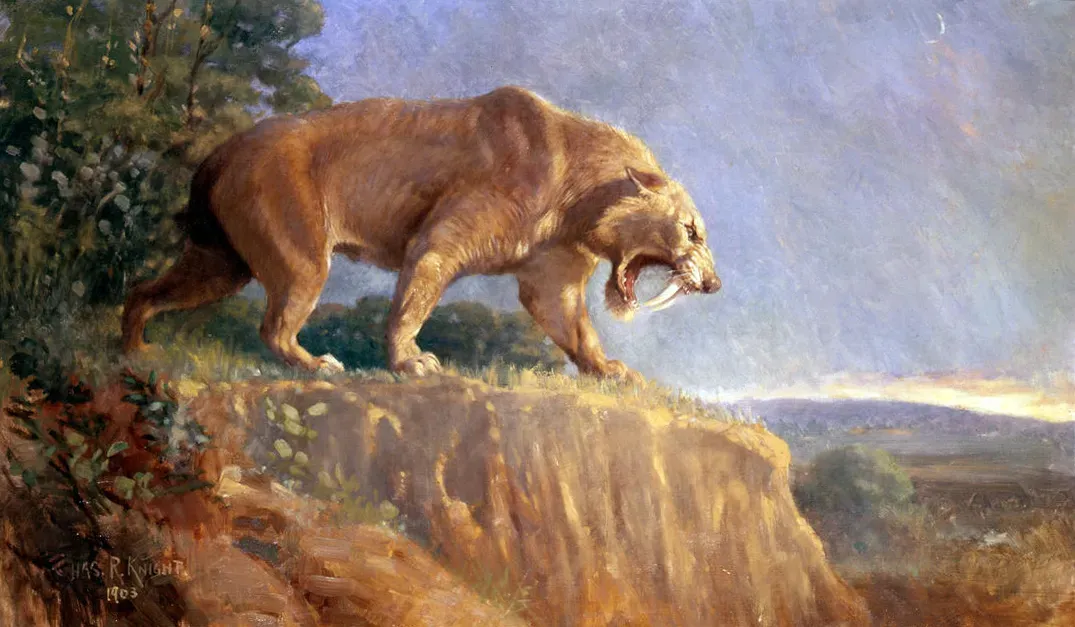
Smilodon, the iconic saber-toothed cat, was a Pleistocene apex predator comprised of three morphologically distinct species. Smilodon fatalis was larger at approximately 160 to 280 kilograms and is primarily thought to reside in North America. Those massive canine teeth, which could reach nearly a foot in length, weren’t just for show. They were precision instruments designed for a very specific killing technique.
Isotopes preserved in the bones of Smilodon fatalis in the La Brea Tar Pits reveal that ruminants like bison and camels were most commonly taken by the cats there. Until about 10,000 years ago, Smilodon fatalis was a fearsome predator, and research provides evidence that it may have been a forest dweller that primarily feasted on leaf-browsing creatures. Honestly, picturing this powerful cat lurking in dense woodland, waiting to spring on unsuspecting prey, gives you a real appreciation for their hunting prowess. The robust forearms weren’t decorative either. They were perfectly designed to pin down large animals before delivering that fatal bite.
The Colossal Short-Faced Bear
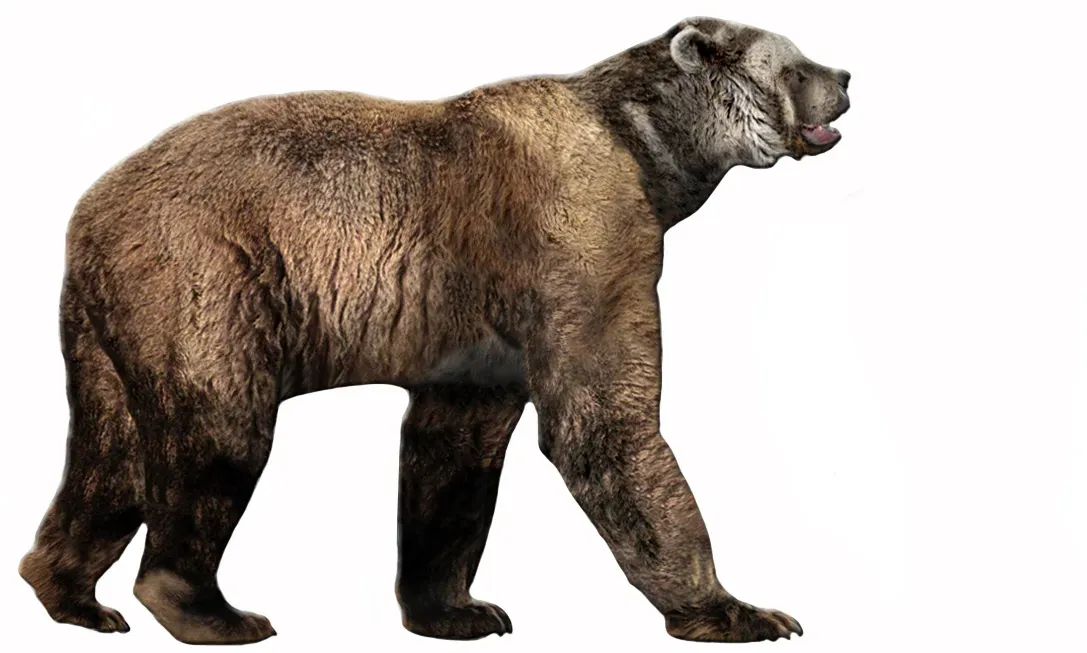
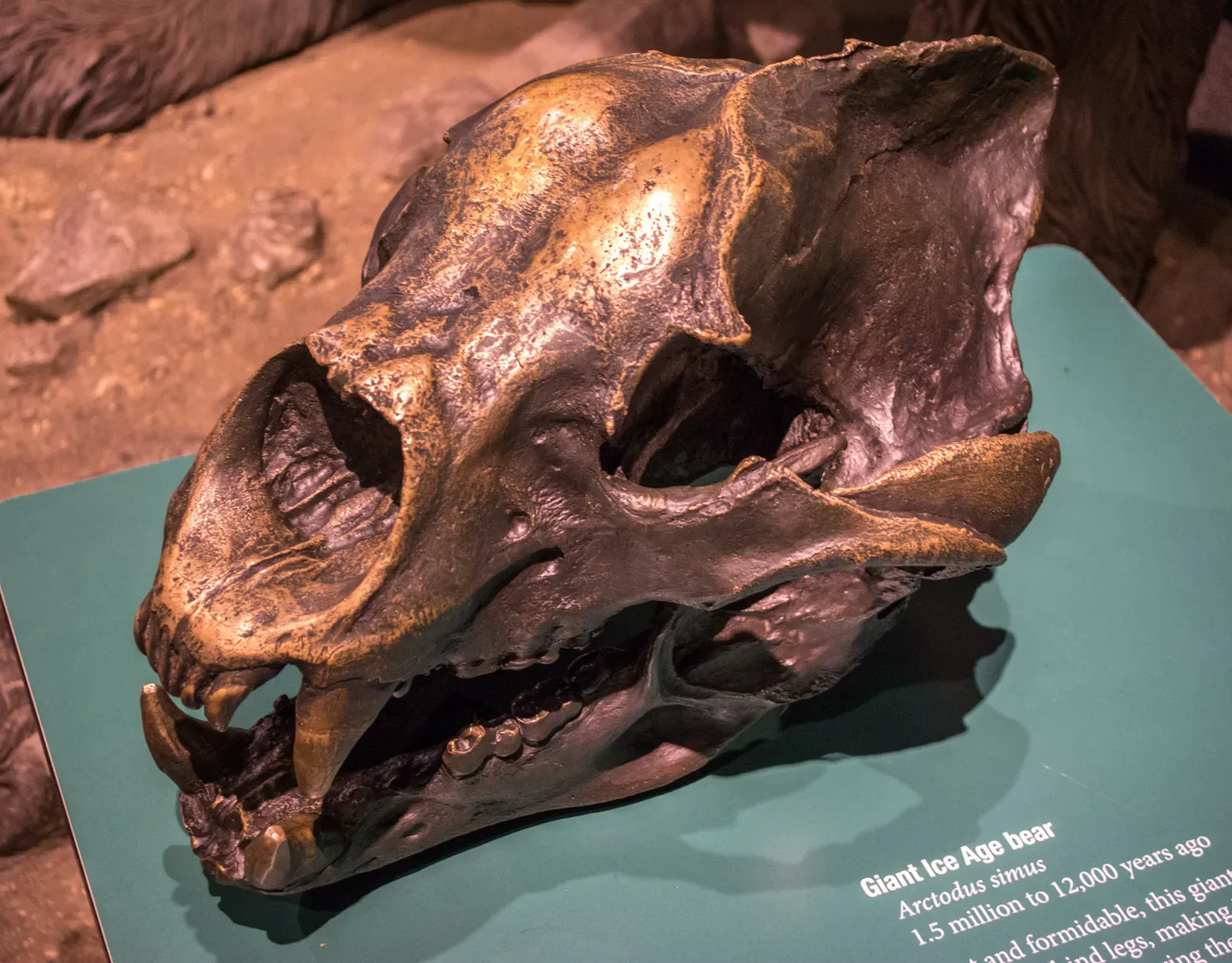
The giant short-faced bear, Arctodus simus, was an extremely large bear that occupied much of North America throughout the Pleistocene. Let’s be real, when you’re talking about an animal that could weigh up to 1,760 pounds and stand ten feet tall on its hind legs, you’re discussing something truly terrifying. This bear was the largest mammal predator to walk North America during the ice age.
Scholars today mostly conclude that Arctodus simus was a colossal, opportunistic omnivore with a flexible, locally adapted diet, and if it wasn’t largely herbivorous, the scavenging of megaherbivore carcasses and occasional predatory kills would have complemented large amounts of vegetation consumed when available. Evidence suggests that Arctodus also consumed meat, as evidenced by elevated nitrogen-15 isotope levels and bone damage on contemporary fauna. That combination of massive size, long limbs, and dietary flexibility made Arctodus a force to be reckoned with across the changing Ice Age landscapes.
Different Eras, Different Strategies
What makes these three predators particularly fascinating is how they dominated completely different time periods. T. rex ruled the end of the dinosaur age, roughly 66 to 68 million years ago. Fast forward to the Ice Age, and you find Smilodon prowling forests between roughly 2.5 million and 10,000 years ago, while Arctodus simus roamed from about 1.8 million to 11,000 years ago. They never met each other, which is probably fortunate for paleontologists trying to reconstruct food webs.
Each predator reflected the unique challenges of its environment. T. rex lived among giant herbivorous dinosaurs in a world still recovering from earlier extinction events. Smilodon hunted in a landscape filled with massive Ice Age mammals like mammoths and giant ground sloths. Arctodus had to contend with dramatic climate fluctuations that repeatedly reshaped the continent’s ecosystems. The fact that each succeeded in such different circumstances speaks to the incredible adaptability of predator evolution.
Hunting Techniques That Defined Dominance
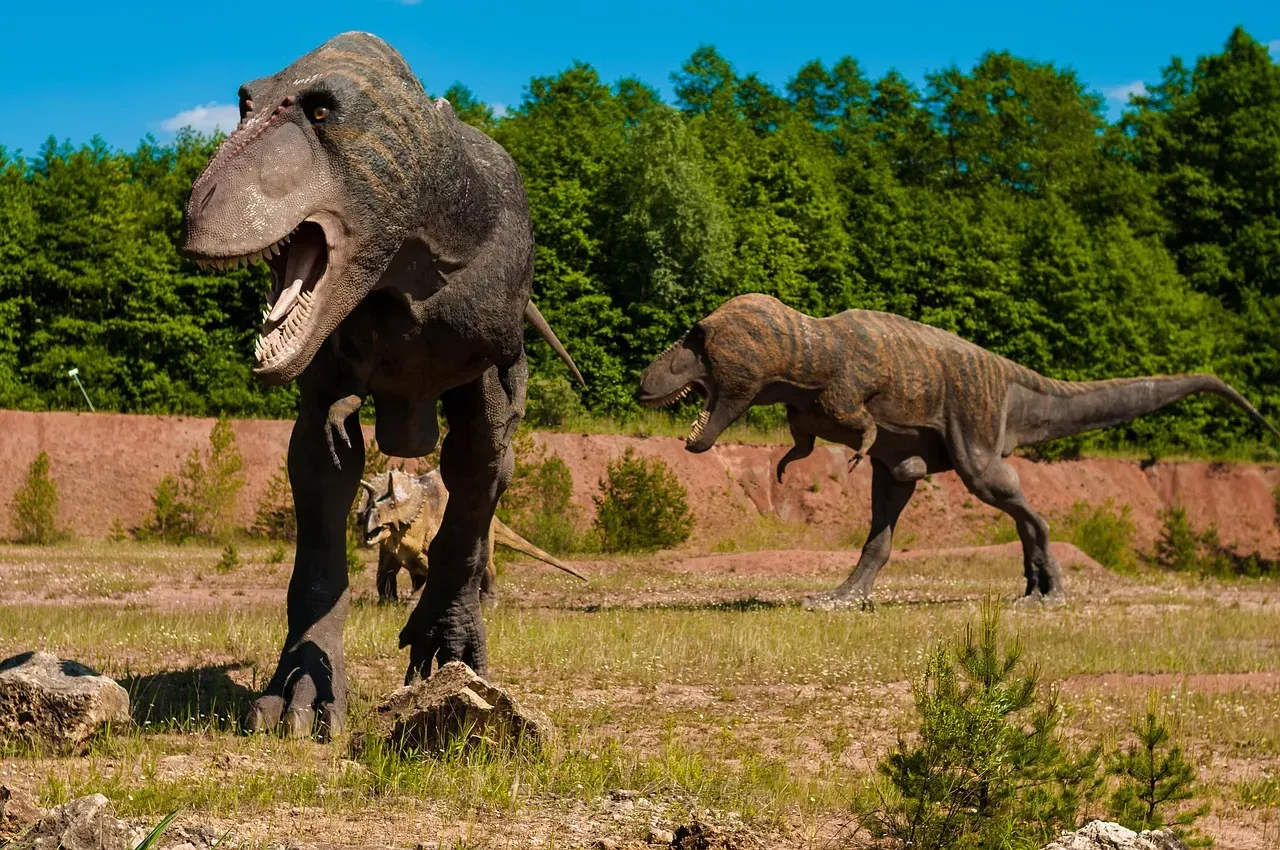
Larger theropods like Tyrannosaurus itself showed a marked increase in foraging efficiency due to reduced energy expenditures during hunting or scavenging. Being big meant T. rex didn’t have to chase its food for miles. It could use intimidation, opportunism, and its crushing bite to secure meals. Meanwhile, Smilodon took a completely different approach. Smilodon would hunt in a more closed environment, as they likely did not chase prey for any appreciable distance, being ambush predators based on their body morphology.
The short-faced bear presents the most intriguing puzzle. Those long legs sparked decades of debate about whether Arctodus was a super-predator that chased down prey or a specialized scavenger using its size to steal kills from smaller carnivores. Results do not support previous views of Arctodus simus as a fast-running super-predator or specialized scavenger, instead suggesting a colossal omnivorous bear whose diet probably varied according to resource availability. It’s hard to say for sure, but the truth probably lies somewhere in between, with opportunism being the name of the game.
The Legacy They Left Behind
All three of these magnificent predators eventually went extinct, but their legacies shaped North American ecosystems in profound ways. T. rex was no match for the mass extinction event that claimed three quarters of life on Earth 66 million years ago, when an asteroid or comet slammed into Earth. Larger carnivores such as saber-tooth cats, dire wolves, and American lions all went extinct 10,000 to 12,000 years ago. Climate change, prey extinction, and possibly human hunting pressure all contributed to these losses.
When you walk through any modern North American wilderness, you’re traversing ground once shaken by the footsteps of these incredible hunters. The grizzly bears, wolves, and mountain lions we see today are the inheritors of ecological roles once filled by far larger, stranger, and more specialized predators. Understanding these ancient apex predators helps us appreciate not just where we came from, but how delicate the balance of predator and prey truly is.