Most people imagine the Triassic Period as a stage that belonged entirely to the dinosaurs. You picture those iconic creatures ruling every continent, every forest, every swamp. But here’s the thing – when the very first dinosaurs nervously took their initial steps on this planet, they were far from the kings of the world.
When dinosaurs first appeared, they were not the dominant terrestrial animals. The terrestrial habitats were occupied by various types of archosauromorphs and therapsids, like cynodonts and rhynchosaurs. In other words, dinosaurs were the newcomers, and they shared their world with an absolutely wild cast of ancient reptiles that most people have never even heard of. Prepare to be surprised by who was actually running the show.
The Triassic Stage: A World Recovering from Near-Total Destruction
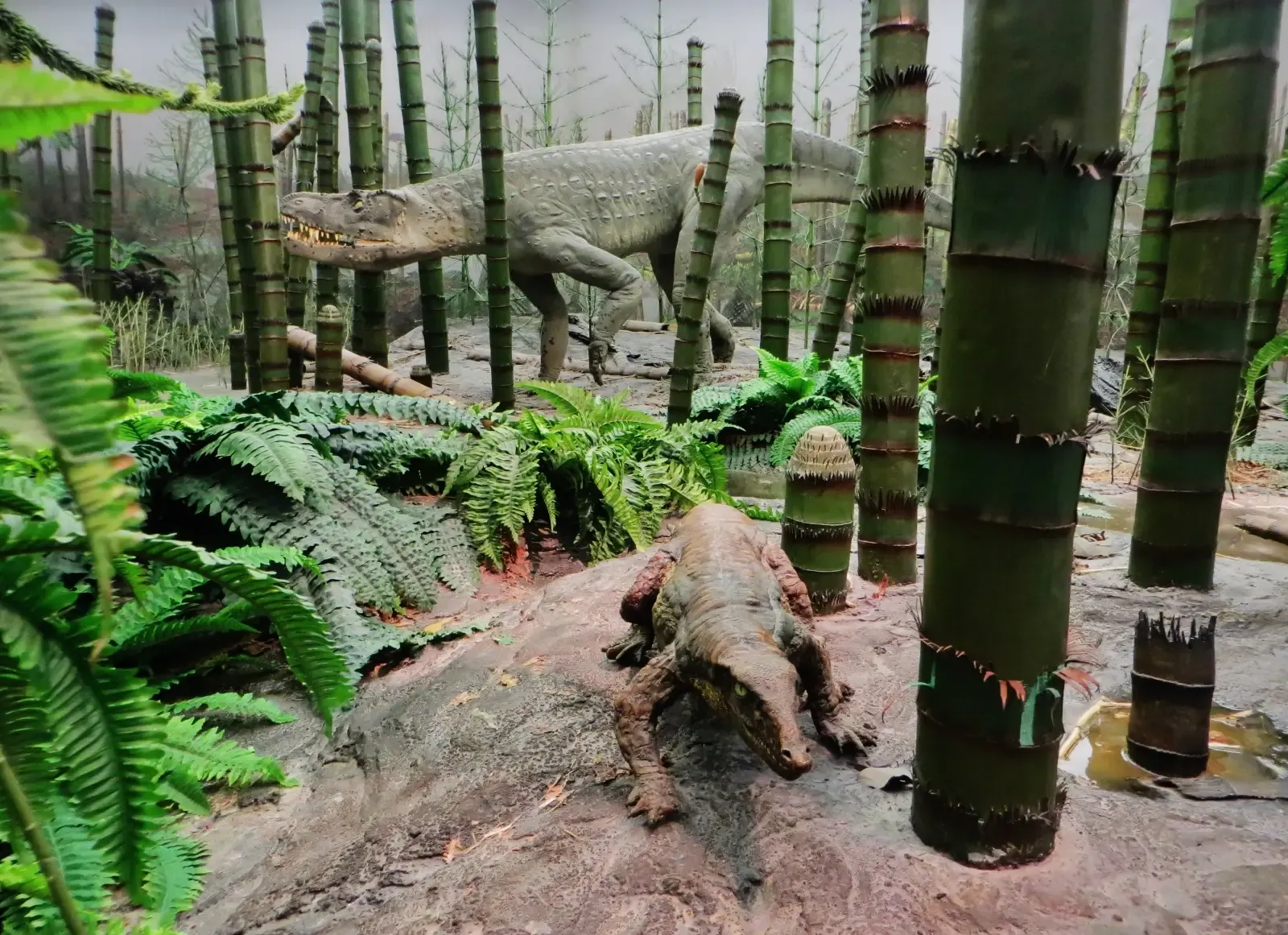
The Triassic Period, lasting from 252 to 201 million years ago, began after Earth’s worst-ever extinction event devastated life. The Permian-Triassic extinction event, also known as the Great Dying, took place roughly 252 million years ago and was one of the most significant events in the history of our planet. Think of it like a city after a catastrophic fire – scorched ruins everywhere, but also every possible opportunity wide open for whoever showed up first.
The Triassic was a time of change, a transition from a world dominated by mammal-like reptiles to one ruled by dinosaurs. It was during this turbulent rebuilding era that some of the most bizarre and fascinating reptile lineages in Earth’s entire history exploded into existence, sharing space and resources with the first tentative dinosaurs. What emerged was nothing short of extraordinary.
Lystrosaurus: The Humble Survivor That Outlasted Almost Everything
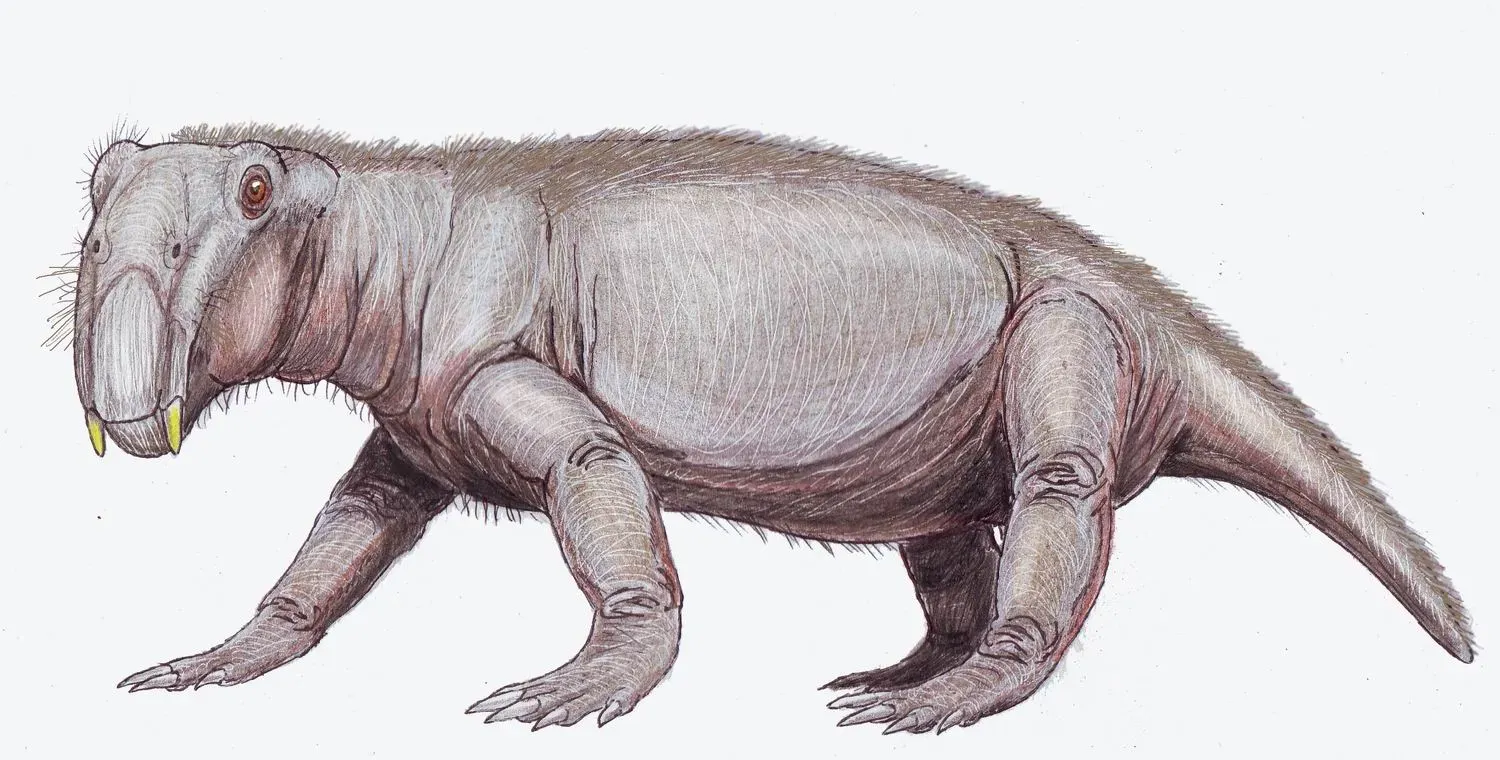
After surviving the Permian-Triassic mass extinction, Lystrosaurus became the most common land vertebrate of the Early Triassic. Lystrosaurus specimens are most abundant in Africa, and have also been found in Asia, Europe and Antarctica. Honestly, the sheer geographic spread of this animal is staggering. You could think of it as the cockroach of its era – resilient, widespread, and almost impossible to wipe out.
Lystrosaurus was a pig-sized dicynodont. Due to the powerful build of its forelimbs and the shape of its skull, it is thought that Lystrosaurus was a burrower that may have excavated a new home every night. Like other dicynodonts, it had a beak-like mouth and two tusk-like teeth. It was far from glamorous. Yet this stocky, tusked little animal defined the Early Triassic world long before dinosaurs arrived on the scene. Sometimes survival, not spectacle, wins the day.
Rauisuchians: The True Apex Predators that Overshadowed Early Dinosaurs
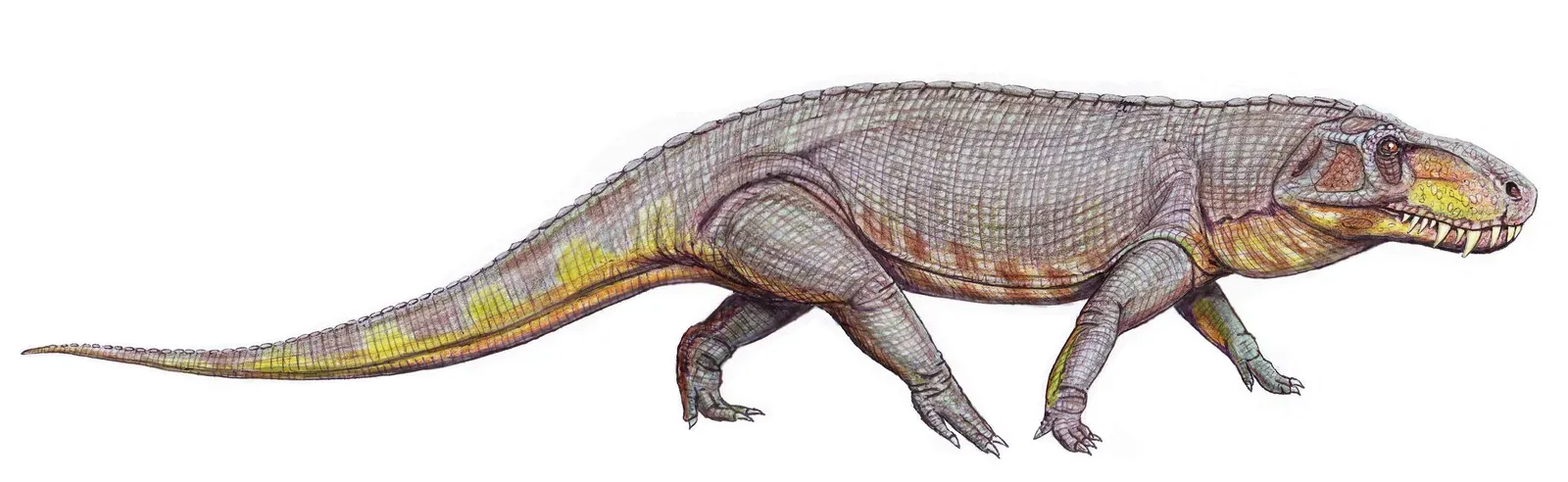
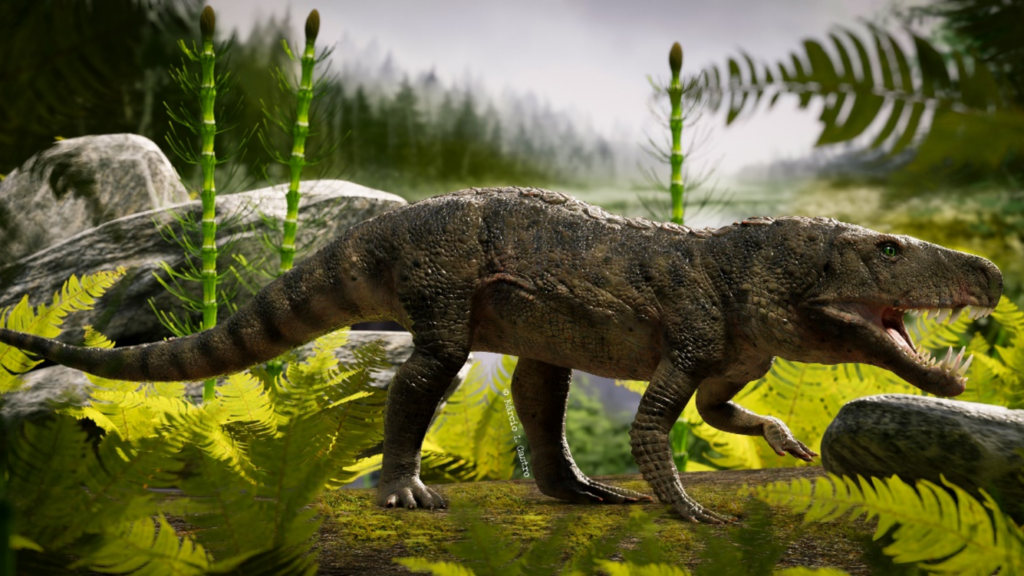
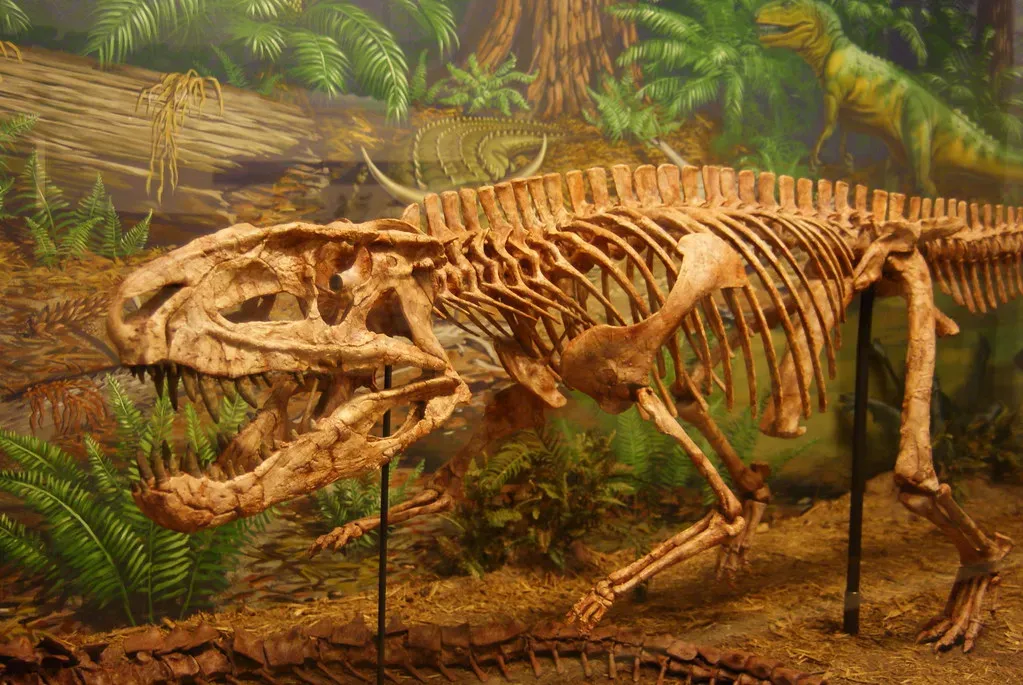
The terrestrial apex predators of the Triassic were the rauisuchians, an extinct group of archosaurs. In 2010, the fossilized skeleton of a newly discovered species, Prestosuchus chiniquensis, measured more than 20 feet in length. Unlike their close relatives the crocodilians, rauisuchians had an upright stance but are differentiated from true dinosaurs by the way that the pelvis and femur were arranged. This is genuinely shocking to most people. The top land predator during the age of the first dinosaurs was not, in fact, a dinosaur.
Rauisuchians were the keystone predators of most Triassic terrestrial ecosystems. Over 25 species have been found, including giant quadrupedal hunters, sleek bipedal omnivores, and lumbering beasts with deep sails on their backs. The variety within this single group is almost hard to believe. After their extinction, theropod dinosaurs were able to emerge as the sole large terrestrial predators, though there is still some debate over how their extinction influenced dinosaur evolution.
Aetosaurs: The Armored Giants Grazing Alongside Dinosaurs
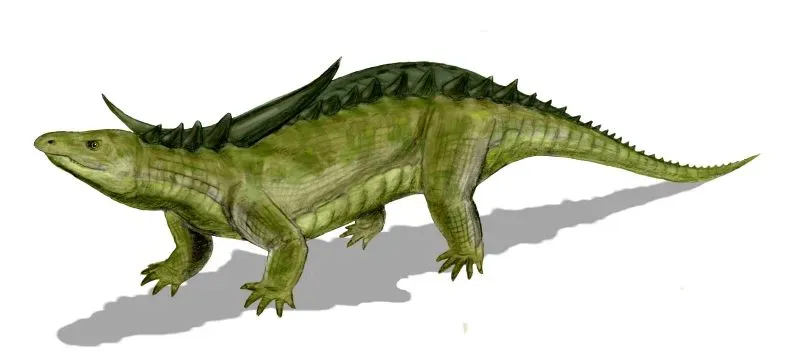
Aetosaurs were heavily armored reptiles that were common during the last 30 million years of the Late Triassic until they died out at the Triassic-Jurassic extinction. Most aetosaurs were herbivorous and fed on low-growing plants, but some may have eaten meat. Picture a creature that looks like a mashup between a crocodile and an armadillo, wandering the same fern-covered plains as the earliest dinosaurs. That is roughly what you are imagining.
Aetosaurs were crocodile cousins that looked something like the armored dinosaurs that did not have tail clubs. These armored animals were primarily herbivorous and had skeletal features that would have been good for digging up plants. They went extinct at the end of the Triassic. Their disappearance at the end of the period was a turning point, clearing the ecological path for dinosaur-line herbivores to finally take center stage. Timing, it seems, is everything in evolution.
Phytosaurs: The Crocodile Copycats That Weren’t Crocodiles
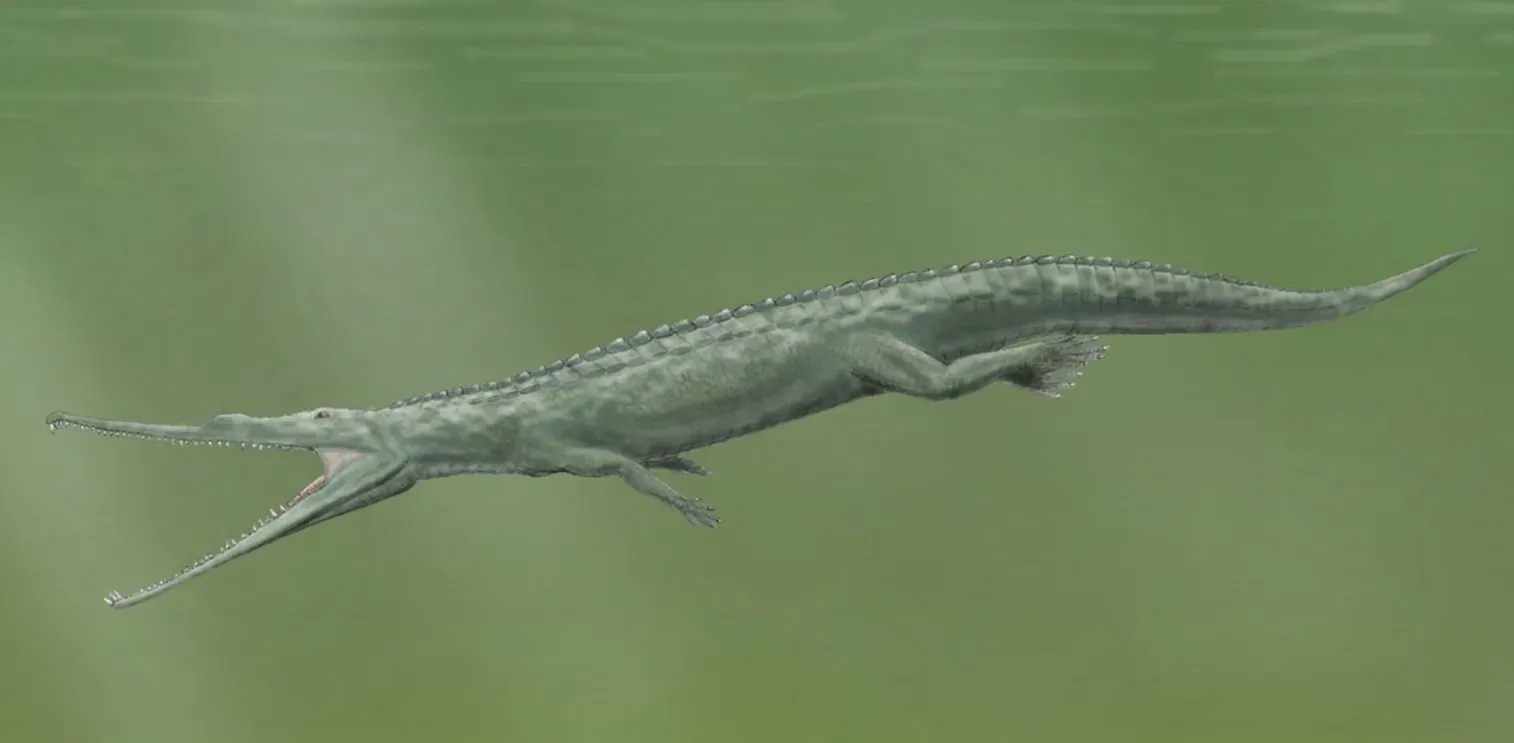
Phytosaurs were a particularly common group which prospered during the Late Triassic. These long-snouted and semiaquatic predators resemble living crocodiles and probably had a similar lifestyle, hunting for fish and small reptiles around the water’s edge. However, this resemblance is only superficial and is a prime case of convergent evolution. This is one of my favorite examples from all of ancient history of nature independently inventing the same successful design twice.
Phytosaurs were distant relatives of crocodiles, but looked very much like them. One obvious difference is that phytosaur nostrils were not at the end of the snout, as in crocodiles, but on top of a short bony ridge in front of the eyes. Otherwise the two groups were so similar that you might call phytosaurs “crocodile mimics.” Phytosaurs appeared during the Middle Triassic and, like most non-dinosaur archosaurs, failed to make it through the Triassic-Jurassic Extinction Event. So close to survival, yet so far.
Ichthyosaurs: The Ocean Hunters Ruling Triassic Seas
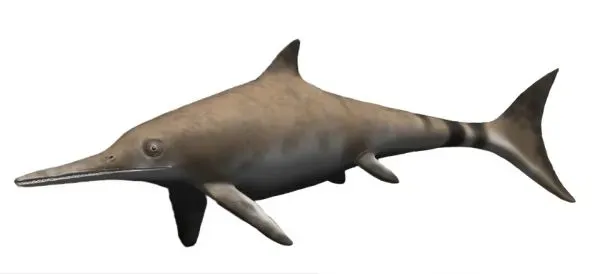
Early in the Triassic, a group of reptiles, the order Ichthyosauria, returned to the ocean. Fossils of early ichthyosaurs are lizard-like and clearly show their tetrapod ancestry. Their vertebrae indicate they probably swam by moving their entire bodies side to side, like modern eels. Later in the Triassic, ichthyosaurs evolved into purely marine forms with dolphin-shaped bodies and long-toothed snouts. It is a remarkable evolutionary story – land animals giving up the shore entirely and re-engineering themselves for the open ocean.
These efficient hunters, which were equipped with powerful fins, paddle-like limbs, a long-toothed jaw, and large eyes, may have preyed upon some of the early squidlike cephalopods. There is also evidence that these unusual reptiles gave birth to live young. By the mid-Triassic, the ichthyosaurs were dominant in the oceans. One genus, Shonisaurus, measured more than 50 feet long and probably weighed close to 30 tons. Let that sink in – a 50-foot reptile was gliding through Triassic seas while the first tiny dinosaurs were just finding their footing on land.
Nothosaurs: The Sea Monsters in Transition
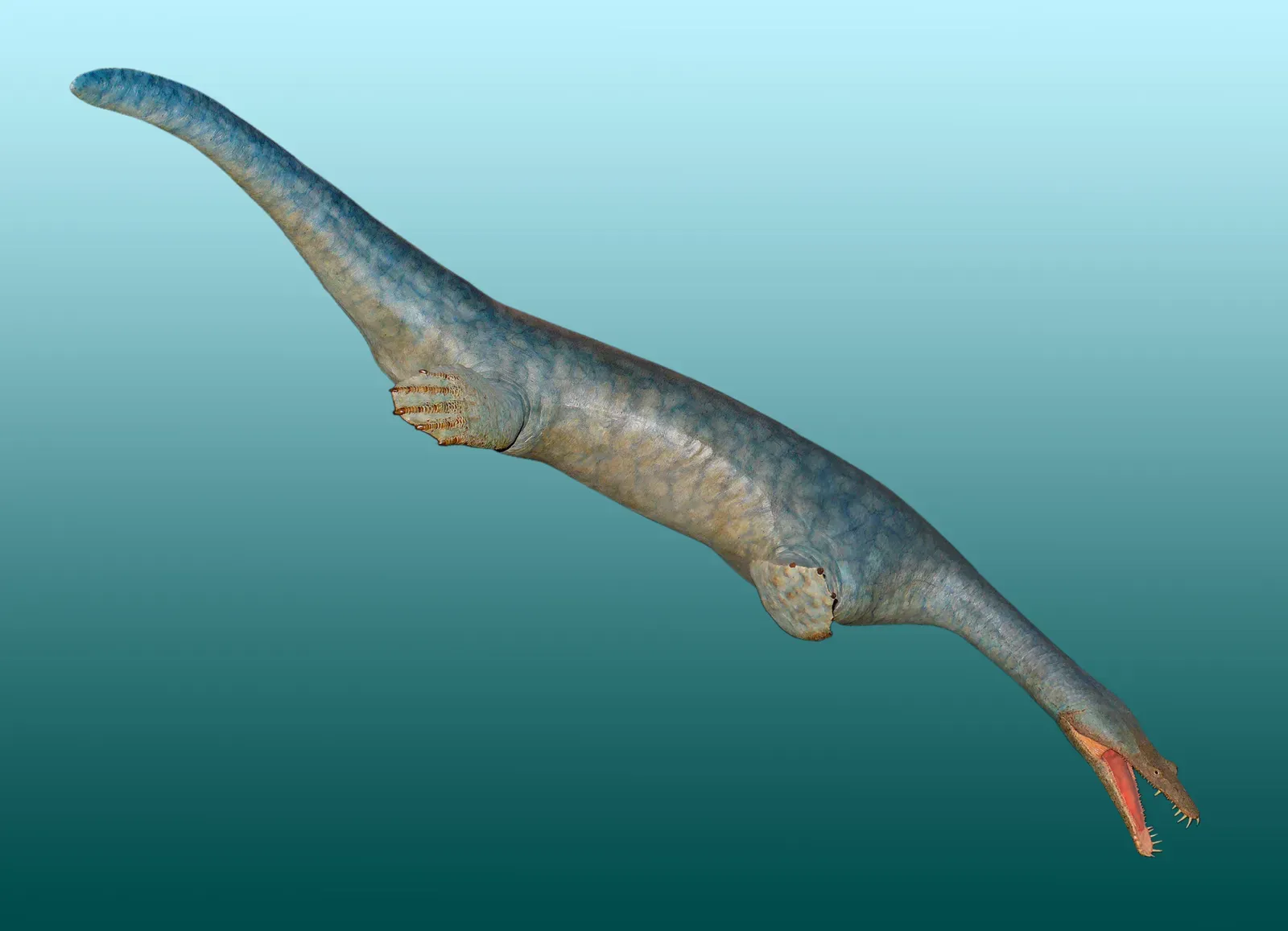
Nothosaurs lived during the mid- and late Triassic period and were among the earliest reptiles to take to the sea. Because nothosaurs may have had to come ashore to lay eggs, the eggs and hatchlings would have been vulnerable to land-based predators. They occupied this strange in-between world – not fully aquatic, not fully terrestrial. Kind of like a prehistoric version of a seal, if seals had longer necks and a lot more teeth.
Nothosaurs were a transitional form between terrestrial reptiles and plesiosaurs, and a diverse and successful clade in their own right. Nothosaurus could get big, at up to 7 meters, while Keichousaurus was tiny at only 12 centimeters. Simosaurus was in between, notable for its barrel chest and blunt, shell-crushing teeth. Nothosaurs probably hauled out of the water to bask and breed, like modern seals, something later plesiosaurs would lose the ability to do. Their diversity is genuinely astounding for a group most people have never even heard of.
Tanystropheus: The Most Bizarre Neck in Prehistoric History
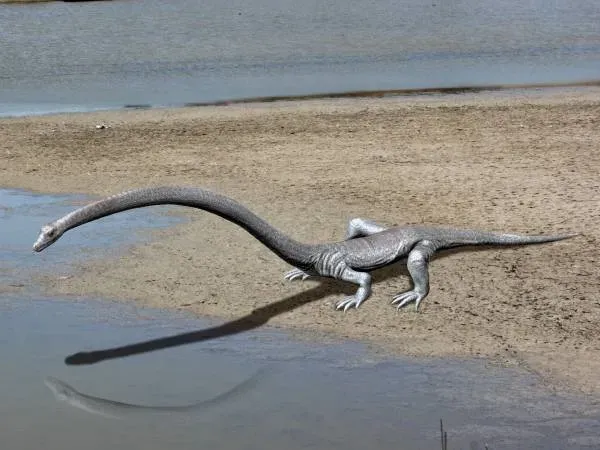
Tanystropheids were a family of protorosaurs which elevated their neck size to extremes, with the largest genus Tanystropheus having a neck longer than its body. I know it sounds crazy, but this is entirely real. Imagine an animal roughly 20 feet long, nearly half of which is pure neck. It looks like something a child drew after being told to design the strangest creature possible.
Tanystropheus was approximately 20 feet long, with 10 feet of that length being its neck, and it weighed around 300 pounds. Paleontologists believe this web-toed reptile probably spent most of its time near river banks or the shoreline, using its long neck to catch fish. Its front legs were considerably shorter than its back legs, which has led paleontologists to speculate that it may have shifted its weight forward to catch fish. Some specimens have even been found with fish bones and parts of cephalopods in their stomachs, confirming its fishing lifestyle beyond reasonable doubt.
Silesaurus and the Dinosaur Relatives That Nearly Were
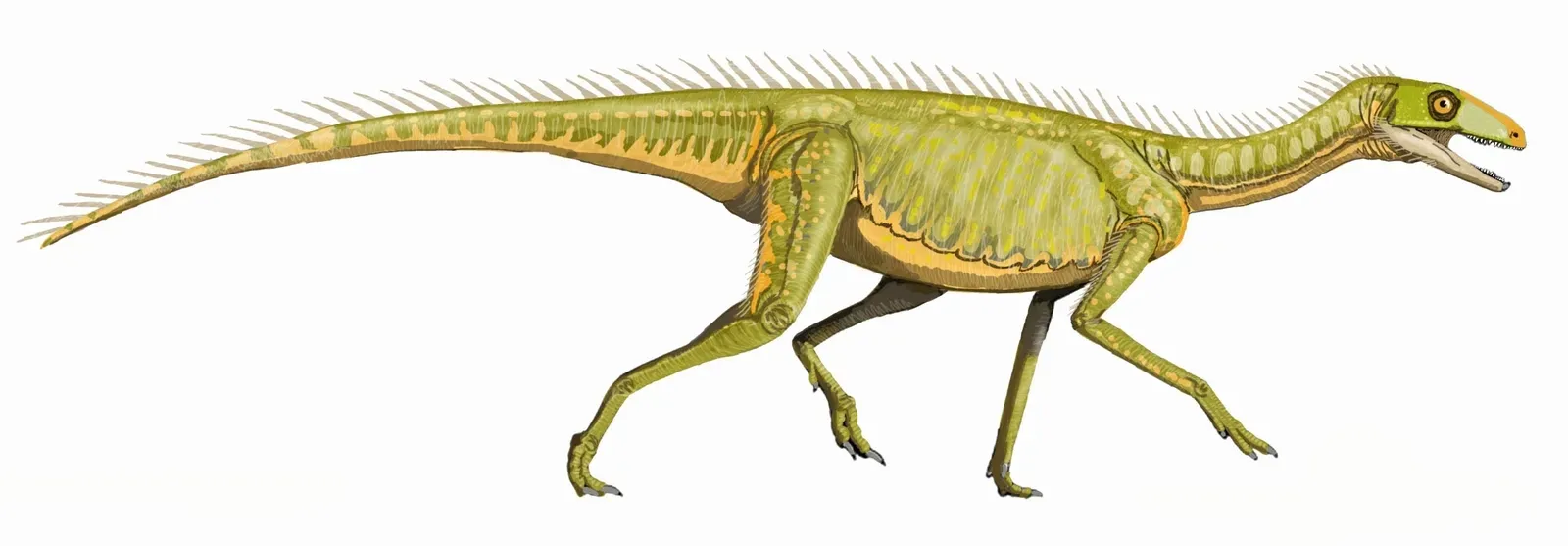
Silesaurus was a 2.3-meter-long reptile that lived in Poland during the Late Triassic. It was a lightly built, fast-moving animal that walked on its hind legs. Coprolites found in the vicinity of Silesaurus specimens suggest that the reptile may have been an insectivore. Seemingly lacking teeth, Silesaurus may have had a bird-like beak for capturing its insect prey. It is hard to say for sure where exactly the line between “dinosaur relative” and “actual dinosaur” falls for some of these creatures.
Reptiles such as Silesaurus were the closest relatives of the dinosaurs. Only slight anatomical differences separate them from true dinosaurs. Think of them as cousins who nearly made the cut. Dinosaurs existed alongside non-dinosaurian ornithodirans for a period of time, with estimates ranging from 5 to 21 million years. For a significant chunk of the Triassic, dinosaurs and their near-dinosaur cousins lived side by side, and distinguishing them in the fossil record is genuinely difficult work.
Drepanosaurs and the Weirdest Creatures of the Triassic
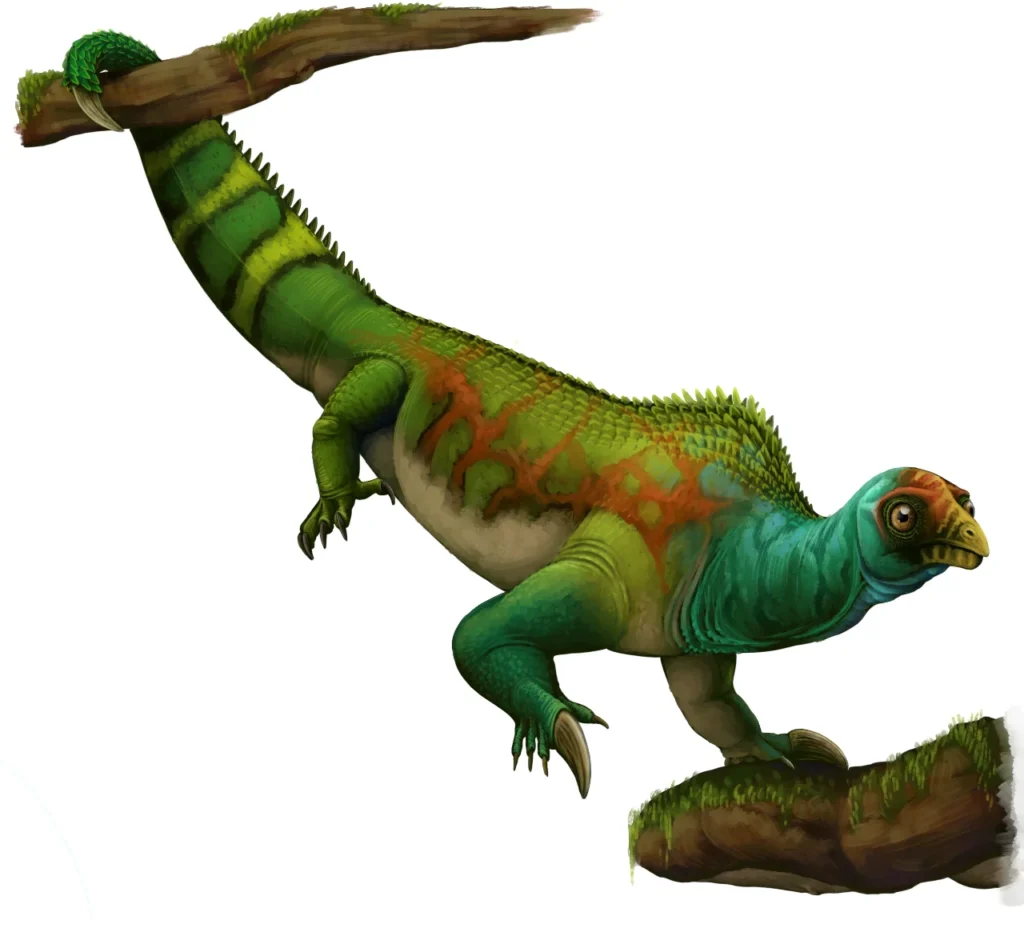
Drepanosaurs were truly strange animals, and even today no one is quite sure where exactly they fit on the evolutionary tree. That admission from paleontologists tells you everything you need to know. When scientists themselves shrug and say “we’re honestly not sure what this thing was,” you know you are dealing with something truly remarkable.
Many of these reptiles went extinct at the end of the Triassic, such as the chameleon-like drepanosaurs, the long-necked tanystropheids, and the placodonts, which looked something like marine turtles with bulbous crushing teeth for eating shellfish. Others included the incredibly long-necked Tanystropheus and, potentially, the bizarre chameleon-like drepanosaurs, which had a claw on the end of their tails. A claw on the end of a tail. For climbing. In a reptile that scientists still cannot fully classify. The Triassic was, by any measure, evolution’s most ambitious and experimental chapter.
The Great Extinction That Finally Gave Dinosaurs Their Moment
The end of the Triassic Period was marked by a global extinction event. The Triassic-Jurassic Extinction Event saw the extinction of the dinosaurs’ main rivals, allowing the dinosaurs to become dominant on land. It was not strength or superiority that handed dinosaurs the world. It was survival. A different kind of luck entirely.
The Triassic-Jurassic extinction event, about 201 million years ago, saw the end of most of the other groups of early archosaurs, like aetosaurs, ornithosuchids, phytosaurs, and rauisuchians. Rhynchosaurs and dicynodonts survived at least in some areas for a time. These losses left behind a land fauna of crocodylomorphs, dinosaurs, mammals, pterosaurians, and turtles. The stage was suddenly bare. And into that silence walked the dinosaurs, who would reign for the next 135 million years.
Conclusion
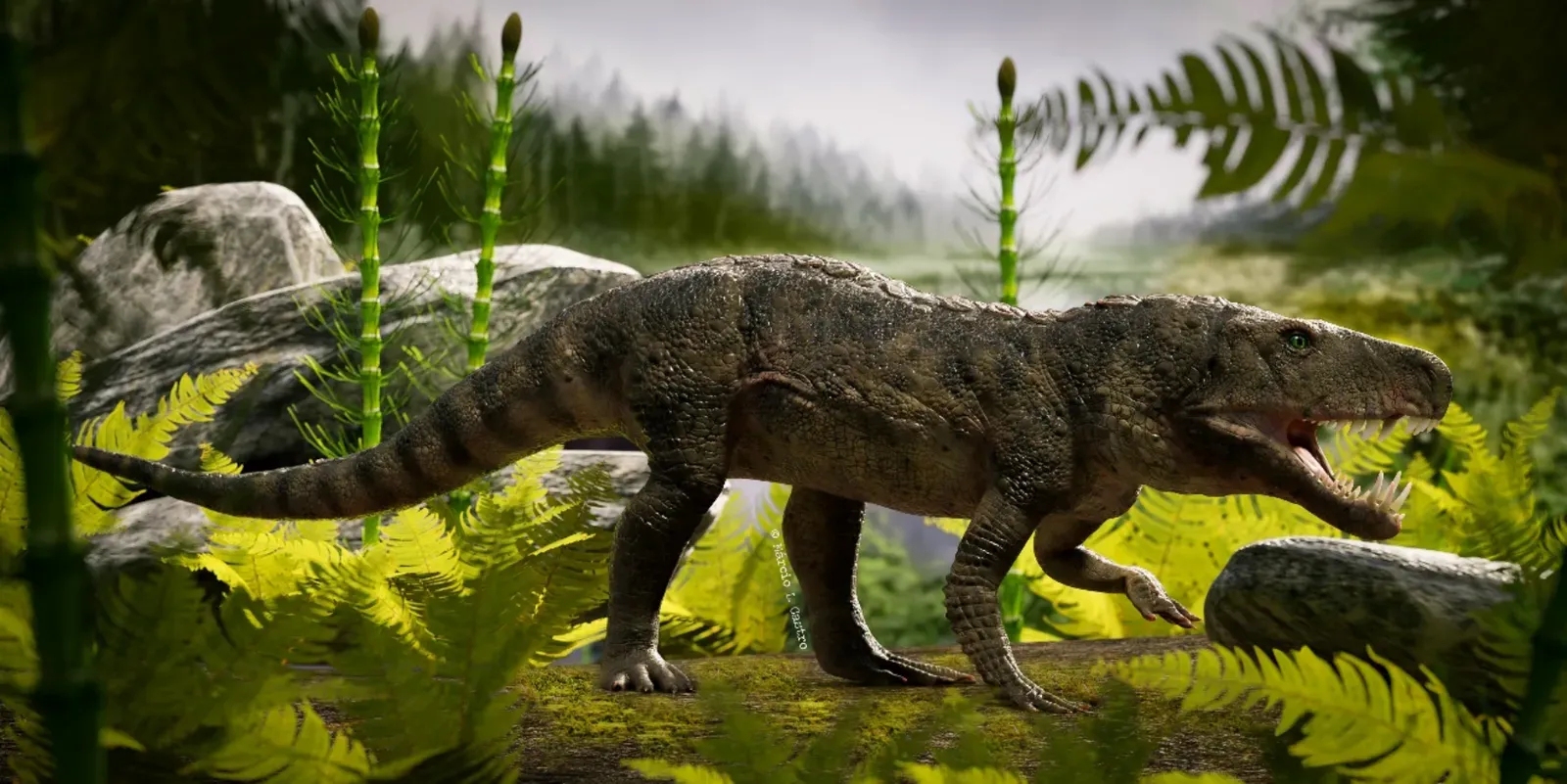
The story of the first dinosaurs is really the story of an extraordinary and crowded world that most of us never learn about. You share this planet with the distant descendants of the survivors – crocodiles, birds, and the lineages that made it through. The ancient reptiles that walked, swam, and glided alongside the first dinosaurs were not supporting characters. They were the main event, holding their own against the newcomers for millions of years.
It took a planet-altering catastrophe to finally tip the scales. Before that moment, life in the Triassic was a chaotic, wonderful, terrifying experiment in just how many shapes a reptile could possibly take. Honestly, the more you learn about this era, the more you realize that the dinosaurs getting their crown was never guaranteed. It could have gone completely differently.
What do you think – does knowing that dinosaurs were once the underdogs change how you see them? Drop your thoughts in the comments below.