Imagine trying to measure the intelligence of a creature that vanished roughly 66 million years ago, leaving behind only bones, teeth, and the occasional footprint. No brain tissue. No behavior caught on film. Just rock and stone and the quiet, painstaking work of scientists determined to unlock what these ancient animals were actually capable of. It’s a puzzle that sounds almost impossible, yet paleontologists have made jaw-dropping progress in recent decades.
The question of dinosaur intelligence is far more complex, and frankly far more fascinating, than pop culture has ever given it credit for. You’ve probably pictured the scene from Jurassic Park, Velociraptors hunting in clever coordinated packs, or T. rex sniffing you out with terrifying precision. But what does the actual science say? The answers are surprising, occasionally controversial, and well worth discovering. Let’s dive in.
Why Dinosaur Intelligence Is So Hard to Measure
Here’s the thing about measuring intelligence in a living animal: it’s already notoriously difficult. Now imagine doing it for creatures that have been extinct for tens of millions of years, and you start to appreciate just how much detective work is involved. You simply cannot hand a dinosaur a puzzle and watch it solve it.
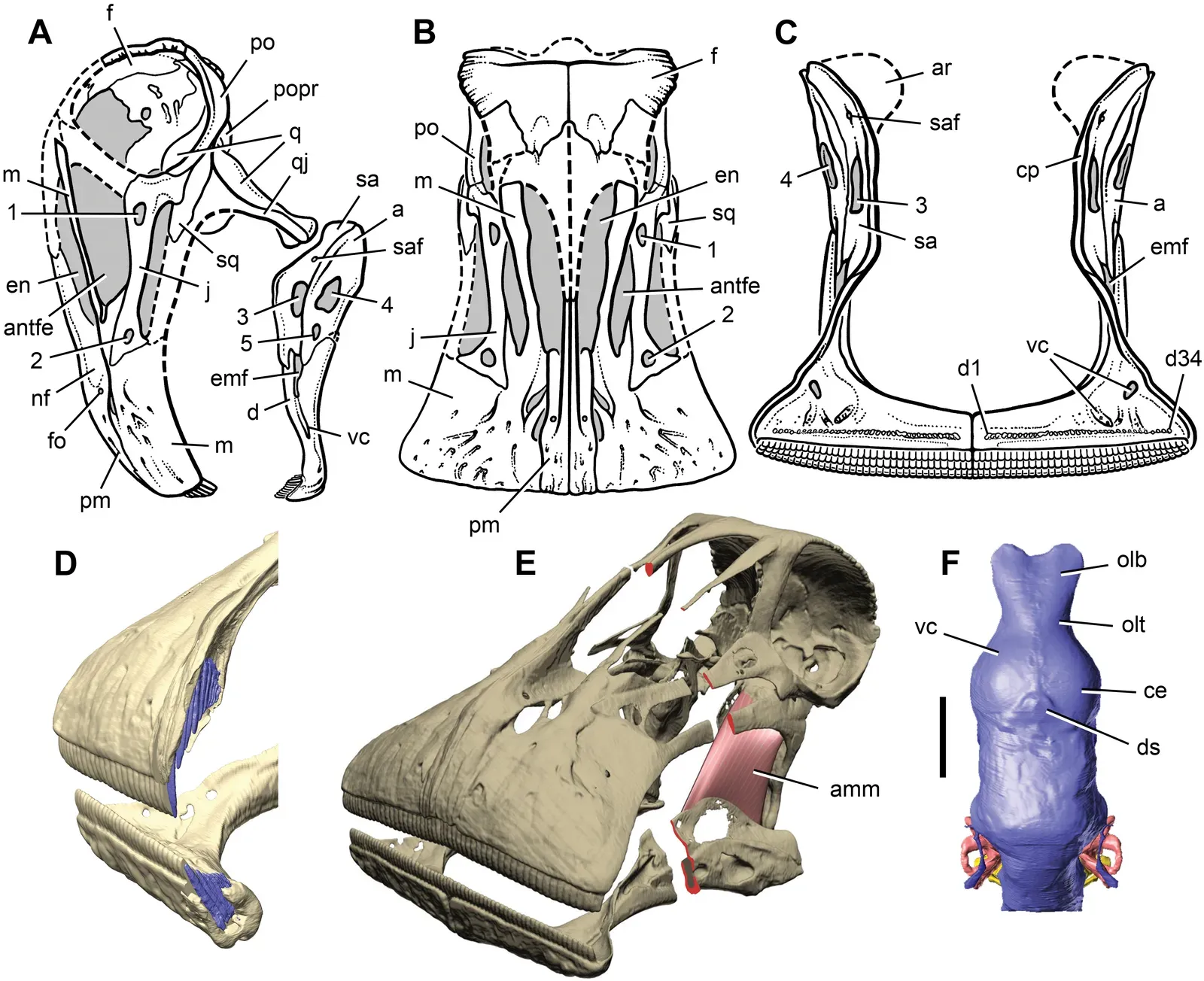
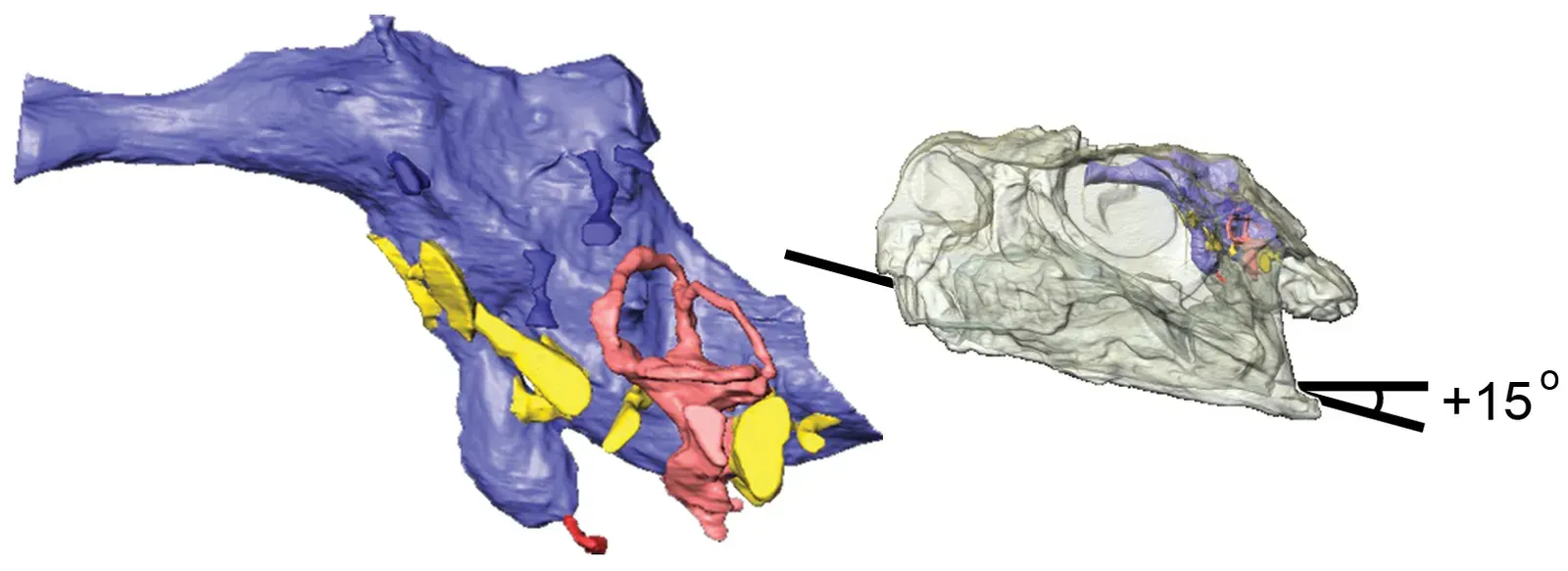
Scientists create 3D models of the cranial cavity, a technique called endocast analysis, to estimate brain size and shape, with larger brains relative to body size being generally associated with higher intelligence. Behavioral evidence from fossilized footprints, nesting sites, and hunting strategies can also reveal aspects of social behavior, problem-solving skills, and learning abilities.
Information on dinosaur brains comes from mineral infillings of the brain cavity, known as endocasts, as well as the shapes of the cavities themselves. The catch? Brain tissue rarely fossilizes, leaving scientists reliant on endocasts, which may not perfectly reflect brain structure. It’s like trying to understand what a sculpture looked like by only studying the mold it was pressed into.
Animal intelligence, after all, isn’t just about anatomy; it’s about behavior, problem-solving, and social learning, none of which fossils can truly capture. This is a hard truth that hangs over every claim about dinosaur brainpower, no matter how exciting the headlines get.
The Encephalization Quotient: The Ruler Scientists Use
If you want to rank dinosaur intelligence, you need a measuring stick, and the most widely used one in paleontology is something called the Encephalization Quotient, or EQ. Think of it like a credit score for brainpower relative to body size. A higher number suggests a bigger brain for a given body mass, which is generally believed to correlate with greater cognitive potential.
The encephalization quotient (EQ) is a relative brain size measure defined as the ratio between observed and predicted brain mass for an animal of a given size, based on nonlinear regression on a range of reference species. It has been used as a proxy for intelligence, and it is considered a more refined measurement than the raw brain-to-body mass ratio, as it takes into account allometric effects.
Paleontologists made little progress in understanding dinosaur cognition until the 1970s, when scientists developed a new system for estimating intelligence based on relative brain size, called the encephalization quotient (EQ). In the late 1970s, paleontologist James Hopson measured EQ values for a variety of dinosaurs, creating the scale of dinosaur intelligence that is still used by most paleontologists today.
One study found that the body mass for many dinosaur genera could vary by four times, and this wide range of body mass estimates, combined with the uncertainty of how much of the brain cavity the brain filled, makes it hard to get an accurate EQ for dinosaurs. So while EQ is the best tool available, it’s still far from perfect, which is exactly why ongoing debates about dinosaur brainpower remain so lively.
Troodon: The Einstein of the Dinosaur World
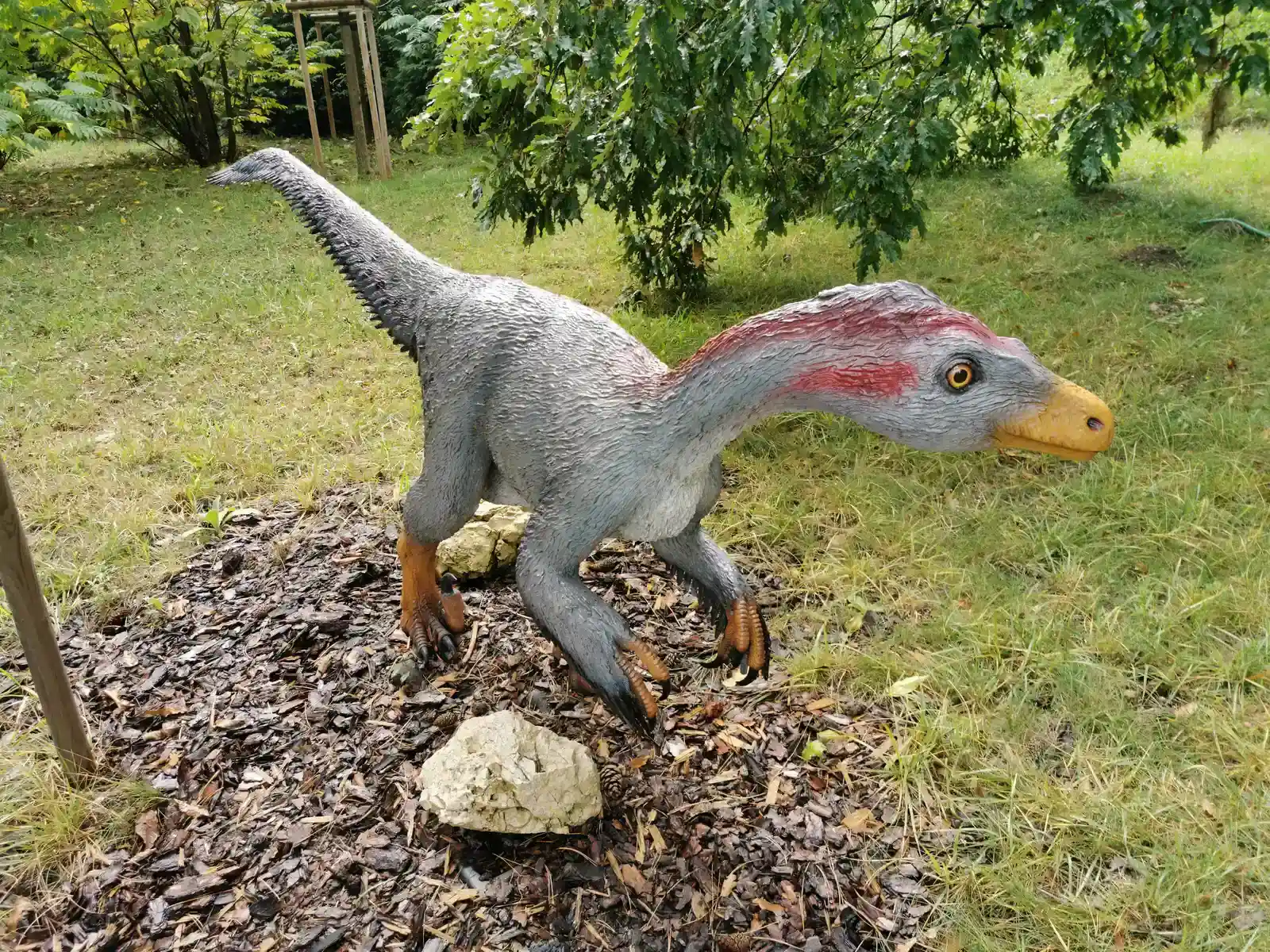
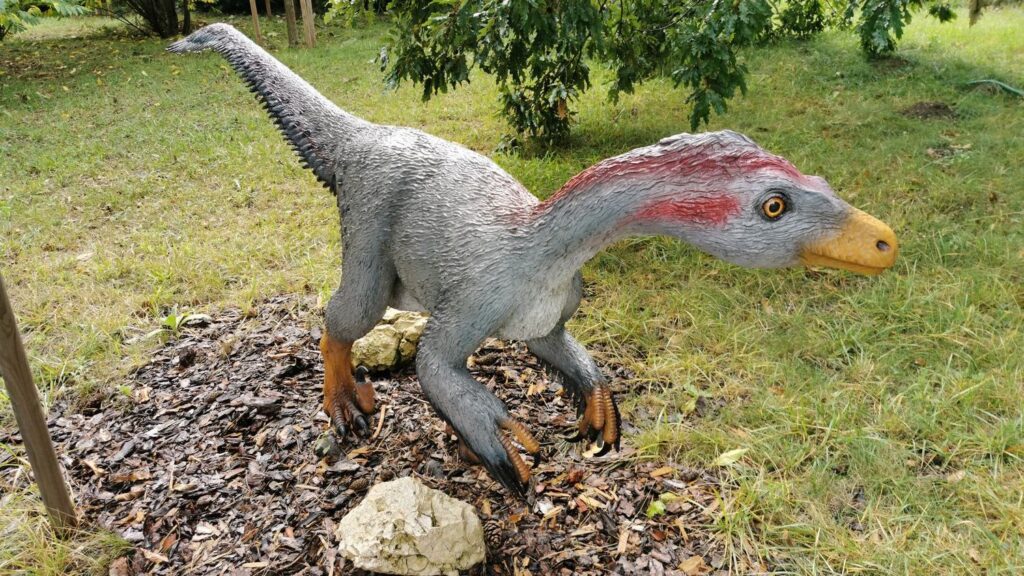
If you had to pick one dinosaur to crown as the smartest, most scientists would point you straight to Troodon. Often considered the Einstein of dinosaurs, Troodon had a relatively large brain for its body size. This small, terrestrial dinosaur could grow to about six feet long and weigh around 60 pounds, which makes it more like a large dog than the towering monsters most people picture when they think of dinosaurs.
With its large brain, Troodon is believed to have been one of the smartest dinosaur species to have lived, and its brain size compared to its body size is the largest of any dinosaur. Troodon was about as large as a fifth grader, and its brain was about the size of a golf ball. Honestly, when you put it that way, it sounds almost unimpressive, but within the dinosaur world, this was extraordinary.
The troodontid family possessed brains with a cerebrum-to-brain-volume ratio closer to a typical avian brain rather than a modern-day lizard’s brain. Troodon is often cited as the smartest dinosaur due to its exceptionally large brain relative to its body size, and paleontologists believe that it had a brain-to-body ratio comparable to modern birds, suggesting advanced cognitive abilities. That’s a remarkable connection to animals we know today to be quite clever.
Troodon’s Extraordinary Senses and Hunting Ability
A big brain alone does not make you smart. It’s what you do with it that counts. In Troodon’s case, the evidence strongly suggests that its enlarged brain powered a suite of exceptional sensory abilities that would have made it an unusually effective and adaptable predator in its Late Cretaceous environment.
Characterized by its large head and jagged teeth, Troodon had excellent eyesight, which suggests it was likely nocturnal, hunting at night much like modern owls. Fossil evidence shows that the dinosaur had exceptionally large eye sockets, implying oversized eyes and excellent low-light vision, and the eyes were also set somewhat forward on the skull, providing binocular vision, the ability to judge depth and distance, crucial for a predator that needed to strike accurately at moving prey.
Its lightweight build and strong legs allowed for quick movements, helping it catch smaller, agile prey. Troodon is known to have had an excellent sense of smell and good hearing. Put it all together and you get a nimble, keen-sensed, big-brained predator that was operating on a completely different level compared to most of its contemporaries. Think of it like the difference between a crocodile and a crow.
Fossil evidence suggests that Troodon also engaged in parental care, as egg fossils have been found alongside adult remains. Parental care is widely considered a sign of higher cognitive function in animals, making this discovery particularly meaningful for our understanding of just how behaviorally complex Troodon may have been.
Velociraptor and Deinonychus: Hollywood Exaggerated, Science Still Impresses
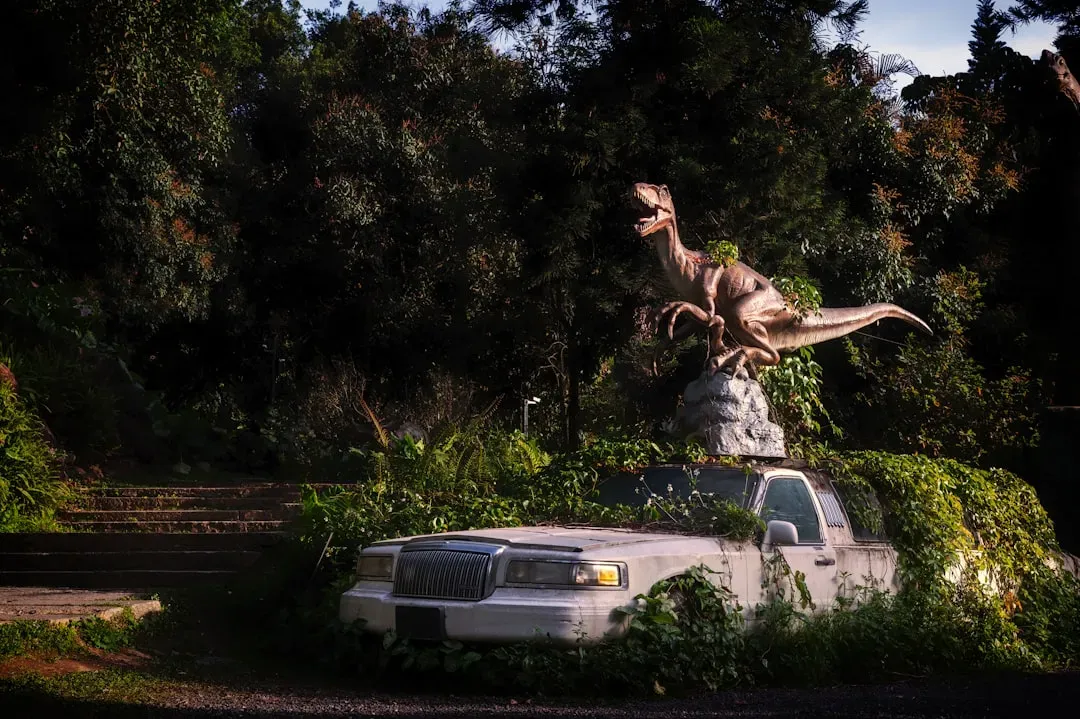
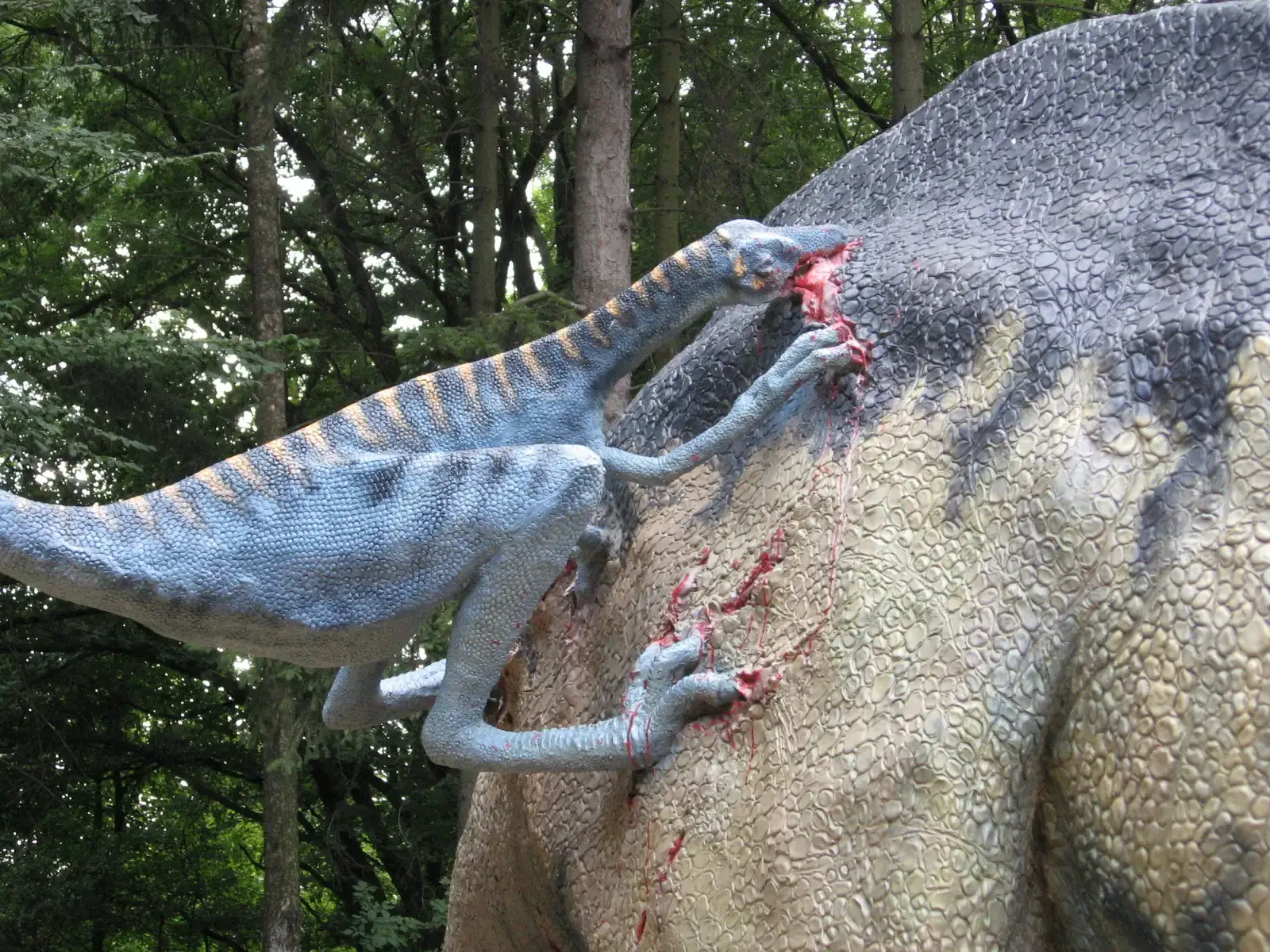
Let’s be real, you can’t talk about intelligent dinosaurs without bringing up raptors. Velociraptors have been misunderstood ever since they were featured in Jurassic Park as giant scaly dinosaurs that hunted in packs and disemboweled prey with sickle-shaped claws, and that portrayal got several things wrong. The real Velociraptor was far smaller and far more bird-like than its movie counterpart suggests.
Velociraptor probably wasn’t as intelligent as popular culture has made it out to be, though it’s true that it had a large brain in proportion to its body, making it one of the more intelligent dinosaurs. The dromaeosaurs, like Deinonychus, Velociraptor, and Utahraptor, rank in the range of 5.5 to 5.8 on the EQ scale, by far the highest ratings of any dinosaur group. That places them comfortably in the smarter end of the prehistoric spectrum.
Deinonychus was famed for its large, sickle-shaped killing claw, which played a crucial role in hunting, and it had a narrow skull with sharp teeth and forward-facing eyes, indicating a highly developed predatory capability. Researchers are at loggerheads over whether these extinct hunters were ever actually smart enough to work together to take down their prey. It’s a debate that shows no sign of being settled anytime soon.
The T. rex Intelligence Debate: Smarter Than You Think, or Exactly What You’d Expect?
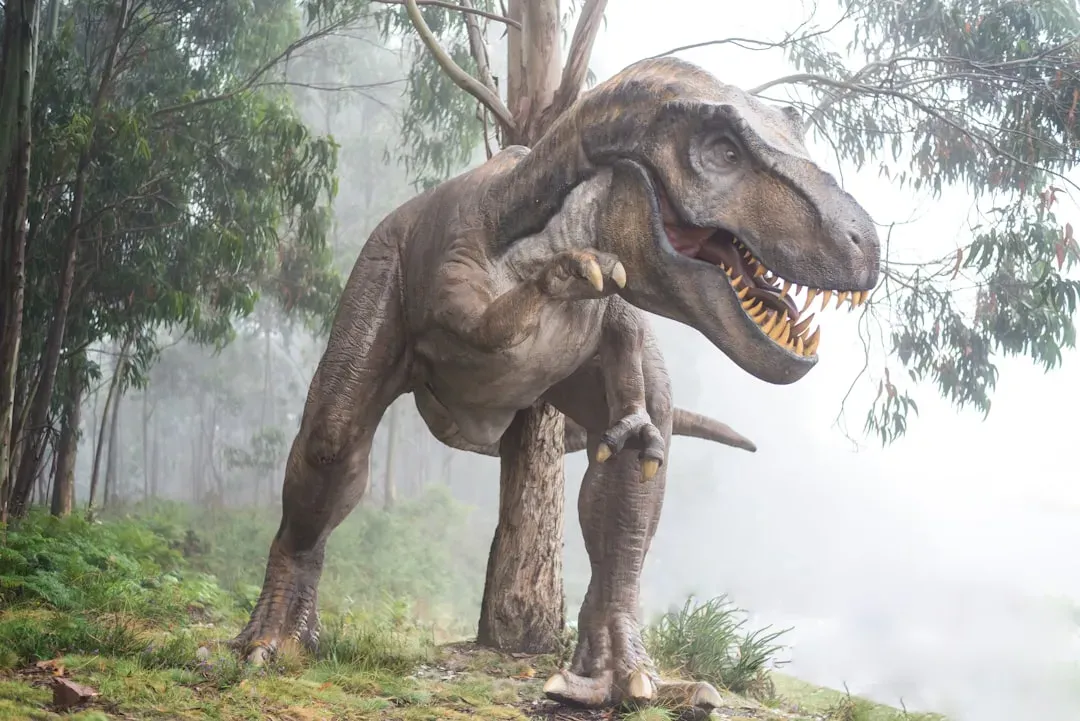
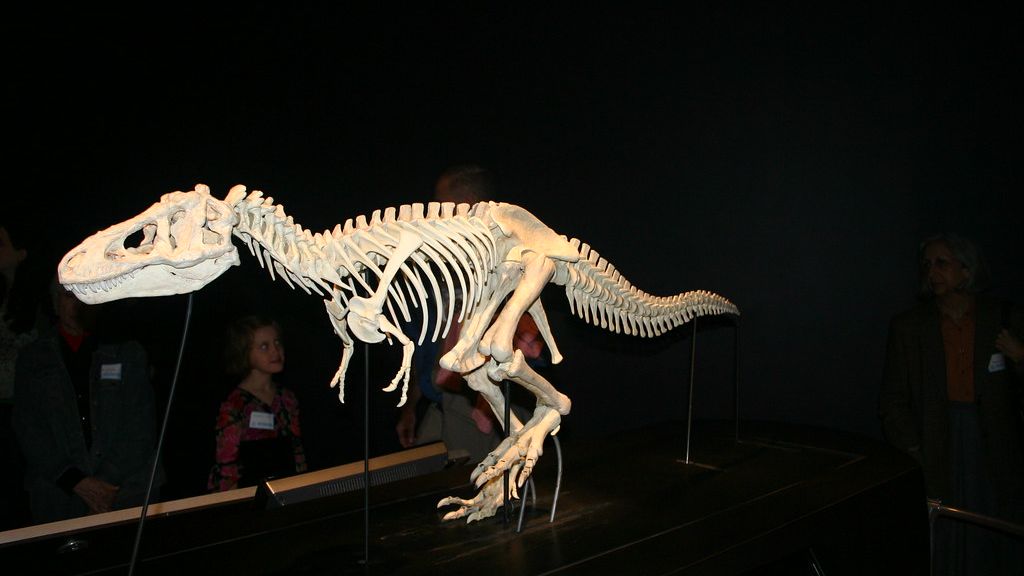
Few dinosaurs generate more controversy than Tyrannosaurus rex, and that includes debates about how smart it actually was. The Tyrannosaurus rex, often celebrated as one of the most fearsome predators in history, has also been scrutinized for its brainpower, with its predatory success historically attributed to its sharp senses, strategic hunting, and social behaviors. But there’s been some serious scientific back-and-forth on this front.
In a study published previously, Vanderbilt University paleontologist Suzana Herculano-Houzel claimed that dinosaurs like T. rex had an exceptionally high number of neurons and were substantially more intelligent than assumed, claiming that these high neuron counts could directly inform on intelligence, metabolism, and life history, and that T. rex was rather monkey-like in some of its habits. That was a genuinely thrilling claim when it came out. I think a lot of people got excited by the idea of a T. rex with primate-level cunning.
Large theropods were, according to newer research, as smart as reptiles but not as intelligent as monkeys. The newer team found that brain size had been overestimated, especially that of the forebrain, and thus neuron counts as well, and they further showed that neuron count estimates are not a reliable guide to intelligence. In other words, the monkey comparison was a stretch, but T. rex was still no slouch by reptile standards.
Many paleontologists consider T. rex intelligent due to its relatively large brain size for a dinosaur, particularly in areas controlling sensory input and coordination, and its advanced sensory capabilities, including excellent vision and olfactory senses, made it an effective hunter. So picture something more like an extremely capable, highly tuned crocodilian than a primate, and you’re probably in the right ballpark.
Birds: The Living Proof That Dinosaur Intelligence Survived
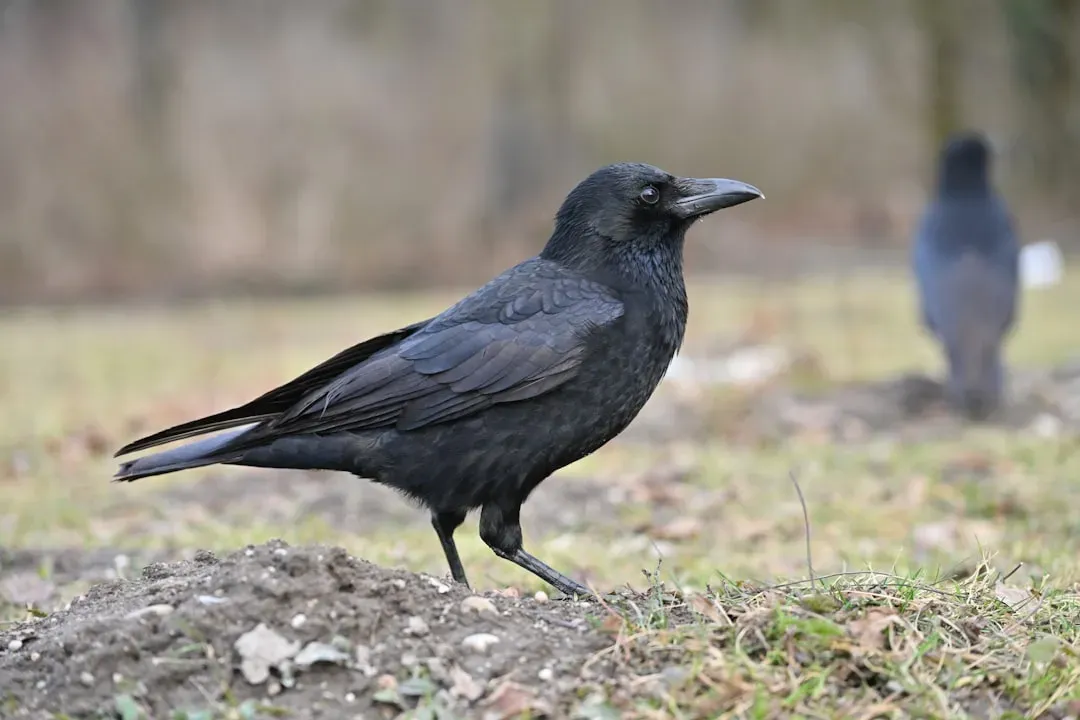
Here’s what I think is the most mind-bending part of this whole conversation. You don’t have to go digging through fossil beds to find a living dinosaur brain. You just have to look up at the sky. Because modern birds evolved from small, feathered dinosaurs, scientists now study living bird species to understand how dinosaur brains once worked, and crows that solve puzzles, parrots that mimic speech, and hawks that hunt cooperatively all hint at a deeper, ancient intelligence.
Troodon had a large brain for its relatively small size and was probably among the smartest dinosaurs, and its brain is proportionally larger than those found in living reptiles, so the animal may have been as intelligent as modern birds. That’s not just a casual comparison. It’s a direct structural and evolutionary link, supported by decades of paleontological work and increasingly refined brain imaging technology.
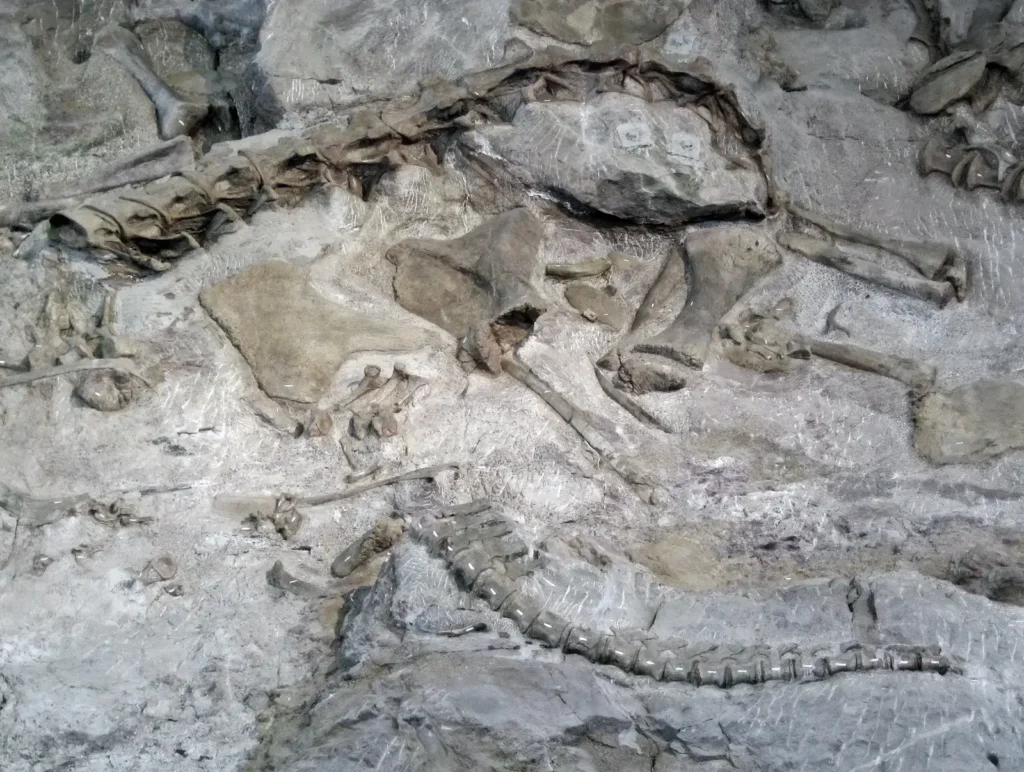
The realization that birds evolved from theropod dinosaurs led some paleontologists to theorize that dinosaur intelligence might be more appropriately based on studies of avian intelligence and the structure of birds’ brains. To reliably reconstruct the biology of long-extinct species, researchers argue scientists should look at multiple lines of evidence, including skeletal anatomy, bone histology, the behavior of living relatives, and trace fossils. The living world, in other words, remains one of the best windows into the ancient one.
Conclusion: The Smartest Dinosaur Might Just Surprise You
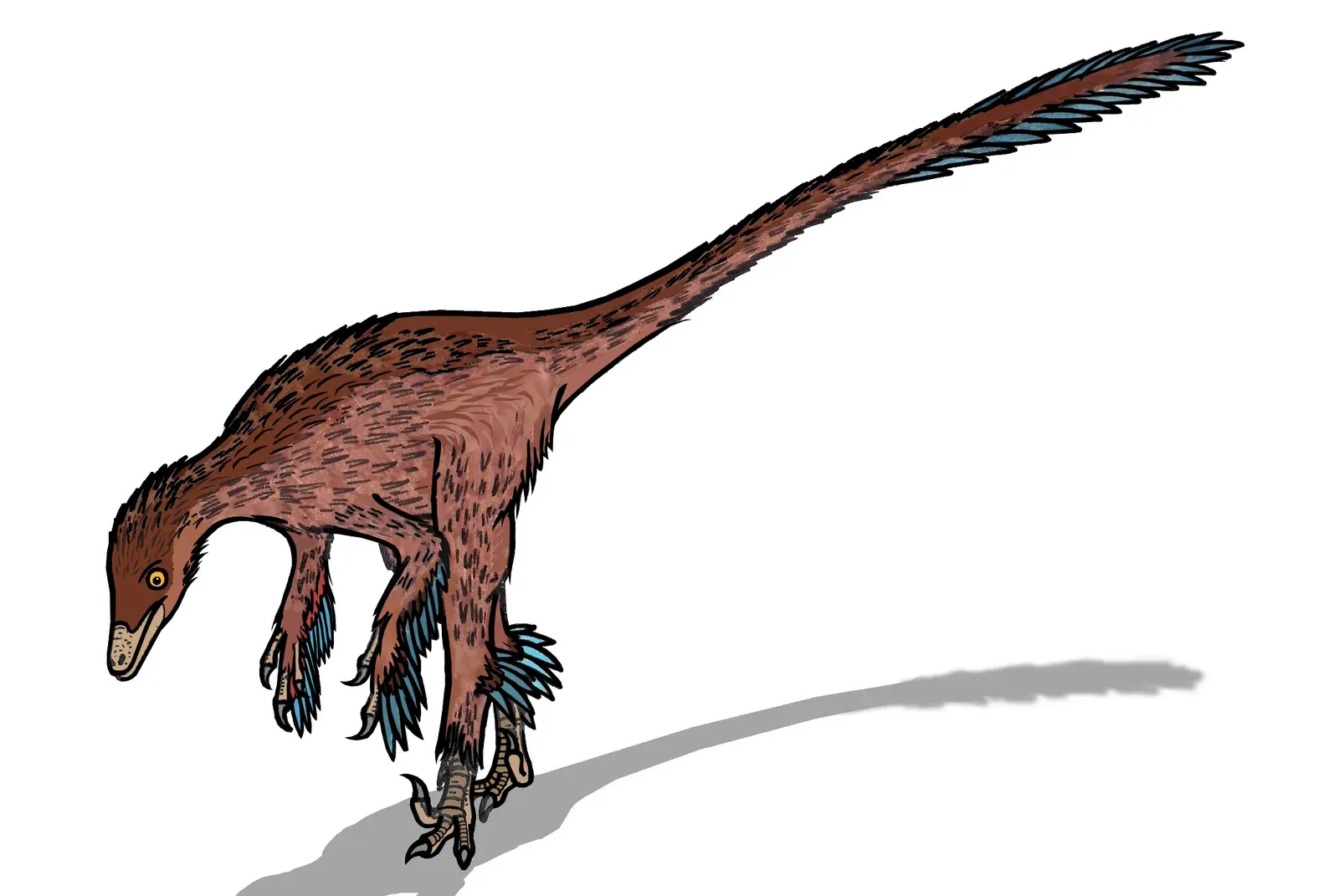
So, who wins the crown? It’s impossible for scientists to know for sure which dinosaur was the smartest, but Troodon has the biggest brain-to-body ratio of any dinosaur discovered so far, which is one way scientists estimate an animal’s intelligence. By that measure, the relatively tiny, night-hunting Troodon beats the massive, terrifying T. rex without a contest.
Yet the deeper you go into this topic, the more you realize that “smartest” is a slippery word. Intelligence shows up in many forms, from the sensory precision of Troodon to the social complexity hinted at in certain raptor fossils to the powerful instinct-driven hunting machine that was T. rex. The very definition of intelligence is debated, and what constitutes “smart” for a dinosaur in its environment might differ greatly from human intelligence.
What’s truly remarkable is that after 66 million years of silence, science keeps finding ways to make these ancient creatures speak. Every new CT scan, every fossil nest, every carefully analyzed footprint adds another detail to a portrait we once thought was impossible to paint. The smartest dinosaur may not have been the biggest or the most fearsome. It was the one that knew how to survive, adapt, and outwit its world. Sound familiar?
What do you think: does knowing Troodon was probably more bird-brained than big-brained change how you see dinosaurs? Drop your thoughts in the comments!