
Have you ever wondered why some people seem to stumble into amazing opportunities while others face one setback after another? You know the type – they land dream jobs without trying, meet fascinating people at random coffee shops, and somehow always find parking spots in crowded lots. Meanwhile, you might feel like you’re working twice as hard for half the results. What if I told you that the difference isn’t fate or cosmic alignment, but something far more tangible?
Here’s the thing: luck isn’t purely random. Scientific research has revealed that certain personality traits create a magnetic pull toward fortunate outcomes. Your temperament, behaviors, and mindset shape how you encounter and seize opportunities in ways you probably never imagined. The most surprising part? You might already possess some of these lucky qualities without even realizing it.
The Extroverted Advantage: When More People Means More Possibilities
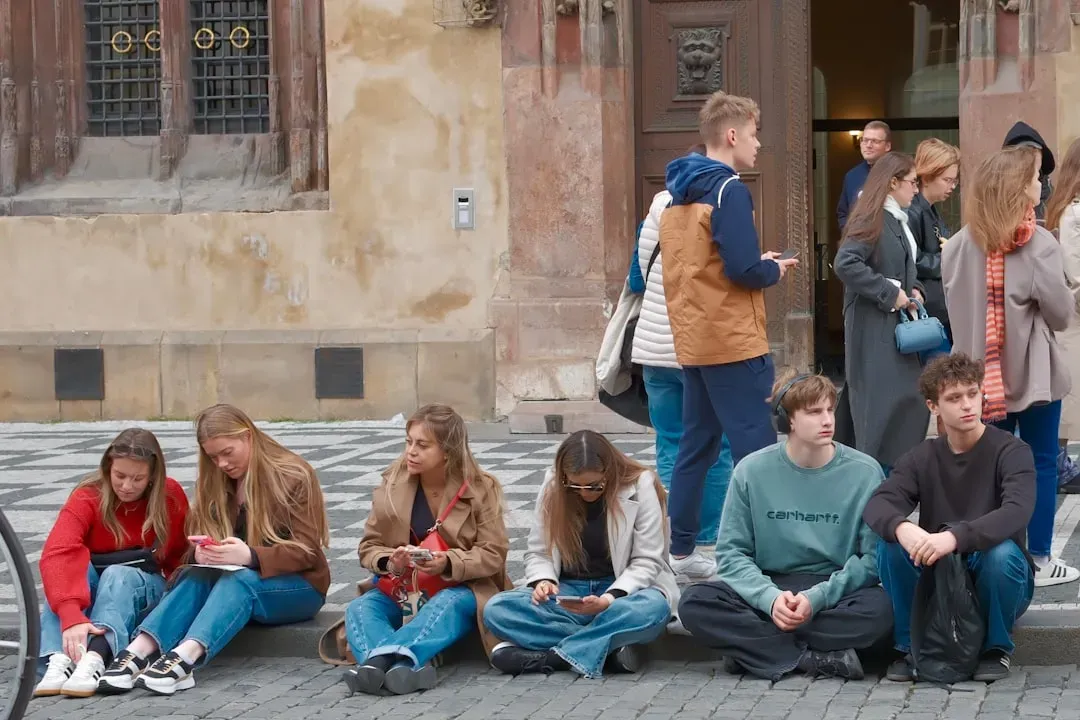
You’ve probably heard that extroverts have it easier, and there’s actually compelling science behind this claim. The more contacts you have, the better your odds – extroverts create luck through simple mathematics. When you’re the person who strikes up conversations at networking events, chats with strangers on the train, or introduces yourself to new neighbors, you’re exponentially increasing your chances of stumbling upon something valuable.
Lucky people smile twice as often and engage in more eye contact than unlucky people do, which leads to more social encounters, which generates more opportunities. Think about it like casting a wider net. If you’re genuinely engaged with twenty people each week instead of just five, the statistical probability of meeting someone who can change your trajectory skyrockets. This doesn’t mean introverts are doomed, though. Introverts are adept listeners and observers who are good at understanding other people’s feelings, and as a result, they can form deeper connections than a more overtly outgoing person, though they generally need to make a more concerted effort to maintain and grow their network.
Higher extroversion was desirable for roughly nine out of ten workplace variables, suggesting a small, persistent advantage across career trajectories. Your natural tendency to seek social stimulation isn’t just about having fun. It positions you at intersection points where chance encounters become game changers.
The Optimist’s Secret Weapon: Expecting Good Things Actually Creates Them

Beliefs in good luck and optimism are positively related to one another – the stronger your belief in good luck, the more optimistic you tend to be. This isn’t wishful thinking or delusion. When you genuinely expect positive outcomes, your behavior shifts in subtle but powerful ways. You take more risks, persist longer when facing obstacles, and interpret ambiguous situations more favorably.
Expectation plays a role in luck, as lucky people expect good things to happen, and when they do they embrace them. I know it sounds almost too simple, but research consistently demonstrates this pattern. Highly optimistic people showed significantly less ambiguity aversion than less optimistic people when information was given that the number was randomly determined. In practical terms, this means optimists are more willing to take calculated chances when the outcome is uncertain, opening doors that pessimists leave firmly shut.
The psychological mechanism here is fascinating. Your expectations don’t just color your interpretation of events; they actively influence your actions. When you believe something good might happen, you’re more likely to initiate the conversation, submit the application, or propose the idea that leads to breakthrough moments.
Openness to Experience: The Curiosity That Pays Dividends

Lucky people score significantly higher in openness, as they’re open to new experiences in their lives and don’t tend to be bound by convention, liking the notion of unpredictability. If you’re someone who tries unusual restaurants, takes different routes to work, or explores hobbies outside your comfort zone, you’re dramatically expanding your opportunity landscape.
Openness is characterized by a person’s tendency to seek out new experiences and to be willing to explore ideas, values, emotions, and sensations that differ from their previous experience or established preferences, and has been associated with increased creativity, curiosity, adaptability, mental flexibility, and acceptance of others. This personality dimension isn’t just about being adventurous for its own sake. Individuals who score high in openness are better able to manage conflicting cultural values and adapt to new cultural contexts, which is a crucial factor underlying success in multicultural organizations and environments.
When you maintain rigid routines and predictable patterns, you might feel safe, but you’re also limiting the universe of possible fortunate encounters. Every new experience represents a potential turning point you’d otherwise miss completely.
The Low-Anxiety Personality: How Relaxation Reveals Hidden Opportunities

Here’s something that might surprise you: anxiety is a luck killer. Unlucky people are generally much more tense and anxious than lucky people, and research has shown that anxiety disrupts people’s ability to notice the unexpected. When you’re stressed and hyper-focused on specific concerns, your perceptual field literally narrows, causing you to miss obvious opportunities right in front of you.
The lucky ones were half as anxious as the unlucky ones, and because lucky people tend to be more relaxed than most, they are more likely to notice chance opportunities, even when they are not expecting them. One famous experiment illustrates this beautifully. Researchers asked people to count photographs in a newspaper, but on the second page planted a large advertisement reading “Stop counting. There are 43 photographs in this newspaper,” and lucky people identified this message within two seconds while unlucky people didn’t see it and continued counting.
Your emotional state functions like a lens that either expands or constricts your awareness. When you’re calm and open, you pick up on subtle cues, sideways glances, and unexpected possibilities that tense individuals completely overlook.
Intuition Over Overthinking: Trusting Your Gut Feeling

Honestly, this one took me by surprise when I first learned about it. Lucky people act on their intuitions across many areas of their lives, with almost ninety percent saying they trusted their intuition when it came to personal relationships, and almost eighty percent said it played a vital role in their career choices. This doesn’t mean being impulsive or reckless. It means recognizing that your unconscious mind processes vast amounts of information that never reaches conscious awareness.
Hunches and instincts are often the result of your brain’s unconscious pattern recognition skills, and psychological research has shown that our unconscious minds influence our choices, with unlucky people often ignoring the warning signals their intuition sends them, whereas people who seem to have luck on their side are more willing to follow their instincts.
Think about moments when something just felt right or wrong without logical explanation. Lucky individuals honor those feelings instead of dismissing them as irrational. Your intuition represents years of accumulated experience your conscious mind can’t articulate but your gut feeling somehow knows.
The Resilience Factor: Transforming Setbacks Into Stepping Stones

Lucky people often still found something positive about an “unlucky” situation. When presented with scenarios involving misfortune, lucky individuals consistently reframed negative events as opportunities or near-misses rather than catastrophes. Lucky people viewed scenarios as being far luckier, spontaneously commenting on how the situation could have been far worse, with one participant noting you could sell your story to the newspapers and make some money.
This cognitive reframing isn’t just positive thinking for its own sake. Lucky people tend to imagine spontaneously how the bad luck they encounter could have been worse, and in doing so, they feel much better about themselves and their lives, which in turn helps keep their expectations about the future high and increases the likelihood of them continuing to live a lucky life. Your ability to bounce back from disappointments determines whether temporary setbacks become permanent obstacles or temporary detours.
Lucky people let go of past misfortunes and focus on the future, tending to have faith that circumstances will generally get better over time, whereas many psychological studies have shown that ruminating on the past creates a downward spiral of negative emotions and memories, with lucky people attributing unexpected benefits to seemingly unfortunate events in their lives.
The Network Builder: Cultivating Connections That Create Serendipity
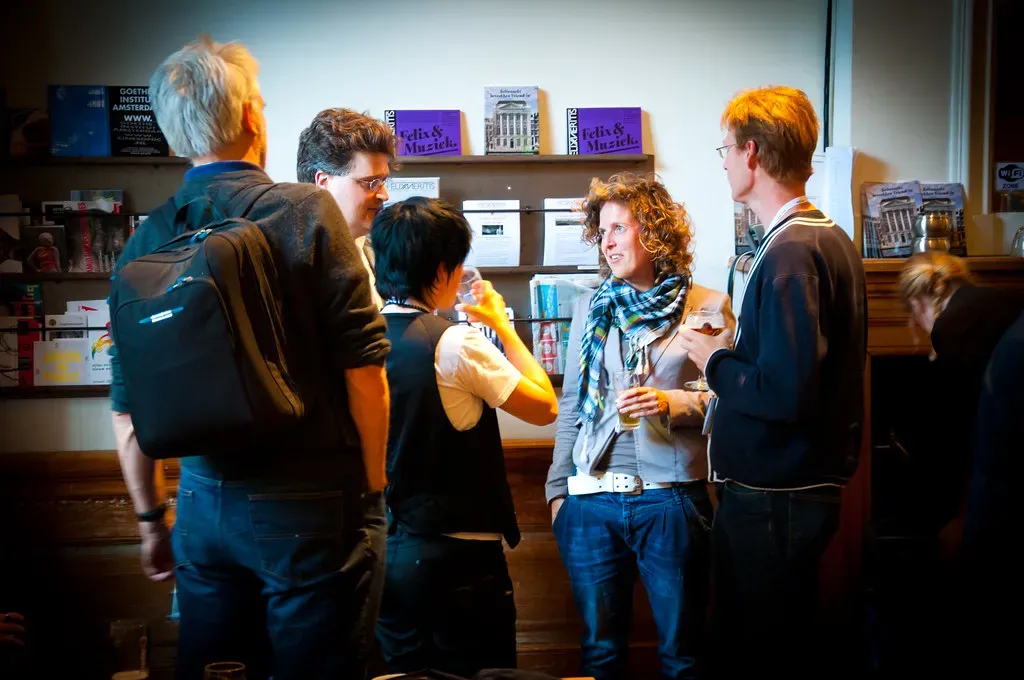
Your social network isn’t just about who you know; it’s about creating multiple pathways for fortune to find you. Extroverts have, on average, thirty percent larger networks than their introverted counterparts, which can translate into more business and professional opportunities. Each person in your network represents not only their direct value but also access to their entire web of contacts.
Let’s be real: staying in touch with people takes effort. You need to remember birthdays, send check-in messages, and show genuine interest in others’ lives. Yet this investment compounds over time in ways you can’t predict. The colleague you helped five years ago might mention your name when their company needs someone with your exact skill set. The neighbor you chat with might have a daughter looking for exactly what you’re selling.
There are three ways in which lucky people’s extroversion significantly increases the likelihood of their having a lucky chance encounter: meeting a large number of people, being a ‘social magnet’ and keeping in contact with people. You don’t need to be the most charismatic person in every room, but you do need to be present, engaged, and genuinely interested in others.
The Flexible Mind: Adapting Rather Than Rigidly Planning

Lucky people are not set on a fixed way of achieving their goals, and this kind of flexibility puts them in situations where they’re more likely to meet and network with new people. When you’re married to a specific outcome or rigid pathway, you miss alternative routes that might actually be superior.
I’ve noticed this pattern repeatedly in successful people. They have direction and ambition, sure, but they’re not so locked into their plan that they can’t pivot when unexpected opportunities emerge. Openness is not just a social capability but an approach to tasks in general, and unlucky people miss chance opportunities because they are too focused on looking for something else, which can distract from other opportunities that arise along the way.
Think about how often people stumble into careers or relationships they never planned but that turned out perfect. That only happens when you’re flexible enough to recognize and pursue unexpected possibilities. Your willingness to deviate from the script often determines whether you find something better than what you originally imagined.
The Positive Expectation Effect: Creating Self-Fulfilling Prophecies

Positive expectation was a fundamental part of experiencing luck, as people who genuinely believed that good things would happen to them tended to encounter more good fortune. This creates a fascinating feedback loop. When you expect positive outcomes, you behave differently. You make bolder requests, pursue ambitious goals, and interpret ambiguous responses more generously.
Plain and simple, it’s optimism, as you’re more likely to try new things, follow through on opportunities and have them succeed if you believe they’ll work out well, with lucky people thinking there was about a ninety percent chance of having a great time on their next holiday and an eighty-four percent chance of achieving at least one of their lifetime ambitions.
Your expectations don’t magically alter external reality, but they profoundly influence which actions you take and how you interpret results. When you believe you’re generally lucky, you notice and remember confirming instances while forgetting or downplaying contradictory ones, reinforcing the pattern. Believing you’re lucky makes you more likely to actually be lucky, though lucky people aren’t always lucky – they just handle adversity differently than unlucky people.
The Learning Mindset: Viewing Every Outcome as Valuable Information

The last commonality that researchers uncovered was that lucky people view any bad luck as a learning opportunity, and instead of giving up when something bad happens, a lucky-minded person will ask why things went wrong and what they can do to improve their odds in similar situations. This approach transforms every experience into useful feedback rather than a final verdict on your capabilities.
When you maintain a learning orientation, failures become data points rather than identity statements. You’re not “bad at sales” because a pitch failed; you’re someone gathering information about what messaging doesn’t resonate. This subtle shift in perspective completely changes your willingness to continue trying after setbacks.
Lucky people take constructive steps to prevent more bad luck in the future. They analyze what went wrong, adjust their approach, and try again with modifications. Unlucky people, conversely, often interpret failures as confirmation of their inherent unluckiness, creating a self-defeating cycle that becomes harder to break with each disappointment.
Can You Become Luckier? The Science Says Yes

Researchers found that these principles can enhance luck, with eighty percent of people who attended Luck School saying their luck had increased by more than forty percent on average, and participants also scored higher on life satisfaction after trying these principles. This is perhaps the most encouraging finding: luck isn’t purely innate or fixed.
By acting more extroverted, less neurotic and more open, you can increase luck. You can deliberately cultivate the behaviors and mindsets that correlate with fortunate outcomes. Start small. Strike up one conversation with a stranger this week. Take a different route home. Say yes to an invitation you’d normally decline. Trust your gut feeling on something instead of over-analyzing it to death.
The personality traits that attract luck aren’t magical or mysterious. They’re learnable skills and changeable attitudes. Your willingness to experiment, connect, remain optimistic, and adapt determines how many opportunities cross your path and how many of those you actually recognize and seize. The universe might distribute random events equally, but certain personality types are simply better positioned to capitalize on them.
Conclusion

The evidence is remarkably clear: certain personality configurations create substantially more “lucky” outcomes than others. Extroversion, optimism, openness to experience, low anxiety, intuitive decision-making, resilience, networking ability, flexibility, positive expectations, and a learning mindset all contribute to what we perceive as luck. The most liberating aspect of this research is that these aren’t fixed traits you either have or don’t have. They’re cultivable qualities you can develop through conscious practice.
Perhaps the real question isn’t which personality type attracts the most luck, but rather how willing you are to adopt the behaviors and mindsets that invite fortunate circumstances into your life. What would happen if you started viewing yourself as fundamentally lucky? How might your behavior shift if you expected positive outcomes instead of bracing for disappointment? Were you surprised by any of these findings? What’s one small change you might experiment with this week?