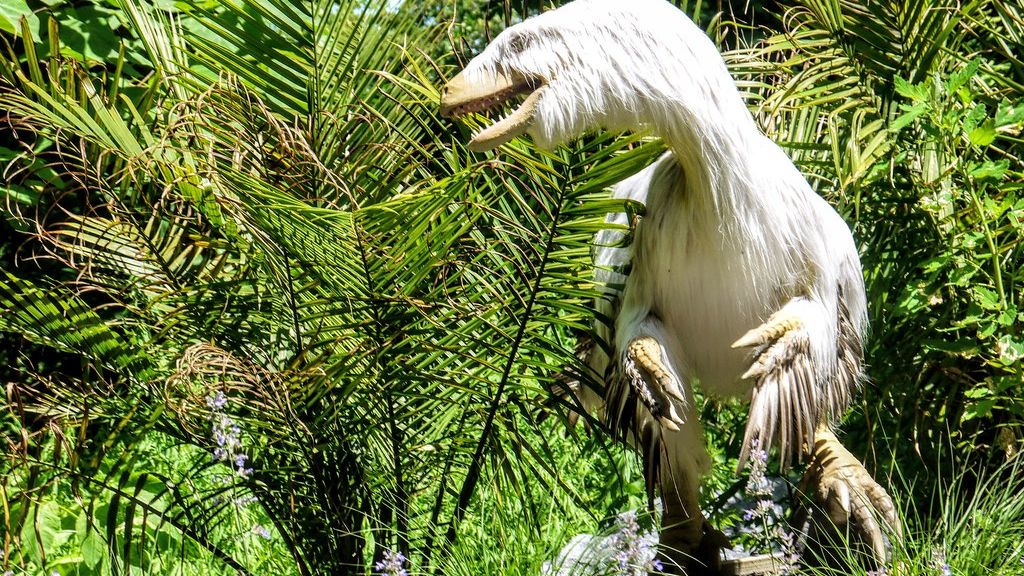
Ask a bunch of scientists which dinosaur was the smartest, and you don’t get a neat, movie-style answer. You get a debate. There is no single fossilized report card telling us who aced the prehistoric IQ test. What we do have are clues: skulls, brain cavities, body sizes, and the strange, brainy lifestyles some dinosaurs seem to have lived. When you put those clues together, a pattern starts to emerge, and it is honestly more intriguing than any dinosaur movie script.
I remember the first time I learned that some tiny, bird‑like dinosaurs may have been smarter than the mighty Tyrannosaurus rex, and it completely flipped my mental picture of the Mesozoic world. The giants were impressive, sure, but some of the true brainiacs may have been the ones you could have outrun on a good day. So, was there a single “Einstein dinosaur”? Maybe. Maybe not. But we can get surprisingly close to an answer – and the journey there is half the fun.
How Do You Even Measure Dinosaur Intelligence?
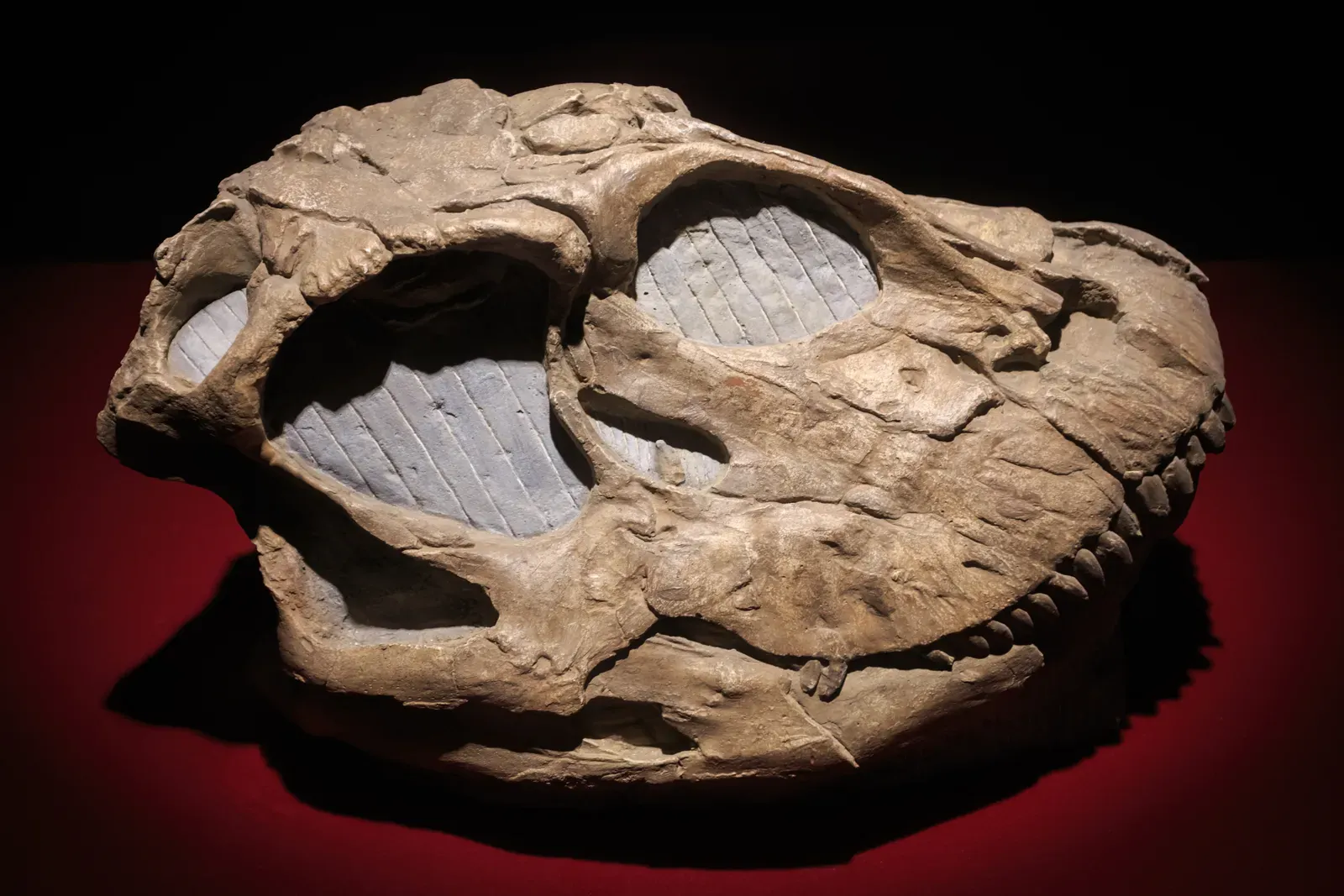
If you’re wondering how on earth we can talk about dinosaur intelligence without a living dinosaur to test, you’re not alone. Paleontologists lean heavily on something called the encephalization quotient, or EQ, which compares brain size to body size. In very rough terms, animals with a higher EQ tend to show more complex behavior, problem‑solving, and flexibility. It’s a bit like judging a computer by its processor size and power, not just the size of the case it comes in. Dinosaurs with relatively big brains for their body mass immediately stand out as contenders for the “smartest” label.
Of course, EQ is far from perfect. It doesn’t directly measure memory, social lives, or how good an animal was at solving real‑world challenges. Think of it as a starting point, not a final verdict. Scientists also look at brain structure, sensory regions, and comparisons with living animals, especially birds and crocodiles, the closest modern relatives of dinosaurs. The result is more like a detective story than a math test: lots of evidence, some educated guessing, and an honest admission that we are working within limits. That’s why any claim about “the smartest dinosaur” always comes with a bit of humility attached.
Troodontids: The Leading Candidates For Dinosaur Brainiacs
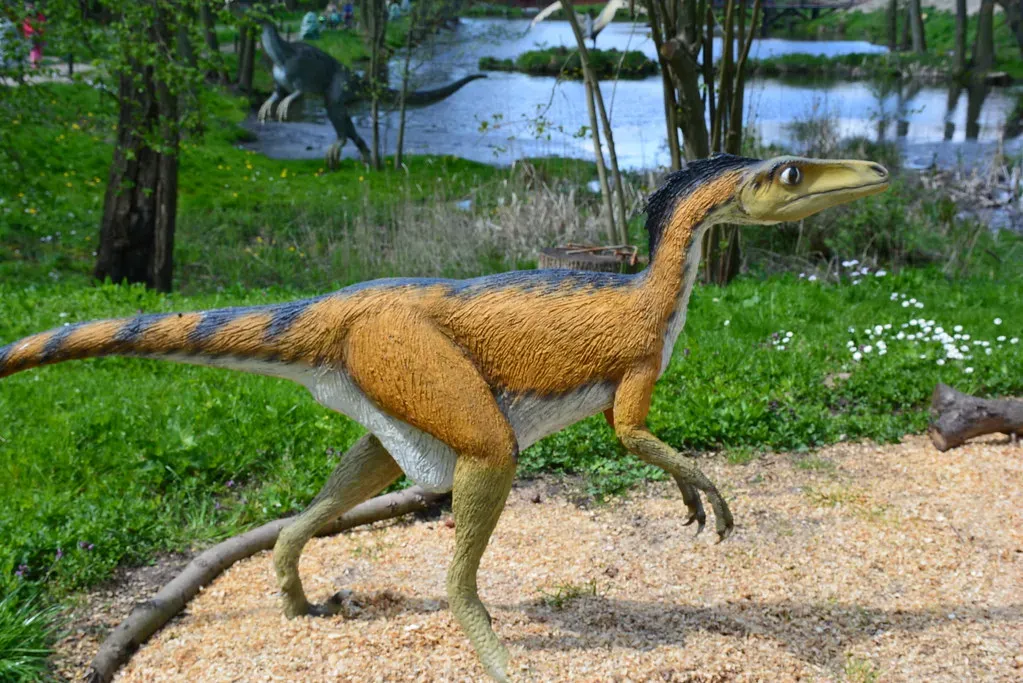
When people talk about the smartest dinosaurs, troodontids almost always end up at the top of the list. This group includes small, bird‑like predators such as Troodon (though the exact classification of that particular name has been debated over time). What makes them special is the combination of a relatively large brain, big forward‑facing eyes, and a lightweight, agile body. Their EQ values are among the highest known for non‑avian dinosaurs, landing them in territory that starts to overlap with modern birds, which are well‑known for clever problem‑solving and flexible behavior.
Picture something about the size of a large dog, with a long tail for balance, grasping hands, and a curved sickle claw on its foot, stalking small prey in the darkness. Those big eyes suggest excellent night vision, which already points to a more complicated lifestyle than just lumbering around and snapping at whatever moves. Many researchers suspect troodontids may have hunted using tactics that took real coordination and fast decision‑making. If any dinosaur deserves the informal title of “smartest,” troodontids are the safest, most evidence‑based bet we have right now.
Dromaeosaurs: Were “Raptor” Dinosaurs Clever Hunters?
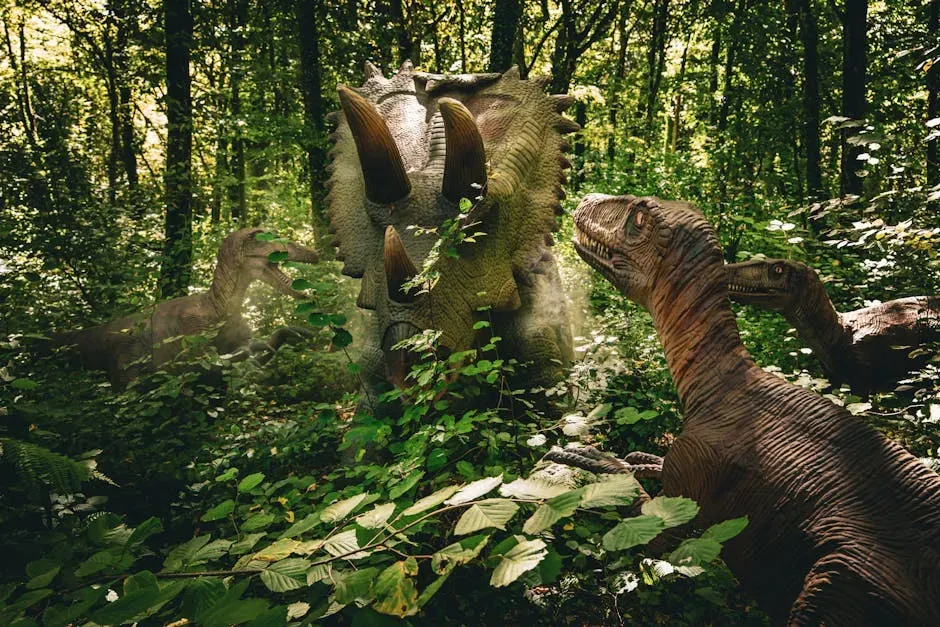
Close cousins of the troodontids, the dromaeosaurs, are the group most people know from pop culture: think Velociraptor and its relatives. In the movies, they’re basically prehistoric super‑geniuses, opening doors and planning ambushes. Reality is more grounded, but still impressive. Dromaeosaurs had relatively large brains, keen senses, and highly specialized bodies built for agile, possibly coordinated hunting. Their anatomy suggests balance, speed, and a good ability to process fast‑moving visual information, which is a fancy way of saying they likely reacted quickly and precisely to their surroundings.
Compared to troodontids, dromaeosaurs were often more robust and physically powerful, and their brain‑to‑body ratios, while high for dinosaurs, tend to come in slightly lower than the very top troodontid values. That nudges them out of the absolute number‑one spot if we’re being strict about EQ alone. But intelligence is not just numbers in a chart. Their claws, teeth, and limb structure hint at complex predatory strategies that probably required a sharp brain to pull off. If troodontids were the studious nerds of the dinosaur world, dromaeosaurs might have been the sharp, athletic kids who also happened to be pretty quick thinkers.
Bird‑Like Dinosaurs: The Avian Edge On Intelligence
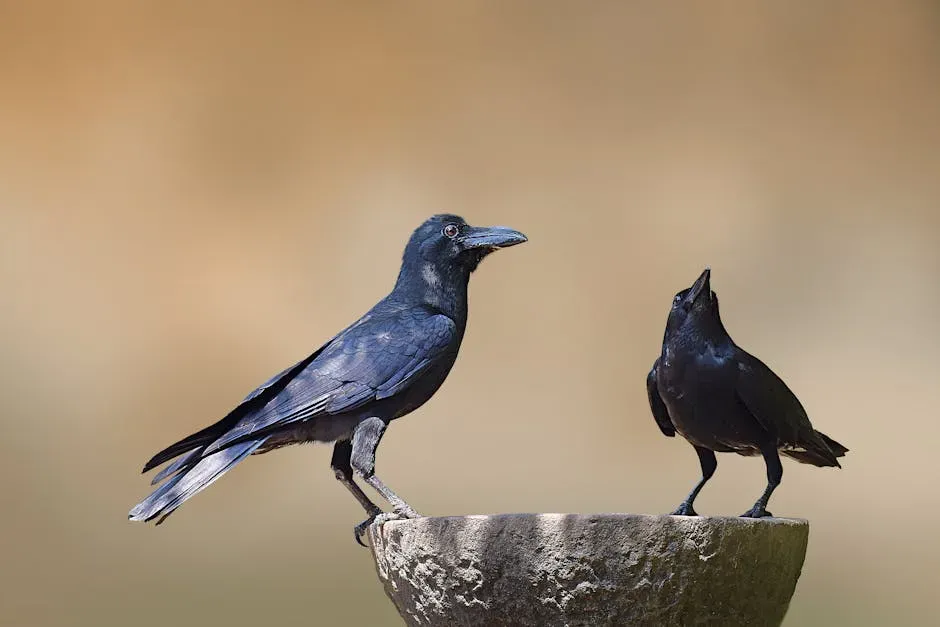
Here’s where the story gets fascinating, and a bit tricky: technically, birds are dinosaurs. That means when we talk about the smartest dinosaurs ever, we cannot ignore their living descendants. Many modern birds, like corvids and parrots, show problem‑solving skills that rival or even surpass some primates. They make tools, remember human faces, and plan for the future in ways that are honestly unsettling when you really think about it. These abilities come from extremely dense, efficient brains that pack a lot of neurons into a small volume, especially in areas linked to complex cognition.
If we roll the clock back to the end of the dinosaur age, some late Cretaceous bird‑like dinosaurs already had comparatively large brains and advanced sensory systems. We cannot point to a specific fossil and say that it definitely matched a modern crow in creativity, but the evolutionary trend is clear: as we get nearer to true birds, brain complexity ramps up. So, if we take a broad view, the smartest dinosaurs that have ever lived might actually be alive today, hopping around your backyard or stealing fries at the beach. That idea alone completely reframes the original question and makes it feel a lot less like ancient history and a lot more like a story that is still in progress.
Could Big Predators Like T. rex Have Been Surprisingly Smart?
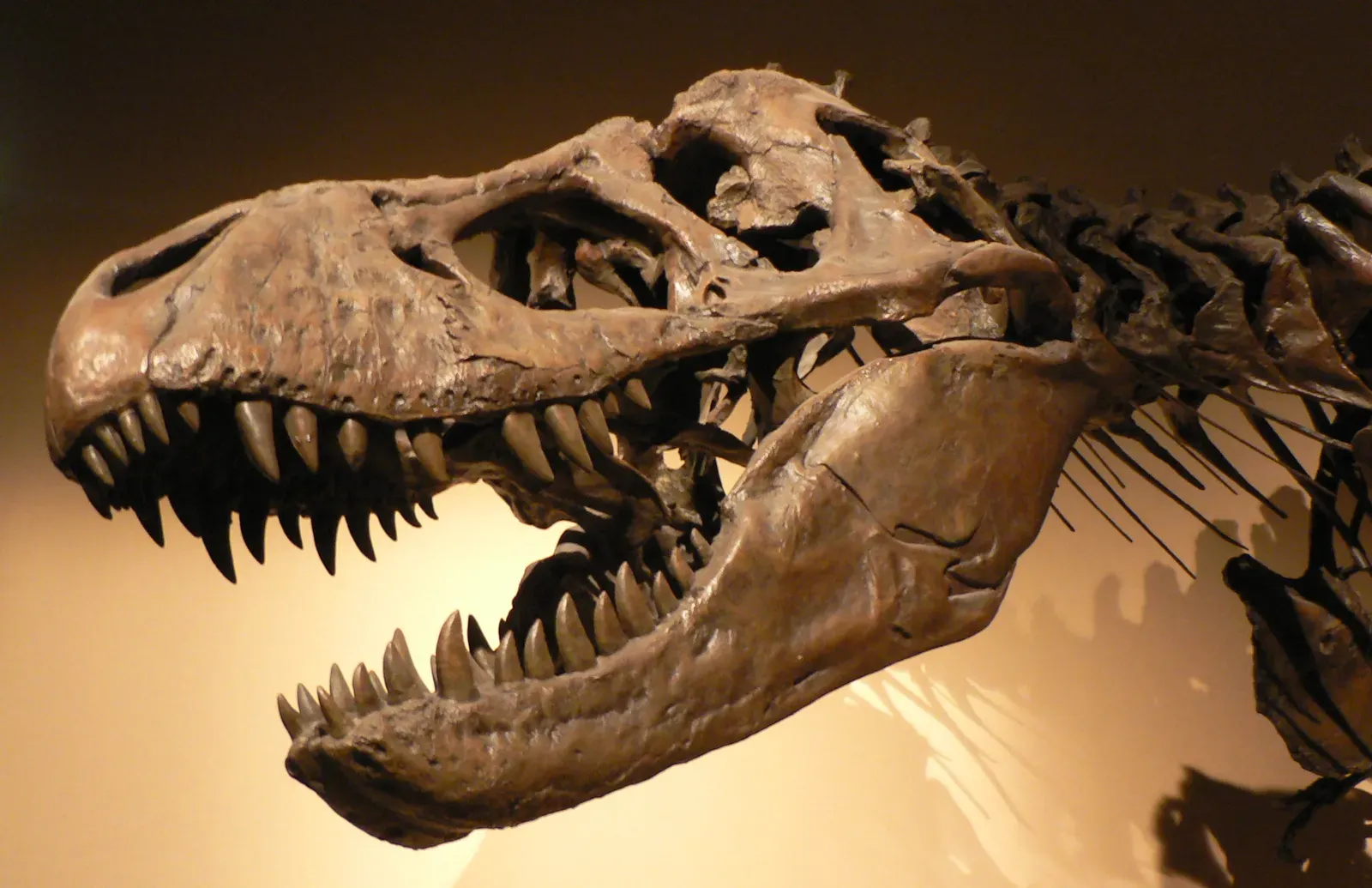
No dinosaur discussion feels complete without wondering where Tyrannosaurus rex fits into all this. It had a brain that was quite large for a huge predatory dinosaur, with well‑developed regions for smell, vision, and coordination. Some recent analyses suggest T. rex might have had more going on upstairs than earlier generations of scientists gave it credit for. It probably had excellent sensory abilities, and it may have engaged in behaviors that required learning and memory, especially for tracking prey over large territories.
That said, once you factor in its enormous body size, the brain‑to‑body ratio drops far below the levels seen in troodontids or bird‑like dinosaurs. T. rex was likely smart for a gigantic reptilian predator, not a candidate for the overall smartest dinosaur crown. Think of it like comparing a skilled lion to a clever raven; both are impressive in their own ways, but they excel in different cognitive arenas. It is tempting to romanticize the giant, fearsome predator as the genius, yet the balance of evidence says the real cerebral heavyweights were the smaller, more bird‑like forms.
The Limits Of What We Can Know About Dinosaur Minds
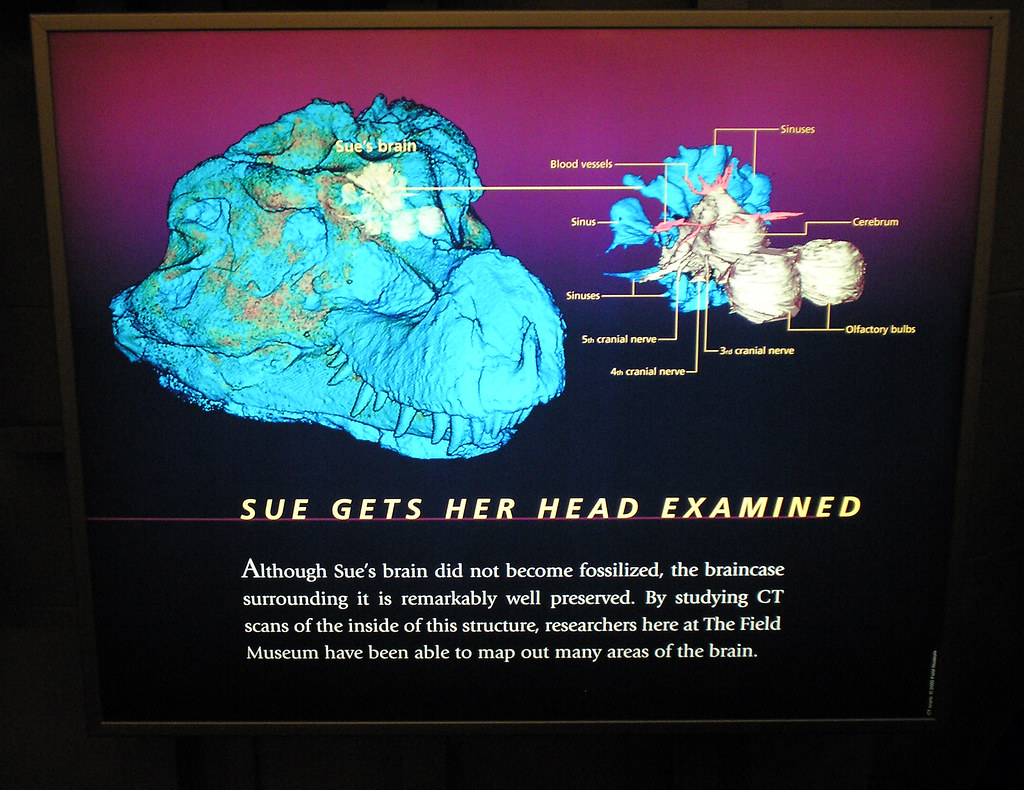
Here is the uncomfortable truth: brains do not fossilize well. We usually study endocasts, which are models of the space inside the skull where the brain sat, not the brain tissue itself. That means we can estimate size and shape but not the precise wiring, the number of neurons, or the detailed organization that really drives intelligence. Even with living animals, we struggle to rank intelligence in a clean, universal way. Is a crow “smarter” than a dog? It depends what you care about: social bonding, tool use, memory, or problem‑solving in a lab task. With extinct dinosaurs, those comparisons become even fuzzier.
Because of that, any claim that one dinosaur was “the smartest” has to be presented as a best, cautious guess, not an absolute truth. We lean on EQ, comparisons to birds and reptiles, and what we know about behavior from anatomy. What emerges is a cluster of likely high‑intelligence groups rather than a single undisputed champion. Troodontids sit very near the top, dromaeosaurs are close behind, and bird‑like dinosaurs set the stage for the astonishing mental abilities we see in birds today. The real story is less about crowning a winner and more about understanding just how mentally rich the dinosaur world may have been.
So Which Dinosaur Was Really The Smartest? My Take
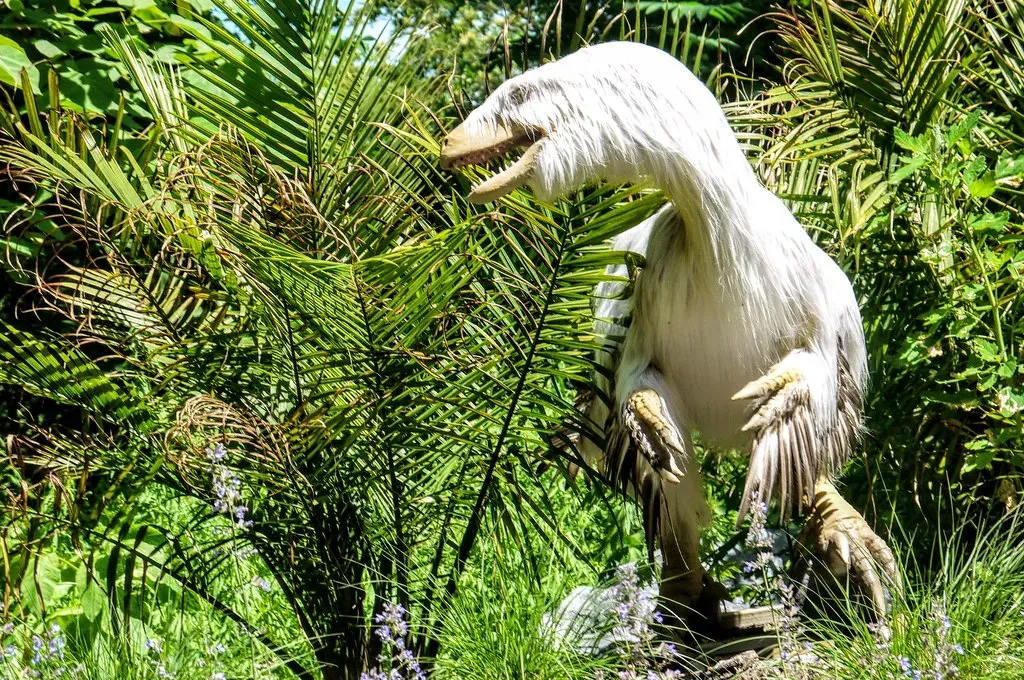
If you force me to pick one contender based on the current evidence, I would give the title of “smartest non‑avian dinosaur we know of” to the troodontids. Their extremely high brain‑to‑body ratios, big eyes, and likely complex predatory lifestyle make them stand out even in a group already full of impressive animals. No other classic, non‑bird dinosaur checks as many boxes for potential intelligence as they do. They may not have been calculating physics equations, but in their own ecological niche, they were probably sharp, adaptable problem‑solvers.
But if we step back and embrace the broader picture – that birds are living dinosaurs – then the story shifts dramatically. In that case, the smartest dinosaurs might be alive right now, in the form of corvids, parrots, and other brainy birds that solve puzzles, recognize individuals, and bend their environments to their will. Personally, I love that answer. It means the age of clever dinosaurs never really ended; it just changed shape and grew feathers. The next time you see a crow watching you a little too closely, it might be worth asking yourself: are you observing a dinosaur, or is a dinosaur observing you?