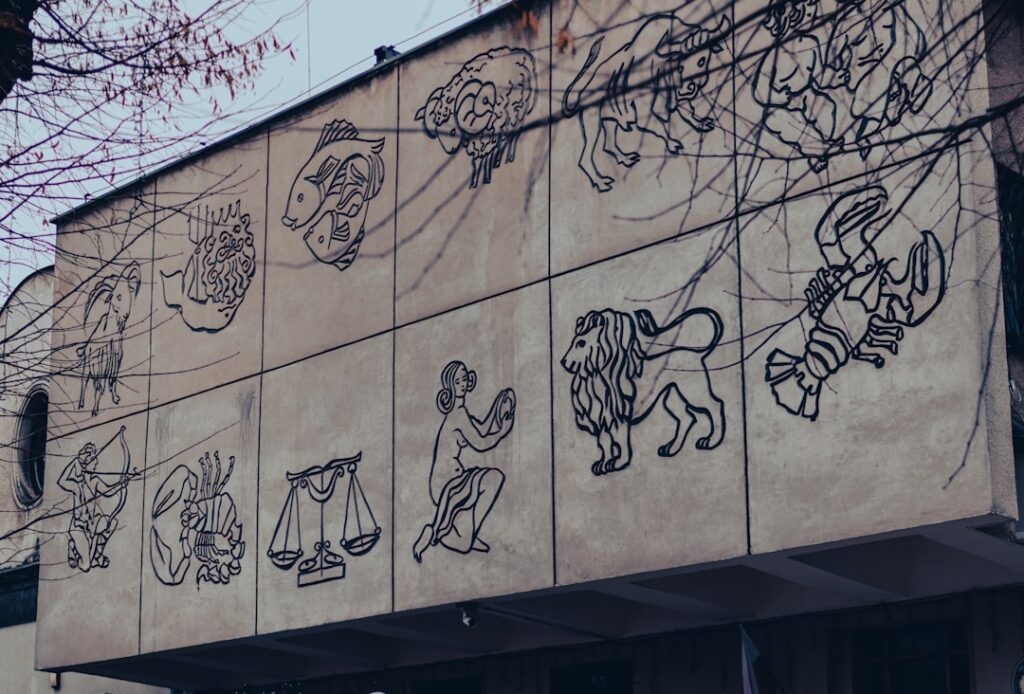
You’ve probably heard someone blame their bad behavior on their zodiac sign. Maybe you’ve even caught yourself thinking that your coworker’s annoying habits must be because they’re a Gemini or a Scorpio. The idea that the stars determine who we are feels oddly comforting. It gives us a tidy explanation for the mess of human personality.
Here’s the thing though. When you start digging into the question of personality, you’re stepping into a fascinating psychological trap. The real story isn’t about the stars at all. It’s about how our brains desperately want to make sense of the world around us, even when the connections we’re drawing don’t actually exist. Let’s explore what’s really going on when we judge personalities based on birth dates.
The Scientific Truth About Zodiac Signs and Personality
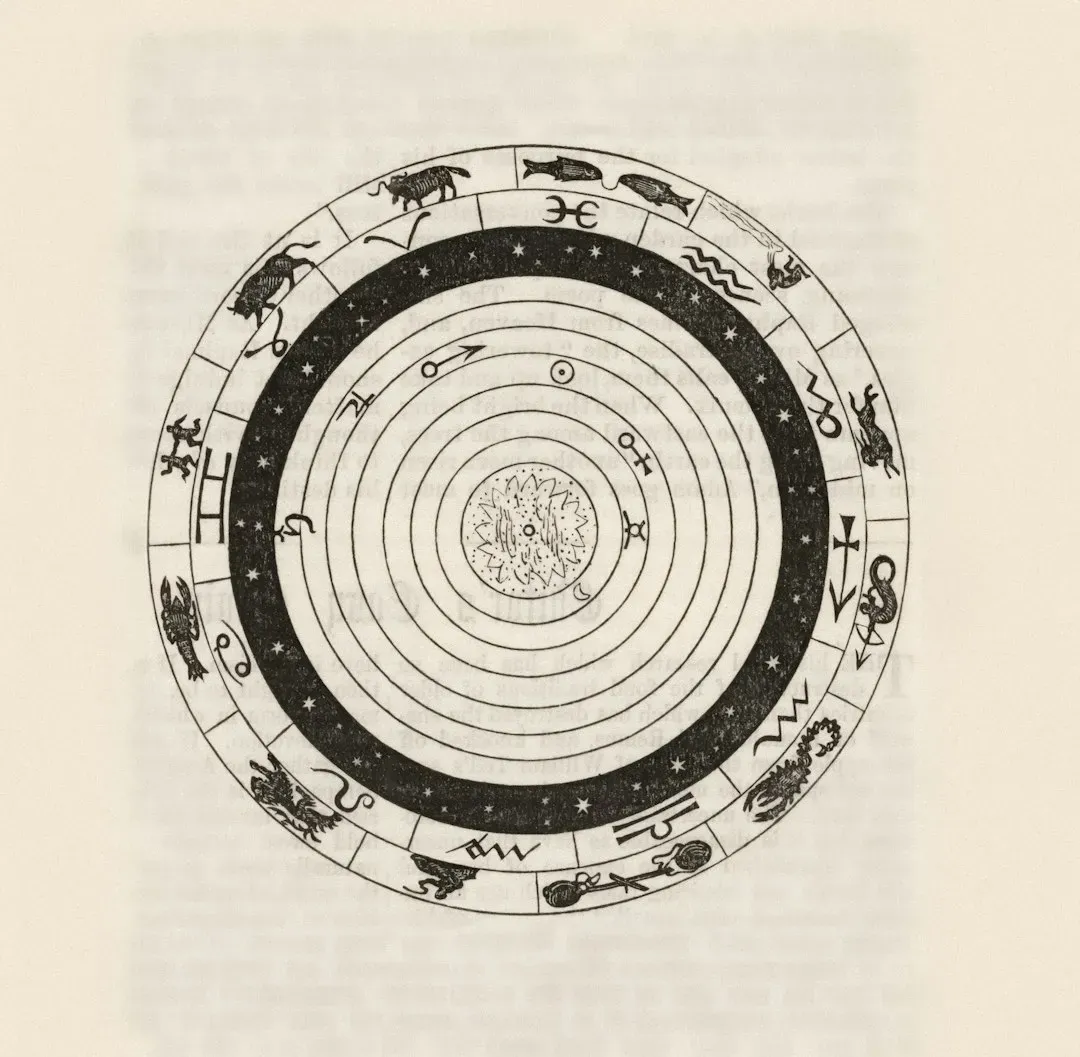
Research involving over 173,000 participants found that none of the 12 astrological signs were significantly associated with any of the Big Five personality traits, and none of the four elements associated with each sign nor whether a sign was positive or negative had any effect on personality. This massive study from China pretty much demolished the idea that your birth date shapes who you are.
Professional astrologers who were asked to match someone’s birth chart with information about their actual personality rather than that of a completely different person were no more accurate than chance. Think about that for a second. People who study astrology for a living couldn’t tell the difference between a real personality profile and a fake one. Multiple statistical analyses did not reveal any correlation between signs of the zodiac and personality.
So if there’s no scientific connection, why does it feel so real to so many people? That’s where the psychology gets interesting. The answer lies not in the heavens, but in how your mind processes information.
The Barnum Effect: Why Generic Descriptions Feel Personal
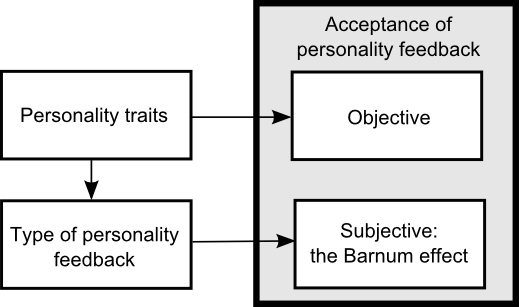
People have a tendency to find personal meaning in generic future predictions or personality assessments, and this so-called Barnum effect is strengthened if predictions have personalised labels or are overly positive. Named after the famous showman P.T. Barnum, this psychological phenomenon explains why horoscope descriptions feel accurate even when they’re deliberately vague.
When you read that Leos are confident and dramatic, or that Cancers are emotional and nurturing, these statements are broad enough to apply to almost anyone at some point in their lives. Confirmation bias is a psychological factor that contributes to belief in astrology, as astrology believers often tend to selectively remember those predictions that turned out to be true and do not remember those that turned out false.
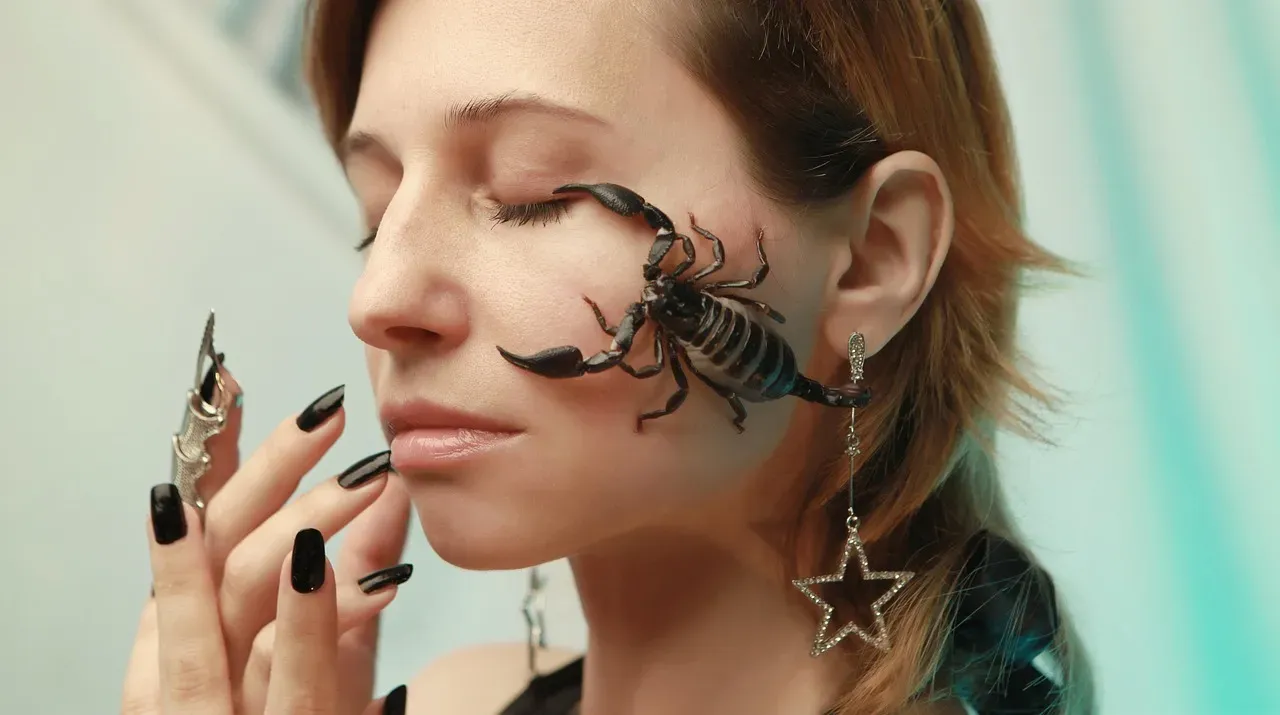
Your brain actively searches for evidence that confirms what you already believe. If someone tells you Scorpios are intense and secretive, you’ll start noticing every time a Scorpio acts that way while completely ignoring all the times they don’t. It’s like wearing glasses that only let you see what you expect to see.
Self-Fulfilling Prophecies: Becoming Your Sign
Individuals with knowledge of astrology tend to describe their personalities in terms of traits compatible with their sun signs, and the effect is heightened when the individuals were aware that the personality description was being used to discuss astrology. This is genuinely fascinating because it means people literally reshape their self-concept to match their zodiac sign.
If you’ve been told your whole life that Aries are aggressive leaders, you might unconsciously start acting more aggressive. A person’s zodiac sign can have an effect on their personality if they allow it, because people control their actions and behaviors, which molds their personalities. It becomes a loop where belief creates behavior, which then reinforces belief.
The irony is thick here. People aren’t matching their zodiac descriptions because the stars made them that way. They’re matching them because they know what they’re supposed to be like and their brain obligingly adjusts. It’s performance art masquerading as cosmic destiny.
The Dangerous Side of Zodiac Stereotyping
Research found that the sign Virgo in particular has negative connotations in China of being disagreeable, and Chinese people would be reluctant to date someone born under this sign, with managers admitting that they actually discriminated against them in hiring decisions. This isn’t just harmless fun anymore. Real people face real discrimination based on completely unfounded beliefs.
Studies suggest that astrology might be associated with paranormal determinism, where a person’s characteristics are fixed by destiny, which might encourage unsympathetic attitudes toward the less fortunate. When you believe people’s personalities are predetermined by their birth date, it becomes easier to write them off entirely. That coworker isn’t difficult because they’re dealing with personal struggles; they’re just a typical Capricorn.
The question of which zodiac sign has the worst personality becomes actively harmful when it leads to excluding people from jobs, relationships, or opportunities. Yet this happens more often than you might think.
Why We’re Desperate for Categories
People, especially younger generations, are connected to their zodiac signs because it gives them a sense of identity, helping them to define who they are as individuals. In a chaotic world, categories feel safe. They give us the illusion of understanding ourselves and predicting others.
Honestly, I think this explains why astrology has exploded among younger people despite having zero scientific backing. Around 30% of Americans say they believe in astrology, which is kind of staggering when you consider we’re living in an age of unprecedented access to information. The need for meaning apparently trumps the need for accuracy.
Both astrology and personality typology serve a psychological need, as people crave frameworks that help them better understand themselves and others, with humans having a pattern-seeking brain that both astrology and typology satisfy. Your brain wasn’t designed to accept randomness and complexity. It wants patterns, even false ones.
The Appeal of Predictability in an Unpredictable World

Zodiac signs give people a sense of control over their day to day lives as it gives them a feeling that they can predict what will happen in the future, thus reducing anxiety. This might be the most important piece of the puzzle. Astrology isn’t really about the stars; it’s about anxiety management.
When life feels overwhelming, checking your horoscope provides a comforting ritual. It suggests that someone or something out there understands the grand plan, even when you don’t. The problem is that this comfort comes at the cost of critical thinking. Intelligence showed a negative relationship with belief in astrology, which is a polite way of saying that the more scientifically literate someone is, the less likely they are to believe in it.
Still, you can understand the appeal. Wouldn’t it be nice if personality really were as simple as twelve categories? If you could know someone just by asking their birthday? Reality is messier and more interesting than that.
Moving Beyond Zodiac Judgments
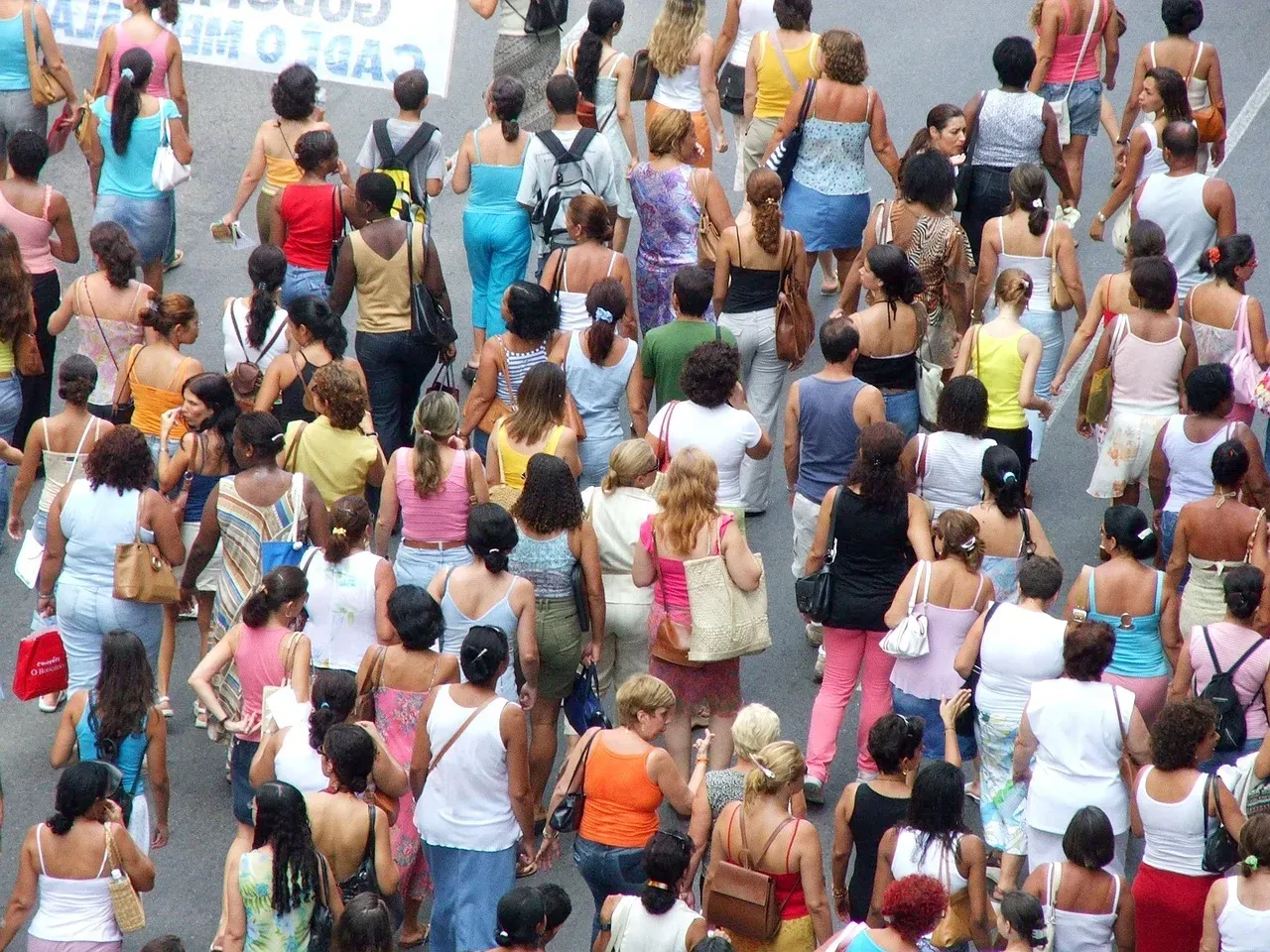
Personality is shaped by upbringing, environment, and full astrological chart, not just sun sign, and astrology may highlight tendencies but your choices, habits, and growth ultimately shape your life. Even astrology enthusiasts acknowledge that sun signs alone don’t determine everything, which is a convenient way to explain why the predictions don’t always work.
The real question isn’t which zodiac sign has the worst personality. It’s why we’re so eager to reduce complex human beings to simple labels. Every person you meet is shaped by thousands of factors: their genetics, childhood experiences, traumas, triumphs, relationships, and countless tiny moments you’ll never know about.
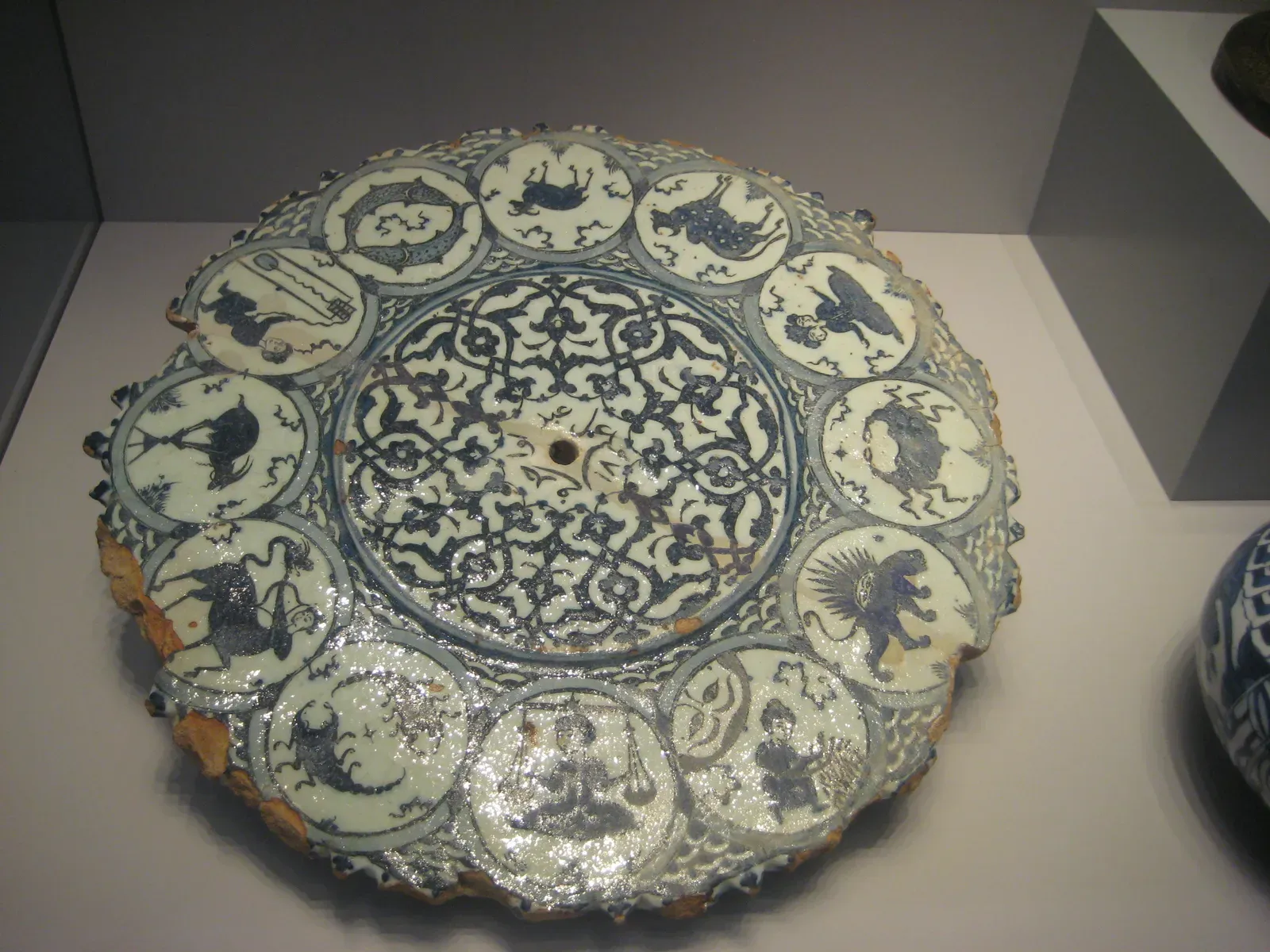
With over 4,000 personality traits out in the world, it is highly unlikely that 12 zodiac signs can cover them all, as the world is filled with so many different types of people who cannot be categorized into just these signs. The diversity of human personality defies categorization. That’s what makes people fascinating and frustrating in equal measure.
Conclusion
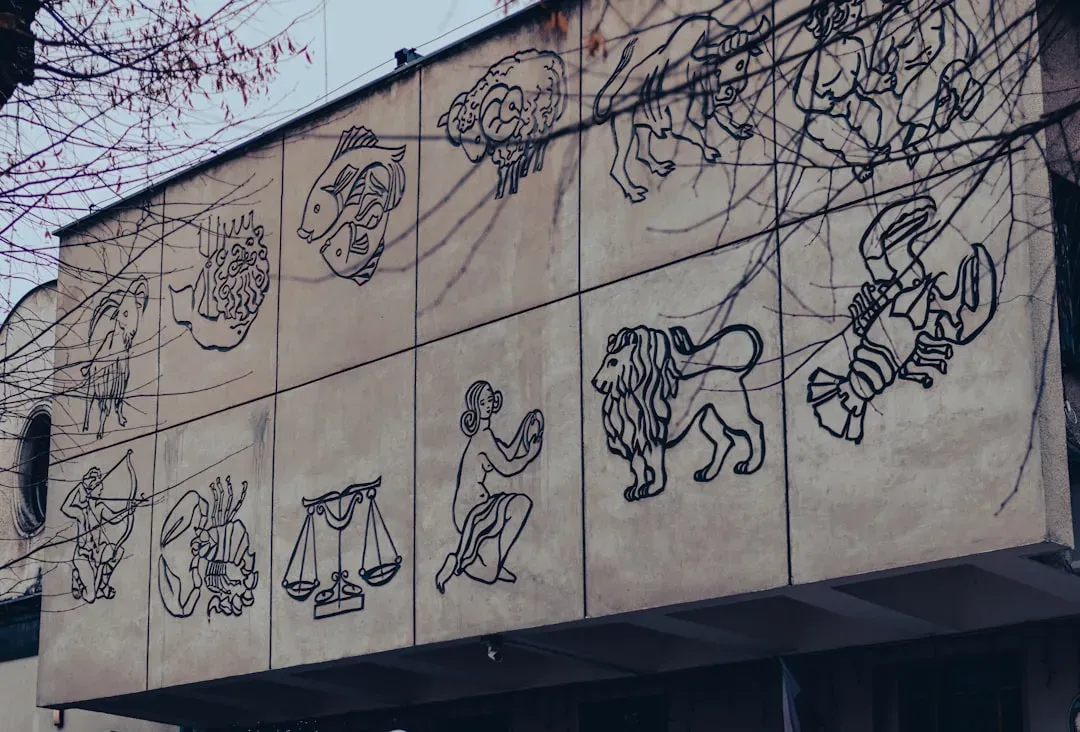
So None of them, because zodiac signs don’t actually determine personality at all. The worst personality traits you encounter in people have nothing to do with when they were born and everything to do with their choices, experiences, and how they respond to the world around them.
The real insight here is about you, not the stars. When you find yourself judging someone based on their sign, you’re revealing more about your own need for simple explanations than you are about their character. People continue to have faith in astrology in spite of the fact that there is no verified scientific basis for their beliefs, and indeed there is strong evidence to the contrary.
Next time someone asks your sign, maybe consider what they’re really asking. They want a shortcut to knowing you. They want predictability in an unpredictable world. You can give them that comfort if you want. Just remember that you’re so much more than twelve symbols scattered across the sky. What’s your take on all this? Does knowing the science change how you think about astrology?