Picture a circle of firelight on a cold prehistoric night. Some people are sharpening flint blades, some are grinding herbs into paste, and others are weaving entire worlds out of words while sparks rise into the dark. If every zodiac sign were dropped into that ancient camp, who would stalk mammoths, who would mix medicine from roots and bark, and who would hold the tribe spellbound with stories?
Astrology is not a science in the strict experimental sense, but it has always been a kind of psychological map: a way to talk about patterns, temperaments, strengths, and blind spots. When you pair that with what we know from anthropology and evolutionary psychology about early humans, some signs seem oddly well-suited to specific prehistoric roles. Let’s step back tens of thousands of years and imagine which eight signs would have made legendary hunters, intuitive healers, and unforgettable storytellers – and why their traits still matter in modern life.
Aries: The Fearless Hunter at the Front of the Pack
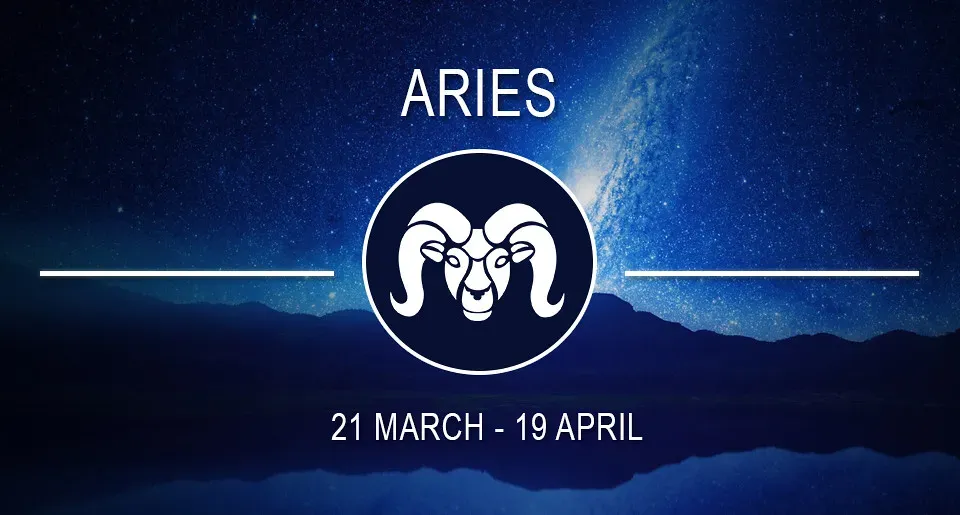
Think of the first person who volunteers to scout the dark forest, spear in hand, heart pounding but feet still moving forward – that is Aries energy distilled. Aries is associated with courage, quick reactions, and an appetite for risk, which are exactly the traits a prehistoric hunting party would have prized. In a world where hesitation could mean becoming the hunted instead of the hunter, that impulsive streak would be a real asset. An Aries would be the one charging the boar, testing new weapons, and insisting on going just a little farther past the safe zone.
From a behavioral point of view, early human survival depended heavily on individuals willing to experiment and push boundaries rather than cling to routine. That lines up eerily well with Aries’ reputation for pioneering and impatience with stagnation. I always think of Aries as the friend who suggests a new hiking trail with cliffs and poor cell service; in the Ice Age, that same friend would be the one saying, “Let’s follow those tracks; maybe there’s something bigger out there.” They might not have been the most cautious hunters, but they would have kept the group fed and moving, rather than slowly fading away from fear and complacency.
Cancer: The Intuitive Hearth Healer
Imagine a figure tending a small fire, cradling a sick child, mixing crushed leaves into warm water, and humming softly while the storm rages outside the cave. That feels like Cancer in a prehistoric setting: deeply attuned to the physical and emotional needs of the group. Cancer is often linked with nurturing, sensitivity, and memory – traits that would have fed directly into a healer’s role. Someone who notices subtle changes in skin color, breathing, or appetite can spot illness or infection before it spreads, which is a crucial survival skill in small bands of early humans.
Healers in prehistoric societies likely learned by careful observation and oral tradition, passing down which plants soothed burns and which roots eased pain. Cancer’s tendency to hold on to emotional and sensory details fits the image of a person who remembers exactly how a wound looked before it healed or which herb helped an elder sleep. On a personal level, Cancers I’ve known often play the unofficial “clinic” in their friend groups, offering tea, remedies, and a listening ear. Transport them back thousands of years, and you can easily imagine them guarding the fire, safeguarding children, and becoming the keeper of homemade medicines and quiet comfort.
Leo: The Charismatic Storyteller Around the Fire
When the hunt is over and the tools are put away, every tribe needs someone who can turn raw experience into meaning. In a prehistoric camp, that role often fell to storytellers who not only entertained but also encoded survival knowledge into myths and legends. Leo, with its flair for drama, warmth, and center-stage presence, would thrive as the tribe’s primary storyteller. You can almost see a Leo standing in the firelight, acting out the day’s hunt with sweeping gestures, making children gasp and elders chuckle.
Anthropologists have suggested that storytelling helped early humans coordinate better, build trust, and pass down critical information about dangers and opportunities. Leo’s natural talent for turning events into gripping narratives would have transformed practical lessons into unforgettable sagas. From a modern standpoint, Leos often become the “main character” friend who can turn a minor mishap into a hilarious saga; in prehistoric times, those same instincts would have made them cultural glue. Their stories would reinforce courage, honor the fallen, poke fun at foolish risks, and subtly shape how the group behaved the next day.
Virgo: The Observant Herbalist and Strategic Tracker
If Aries charges into the forest, Virgo is the one quietly noticing which footprints are fresher, which plants grow near clean water, and which wounds are starting to smell wrong. Virgo’s classical associations – attention to detail, analytical thinking, and a practical mindset – map surprisingly well onto roles that require keen observation, whether as a healer or a tracker. In a prehistoric context, they would likely excel at cataloging which herbs reduce fever, how long a certain animal migrates in a given season, or how to prepare food safely to avoid illness.
Although modern medicine and field biology are highly advanced sciences, their roots trace back to people who carefully watched patterns in nature and recorded them in memory and tradition. That quiet, methodical energy is pure Virgo. Personally, the Virgos I’ve met tend to notice tiny changes in mood or routine that others overlook, which in an ancient setting could mean spotting early signs of infection or contamination. They might not be the loudest members of the group, but their knowledge would save lives: identifying poisonous berries, moderating doses of herbs, and planning efficient routes for hunts and foraging trips.
Scorpio: The Shadow Hunter and Keeper of Mysteries

Every group, especially in a dangerous and unpredictable world, benefits from someone who can handle the darker, more intense tasks that others shy away from. Scorpio, with its association with depth, secrecy, and emotional resilience, fits neatly into the image of a nocturnal hunter, guard, or ritual specialist. Picture a Scorpio figure slipping silently through the night, attuned to the rustle of leaves and the tension in the air, or performing burial rites with solemn focus while others keep their distance. Their comfort with psychological intensity would make them fearless where others might freeze.
From an evolutionary standpoint, societies have often leaned on certain individuals to take on high-risk but high-value roles: scouts in enemy territory, butchers handling blood and carcasses, or spiritual figures dealing with illness and death. Scorpio’s reputation for probing beneath the surface and facing uncomfortable truths aligns with these shadow roles. In my experience, many Scorpios can talk about loss, fear, and transformation with a candor that others avoid, which in prehistoric times could translate into guiding the group through trauma after a disastrous hunt or an epidemic. Their piercing insight would help them read both prey and people, making them extraordinary strategists in both hunting and social dynamics.
Sagittarius: The Wide-Ranging Scout and Myth-Maker
Imagine someone who cannot stand staying at the same campsite for too long, whose curiosity keeps pulling them over the next ridge to see what lies beyond. That is Sagittarius energy in a nutshell, and in a prehistoric setting, it is exactly what you want in a scout and explorer. Sagittarius is associated with restlessness, big-picture thinking, and a hunger for meaning, all of which would drive them to map new territories, follow migrating herds, and discover fresh water sources. They might not care as much about the fine details of a specific plant, but they would absolutely track the seasonal movements of animals across vast areas.
Beyond physical exploration, Sagittarius often leans into philosophical or spiritual storytelling, turning simple experiences into tales about destiny, luck, and the will of the world. In ancient bands, this could evolve into myth-making: explaining storms, eclipses, or surprising animal behavior through big, sweeping narratives. The Sagittarians I know often connect travel stories with life lessons, and you can imagine their prehistoric counterparts returning from long journeys with both practical directions and grand theories about how the world works. That mix of explorer and sage would give the tribe both new hunting grounds and a shared sense of purpose.
Pisces: The Dreaming Healer and Spiritual Story Keeper

Even in the harshest conditions, humans have always dreamed, imagined, and searched for meaning beyond immediate survival. Pisces, known for its sensitivity, empathy, and vivid inner world, fits the archetype of a dreamer-healer or spiritual guide in a prehistoric camp. Picture someone who pays attention to dreams, symbols, and subtle emotional undercurrents in the group, offering comfort through songs, rituals, or quiet presence. While others focus on spears and snares, Pisces would focus on morale, grief, and the invisible bonds that keep a group from tearing itself apart under pressure.
Anthropologists studying traditional societies have often noted the importance of shamans, visionaries, and ritual specialists who live partly in the world of symbols and partly in daily reality. Pisces energy matches that archetype well: intuitive, imaginative, and sometimes a bit otherworldly. In my own life, Pisceans are usually the ones who sense tension before anyone speaks, who offer unexpected emotional insight, or who channel pain into art and storytelling. In a prehistoric context, they might not be the ones chasing mammoths, but they would create chants that steady hunters’ nerves, rituals that help the group process loss, and tales that make sense of the mysterious forces of nature around them.
Capricorn: The Master Strategist and Survival Architect
While Aries charges and Sagittarius explores, someone has to think about the long-term structures that keep everyone alive through lean seasons. Capricorn, associated with discipline, planning, and realistic thinking, would likely become a chief strategist or organizer in a prehistoric community. Imagine a Capricorn quietly calculating how much dried meat is needed for winter, deciding where to build a more protected shelter, or enforcing hunting rules so that the group does not exhaust the local game. Their practical, sometimes stern approach might not always be popular, but it would keep the group alive when conditions turned brutal.
From an evolutionary perspective, human success has depended not just on bold risks but also on managing resources and building reliable systems: storage methods, division of labor, seasonal routines. Capricorn energy aligns with those tasks that require patience, delayed gratification, and respect for limits. The Capricorns I’ve known are often the ones who make plans, set boundaries, and keep everyone on track when enthusiasm fades. In a prehistoric camp, that might mean coordinating who hunts, who gathers, who guards at night, and making sure stories and skills are passed consistently to younger members. They might not crave the spotlight like Leo, but they would quietly run the show behind the scenes.
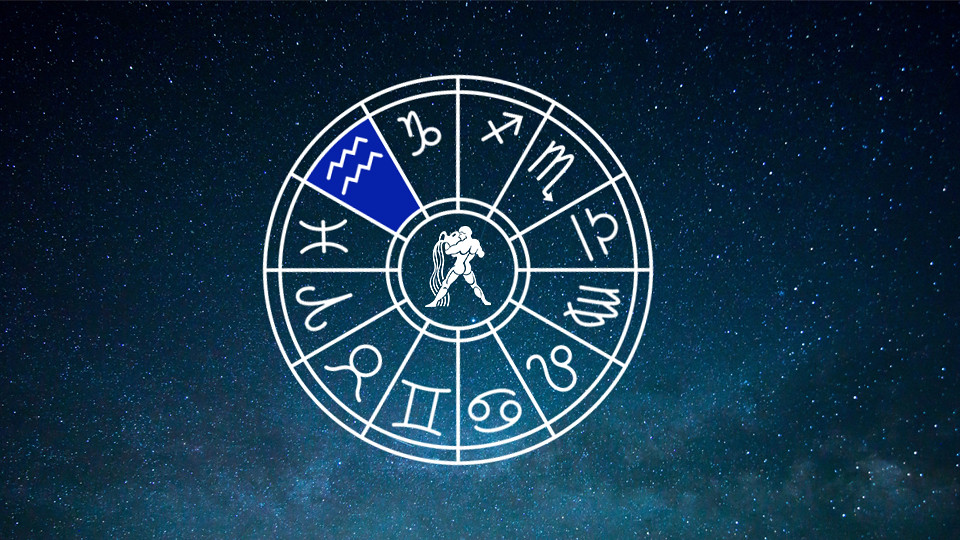
Aquarius: The Inventive Toolmaker and Social Innovator

Finally, imagine the person in the corner of the cave, turning a bone over in their hands, wondering if it could be sharpened into something new, or experimenting with a different way to arrange huts for better airflow and safety. That is Aquarius in a prehistoric timeline: the innovator, the rule-breaker, and the one who sees systems where others see habits. Aquarius is tied to originality, collective thinking, and future-oriented ideas, which would be invaluable for inventing tools, experimenting with fire use, or redesigning social rules to make the group function more fairly and efficiently.
Human evolution has been shaped not just by physical adaptation but by cultural innovation – better weapons, smarter cooperation, and new ways of sharing information. Aquarius energy speaks to the person willing to say, “What if we do this differently?” When I think of Aquarians I know, they are usually the first to suggest unconventional solutions or challenge old traditions that no longer work. In an ancient band, that might look like inventing new traps, proposing shared childcare systems, or rethinking how leaders are chosen. Their ideas might have seemed strange at first, but the breakthroughs they sparked would have given their tribe a real edge over time.
Conclusion: The Ancient Roles That Still Live Inside Us
Imagining zodiac signs as prehistoric hunters, healers, and storytellers is not about rewriting human history with star charts; it is about using a symbolic language to think more deeply about our own instincts. Aries and Scorpio bring the courage to face danger, Cancer, Virgo, and Pisces carry the healing and caretaking threads, while Leo, Sagittarius, Capricorn, and Aquarius weave stories, strategies, and innovations that keep a group together. These archetypal roles echo what anthropologists have found again and again: early humans survived not just through brute force, but through cooperation, specialization, and a rich inner life of meaning and myth.
On a personal level, I find it strangely grounding to imagine how my own traits might have played out around an ancient fire. Maybe you see yourself in the fearless hunter, the quiet herbalist, the loud storyteller, or the odd inventor in the corner chipping at stones. None of us is only one role, just as no real tribe relied on a single type of person. But thinking this way highlights a simple, powerful idea: the qualities that once kept our ancestors alive are still shaping our relationships, careers, and creative lives today. So, if you had to choose, which role would you have played in that distant circle of firelight?