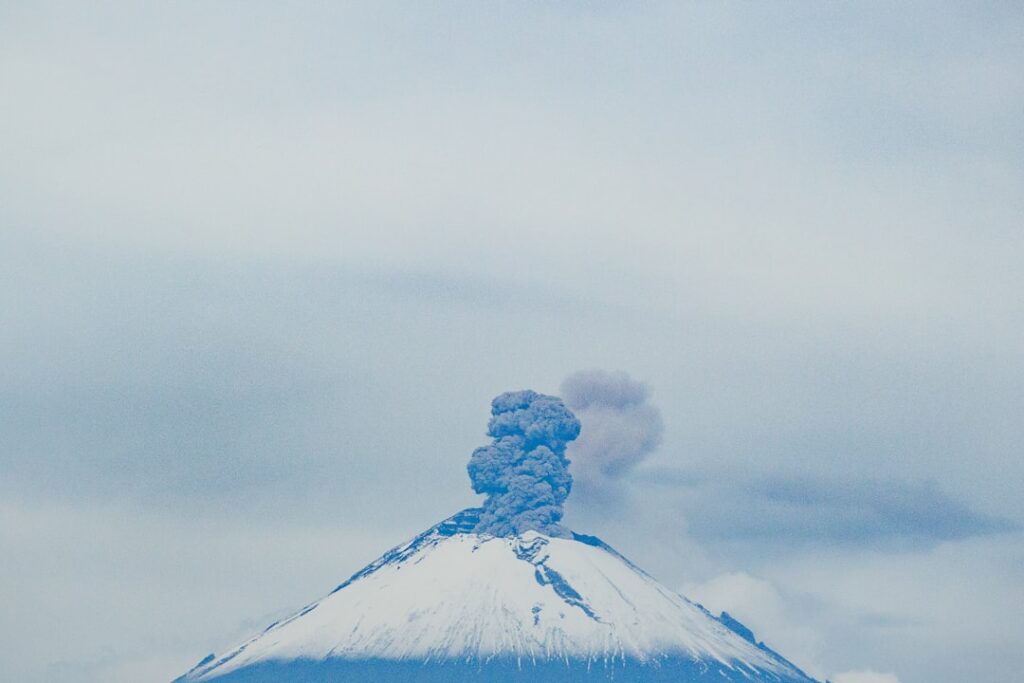
Picture yourself standing near a volcanic vent thousands of years ago, watching streams of what looks like electric blue lava flowing down mountainsides. This wasn’t your typical red-hot molten rock – this was something far more mysterious and beautiful.
You’re witnessing one of nature’s most extraordinary phenomena, where certain prehistoric volcanoes would glow with brilliant azure flames that danced against the night sky. These weren’t ordinary eruptions, but volcanic systems rich in sulfur compounds that created spectacular light shows invisible during daylight hours. Let’s explore the fascinating science behind these ancient blue-glowing volcanoes and discover why this rare chemical reaction captivated early civilizations.
The Science Behind Blue Volcanic Flames

You might wonder what causes these mesmerizing blue flames when most volcanic activity produces the familiar red-orange glow. The phenomenon occurs when sulfur combusts, producing a neon-blue flame, as sulfur burns when it comes into contact with hot air at temperatures above 248 °C (478 °F). The flames’ distinctive blue colour is caused by a phenomenon called electronic excitation, where intense heat ‘excites’ electrons within the sulphur atoms.
This creates a stunning visual effect that’s completely different from normal lava temperatures. Truly-blue lava would require temperatures of at least 6,000 °C (10,830 °F), from Planck’s law, which is much higher than any lava can naturally achieve on the surface of the Earth. The blue appearance you see isn’t actually molten rock at all, but burning sulfur gases creating an optical illusion of blue lava flowing down volcanic slopes.
Ancient Sulfur-Rich Volcanic Systems
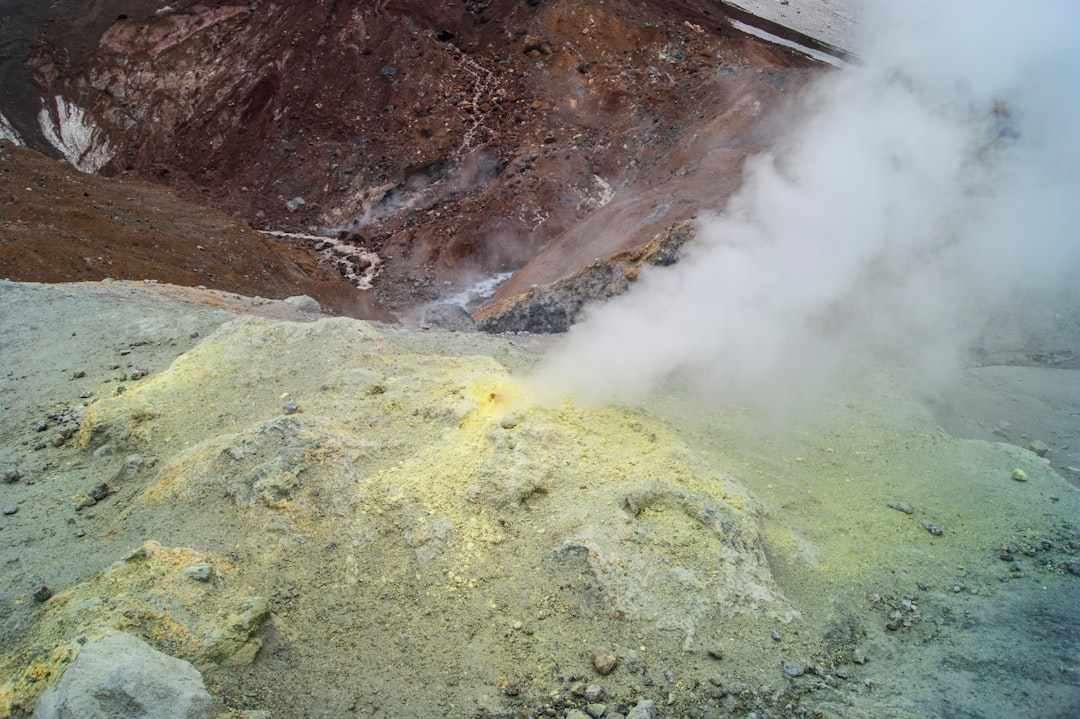
Throughout Earth’s geological history, certain volcanic regions have been extraordinarily rich in sulfur compounds. The principal components of volcanic gases are water vapor, carbon dioxide, sulfur either as sulfur dioxide or hydrogen sulfide, nitrogen, argon, helium, neon, methane, carbon monoxide and hydrogen. Sulfur has provided a source since ancient times and the risky activity of mining volcanoes for sulfur continues to the present day.
These sulfur-rich systems developed over millions of years through complex geological processes. Volcanoes pump large quantities of sulfur back into the atmosphere and the oceans by passive degassing or eruptive activity, and large volcanic eruptions can lead to climate change due to an increase in sulfur gases in the atmosphere. Ancient volcanic regions with high sulfur concentrations would have regularly produced these blue flame phenomena, creating natural spectacles that prehistoric peoples likely interpreted as supernatural events.
Temperature Requirements for Blue Fire
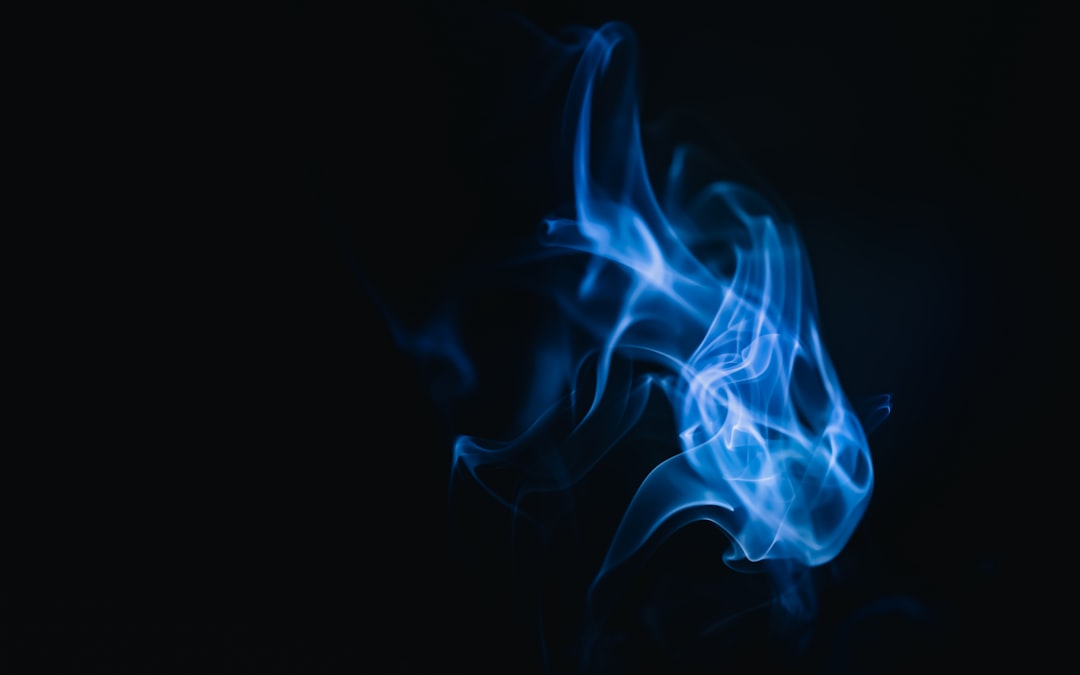
The blue glow you observe requires very specific temperature conditions that differ significantly from normal combustion. Blue flames occur at temperatures above 2,500 degrees Fahrenheit and are typically hotter than yellow, orange, or red flames. The blue hue emerges when a flame burns at a sufficiently high temperature, typically above 2,600 degrees Fahrenheit (1,427 degrees Celsius).
These extreme temperatures create complete combustion conditions that produce the characteristic azure color. At high temperatures, the combustion process is more complete, leading to efficient burning with minimal soot production, and blue fire is caused by high temperatures and complete combustion. This explains why ancient sulfur-rich volcanoes could maintain these spectacular displays for extended periods when conditions were optimal.
Chemical Composition of Sulfur Emissions
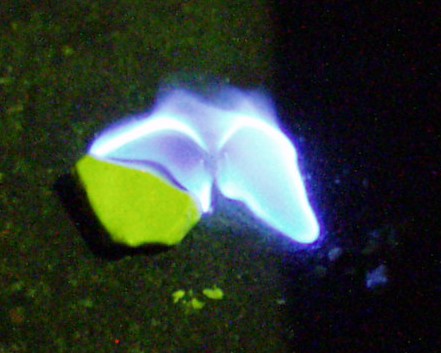
Understanding the specific chemical makeup of these ancient emissions helps explain why the blue phenomenon occurred so dramatically. At certain volcanoes, extremely high quantities of sulfuric gases emerge at high pressures and temperatures sometimes in excess of 600°C along with the lava, and exposed to the oxygen present in air and sparked by lava, the sulfur burns readily with bright blue flames.
The chemical reaction itself is remarkably straightforward yet produces extraordinary visual results. The blue color comes from the reaction of sulfur with oxygen to create sulfur dioxide, which results in the production of sulfur dioxide. The burning of sulfur can be represented by the reaction: S+O2→SO2 where sulfur combines with oxygen to form sulfur dioxide. This simple chemical process, when occurring at massive scales in ancient volcanic systems, created some of the most spectacular natural light displays in Earth’s history.
Nighttime Visibility and Ancient Observations
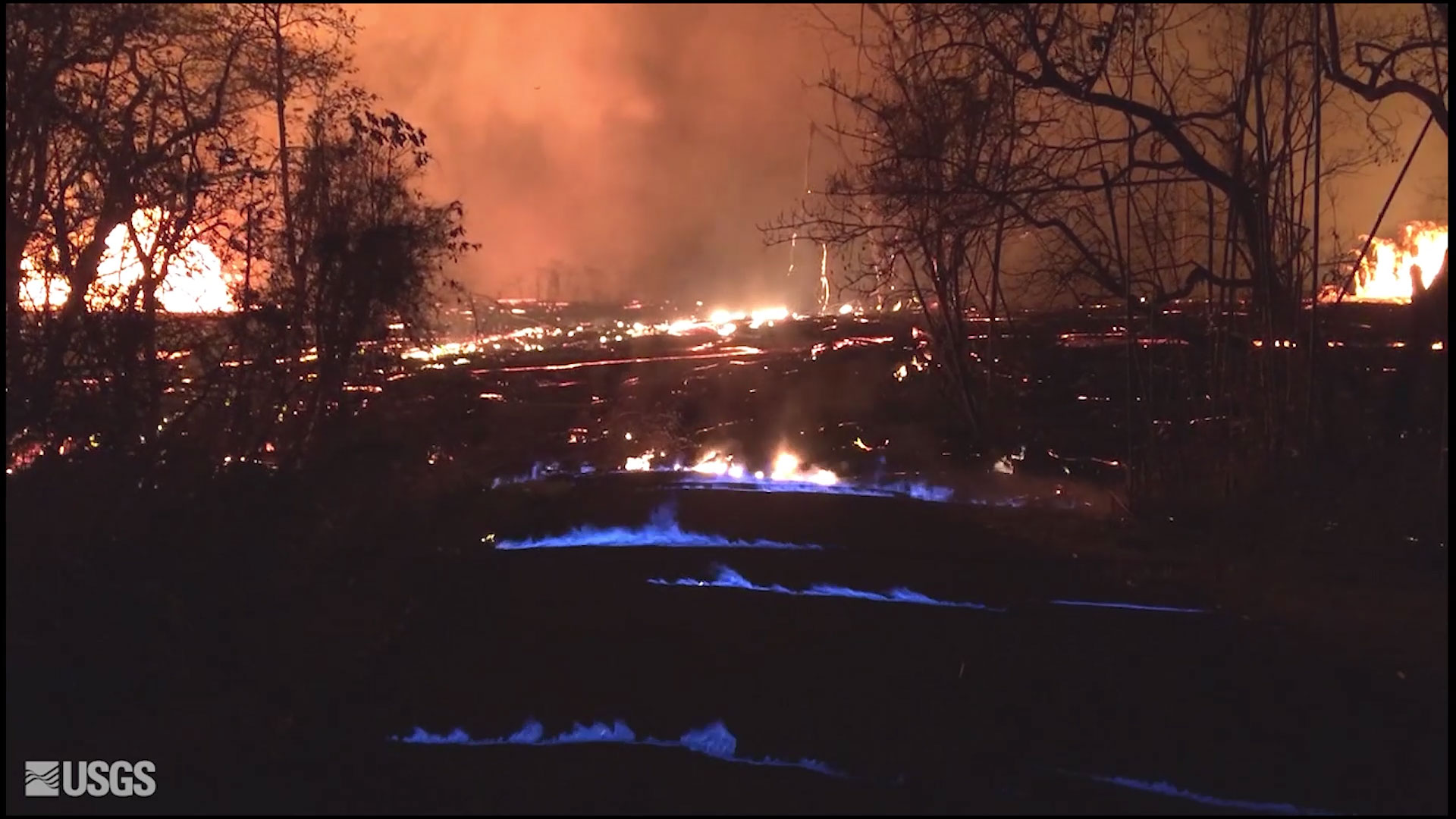
One of the most fascinating aspects of these blue volcanic flames is their visibility patterns, which would have made them particularly mysterious to ancient observers. Due to the blue color of the flames, the fires are essentially visible only at nighttime, as they are otherwise indistinguishable during the daytime. Although the blue fire burns around the clock, its flames are difficult to make out in daylight; only as night falls does the spectacle begin to reveal itself.
This day-night contrast would have been absolutely astounding to prehistoric peoples who witnessed these phenomena. During the day, these volcanoes appeared relatively normal, but as darkness fell, they transformed into otherworldly beacons of blue light. This strange blue fire only shows up in the dark, and during the day, you can’t see it because of the bright sunlight. Imagine the impact these mysterious nightly transformations had on early civilizations, likely influencing their mythologies and spiritual beliefs about volcanic regions.
Distribution of Blue Flame Volcanoes
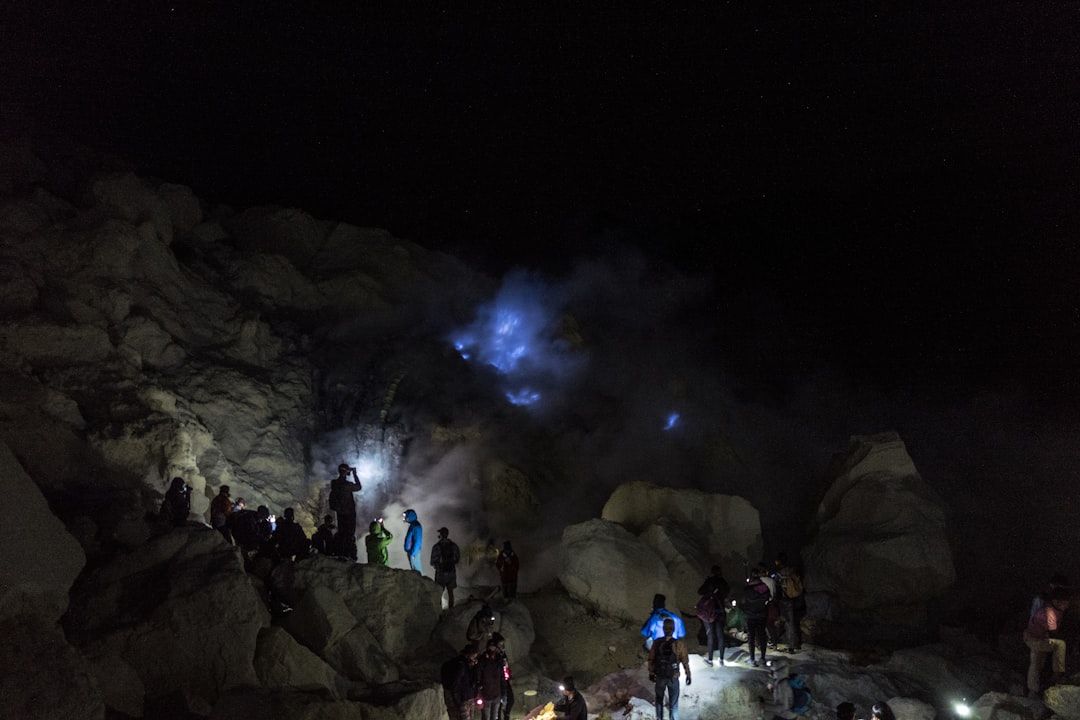
While blue volcanic flames are rare today, geological evidence suggests they occurred more frequently in certain periods of Earth’s history. Another location often mentioned in this context is Dallol in Ethiopia, though this is actually a hydrothermal field rather than an active volcano, and the blue fires also occur in Yellowstone National Park during wildfires, when fires burn and melt the large amounts of sulfur present in the park. The Dallol hydrothermal system in the Danakil Depression, Ethiopia, features colorful sulfur deposits and acid springs, though it differs from the blue flame phenomena seen at active volcanoes, caused by hydrothermal vents and sulfur springs.
Modern examples help us understand how these ancient systems functioned. The most famous of these fires occur regularly on Indonesia’s Kawah Ijen volcano, which has some of the highest levels of sulfur in the world, and the crater is the world’s largest blue flame area. Historical volcanic regions with similar geological characteristics would have produced comparable blue flame displays, creating natural landmarks that ancient peoples could navigate by during nighttime travels.
Impact on Ancient Civilizations
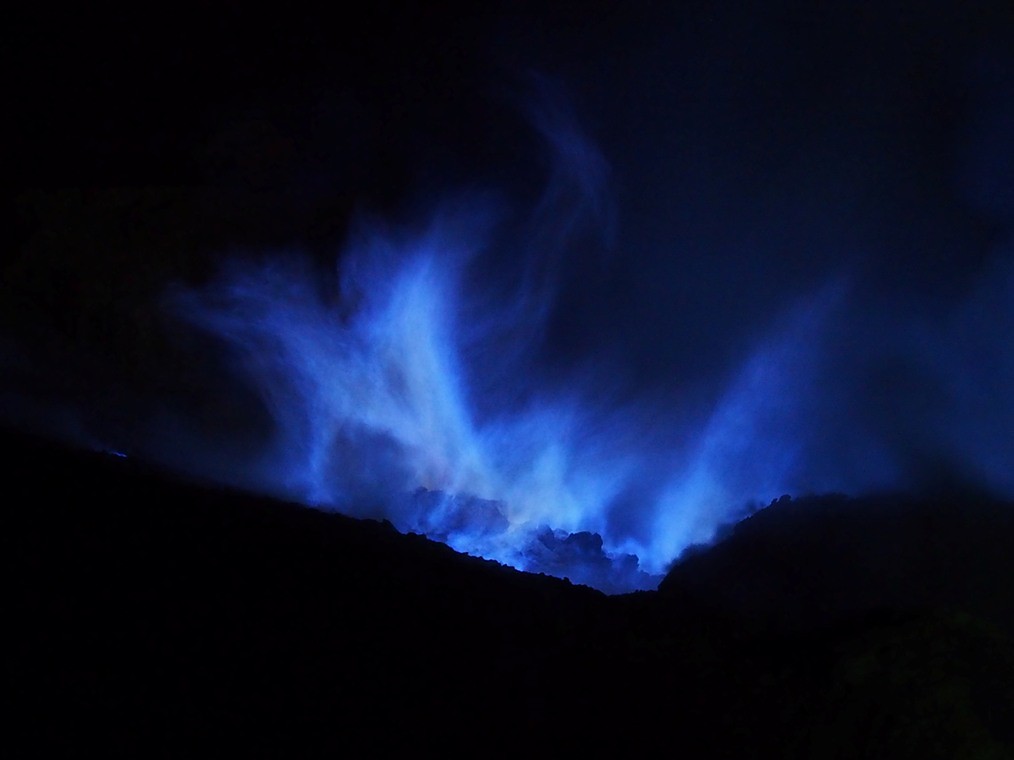
These spectacular blue volcanic displays undoubtedly left profound impressions on prehistoric communities who encountered them. Known locally as Api Biru, the blue flames that rise from cracks in the crater are steeped in local folklore, often believed to be the manifestation of mystical or demonic beings. Ancient peoples would have developed elaborate explanations for these mysterious blue fires that appeared only at night.
The psychological and cultural impact of witnessing such phenomena cannot be overstated. These blue-glowing volcanoes likely became sacred sites, centers of worship, or locations to be avoided entirely depending on local beliefs. The regularity of the blue flames would have made them reliable landmarks for ancient navigation, while their supernatural appearance would have inspired countless myths and legends that may have influenced early religious and spiritual practices across different cultures.
Modern Understanding Through Scientific Analysis
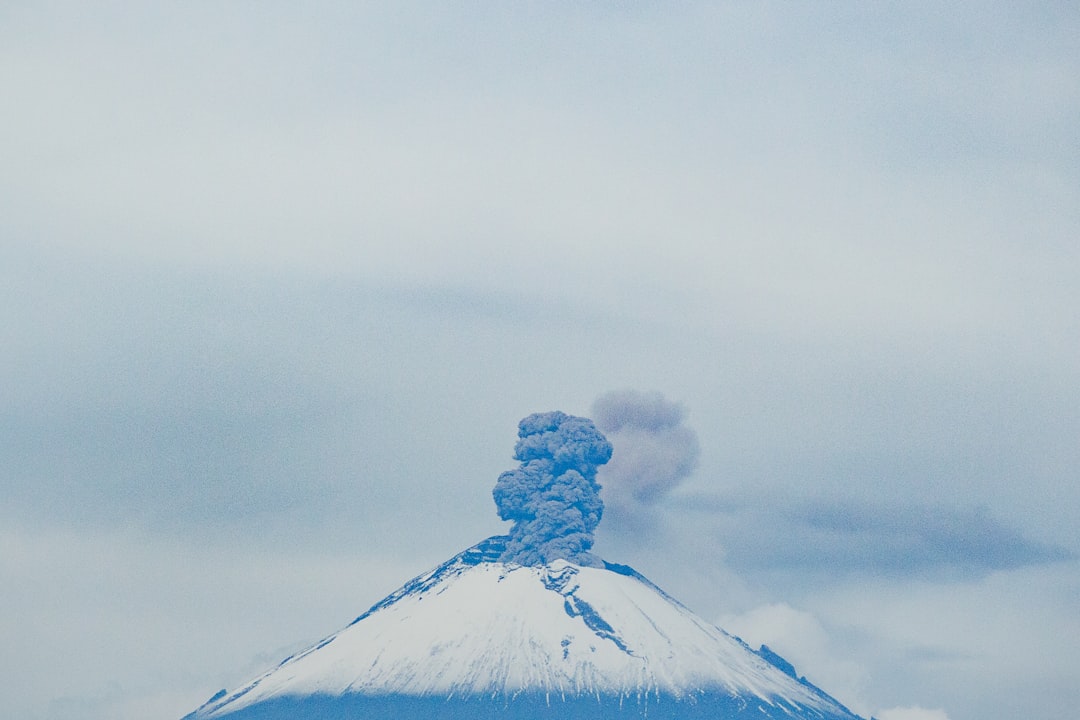
Today’s volcanic research has revealed the precise mechanisms behind these ancient blue flame phenomena, helping us appreciate what prehistoric observers witnessed. During the 1990s, monitoring of volcanic gases advanced significantly, especially with improvements in the remote techniques for measurement of sulfur dioxide and carbon dioxide, using correlation spectrometers in ground-based or airborne modes. Eruptions contribute much lower total SO2 emissions than passive degassing does, with SO2 emissions during eruptions being 2.6 teragrams per year and during non-eruptive periods being 23.2 teragrams per year from 2005 to 2015.
This scientific understanding allows us to reconstruct how ancient sulfur-rich volcanic systems operated. The greatest volcanic impact upon the earth’s short term weather patterns is caused by sulfur dioxide gas, which is converted to sulfuric acid by the sun’s rays reacting with stratospheric water vapor to form sulfuric acid aerosol layers. Ancient blue flame volcanoes would have significantly influenced regional and global climate patterns, potentially affecting the development of early human civilizations through their atmospheric contributions.
The blue-glowing volcanoes of prehistory represent one of nature’s most spectacular chemical reactions occurring on a massive scale. These ancient systems, rich in sulfur compounds and operating under perfect temperature conditions, created nightly displays that would have seemed magical to early observers. Through modern scientific analysis, we now understand the precise chemical and physical processes that produced these extraordinary phenomena.
What strikes me most is how these ancient blue flame volcanoes must have shaped human imagination and culture in ways we can barely comprehend today. The sight of mountains glowing electric blue against the night sky would have been absolutely transformative for anyone fortunate enough to witness it. What do you think about experiencing such a phenomenon without modern scientific explanations? Tell us in the comments.