You’ve seen them in museums. Towering skeletons, dramatic poses, bones the size of tree trunks. You might assume that creatures as enormous as dinosaurs would leave behind all kinds of fossils, scattered across the earth like buried treasure. But the truth is far more complicated, and honestly, far more fascinating.
The fact that we know as much as we do about these ancient giants is almost miraculous. The conditions required to transform a dead animal into a fossilized relic are so specific, so demanding, and so rare that most dinosaurs that ever walked this earth simply vanished without a trace. So what exactly is going on beneath the surface? Let’s dive in.
Fossilization Is Far Rarer Than You’d Think

Here’s the thing most people don’t realize when they stand in awe of a museum display: a specific set of circumstances and conditions are needed for fossilisation to occur, so it is actually a very rare event. It’s not as simple as a dinosaur dying and the bones slowly turning to stone. Most of the time, the story ends much sooner and much less dramatically than that.
Becoming a fossil is pretty rare for a large land animal. Although we have fossils of many individual dinosaurs, this represents only an extremely small fraction of all those that ever lived. Think of it this way: you could fill entire continents with the dinosaurs that existed over millions of years, and yet we are left working with only the tiniest sample of what was once a vast and wildly diverse world.
The First Enemy: Scavengers, Decay, and Bacteria
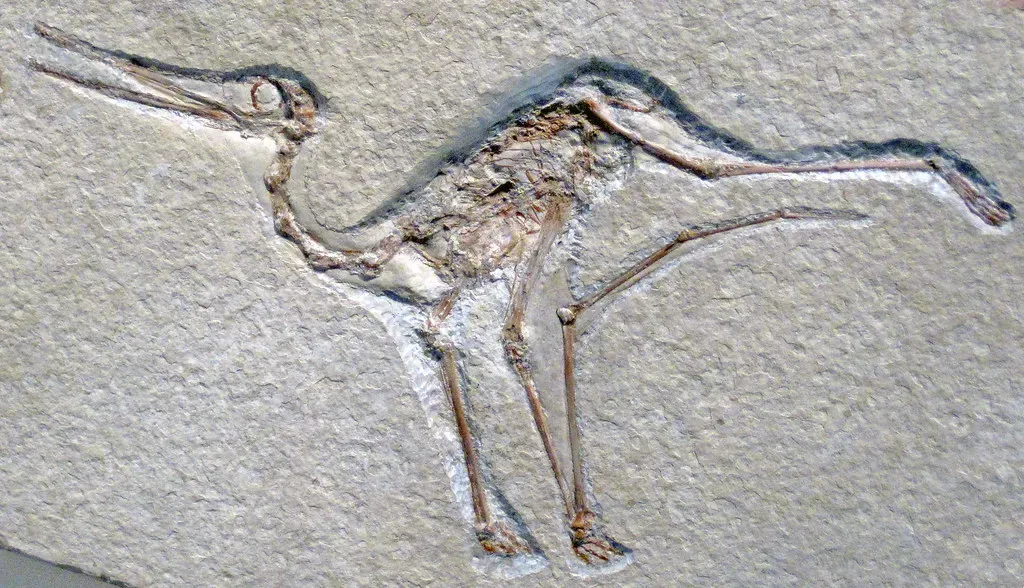
Scientists usually find only some of the remains because decomposition and scavenging can partially destroy them before they have a chance to fossilize. The moment a dinosaur fell, its body became a resource. Other animals, insects, and bacteria immediately began their work, breaking down tissues with remarkable efficiency.
Studies by taphonomists have shown that organisms that die on land in lush jungle locales are rarely fossilized. In these settings, there is little chance of being buried, scavenging vertebrates and insects are prevalent, bacteria that break down flesh and bones are abundant, and the soils are extremely acidic and tend to dissolve bones. It’s a relentless process, almost like nature running a cleanup operation, and it makes preservation an uphill battle from the very first moment.
Location: Where a Dinosaur Died Mattered Enormously
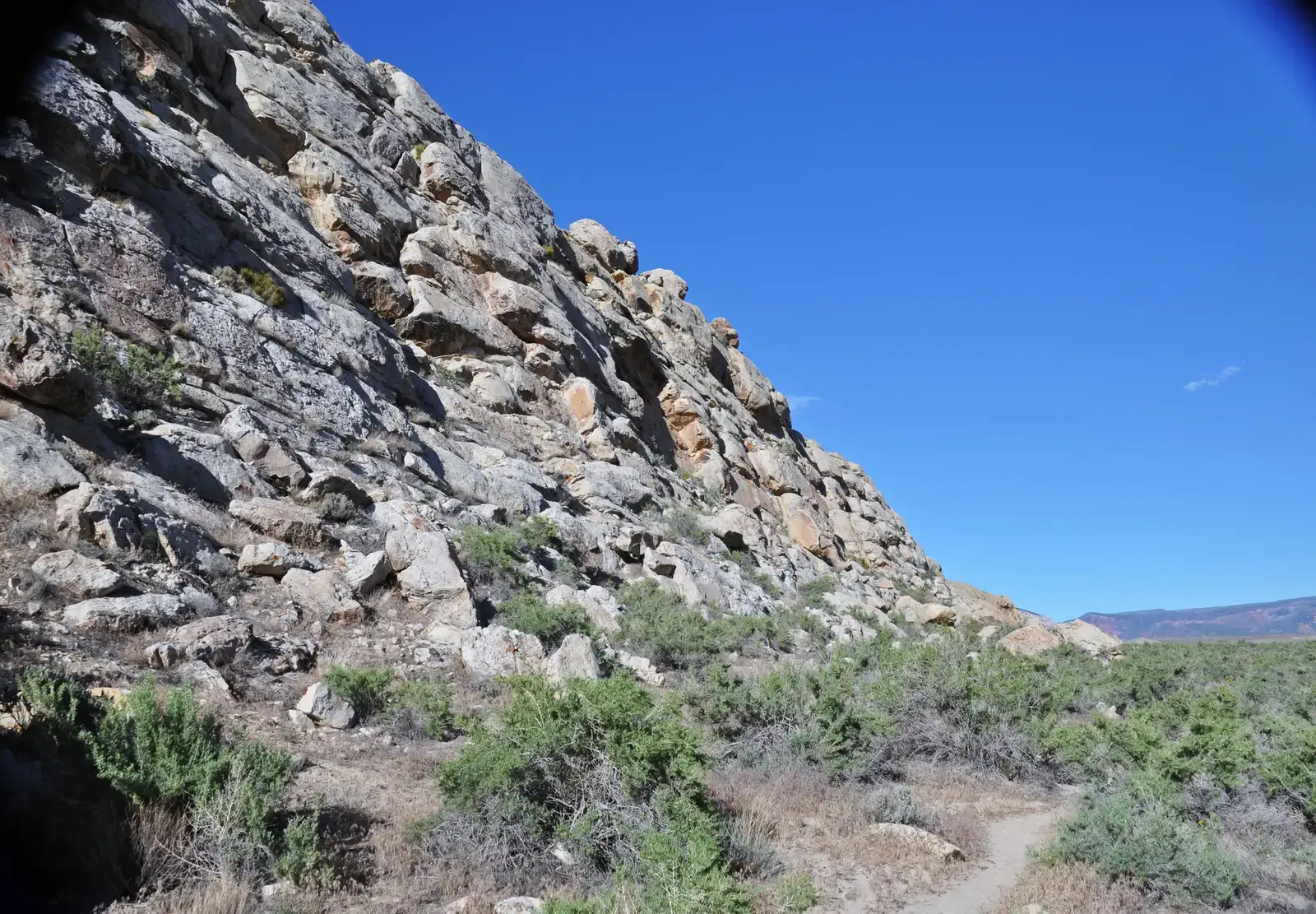
The best dinosaur fossils come from times and places where the animals were rapidly buried, such as in a river moving a lot of sediment, or in a floodplain behind a broken natural levee, or around a lake following the eruption of a nearby volcano producing lots of volcanic ash. If you think of fossilization as a race against decay, the only way to win that race is rapid burial. Location was essentially everything.
The remains of organisms are typically only fossilized in depositional environments where sedimentation and therefore burial is frequent. Examples of common depositional environments are lakes, river deltas, and ocean basins. Organisms that live in these types of environments or are transported to these types of environments soon after death are much more likely to be preserved as fossils than organisms that live elsewhere. A dinosaur that spent its life roaming highland forests simply had very little chance of ever becoming part of the geological record.
The Science Behind How Bones Actually Become Stone
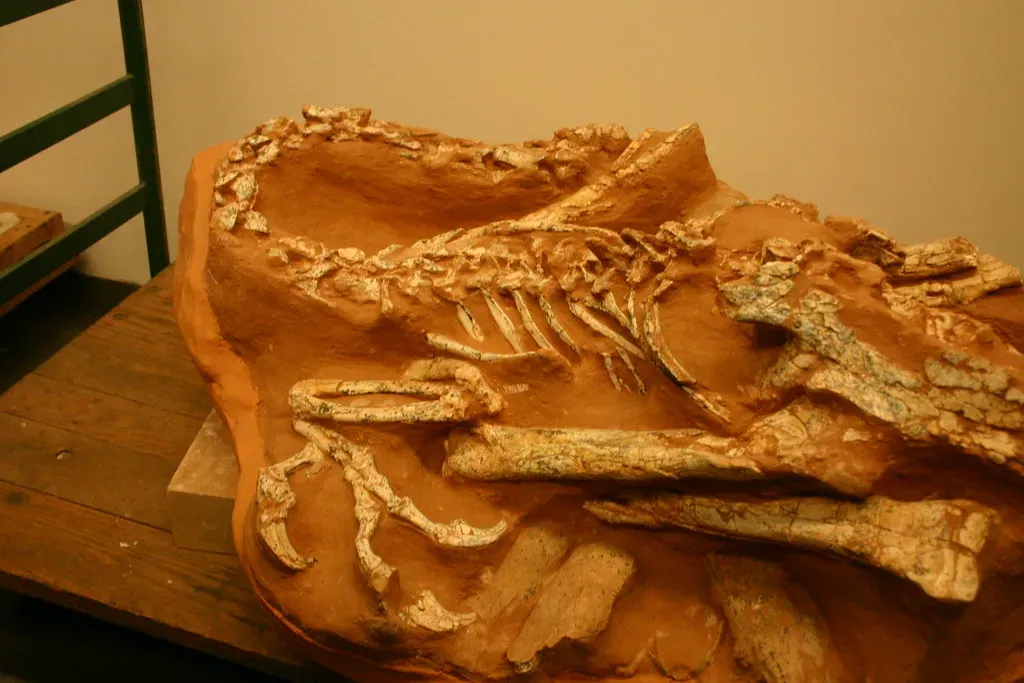
Once a dinosaur’s remains were buried, an extraordinary chemical process began. Permineralization is the infilling of natural pores in original organic material by minerals. It occurs when groundwater containing silica or other ions flows through small or even microscopic pores in buried wood, bone, or shells. The presence of organic material can create a chemical environment that causes the dissolved ions to precipitate out of solution leading to permineralization. Permineralization forms a three-dimensional internal mold of the original organic tissue, sometimes preserving details at the microscopic or cellular level.
While this is happening, water seeps into the bones and teeth, turning them to stone as it leaves behind minerals. This process can take thousands or even millions of years. I think this is one of the most mind-bending facts in all of paleontology. What you’re admiring in a museum display case isn’t really “bone” in the biological sense anymore. It’s essentially a very detailed, bone-shaped rock.
Why Dinosaur Skulls Are Especially Scarce
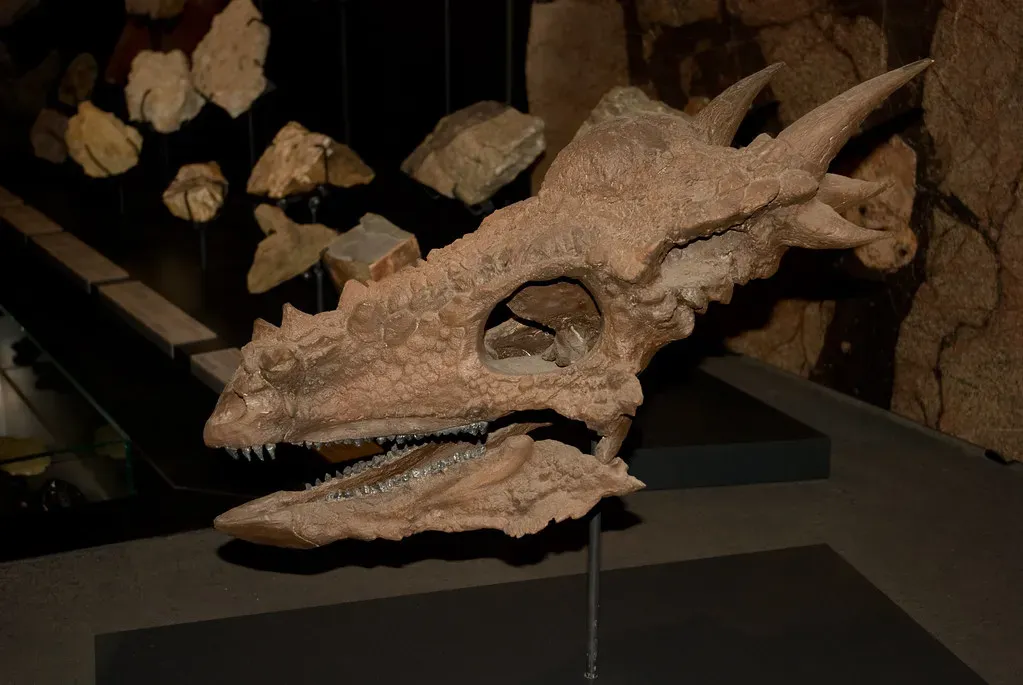
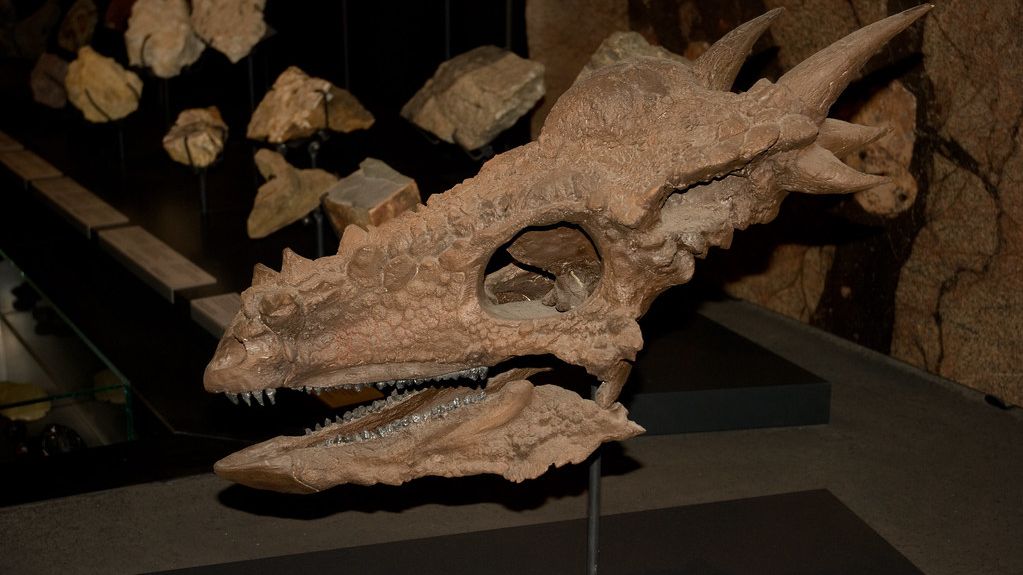
Of all the fossils uncovered, skulls are easily one of the rarest body parts to find. Unlike leg and arm bones, skulls are hollow and have many holes in them. In life, these holes are filled with soft tissues, like brains, eyeballs, tongues, and sinuses. In order to make room for these vital structures, the bones that hold the skull together have to be thin. Unfortunately, this delicate structure makes skulls fragile.
They’re often easily crushed during the fossilization process, similar to a soda can getting stepped on. This makes them more rare to find than thicker, sturdier bones like femurs, which are solid to support the body in life. So when you see a fully intact dinosaur skull mounted in a museum, you’re looking at something extraordinarily lucky. It survived millions of years of geological pressure without being flattened. That’s remarkable.
Soft Tissues: An Almost Impossible Preservation Problem
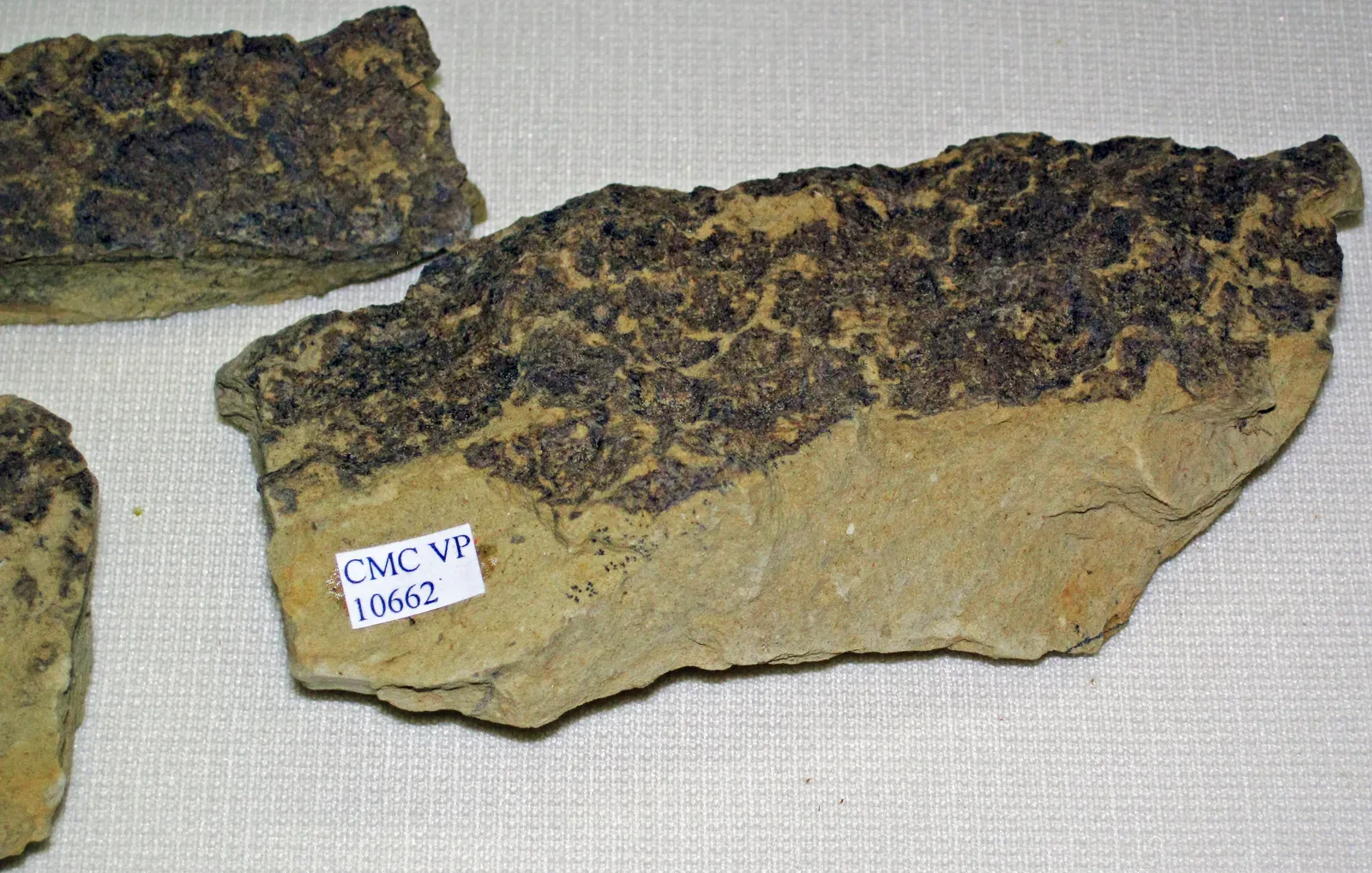
If bones are hard to preserve, soft tissues are in a category all their own. Soft tissues are rarely preserved in fossils because they are not as durable as bones and other hard tissues. Over time, soft tissues decompose and are not as likely to be preserved in the fossil record. This means that for most dinosaurs, we have no direct evidence of what their skin looked like, how their muscles were arranged, or what color they were.
Not surprisingly, soft tissue fossilization occurs most often in creatures that lived in the sediment, like the trilobite. Large land animals like dinosaurs, however, would have to suffer a rare catastrophic burial such as death by landslide. Catastrophic events, in other words, were sometimes a dinosaur’s best friend when it came to preservation. A quick, violent burial by ash, mud, or sand was the closest thing to a fossilization guarantee that ancient nature could offer.
Erosion: The Great Destroyer of Fossil Records
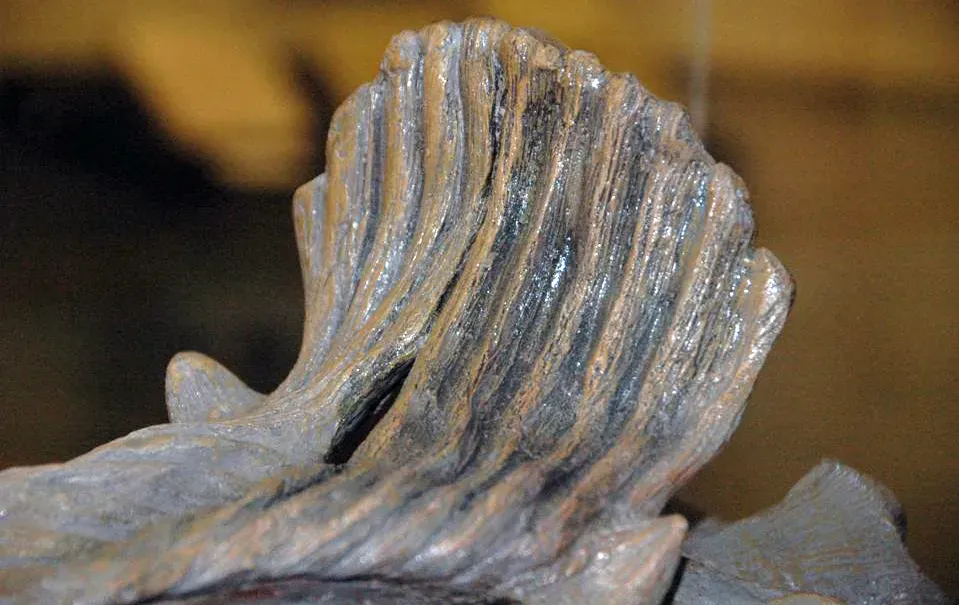
Here’s a cruel irony that doesn’t get talked about enough. Even if a dinosaur was perfectly fossilized, the fossil might still be destroyed before anyone ever finds it. Once created, a fossil record is subject to eternal loss through physical processes such as erosion. The same geological forces that eventually bring fossils up to the surface for discovery can also grind them into dust before any paleontologist arrives.
There are whole ecosystems of dinosaurs we’ll never know about, because the right conditions for deposition were rare, or any rocks that formed have been eroded. Think about what that really means. Entire species, entire ecological communities, potentially millions of individual animals, just gone. Not just dead but erased from the geological record entirely. It is honestly a little heartbreaking when you sit with that thought.
The Staggering Scale of What We Don’t Know
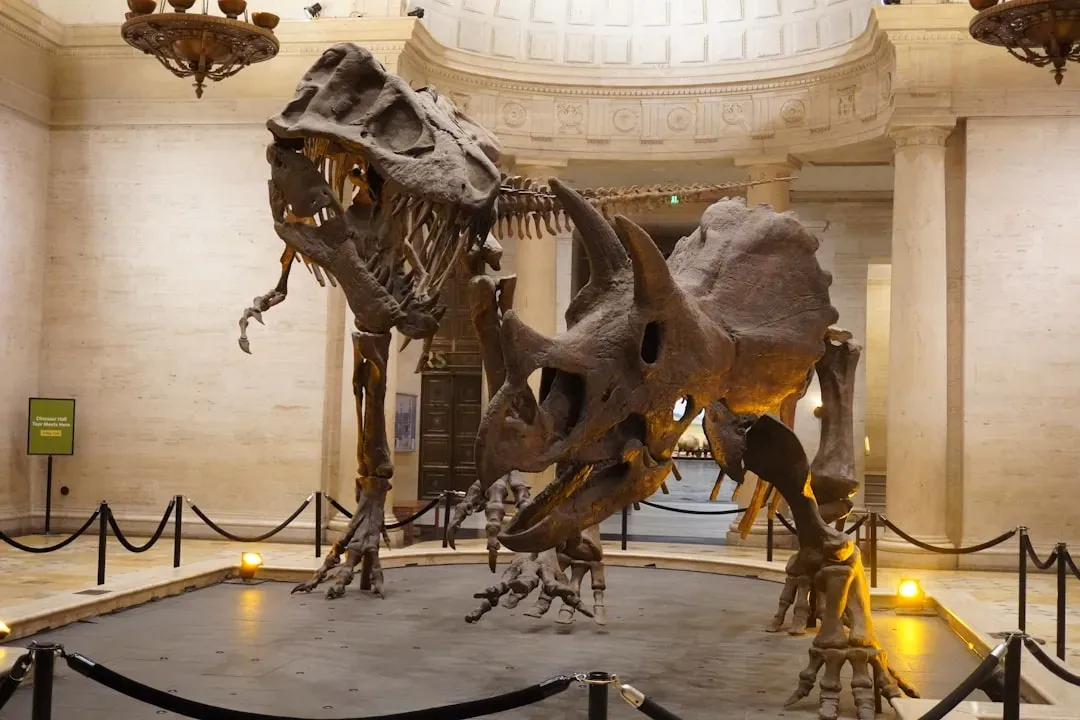
Paleontologists have been working for nearly two centuries and are still finding new species at a startling pace. The first dinosaur, Megalosaurus, was named in 1824, and new dinosaurs are still being named at the rate of one a fortnight, some 30 per year. That’s a rate that shows no sign of stopping, which tells you just how much of the puzzle is still missing.
Using one scientific estimating model, researchers calculate that approximately 1,936 species of dinosaurs roamed the Earth during the Mesozoic. Given how few complete specimens we have found, the vast majority of those species may never be known to us. Because of this process, entire species could exist without leaving a single trace behind. We are, in many ways, only seeing the very tip of a prehistoric iceberg.
Modern Technology and the Future of Fossil Discovery
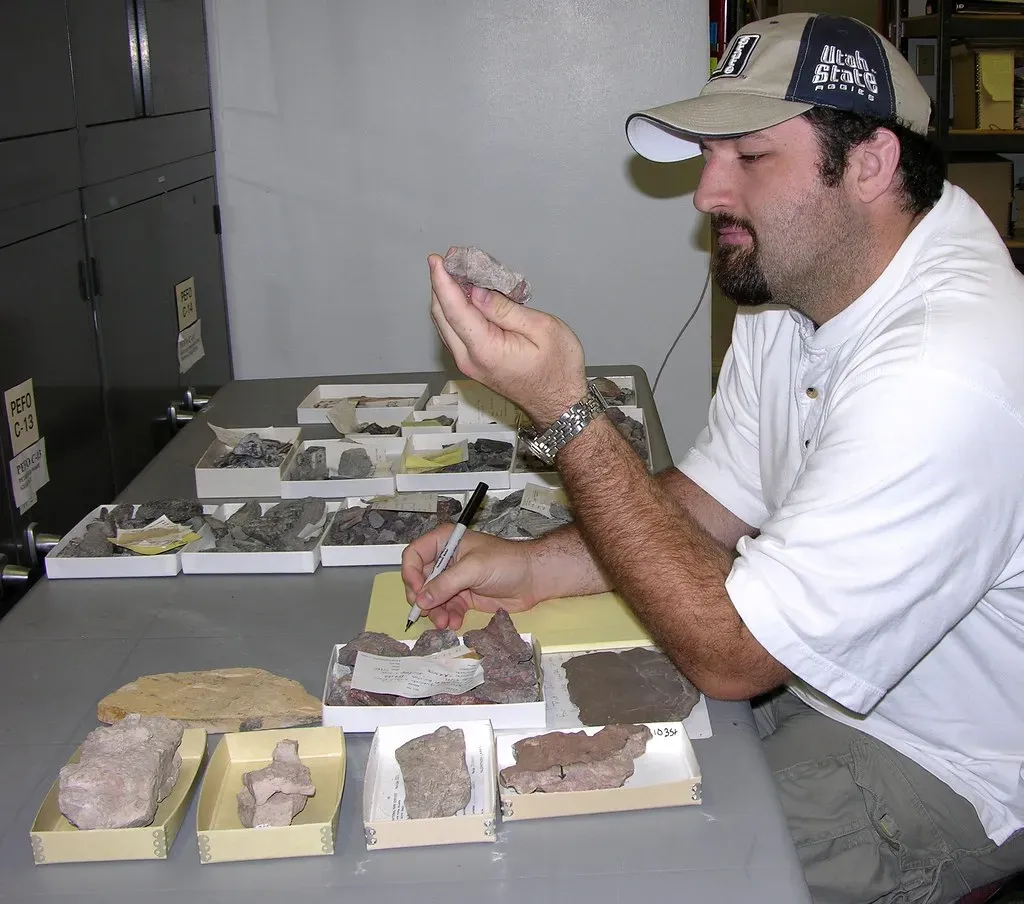
Here’s where things get genuinely exciting. The hunt for dinosaur fossils isn’t slowing down, it’s accelerating, thanks to a new generation of tools. New scanning techniques, such as synchrotron imaging and micro-CT, allow scientists to look inside fossils without destroying them. Hidden structures including blood vessels, growth rings, and even possible remnants of proteins are revealing details of growth, behavior, and evolution that once seemed impossible.
Drone surveys can identify erosion patterns indicative of fossil beds, and algorithms can predict where undiscovered species might lie based on geological data and known fossil distributions. The future of paleontology looks less like a pick and brush in the desert and more like a fusion of geology, data science, and biology working together. Honestly, I think the discoveries waiting to be made in the coming decades will rewrite what we know about the age of dinosaurs entirely.
Conclusion: A Puzzle With Most Pieces Still Missing
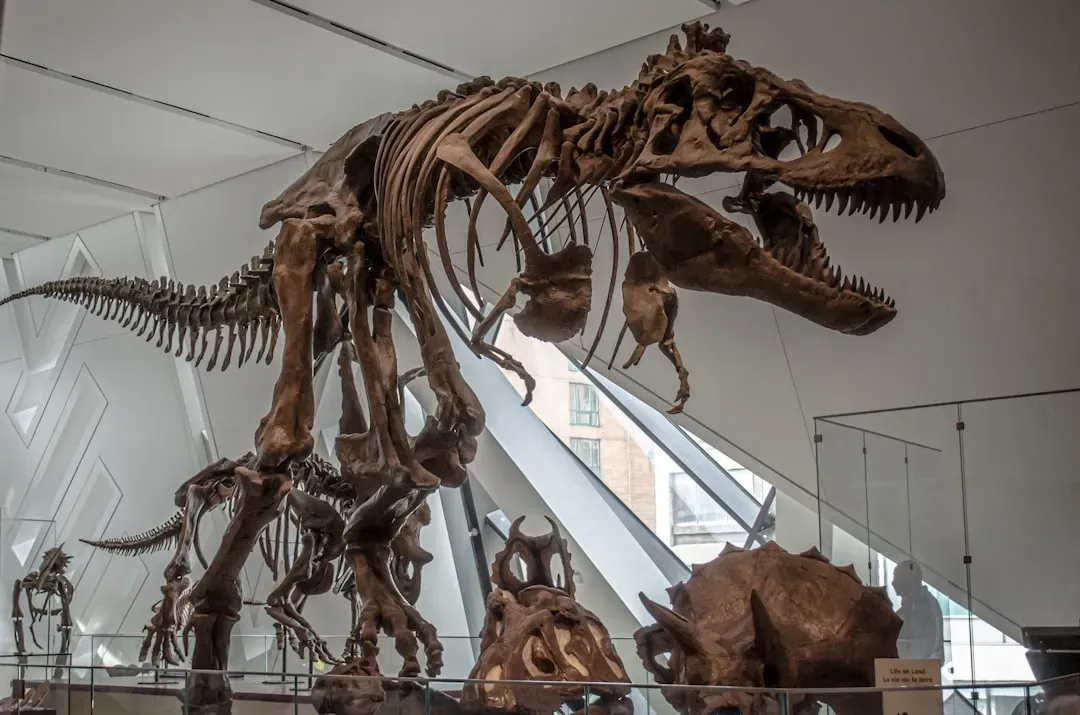
The preservation puzzle surrounding dinosaur fossils is, at its core, a story about how incredibly fragile a legacy can be. A creature can be enormous. It can dominate an entire ecosystem for millions of years. Yet if it dies in the wrong place, in the wrong conditions, it simply disappears from history without leaving so much as a footprint behind.
What you see in a museum is the result of an almost impossible chain of events, a perfect alignment of geography, chemistry, geology, and sheer luck spanning tens of millions of years. Every single fossil is a minor miracle. And for every one that made it, countless others were lost. The earth keeps its secrets well. But with every passing year, scientists are finding new ways to coax a few more of them to the surface.
What surprises you most about how rare and fragile fossil preservation really is? Let us know in the comments.