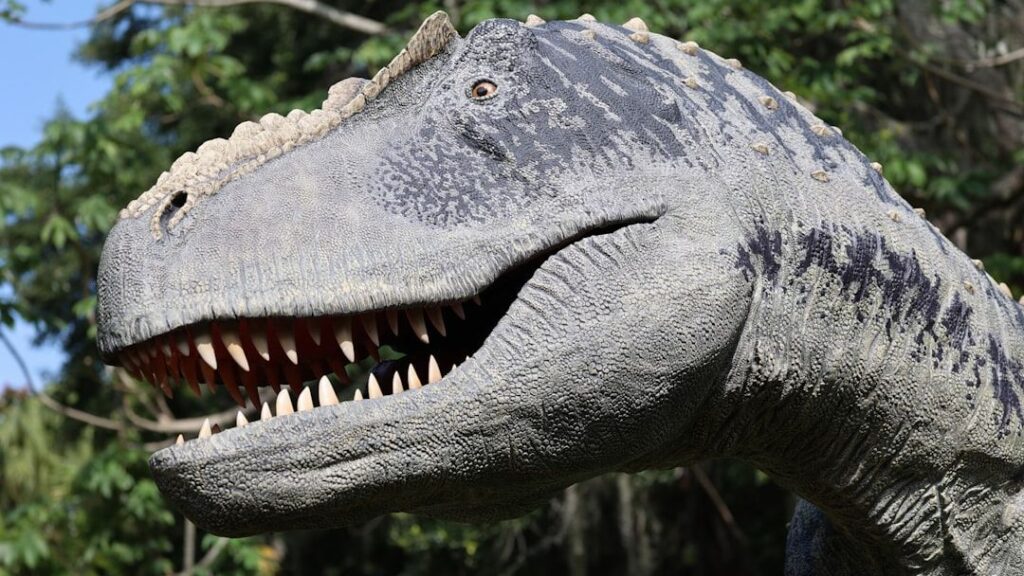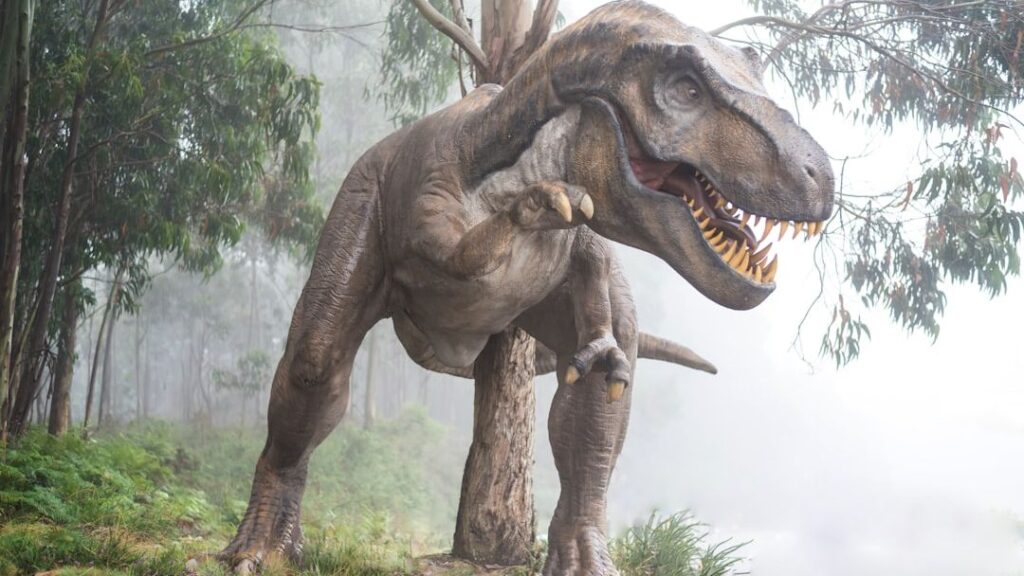
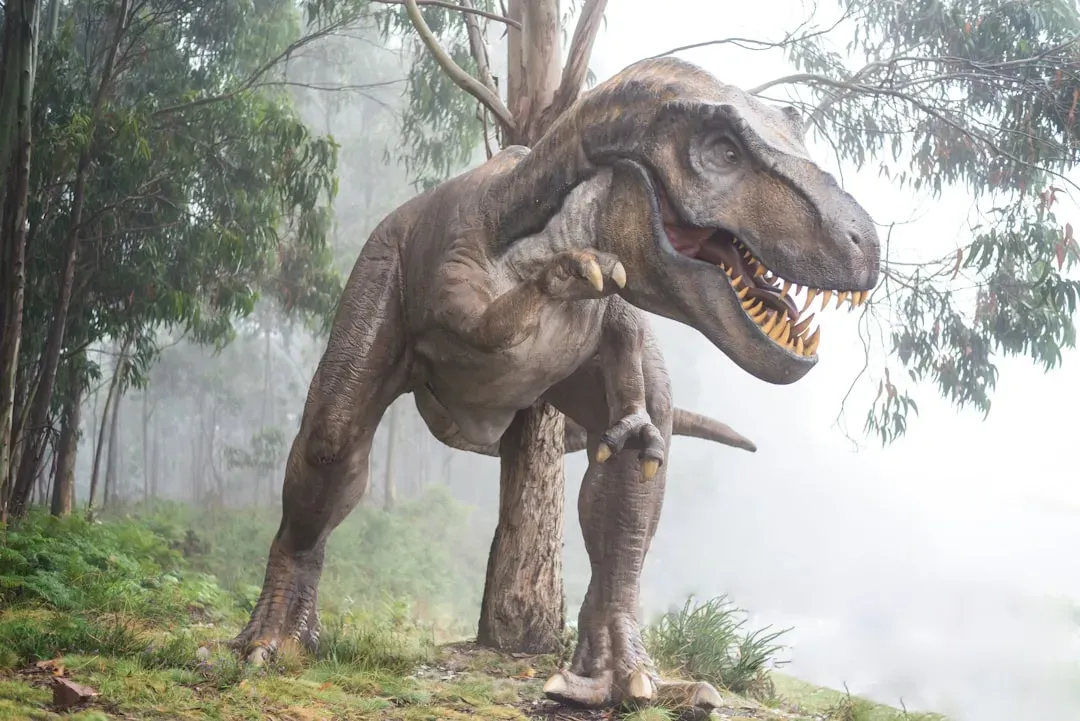
You’ve probably heard of Tyrannosaurus rex, that iconic “tyrant lizard king” that dominated the Late Cretaceous. The name sounds powerful, almost mythical. That’s no accident. When paleontologists unearth a new species, they’re not just slapping random syllables together. They’re carefully crafting names that tell stories, evoke ancient legends, and connect these long-extinct creatures to the myths and languages that shaped human civilization.
Here’s the thing: naming a dinosaur is serious business, yet there’s also room for creativity, cultural references, and even a bit of drama. Scientists draw heavily from Greek and Roman roots because these classical languages were considered the universal tongue of science for centuries. Think of it as giving these ancient beasts a timeless identity that transcends borders and languages.
The Power of Greek and Latin Roots

When you dig into dinosaur names, you’ll notice a pattern. Most of them are built from Greek or Latin words that describe physical features, behaviors, or locations. The name Tyrannosaurus comes from Greek words meaning “tyrant” and “lizard,” while rex means “king” in Latin. It’s a name that immediately conjures images of dominance and power.
This system, called binomial nomenclature, was developed by 18th-century Swedish botanist Carl Linnaeus, using Latin or Latinized words to describe each species uniquely. Why Latin? Because it was the language of scholarship at the time, meant to be universal and not tied to any single modern nation. Scientists wanted everyone, everywhere, to understand what they were talking about.
Take Triceratops, for instance. The name comes from Ancient Greek words meaning “three,” “horn,” and “face”. You can practically see the creature just from hearing its name. The same goes for Stegosaurus. Named for the bony plates on its back, the name comes from Greek and means “roof lizard”, because early paleontologists thought those plates laid flat like roof tiles.
Mythology as Inspiration for Modern Names
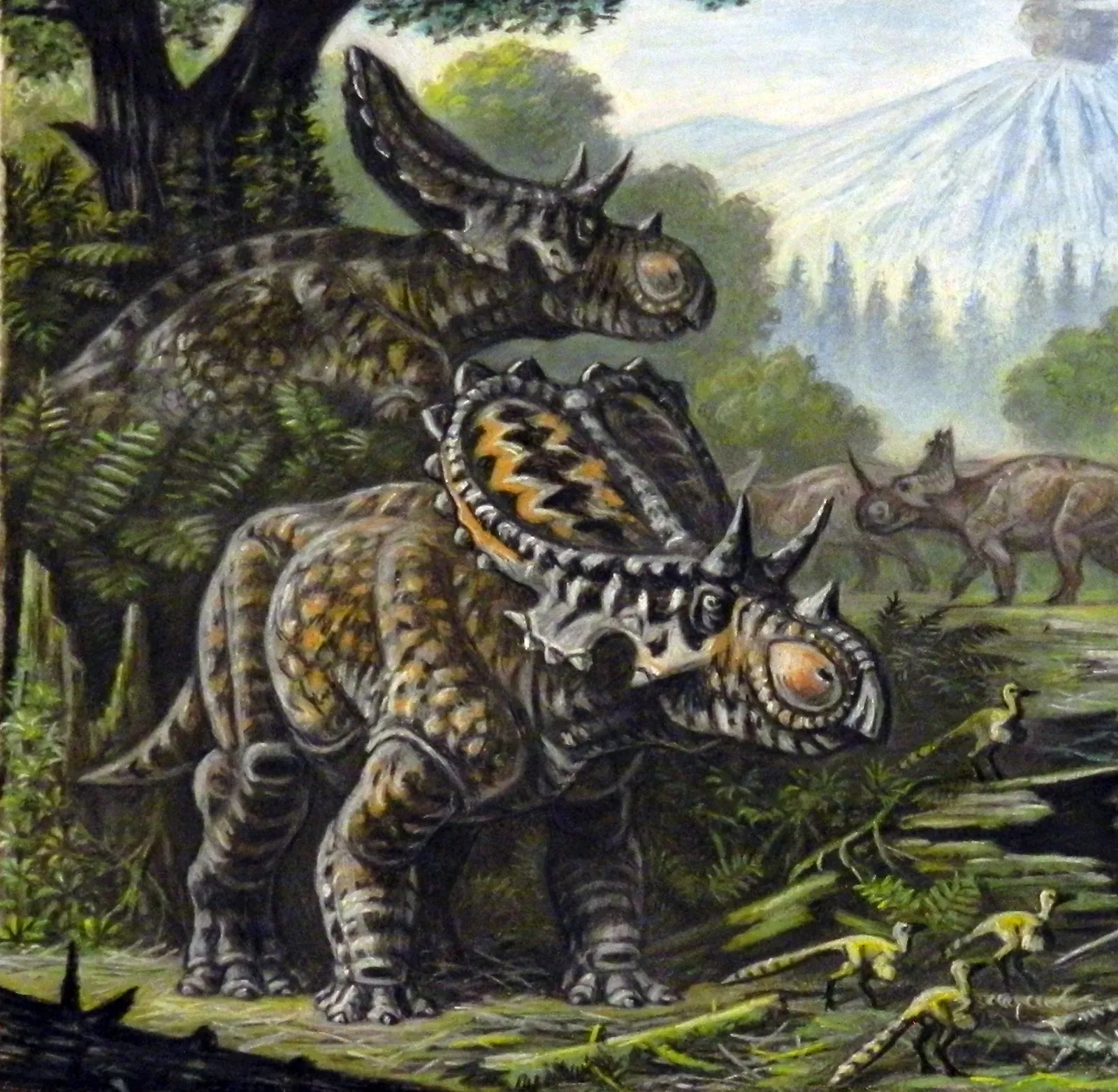
Some dinosaurs get their names directly from mythological figures or creatures, creating an instant connection to ancient stories. Mercuriceratops gemini was named after Mercury because ornamentation on its head resembles the wings on the head of the Roman god. It’s a brilliant way to capture the essence of a creature’s appearance while paying homage to classical mythology.
Talos, a birdlike theropod dinosaur, was named for a winged bronze giant of Greek mythology who could run extremely fast and succumbed to an ankle wound. The parallel between myth and discovery adds depth to the scientific record. These aren’t just bones; they’re characters in an ongoing story that spans millions of years.
Even creatures from other mythologies get their moment. Balaur is a theropod dinosaur named after a dragon-like creature from Romanian myth. Scientists aren’t limiting themselves to Greco-Roman traditions. They’re weaving together folklore from around the world, creating a rich tapestry of names that reflect diverse cultural heritages.
Ancient Fossils and Mythological Legends
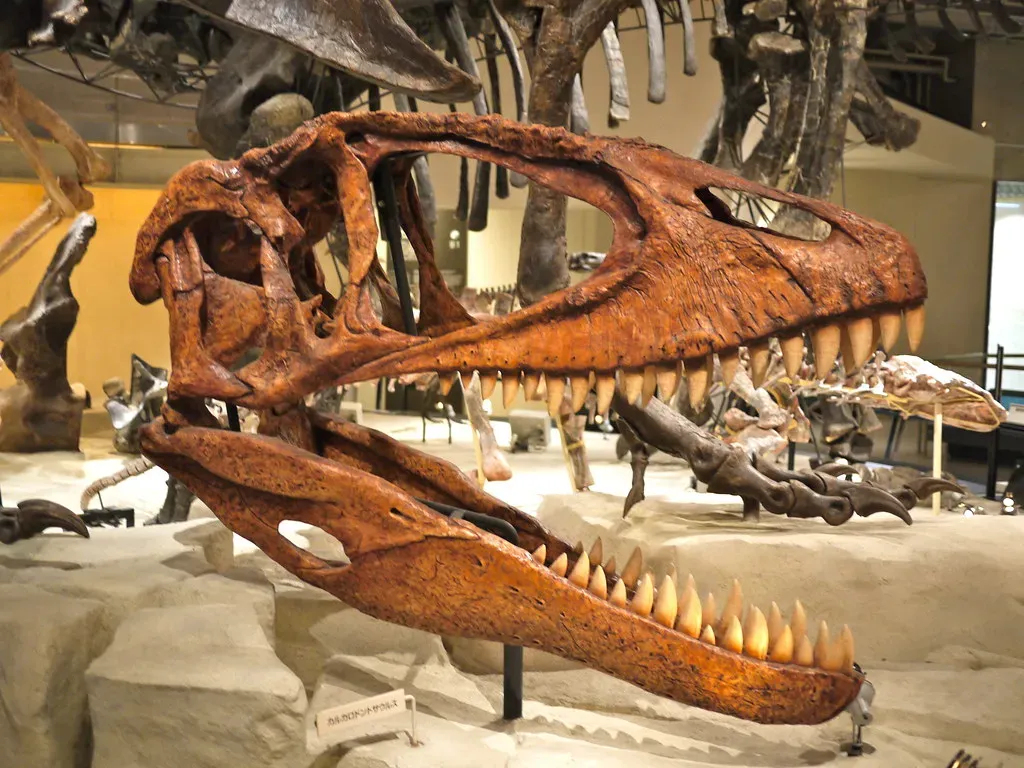
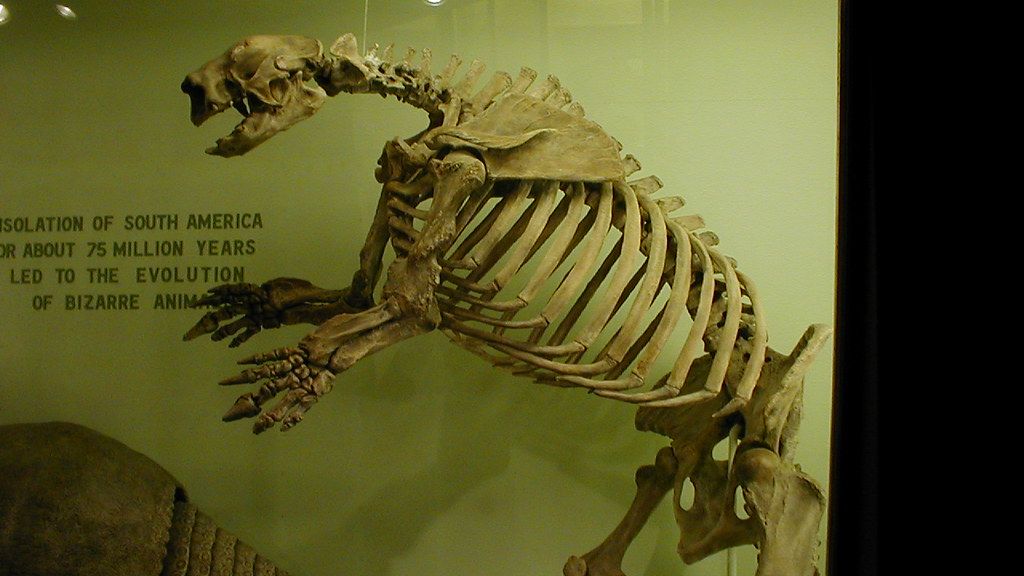
Honestly, it’s hard to say for sure, but ancient peoples might have been amateur paleontologists without even knowing it. Greeks and Romans frequently encountered fossilized bones and developed sophisticated concepts to explain the fossil evidence through mythological stories, like the legend of the gold-guarding griffin inspired by Scythian gold-miners encountering Protoceratops skeletons in the Gobi Desert. Imagine stumbling across massive bones protruding from the earth with no modern scientific framework to explain them.
The fossils of dinosaurs, mastodons, mammoths and other creatures were pervasive in the Greek and Roman periods, helping account for why they developed mythologies about giant creatures. These weren’t flights of fancy. They were attempts to make sense of physical evidence that seemed utterly fantastical.
Fossils could have led to mythological depictions of the thunderbird, the giant bird of Native American mythology, and the Cyclopes, the one-eyed giants of Greek and Roman mythology. The more you think about it, the more sense it makes: ancient peoples found enormous skulls, strange bones, and tried to reconstruct what these creatures must have looked like.
When Names Describe Physical Features
Many dinosaur names function like descriptive tags, capturing their most distinctive characteristics. Velociraptor combines “veloci,” meaning swift, and “raptor,” meaning thief or plunderer, translating to “swift thief,” aptly describing this small and agile predator known for its speed and sharp claws. You get an instant mental image: fast, cunning, dangerous.
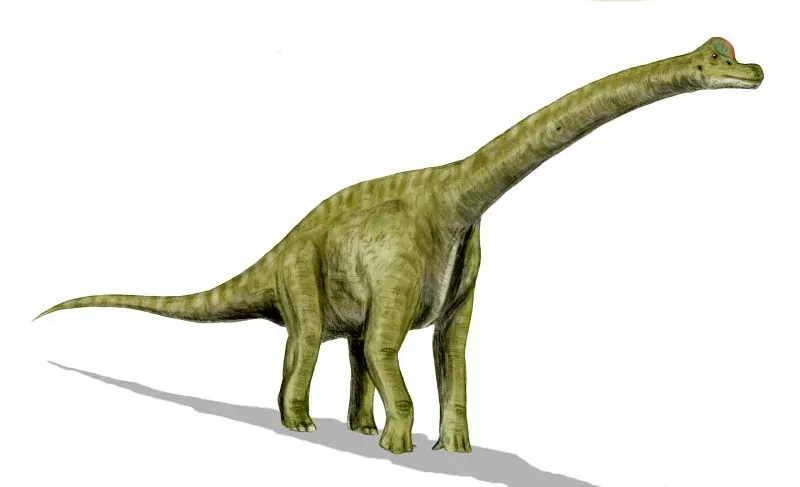
Brachiosaurus combines “brachio,” meaning arm, and “saurus,” meaning lizard, describing a dinosaur with notably longer front limbs compared to its hind limbs. The name tells you exactly what made this creature unusual among its contemporaries. It stood tall, almost like it was reaching for the sky.
Sometimes the names are a bit misleading, though. Paleontologist Othniel Charles Marsh named Stegosaurus in 1877, choosing “roofed lizard” because he figured the plates laid flat against the animal’s backside. Later discoveries proved they stood upright, but the name stuck. It’s a reminder that science evolves, even if the names remain frozen in time.
The Connection Between Behavior and Names
Behavior can be just as important as appearance when naming these ancient giants. The name Velociraptor comes from Latin words meaning “swift robber,” named for its behaviors as a fast-moving dinosaur that often stole food from other dinosaurs. Names become shorthand for understanding how these creatures lived and survived.
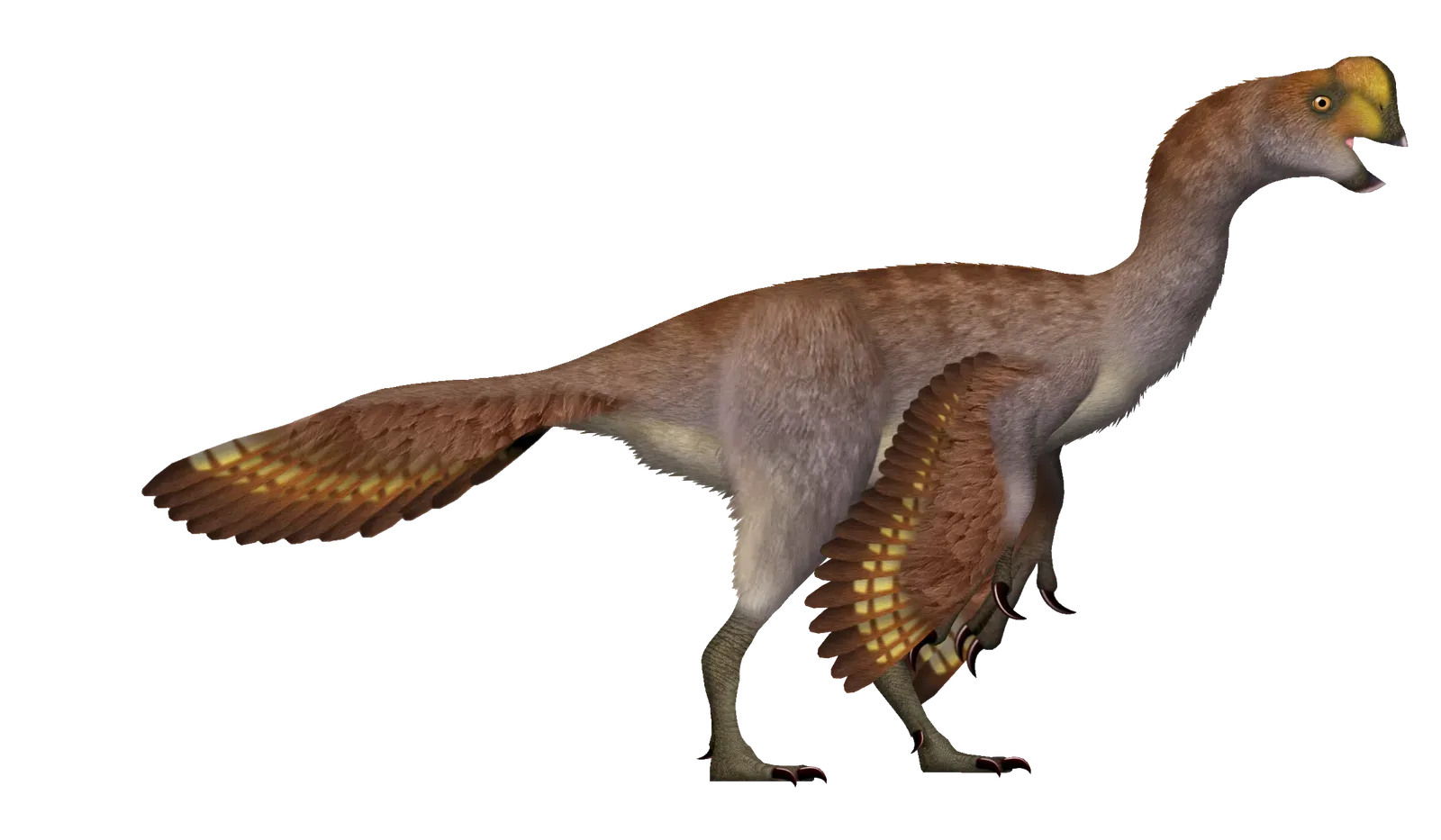
Let’s be real, though: sometimes scientists get it wrong initially. When expeditions found a dinosaur atop a clutch of eggs, it was assumed to have died while plundering the nest and was named Oviraptor, or “egg thief,” but later skeletons were found sitting on eggs like brooding birds, revealing it was actually guarding them. The name became an ironic monument to hasty conclusions.
The behavior reflected in names can tell us about ecological roles, too. Predators get aggressive-sounding names, while herbivores might have gentler or more descriptive monikers. It’s all part of building a narrative around extinct species that helps us understand their place in ancient ecosystems.
Geographic and Cultural Name Origins
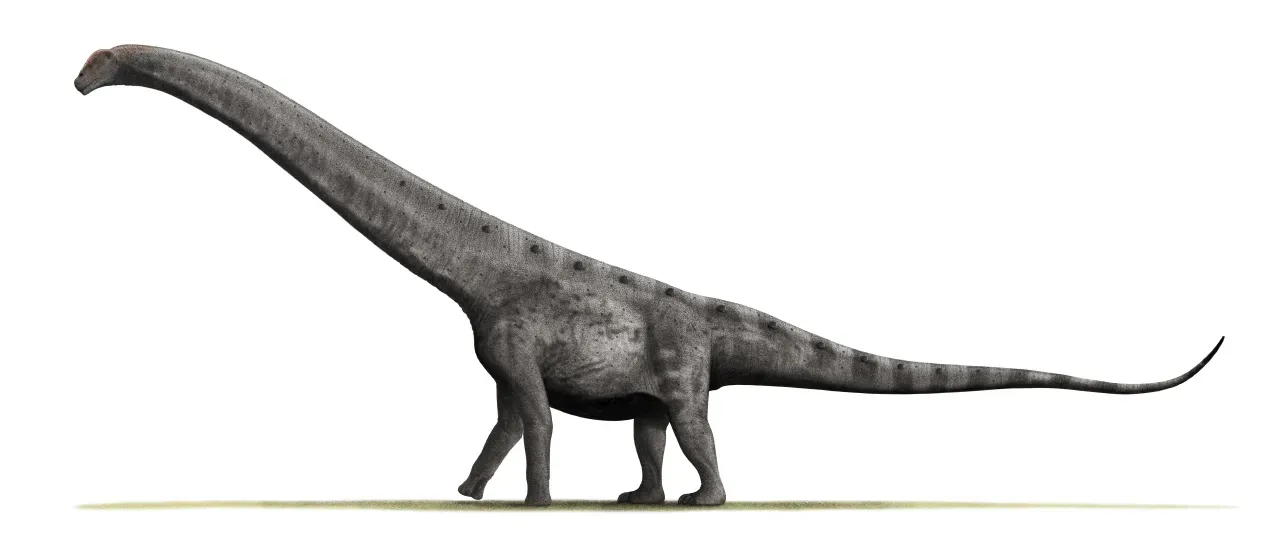
Location matters when naming dinosaurs. Some dinosaurs get their names based on the location where paleontologists unearth them, like Argentinosaurus, partially named after the country Argentina upon finding remains there. It’s a way to honor the place where these creatures once roamed and where their fossils were preserved.
Samrukia was named after Samruk, a Kazakh mythical bird, while Sordes was named for a Russian demon. Regional mythology becomes part of the scientific record, creating bridges between modern discoveries and ancient folklore. These names celebrate local traditions while contributing to global paleontological knowledge.
Sometimes names honor the people who made the discovery or supported the research. Lambeosaurus was partially named after Lawrence Lambe, who played a pivotal role in uncovering the species. It’s a way to recognize the human effort behind scientific progress, ensuring that individual contributions aren’t forgotten as time marches on.
The Enduring Legacy of Mythological Naming
The tradition of drawing from mythology isn’t going anywhere. Modern paleontologists continue to find inspiration in ancient stories, creating names that resonate across cultures and generations. These names do more than identify species; they spark imagination, connect us to our collective past, and remind us that humans have always tried to make sense of the mysterious giants that came before us.
Paleontologist Lindsay Zanno says choosing a name for a new dinosaur species has always been a heavy task, noting that names are necessary for scientific communication, and if wisely chosen, can become a vector for connecting nature and humanity through shared culture. That’s the real power behind these names: they’re not just labels. They’re bridges between ancient worlds and modern understanding, between myth and science, between wonder and knowledge.
What do you think drives scientists to reach back into mythology when naming new discoveries? Perhaps it’s because these ancient stories still hold power over our imaginations, reminding us that the line between legend and reality has always been thinner than we think.