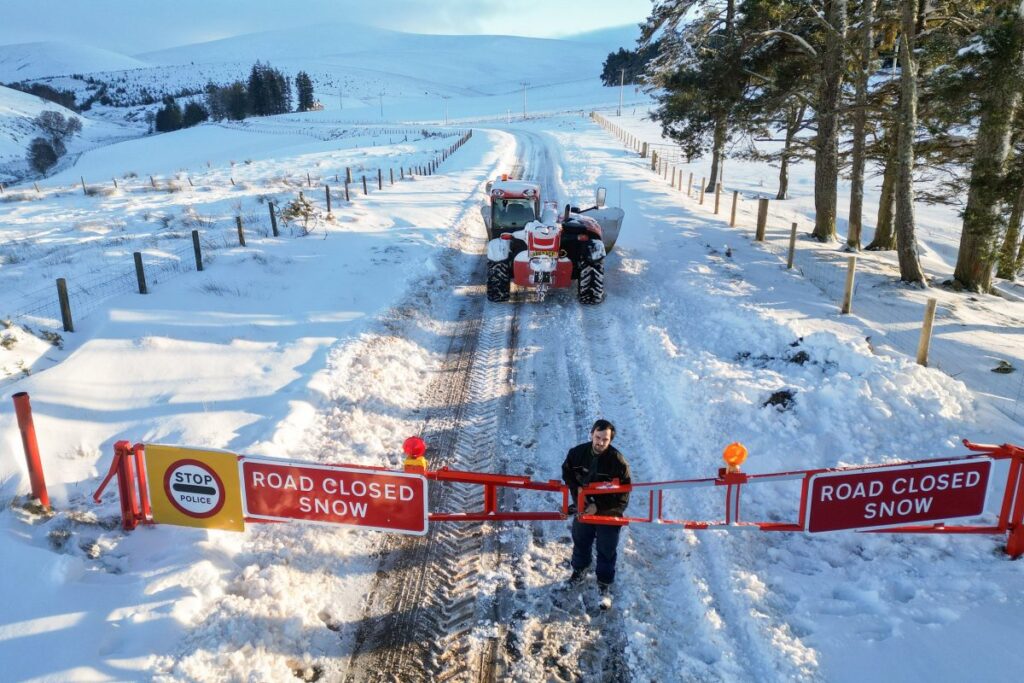

The Unique Dampness of UK Cold (Image Credits: Inews.co.uk)
London – Winter in the United Kingdom often catches American visitors off guard, revealing stark contrasts in climate, infrastructure, and daily life that differ from the more varied U.S. experiences.
The Unique Dampness of UK Cold
One of the most striking aspects of a British winter is its pervasive dampness, which amplifies the chill in ways that dry American cold rarely does. Temperatures in the UK seldom plunge to extreme lows, hovering around freezing in many regions, yet the constant moisture from rain and fog makes the air feel far colder. Western areas, closest to the Atlantic, endure the mildest but wettest conditions, with wind adding to the discomfort.
Experts note that this oceanic influence keeps the climate moderate overall, but the humidity seeps into everything, from clothing to bones. In contrast, Americans accustomed to crisp, snowy winters in places like the Midwest might find the UK’s version more insidious, lacking the sharp bite but delivering a lingering chill. Posts on social media from expats highlight this, describing the English cold as one that “sinks into your bones” due to its wetness.
Housing Designed for Milder Times
British homes evolved in a climate that rarely sees prolonged sub-zero spells, leading to structures ill-equipped for harsh freezes. Many older buildings feature single-glazed windows and minimal insulation, relying on fireplaces or basic central heating that struggles against the damp. During recent cold snaps, residents reported indoor temperatures dropping uncomfortably low, prompting widespread complaints about energy costs and comfort.
For Americans used to well-insulated houses with efficient furnaces, this setup comes as a surprise. The UK’s push toward energy efficiency has improved some modern homes, but traditional terraced houses in cities like Manchester or Edinburgh still prioritize historical charm over winter-proofing. Travelers often share anecdotes of bundling up indoors, a far cry from the cozy, heated interiors common in U.S. suburbs during winter.
Transport Systems Under Strain
Roads and railways in the UK face frequent disruptions from even light snow or ice, as the infrastructure assumes milder winters than those in northern American states. Salted roads help, but heavy rain followed by freezes creates slippery hazards that halt buses and trains. In one notable instance, a brief cold wave led to widespread delays, stranding commuters and underscoring the system’s vulnerabilities.
Americans navigating public transport in cities like Glasgow might encounter frozen points and leaf-strewn tracks, issues less prevalent in sprawling U.S. metros with different weather patterns. Driving requires caution too, with black ice a common peril on narrow, winding lanes. Preparation, such as checking weather apps religiously, becomes essential for smooth travel.
Cultural and Practical Adjustments
Beyond the physical elements, British winter culture emphasizes resilience and small comforts, differing from American holiday extravagance. Traditions like wrapping pork in more pork or avoiding tumble dryers reflect a pragmatic approach to conserving heat and resources. An American expat once described these habits as “incredibly odd,” highlighting the shift from U.S. norms of cranking up the thermostat.
To adapt, visitors can adopt local strategies. Here’s a quick list of tips drawn from common experiences:
- Layer clothing with wool and waterproof outerwear to combat the damp.
- Carry a compact umbrella or rain jacket, as showers are frequent even in winter.
- Opt for heated pubs or cozy cafes for warmth during outings.
- Book accommodations with reliable heating, especially in rural areas.
- Embrace hot drinks like tea to stay warm from the inside out.
These adjustments help bridge the gap, turning potential frustration into appreciation for the UK’s understated winter charm.
Key Takeaways for Cross-Atlantic Travelers
- British winters prioritize damp resilience over extreme cold preparation.
- Homes and transport reflect a historically mild climate, demanding extra layers and planning.
- Cultural quirks offer unique warmth amid the chill, rewarding those who lean in.
As global travel rebounds, understanding these nuances ensures Americans enjoy the UK’s winter without the shock. The season’s subtle beauty, from frosted countryside to festive lights, rewards the prepared visitor. What surprises have you encountered in British winters? Share your thoughts in the comments.