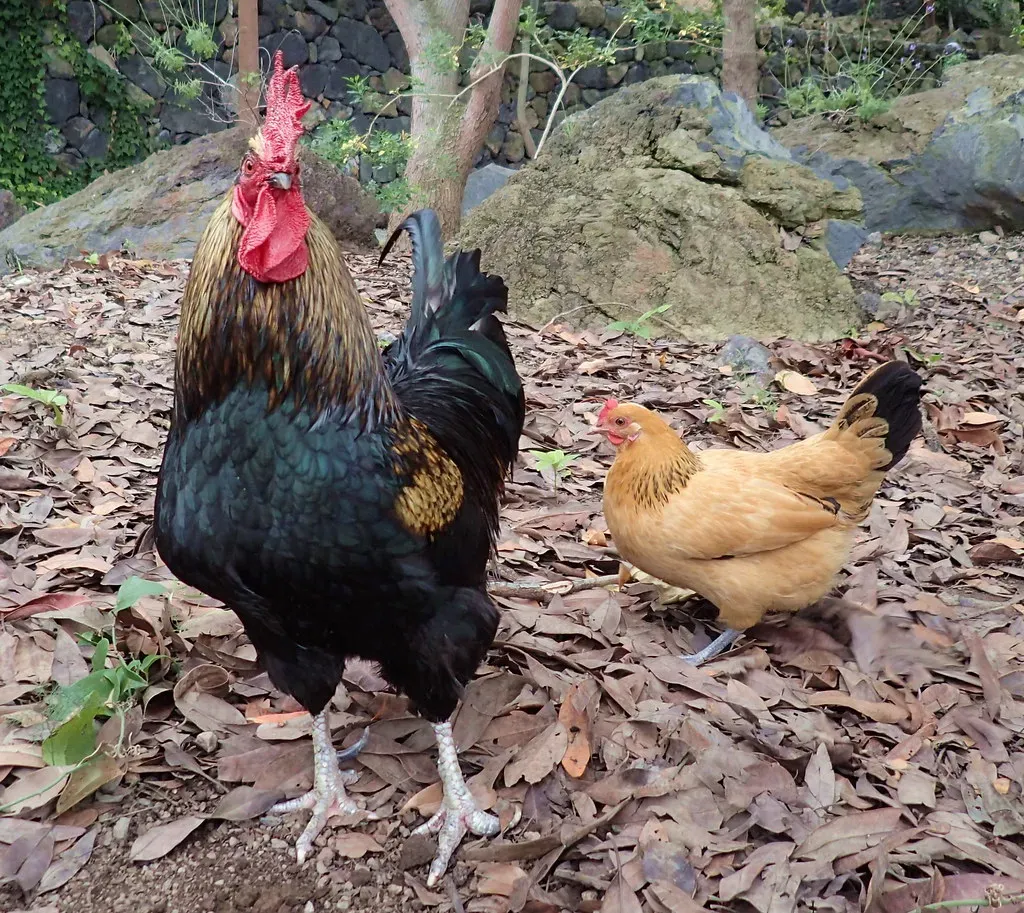
Ever watched a chicken strut around your backyard and thought it looked a bit prehistoric? You might be onto something. That fluffy barnyard bird pecking at seeds shares a surprising heritage with one of the most fearsome predators ever to walk the Earth. It sounds like something out of a science fiction movie, yet the link between chickens and Tyrannosaurus Rex is grounded in solid scientific evidence.
Through groundbreaking molecular discoveries, ancient fossil records, and cutting-edge genetic research, scientists have uncovered a connection spanning millions of years. The tiny chicken carries within its DNA the echoes of the thunder lizards that once ruled the planet. What makes this relationship even more fascinating is how much we’ve learned about it in just the last few decades. Let’s dive in.
The Molecular Breakthrough That Changed Everything
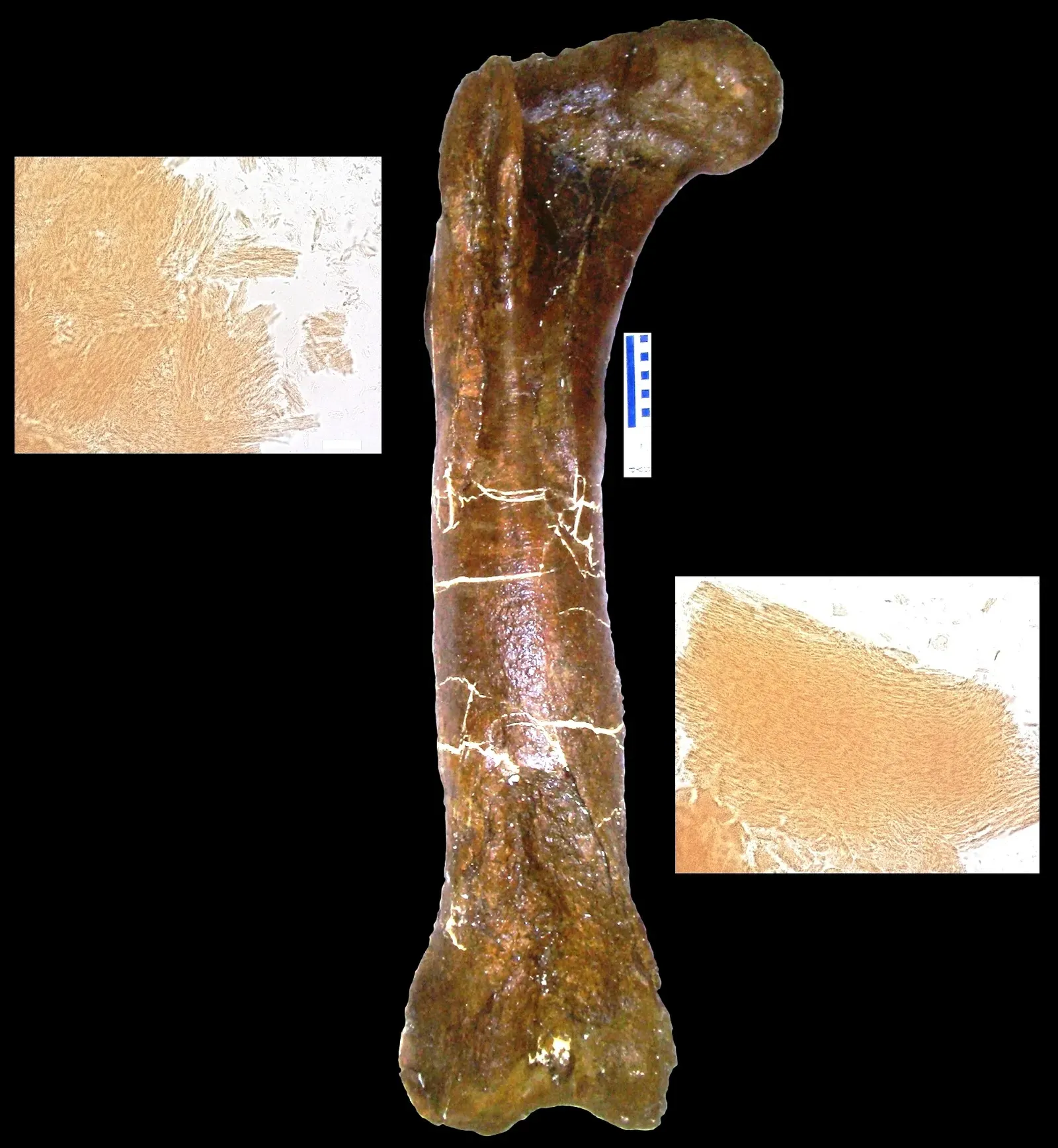
In a 2007 discovery, scientists recovered and sequenced fragments of collagen protein from a 68-million-year-old T. rex femur found in Montana. This wasn’t just any discovery. It was the kind of finding that paleontologists dream about but rarely achieve.
T. rex’s collagen proved to be most similar to chickens and ostriches; its next closest match was to alligators. Let’s be real, this was a game changer. For decades, the dinosaur-bird connection had been suspected based on skeletal similarities, but the new research is the first molecular evidence. The protein fragments didn’t lie. They revealed a chemical kinship that bridged an unfathomable stretch of time.
Understanding The Theropod Family Tree
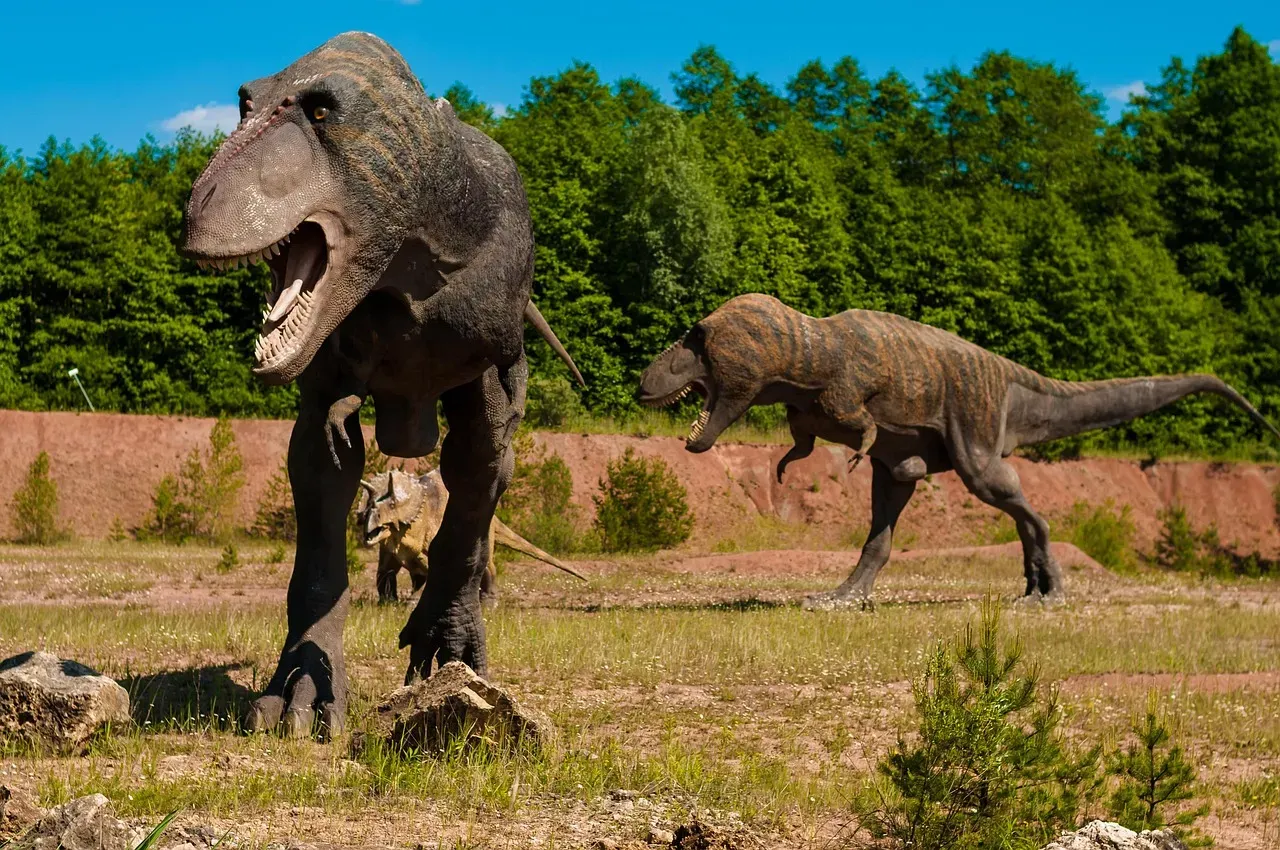
You might be wondering where chickens fit into the bigger picture of dinosaur evolution. Modern birds descended from a group of two-legged dinosaurs known as theropods, whose members include the towering Tyrannosaurus rex and the smaller velociraptors. This group was diverse, ranging from massive apex predators to bird-sized creatures that eventually took to the skies.
The present scientific consensus is that birds are a group of maniraptoran theropod dinosaurs that originated during the Mesozoic era. The evolutionary path wasn’t a straight line. Honestly, evolution never is. Multiple branches of theropods experimented with different traits, but the lineage leading to modern birds proved remarkably successful. The gradual evolutionary change – from fast-running, ground-dwelling, bipedal theropods to small, winged, flying birds – probably started about 160 million years ago.
The Skeletal Similarities That First Sparked Suspicion
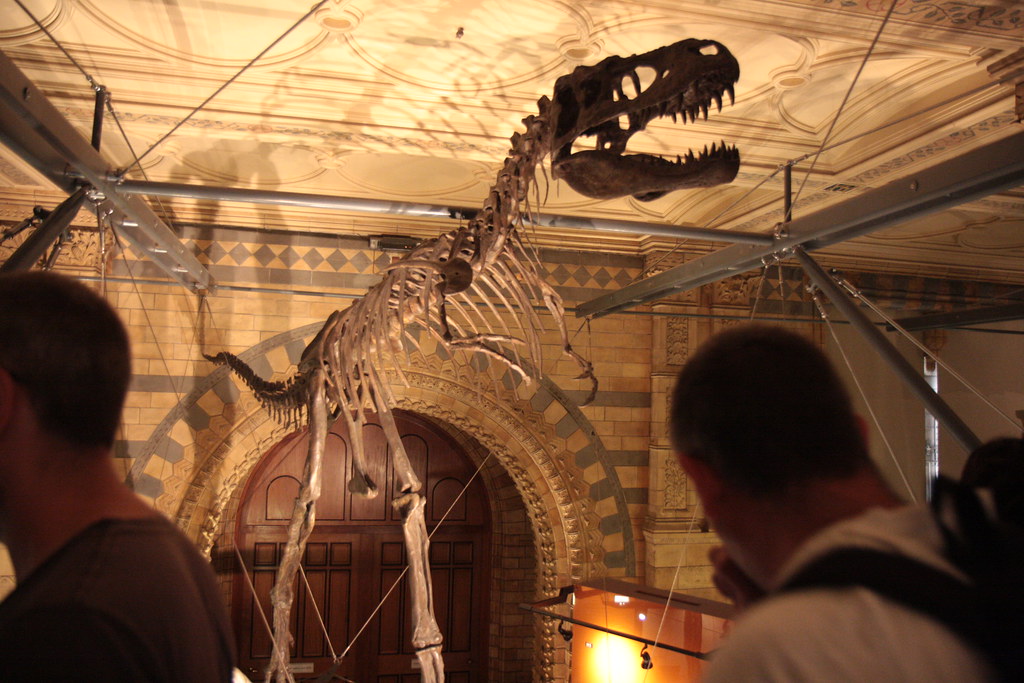
Both chickens and T-Rex walk on two legs, have scaly feet with sharp claws, and both have an arched neck with a big head. Before scientists had access to protein analysis, these physical similarities already hinted at a deeper connection. Walk up close to a chicken and really look at its feet. Those scales, those claws? They’re dinosaurian through and through.
Both groups exhibit hollow bones, which reduce weight and are advantageous for flight in birds and potentially for agility in theropods. The wishbone, or furcula, is another telling feature. The furcula, or wishbone, is formed by the fusion of the clavicles and is present in both theropods and birds. It’s not just coincidence. These shared structures point to a common ancestor that lived millions of years before chickens scratched their first dirt.
Feathers Tell An Ancient Story
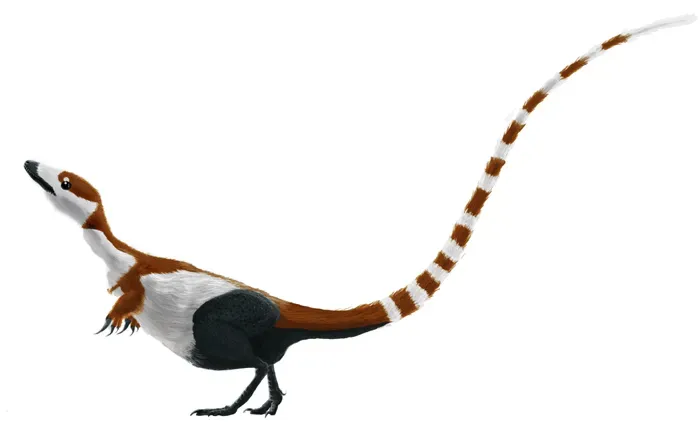
Here’s the thing. Feathers weren’t always about flight. Fossil evidence has revealed that feathers were widespread among theropods. Species such as Velociraptor and the more primitive theropod Sinosauropteryx were covered in feathers, suggesting that these structures originally evolved for purposes other than flight, such as insulation or display.
Modern chicken feathers develop through the same genetic pathways as the feathers of their dinosaur ancestors, controlled by a complex interplay of genes including the BMP and Sonic hedgehog signaling pathways. Think about that for a second. The same genetic instructions that produced fluffy down on a prehistoric predator are still operating in your backyard flock. The feathers you see on chickens today are part of an unbroken legacy stretching back to the age of dinosaurs.
Archaeopteryx: The Transitional Star
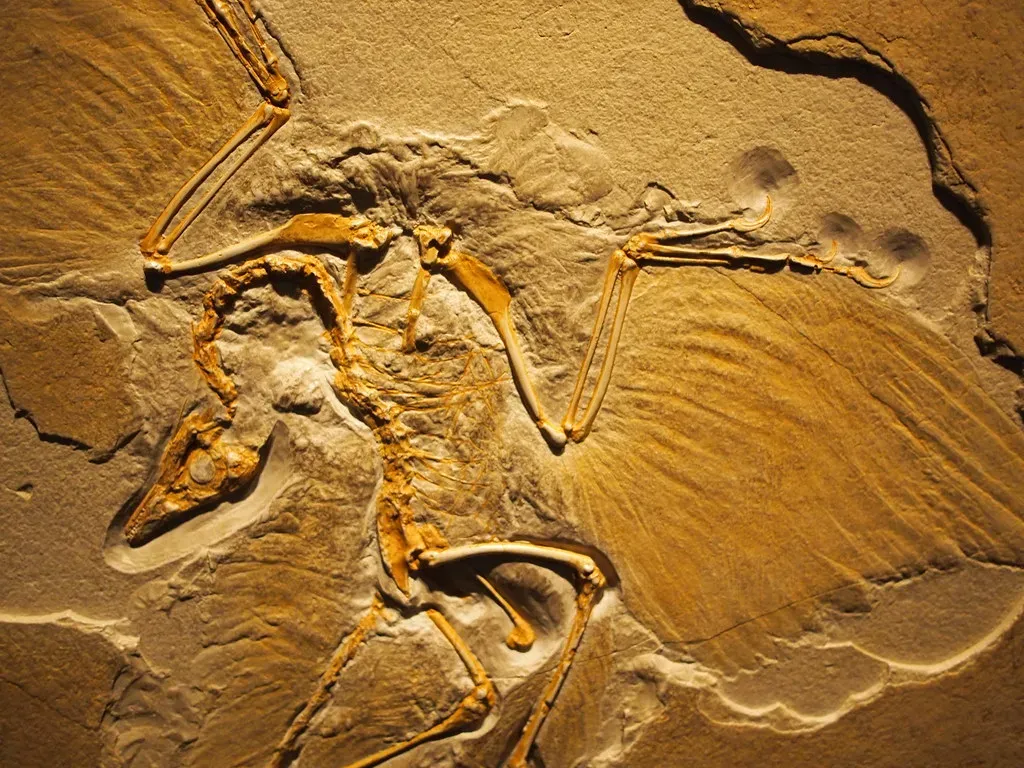
The hunt for the ancestors of living birds began with a specimen of Archaeopteryx, the first known bird, discovered in the early 1860s. Like birds, it had feathers along its arms and tail, but unlike living birds, it also had teeth and a long bony tail. This creature was a mosaic. Part dinosaur, part bird, it embodied the transition between two worlds.
Archaeopteryx is a transitional fossil, with features clearly intermediate between those of non-avian theropod dinosaurs and birds. Its discovery came just two years after Darwin published his theory of evolution, and it couldn’t have been better timed. Scientists finally had a tangible example of evolution in action. While other dinosaurs had also evolved feathered wings before then, Archaeopteryx is the first known example of an animal that likely used those adaptations to fly.
The Role of Body Size in Bird Evolution
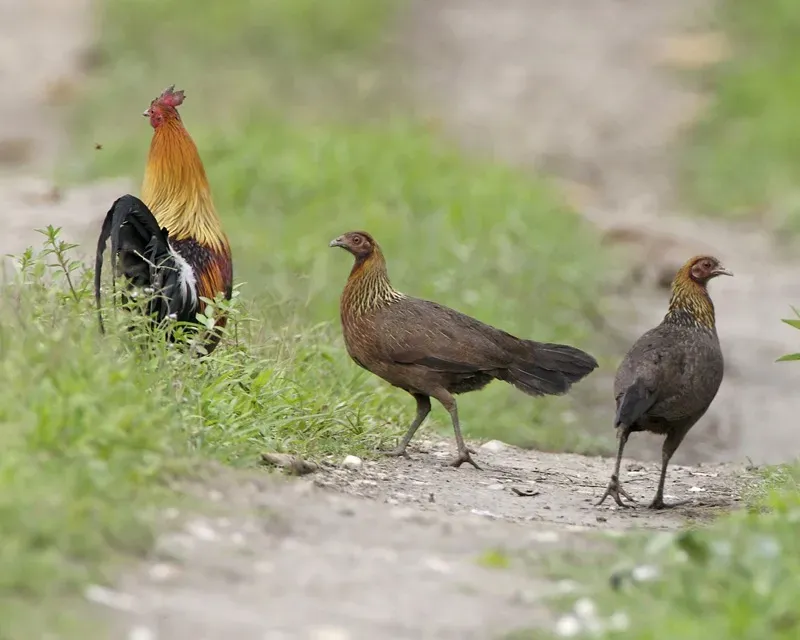
New research suggests that bird ancestors shrank fast, indicating that the diminutive size was an important and advantageous trait, quite possibly an essential component in bird evolution. Size mattered, just not in the way you might think. Getting smaller opened up new ecological niches and made flight more achievable.
Though larger animals can glide, true flight powered by beating wings requires a certain ratio of wing size to weight. Birds needed to become smaller before they could ever take to the air for more than a short glide. The massive T. Rex never made this transition. It evolved in a different direction, becoming a specialized predator at the top of the food chain. Meanwhile, some of its smaller theropod cousins were busy shrinking and experimenting with aerial locomotion.
How The Extinction Event Shaped Modern Birds
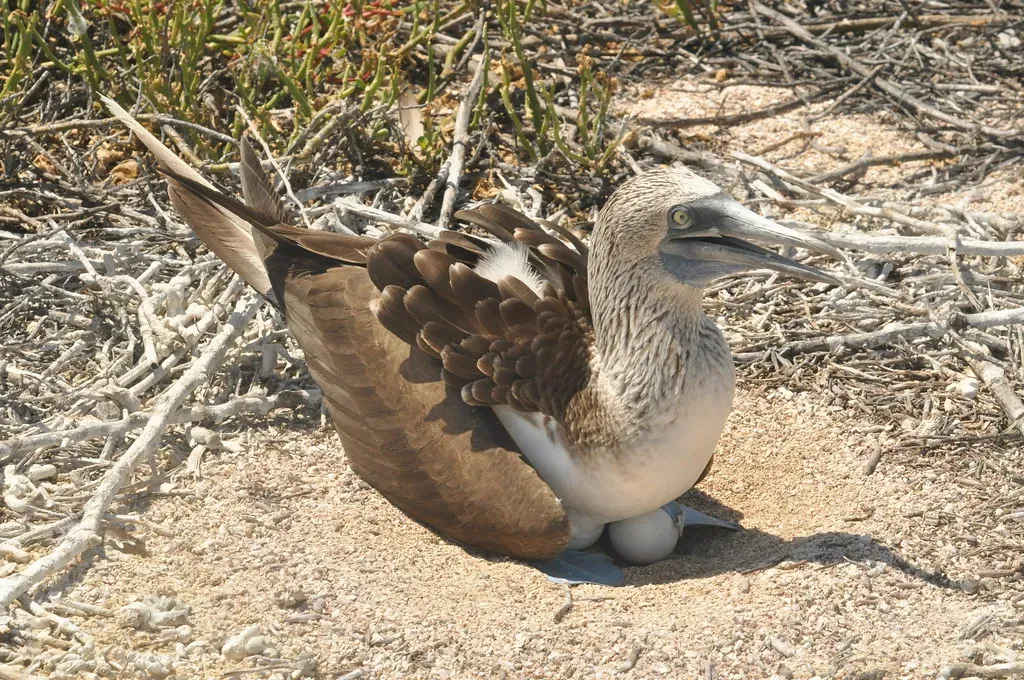
When the catastrophic asteroid impact triggered the Cretaceous-Paleogene extinction event about 66 million years ago, non-avian dinosaurs perished, but the small, adaptable proto-birds survived. These survivors evolved into the approximately 10,000 bird species we see today, including our humble chicken, carrying within their DNA the ancient genetic signature of their dinosaurian ancestors.
What allowed birds to survive when their larger relatives died? Theories suggest that ground-dwelling birds with more flexible diets had an advantage. Fossil and recent genetic evidence supports this view and shows that these birds diversified rapidly in the post-apocalyptic world, probably taking advantage of the ecological release afforded by the extinction of both the ‘archaic’ birds and the very bird-like non-avian dinosaurs. The world was suddenly emptier, and birds filled the vacant niches with remarkable speed.
Modern Genetic Research Confirms The Connection
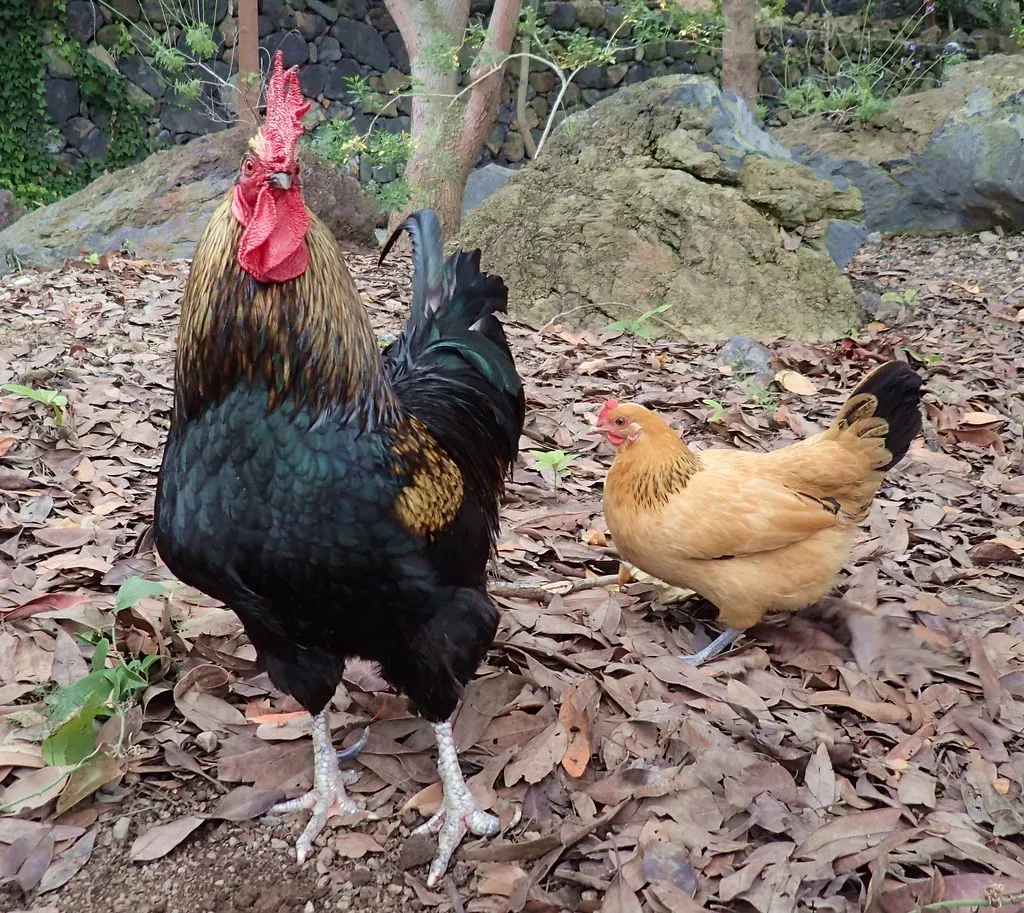
Modern chickens share more genetic similarities with T. rex than any other living animal, thanks to groundbreaking protein and DNA analysis. Scientists didn’t stop at collagen. They’ve continued to dig deeper into the genetic toolkit that chickens inherited from their dinosaurian past.
The genetic instructions for feather development in modern chickens represent an inheritance from their dinosaur ancestors, with remarkably conserved developmental pathways. Modern chicken feathers develop through complex molecular signaling involving genes such as SHH (Sonic Hedgehog) and BMP (Bone Morphogenetic Protein) that regulate the formation of feather follicles and their subsequent growth. These same genetic pathways were likely operational in feathered dinosaurs, demonstrating the deep evolutionary roots of avian features. The code is still there, written in the language of DNA.
What This Means For How We View Evolution
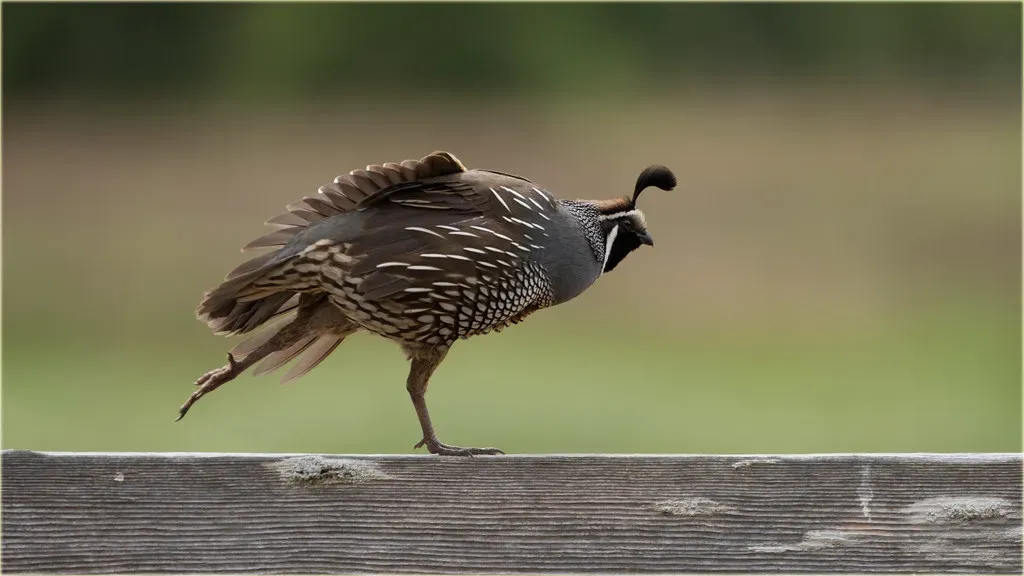
The chicken-to-T. Rex connection isn’t just a quirky fact for trivia night. It fundamentally reshapes our understanding of evolution and the continuity of life on Earth. A wealth of recently discovered fossils has finally settled the century-old controversy about the origin of birds and it has made the evolutionary saga toward modern birds one of the best documented transitions in the history of life.
Yes, birds are dinosaurs. Shaun Hurrell interviews dinosaur evolution expert Professor Roger Benson to unearth the latest research on the origin of birds. When you look at a chicken now, you’re not seeing some distant relative of dinosaurs. You’re seeing an actual living dinosaur, a member of the only dinosaur lineage that survived the mass extinction. That shifts your perspective, doesn’t it?
Conclusion: A Legacy Written In Feathers And Bones
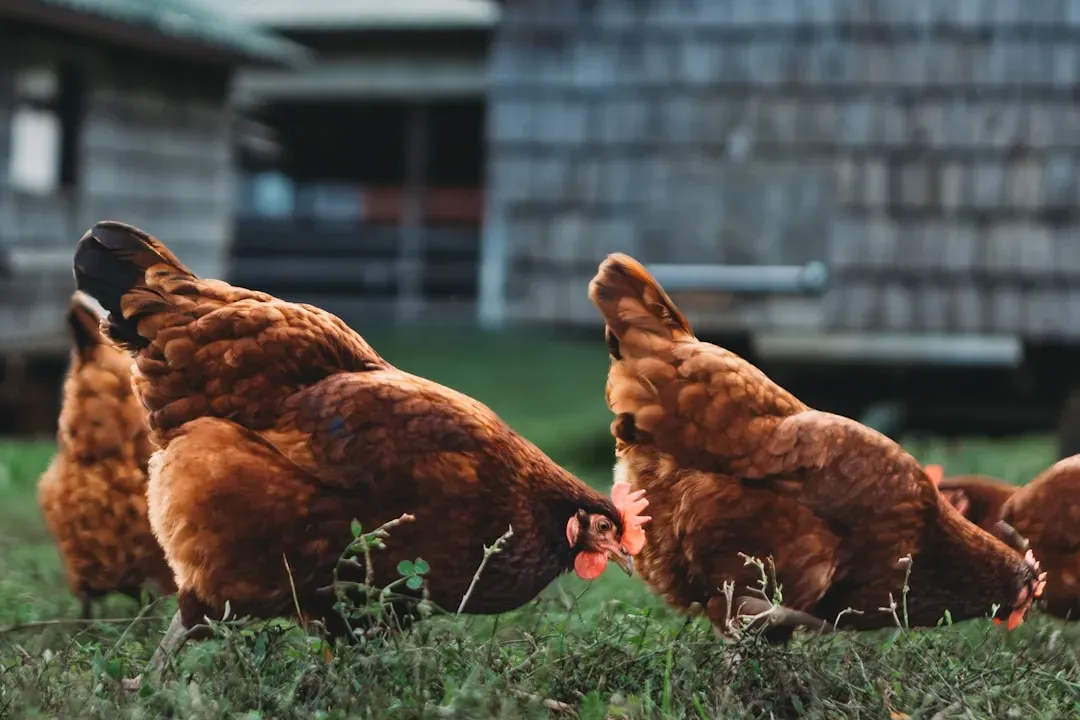
The journey from fearsome predator to farmyard fowl spans millions of years, yet the connection remains undeniable. Through molecular evidence, fossil records, and genetic research, scientists have traced an unbroken line from T. Rex to the chicken. The next time you see a chicken scratching in the dirt, bobbing its head as it walks, remember that you’re watching a living piece of prehistory. Those behaviors, those structures, that DNA all carry the signature of the mighty dinosaurs that once ruled our planet.
What makes this story even more remarkable is that it’s still being written. Every new fossil discovery, every genetic analysis adds another piece to the puzzle. Did you expect your breakfast eggs to come with such an incredible backstory? What other everyday animals might surprise us with their ancient connections?