You’ve probably heard someone say “count your blessings” when times get tough. Maybe you rolled your eyes or dismissed it as simplistic advice. Here’s the thing, though. Scientific research has been quietly proving that this old saying holds more truth than most of us ever imagined. The practice of gratitude isn’t just feel-good fluff or positive thinking run amok. It’s a genuine psychological tool that’s showing measurable effects on everything from your brain chemistry to your physical health.
What makes gratitude fascinating is how deceptively simple it appears on the surface. Yet beneath that simplicity lies a complex interaction between your thoughts, emotions, and biology. When you deliberately focus on what you’re grateful for, you’re not just being polite or optimistic. You’re actually reshaping neural pathways, influencing hormone production, and potentially extending your lifespan. Let’s dive into how this transformation happens and why you might want to start paying attention.
Your Brain Physically Changes When You Practice Gratitude

Gratitude can change neural structures in the brain and trigger the release of beneficial hormones that regulate immune system functioning. Think about that for a moment. You’re not just feeling better temporarily. The structure of your brain is literally being altered.
Being thankful stimulates your limbic system, encouraging the hippocampus and amygdala to produce more dopamine and serotonin. These are the neurotransmitters that make you feel content and happy. The more you practice gratitude, the more efficient these pathways become at generating positive emotions. It’s almost like you’re training your brain to default to happiness rather than dwelling on what’s wrong.
Over time, gratitude essentially rewires the brain, strengthening neural pathways that help you focus on positive experiences instead of negative ones. This isn’t an overnight miracle, mind you. The change is gradual, building momentum with consistent practice. Still, knowing that your daily gratitude practice is physically remodeling your brain makes it feel less like wishful thinking and more like legitimate mental exercise.
Mental Health Benefits That Go Beyond Feeling Good

Participants who underwent gratitude interventions had greater satisfaction with life, better mental health, and fewer symptoms of anxiety and depression. We’re talking about roughly a nearly eight percent reduction in anxiety symptoms and close to seven percent fewer depression symptoms in research participants.
Those who wrote gratitude letters reported significantly better mental health four weeks and twelve weeks after their writing exercise ended. What’s remarkable here is the lasting effect. You’re not just getting a temporary mood boost that fades when you stop the practice. The benefits seem to accumulate and persist.
Gratitude seems to reduce depression symptoms as people with a grateful mindset report higher satisfaction with life, strong social relationships and more self-esteem. The mental health improvements aren’t isolated to one area either. They ripple outward, affecting how you see yourself, how you interact with others, and how satisfied you feel about your entire life situation. When you’re struggling with anxiety or depression, gratitude becomes a tool you can actually use instead of just waiting to feel better.
The Surprising Connection Between Gratitude and Physical Health
You might wonder what thankfulness has to do with your body. Turns out, quite a lot. Keeping a gratitude journal can cause a significant drop in diastolic blood pressure. That’s the force your heart exerts between beats, and lowering it reduces your risk of heart disease.
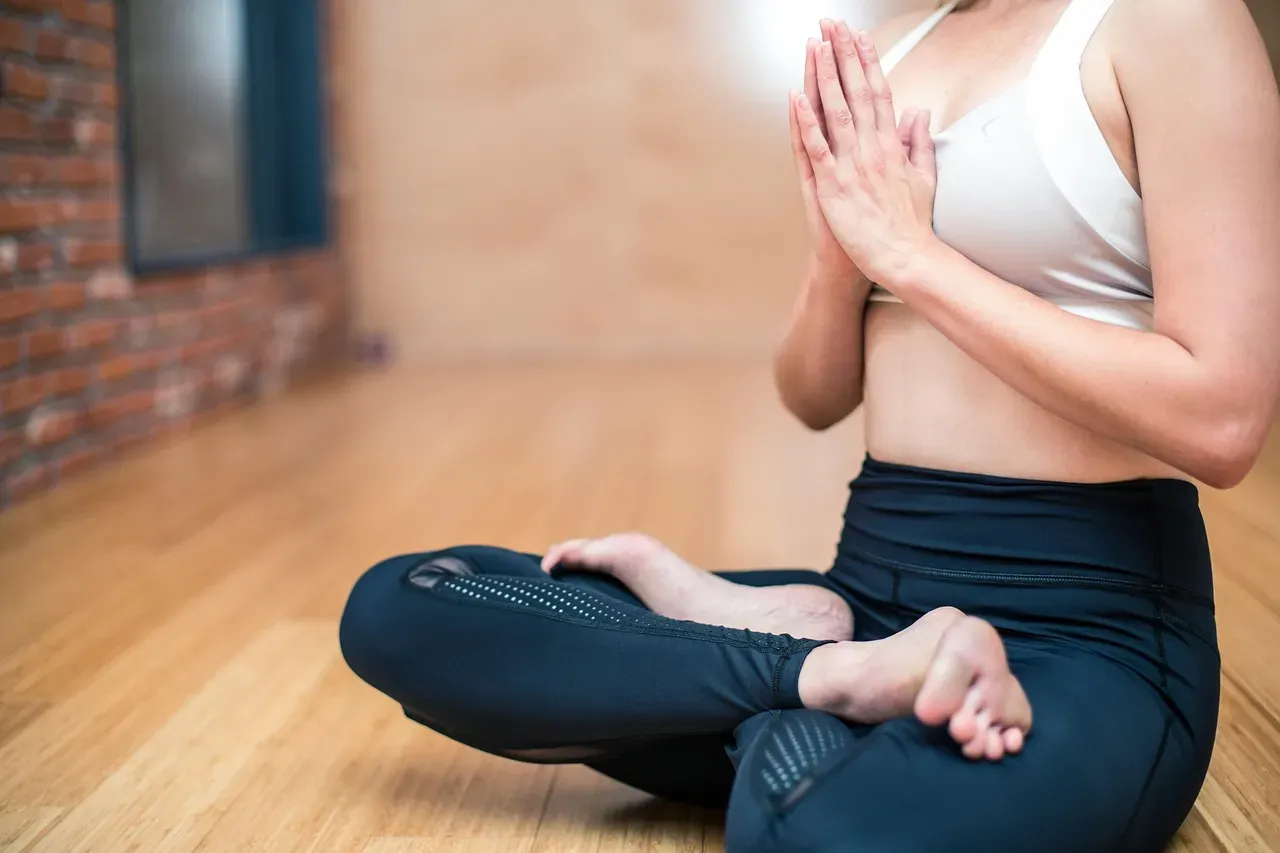
Taking a moment to be thankful causes physiological changes that initiate the parasympathetic nervous system, which helps bring down blood pressure, heart rate and breathing. Your body literally shifts from stress mode into rest-and-digest mode when you engage with gratitude. It’s like hitting a reset button on your nervous system.
People who practice gratitude regularly tend to exercise more, take better care of their health, report fewer aches and pains, have a stronger immune system, and generally feel healthier. The physical benefits seem to stem partly from the practice itself and partly from the behaviors gratitude inspires. When you appreciate your health, you’re more likely to protect it through exercise and self-care.
Gratitude Might Actually Help You Live Longer

Participants with gratitude scores in the highest third at the study’s start had a roughly nine percent lower risk of dying over the following four years than participants who scored in the bottom third. This came from a study of nearly fifty thousand women enrolled in the Nurses’ Health Study, published in 2024.
Let’s be clear. This doesn’t mean gratitude is some magical elixir that guarantees longevity. The study was observational, which means it can’t prove that gratitude helps people live longer, only that an association exists. Still, the correlation is compelling enough to take seriously.
Gratitude seemed to help protect participants from every cause of death studied, including cardiovascular disease. Whether gratitude extends your life by reducing stress, encouraging healthier behaviors, or some combination of factors, the possibility that something as simple as appreciation could add years to your life is pretty astounding when you think about it.
How Gratitude Improves Your Relationships and Social Connections

Gratitude has a positive impact on healthy relationships as feeling grateful encourages helping others and focusing more on others than on ourselves, affecting not only close relationships but relationships within our community. When you express appreciation, you’re strengthening bonds and creating positive feedback loops in your social network.
Expressing gratitude for the people in your life can strengthen relationships as acknowledging how others contribute to your happiness helps you appreciate these relationships more deeply. It also encourages you to express that gratitude directly to them, which in turn makes them feel valued and appreciated.
Research shows that gratitude had a significant inverse relationship to loneliness as gratitude increased, loneliness decreased. In a world where isolation and loneliness are reaching epidemic levels, having a simple practice that counters these feelings is invaluable. Gratitude naturally directs your attention outward toward the people and connections that enrich your life.
The Right Way to Keep a Gratitude Journal

Starting a gratitude journal seems straightforward, but there are strategies that make it more effective. Elaborating in detail about a particular thing for which you’re grateful carries more benefits than a superficial list of many things. Quality trumps quantity here.
Focusing on people to whom you are grateful has more of an impact than focusing on things for which you are grateful. Write about your coworker who covered your shift when you were sick, not just “my job.” The specificity and personal connection amplify the emotional impact.
Writing occasionally, once or twice per week, is more beneficial than daily journaling as people who wrote in their gratitude journals once a week for six weeks reported boosts in happiness afterward while people who wrote three times per week didn’t. You might think more is better, but your brain adapts quickly to positive events if you constantly focus on them. Space it out to maintain freshness and emotional impact.
Simple Gratitude Practices Beyond Journaling

You don’t need to limit yourself to writing in a notebook. You can write a thank-you letter or email expressing your enjoyment and appreciation of that person’s impact on your life, and deliver and read it in person if possible. The act of expressing gratitude to someone face-to-face creates a powerful emotional experience for both of you.
Gratitude meditation can be powerful as you take a few moments each day to breathe deeply and think about things you appreciate, like a loved one’s support or a happy memory, along with writing thank-you notes, creating a daily gratitude list, or pausing to savor positive moments. Mix up your approach to find what resonates with you.
The best way to form a mindset of gratitude is to slip it in throughout the day by writing it down at night or in the morning to reflect on something that went well, dedicating a notebook to gratitude so you can revisit those moments. The key is consistency rather than complexity. Find moments in your existing routine where gratitude naturally fits.
When Gratitude Practice Goes Wrong

Let’s be real here. Gratitude isn’t always helpful if practiced incorrectly. Gratitude doesn’t become fuel for guilt when your mind uses it to minimize your painful experiences, turning an expanding practice into a mental whip. If you find yourself thinking “I shouldn’t be sad because I have so much,” you’ve veered into toxic positivity territory.
Engaging in gratitude practice is unlikely to lead to positive outcomes if it’s forced or comparative, occurring when the practice is driven by an external agent rather than from within, which may induce feelings of guilt or shame. Nobody should tell you that you “should” be grateful for something specific. That’s missing the entire point.
Gratitude doesn’t negate pain as it’s a both and not an either or practice where you can be both hurting and grateful. You can simultaneously acknowledge that you’re going through something difficult while also recognizing the support system or small comforts that help you cope. These aren’t mutually exclusive emotional states.
Building Gratitude Into Your Daily Life

Gratitude is a way to appreciate what you have instead of always reaching for something new, helping people refocus on what they have instead of what they lack, and although it may feel contrived at first, this mental state grows stronger with use and practice. Give yourself permission to feel awkward at first. That’s completely normal.
Journaling is more effective if you first make the conscious decision to become happier and more grateful as motivation to become happier plays a role in the efficacy of journaling. You need to actually want this for yourself, not just go through the motions because someone told you it’s good for you.
While Thanksgiving is a time for reflection, practicing gratitude shouldn’t be just seasonal as being grateful all year can help reduce stress, improve relationships, and prepare you for life’s challenges by starting with small daily acts. The transformation happens through sustained practice, not occasional dabbling. Make it as routine as brushing your teeth.
Conclusion

The science behind gratitude reveals something profound about human psychology. You have more control over your mental and physical than you might have thought. By deliberately directing your attention toward what you appreciate, you’re not engaging in naive optimism or denying life’s difficulties. You’re using a research-backed strategy that physically changes your brain, improves your health, strengthens your relationships, and might even extend your life.
The beauty of gratitude lies in its accessibility. You don’t need expensive equipment, specialized training, or even much time. A few minutes once or twice a week focusing on what matters to you can set powerful changes in motion. Start small, be specific, and remember that authenticity matters far more than perfection.
What aspect of your life could benefit most from a gratitude practice? Maybe it’s time to find out for yourself.