Imagine walking through a world where the ground shakes under the feet of creatures weighing several tons, where the air smells of ancient ferns, and where something with six-inch teeth might be watching you from just beyond the tree line. That was the reality for millions of species across hundreds of millions of years during the Mesozoic Era. Survival wasn’t a given. It was something you were built for, or you weren’t built for at all.
Some dinosaurs responded to that pressure in the most spectacular way imaginable. They grew armor. They sprouted horns, tail clubs, bony collars, and ridge-like plates that made them look less like animals and more like medieval siege weapons wearing skin. The question of why certain dinosaurs evolved these astonishing features has fascinated paleontologists for well over a century, and the answers are far stranger and more layered than you might expect. Let’s dive in.
The Ancient Arms Race That Shaped Dinosaur Evolution
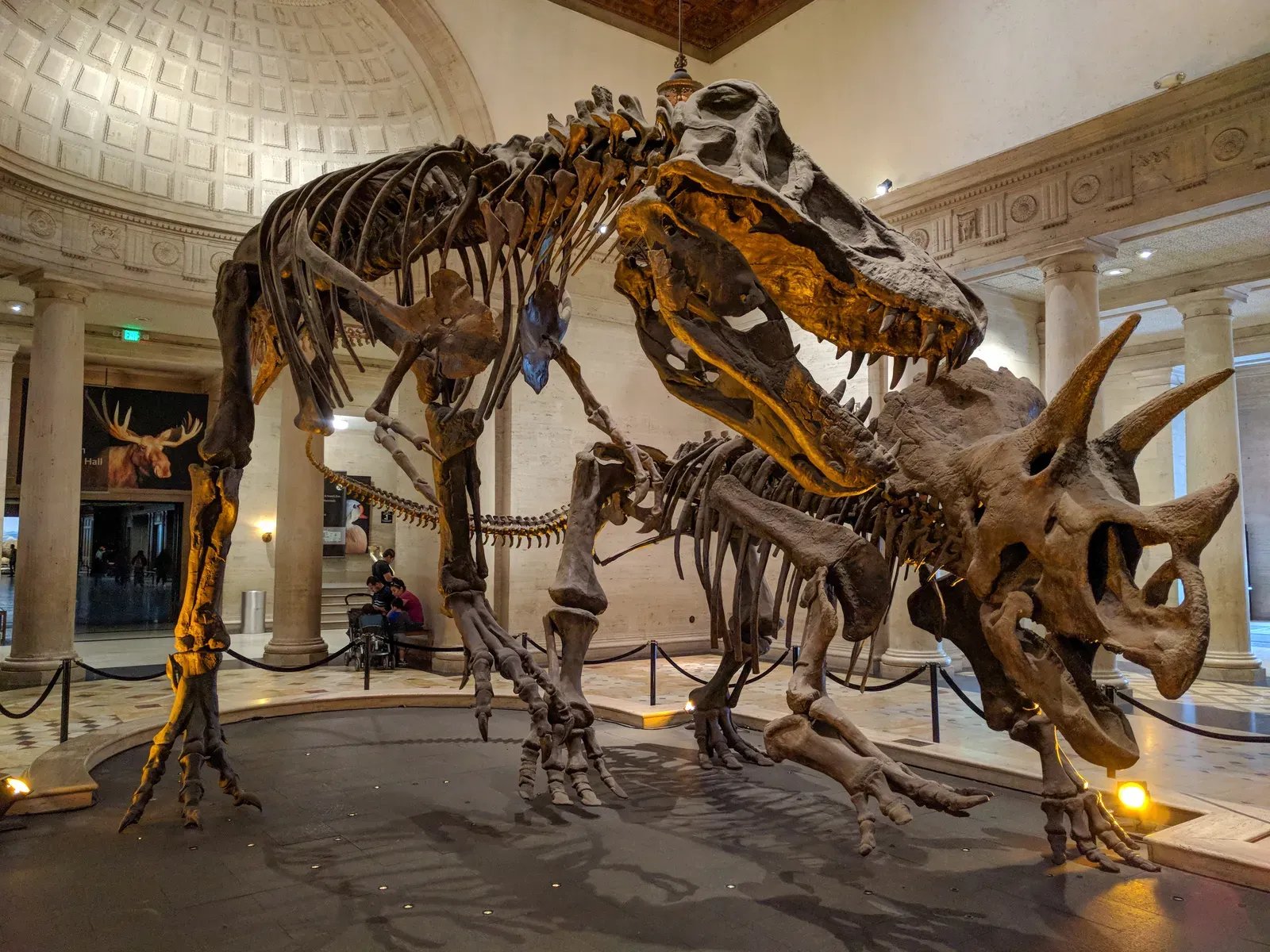
There’s a concept in evolutionary biology that perfectly describes what was happening during the Mesozoic: an arms race. When predators get more powerful, prey species either get faster, get smarter, or get tougher. Seminal paleontologists like Robert Bakker have worked sweeping hypotheses from concepts of long-standing predator-prey interactions between dinosaur species, coining the term “Mesozoic arms race.” It’s a catchy name, honestly, and it captures something deeply real about how life evolves when it’s constantly under threat.
The horned ceratopsians evolved their front-facing horns and great bony frills step by step, and this evolution took place stage by stage with the evolution of the predatory mechanisms of carnivorous dinosaurs. Think of it like a technological competition. The bigger the threat, the more elaborate the countermeasure. Over millions of years, this back-and-forth dialogue between hunter and hunted literally sculpted the bodies of entire dinosaur lineages.
Why Herbivores Needed Armor More Than Anyone Else
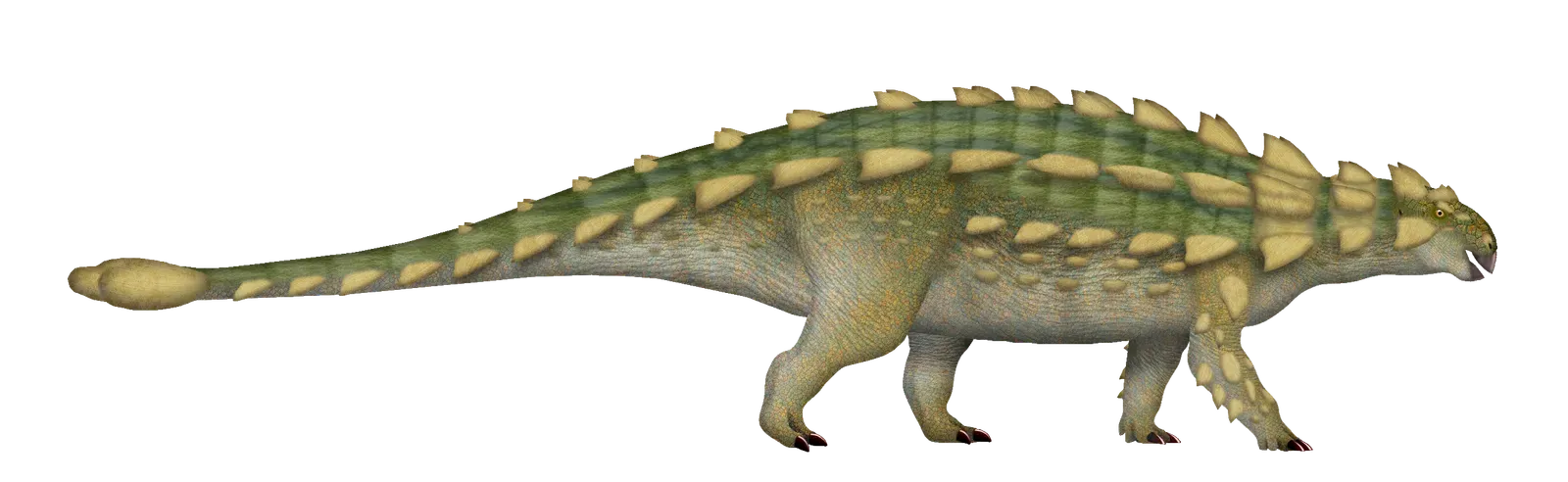
Here’s the thing most people don’t immediately consider: the dinosaurs with the most elaborate defensive gear weren’t the terrifying meat-eaters. They were the plant-eaters. The ones eating ferns and low-lying shrubs. The most obvious reason for defensive features is protection from predators, and spines and spikes occur much more commonly on plant-eating dinosaurs, which would have needed some way to protect themselves from meat-eating carnivores.
It makes complete sense when you think about it. A Tyrannosaurus didn’t need a back covered in spikes because it was already the apex predator. Carnivorous dinosaurs relied on a variety of animals to feed on, and to defend themselves many herbivorous dinosaurs developed spikes and armor as a natural defense. Being a vegetarian in the Mesozoic was, to put it mildly, a dangerous lifestyle choice.
Osteoderms: The Original Body Armor
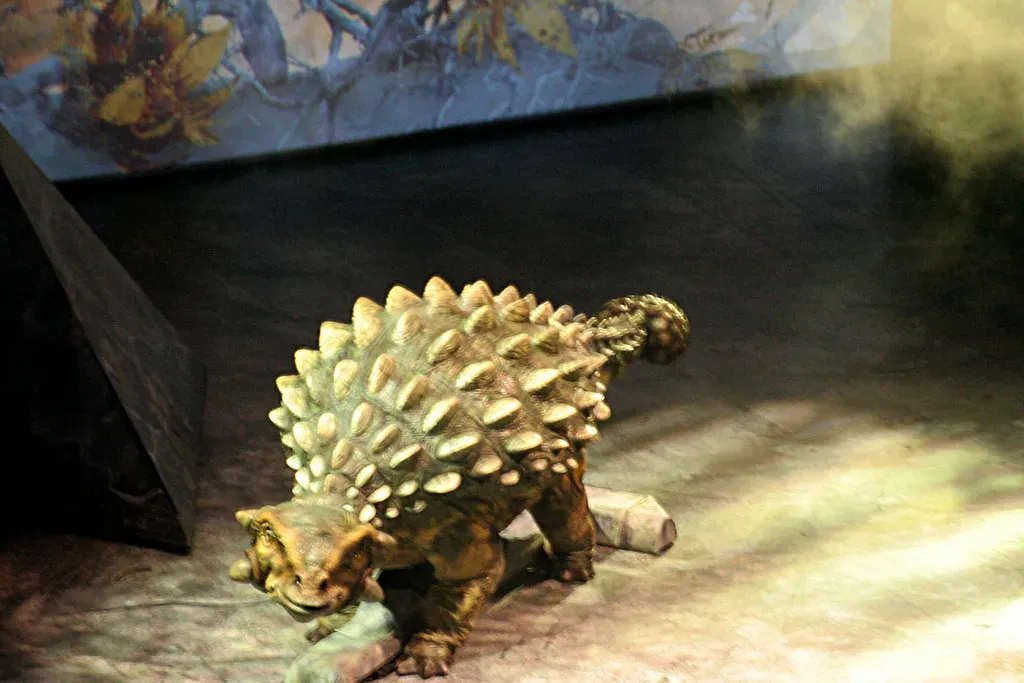
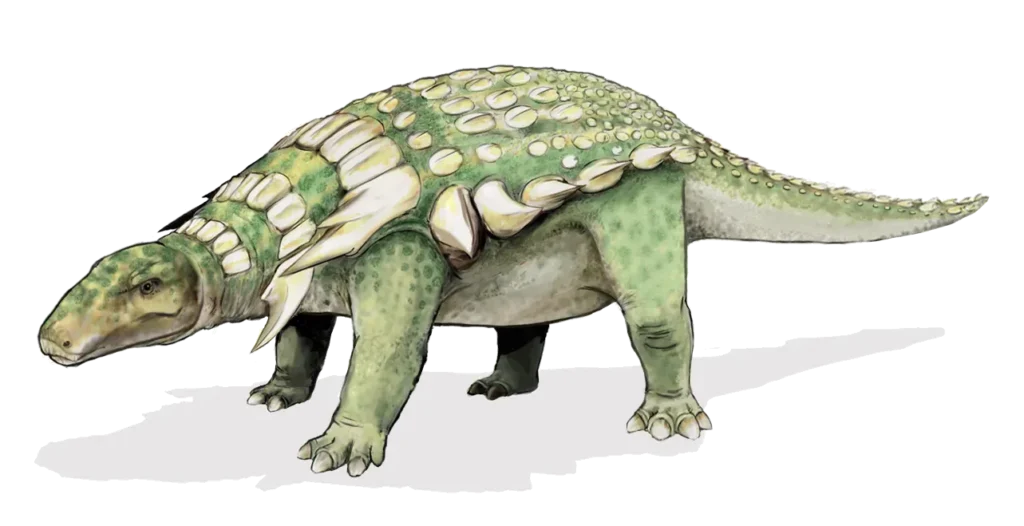
Some dinosaurs had large scale-like structures called osteoderms arranged on their backs like a suit of armor, and crocodiles and alligators of today have similar structures, though those of the dinosaurs were much larger. These weren’t just decorative. They were structural, biological shields fused directly into or against the skin, forming an integrated defensive system that no amount of clawing could easily penetrate.
While some dinosaurs had horns, others developed body armor made up of bony plates and thick skin, which worked as excellent protection – scientists refer to this as osteoderms. If you want a modern comparison, think of an armadillo, scaled up to the size of a city bus and equipped with a tail that could shatter bone. That’s essentially what paleontologists are dealing with when they study the ankylosaur family.
Ankylosaurus: The Living Tank of the Cretaceous
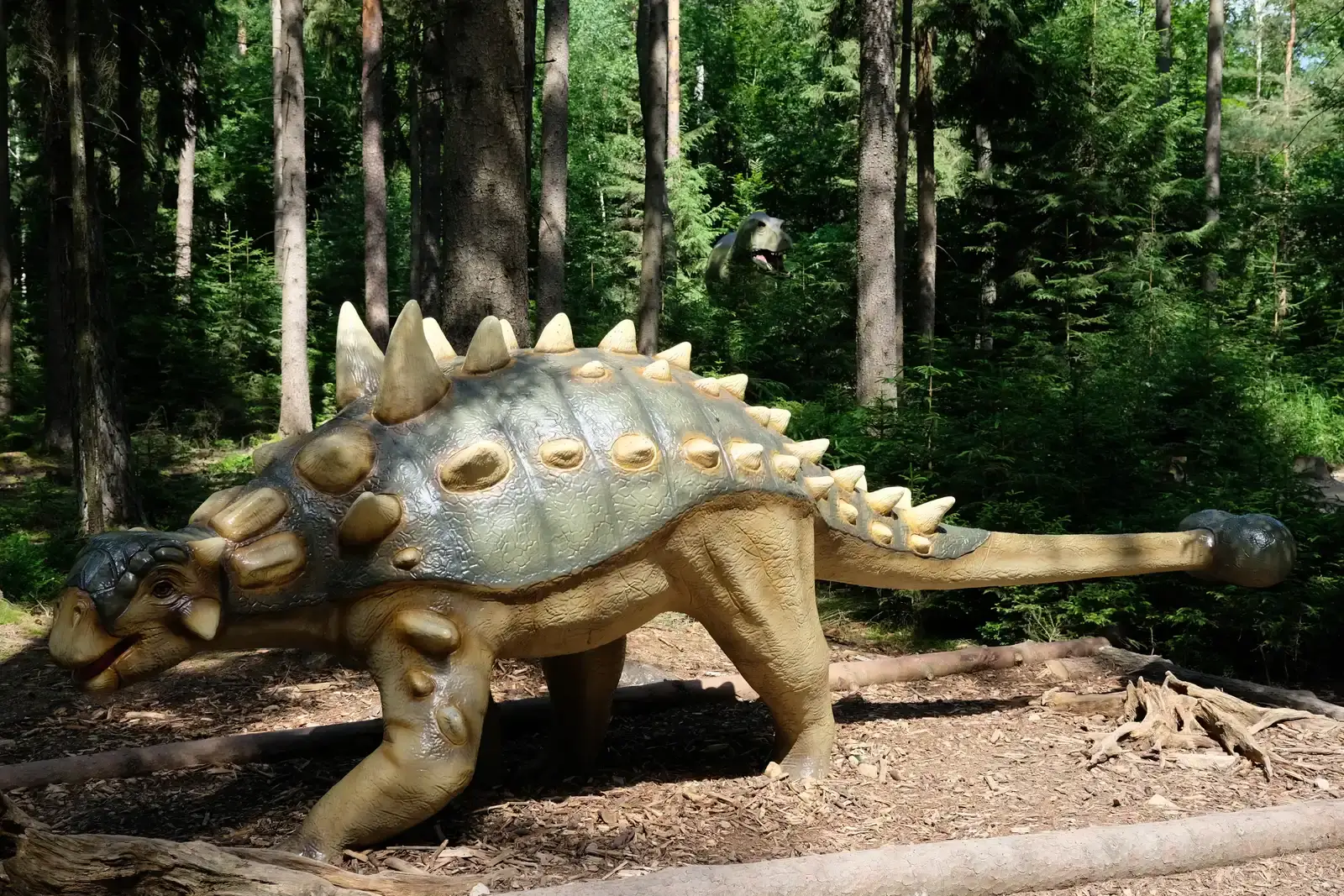
Along with its armored plating, Ankylosaurus had two rows of spikes along its body, and its head was long and low, with prominent horns projecting back and to the side and plates protecting its eyes. You couldn’t attack this animal from almost any angle without immediately regretting it. It was built like a fortress, not an animal.
The armor covering Ankylosaurus’s dorsal side consisted of thick, bony plates that provided significant defense, while studies show that these osteoderms not only provided physical protection but also played a role in intraspecific combat and display, suggesting that Ankylosaurus faced substantial predation pressures and competition within its species. I think that last part is what makes this creature so fascinating: it wasn’t just defending itself against predators. It was navigating a complex social world at the same time.
Stegosaurus Plates: Defense, Display, or Temperature Control?
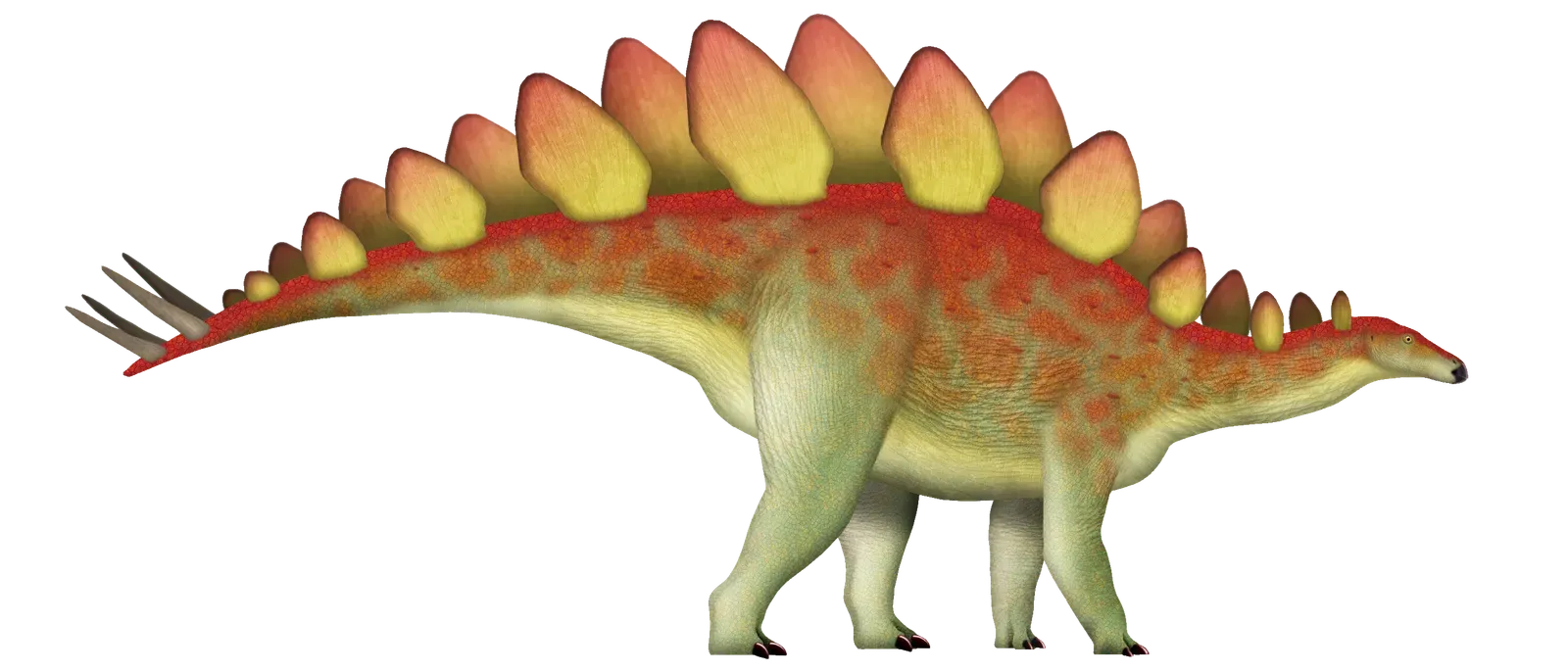
The most notable features of Stegosaurus are its bony plates and tail spikes, and the plates, which could be over two feet tall, likely served several functions, including display for species recognition, attracting mates, and possibly thermoregulation. Scientists have been debating this for decades, and honestly, the debate is still alive and well. The plates were huge, highly vascularized, and visually striking, suggesting they served multiple purposes simultaneously.
The thagomizers – the tail spikes – were used for defense and could deliver powerful blows to predators, as evidenced by damage found on some spikes and corresponding injuries on Allosaurus fossils. That’s not theory. That’s fossil evidence of an actual fight, millions of years frozen in bone. It has also been proposed that with the added height of the plates, the Stegosaurus could have looked larger and scarier as a method to ward off predators. Sometimes the best defense is simply looking like a bigger problem than you actually are.
The Surprising Role of Sexual Selection in Defensive Features
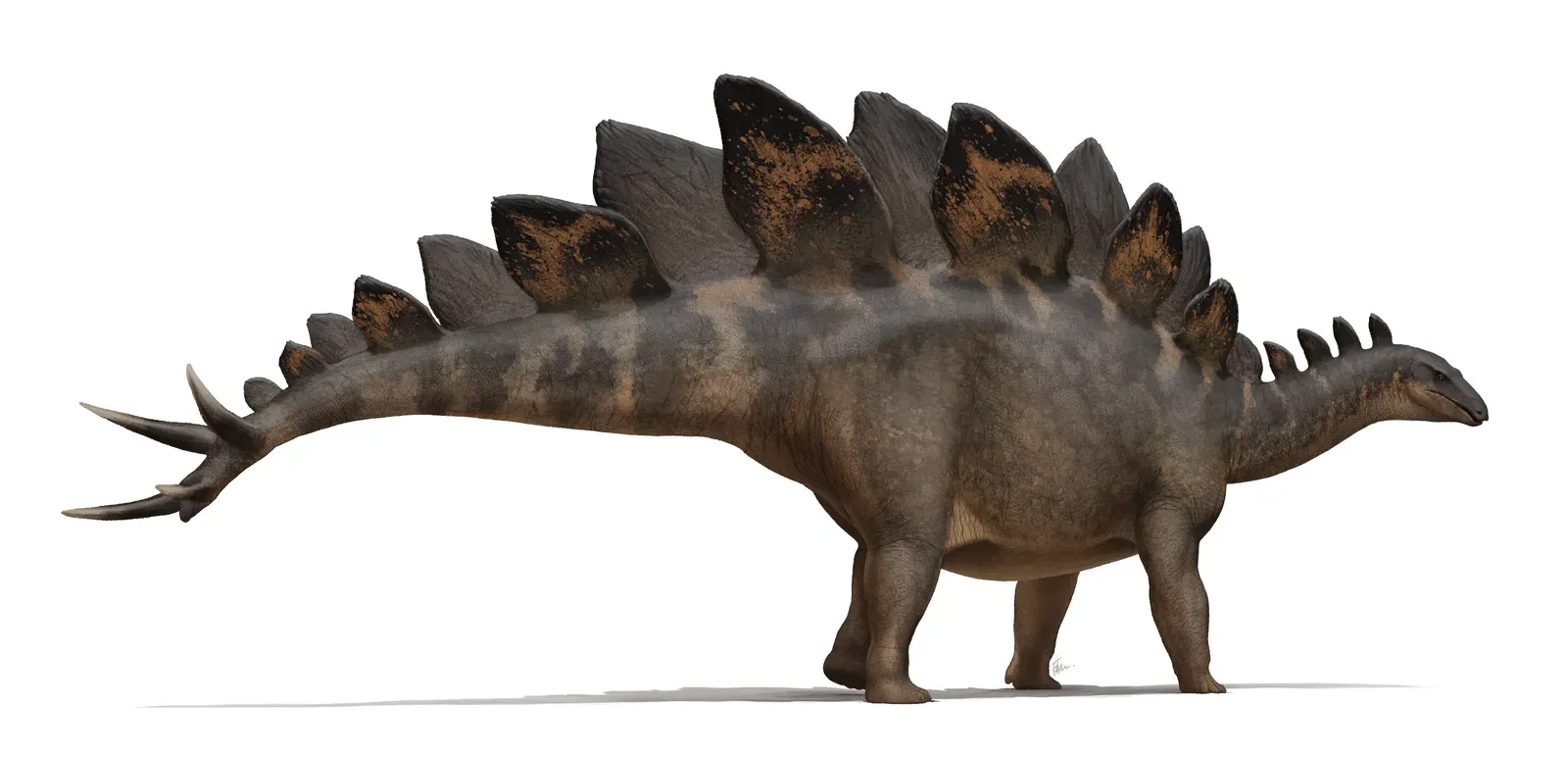
Here’s where things get genuinely counterintuitive. Not all of those terrifying spikes and plates were purely about keeping predators away. In nature, highly exaggerated features of an animal are often caused by sexual selection, including the tail feathers of a male peacock or the antlers of a stag, and researchers suspect this may also have been the case with elaborate dinosaur armor. The idea that a dinosaur grew meter-long neck spikes to impress a mate is both wild and completely logical.
Research does not find strong evidence for the hypothesis that tail clubs evolved specifically as defensive structures, asserting instead that sexual selection, rather than predation, appears to have been the primary mechanism that drove the evolution of these iconic structures – suggesting that ankylosaurs were behaviourally complex animals with sophisticated visual displays and weaponry that likely engaged in ritualized combat for social dominance. That completely changes the image of a plodding, brain-dead tank of a dinosaur, doesn’t it?
Triceratops and the Power of Horns and Frills
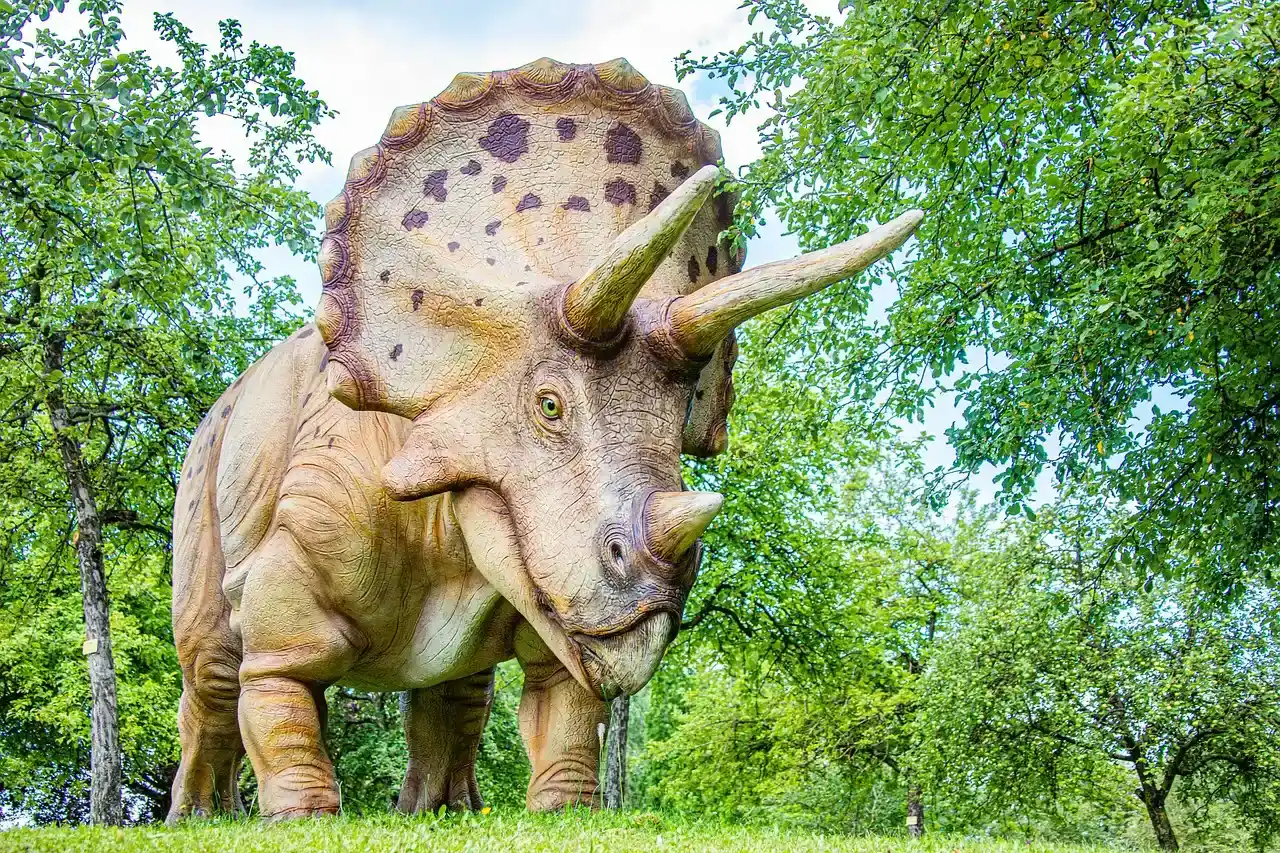
While not armored in the same sense as Ankylosaurus or Stegosaurus, the Triceratops had a large bony frill protecting its neck and three long horns on its face, which could have been used both for defense and for intra-species combat. Those horns weren’t merely decorative ornaments. At roughly three feet in length, they were serious weapons capable of inflicting devastating damage on anything that got too close.
From fibrous, blood vessel-filled bone edges in the plates of Stegosaurus to grooves along the horns of Triceratops, evidence for robust keratin sheaths is commonplace; it’s been hiding in plain sight all along. This means the horns and plates of these creatures were even more formidable in life than the bare fossil bones suggest. Add a thick keratin sheath to an already three-foot horn and you have something genuinely terrifying. More recently, scientists have come to another conclusion: some of these features were likely used by dinosaurs in competition for mates or to recognize members of their own species.
Armor as a “Boomerang Trait” in Dinosaur Lineages
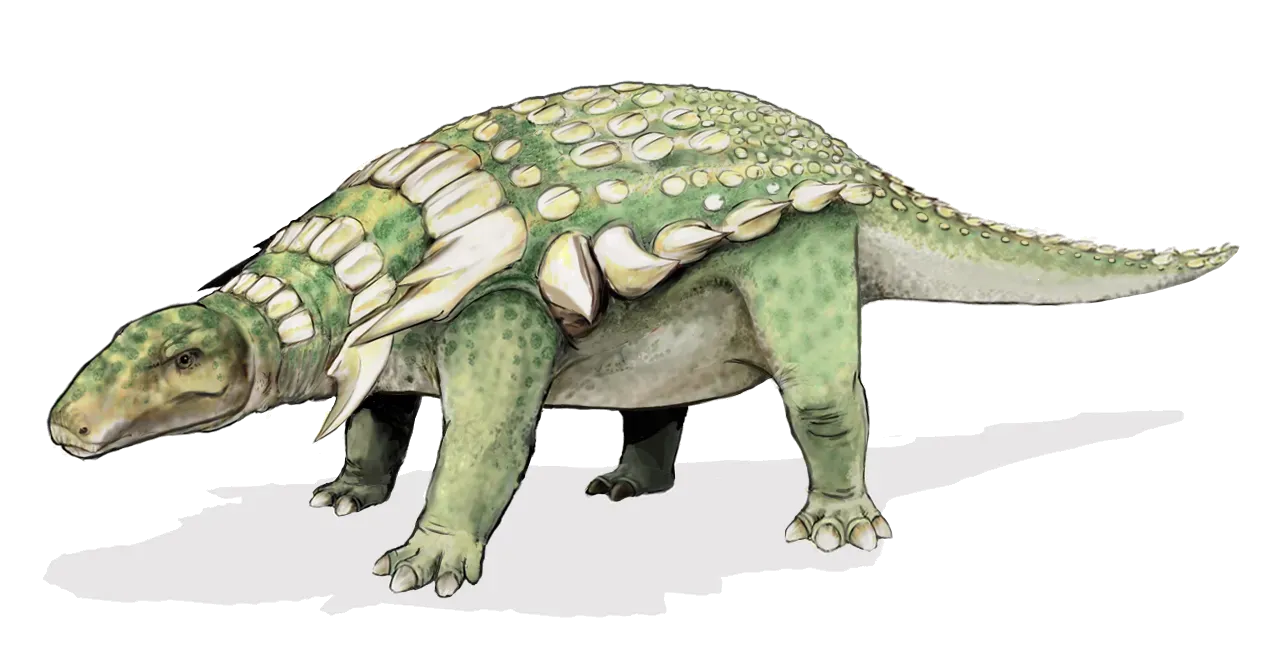
One of the most surprising discoveries in recent paleontology is how armor came and went across different dinosaur lineages, not as a straight line of development, but as something far more erratic. A newly discovered archosaur with bony plates along its backbone indicates that armor was an evolutionary trait that came and went several times in the lineage of dinosaurs and pterosaurs. Think of it less like a steady upgrade and more like a feature that evolution kept returning to whenever conditions demanded it.
Fossil evidence conclusively shows that the bird-line archosaur group ancestrally had armor, and as the lineage evolved towards dinosaurs and pterosaurs, this armor was lost – however, it resurfaced several times independently in the dinosaur lineage. That’s a remarkable story of evolutionary convergence. Different species, under similar survival pressures, arrived at similar solutions independently. Nature, it turns out, has a favorite answer when it comes to defending a slow herbivore.
What New Fossils Are Still Teaching Us Today
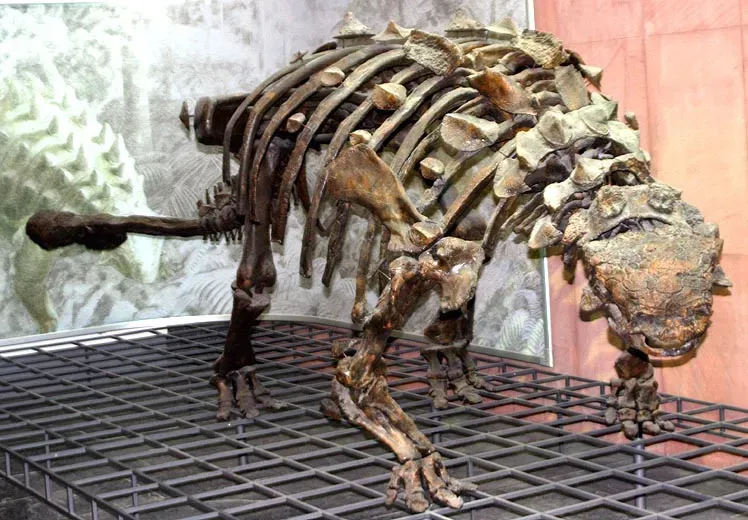
Newly discovered fossils of Spicomellus afer have revealed that its entire skeleton was covered in extraordinary bone spikes measuring up to a metre long, and this incredible dinosaur from Morocco reveals that the extensive defenses of the ankylosaurs evolved much earlier than first thought. At 165 million years old, this is the oldest known ankylosaur, and it was already armored to an almost absurd degree. That pushes back the timeline for complex defensive adaptations by a significant margin.
One potential explanation is that as predators evolved larger into the Cretaceous, ankylosaur armor evolved along with them to become simpler and more utilitarian. In other words, the earliest armored dinosaurs may have been the most extravagant, and later species streamlined their defenses as predator hunting styles became more predictable. Techniques such as CT scans and 3D printing now facilitate detailed analysis, helping researchers recreate the physical features of armored dinosaurs and providing insights into their function and lifestyle. Every new technology paleontologists deploy reveals another layer of complexity in these ancient bodies.
Conclusion: Nature’s Most Spectacular Survival Experiment
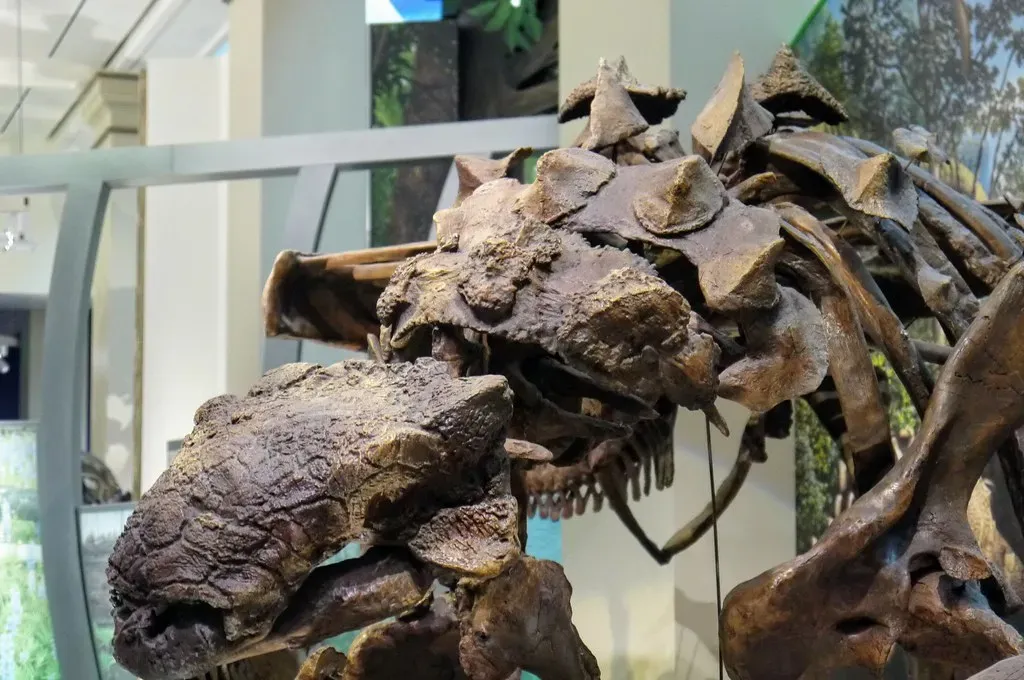
When you step back and look at the full picture of dinosaur defensive adaptations, you’re not just looking at biological engineering. You’re looking at the result of hundreds of millions of years of life-or-death pressure, played out across dozens of species, continents, and ecological moments. The armor, the horns, the clubs, the spikes – they weren’t random. They were answers to brutal, unforgiving questions posed by the world those animals lived in.
What’s most striking, honestly, is how multi-layered the story turned out to be. These features weren’t just about dodging a predator’s bite. They were about attracting mates, intimidating rivals, regulating body temperature, and signaling identity to members of the same species. Defense, it turns out, was never just about defense. It was about survival in every sense of the word.
The next time you look at a fossil of an Ankylosaurus or Triceratops behind museum glass, consider what you’re really seeing. You’re looking at the winner of an ancient, million-year competition. Every spike, plate, and horn on that body was paid for in blood by ancestors who didn’t have them. What do you think it says about the world that so many creatures independently arrived at the same dramatic solution? Tell us in the comments.