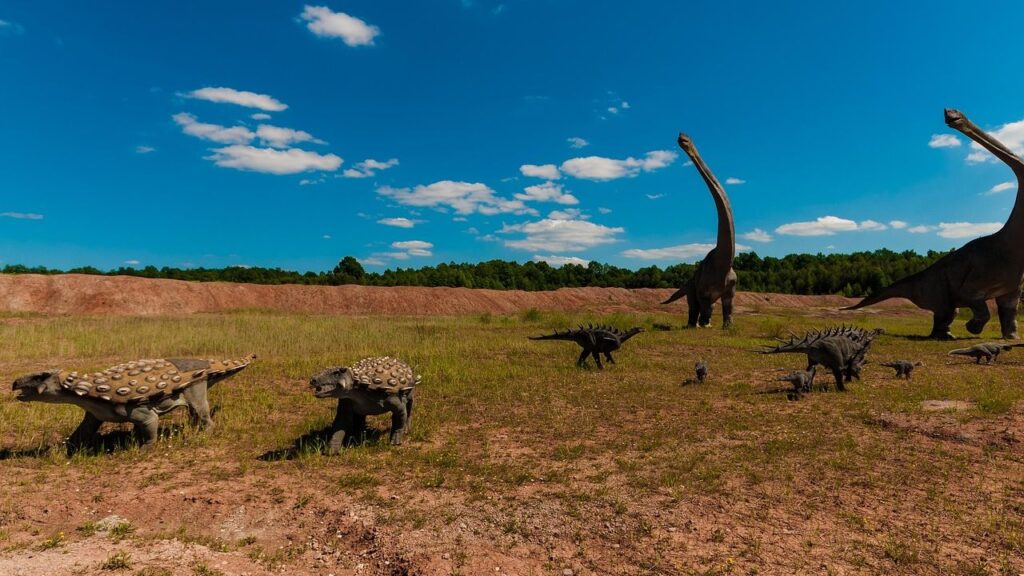
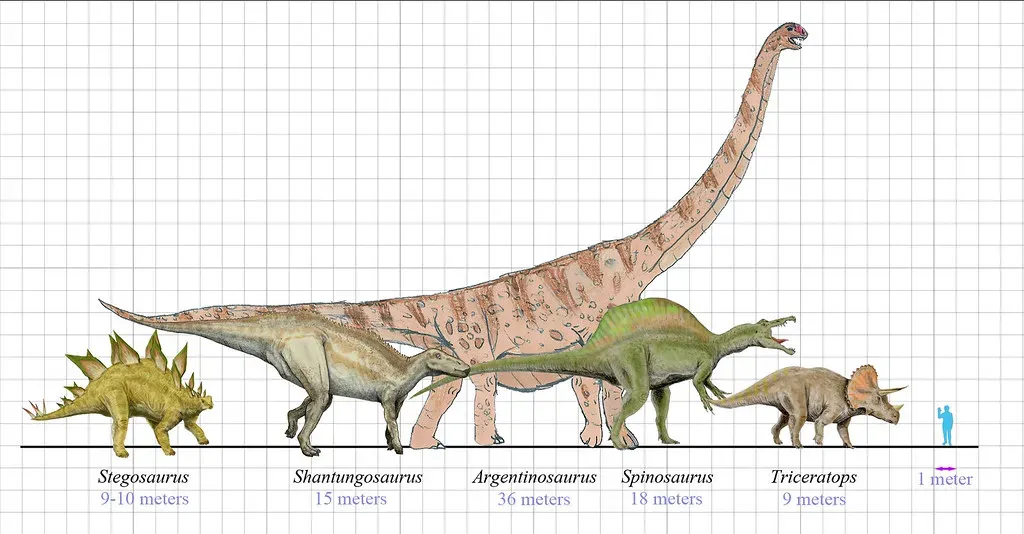
Imagine standing beside a creature that towers over you like a five-story building, so massive that the ground trembles with every step. Then picture a dinosaur no bigger than a chicken darting through the undergrowth nearby. This was the reality of the Mesozoic Era, where the dinosaur world displayed an astonishing range of body sizes that seems almost impossible to believe. From the colossal sauropods weighing as much as ten elephants to tiny theropods you could hold in your hands, these ancient reptiles occupied size categories that have never been matched by land animals before or since.
The question isn’t just about why some dinosaurs grew large. It’s about understanding what biological quirks, environmental conditions, and evolutionary pressures allowed such dramatic differences to exist within a single group of animals. Here’s the thing: size isn’t just a number. It determines what you eat, where you live, how fast you grow, and whether you survive long enough to reproduce. Let’s dive in.
The Evolutionary Advantage of Being a Giant
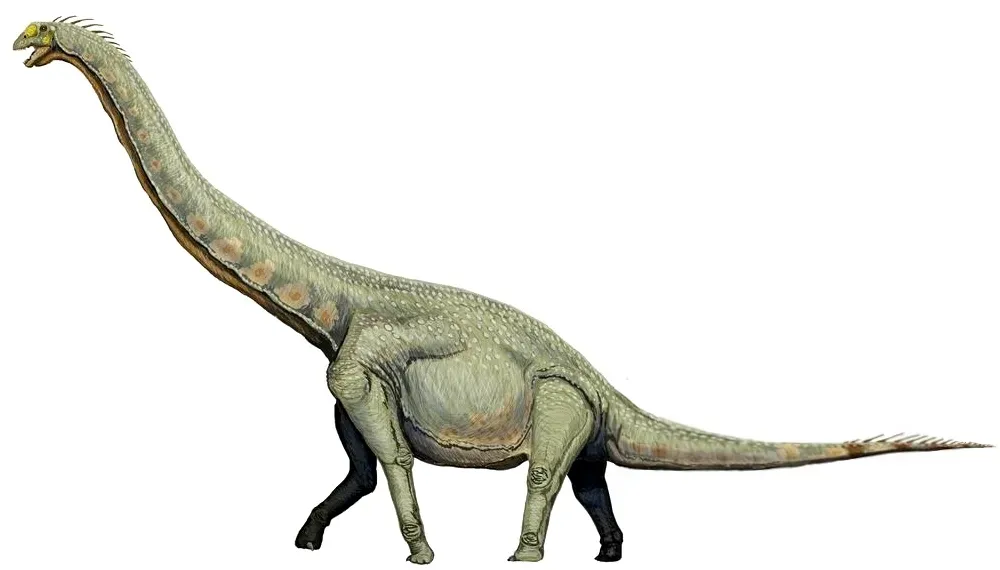
You might wonder what drove certain dinosaurs to evolve such gigantic proportions, and the answer lies partly in protection from predators. Think about it this way: if you’re large enough, very few creatures can threaten you. Adult sauropods could access food sources and avoid predators that other plant-eating dinosaurs couldn’t, and their enormous size meant they were better equipped for long-distance travel to find new areas when environmental conditions changed.
Their exceptionally long necks allowed them to reach vegetation that was completely inaccessible to other herbivores, much like modern giraffes do with high tree branches. Being tall and massive wasn’t just about defense. It opened up an entirely new world of food that smaller competitors simply couldn’t touch. Over millions of years, this competitive edge meant that larger individuals within a species were more likely to survive and pass on their genes, pushing body sizes upward generation after generation.
The Anatomical Secrets Behind Sauropod Gigantism
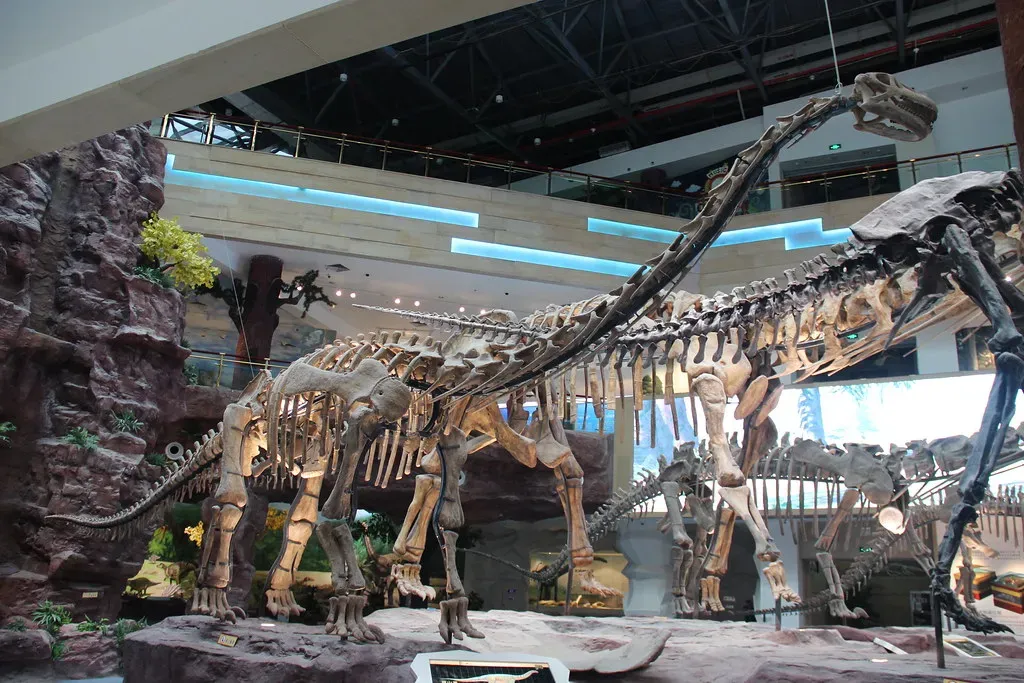
Sauropods possessed hollow bones, didn’t chew their food, had incredibly long necks, and likely had huge stomachs – traits theorized to be key in how they attained their enormous size. Honestly, when you break down their anatomy, it’s like nature designed them specifically to become giants. The only way they could manage such small heads was because they didn’t need to chew their food, which is fascinating when you think about it.
Chewing requires large jaw muscles, heavy bones, and substantial heads. Without the need for mastication, sauropods could ingest food rapidly, and both chewing and a gastric mill would have actually limited their food intake rate. The extensive pneumatization of their skeletons resulted from an avian-style respiratory system, which also lowered the cost of breathing, reduced specific gravity, and may have been crucial in removing excess body heat. Every piece of their biology seemed to work together in perfect harmony to support unprecedented size.
Growth Rates: The Fast Track to Massive Size
Growth patterns reveal something surprising about how dinosaurs achieved their sizes. Some of the largest dinosaurs took as little as ten years to reach truly immense sizes, while others required decades, showing vastly different growth rates and durations even among giants. This challenges what scientists previously believed.
Earlier thinking suggested that evolving a larger body size primarily happened through developmental acceleration – faster growth spurts – but research shows it’s equally likely that dinosaurs slowed their growth but simply grew for longer periods. Tyrannosaurus rex took roughly fifteen to eighteen years to reach full adult size, and dinosaurs grew much faster than other living or extinct reptiles. Compare that to giant crocodiles that needed half a century to reach similar lengths, and you realize dinosaurs were doing something metabolically unique.
Egg-Laying: A Key to Both Extremes
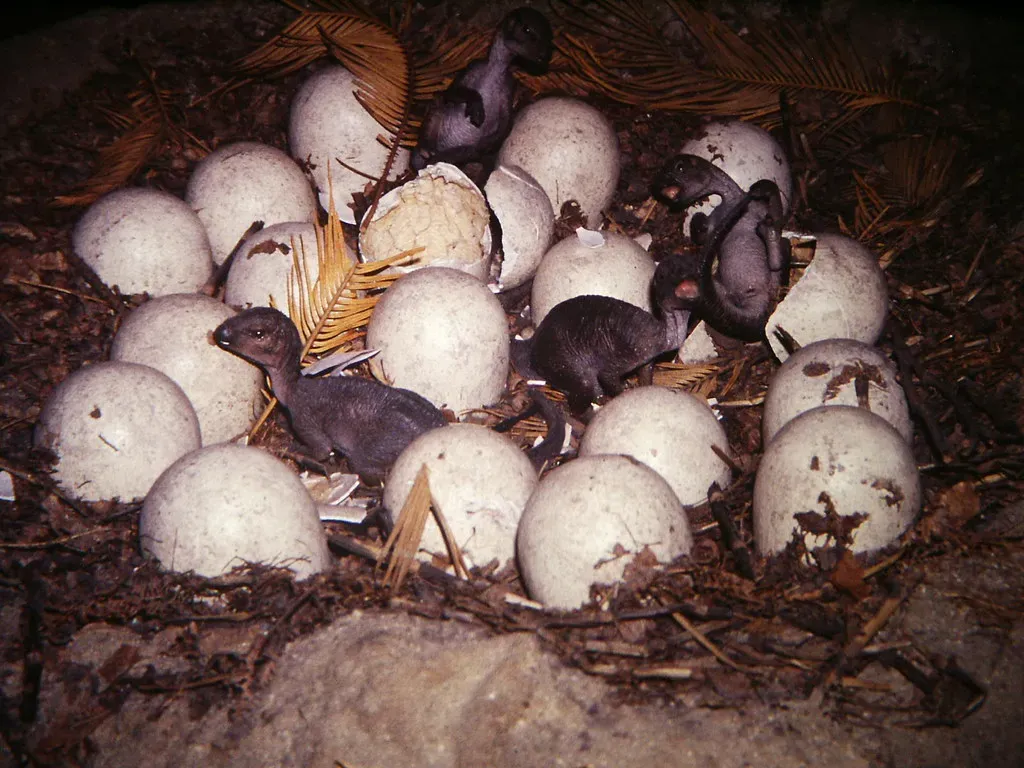
Here’s something most people don’t consider: being egg-layers fundamentally shaped dinosaur size evolution. The retention of egg-laying reproduction appears to have been critical, allowing much faster population recovery than in large plant-eating mammals, with sauropods producing numerous but small offspring each season while land mammals show a negative correlation of reproductive output to body size.
Even gigantic dinosaurs were constrained to hatching at less than fifteen kilograms, meaning giant adults started as tiny hatchlings and grew through multiple body forms, consuming different resources at each stage. This created a fascinating ecological situation. Small dinosaurs remained small partly because larger species’ juveniles were already occupying those size niches. The reproductive strategy that enabled giants to exist also created natural size limits for others within the same ecosystems.
Metabolic Mysteries and Temperature Regulation
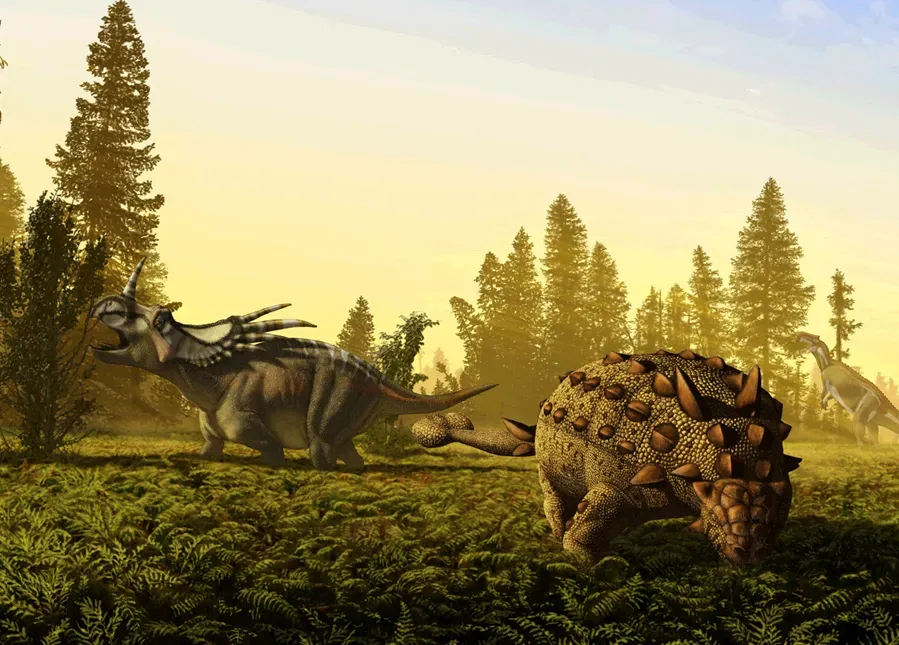
The debate over dinosaur metabolism has raged for decades, yet it’s central to understanding their size diversity. Research placed dinosaurs squarely among mesotherms – animals with metabolisms between cold-blooded reptiles and warm-blooded mammals – which may have allowed dinosaurs to grow large and active with lower energy costs. Let’s be real: a fully warm-blooded Tyrannosaurus would have needed ridiculous amounts of food.
Models show that dinosaur body temperature increased with body size, from roughly seventy-seven degrees Fahrenheit at twenty-six pounds to over one hundred degrees at fourteen tons, suggesting smaller dinosaurs had body temperatures close to environmental temperature while larger ones achieved higher, more constant temperatures through thermal inertia. Size itself became a thermoregulatory tool. Bigger bodies retained heat longer, meaning giants didn’t need the metabolic machinery of true warm-bloodedness to maintain stable temperatures.
Ecological Niches and Competition Dynamics
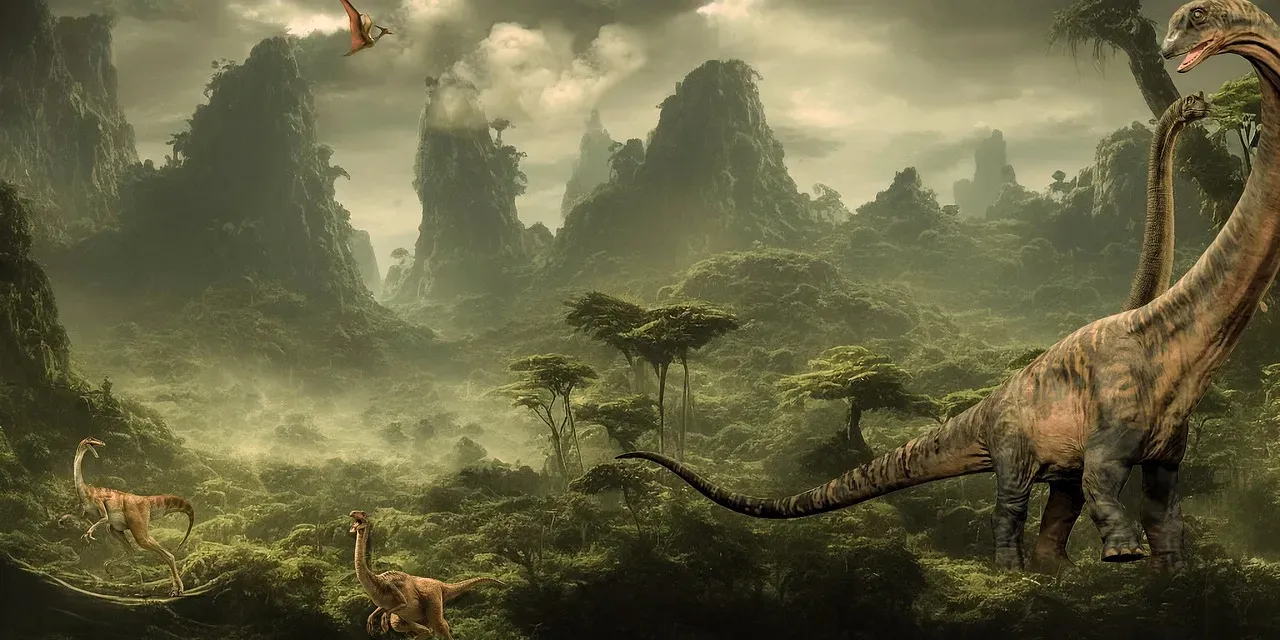
Body size wasn’t randomly distributed among dinosaur species. Models predict low diversity at intermediate size classes between approximately one and one thousand kilograms, consistent with observed diversity distributions of dinosaurs and Mesozoic land vertebrates in general. This pattern is striking when you compare it to modern mammal communities, which show much more even size distributions.
Communities with megatheropods lacked carnivores weighing one hundred to one thousand kilograms, and although herbivores spanned the body size range, juvenile megatheropods likely filled the mesocarnivore niche, resulting in reduced overall taxonomic diversity. Growing juveniles of giant species essentially acted as different species, occupying multiple ecological roles as they matured. This phenomenon, unique to egg-laying giants, prevented medium-sized species from thriving in the same habitats.
Environmental Conditions Supporting Gigantism
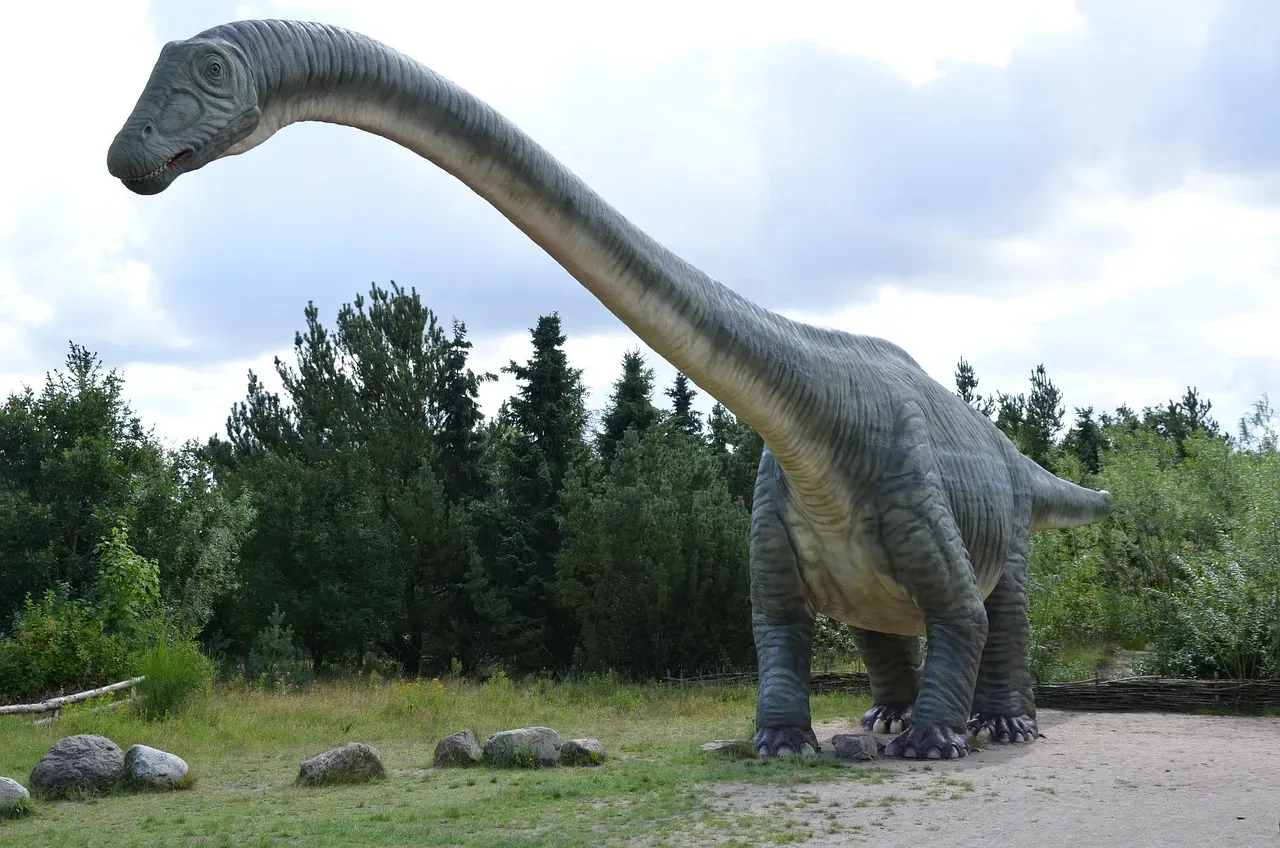
Around the time when oxygen levels in the atmosphere peaked, the first dinosaurs appeared in North American tropics and massive sauropods soon followed. Environmental factors clearly played supporting roles, though perhaps not as decisively as once thought. Paleontologists believe the dinosaurs’ world was much different from today, and climate and food supplies must have been favorable for reaching great size.
Abundant plant life resulted from these conditions, and herbivorous dinosaurs may have evolved large bodies partly because sufficient food existed to support them, though being large also helps protect against predators. It’s hard to say for sure how much the environment pushed versus permitted gigantism. What seems clear is that dinosaurs possessed the biological toolkit to exploit favorable conditions in ways no other land animals have managed.
Why Some Species Stayed Small
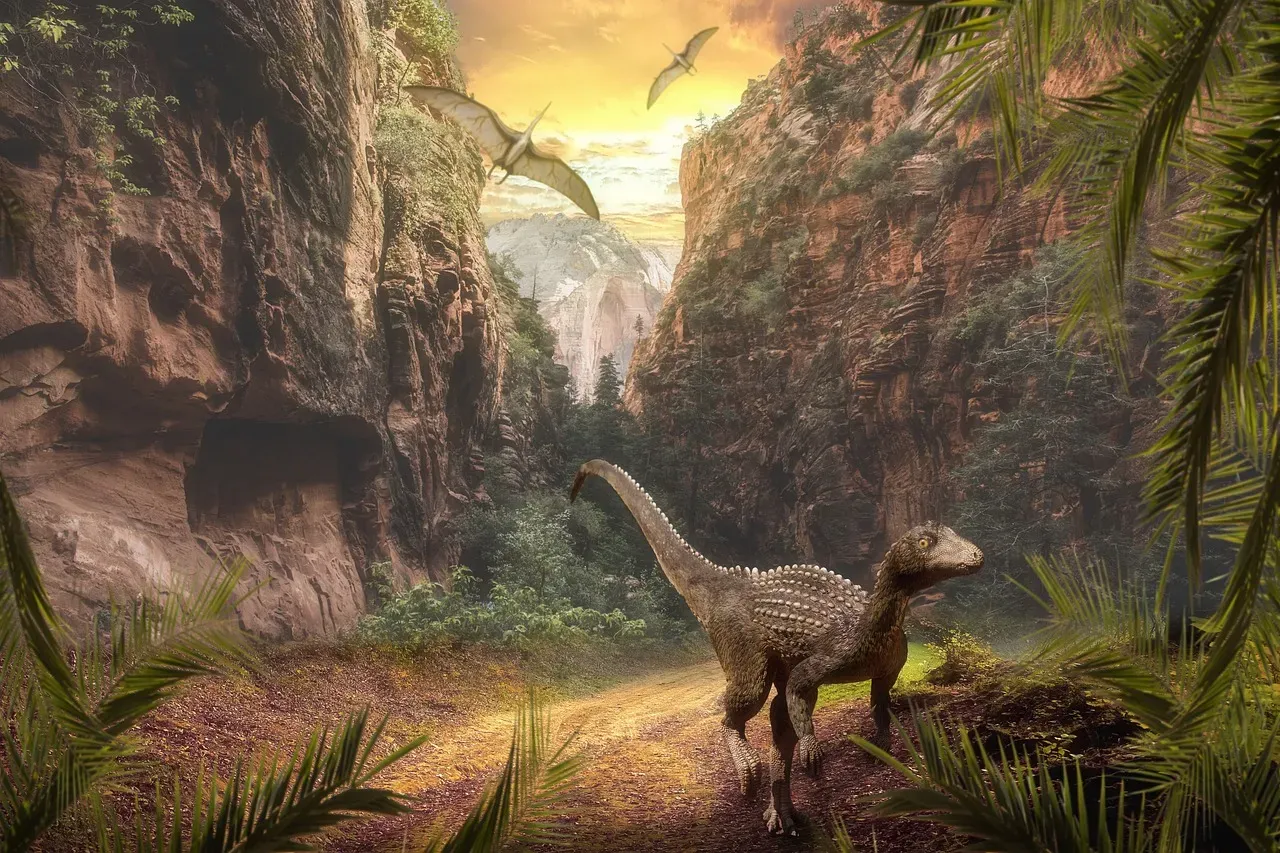
Not every dinosaur lineage pursued gigantism, and there were good reasons for staying small. Small taxa weighing less than one kilogram may have been successful because their shorter life stages entailed fewer niche overlaps among species, and small animals can more easily escape competition. Being tiny had its own set of advantages that larger animals couldn’t match.
Small body size might have been key to maintaining evolutionary potential in birds, which broke the lower body size limit of about one kilogram seen in other dinosaurs, with high evolutionary rates maintained only on the line leading to birds as they continued producing new ecological diversity. The ancestors of modern birds actually succeeded by going small when most other dinosaur lineages went large. Agility, lower food requirements, and the ability to exploit resources unavailable to giants made small size not just viable but advantageous. Sometimes evolution rewards staying compact rather than supersizing.
Conclusion
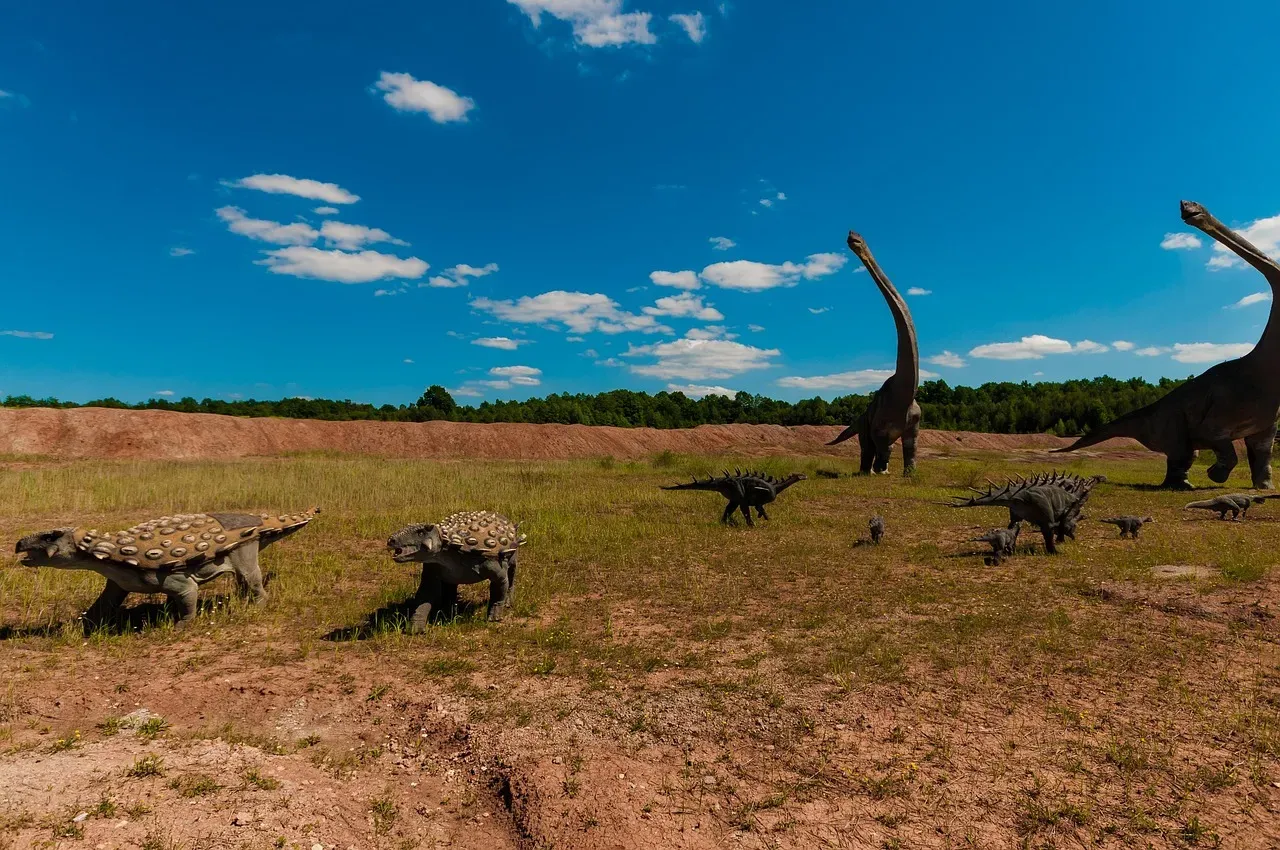
The size diversity among dinosaurs resulted from a perfect storm of biological innovations, reproductive strategies, ecological pressures, and environmental opportunities. From avian-style lungs and hollow bones to egg-laying reproduction and intermediate metabolisms, everything about sauropod biology seemed designed to permit unprecedented growth. Meanwhile, smaller species thrived by avoiding direct competition with giants and their rapidly growing juveniles, carving out ecological niches that size alone couldn’t dominate.
What makes this story truly remarkable is how interconnected all these factors were. No single trait explains why some dinosaurs became the largest land animals ever while others remained chicken-sized. Instead, we’re looking at evolutionary cascades where each adaptation enabled the next, pushing biological boundaries in ways we’re still trying to fully understand in 2026.
Did you expect so many different factors to play a role? The dinosaur size puzzle reminds us that evolution rarely has simple answers – it’s always more complex and fascinating than we initially imagine.