Have you ever wondered what it was like to stand next to a dinosaur that weighed as much as ten elephants? Or imagine insects the size of small birds buzzing through ancient forests. The prehistoric world was home to giants that make today’s largest animals look modest by comparison. From towering sauropod dinosaurs stretching longer than three buses to dragonflies with wingspans wider than a laptop screen, these creatures dominated their environments in ways we can barely comprehend today.
Something extraordinary happened throughout Earth’s history that allowed certain animals to push the limits of biology. Yet here’s the thing: not all prehistoric animals were massive. Some remained small throughout their existence. What made the difference? Why did some lineages evolve to become titans while others stayed compact? The answers reveal a fascinating interplay of biology, environment, and evolutionary innovation that tells us profound truths about how life adapts and thrives.
Atmospheric Oxygen Levels Created a Window for Giants
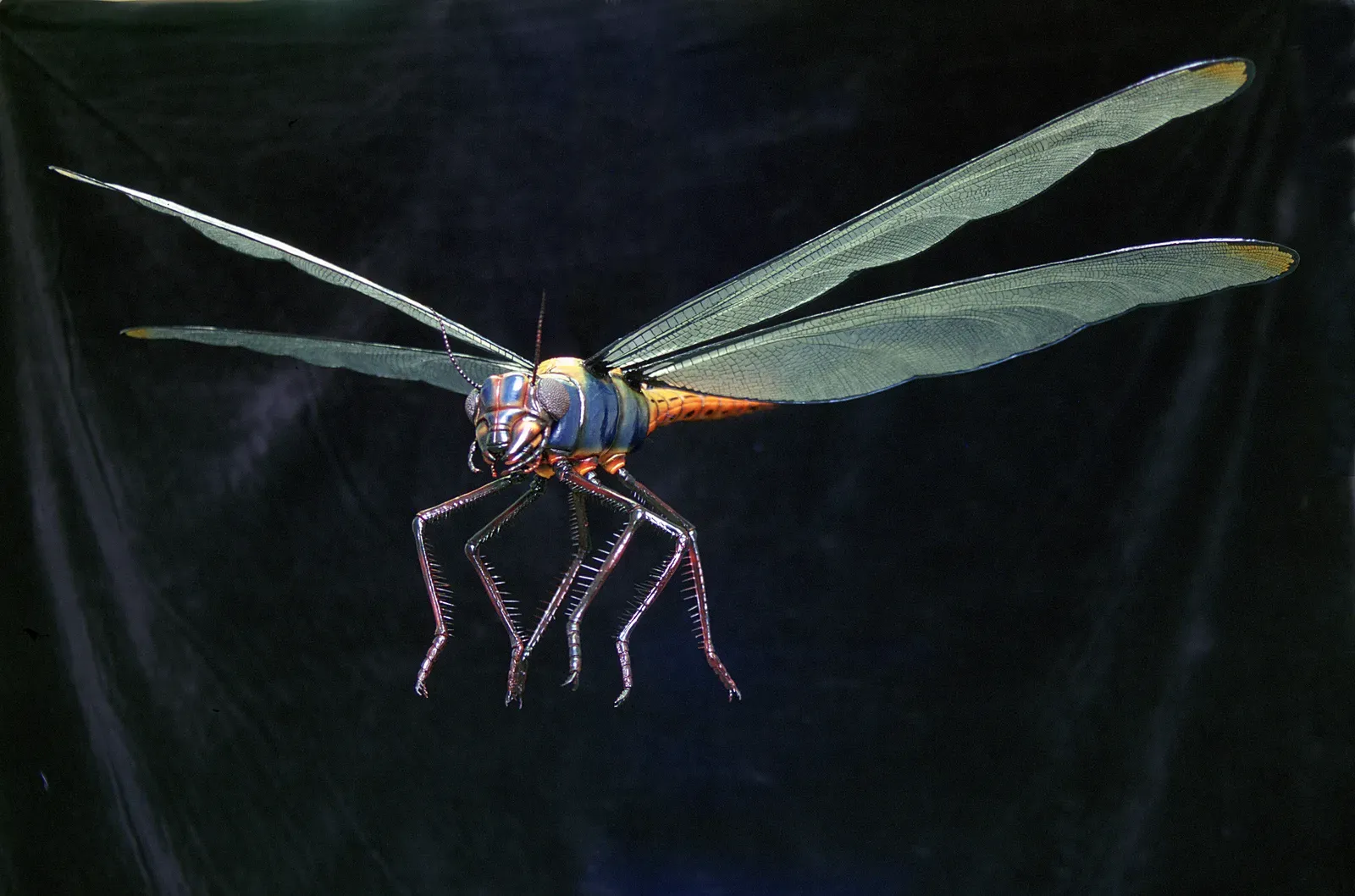
Roughly 300 million years ago, Earth’s atmosphere contained about 31 percent oxygen compared to today’s 21 percent. This dramatic difference had profound effects on animal life, particularly insects. Think about how insects breathe: they don’t have lungs like we do. Instead, they rely on tiny tubes called tracheae that deliver oxygen directly to their tissues through passive diffusion. This system works brilliantly for small creatures but becomes inefficient at larger sizes.
During the rise of vast lowland swamp forests, atmospheric oxygen soared to around 30 percent. This oxygen-rich world supported three-metre long poisonous millipedes and dragonflies that grew to the size of seagulls. The extra oxygen essentially removed the constraints on insect size. However, it wasn’t just about breathing easier. Research suggests something counterintuitive: insect larvae absorbing oxygen from water couldn’t regulate intake well, and growing larger actually helped decrease the risk of oxygen toxicity since large larvae would absorb lower percentages relative to their body sizes.
Honestly, it’s hard to imagine a world where cockroaches could potentially match the size of house cats. Research shows that insect size tracked atmospheric oxygen for roughly 150 million years. Yet this oxygen advantage eventually faded. Around 150 million years ago, when birds evolved, insect sizes decreased even as oxygen levels rose, suggesting new predation pressures overrode the oxygen benefit.
Hollow Bones Made the Impossible Possible
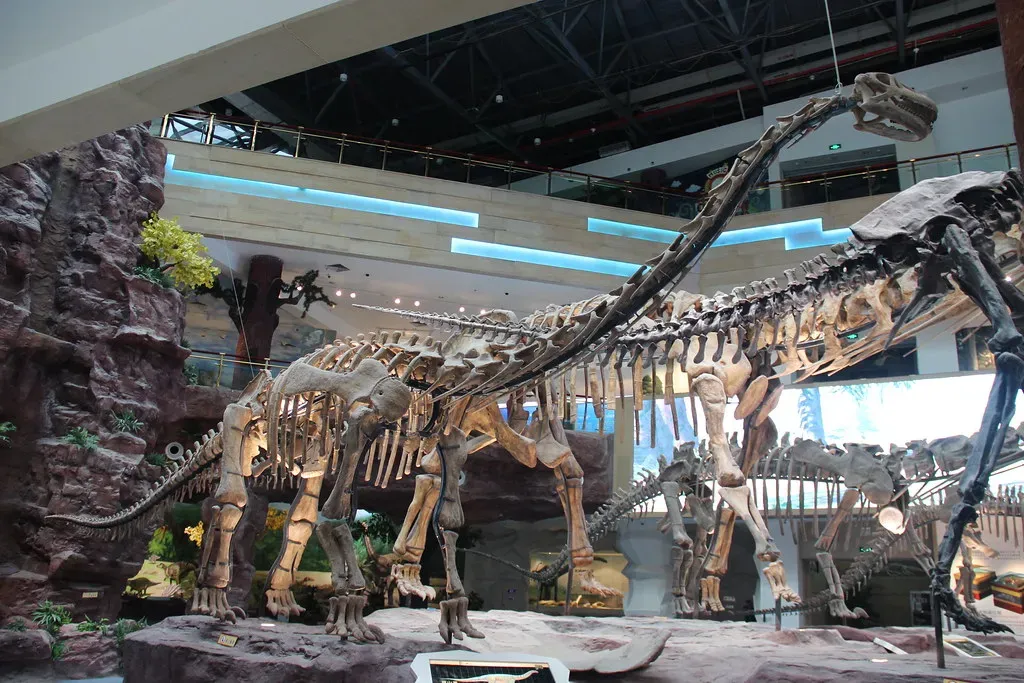
One of the most remarkable innovations that enabled gigantism was skeletal architecture. Sauropod dinosaurs possessed something truly special: hollow bones invaded by air sacs, creating pneumatic cavities throughout their vertebrae. This wasn’t just a minor modification. It fundamentally changed the physics of being enormous.
Picture trying to build a skyscraper using solid concrete throughout versus using a steel frame with hollow spaces. These hollowed-out bones filled with air meant the bones weren’t as heavy as solid ones, significantly reducing the animal’s weight. Even more impressively, dinosaurs used air inside the bones for breathing, creating a respiratory system that allowed more efficient oxygen exchange with each breath.
This dual-purpose system was brilliant evolutionary engineering. The weight savings allowed necks to extend impossibly long distances without collapsing. Their very efficient lungs and respiration system could better support larger size. Modern birds inherited this system from their dinosaur ancestors, which partly explains how some pterosaurs achieved wingspans exceeding small aircraft.
Long Necks Opened New Food Sources
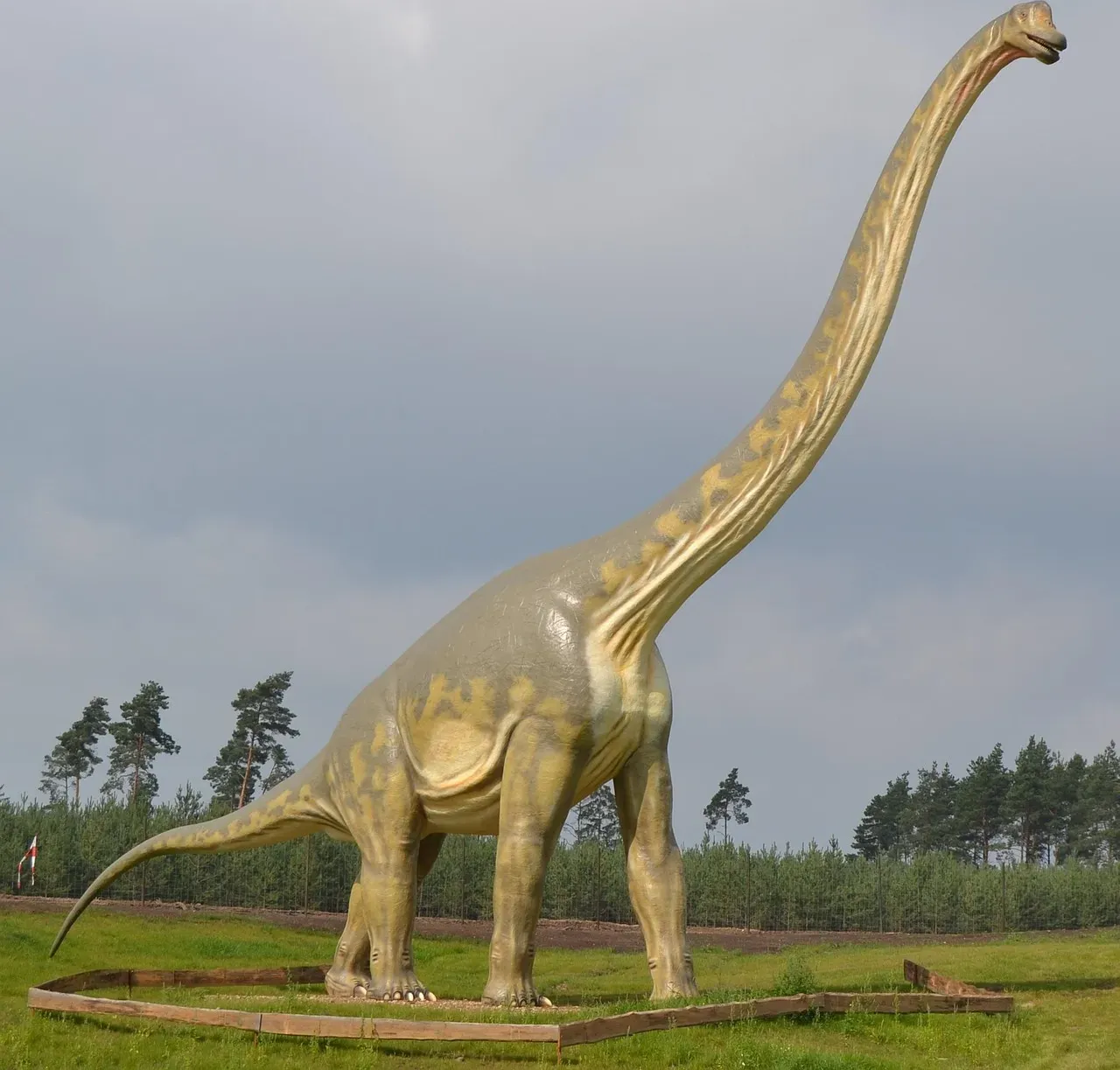
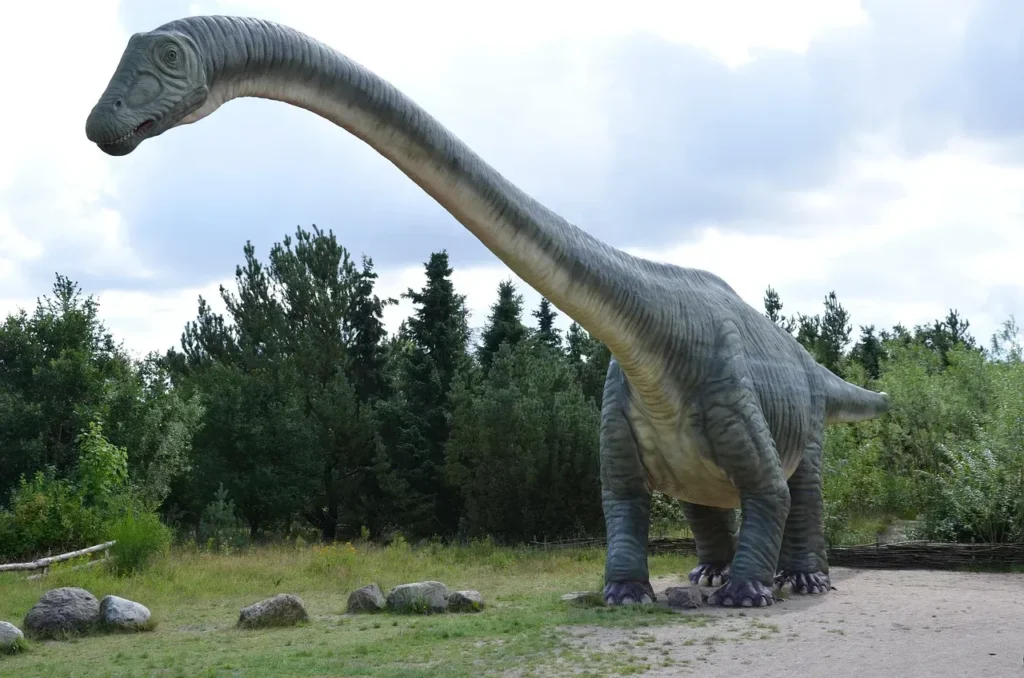
Sauropods possessed incredibly long necks, and scientists believe they grew gigantic to access foliage that was previously out of reach. This created what ecologists call niche partitioning. Imagine a prehistoric forest where different-sized herbivores browsed at different heights, like a vertical buffet with minimal competition.
The long neck strategy proved remarkably successful. A paleontologist suggests that plant-eating dinosaurs might have gotten so big because foliage in that era was extremely tough and woody, requiring a longer digestive tract to extract maximum nutritional value from each bite. Here’s where size really mattered: bigger bodies meant longer guts, which gave bacteria more time to break down difficult plant material.
Sauropods had simple teeth incapable of chewing, which meant they could ingest food quickly and ferment it in their gut, and not chewing also meant they didn’t need bulky jaw muscles, so their heads could stay small. This created a cascading advantage. Small heads on long necks required less structural support, allowing necks to grow even longer, accessing even more food. It’s the kind of evolutionary feedback loop that can drive spectacular body size increases over millions of years.
Reduced Predation Pressure Favored Larger Bodies
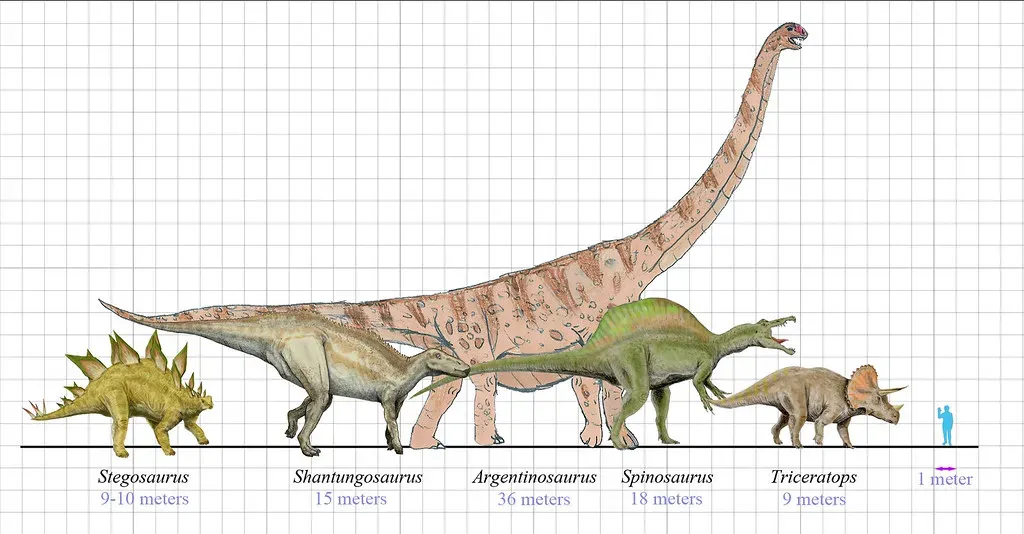
Let’s be real: when you’re big enough, almost nothing can threaten you. Large body size likely protected animals from most predators, helped regulate internal body temperature, and allowed them to reach new food sources. Adult sauropods weighing 40 to 80 tons had essentially no predators once fully grown.
This created interesting evolutionary dynamics. The larger an animal is, the less vulnerable to predators they become, and when herbivores became massive, carnivorous species had to become larger too to keep up their spot at the top of the food chain. It was an arms race of sorts. Herbivores grew bigger for protection; predators grew bigger to hunt them.
The fact that they laid eggs and could reproduce relatively quickly may have given bigger animals a reproductive advantage, and being top predators made them less susceptible to becoming another animal’s dinner. There’s something almost paradoxical here: achieving gigantic size required surviving long enough to reach it, but once there, survival became dramatically easier. The real vulnerability existed during youth, when even the offspring of giants were small and defenseless.
Evolutionary Trends Pushed Toward Increasing Size
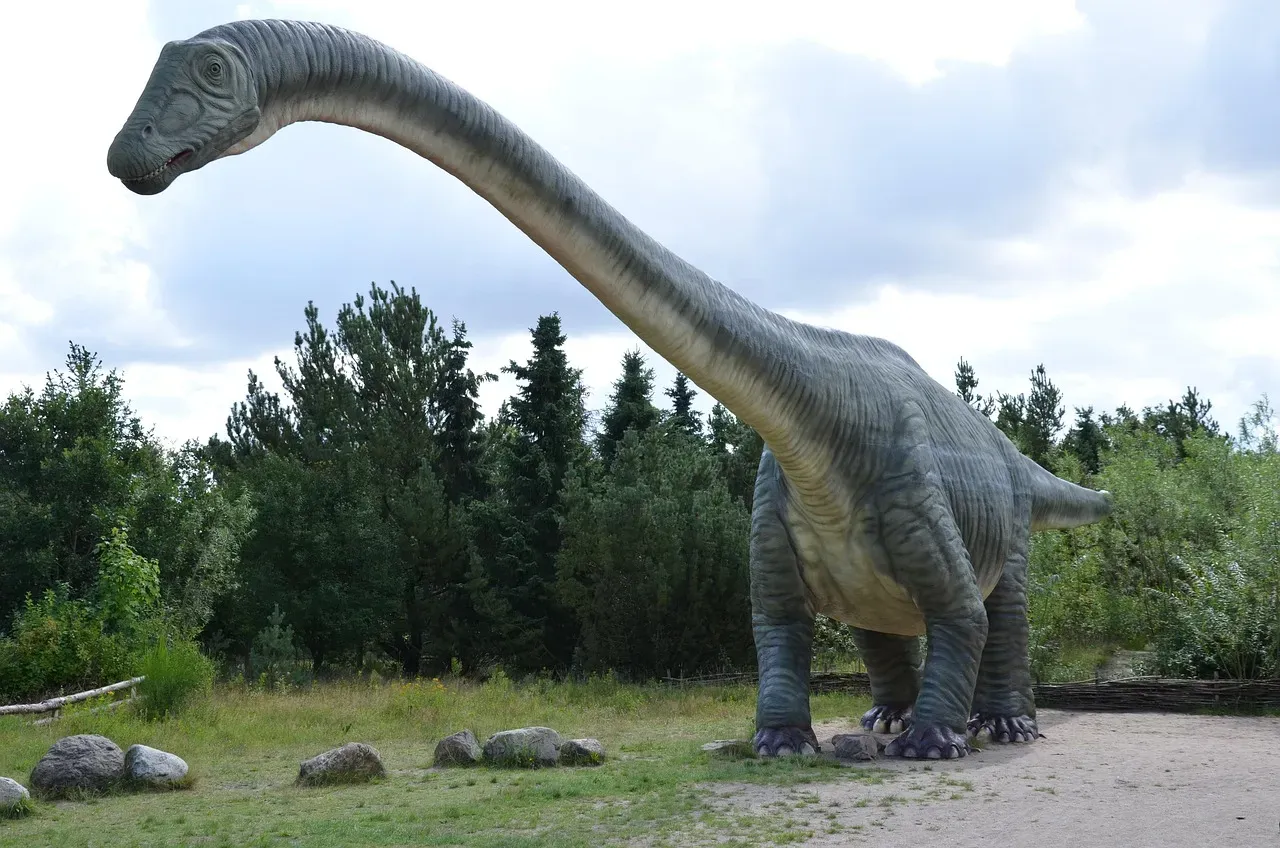
Cope’s Rule says that animals grow larger over evolutionary time before becoming extinct, meaning an animal would start smaller and continue evolving until it becomes gigantic. This pattern appears repeatedly across different animal groups throughout Earth’s history.
However, the rule isn’t universal. Research found some groups of dinosaurs grew larger over time as Cope’s Rule suggests, but others like theropods, including T.rex, did not. This suggests that while there are general trends toward increasing size, specific ecological circumstances and evolutionary constraints shape whether lineages follow that path.
Sauropods evolved their hallmark sizes early on, and with each new family to evolve, one or more lineages independently reached superlative status, filling and refilling the extremely large body niche similar to patterns seen in land mammals. What strikes me most is that gigantism evolved multiple times independently. It wasn’t a fluke or accident. When conditions favored massive size, evolution found pathways to achieve it repeatedly across different groups.
Climate and Food Abundance Supported Massive Bodies
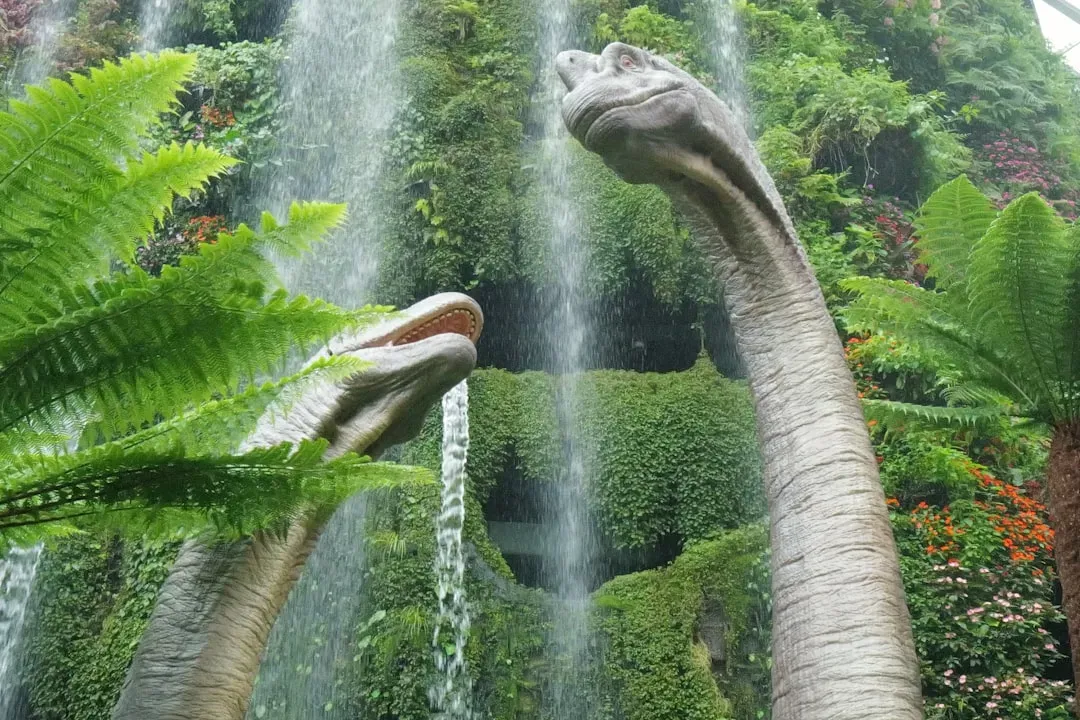
The prehistoric world was much warmer and full of vegetation, creating perfect conditions for tons of foliage which was a food source for the biggest dinosaurs, allowing the largest species to continue growing with little competition. Temperature matters more than you might think. Warmer climates produce more plant growth, which provides more calories to fuel massive herbivores.
There was about four times as much carbon dioxide on Earth as today, which meant plants and trees grew rapidly and much bigger, providing abundant food for herbivorous dinosaurs who could eat more and grew larger over the years. This created a positive feedback system: more CO2 led to bigger plants, which fed bigger animals, whose waste products enriched soils, supporting even more plant growth.
Paleontologists think that the dinosaurs’ world was much different from today and that climate and food supplies must have been favorable for reaching great size, since no modern animals except whales are even close in size to the largest dinosaurs. It’s worth noting that blue whales achieve their size in water, where buoyancy offsets weight. The fact that land animals once exceeded them in mass tells us how exceptionally favorable conditions must have been.
Island Isolation Created Unique Size Changes
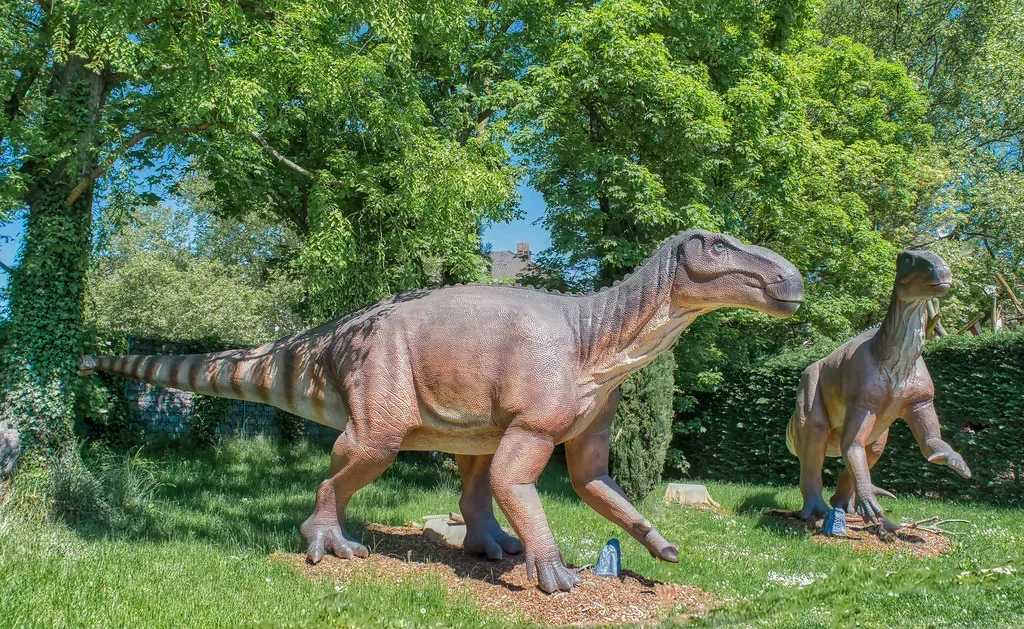
Island gigantism is a phenomenon where animals isolated on islands increase dramatically compared to mainland relatives, while small species tend to evolve larger bodies and large species tend to evolve smaller bodies. This seemingly contradictory pattern reveals how environment shapes body size in profound ways.
Decreased predation pressure on islands allows small herbivores to grow larger since small size usually makes it easier to escape or hide from predators, and small herbivores may also benefit from the absence of competition from missing types of large herbivores. Meanwhile, limited resources on islands favor smaller versions of typically large animals. Examples include the Galapagos giant tortoise, Komodo dragons, and the Flores giant rat.
The logic is ruthless but elegant: on islands with few predators, small animals lose the advantage of being able to hide easily. Growing larger allows them to access more resources and dominate their environment. Conversely, large animals arriving on resource-poor islands face starvation unless they shrink over generations to match available food supplies. Dorothea Bate discovered evidence of unusually large mice on Crete, huge swans on Malta, and massive shrews on Corsica, each representing adaptations to their isolated island worlds.
The End of an Era: Why Giants Disappeared
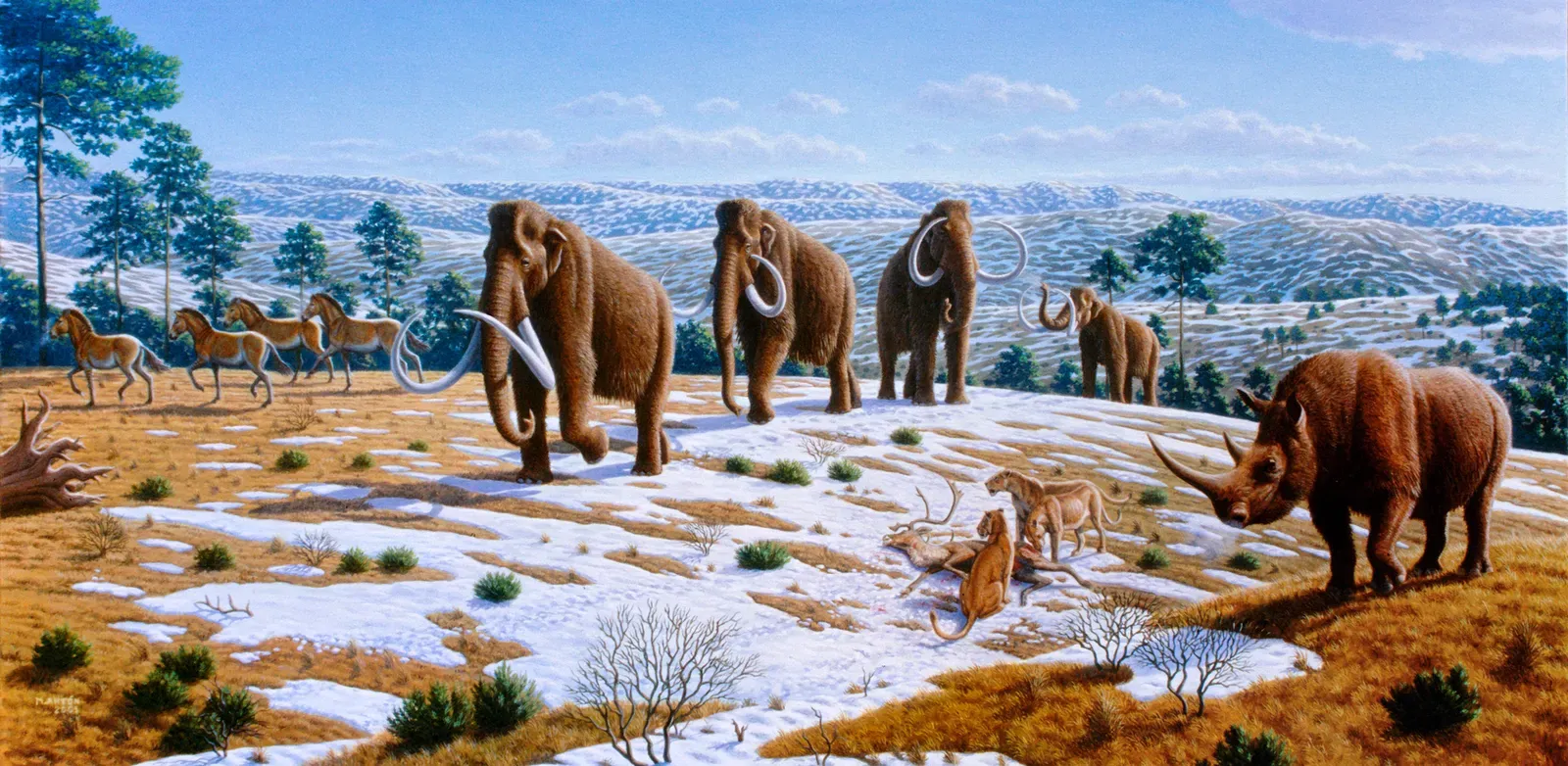
The Late Pleistocene saw the extinction of many mammals weighing more than 40 kilograms, including around 80 percent of mammals over one tonne. The age of megafauna came to an abrupt end relatively recently in geological terms. What happened to these giants?
The timing and severity of extinctions varied by region and are generally thought to have been driven by humans, climatic change, or a combination of both, with human impact coming from hunting as well as possibly environmental alteration. Huge animals like mastodons and mammoths disappeared along with apex predators like saber-toothed tigers and dire wolves, even though most of these ice age animals had endured at least 12 previous ice ages without going extinct.
The pattern is telling: The proportion of megafauna extinctions is progressively larger the further the human migratory distance from Africa, with the highest extinction rates in Australia, and North and South America, with the further away from Africa, the less time environments had to become accustomed to humans. This suggests humans played a significant role, though climate change certainly contributed. Large animals reproduce slowly, require extensive territories, and need enormous amounts of food. When conditions changed rapidly, whether from human hunting or shifting climates, they simply couldn’t adapt fast enough.
Conclusion
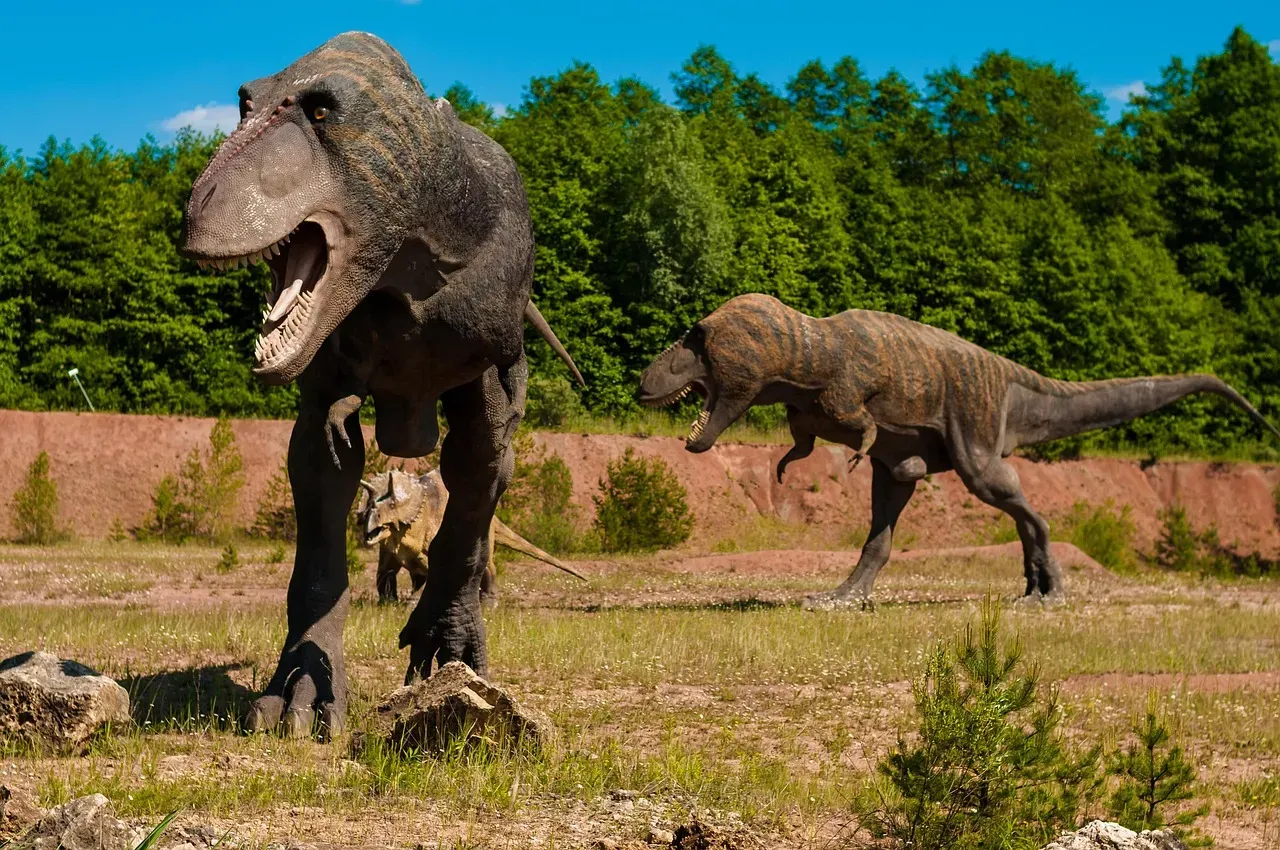
The story of prehistoric giants is ultimately one of opportunity meeting innovation. When Earth’s atmosphere brimmed with oxygen, insects seized the chance to grow enormous. When dinosaurs evolved hollow bones and efficient respiratory systems, they shattered size records that may never be broken on land. Long necks, reduced predation, abundant food, and favorable climates all played their parts in this grand evolutionary experiment.
Yet gigantism always came with costs. Massive size required specific conditions to sustain, and when environments shifted too quickly, giants fell. Today’s largest land animals are modest by comparison, constrained by modern atmospheric conditions, predation pressures, and human-dominated landscapes. The prehistoric titans remind us that life’s possibilities are shaped by the interplay between biological potential and environmental circumstance.
What fascinates me most is how multiple pathways led to gigantism across utterly different animal groups. Evolution repeatedly discovered that under the right conditions, bigger truly was better. These ancient giants weren’t evolutionary dead ends or mistakes. For millions of years, they were supremely successful, dominating their worlds in ways that smaller creatures simply couldn’t. Their legacy lives on not just in fossils, but in the fundamental principles they revealed about how life can adapt to fill every available niche, no matter how extreme. What do you think about these incredible creatures? Does it change how you view the natural world around us today?