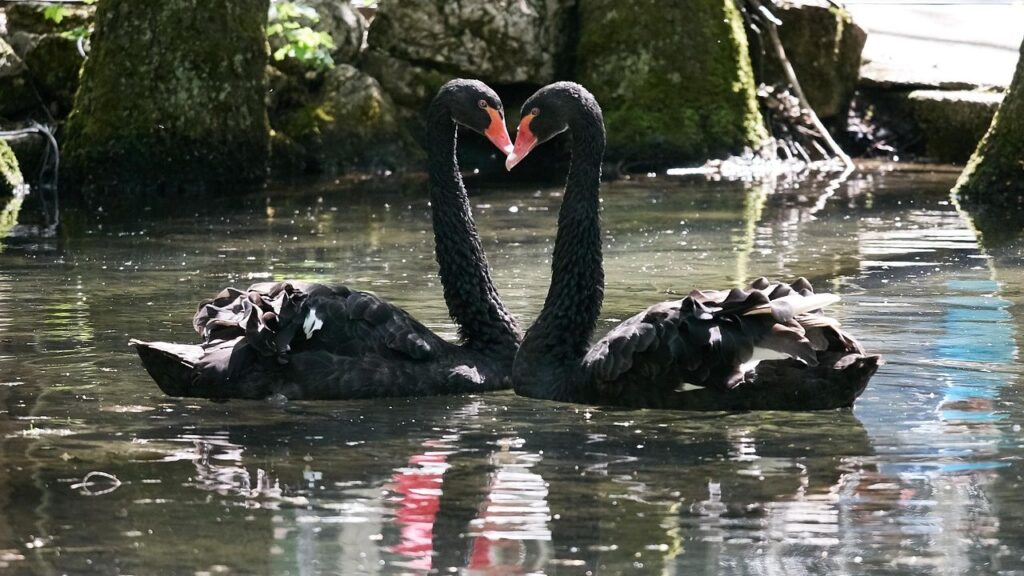
You’ve probably heard the romantic notion that wolves mate for life, or seen pictures of devoted swan couples gliding gracefully across a pond. These images seem to suggest that loyalty and devotion aren’t just human traits. They tap into something we recognize and admire. Yet just as many creatures live entirely different lives, hopping from one partner to the next without a second thought. So what gives? Why do some species settle down while others play the field?
It’s a question that takes us deep into the world of biology, evolution, and behavior. The answer isn’t simple or one-size-fits-all. Rather, it involves a fascinating mix of genes, hormones, environment, and survival strategy. Let’s dive in.
The Rare Reality of Animal Monogamy
Here’s the thing: lifelong bonds are actually pretty rare in the animal kingdom. Only a small percentage of mammal species practice monogamy, roughly about three to five percent. Think about that for a second. The vast majority of creatures aren’t signing up for long-term commitments. Pair bonding is an incredibly rare phenomenon in the animal kingdom, with only five percent of animal species settling for one partner and forming pair bonds.
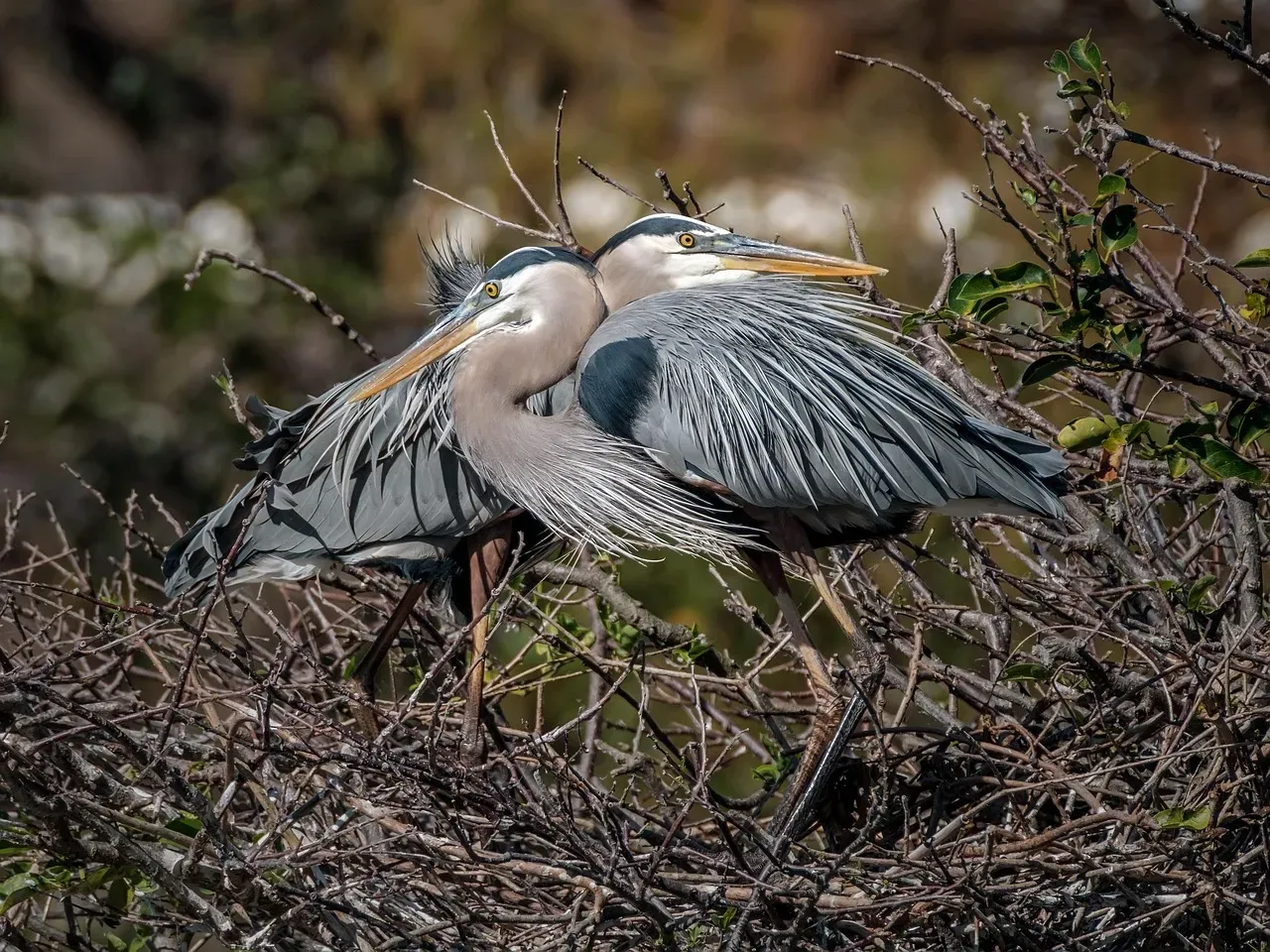
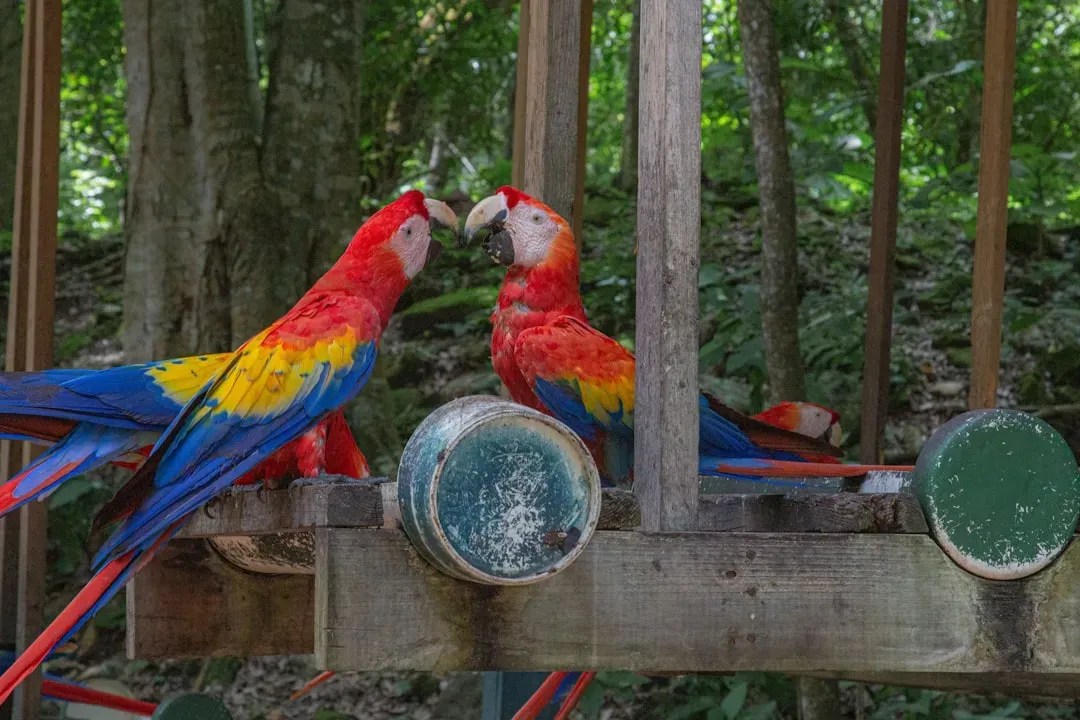
Birds are a different story entirely. Over ninety percent of all bird species are socially monogamous, though that doesn’t always mean what you might think it does. Even among these feathered couples, many engage in what scientists delicately call “extra-pair copulations.” Basically, they’re cheating. Still, the contrast between birds and mammals is striking. Why would evolution favor such different approaches?
What Actually Is a Pair Bond?
Let’s be real: when scientists talk about pair bonding, they mean something very specific. A pair bond is typically described as an enduring preferential association formed between two sexually mature adults, characterized by selective contact, affiliation, and copulation with the partner over a stranger. It’s not about romance or feelings, at least not in the human sense.
Monogamy may either be short-term, lasting one to a few seasons, or long-term, lasting many seasons and in extreme cases, life-long. There’s also a crucial distinction scientists make between social monogamy and genetic monogamy. Social monogamy occurs when a male-female pair cohabit or form a pair bond for some specified period of time, but doesn’t assume that the pair is exclusive with regard to mating. Genetic monogamy, meanwhile, implies actual fidelity. No one species has been identified as fully genetically monogamous. Even the most devoted-looking creatures might have secrets.
The Chemistry Behind Connection
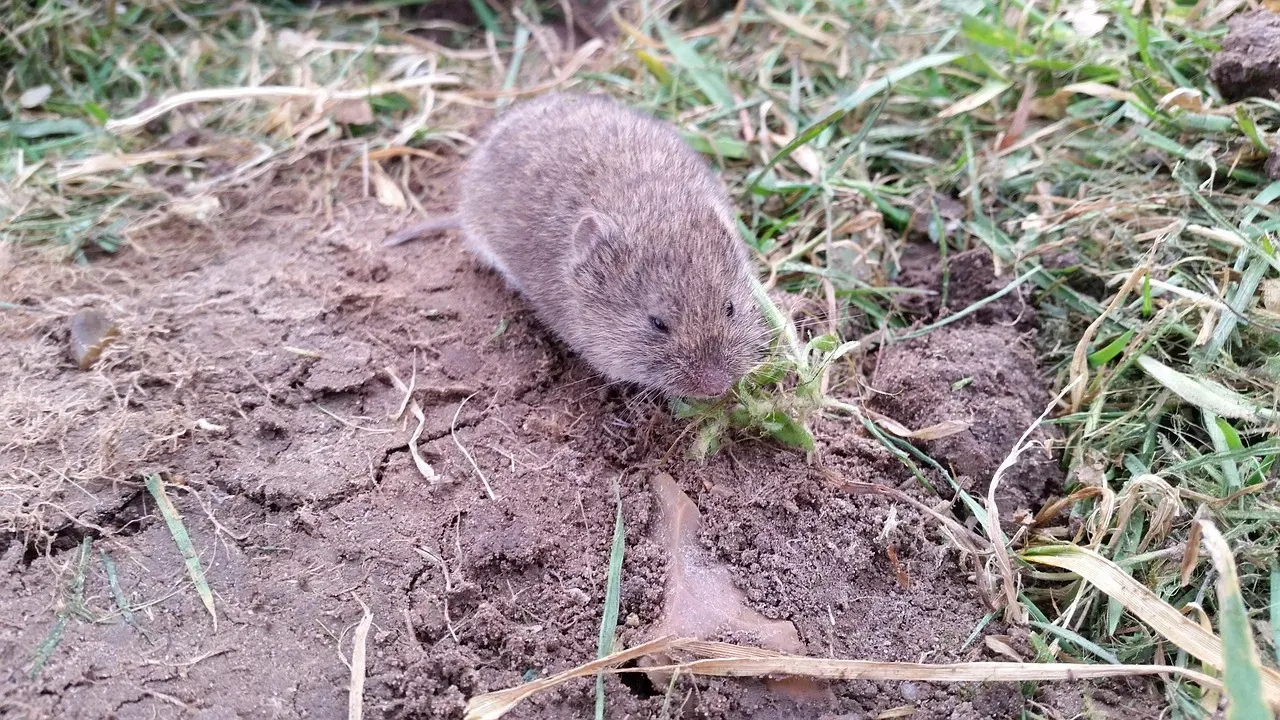
When researchers started digging into what makes certain animals bond, they kept running into the same molecular suspects: oxytocin and vasopressin. These neurochemicals seemed like the obvious answer. Monogamous voles have significantly greater density and distribution of vasopressin receptors in their brain when compared to polygamous voles, with these differences located in the ventral forebrain and the dopamine-mediated reward pathway, where peptide arginine vasopressin, dopamine, and oxytocin act to coordinate rewarding activities such as mating.
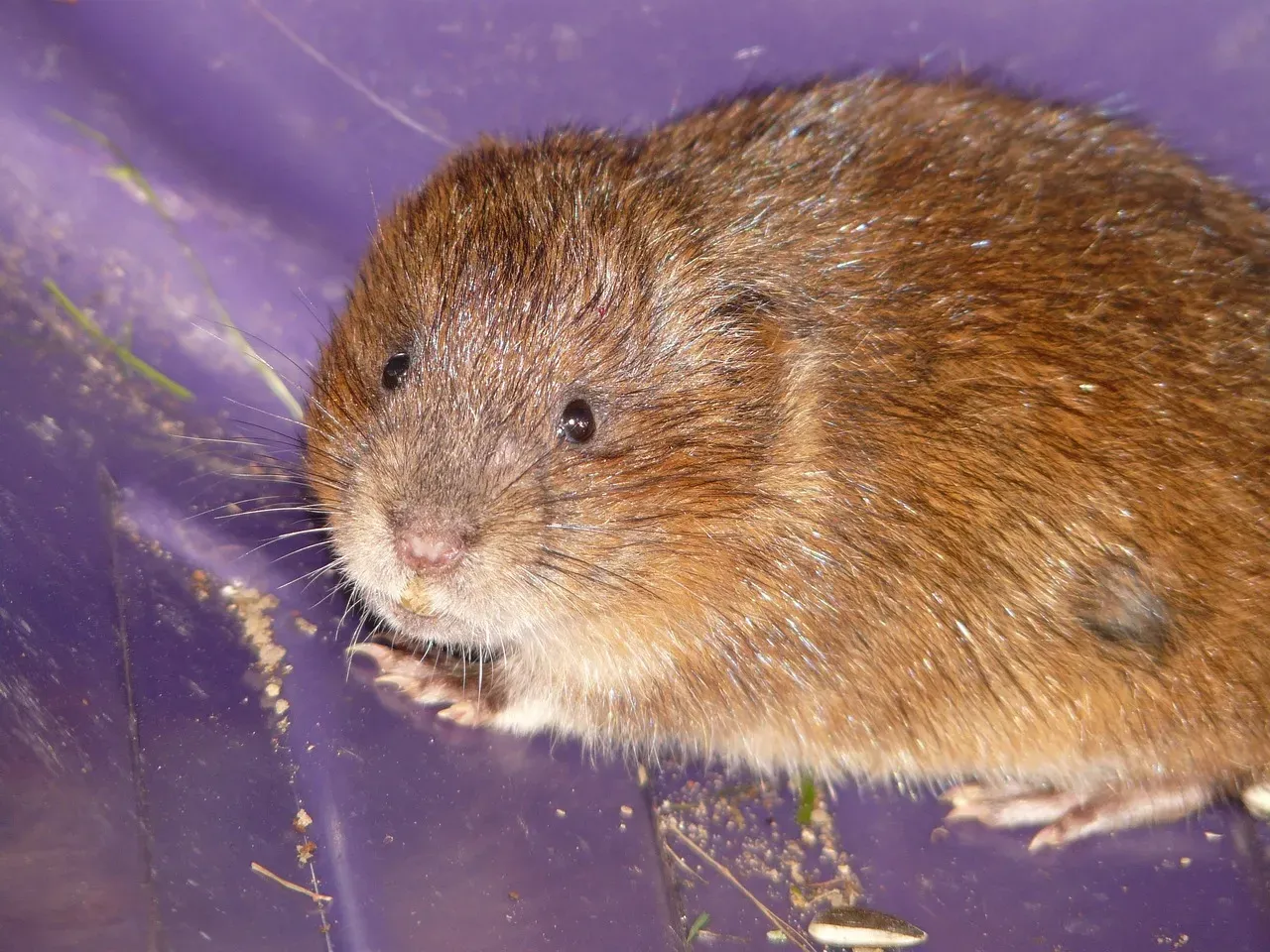
The prairie vole became the poster child for this research. Despite their small size, prairie voles are one of the most famous examples of animals that mate for life, forming strong, lifelong pair bonds after their first mating. Scientists thought they had it all figured out.
Then came the surprise. Prairie voles that were bred without oxytocin receptors showed the same monogamous mating, attachment, and parenting behaviors as regular voles. Wait, what? This was supposed to be the “love hormone.” Yet take away its receptors, and the voles still pair bonded. Honestly, this tells us that the story is way more complicated than we thought.
When Staying Together Makes Survival Sense
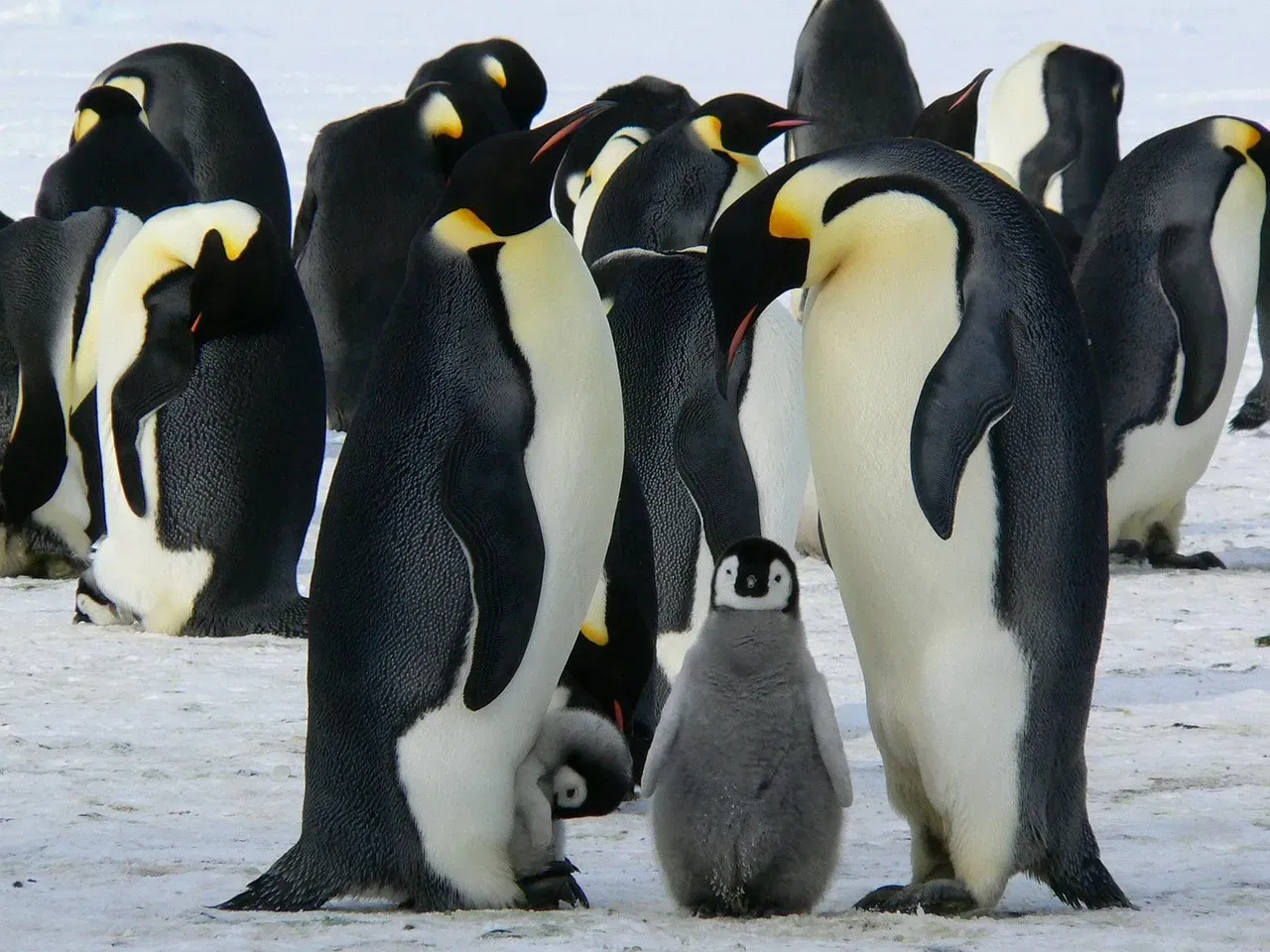
Evolution is ruthlessly practical. Animals don’t form bonds because it feels nice. They do it because it works. Pair bonding became adaptive under conditions in which additional parental investment was required to ensure the successful rearing of young. Think about emperor penguins in Antarctica. Monogamy may have evolved in some species to support their special caretaking needs, such as emperor penguins where until a chick becomes independent, it must be protected in its colony.
Monogamy has been suggested to arise if low mate availability due to habitat limitation, low population density, low mobility, territoriality, or non-overlapping home ranges makes it better to stay with a partner than to leave and search for a new one. If you’re a seahorse living in a vast ocean with scattered resources, finding another mate might be next to impossible. Better to stick with the one you’ve got.
The Ecological Puzzle of Distribution
Here’s where it gets really interesting. Phylogenetic studies on mammals show that female space use has a strong influence on which mating pattern they show, with individual females living in small and non-overlapping home ranges being the best predictor of monogamy. Picture it: if females are spread out across the landscape, a male physically can’t defend multiple territories. He’s forced into monogamy by geography.
Compare seahorses to pipefish, their close relatives. Seahorses can find it difficult to find a mating partner, thus the same two individuals exhibit pair bonding, whereas pipefish tend to live in very dense populations in resource-rich environments, with males limited by the brood time of each set of eggs while females can seek out a new mating following new egg production. Same basic biology, different environments, totally different mating systems. It’s evolution responding to what works.
The Myth of Absolute Fidelity
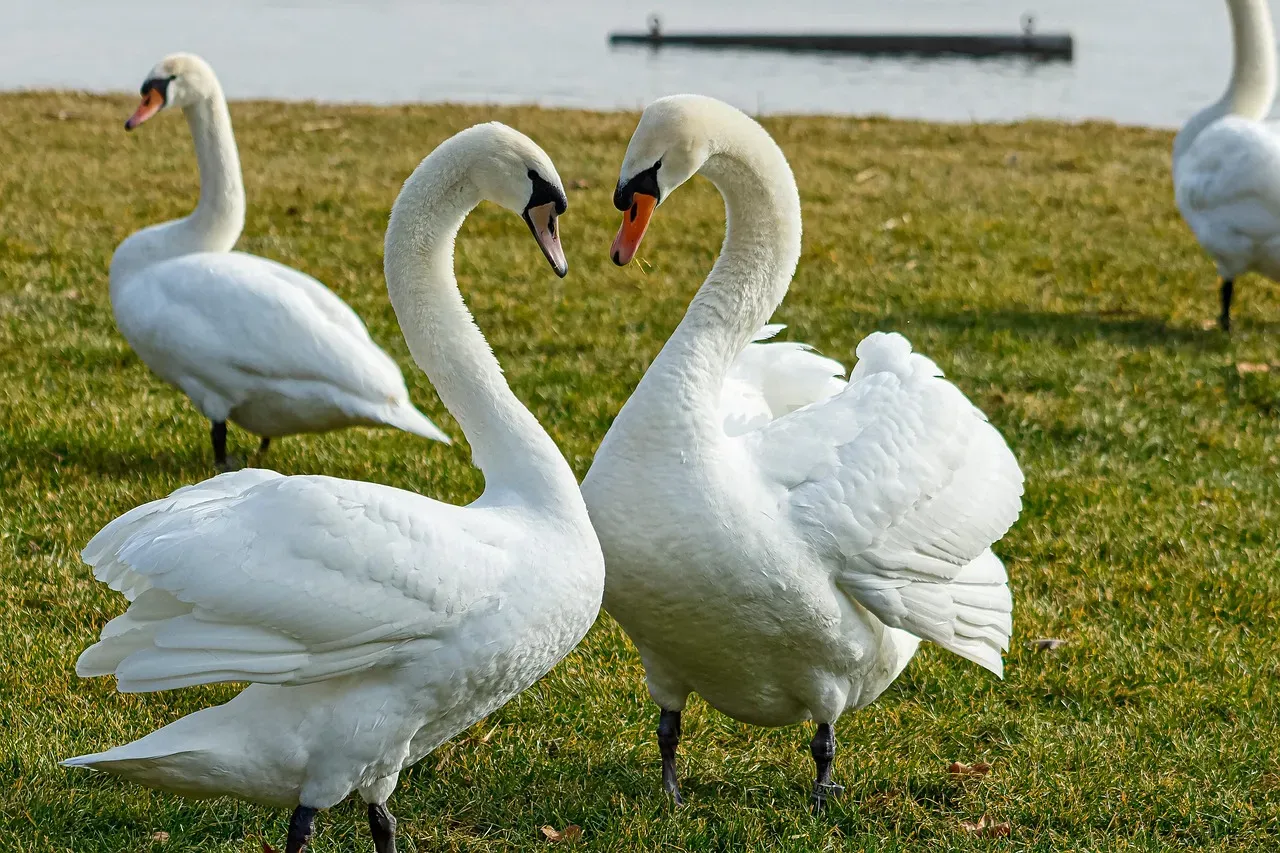
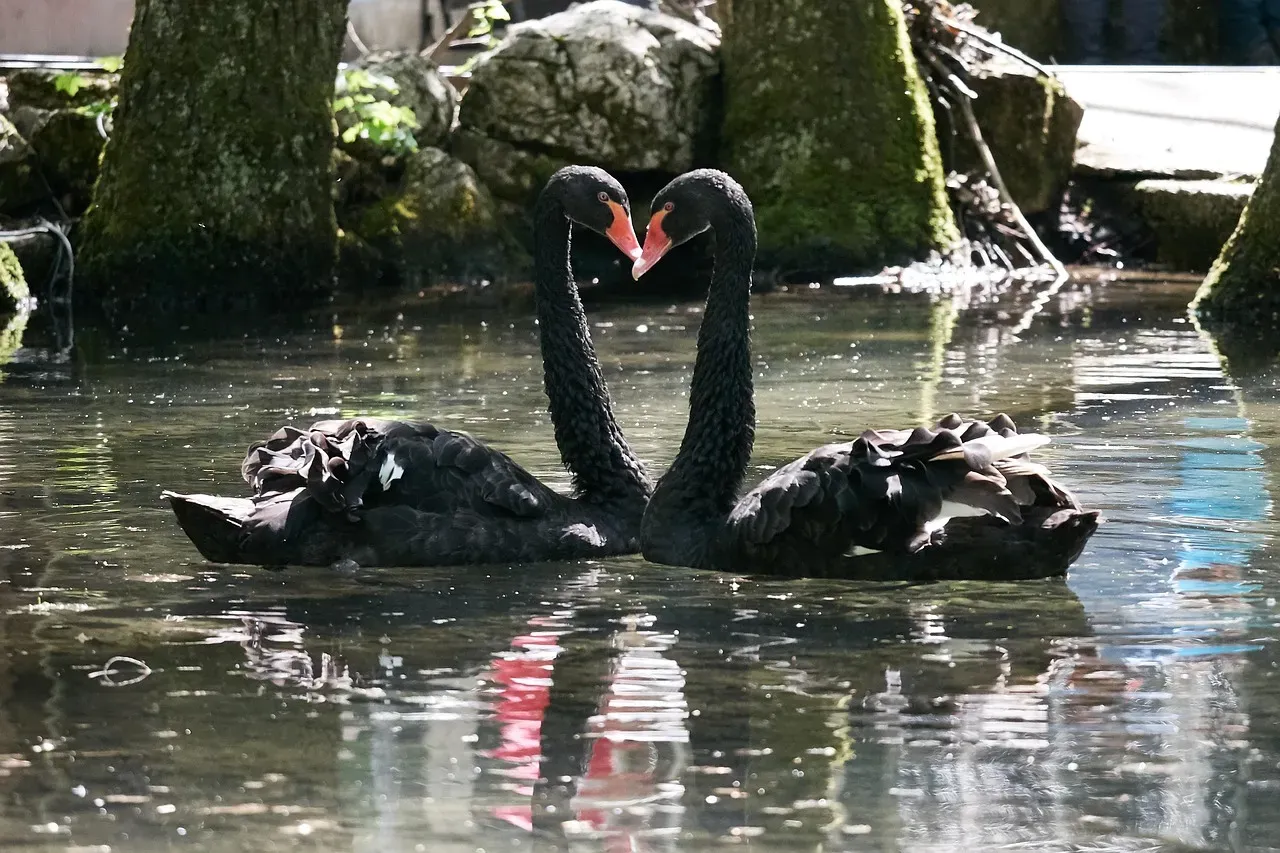
Let’s be honest about something: even animals that “mate for life” aren’t always faithful. Lifelong monogamy in animals doesn’t always equate to sexual exclusivity, as animals not only break up after a failed breeding attempt, they also have affairs. DNA fingerprinting has revealed that even swans may participate in extra pair copulations, probably during quick, furtive trysts.
One theory is that females may tend to pair bond with males that are particularly good providers and offer potential stability, but are lured into extra-pair copulations by males that offer superior genes, as reflected in the male’s physical features, such as his weight or resistance to disease. It’s a kind of hedging your bets strategy. Get stability from one male, better genes from another. Nature is pragmatic, not sentimental.
Costs and Benefits of Going Solo
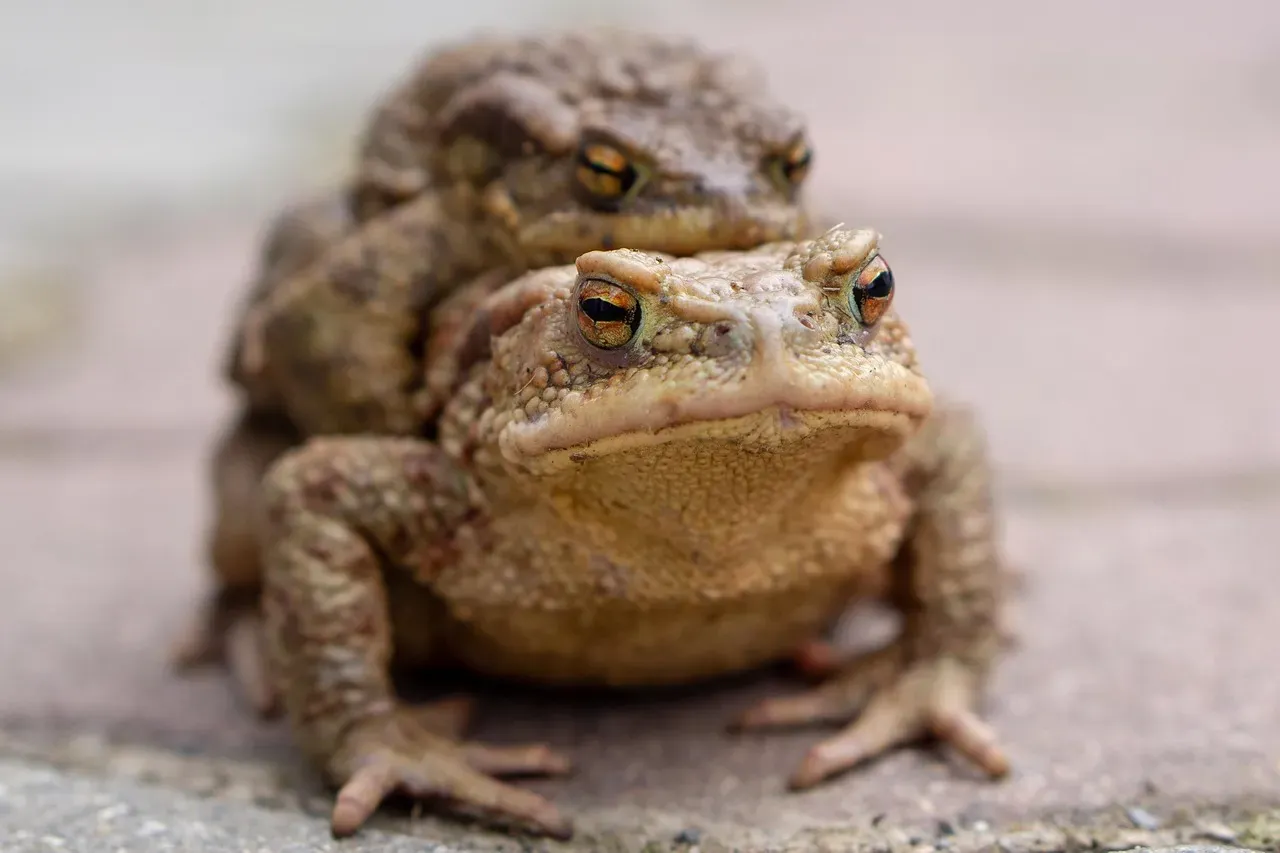
For most animals, monogamy just doesn’t add up. Monogamy is an intrinsically unstable mating strategy, with benefits including the certainty of access to the partner’s reproductive potential, but the chief disadvantage is that access to other potential partners is strongly diminished, particularly in those cases where males exhibit strong mate-guarding behavior. Males especially face a dilemma. From a purely genetic standpoint, spreading your genes far and wide sounds like a winning strategy.
It all comes down to genes, as evolutionarily speaking, the animal that spreads their genes far and wide wins, so when it comes to mammals with typically long gestation periods, they adopt social structures and strategies different from those of birds and reptiles with much shorter gestation periods. Mammal moms invest heavily in pregnancy and nursing. That makes them the limiting factor in reproduction. Males, meanwhile, can theoretically father many more offspring than any single female can produce.
Why Birds Are Different
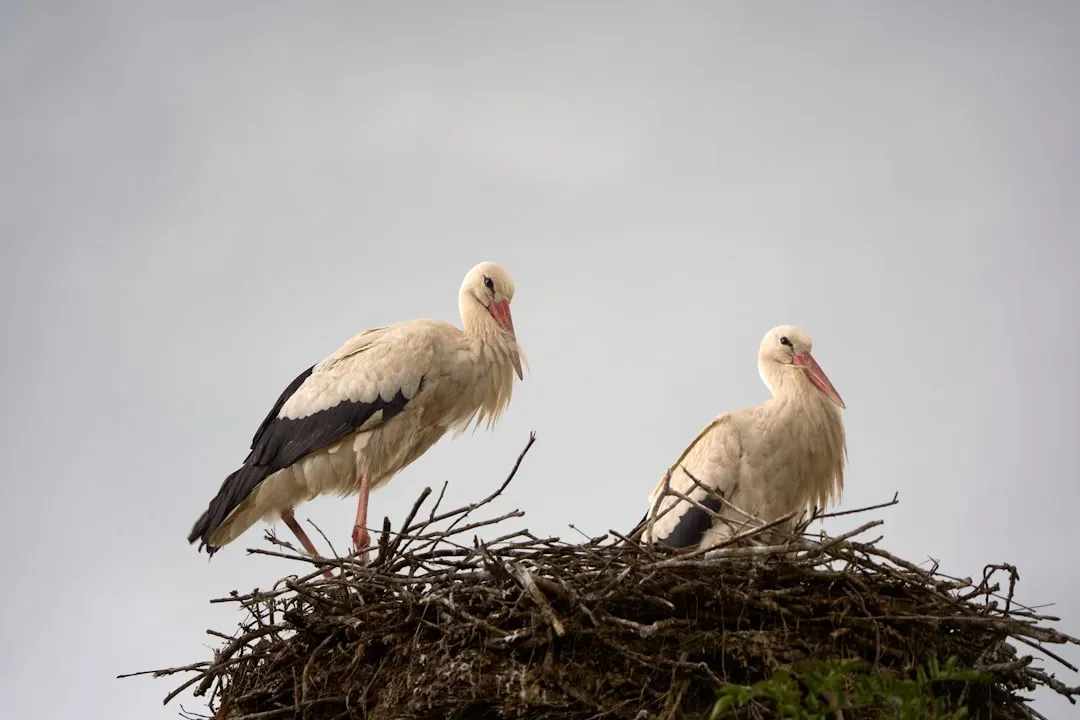
Birds break the mold for good reason. A monogamic bond strongly favors the evolution of male investment in the raising of offspring, as is the case in most birds where ninety percent of bird species are monogamic and most exhibit biparental care of young. Baby birds are demanding. They need constant feeding, protection from predators, and warmth. One parent alone often can’t cut it.
Mammals exhibit this type of behavior to a far lesser extent since female mammals monopolize the feeding of newly born young, and most male mammals do not look after their offspring. A female bird, though, can’t nurse. Both parents are equally capable of bringing food to the nest. This levels the playing field and makes cooperation not just helpful, but essential. Evolution responds to these pressures. When two parents dramatically increase offspring survival, pair bonding makes sense.
The Flexibility Factor
Nothing in evolution is set in stone. Mating systems have been found to be dynamic, suggesting that in some systems, individuals that are socially or genetically monogamous at one point in time might adopt a different strategy under different ecological conditions. Animals are responding to their circumstances. Change the circumstances, change the behavior.
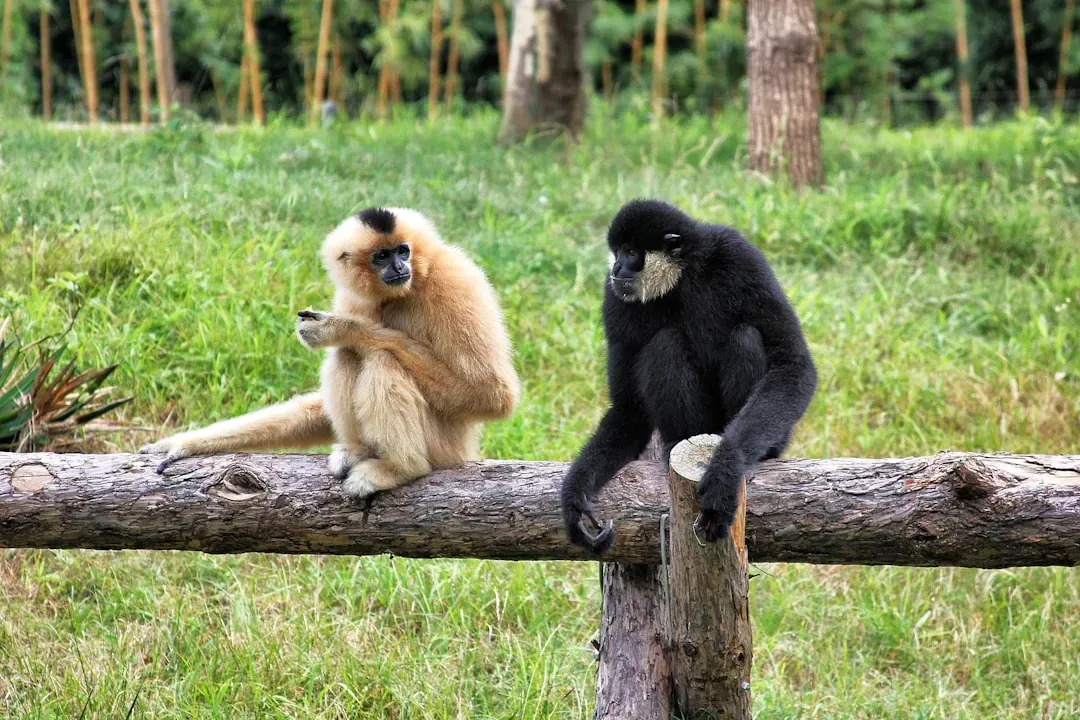
Even gibbons, once thought to have rigid mating systems, show extra-pair copulations, partner changes, and polyandrous groupings alongside monogamous pairs, with environmental factors like territory size potentially affecting what the best strategy is for success. Evolution is an ongoing experiment, constantly testing what works best. Sometimes that’s fidelity. Sometimes it’s not.
The Lesson Nature Teaches
So The answer isn’t about morality or emotion. It’s about survival, reproduction, and the ecological pressures each species faces. When offspring demand intensive care, when mates are hard to find, when territories can’t be defended against rivals, monogamy emerges as the practical solution. When circumstances differ, so do strategies.
Pair bonding is essential to a prairie vole’s survival, and evolution tends to favor redundant systems for critical behaviors. Nature doesn’t care about romance. It cares about what works. The incredible diversity of mating systems across the animal kingdom shows us that there’s no single “right” way to reproduce and raise young. Each species has found its own solution to the challenges it faces. Some commit for life. Others move on. Both strategies can succeed brilliantly in the right context. What do you think drives these choices most: genes or environment?