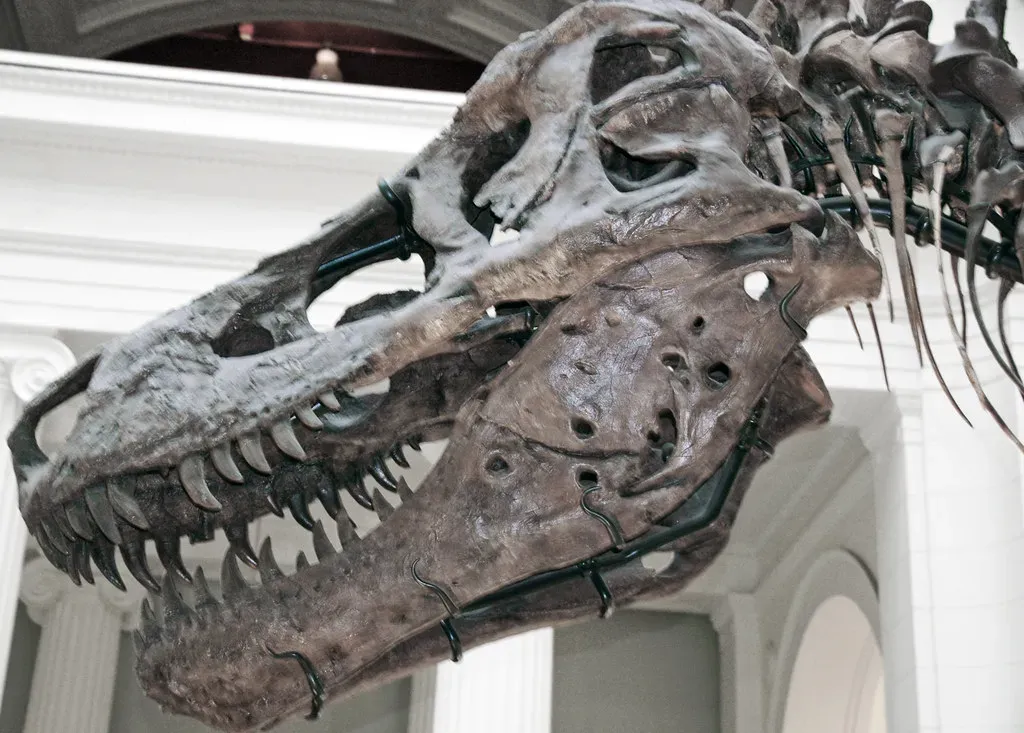
You’ve probably seen countless images of mighty dinosaurs stomping across prehistoric landscapes, powerful and seemingly invincible. Yet scattered throughout the fossil record lies a hidden truth that makes these ancient giants feel surprisingly familiar. Their bones tell stories not just of predators and prey, but of pain, illness, and afflictions that still plague creatures today. From bone infections to respiratory illnesses, and even cancer, dinosaur fossils reveal that these long-extinct animals battled many of the same medical conditions we face in 2026.
Paleopathologists, the scientists who study ancient diseases, are uncovering fascinating evidence that changes how we view these creatures. The question isn’t whether dinosaurs got sick, but rather how often, and what those ailments can teach us about the evolution of disease itself.
Preserved Evidence Depends on Bone Involvement
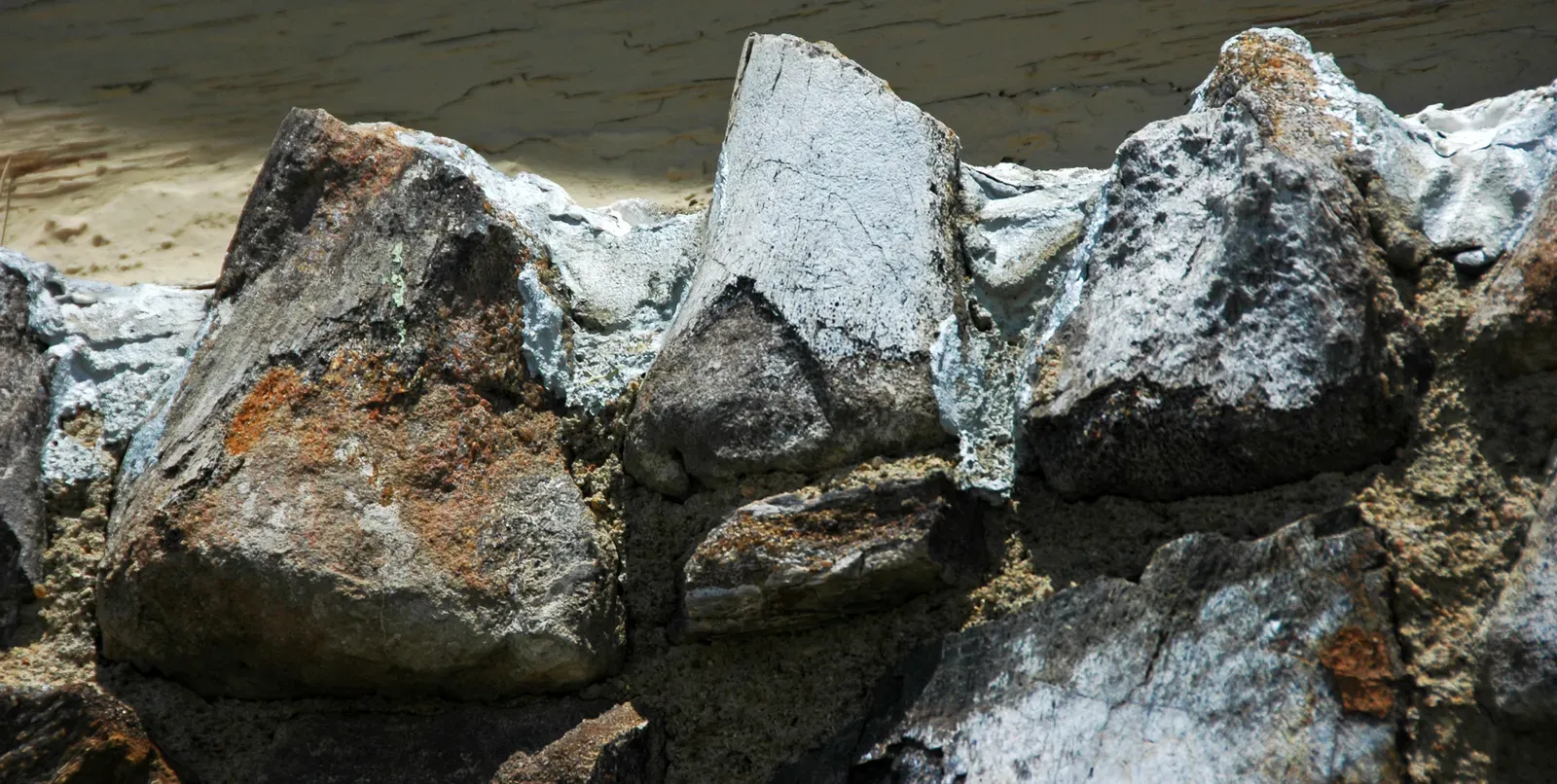
Most knowledge of dinosaur illness comes from when a disease affects the bone. Here’s the thing: soft tissues like organs, muscles, and skin rarely fossilize, which means scientists rely almost entirely on skeletal remains to diagnose ancient diseases. With soft tissue largely missing from fossils, scientists rely on bones for information.
Think about it like detective work with missing evidence. A dinosaur might have suffered from a viral infection or pneumonia, but unless that illness progressed far enough to leave marks on bone tissue, it vanishes without a trace. We don’t know a lot about dinosaur diseases because they would have needed to be significant enough to impact the bone, and also, the dinosaur would have needed to live long enough to be affected by the disease. This preservation bias means that what we see in the fossil record represents only a fraction of the diseases that actually existed millions of years ago.
Advanced Technology Reveals Hidden Pathologies
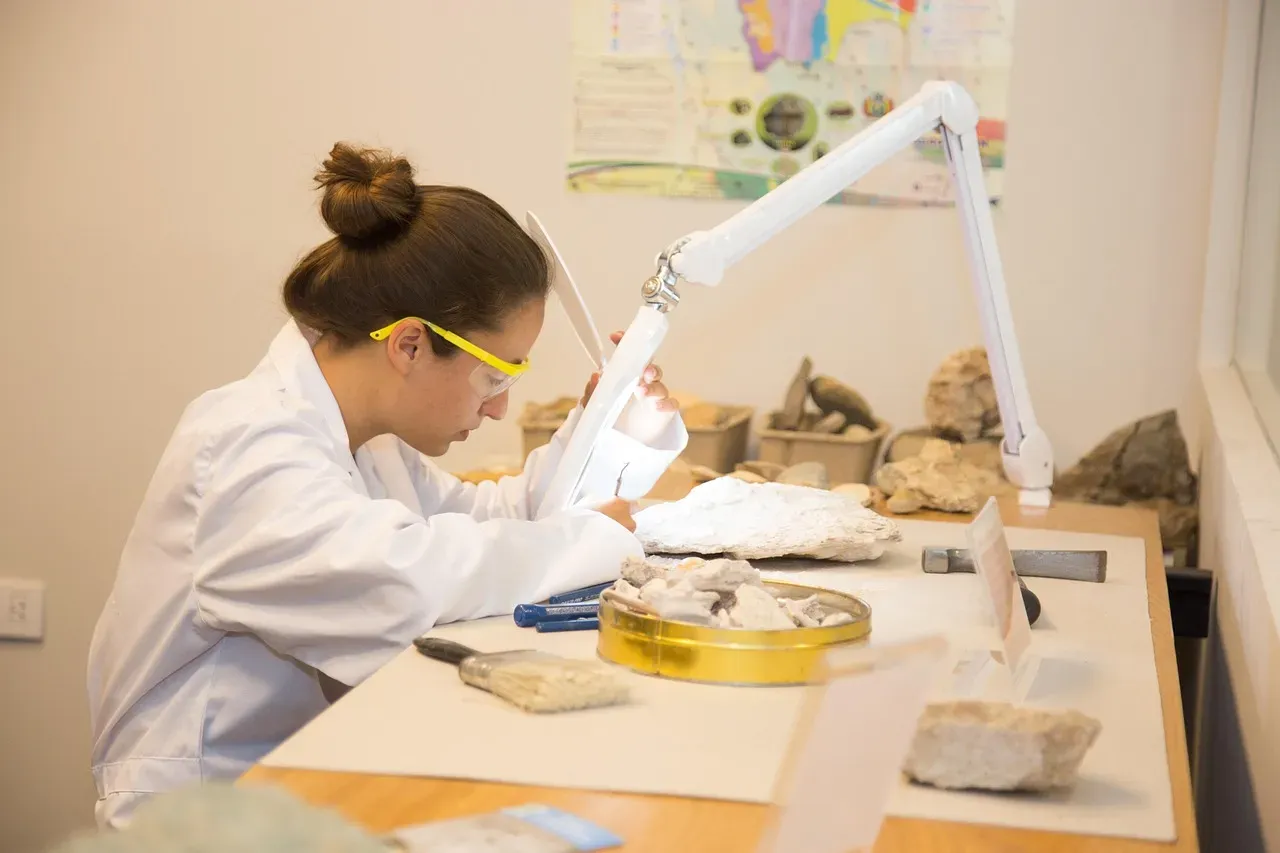
The application of medical advances like computerized tomography to paleontology have allowed researchers to peer through rock to see what’s happening inside fossilized bones. Scientists in 2026 use the same diagnostic tools employed in modern hospitals to examine dinosaur remains. CT scans, electron microscopy, and three-dimensional reconstruction software have revolutionized the field.
If you have doubts whether a bone is deformed by pathology or geological processes, you need to see inside, and if it’s geology at play, you wouldn’t see any change in the structure of the cells. This distinction is crucial because fossilized bones can be deformed by millions of years of sediment pressure, making it hard to differentiate between disease and simple crushing. However, genuine pathologies show distinctive cellular changes that geological processes cannot mimic. As new technologies are being invented, researchers will hopefully have an easier time looking for traces of illness and infection in million-year-old fossils.
Respiratory Infections Left Distinct Signatures
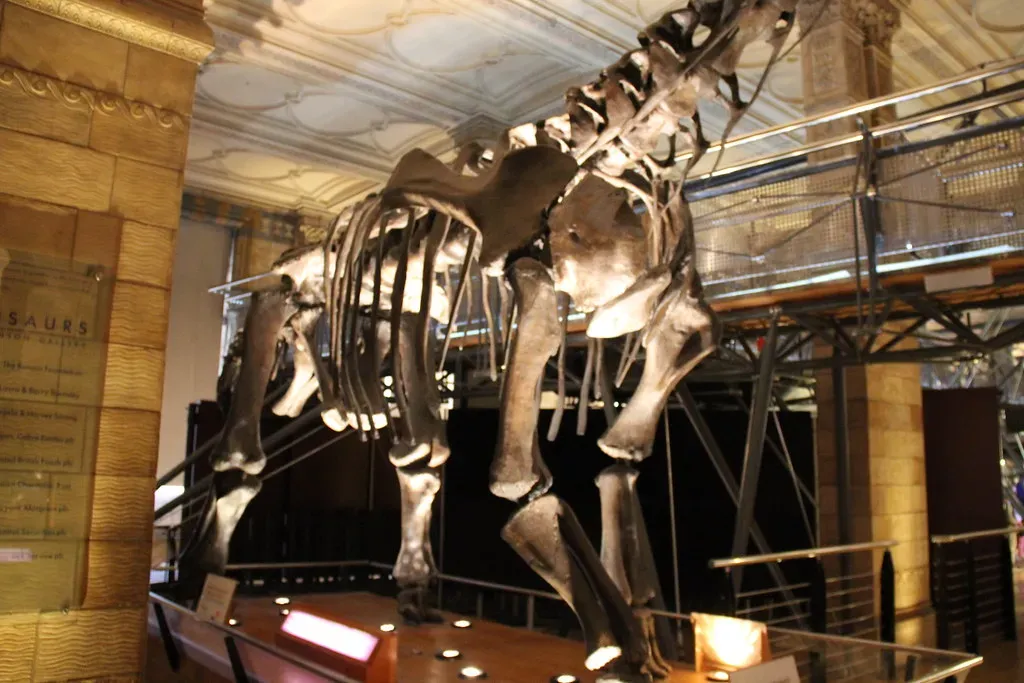
The fossils of the long-necked sauropod, found in Montana, showed unusual lesions which have been interpreted as evidence of airsacculitis, an inflammatory disease caused by infection that still affects birds today. The specimen, affectionately nicknamed “Dolly,” exhibited irregular bony structures in its neck vertebrae that puzzled researchers. As Dolly was still a juvenile when they died, it is possible that the infection may have been the cause of death.
What makes this discovery remarkable is the connection between dinosaur respiration and modern birds. Sauropods had air sacs connected to their lungs, similar to avian respiratory systems. In particular, they speculate that the air sac infection may have been caused by a fungus like Aspergillus, which thrives in humid environments such as those likely to have existed in ancient Montana. Imagine this massive creature, struggling to breathe properly, likely suffering from fever, coughing, and labored breathing. MOR 7029 documents the first case of an avian-like airsacculitis in a non-avian dinosaur. It’s hard to say for sure, but this evidence suggests respiratory diseases have plagued vertebrates for at least 150 million years.
Bone Infections Were Devastatingly Common in Some Regions
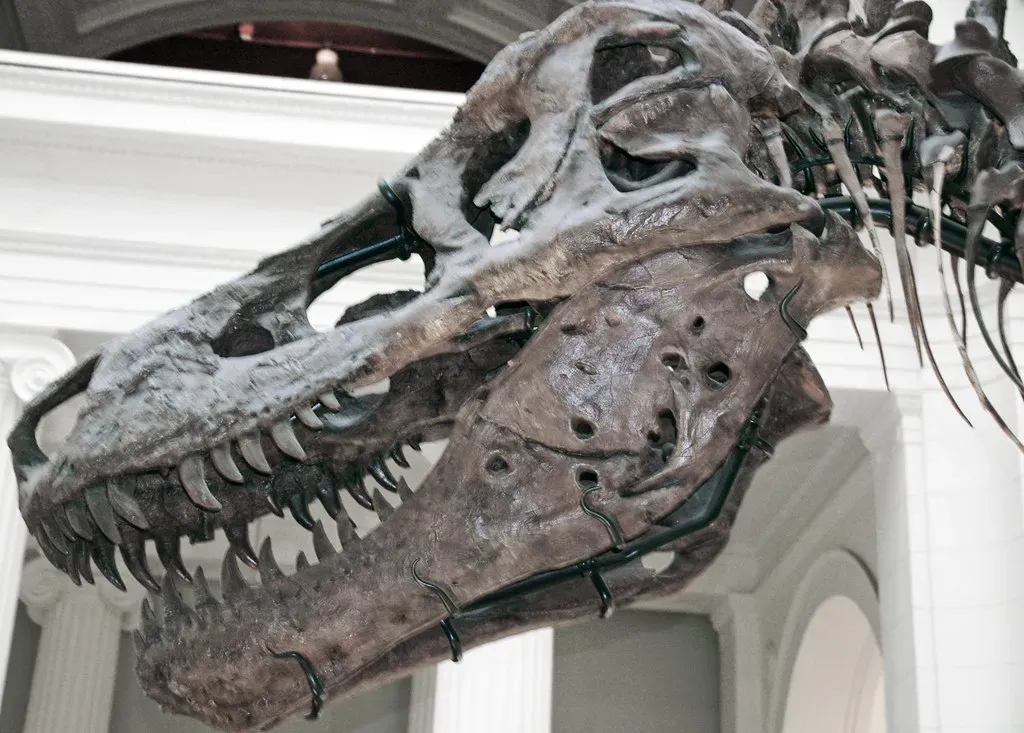
A new study has found evidence that a potentially deadly bone disease endangered the lives of numerous long-necked dinosaurs in what is now Brazil, roughly 80 million years ago. Scientists examining sauropod fossils from Brazil discovered multiple specimens with osteomyelitis, a destructive bone infection. The bones we analyzed are very close to each other in time and from the same palaeontological site, which suggests that the region provided conditions for pathogens to infect many individuals during that period.
The environment likely played a major role in disease transmission. This environment probably favored pathogens, which may have been transmitted by mosquitoes or by the water itself that was ingested by the fauna, which included dinosaurs, turtles, and animals similar to today’s crocodiles. Standing water, slow-moving rivers, and swampy conditions created breeding grounds for disease-causing organisms. Because none of the bone lesions show evidence of healing, the infections were probably still active at the time of death. Let’s be real: these infections advanced quickly and were likely fatal. The chaotic architecture of bone lesions helped scientists distinguish infections from simple bite marks or fractures.
Cancer Afflicted Dinosaurs Just Like Modern Animals
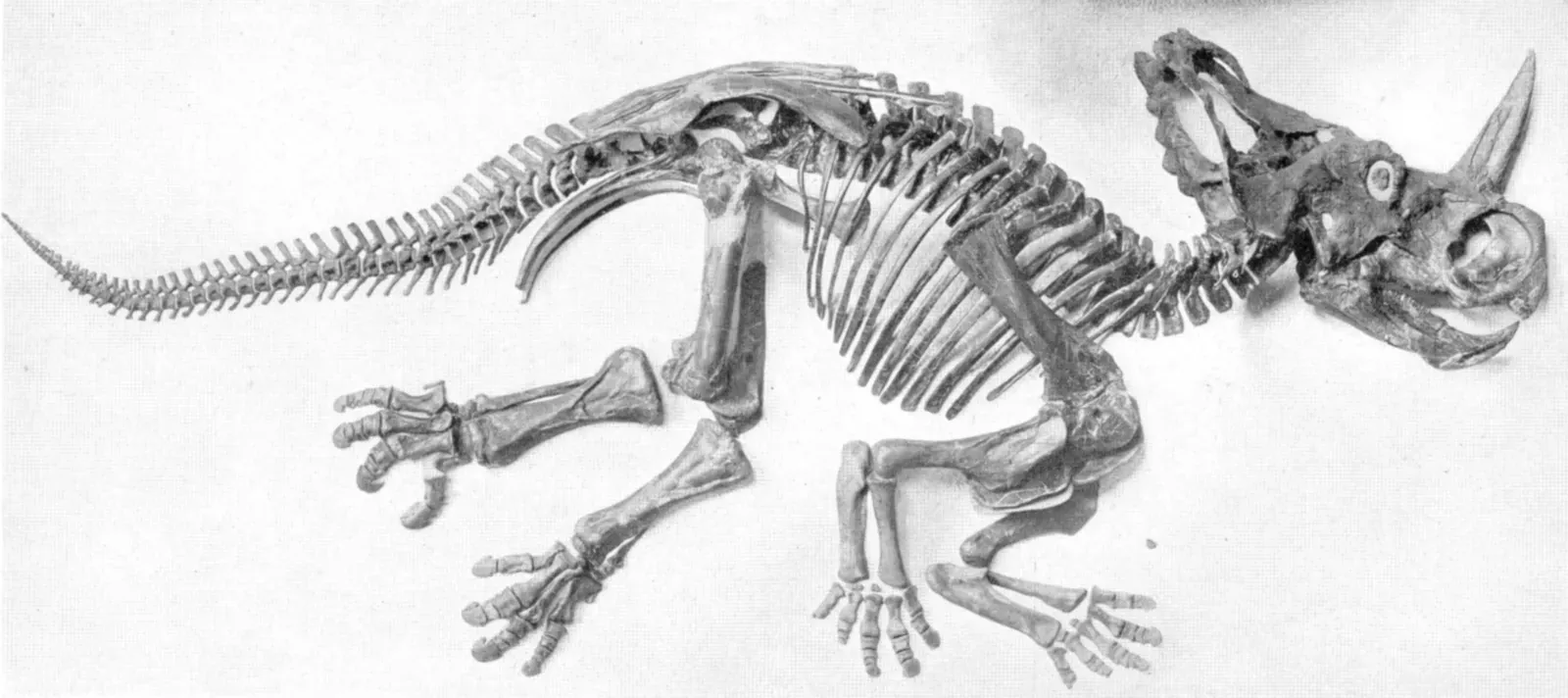
The advanced cancer was found in the lower leg bone (fibula) of a Centrosaurus apertus, a plant-eating, horned dinosaur that lived about 75 to 77 million years ago. This discovery, confirmed through multiple diagnostic methods, represents the first conclusive evidence of osteosarcoma in a dinosaur. New research has led to the discovery and diagnosis of an aggressive malignant bone cancer for the first time ever in a dinosaur, as no malignant cancers have ever been documented in dinosaurs previously.
The multidisciplinary team treating this case approached it exactly as they would a human patient. Osteosarcoma is a bone cancer that usually occurs in the second or third decade of life and is an overgrowth of disorganized bone that spreads rapidly both through the bone in which it originates and to other organs, including most commonly, the lung. The tumor was advanced enough that it had probably plagued the animal for some time, and a similar case in a human, left untreated, would likely be fatal. Surprisingly, this particular Centrosaurus didn’t die from its cancer. Yet it was found in a massive bonebed, suggesting it died as part of a large herd of Centrosaurus struck down by a flood. The herd’s protection likely allowed this individual to survive far longer than it would have alone.
Traumatic Injuries Reveal Behavioral Patterns
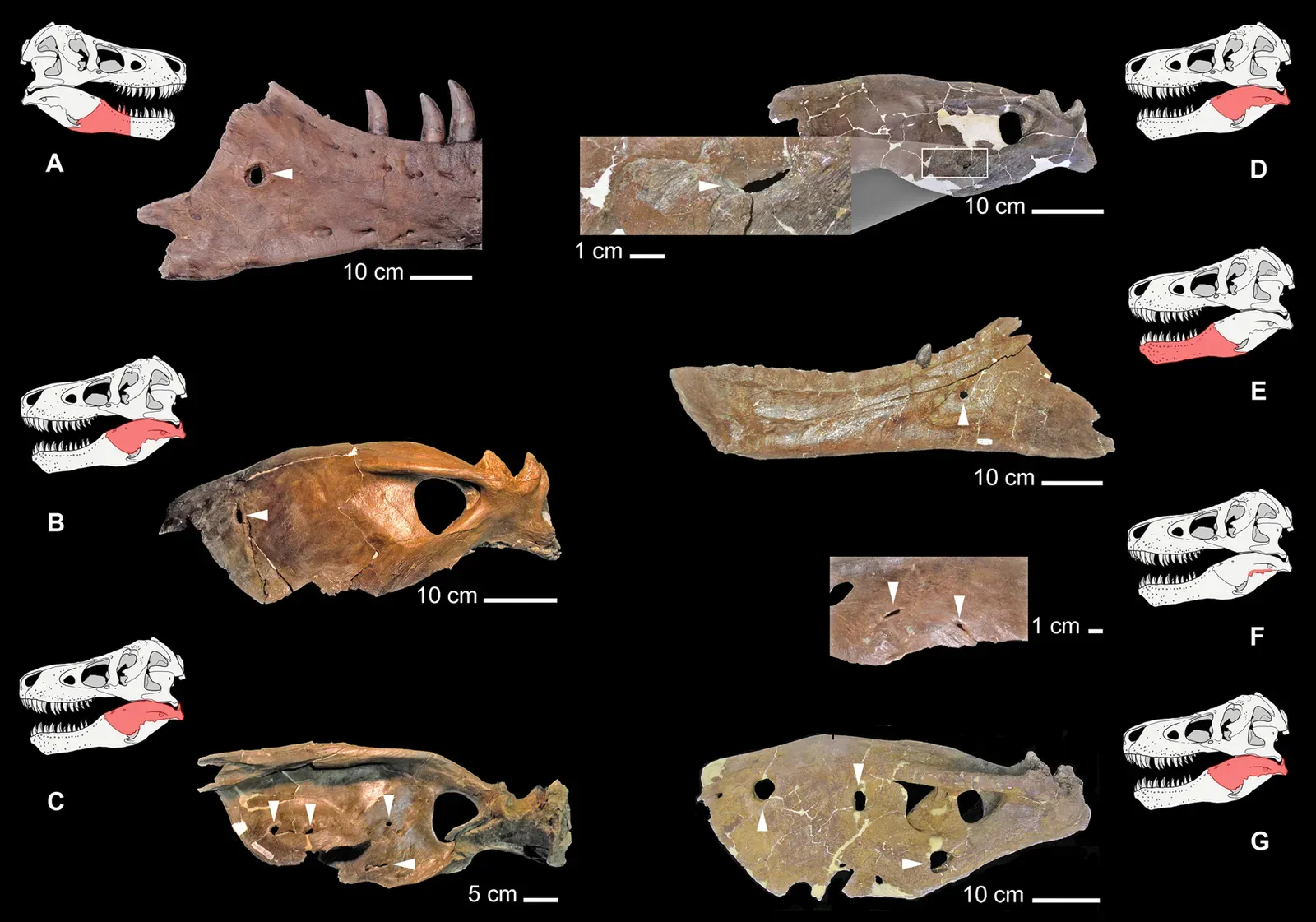
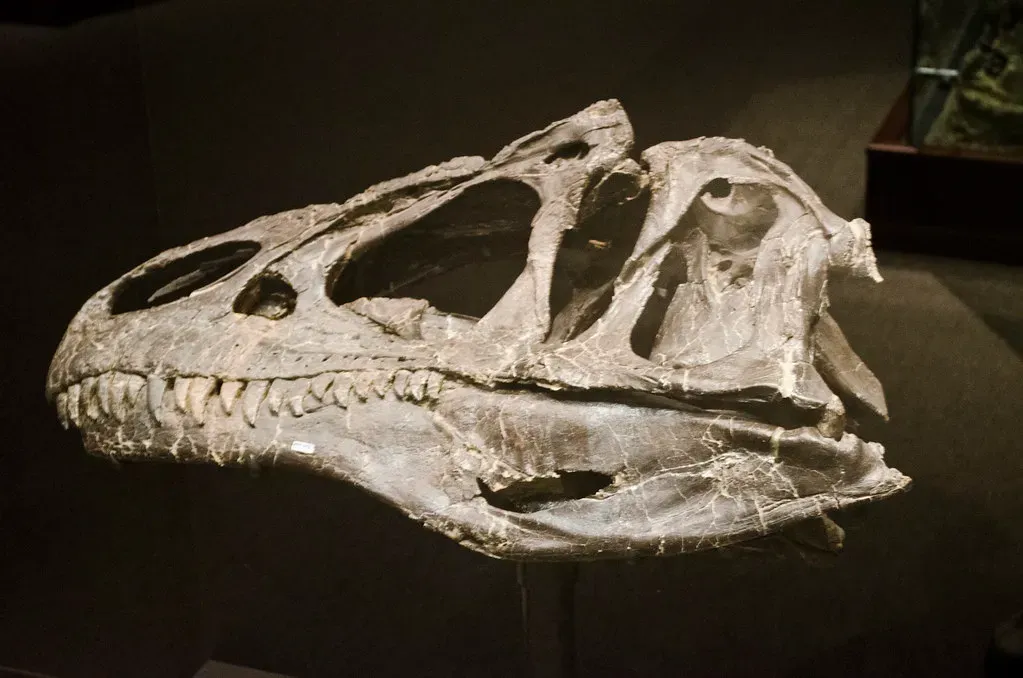
Most of pathologies are recovered among large-sized theropods; traumatic and infectious disease are the most represented pathologies; the portion of the skeleton most commonly affected are the appendicular and axial regions. Fractures, bite marks, and stress injuries tell stories about how dinosaurs lived, fought, and hunted. Pathologies have been seen on most theropod body parts, with the most common sites of preserved injury and disease being the ribs and tail vertebrae.
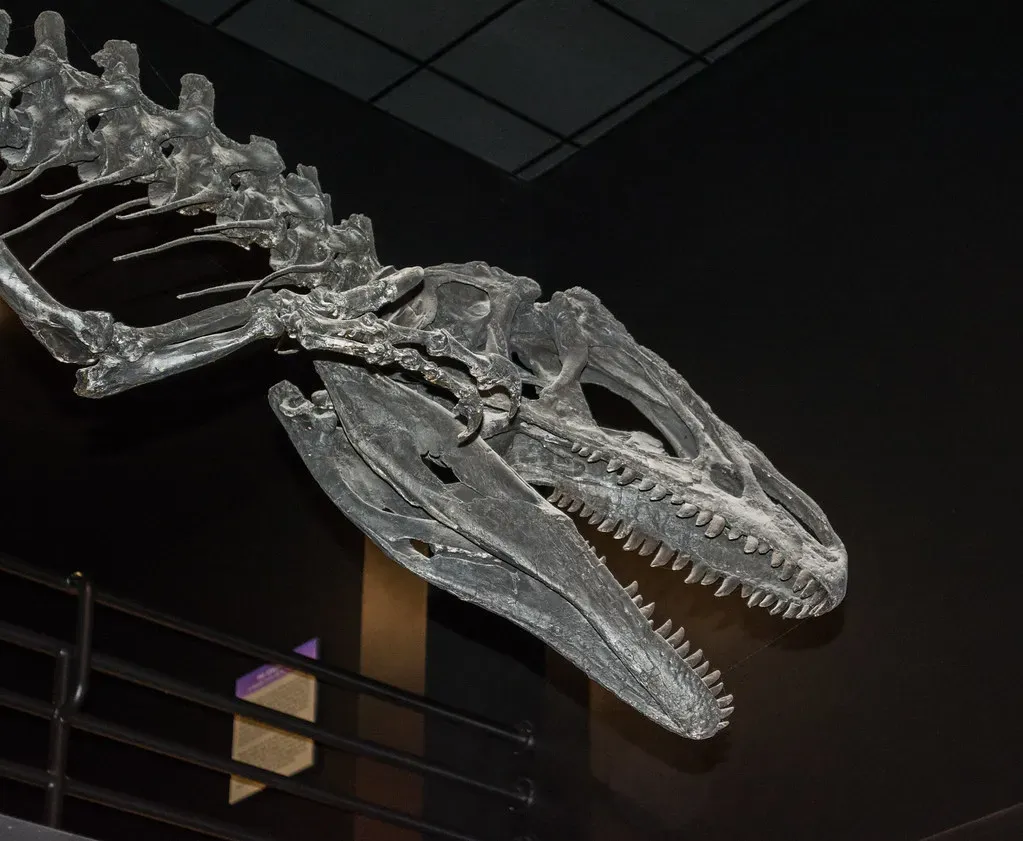
Statistical tests suggest tyrannosaurid had frequent bite marks in the cephalic region, which likely resulted from intraspecific antagonistic behaviour whereas allosaurids injuries in the ribs and hindlimb may reflect their active predatory lifestyle. These patterns suggest that tyrannosaurs fought among themselves, possibly for territory or mates, biting each other’s faces in the process. Meanwhile, allosaurs apparently sustained injuries during active hunting, wrestling with struggling prey. The authors concluded that these fractures occurred during interaction with prey, suggesting that such injuries could occur as a result of the theropod trying to hold struggling prey with its feet. I think it’s remarkable how bone injuries can essentially function as behavioral fossils, preserving not just anatomy but actions.
Disease Shaped Dinosaur Evolution and Survival
By detecting these medical conditions in fossils, paleopathologists, experts in ancient disease and injuries, are gaining tantalizing insights into dinosaur behavior and evolution – how a dinosaur moved through its world, the relationship between predator and prey, and how dinosaurs of the same species interacted. The presence of disease in the fossil record reveals that dinosaurs lived in complex ecosystems teeming with pathogens. Like humans, dinosaurs lived in densely populated ecosystems that were teeming with pathogens, and we have only just begun to understand how these pathogens may have contributed to their demise.
Some experts believe these findings highlight the possibility that ancient giants evolved varied biological defenses against cancer, with dinosaurs, as long-lived, large-bodied organisms, presenting a compelling case for investigating how species managed cancer susceptibility and resistance over millions of years. Studying these ancient diseases helps modern scientists understand the evolutionary origins of illnesses that still affect us today. Establishing links between human disease and the diseases of the past will help scientists to gain a better understanding of the evolution and genetics of various diseases. The fact that osteosarcoma existed in the age of dinosaurs demonstrates that cancer isn’t just a modern phenomenon related to lifestyle or environmental toxins. It’s an ancient biological challenge that has existed for hundreds of millions of years.
Conclusion: Ancient Bones Tell Modern Stories
The evidence preserved in dinosaur fossils reminds us that these magnificent creatures weren’t the invincible monsters of Hollywood imagination. They suffered, healed, and sometimes succumbed to the same diseases that affect animals today. Through advanced imaging, interdisciplinary collaboration, and careful analysis, scientists continue uncovering the medical histories written in fossilized bone.
These discoveries do more than satisfy curiosity about the past. They provide crucial insights into how diseases evolved, spread, and affected species across millions of years. Understanding that cancer, respiratory infections, and bone diseases plagued creatures 75 million years ago offers perspective on the deep biological roots of these conditions. What fascinates you more: the idea that dinosaurs battled diseases remarkably similar to our own, or that their fossils can still teach us about medicine today? Share your thoughts in the comments.