
You know that feeling when someone compliments you in front of a crowd, or when your teacher calls on you unexpectedly? Your cheeks suddenly feel hot, a warmth spreads across your face, and you know without looking in a mirror that your face has turned bright red. It’s hard to say for sure, but that unmistakable sensation of blushing seems to strike at the worst possible moments. What makes this involuntary response even more frustrating is that once you realize you’re blushing, it only seems to get worse.
Blushing is something we’ve all experienced, yet it remains one of the body’s strangest reactions. Unlike other physical responses that seem to serve clear survival purposes, the reason your face turns crimson when you’re embarrassed has puzzled scientists for generations. Let’s dive into the fascinating science behind why those rosy cheeks appear when you least want them to.
Your Body’s Internal Alarm System Takes Control
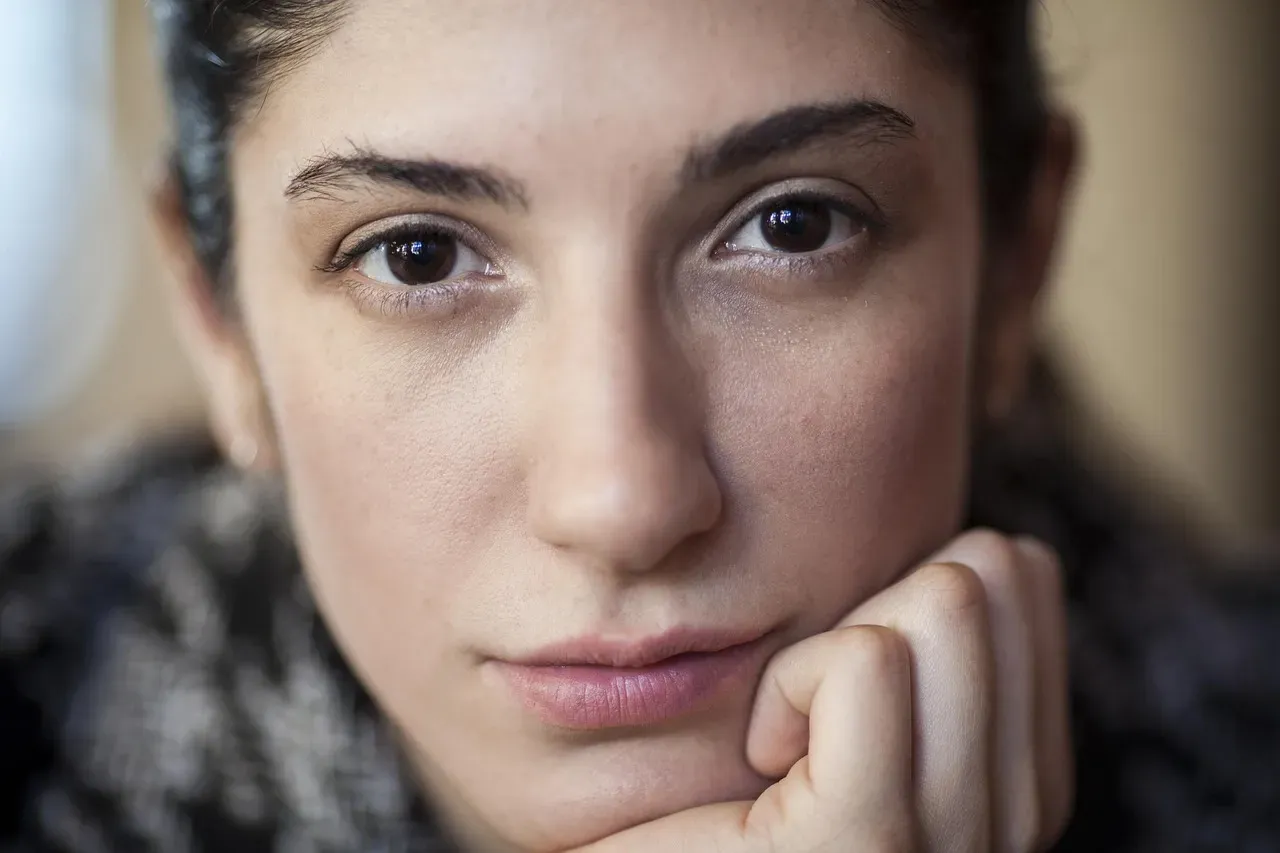
When you blush, you’re witnessing your sympathetic nervous system in action. This is the same network of nerves responsible for your fight or flight response, triggering involuntary reactions when you face emotional stress like embarrassment, shyness, or even romantic attraction. Let’s be real, it seems strange that your body treats social embarrassment the same way it would respond to a physical threat.
The moment you feel embarrassed, your body releases adrenaline, that powerful hormone that acts as a natural stimulant and speeds up your breathing and heart rate. Adrenaline causes your blood vessels to dilate, and the veins in your face respond to this signal, allowing more blood to flow through them than usual. The result is that telltale reddened appearance that broadcasts your discomfort to everyone around you.
Why Your Face Becomes The Star Of The Show

Your facial skin has more capillary loops per unit area and generally more vessels per unit volume than other skin areas, and the blood vessels of the cheek are wider in diameter, nearer the surface, with visibility less diminished by tissue fluid. Think of your face as being specially wired for maximum visibility when blood flow increases.
A blush is brought about by increased capillary blood flow in the skin, typically reddening the cheeks and forehead, though it can also extend to the ears, neck and upper chest. Honestly, this anatomical design seems almost cruel. Your face is essentially built to announce your embarrassment to the world, whether you like it or not.
The Involuntary Nature Makes It Impossible To Fake

You have no conscious control over blushing because it is an involuntary response. A blush is involuntary and uncontrollable, an actor might simulate a smile or frown, but not a blush, and awareness that you are blushing intensifies it. Here’s the thing: the more you try to stop it, the worse it gets.
Blushing appears to beget more blushing, and if you’re simply told that you’re blushing when you actually weren’t, it can end up inducing it, because believing that you will blush can act as a self-fulfilling prophecy. This creates a vicious cycle that many people find deeply frustrating. The fear of blushing can become its own trigger, leading to a self-perpetuating pattern that’s difficult to break.
Charles Darwin Called It Our Most Human Expression

Charles Darwin devoted an entire chapter of his 1872 work to complex emotional states including blushing, describing it as the most peculiar and most human of all expressions. Blushing is ubiquitous in humans, yet unique to our species, and scientists still don’t understand its evolutionary purpose. No other animal on Earth blushes quite like we do.
Darwin’s fascination with blushing stemmed from its uniqueness. He marveled that children only start blushing around three years of age, noting that the physical requisites are in place from birth, but not until later the necessary emotional dexterity. This suggests that blushing requires a level of self-awareness and social consciousness that develops as we grow and learn to navigate social situations.
It Functions As Your Body’s Built-In Apology

Blushing evolved as a means of enforcing social codes, and by blushing when embarrassed, you show others that you recognize you’ve just misstepped socially and that you’re paying the price for it. When you blush, others know that your emotional experience is true and sincere, and when people blush in embarrassing situations, they are more likely to be seen as likable and trustworthy. It’s like a built-in polygraph that you can’t control.
When people blush after a transgression or mishap, their state of shame and embarrassment is considered more intense by onlookers, and consequently they are viewed more favorably, and in one study, cheaters in a financial game who subsequently blushed were soon trusted again. This finding suggests that despite how uncomfortable it feels, blushing might actually work in your favor socially.
Your Brain Treats Social Pain Like Physical Danger

Embarrassment or shame are examples of what scientists refer to as social pain, and because our survival as a species is so dependent on our sense of belonging, we evolved to experience social pain as deeply as physical pain, with being cast out of the group as dangerous to humans as physical threats. Your brain doesn’t distinguish much between being chased by a predator and being humiliated in front of your peers.
Your brain is wired to value group acceptance, and from an evolutionary perspective, being part of a group once meant survival, with that ancient wiring still influencing emotions today, especially in social situations that feel threatening. This explains why even minor social slip-ups can trigger such intense physical reactions. Your body is essentially sounding an alarm about potential social rejection.
Not Everyone Blushes The Same Way

Dark skin generally doesn’t manifest blushing as easily as lighter skin, and darker-skinned people who blush may appear to have darker hues on the cheeks when blushing. Severe blushing is common in people who have social anxiety, where the person experiences extreme and persistent anxiety in social situations, with idiopathic craniofacial erythema being a medical condition where a person blushes strongly with little or no provocation. Some people are simply more prone to frequent, intense blushing episodes.
Blushing can result from feeling like you’re the centre of attention, and in a study where people had to sing while someone stared at one side of their face, researchers found that blood flow to the face increased only on the cheek that was being watched. This reveals that blushing isn’t just about embarrassment itself but about perceived social exposure and scrutiny.
Recent Brain Research Reveals New Insights

Blushing has been linked to activation in the cerebellum and the left paracentral lobe. Participants blushed more when they watched themselves singing compared with someone else, aligning with the notion that blushing typically occurs when the self is exposed, and participants who blushed more showed patterns of brain activity suggesting heightened emotional arousal and attention. Scientists are now using advanced imaging to map exactly what happens in your brain when those rosy cheeks appear.
These results support the theory that blushing is triggered by a sudden surge of alertness when we are socially exposed, not by thinking about what others might be thinking of us. This suggests that blushing happens faster than conscious thought, making it even more difficult to control or prevent.
Conclusion: Embracing Your Rosy Cheeks

Blushing might feel like your body’s way of betraying you at the worst possible moments, yet it serves a genuine social function. In the context of transgressions and mishaps, blushing is a helpful bodily signal with face-saving properties, making it unwise to hide the blush or try not to blush in these types of contexts. Rather than seeing it as a weakness, perhaps you can view it as an honest signal that you care about social norms and other people’s perceptions.
While the exact evolutionary origins remain debated, research consistently shows that people who blush are perceived as more genuine, trustworthy, and likeable. So next time those cheeks turn crimson, remember that your body is actually doing something remarkable: it’s broadcasting your sincerity in a way that words never could. Have you ever noticed how people respond differently to you when you blush? It might surprise you to realize that this involuntary reaction could be working in your favor more than you think.