
Have you ever woken up from a dream so vivid it felt more real than reality itself? Maybe you were flying through impossible landscapes, or having a conversation with someone you haven’t thought about in years. Dreams have puzzled humanity since we first began reflecting on our own consciousness. They’re strange, often illogical, sometimes frightening, and yet utterly universal.
Everyone is thought to dream between three and six times per night. Yet most of us barely remember these nightly adventures. Your brain is working overtime while you sleep, generating entire worlds of experience that vanish like smoke the moment you open your eyes. Let’s dive into what science has discovered about these mysterious mental movies and why your brain bothers creating them at all.
Your Brain’s Nightly Theater Performance

When you drift off to sleep, your brain doesn’t simply power down like a laptop. Disconnected from the environment, your brain can generate by itself an entire world of conscious experiences. Think about how remarkable that is. Without any input from your eyes, ears, or other senses, your mind conjures up entire scenarios complete with sights, sounds, emotions, and narratives.
Rapid eye movement sleep produces the most memorable and vivid dreams. During this stage, your brain becomes nearly as active as when you’re awake. Your eyes dart back and forth beneath closed lids. Your heart rate increases, your breathing quickens, yet your body remains essentially paralyzed. Researchers believe this temporary paralysis helps protect us from acting out our dreams. It’s your brain’s way of keeping you safe while it runs wild simulations.
The Memory Consolidation Workshop
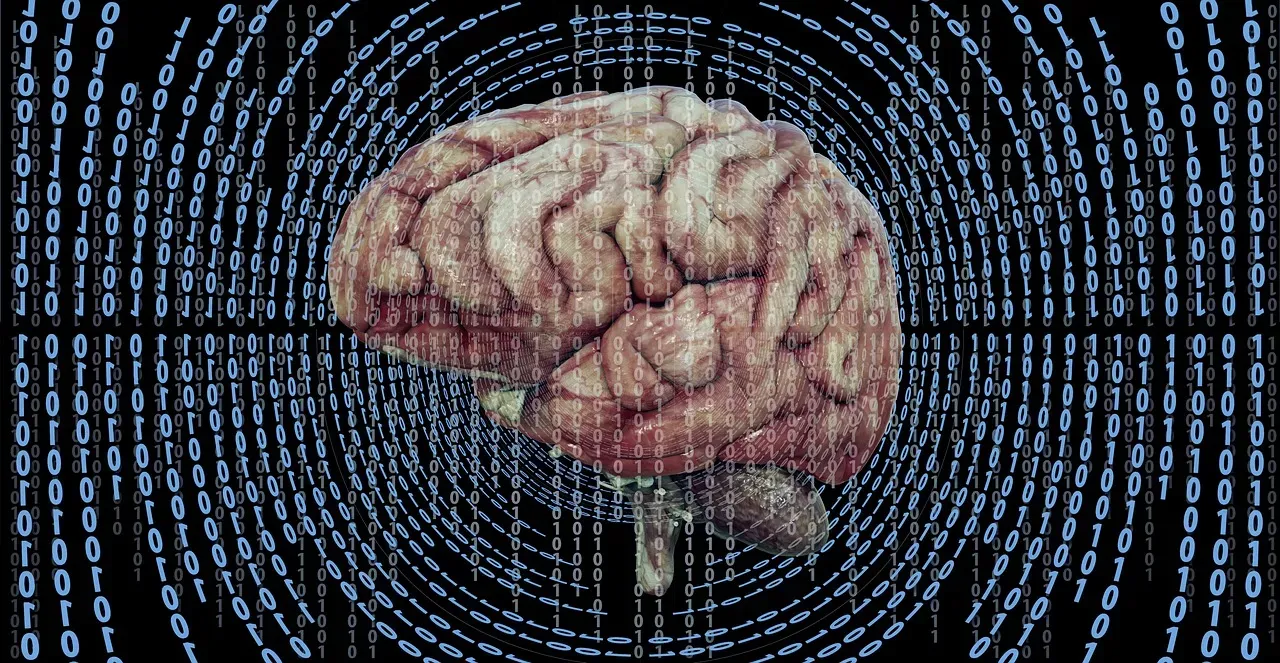
One of the strongest theories about dreaming involves your brain’s filing system. Every single day, you’re bombarded with massive amounts of information. Faces, conversations, new skills, random facts, emotional experiences. Where does it all go?
Dreaming has been associated with consolidation of memory, which suggests that dreaming may serve an important cognitive function of strengthening memory and informational recall. It’s like your brain is sorting through the day’s receipts, deciding what to keep and what to toss. Dreaming about a learning task is associated with improved memory performance, suggesting that dream content may be an indication of memory consolidation. That bizarre dream about your high school chemistry teacher explaining a work presentation? Your brain might be connecting old knowledge with new information, weaving it all into your long-term memory network.
Recent research from the University of California even suggests something more specific. People who report dreaming show greater emotional memory processing, suggesting that dreams help us work through our emotional experiences.
Processing Emotions While You Sleep

Ever notice how dreams can feel intensely emotional? You wake up crying, laughing, or with your heart pounding from fear. This isn’t random. One theory is people dream to process emotions, and by dreaming, people might work through emotional challenges and better prepare themselves for the difficulties of everyday life.
Your dreams might actually be emotional rehearsals. The threat simulation theory suggests that dreaming should be seen as an ancient biological defense mechanism that provided an evolutionary advantage because of its capacity to repeatedly simulate potential threatening events. When you dream about showing up to an exam unprepared or being chased by something terrifying, your brain is essentially running practice drills. It’s preparing you to handle stress and danger without putting you in actual harm’s way.
When we don’t process our emotions, especially negative ones, this increases personal worry and anxiety, and severe REM sleep deprivation is increasingly correlated to the development of mental disorders. Dreams help regulate that fragile bridge connecting your experiences with your emotions and memories.
The Activation-Synthesis Theory of Random Chaos
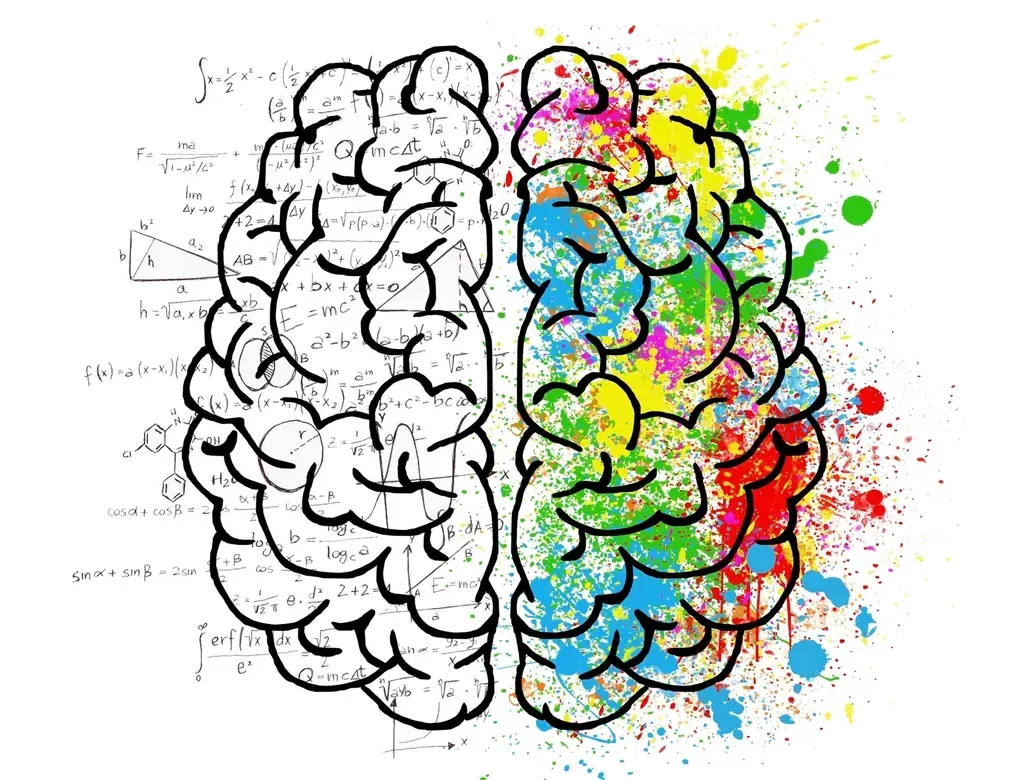
Here’s where things get interesting. Not everyone agrees dreams have deep meaning. The activation-synthesis hypothesis states that dreams don’t actually mean anything: they are merely electrical brain impulses that pull random thoughts and imagery from our memories, and humans construct dream stories after they wake up, in a natural attempt to make sense of it all.
Think of it like your brain’s screensaver gone wild. Random neurons fire, pulling up disconnected images and memories, and your conscious mind tries desperately to create a coherent narrative from the chaos. That’s why you might dream about your childhood dog wearing a business suit at your wedding. Your brain grabbed random elements and tried to weave them into something that made sense.
Still, this theory has been challenged. Given the vast documentation of realistic aspects to human dreaming as well as indirect experimental evidence that other mammals such as cats also dream, evolutionary psychologists have theorized that dreaming really does serve a purpose. Would evolution really preserve something so complex and universal if it served no function at all?
Your Subconscious Mind at Work
From ancient civilizations to modern neuroscience, dreams have been regarded as a window into the subconscious mind, offering insights into our innermost thoughts, emotions, and desires. Sigmund Freud famously believed dreams were the royal road to understanding the unconscious. While modern neuroscience has moved beyond some of his specific theories, the basic idea persists.
Neuroscientific findings suggest that dreams are related especially to limbic and right emotional brain circuits, and that during REM stages they engage self-related and visual internally generated processing, serving the purpose of reintegrating and restructuring the integrity of the psyche. Your dreams aren’t just random noise. They’re deeply connected to your sense of self, your memories, and your emotional state.
Dreams are memories, experiences, or desires that are expressed by our subconscious mind. They reveal what’s lurking beneath the surface of your conscious awareness. That recurring dream about being unprepared? It might point to deeper anxieties you haven’t fully acknowledged while awake.
Why Your Dreams Are So Weird and Forgettable
Let’s be real. Dreams are bizarre. You accept impossible scenarios without question. Logic disappears. During dreaming there is a prominent reduction of voluntary control of action and thought, and we cannot pursue goals and have no control over the dream’s content.
Why are they so strange? Frontal and posterior areas of the brain are less coherent in most frequencies during REM sleep, a fact which has been cited in relation to the chaotic experience of dreaming. The parts of your brain responsible for logic and reasoning are essentially taking a nap while the emotional and visual centers run wild.
Around ninety-five percent of dreams are forgotten by the time a person gets out of bed. Unless you wake up during or immediately after a dream, it typically evaporates. Memory for the dream often vanishes rapidly unless written down or recorded, even for intense emotional dreams. The neurochemical conditions that allow dreaming apparently don’t favor memory formation.
Dreams as Evolutionary Survival Tools

Here’s something that might surprise you. While reptiles and many other animals don’t dream, mammals and birds apparently do, and dreaming is so ubiquitous across mammals and even birds that there must be a good reason for it. Evolution doesn’t waste energy on useless processes.
Some researchers propose that dreams prevent your brain from becoming too specialized. A fascinating theory suggests dreams work like creative fiction for your brain. The overlap between how humans dream and how machine learning experts avoid pure memorization and help programs transfer knowledge from one problem to others lends credence to the idea that the evolved function of dreaming is for precisely these purposes.
Your brain needs variety. If it only ever processed exact replays of your daily experiences, it might become too rigid, too narrowly focused. Dreams introduce randomness and creativity, helping your brain stay flexible and adaptable. Think of dreaming as your mind’s way of staying limber.
What Your Dreams Really Mean for You

So what does all this mean for you personally? Dreams are not sent to us by the gods, nor are they a disguised message from the unconscious mind, but generated by the same mind and brain that create our waking conscious experience, dreams bear a transparent relationship to waking experience.
Your dreams reflect your life. Participants frequently identify recent memories as a source of dream content, and waking experiences are transparently represented in the content of dreams, with particularly salient daytime experiences being preferentially incorporated into dreaming. That stressful meeting, that emotional conversation, that new skill you’re learning – they’re all showing up in your nightly mental cinema.
Newly encoded memories are reactivated and consolidated in the sleeping brain, and this process is directly reflected in the content of concomitant sleep mentation, providing a valuable window into the mnemonic functions of sleep. Your dreams aren’t meaningless gibberish. They’re your brain at work, processing, organizing, and making sense of your experiences.
Dreams are ultimately one of the most human things about us. They are tied to memory, emotion, learning, and even survival. They’re messy, illogical, sometimes disturbing, and often forgotten, but they’re also essential to who you are. Every night, while you sleep, your brain is running its own private theater, helping you process emotions, consolidate memories, and prepare for whatever tomorrow brings. The mystery hasn’t been completely solved, but we’re closer than ever to understanding why your mind takes you on these strange journeys each night. Sweet dreams, and maybe you’ll remember them tomorrow.