
Have you ever looked up at the stars on a quiet night and felt an overwhelming urge to understand why you’re here? You’re not alone. That gnawing question about purpose has haunted humanity since we first developed the capacity for abstract thought. While other animals seem content simply surviving and reproducing, we humans possess this peculiar obsession with finding deeper meaning in our existence.
It’s fascinating, really. We’re the only species that creates art, writes poetry, builds cathedrals, and lies awake at night wondering if any of it matters. This quest for meaning isn’t just some philosophical indulgence reserved for late-night conversations or university classrooms. It turns out that seeking purpose might be as fundamental to your wellbeing as eating or sleeping. Let’s explore what drives this uniquely human phenomenon and why your brain seems hardwired to search for something more than just getting through another day.
The Evolutionary Blueprint Behind Our Purpose-Seeking Nature

Think about it for a moment. Why would evolution equip us with this relentless drive to find meaning when a squirrel seems perfectly happy just collecting nuts? Evolutionary psychologists suggest that all human behaviors reflect the influence of physical and psychological predispositions that helped our ancestors survive and reproduce. Your brain didn’t evolve in a vacuum. It developed specific mechanisms to solve problems that mattered for survival in ancestral environments.
The pursuit of goals like protecting oneself from danger, maintaining romantic relationships, achieving social status, and caring for family members are all relevant to evolutionary fitness, and a sense of purpose in life may have evolved because it signals that fitness-relevant motives are being satisfied. Basically, when you feel purposeful, your brain is telling you that you’re successfully tackling the challenges that would have kept your ancestors alive and thriving. Research involving nearly 2,000 participants found that people who agreed with statements about getting along with others, gaining respect, and being close to family members tended to report feeling more purpose in life.
Your ancestors who felt driven to protect their children, build alliances, or master essential skills were more likely to pass on their genes. That sense of purpose kept them motivated through harsh winters and dangerous hunts.
How Your Brain Constructs Meaning From Chaos
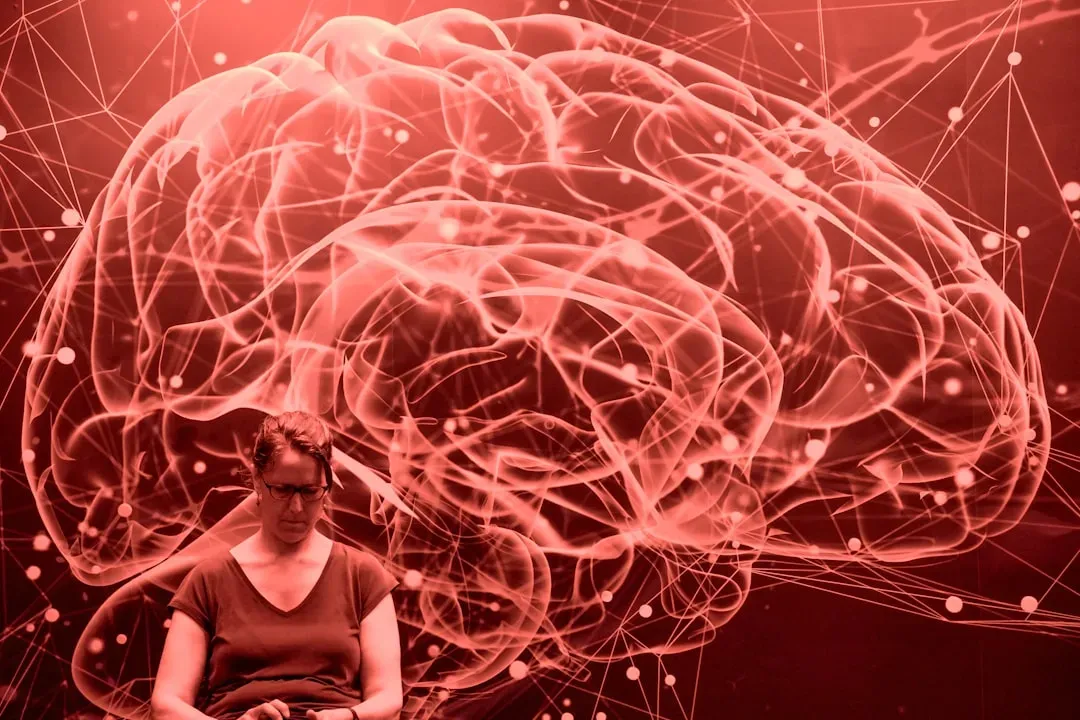
Here’s where things get really interesting. There is no interpreter in the brain to assign meaning to changes in neuronal firing patterns, so neurons need a way to compare or ground their firing patterns to something else, which is known as the brain’s ability to assign meaning to changes in neuronal firing patterns that result from sensory inputs. Your brain is essentially creating your experience of reality and meaning from scratch.
The medial prefrontal cortex has been identified across various behavioral domains including threat learning, emotion regulation, and self-cognition, all of which converge on schematic meaning-making processes, with subcortical regions needed for basic learning while the medial prefrontal cortex is responsible when the meaning of events has to be inferred from the situation. This means your brain isn’t passively receiving meaning from the world. It’s actively constructing it by linking current experiences to past patterns and future predictions.
Behavioral neuroscience examines the biological basis of behavior in humans and animals, typically examining the brain’s neurotransmissions and the psychological events associated with biological activity. Recent studies even show that emotional words trigger specific neurotransmitter patterns in brain regions previously thought unrelated to language processing, suggesting that your search for meaning involves your entire brain working in concert.
The Dark Side of Meaninglessness

Let’s be real here. The absence of meaning isn’t just disappointing; it can be genuinely dangerous to your mental health. Nearly three in five young adults reported feeling a lack of meaning or purpose in the previous month, and half reported feeling a lack of direction in their lives. That’s staggering when you think about it.
Having greater purpose in life was significantly associated with lower levels of depression and anxiety, and research indicates that purpose in life may build greater resilience after exposure to negative events. When you lack purpose, you’re not just missing out on warm fuzzy feelings. You’re losing a crucial protective factor against psychological distress. Existential angst, which is anxiety about life’s purpose and meaning, along with a feeling of emptiness, can cause chronic anxiety and sometimes even panic disorder.
The data is sobering. Young adults without a sense of direction report anxiety and depression at alarming rates, nearly double that of teenagers. Your need for meaning isn’t optional luxury packaging; it’s fundamental psychological architecture.
Viktor Frankl’s Revolutionary Discovery
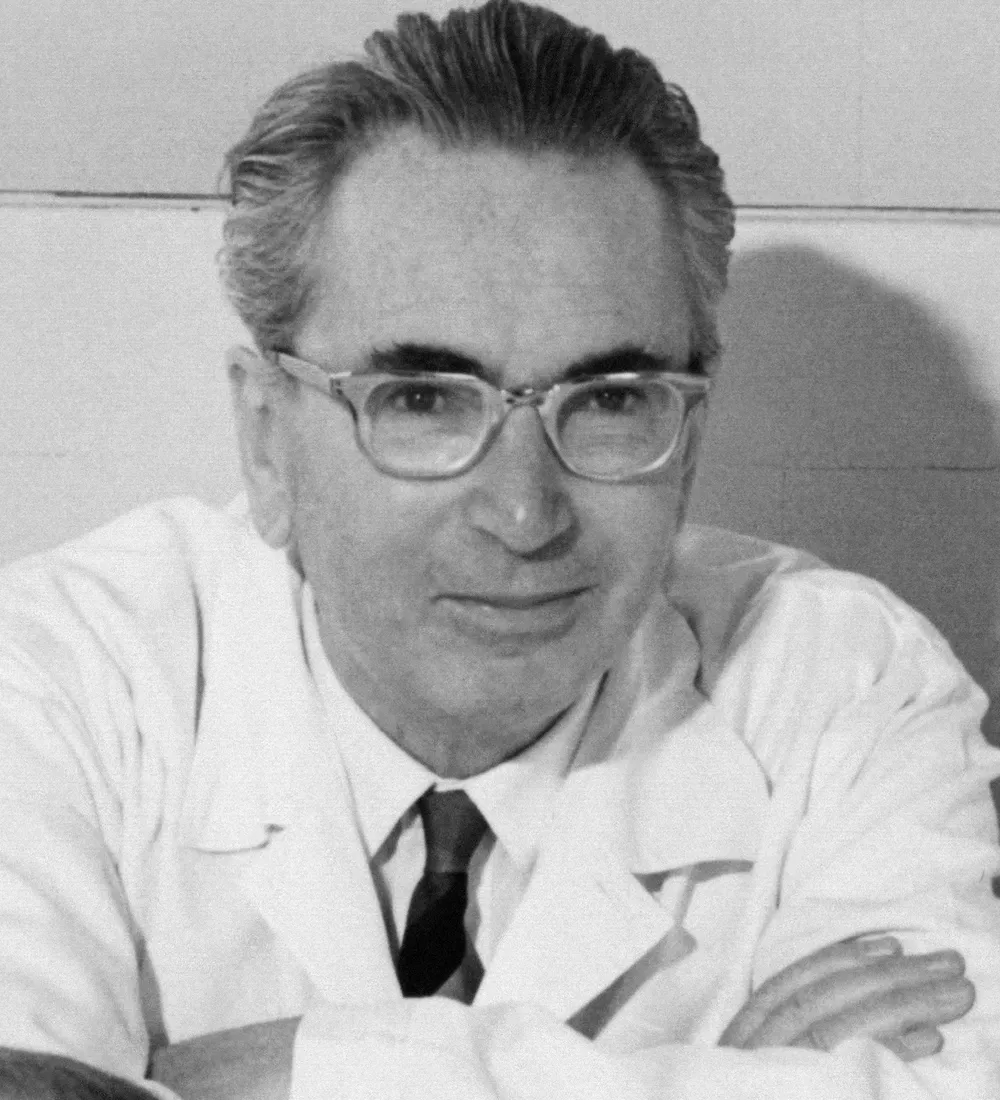
Sometimes the most profound insights come from the darkest places. Viktor Frankl’s experiences in concentration camps confirmed his view that it is through a search for meaning and purpose in life that individuals can endure hardship and suffering. This wasn’t just theory for Frankl. He lived it.
Frankl concluded that the meaning of life is found in every moment of living and that life never ceases to have meaning even in suffering and death, and he concluded from his experience that a prisoner’s psychological reactions are not solely the result of conditions but also from the freedom of choice he always has even in severe suffering. Think about that. Even in the worst imaginable circumstances, the ability to find meaning made the difference between psychological survival and collapse.
Frankl was expelled from Alfred Adler’s circle when he insisted that meaning was the central motivational force in human beings, eventually founding logotherapy based on this principle. His theory wasn’t warmly received at first, yet it has influenced millions precisely because it addresses something we all instinctively recognize as true.
Meaning as Medicine for Modern Malaise

Frankl believed that humans are motivated by something called a will to meaning, which corresponds to a desire to seek and make meaning in life. This isn’t just philosophical speculation anymore. Modern psychology has validated what Frankl intuited decades ago. Meaning in life is expressed as an indicator of wellbeing and is related to life satisfaction, resilience, and positive wellbeing.
The research is remarkably consistent. When you feel your life has purpose, you experience less depression, lower anxiety, and greater overall satisfaction. Meaning in life was a direct predictor of life satisfaction, and this association remained significant even when controlling for positive and negative affect, which aligns with Frankl’s initial suggestion. It’s not just that happy people find meaning; finding meaning actually generates happiness and resilience.
Consider this: you can have all the material comforts imaginable, but without a sense that your activities matter, you’ll still feel empty. Conversely, people enduring significant hardship often report high life satisfaction when they perceive their struggles as meaningful.
The Social Dimension of Purpose

You cannot find meaning in isolation. Seriously, try it. Our ideas of meaning and purpose are closely associated with our connections to others, and loneliness, social exclusion, isolation, and lack of supportive community have all been linked to broader feelings of purposelessness in life. This makes perfect evolutionary sense when you remember that humans survived as intensely social creatures.
Through evolving as a group, we have developed empathy and altruism, which allow us to commiserate with each other’s circumstances and act in ways that are not self-serving, because what is better for the group as a whole is better for a person as an individual. Your brain literally rewards you with a sense of purpose when you contribute to something beyond yourself.
This explains why volunteering, mentoring, or simply being there for friends generates such profound satisfaction. You’re not just being nice; you’re fulfilling deep psychological needs that evolved over millennia of cooperative survival.
When the Search Itself Becomes Problematic

Here’s something that might surprise you. While the reported presence of meaning in life is linked to desirable psychological outcomes such as life satisfaction, the reported search for meaning is often linked to undesirable ones such as depression, because people may seek meaning when they are troubled. The paradox is real and important to understand.
The relationship between searching for meaning and symptoms of depression or anxiety depends on life circumstances, serving as a beneficial factor for those experiencing low-impact life events but as a harmful factor for those experiencing high-impact life events. When things are relatively stable, searching for meaning helps you grow. But during crisis, that same searching can amplify distress.
Think of it like this: actively seeking meaning when you’re fundamentally okay leads to discovery and growth. Desperately searching for meaning during trauma can feel like drowning while simultaneously trying to understand ocean currents. Sometimes you just need to survive first, find meaning later.
The Neuroscience of Purposeful Living
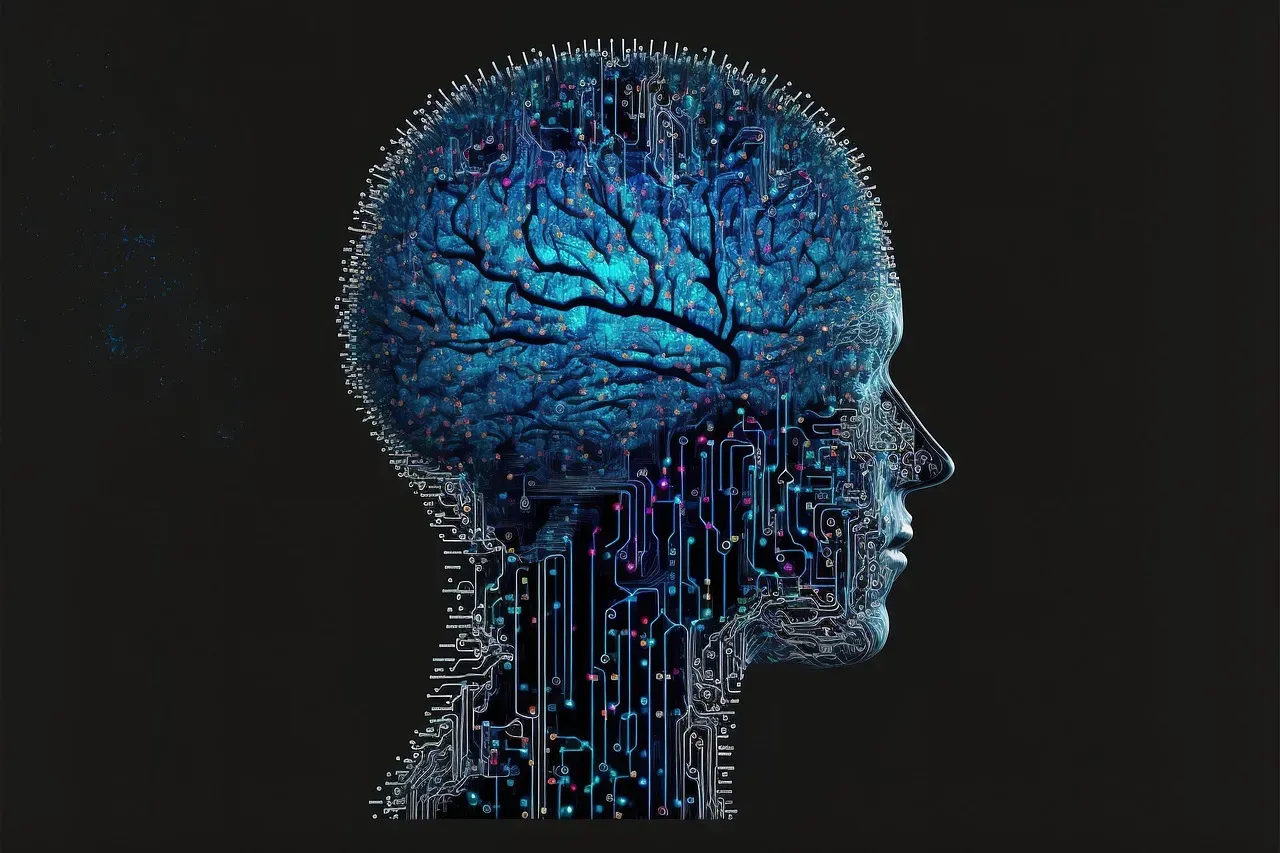
Let’s talk about what actually happens in your brain when you engage with meaningful activities. Brain chemicals like dopamine and serotonin send out signals related to positive or negative value of experiences, and findings suggest that these chemicals are released in specific areas of the brain when we process the emotional meaning of words. Your neurochemistry responds directly to meaning-related stimuli.
Even brain regions like the thalamus, not typically thought to have a role in processing language or emotional content, showed neurotransmitter changes in response to emotional words, suggesting that even brain regions not typically associated with emotional or linguistic processing might still be privy to that information. This is genuinely surprising. Your entire brain participates in meaning-making, not just the regions traditionally associated with higher reasoning.
What this means practically is that your sense of purpose isn’t some abstract concept floating around your consciousness. It’s embodied in your brain’s actual chemistry and structure.
Practical Pathways to Purpose

So how do you actually cultivate meaning in daily life? Purpose is a journey and a process, and there are intentional ways to work toward cultivating it, including focusing on your strengths, looking for role models who inspire you, becoming a mentor to someone else, and exploring opportunities to volunteer in areas that interest or concern you. It’s not about finding one grand purpose; it’s about engaging in purposeful actions.
Previous research shows that goal pursuit, not contemplation, predicts purpose in life, and evidence suggests that goal pursuit leads to purpose in life rather than the other way around. This flips conventional wisdom on its head. You don’t find your purpose first and then act; you act purposefully and thereby create meaning.
Start small. Help a neighbor. Learn something difficult. Commit to a cause. Create something. The meaning emerges from the doing, not from endless introspection about what you should be doing. Your brain is designed to find patterns and construct meaning from your actions, so give it something meaningful to work with.
Conclusion: The Ongoing Journey

Your search for meaning isn’t a bug in your psychological programming; it’s perhaps the most essential feature. Viktor Frankl founded logotherapy, a school of psychotherapy that describes a search for life’s meaning as the central human motivational force, and decades of subsequent research have validated this insight across cultures and contexts.
Existential wellbeing appears to be a significant contributor to psychological wellbeing and mental health, providing a sense of meaning and purpose in life that can be particularly beneficial for young individuals as they navigate their personal and professional lives. You’re not searching for meaning because there’s something wrong with you; you’re searching for meaning because you’re human.
The beautiful thing is that meaning isn’t hiding somewhere waiting to be discovered. You create it through your relationships, your struggles, your contributions, and your choices. Every day presents opportunities to act with purpose, to connect with others, to grow beyond your current limitations. Your brain will reward you for it with that elusive sense that yes, this matters.
What will you do today that creates meaning? Because honestly, your psychological wellbeing depends on having an answer.