
You’ve probably caught yourself scrolling through your phone, checking the likes on your latest post. Maybe you’ve hesitated before sharing an idea in a meeting, worried about how it might land. Or perhaps you’ve changed plans because someone might disapprove. These moments reveal something fundamental about human nature: our deep, sometimes overwhelming need for validation from others.
This psychological drive shapes your relationships, career choices, and even how you see yourself in the mirror. It’s wired into your brain’s reward pathways and echoes patterns from your earliest relationships. Honestly, understanding why you crave approval is the first step toward recognizing when that need serves you and when it holds you back. Let’s explore the fascinating science and psychology behind this universal human experience.
The Evolutionary Roots of Our Approval-Seeking Nature

Your brain is designed for you to connect with others for safety and belonging, making connection a biological imperative necessary for survival. Think about your ancestors living on the savanna thousands of years ago. Being cast out from the tribe meant facing predators alone, losing access to shared resources, and having no one to watch your back when danger approached.
Your ancestors’ survival depended on being accepted by their tribe, and those who were outcasts faced a grim fate, often perishing in the harsh wilderness alone. Early humans depended on tribes for survival, where being accepted meant protection, food, and safety, while rejection could mean isolation and death. This created powerful selection pressure that shaped your brain to constantly monitor social cues and seek acceptance.
Today, you’re no longer running from predators, but your brain hasn’t caught up to modern life. Your brains are wired to respond to social cues, and the same neural pathways that process physical pain are activated when you experience social rejection. That gut-wrenching feeling when someone excludes you isn’t just emotional drama; it’s your ancient survival system sending urgent signals.
How Your Brain Chemistry Fuels Validation-Seeking
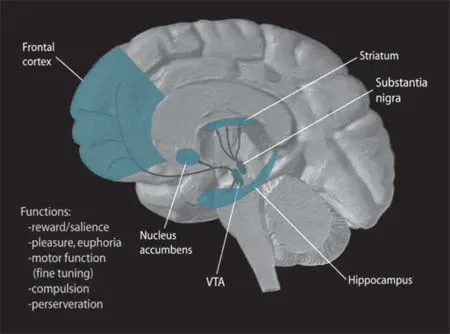
Every time you receive a compliment or see those notification numbers climb, something remarkable happens in your brain. External validation triggers dopamine, the brain’s feel-good chemical, giving you a temporary boost of happiness. Social validation activates the same reward pathways as basic needs like food and water, which is why praise from a colleague or appreciation from friends feels so satisfying as it literally lights up your brain’s reward centers.
Your brain has a reward system heavily influenced by dopamine, which makes you feel pleasure, and when you receive a compliment or external validation, your brain releases dopamine, giving you that reward-like feeling, almost like a drug. The more you get, the more you want. It becomes a cycle.
Frequent engagement with social media platforms alters dopamine pathways, a critical component in reward processing, fostering dependency analogous to substance addiction. The brain adapts to the habitual dopamine release elicited by social media interaction, reinforcing the reward pathways by favoring certain pathways over others. Your brain actually rewires itself to make seeking that validation faster and more automatic, which can lead to compulsive checking behaviors.
The Childhood Origins of Validation Seeking

Your relationship with approval didn’t start yesterday. Some children may face challenging experiences that result in low self-esteem or insecurity, and as adults, they might find it hard to validate themselves, leading them to persistently seek approval and turn to people-pleasing behaviors. Bullying and any abuse in childhood can lead to approval-seeking behaviors in adults, while growing up with a dismissive parent or experiencing emotional neglect may also lead someone to need approval from others.
Children typically develop the approval-seeking schema because their caregivers value what is socially desirable over what is a better fit for their child, and as a result, such children internalize that it is more important to fit in or get praise than to develop their own ideas, preferences, and opinions. Maybe your parents only noticed you when you brought home straight A’s. Perhaps attention felt scarce unless you were performing or achieving.
Individuals who experienced severe emotional abuse in childhood were significantly more likely to develop anxious attachment patterns, exhibiting a heightened need for intimacy and constant validation. Children raised in environments where caregivers were unpredictable in their responsiveness or emotionally unavailable may internalize a deep-seated fear of abandonment and rejection, and in adult relationships, they may become overly dependent on their partners for validation and reassurance. These early patterns become blueprints you unconsciously follow throughout life.
Social Media: The Validation Factory

Let’s be real: social media has turned validation-seeking into a 24/7 obsession for many people. Social media plays a major role in fueling validation addiction, as the constant feedback loop of likes, shares and comments can trigger dopamine spikes in the brain, reinforcing a dependency on digital affirmation. These features create what researchers have termed a dopamine loop, which is a cycle of anticipation, brief reward, and renewed anticipation that can lead to compulsive checking behaviors.
The obsession with likes has turned the selfie culture into a numbers game, leaving many feeling insecure and anxious regardless of their social status or age, with the number of likes on a selfie determining your worth and future. You craft the perfect caption, choose the ideal filter, and then what? You wait. You refresh. Each notification brings a tiny hit of pleasure, while silence feels like rejection.
Over time, people may find themselves curating content not based on authenticity but based on what will gain approval from others. Extended social media exposure alters dopamine regulation, reinforcing addictive tendencies similar to substance dependence, and excessive usage correlates with heightened depressive symptoms, exacerbated by social validation pressures and algorithm-driven content cycles. You’re no longer sharing your life; you’re performing for an audience, constantly adjusting the show based on the applause.
The Hidden Costs of Approval Addiction

Constantly seeking validation comes with a price tag you might not recognize immediately. Constantly seeking external validation increases cortisol levels, your body’s stress hormone, by up to 35 percent. Think of it like running on a hamster wheel: you’re expending enormous amounts of energy but never quite reaching that lasting satisfaction.
When the need for validation becomes excessive, it can have serious psychological consequences, and chronic validation-seeking can lead to anxiety and depression as you constantly worry about what others think and feel devastated by perceived rejection or criticism. It can erode your sense of self-worth, and when you rely too heavily on external validation, you lose touch with your own values and desires, and might find yourself living a life that looks good on paper but feels empty and unfulfilling.
Your relationships suffer too. This dependence on others’ opinions and perceptions can make you vulnerable to manipulation and can lead to a skewed self-perception, often leading to a constant need for approval and validation, and intense negative emotions such as shame, guilt, anger, loneliness, anxiety, and confusion when faced with disapproval. You might become a chameleon, constantly changing your colors to match whatever environment you’re in, never showing your authentic self to anyone, including yourself.
When Approval-Seeking Signals Something Deeper

Sometimes the need for validation points to underlying mental health challenges that deserve attention. The need for constant validation often stems from underlying mental health conditions. Validation addiction is the persistent urge to seek attention, praise or acknowledgment from others in order to feel a sense of self-worth or identity, and this craving often stems from early emotional wounds like feeling unseen, unheard or unworthy, growing into a pattern where external approval becomes the primary measure of personal value.
Excessive validation seeking can signal deeper mental health challenges, though a need for validation is a normal part of human interaction. When the need for validation becomes excessive, it may indicate that you are struggling with deeper issues such as chronic low self-worth, anxiety, or depression, and consistently relying on external validation can prevent you from developing a strong internal sense of self.
It’s hard to say for sure, but if you find yourself unable to make simple decisions without polling five friends, or if your mood completely crashes when someone doesn’t respond to your message immediately, these might be signs that your validation-seeking has crossed into unhealthy territory. There’s no shame in recognizing when you need professional support to work through these patterns.
The Difference Between Validation and Approval
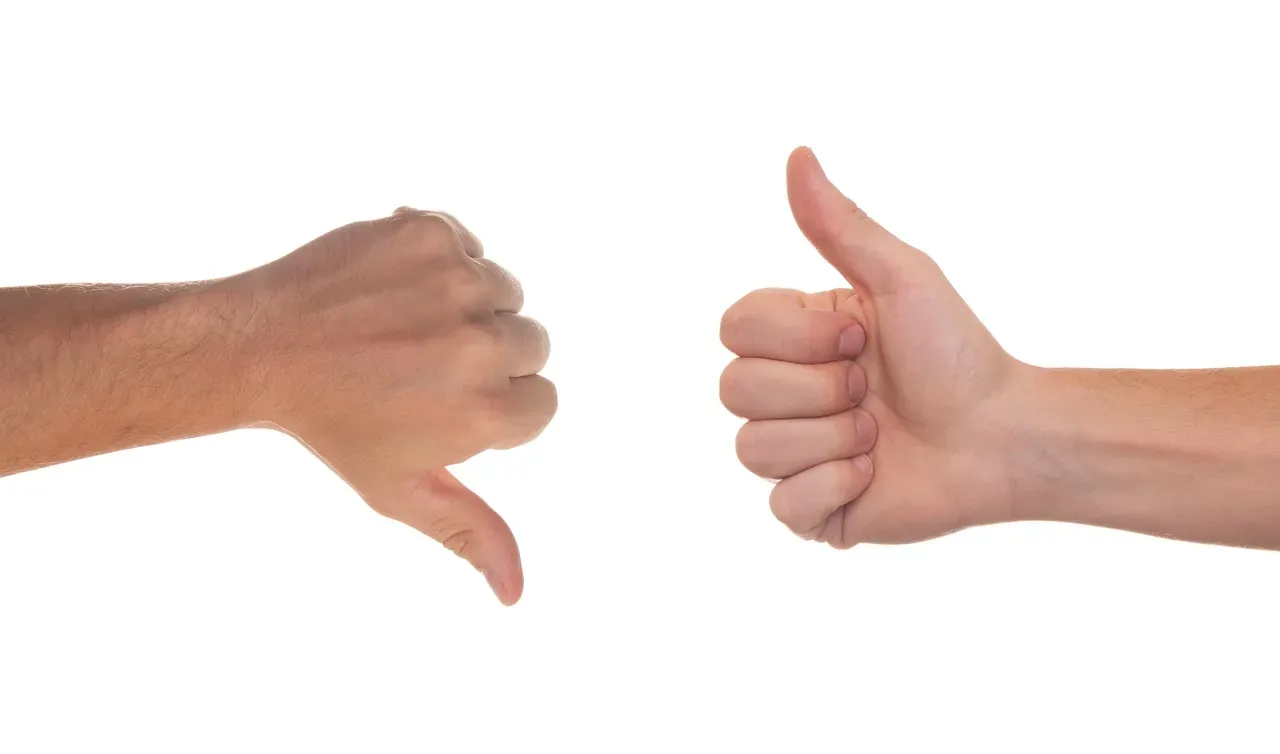
Here’s the thing: not all seeking of external input is problematic. You might ask your friends whether your perception of a situation is accurate or whether you acted appropriately, and these validation-seeking behaviors typically serve as a mirror to fine-tune your perception of a new situation, while your happiness and sense of self don’t typically depend on how others answer. This is healthy validation.
Validation is a much healthier behavior than seeking approval, as someone seeking approval puts the power in other people’s hands and allows other people to make them feel happy, sad, guilty, and so on. The purpose of validation is to feel understood, and friends who help you feel seen, even if they don’t totally agree with you, can improve your well-being.
When you seek validation, you’re checking your perceptions against reality, gathering information, staying open to feedback without your self-worth crumbling. When you seek approval, you’re handing over your emotional remote control to someone else. The distinction matters. One helps you grow and stay connected to reality. The other keeps you trapped in a cycle of dependence.
Breaking Free: Building Internal Validation
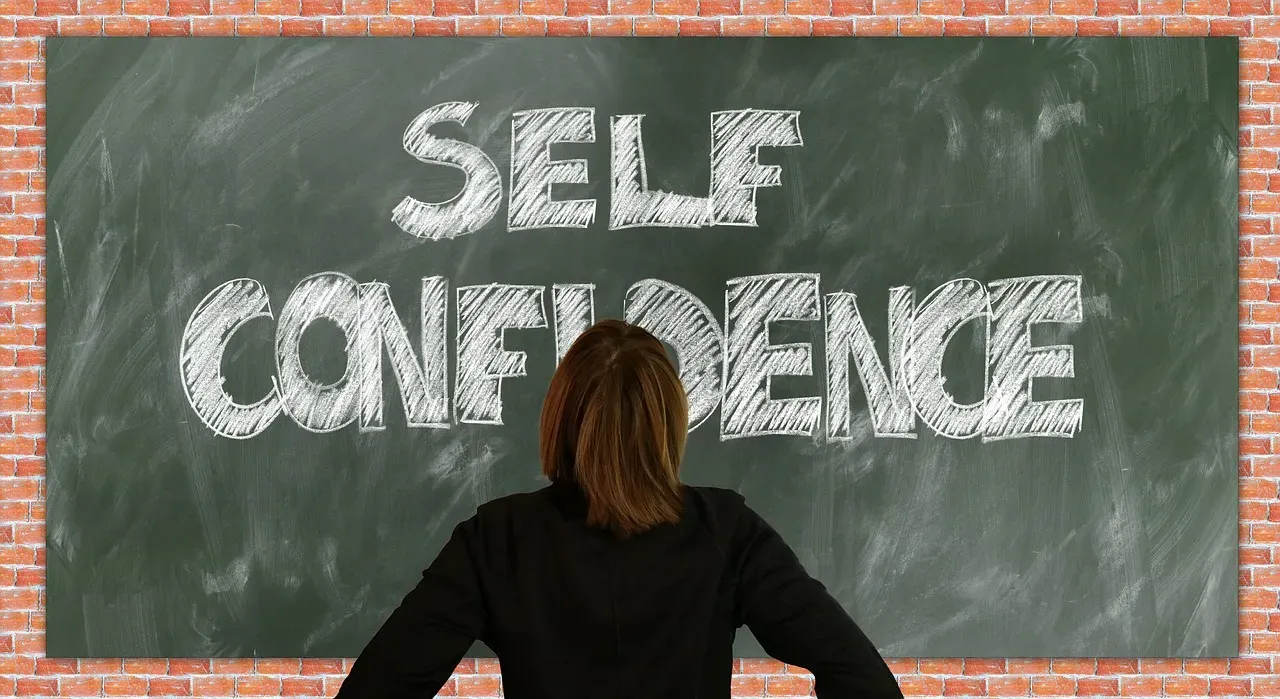
So how do you escape this exhausting cycle? The first step is to try and develop an awareness of excess approval seeking, and recognizing approval-seeking behaviors can help you understand them better. Start paying attention to when you most crave others’ approval. Is it at work? In romantic relationships? With family?
Mindfulness and self-compassion practices are powerful tools in mitigating the need for external validation, and by cultivating an awareness of your thoughts and feelings without judgment, you can begin to build a more stable and positive internal dialogue. When you acknowledge your achievements, your brain releases the same rewarding neurochemicals that external praise would trigger.
Instead of making decisions based on what others will approve of, start making them based on what’s right for you, and when you make conscious choices about how to spend your time and are committed to doing what’s valuable to you, you’re able to create your own life. When you start doing this, you’ll no longer feel the urge to seek validation from other people, so start to become more self-aware and pay attention to what behaviors make you feel good about yourself, regardless of how other people react. This isn’t about becoming selfish or dismissive of others; it’s about developing a sturdy internal compass that guides your choices.
Conclusion: Reclaiming Your Self-Worth

Your need for validation is deeply human and rooted in millions of years of evolution. It’s not something to be ashamed of or completely eliminate. The goal isn’t to become an island, caring nothing for others’ perspectives. The goal is balance: valuing connection and feedback without letting others’ opinions dictate your worth.
You can learn to distinguish between healthy validation and destructive approval-seeking. You can recognize when your brain’s dopamine loops are hijacking your behavior. You can heal childhood wounds that left you hungry for external affirmation. Most importantly, you can build a solid internal foundation where your sense of self isn’t constantly at the mercy of others’ reactions.
The journey toward self-validation isn’t always easy, and honestly, there will be days when you slip back into old patterns. Still, each small step toward trusting your own judgment and valuing your authentic self brings you closer to genuine confidence and freedom. What patterns of approval-seeking have you noticed in your own life? How might your days change if you relied more on your internal compass than external applause?