
Have you ever walked away from a conversation feeling like you weren’t quite heard? Like your intentions got twisted somewhere between your thoughts and the other person’s interpretation?
For many people with high emotional intelligence, this isn’t just an occasional hiccup. It’s a recurring theme. Here’s the thing: You’d think that being better at reading emotions, managing feelings, and understanding the human experience would make communication easier. It doesn’t always work that way.
They See Patterns Others Miss
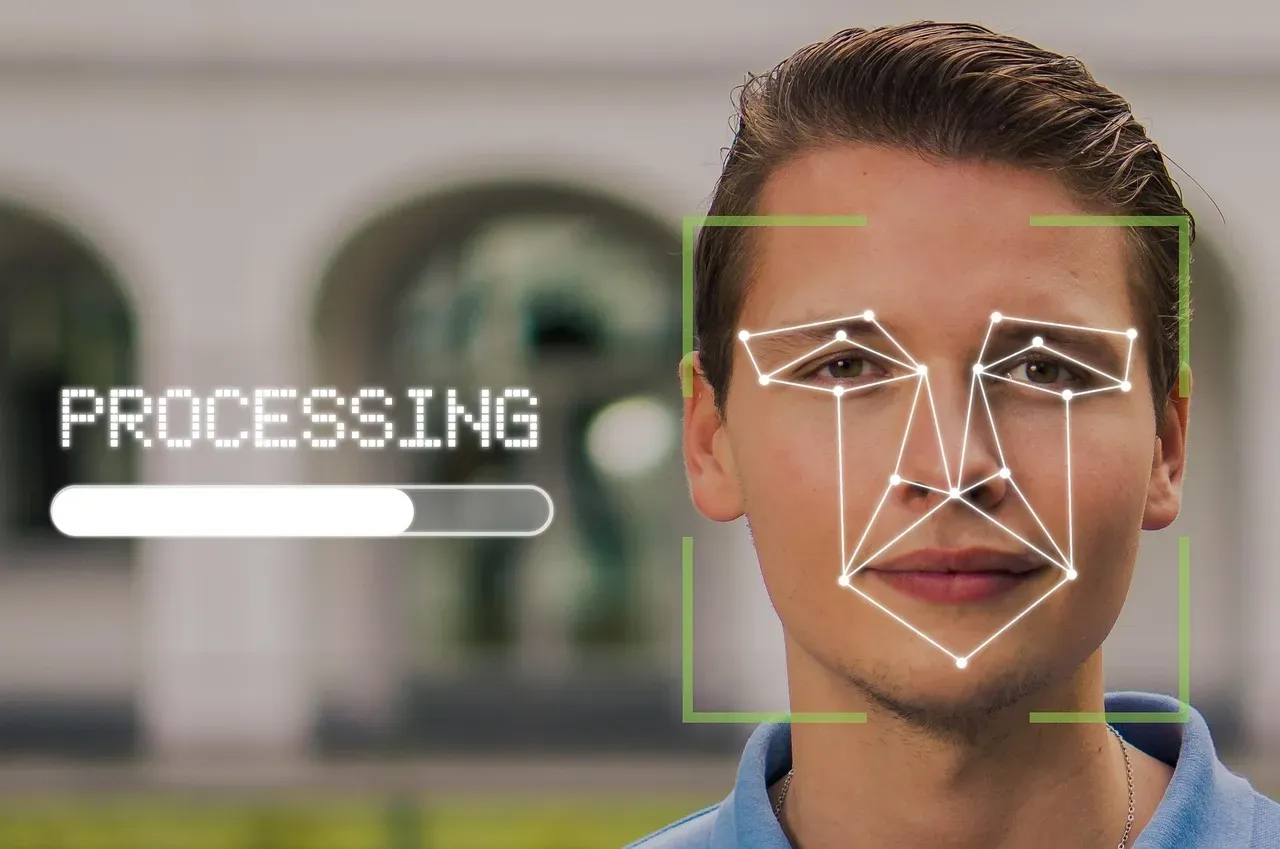
When you possess strong emotional intelligence, your brain naturally picks up on patterns in behavior, communication styles, and unspoken feelings. You notice recurring dynamics that others might overlook, like when someone keeps deflecting responsibility or when a friend constantly seeks validation without wanting genuine solutions.
This pattern recognition becomes a double-edged sword. While you might see the bigger picture, pointing it out can come across as overly analytical or even judgmental. People want to feel understood in the moment, not dissected like a psychology case study. That gap between your observation and their expectation creates distance where you hoped to build connection.
They Process Emotions Differently

Emotionally intelligent individuals tend to label and examine their feelings as they arise. Some borrow practices like labeling emotions to soften them, but if a listener doesn’t share the framework, they may feel analyzed instead of understood. What feels like self-awareness to you might feel like emotional gymnastics to someone else.
Picture this: You’re upset about something at work, and instead of just venting, you find yourself naturally explaining the layers of what you’re feeling. You distinguish between frustration, disappointment, and maybe a touch of embarrassment. Meanwhile, your friend just wanted to hear “I’m annoyed.” Your nuanced approach, while emotionally mature, can make simple interactions feel unnecessarily complex.
Their Growth Outpaces Some Relationships

Continuous self-reflection means shifting faster than some relationships can adapt, and when behaviors like gossip or over-functioning stop, people accustomed to the old version may feel abandoned. You’re celebrating personal evolution while others might be mourning the version of you they knew.
It’s not that you’ve become a different person entirely. You’ve simply refined how you show up in the world. The problem is that not everyone signed up for that transformation. They might say “You’ve changed” as though that’s an accusation, when growth creates a translation gap. You’re speaking a new emotional language, and they’re still using the old dictionary.
They Push for Solutions When People Want Validation

Let’s be real, this one trips up emotionally intelligent people all the time. When someone vents, the natural response might be to ask what step they could take next, but plenty of people just want validation, not gentle accountability. You see potential where they see problems.
Your brain is wired to move toward resolution. Stagnation feels uncomfortable, maybe even painful. Because patterns are visible, struggling to collude with stagnation can come across as fix-it energy or judgment, even when the intent is empowerment. Sometimes people need to marinate in their feelings before they’re ready for action. Rushing that process, however well-intentioned, creates friction.
They Absorb Environmental Energy

Emotional intelligence often comes with heightened sensitivity to the energy in a room. If a room is tense, it can be felt physically, and stepping back to recharge can be misread as moodiness or avoidance when it’s really nervous system maintenance. You’re not being antisocial; you’re preventing burnout.
Friends who don’t experience that internal overload sometimes think rejection is happening, when actually it’s about wringing out the sponge to show up again. This need for recovery after emotionally charged situations isn’t a flaw. It’s self-preservation. Unfortunately, explaining this to someone who doesn’t operate the same way can feel like speaking different languages.
They Crave Depth in a World That Values Surface

Surface chatter drains energy, so steering naturally toward meaning – values, motives, patterns – can be experienced as too intense or like skipping steps in the relationship. Small talk feels like eating air when you’re starving for substance.
Ironically, the very desire to connect more authentically can push people away. The desire to connect more deeply can create distance. Most people are comfortable with layers of social pleasantries before diving into anything real. You might be ready to explore the deep end while they’re still testing the water temperature. The mismatch creates awkwardness that neither party fully understands.
Their Boundaries Get Misinterpreted

Emotional intelligence doesn’t mean endless availability; it means knowing limits and communicating them clearly, and knowing where one person ends and another begins is part of that, though boundaries can be assumed to be rejection instead of respect. You set a limit because you care about the relationship’s sustainability.
People unfamiliar with healthy boundaries might perceive your “no” as personal rejection. When you decline an invitation because you’re emotionally tapped out, they hear “I don’t want to be around you” instead of “I need to refill my cup so I can be present later.” The distinction feels obvious to you, but it’s lost in translation to someone who equates availability with care.
They Name What Others Would Rather Avoid

Naming difficult things like resentment, fear, or avoidance often helps a relationship evolve, but not everyone is ready to look at those pieces, so an attempt to open healing conversation can feel like criticism to someone who hasn’t practiced vulnerability. Your courage gets mistaken for confrontation.
There’s real pain in this dynamic. They pull back, leaving you wondering how a gesture of care became a wedge. You thought you were building a bridge by being honest about what wasn’t working. They felt attacked. The emotional intelligence that empowers you to have difficult conversations also isolates you when others aren’t operating at the same level of openness.
They Choose Discomfort Over Avoidance

Choosing growth over immediate comfort sometimes creates friction, and leaning into discomfort by asking for change or addressing misalignment might make others think trouble is being stirred. You’re not trying to rock the boat for fun; you’re trying to keep it from sinking.
Most people will choose comfort over growth when given the option. It’s human nature. You, however, understand that temporary discomfort often leads to long-term improvement. That willingness to sit in the awkward, challenging moments makes you seem like a troublemaker to those who’d rather keep peace at any cost. They don’t realize that false peace is just conflict deferred.
Finding Your People

Feeling misunderstood doesn’t mean something is broken in you. Learning to effectively use emotional intelligence skills can channel feeling misunderstood into constructive conversations, understanding that most likely people do not purposely misunderstand, and by asking clarifying questions and genuinely approaching conversations with an open mind, the gap of misunderstandings can be bridged. It takes work, though.
True connections and meaningful relationships allow authentic selves to emerge, and when these types of connections are created, the likelihood of feeling misunderstood lessens for two reasons: feeling secure enough in the relationship to note someone didn’t understand fully, or surrounding yourself with people who share the same interests or passions. The right people won’t make you feel like your depth is a burden. They’ll recognize it as a gift.
Not everyone will get you, and honestly, that’s okay. The goal isn’t universal understanding. It’s finding the handful of humans who speak your language, who appreciate your pattern-spotting brain, and who value emotional honesty as much as you do. Those connections are worth the loneliness of being misunderstood by everyone else. What has your experience been navigating relationships with emotional intelligence? Have you found ways to bridge that gap, or are you still searching for your people?