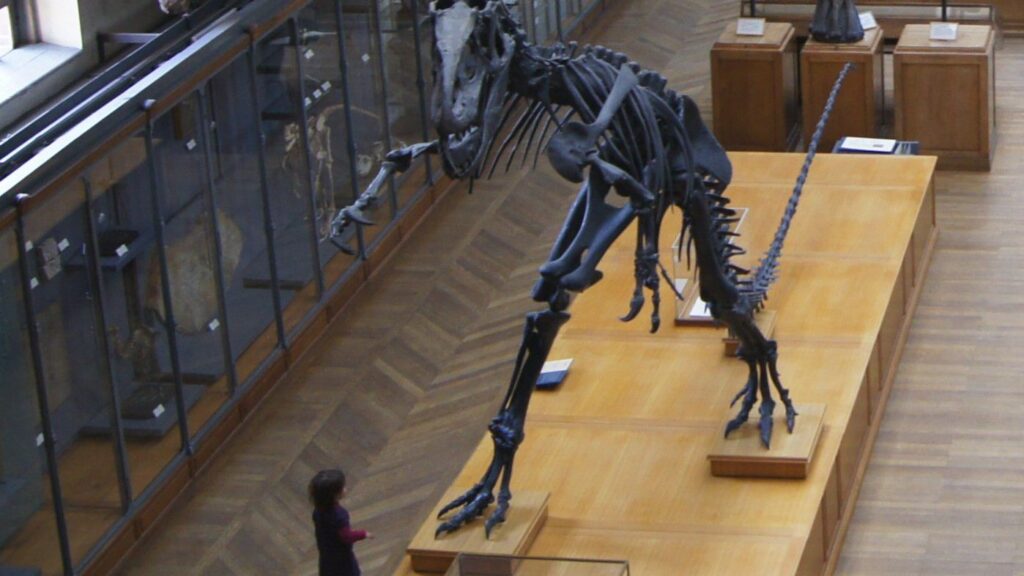
You know that moment when you walk into a museum hall, look up, and a towering T. rex is frozen mid-roar over your head? It feels like stepping into a time machine. But here’s the slightly uncomfortable truth: almost every dinosaur skeleton you have ever seen is, in one way or another, a work in progress. The bones are real (or carefully cast), the science is serious, but the pose itself is often an educated guess stitched together from incomplete clues.
That does not mean museums are tricking anyone. It means we are trying to resurrect long‑dead animals from jigsaw puzzles where most of the pieces are missing, the picture on the box is gone, and some of the pieces actually belong to a totally different puzzle. As new discoveries roll in, the “correct” way to stand, walk, or even rest a dinosaur keeps shifting. Once you see how messy and fascinating that process is, you may never look at a mounted skeleton the same way again.
The Myth of the Perfect Dinosaur Pose
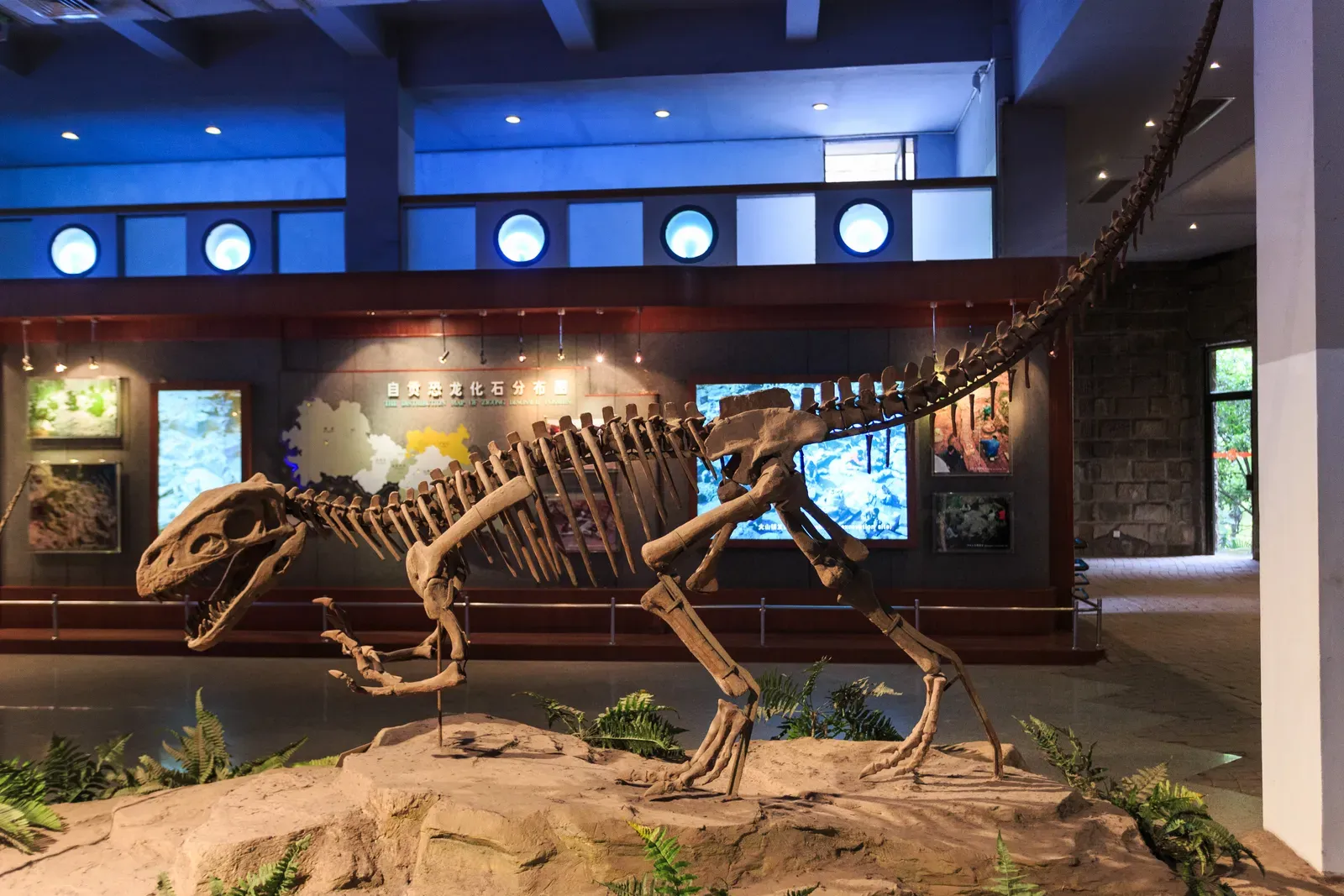
Here is the first shocker: there is no single correct, final, perfect pose for almost any dinosaur you see on display. When you look at a skeleton mid-stride or rearing up to attack, you are not seeing a fossilized snapshot from real life; you are seeing a carefully staged interpretation based on the best available science at the time it was mounted. And that science is constantly updating, because these animals have been dead for tens of millions of years and leave us only bones, not instruction manuals.
Think of museum mounts like movie stills from a film that no one has ever watched in full. Paleontologists infer how joints could move, how ligaments and muscles may have attached, and what was biomechanically possible, then choose a pose that looks dramatic and plausible. A few decades later, new evidence rolls in, and the old “perfect” pose suddenly looks clumsy or even impossible. The truth is that the more we learn, the more we realize how many ways a skeleton can be just a little bit wrong without looking obviously broken.
From tail‑draggers to dynamic sprinters: how ideas keep changing
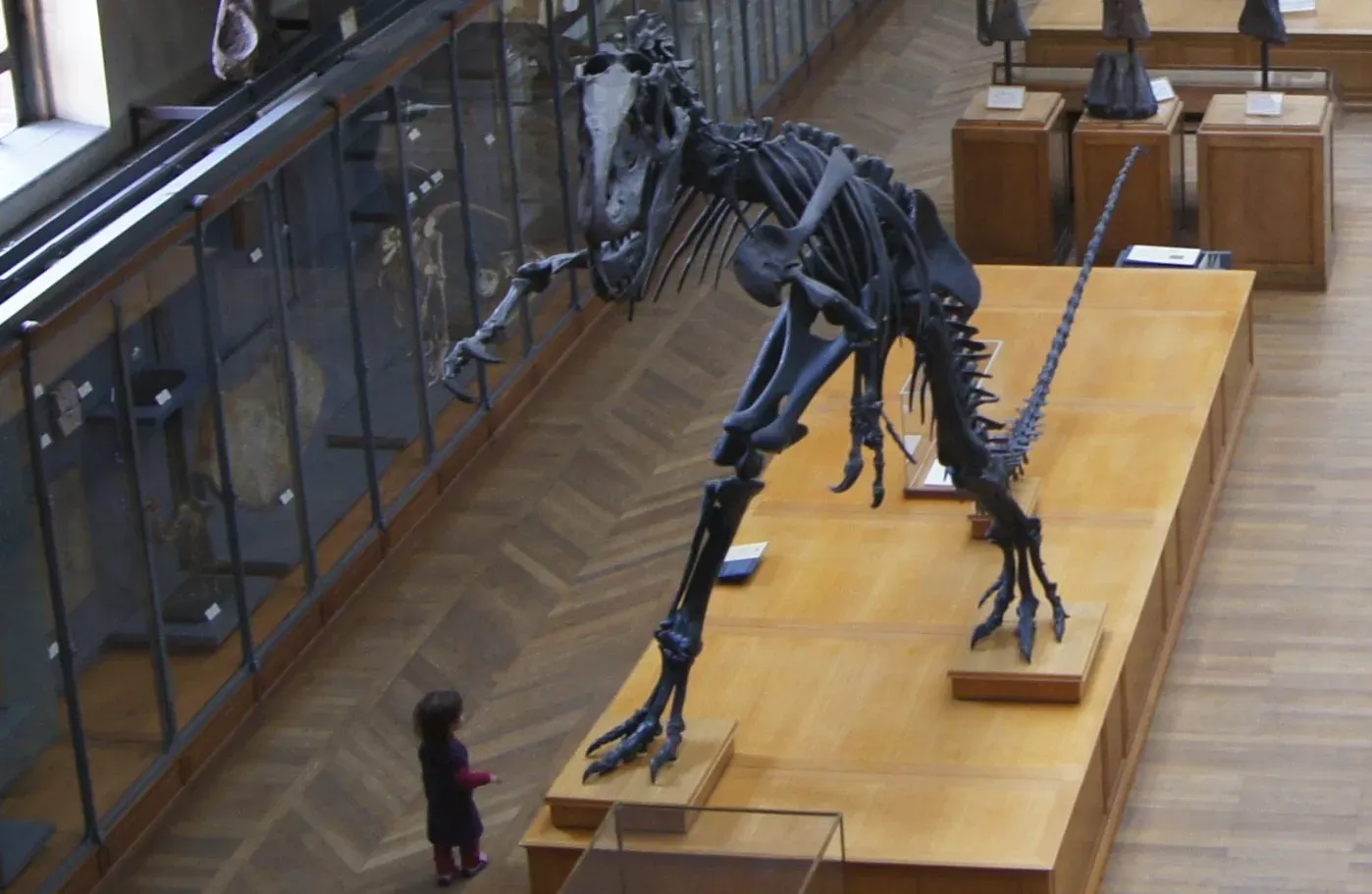
Walk through older museum photos and you will see something almost comical by modern standards: massive dinosaurs plodding along like reptilian bulldozers, with their tails sagging on the ground like heavy anchors. For much of the twentieth century, that tail-dragging posture was considered normal, because dinosaurs were pictured as sluggish, overgrown lizards. Then biomechanical studies and new trackway evidence suggested that those heavy tails balanced the body like a seesaw and should be held off the ground, shifting the entire attitude of the skeleton forward.
Museums had to quietly admit that many of their iconic mounts were not only a bit off, but fundamentally wrong in how these animals moved through their world. So the great re-posing began: hips rotated, spines leveled, tails lifted into more horizontal, agile positions. The same thing has happened again and again with neck posture, arm orientation, and even which way the palms of theropods should face. Each wave of new data rewrites the “correct” story, and the skeletons, which were once cutting edge, suddenly look as old-fashioned as a black-and-white TV.
Incomplete fossils mean educated guesswork
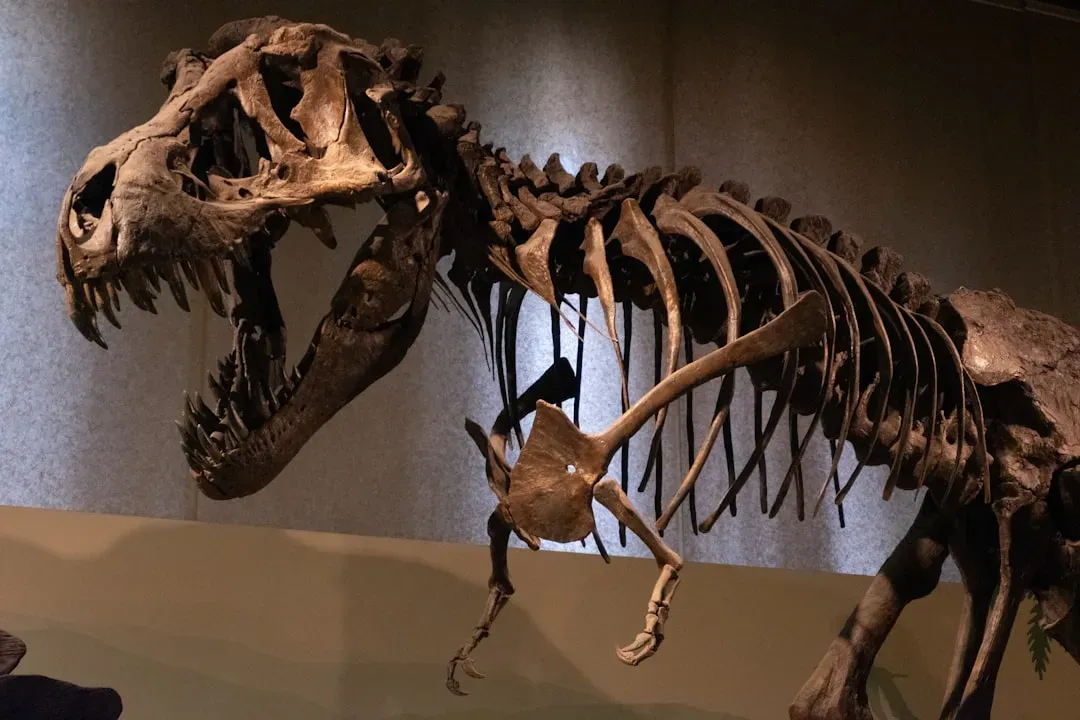
One of the biggest reasons museum poses are slightly off is brutally simple: almost no dinosaur skeleton is found complete. Many famous dinosaurs are stitched together from multiple individuals, sometimes even from slightly different ages or sizes, and occasionally mixed with bones originally misattributed to the wrong species. When you start with a fossil kit that is missing pieces and add substitutions from other animals, your final pose is inevitably part science, part best-guess artistry.
Imagine trying to reconstruct an entire car after only finding a few wheels, part of the frame, and a door handle buried in your backyard. You might do a decent job if you know the general make and model, but small details – angle of the seat, exact height of the steering wheel, tilt of the windshield – would be guesswork. That is exactly what happens with missing limb bones, tail tips, ribs, or parts of the skull. Paleontologists use close relatives and comparative anatomy to fill the gaps, but every substitution introduces tiny uncertainties that add up when you finally bolt everything together in a dramatic pose.
The soft tissue problem: muscles, tendons, and skin we almost never see
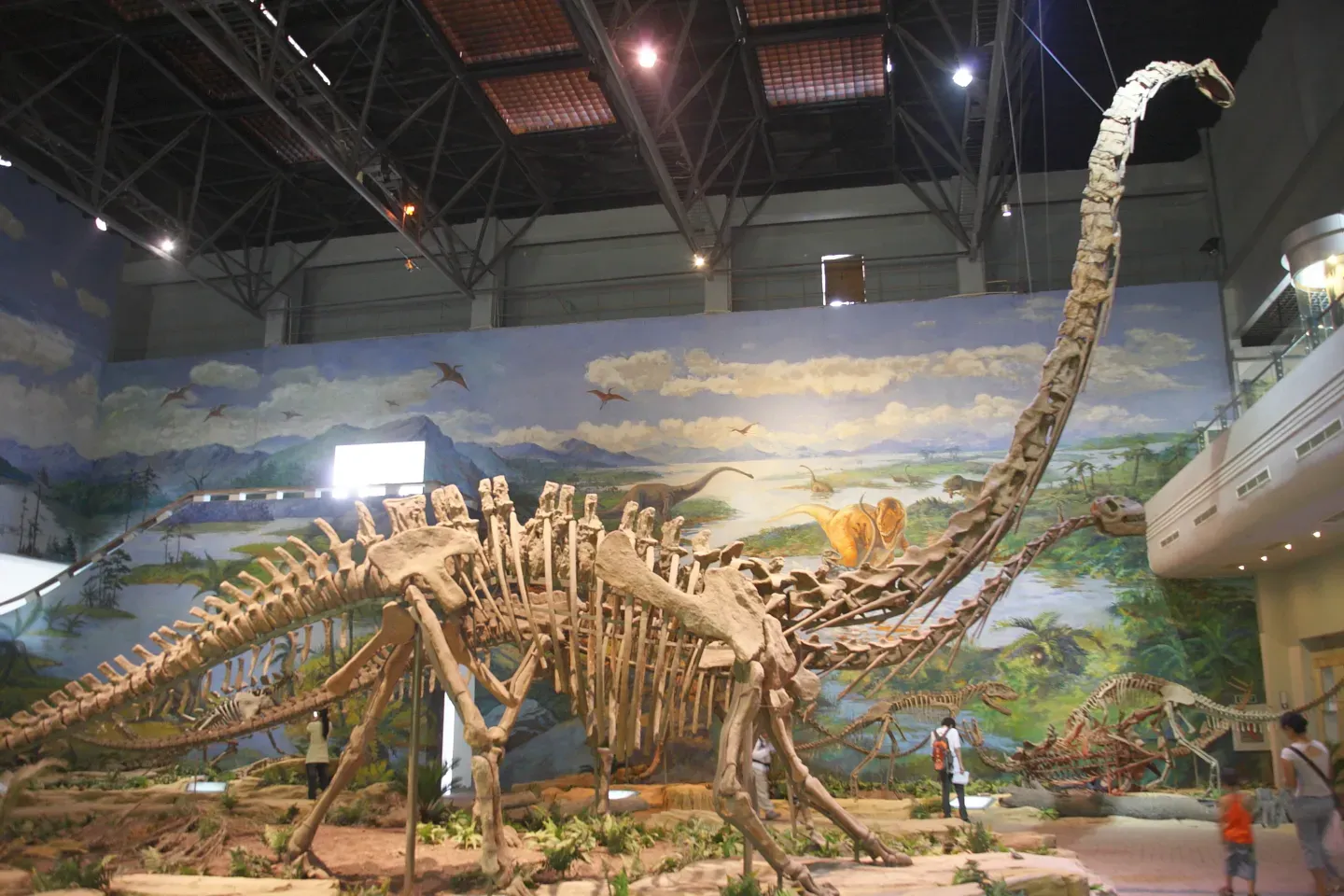
Even when we find spectacularly complete skeletons, we still lack the soft tissues that actually define how an animal holds itself. Muscles, tendons, ligaments, and cartilage decide how far a joint can bend, how springy a neck is, and whether a tail behaves like a rigid beam or a flexible whip. Bones give you the rough scaffolding, but the way the living dinosaur really moved is buried in tissue that usually vanishes long before it can fossilize.
To work around this, scientists look at living animals – birds, crocodiles, and other reptiles – to infer how similar joints might functioned in dinosaurs. But analogies are never perfect. Small differences in soft tissue can shift a limb a bit more forward, rotate a hand slightly inward, or change how much the neck naturally arches. By the time a museum artist chooses a pose, there is a whole invisible layer of soft tissue assumptions built into each angle. That is why two scientifically serious teams could mount the same dinosaur species and end up with poses that look subtly, or even dramatically, different.
Art, drama, and the pressure to make dinosaurs look cool
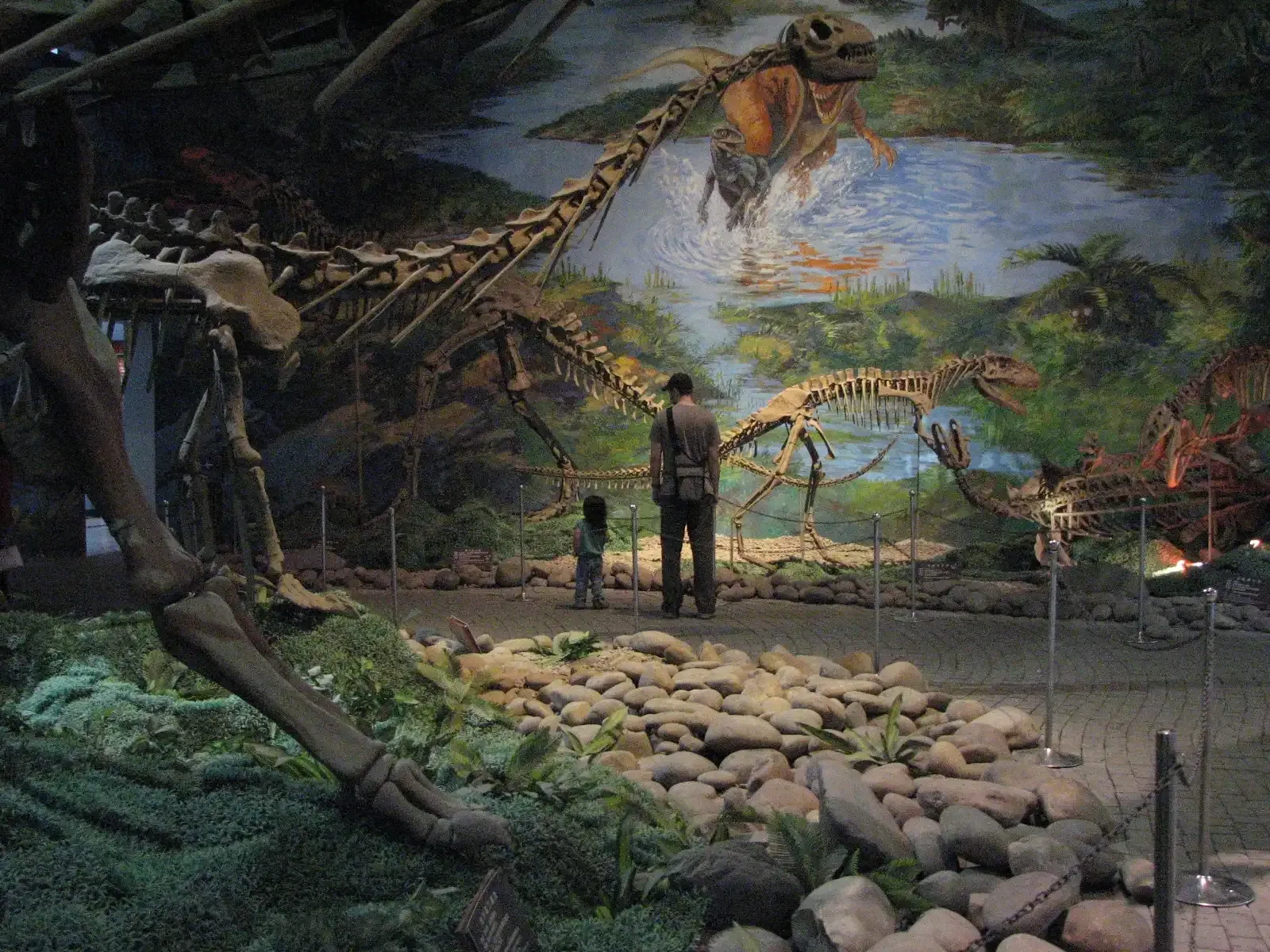
Museums are not just research institutions; they are also public stages, and dinosaurs are the rock stars of those stages. Mounting a skeleton in a plain, neutral stance might be more conservative scientifically, but it does not grab visitors the way a lunging predator or rearing herbivore does. Curators and exhibit designers have to balance strict anatomical caution with the need to tell an exciting, emotional story – a tension that almost guarantees a bit of exaggeration in one direction or another.
I still remember standing under a particularly dramatic theropod mount that looked like it was about to leap straight off its base, teeth bared. It was thrilling, but as my own understanding of biomechanics improved, I realized how carefully that drama was tuned just to the edge of plausibility. A slightly sharper bend here, a more twisted wrist there, and the pose would stray into fantasy. That invisible tug-of-war between showmanship and science means that even a “good” pose may be pushed toward the visually cinematic, making it just a little less faithful to how the animal probably looked in an everyday moment.
Scaling, distortion, and the trouble with mounting real bones
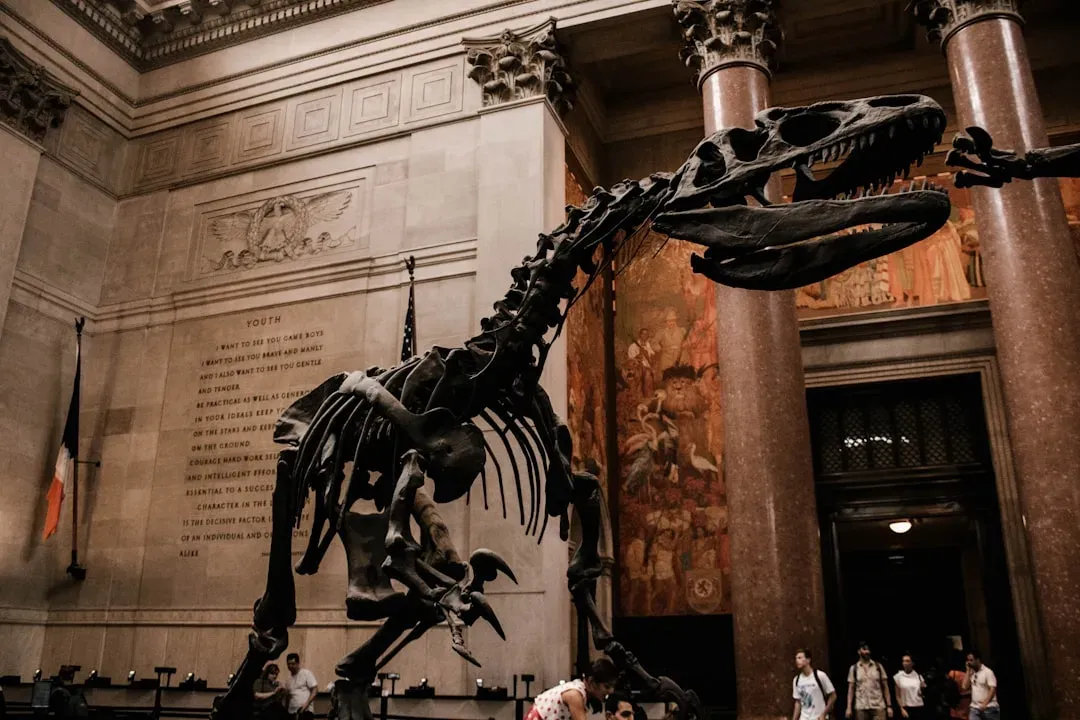
Mounting original fossil bones – or even life-sized casts – is a logistical nightmare. Bones are heavy, fragile, and sometimes distorted by the way they were crushed in the ground or warped over millions of years. To make a skeleton stand freely in space, preparators often hide steel rods, supports, and subtle adjustments to keep everything stable and safe. That sometimes means tweaking the angle of a limb or the spacing of vertebrae, not because that is how the dinosaur stood, but because gravity and museum safety rules demand it.
On top of that, fossils are rarely perfectly symmetrical. One leg may be slightly shorter, one side of the skull a bit more squashed, a section of the tail bent from geological pressure. Preparator teams smooth out these irregularities to create a clean, balanced mount that looks “right” to the human eye. But nature is messy, and every correction to make a skeleton prettier or more stable nudges it away from exactly how any one individual dinosaur actually looked in life. So even with heroic care, the final skeleton is part real animal, part careful reconstruction, and part engineering compromise.
New tech is correcting old skeletons (but never perfectly)
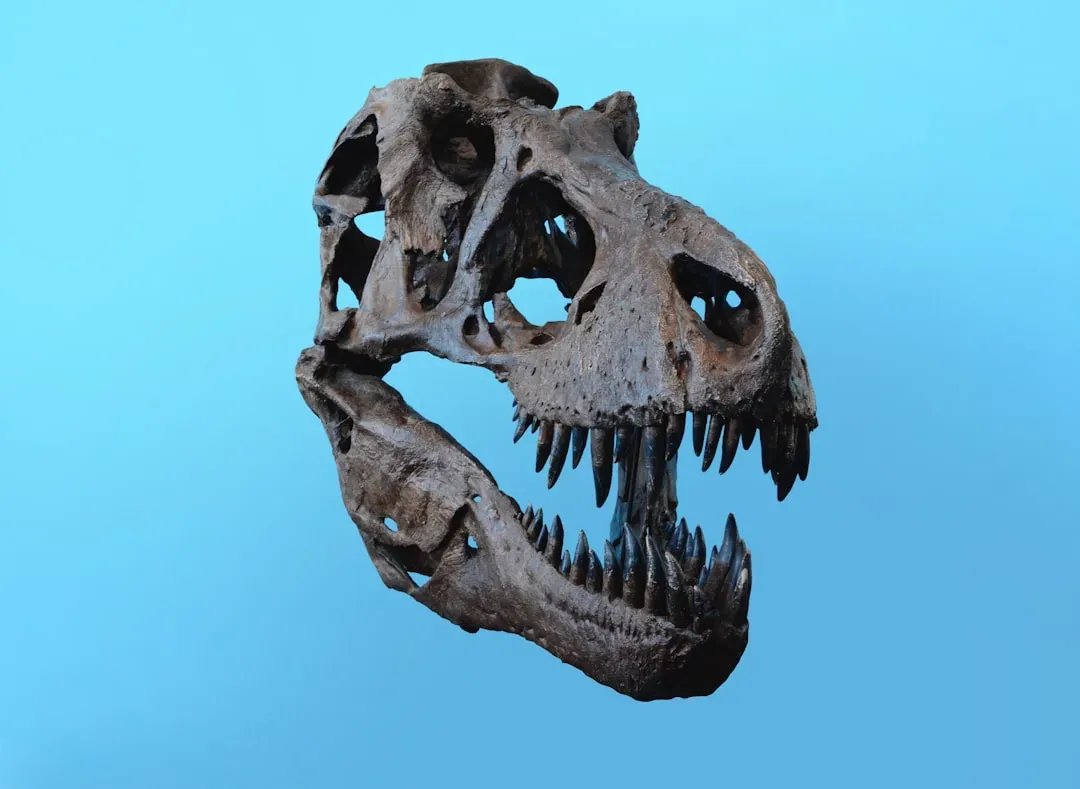
In the last couple of decades, digital technology has started to revolutionize how we pose dinosaur skeletons, yet it has not made them perfectly accurate. High‑resolution scans, 3D modeling, and biomechanical simulations let researchers virtually assemble skeletons and test different postures on a computer before any real bones or casts are moved. They can see how forces travel through limbs, where joints lock up, and which poses would have risked dislocation in life. Unsurprisingly, some classic museum poses simply do not pass these newer stress tests.
This has led to a quiet wave of re-mounts, where iconic dinosaurs are subtly re-posed: necks lowered or raised, hips rotated, tails realigned. But even the most advanced software has to be fed with assumptions about soft tissue, behavior, and body mass distribution, all of which remain uncertain. The tech shrinks the margin of error, but it does not erase it. So the new mounts are “less wrong” than their predecessors, but still depend on interpretations that future discoveries may challenge all over again.
Why being “slightly wrong” is actually a scientific strength
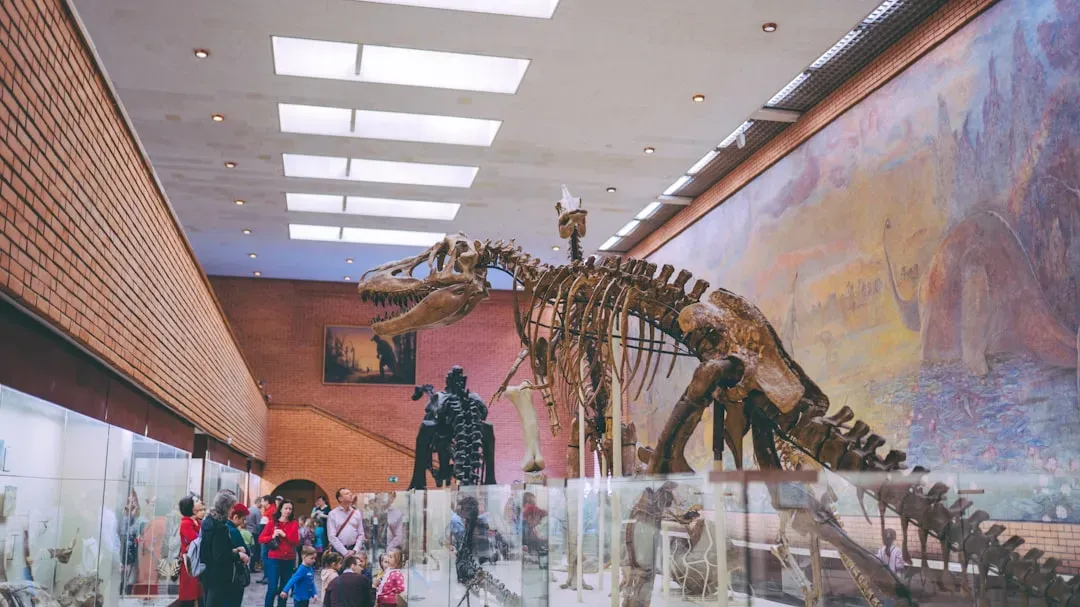
It is tempting to feel disappointed when you realize your favorite dino skeleton is probably not frozen in a perfectly authentic prehistoric pose. I actually find the opposite feeling creeping in: a sense of awe at how openly science is willing to revise itself. A slightly wrong skeleton is not a failure; it is a snapshot of our current best guess, pinned in place so that everyone – from kids with wide eyes to researchers with notebooks – can see what we think we know and test it against new evidence.
There is something oddly inspiring about walking through a museum and realizing that the grand, towering skeletons are still, in a way, under construction. They remind us that knowledge is not a finished monument but an evolving sculpture, shaved and reshaped a little every time we learn something new. Next time you stand beneath a T. rex or a long-necked sauropod, you might find yourself asking: which parts of this pose will future scientists quietly change, and which will still seem solid a hundred years from now?
Conclusion: Imperfect dinosaurs and the beauty of changing our minds
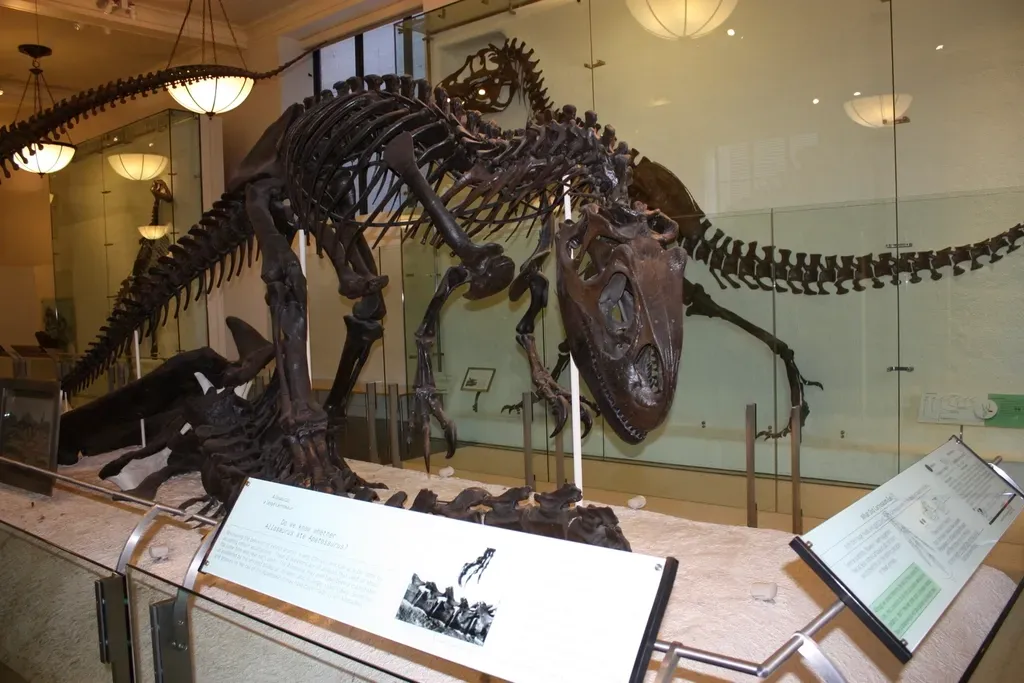
If every dinosaur skeleton you have ever seen is probably posed at least slightly wrong, that is not a scandal – it is a sign that we care enough to keep questioning. These mounts are not sacred relics carved in stone; they are proposals, arguments in bone form, saying “this is how we think it might have looked, for now.” Personally, I would rather live in a world where scientists admit uncertainty and adjust those bones inch by inch than in one where we pretend the first guess was perfect and never look back.
So the next time you walk under a towering skeleton, try seeing it as both a real animal and a living hypothesis frozen in metal and fossil. The raised claw, the curve of the tail, the tilt of the skull – each is a choice that could be revised when the next great fossil or new piece of software arrives. In a strange way, those slightly wrong poses are honest about what science is: a long, humbling process of changing our minds when better evidence shows up. Knowing that, do you see those dinosaurs as less impressive – or even more alive than ever?