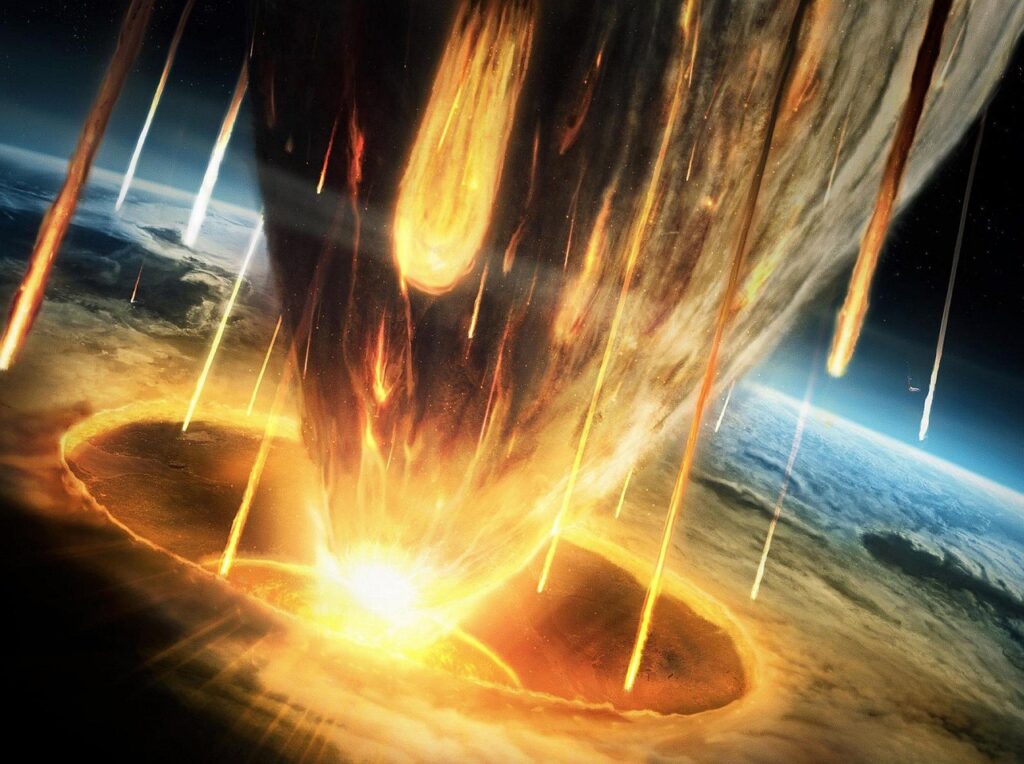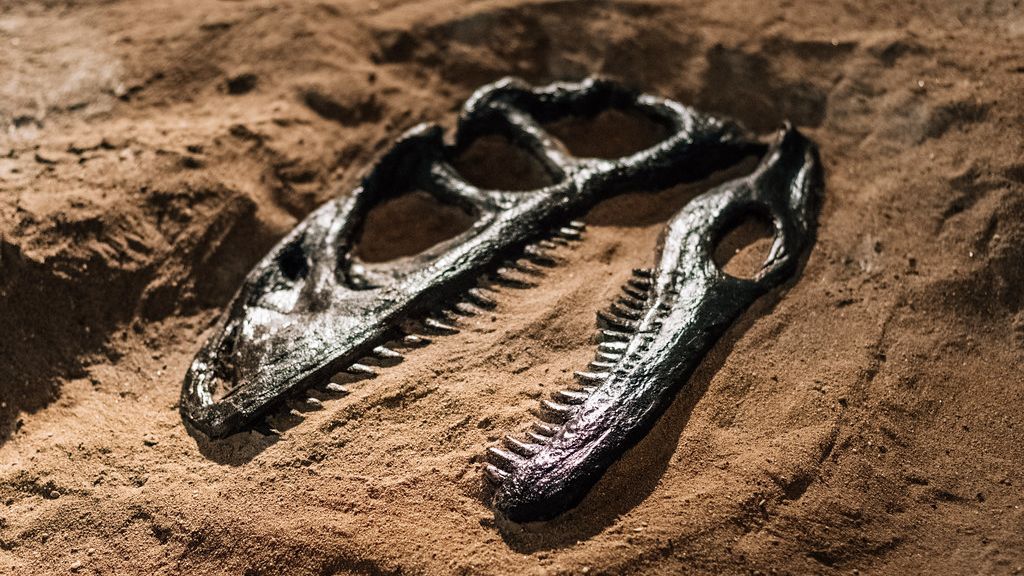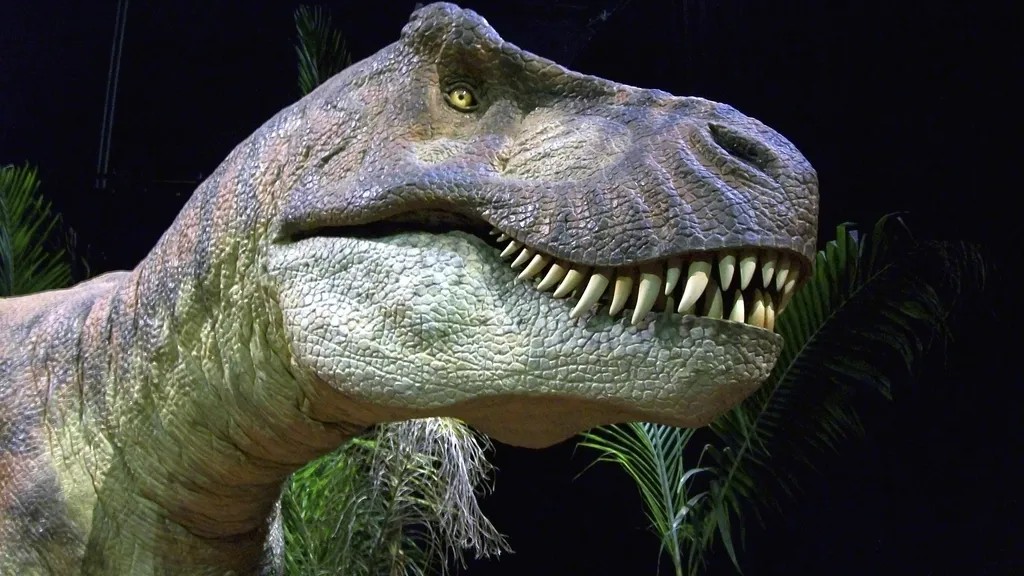
Most people picture dinosaurs as towering, scaly monsters that roar at the sky and chase anything that moves. That image comes straight from decades of movies, yet it clashes with what fossils and modern research actually show about these ancient animals.
The gap between screen and science keeps widening, and it raises a simple question about why the old lizard version refuses to fade away.
The Enduring Shadow of Jurassic Park
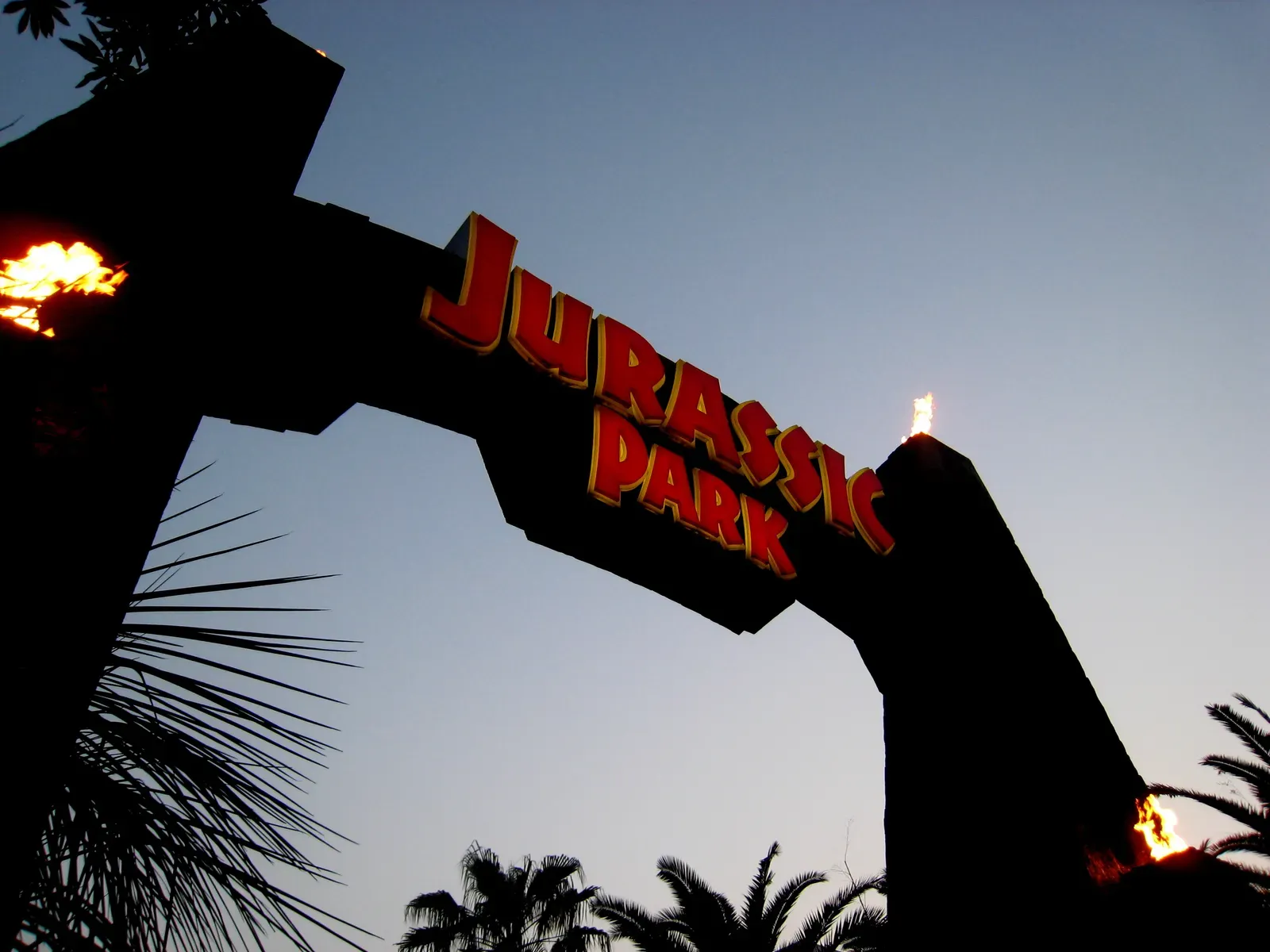
Jurassic Park set the template in 1993 with its towering predators and stampeding herds. Those creatures looked powerful and dangerous, and they still shape how new films approach the same subject decades later.
Filmmakers return to that visual language because it delivers immediate tension on screen. The original designs mixed real anatomy with dramatic flair, creating a shorthand that audiences recognize instantly. Later movies borrow the same scale and menace even when new discoveries suggest different details.
Feathers Get Left on the Cutting Room Floor
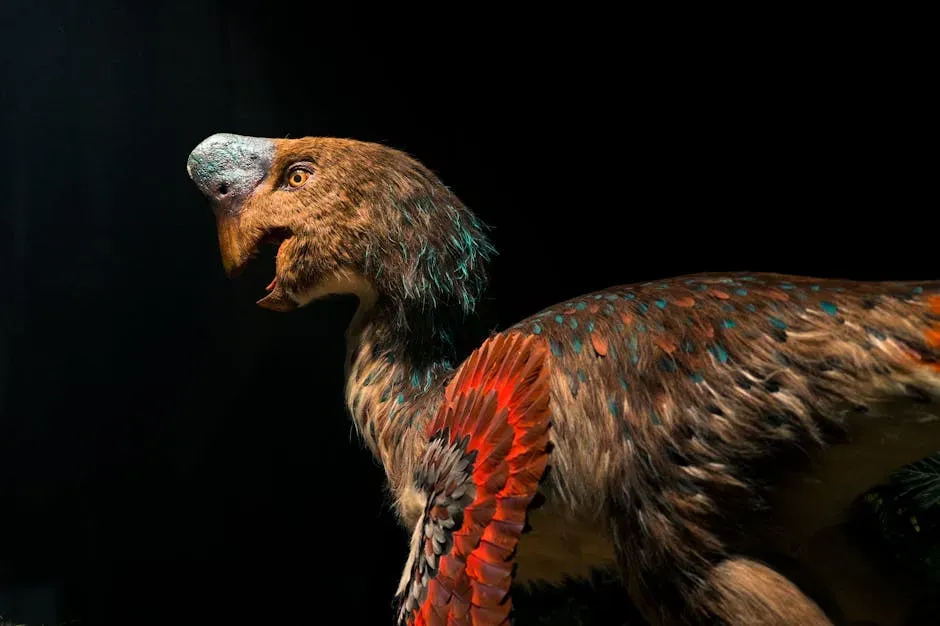
Many dinosaurs, especially smaller ones related to birds, carried feathers or fuzzy coverings. Evidence from well preserved fossils in China and elsewhere points to this trait across several groups. Hollywood rarely shows it because bare skin reads as more reptilian and threatening in wide shots.
Adding feathers can soften the silhouette or require extra animation work. Studios often choose the simpler scaly look to keep the focus on size and speed. The result is a consistent but outdated appearance that ignores how these animals likely regulated temperature and displayed to one another.
Posture and Movement Stay Stuck in the Past
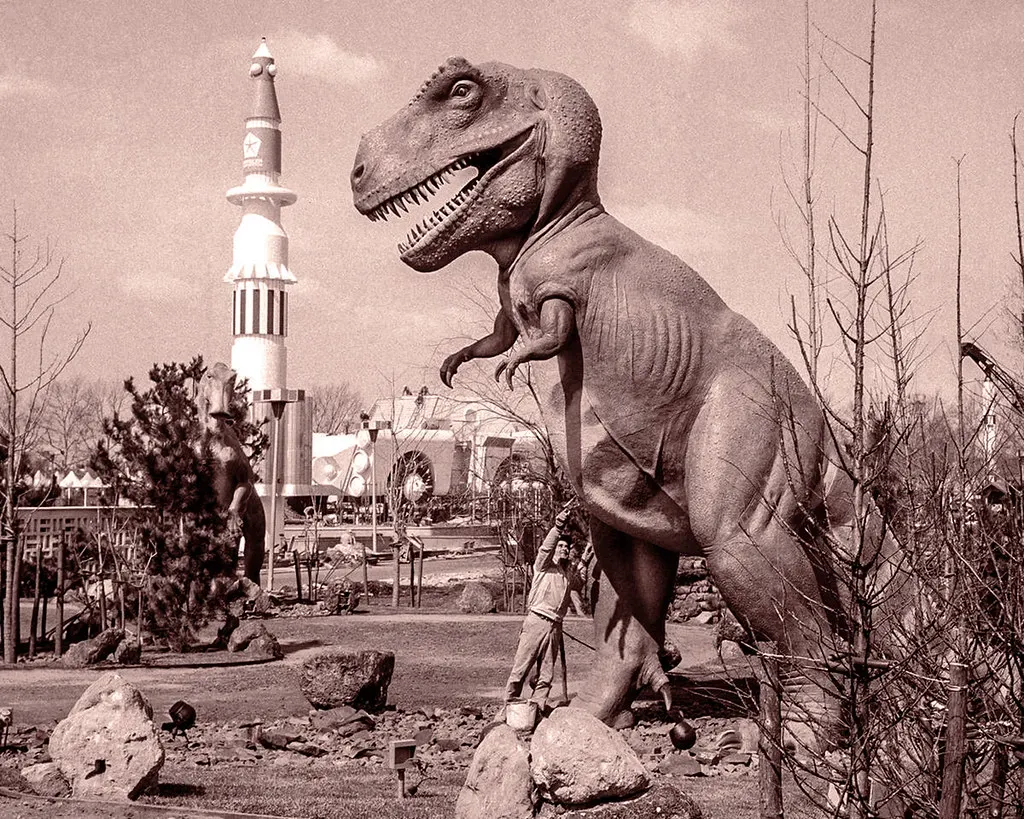
Older movies showed dinosaurs with tails dragging and limbs splayed like oversized lizards. Current understanding places most species with tails held high for balance and legs tucked beneath the body. This change affects how they would have walked, turned, and even stood still.
Updating the motion means rethinking entire sequences of action. A tail held aloft changes the center of gravity and the way a creature pivots during a chase. Filmmakers sometimes keep the older posture because it feels more dramatic when a heavy tail sweeps across the ground.
Roars Replace Subtler Signals
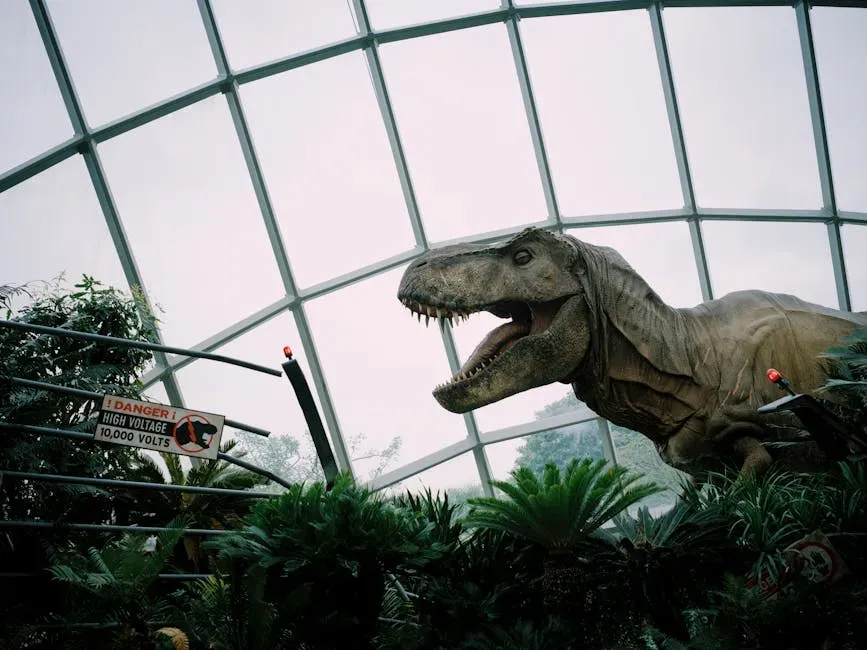
Big screen dinosaurs bellow and shriek at every opportunity. Real animals of that size probably used lower frequency sounds or visual displays more often than constant loud calls. Birds, their closest living relatives, show a wide range of quieter communication methods.
Loud roars work well for building suspense in a theater. They travel across long distances on screen and cue the audience that danger is near. Softer or more varied sounds would demand different sound design choices that might not land as forcefully with viewers.
Every Species Gets the Same Temperament
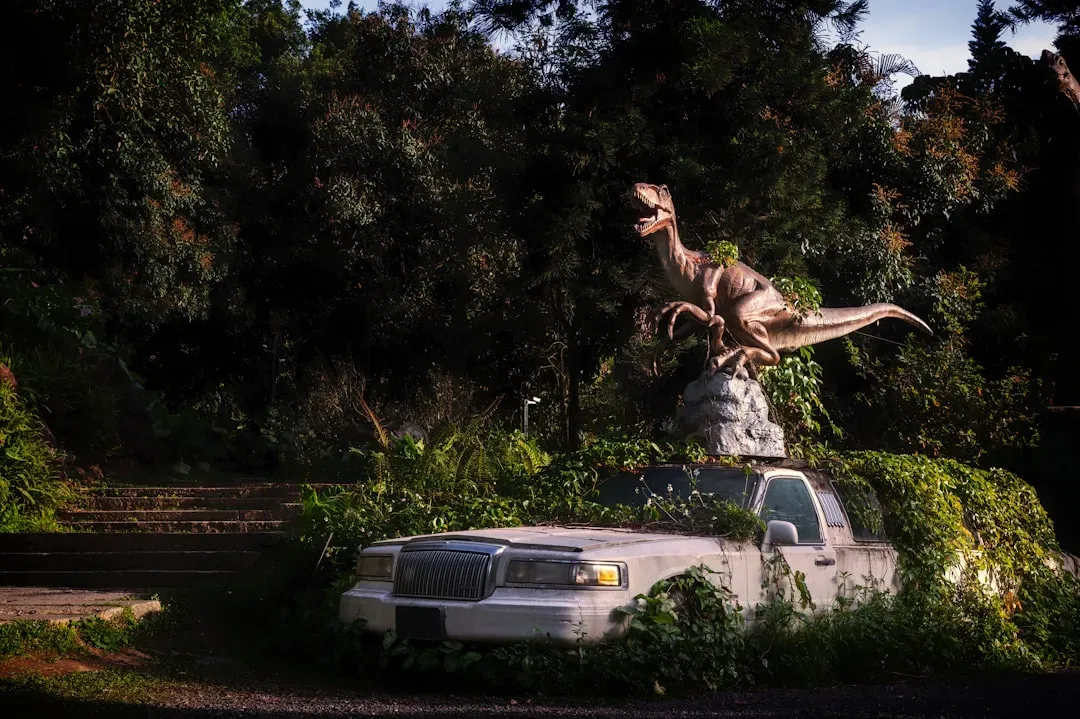
Films often treat dinosaurs as uniformly aggressive or territorial. Fossil evidence suggests varied behaviors, from herding in some groups to possible parental care in others. Size and diet alone do not dictate a single personality across millions of years of evolution.
Simplifying behavior keeps the plot moving without extra explanation. A constantly angry predator needs little setup before it attacks. More nuanced interactions would require additional scenes that slow the pace or shift attention away from spectacle.
Budget and Technology Favor Familiar Looks
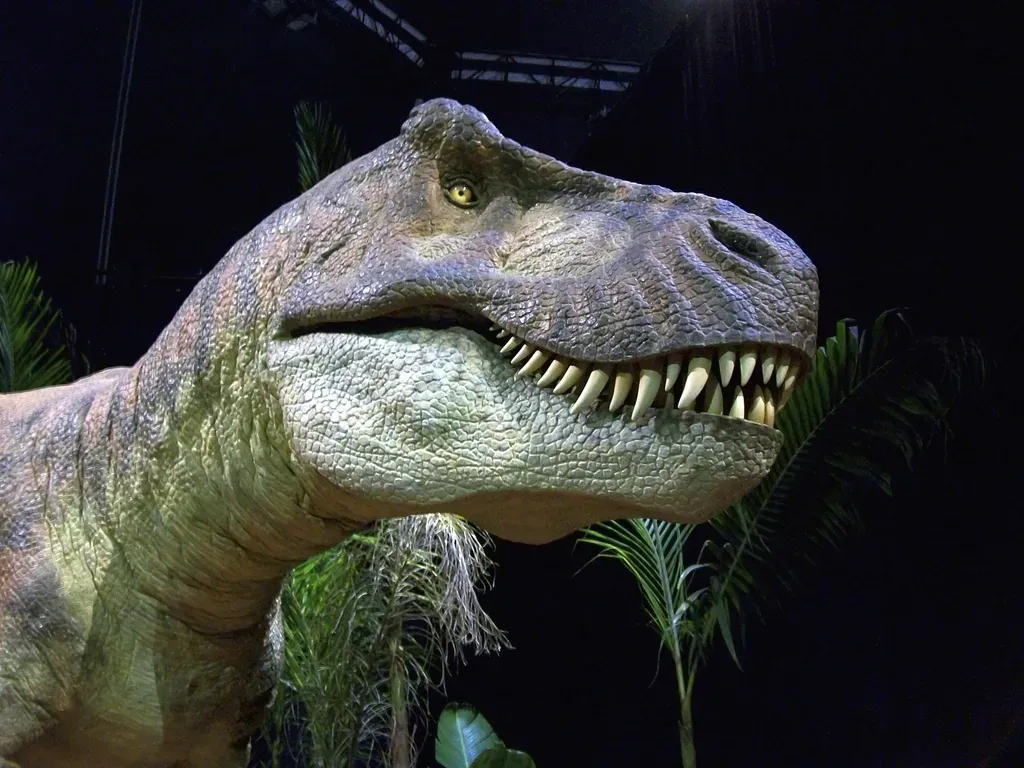
Creating detailed feathers or accurate limb motion adds layers of work for effects teams. Studios balance those costs against the need to finish films on schedule. The classic lizard design has already been tested with audiences and proven reliable at the box office.
New research arrives steadily, yet production pipelines move on earlier concepts. Updating every creature to match the latest papers would mean repeated revisions during shooting. The practical choice often lands on visuals that feel close enough while still delivering the expected thrill.
Audience Familiarity Wins Over Accuracy
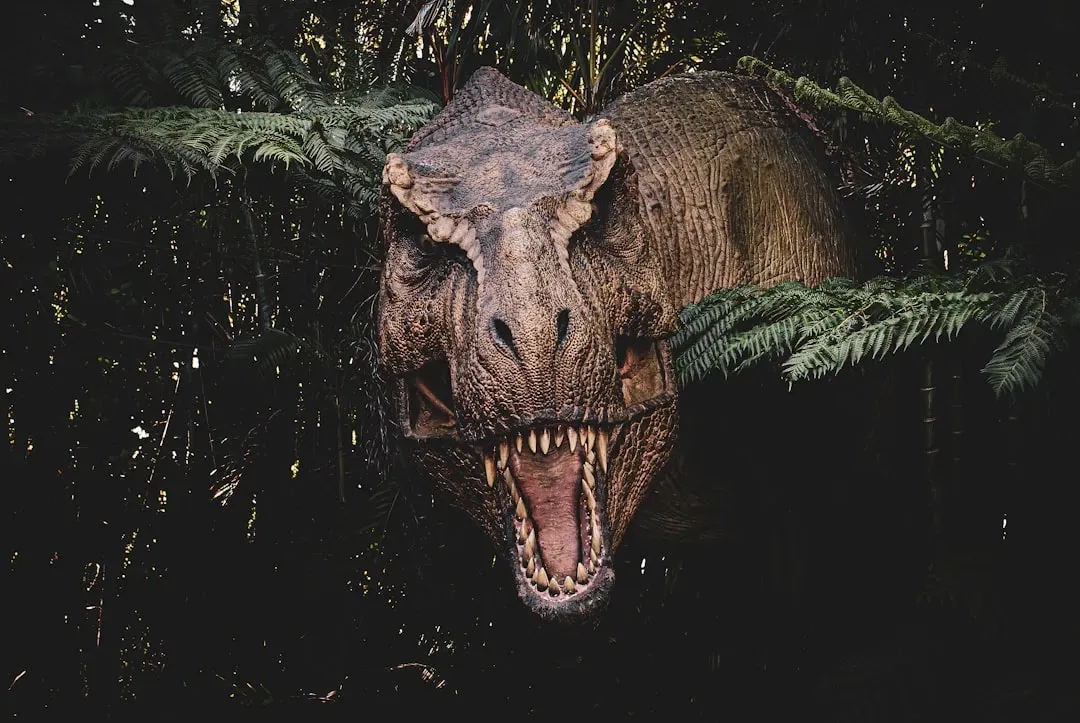
Viewers bring expectations shaped by earlier movies and toys. A feathered or quietly moving dinosaur can look less impressive at first glance. Studios test what resonates and often stick with the version that feels immediately exciting.
Over time this creates a feedback loop where the old image reinforces itself. New generations grow up with the same basic template and accept it as the default. Breaking the pattern would require a film willing to risk looking different from everything that came before.
Hollywood keeps returning to the giant angry lizard because it still sells tickets and fills screens with clear, immediate drama. Science continues to reveal more varied and often quieter creatures, yet the gap between the two worlds shows no sign of closing soon. The real dinosaurs were stranger and more interesting than the versions that keep charging across movie screens, and that difference is exactly what makes the old image so persistent.