
You’ve probably experienced it yourself. A song from high school comes on the radio, and suddenly you’re transported back to a specific moment in time. The scent of your grandmother’s perfume drifts past, and emotions flood in before your rational mind even catches up. Nostalgia has this uncanny ability to hijack your present moment and pull you into memories you haven’t thought about in years.
It feels simple on the surface, just a sentimental glance backward. Yet recent research reveals something far more complex happening in your brain when you long for the past. Nostalgia isn’t just an emotional indulgence or a sign you’re getting older. It’s actually one of the most sophisticated psychological tools you possess, serving purposes you might never have considered. Let’s dive into why this bittersweet emotion holds such remarkable power over you and what’s really happening when yesterday feels more appealing than today.
Your Brain on Memory Lane: The Neuroscience Behind the Feeling

When you experience nostalgia, you’re not just daydreaming. Your brain lights up with activity across multiple regions, including the medial prefrontal cortex, posterior cingulate cortex, hippocampus, and areas associated with reward processing like the striatum and ventral tegmental area. It’s honestly fascinating how much neural real estate gets involved.
Nostalgic experiences stimulate metabolic activity and blood flow in several regions of the brain, particularly the frontal, limbic, paralimbic, and midbrain areas. Think of it like this: nostalgia activates a complex network that connects self-reflection, memory retrieval, emotion regulation, and the brain’s reward system all at once. Reliving some of your favorite memories releases dopamine in your brain, which can give you a quick boost in the mood department.
Not Just Sadness: It’s Your Emotional Rescue System

Here’s something that might surprise you. Nostalgia functions like an emotional immune system, deploying positive memories to fight off feelings of loneliness or sadness, as your brain retrieves meaningful memories to restore feelings of social connection, self-worth, and stability. You don’t usually get nostalgic when everything’s going great.
People reported more nostalgia when going through times of threat or distress, as negative mood and loneliness trigger nostalgia. So when you find yourself dwelling on the past during tough times, that’s not weakness or avoidance. The link isn’t that nostalgia makes you sad, but that sadness makes you nostalgic. Your brain is actually trying to help you cope.
The Rose-Colored Glasses Effect: How Nostalgia Warps Your Judgment

Let’s be real, nostalgia doesn’t just make you feel warm and fuzzy about the past. It actually changes how you evaluate things. Research reveals that nostalgia actively changes your cognition, creating stronger attitudes toward things from your past. That favorite band from college might not be objectively better than current artists, even though it feels that way.
The emotion casts a rose-colored tint on your evaluations, causing you to appraise nostalgic things with greater attitudinal importance, making that old TV show feel not just entertaining but significant and central to who you are. This explains why you might defend your childhood favorites so passionately. Nostalgia has literally altered how your brain processes those memories, making them seem more meaningful than they might have been at the time.
Finding Yourself in Yesterday: Nostalgia and Identity Continuity
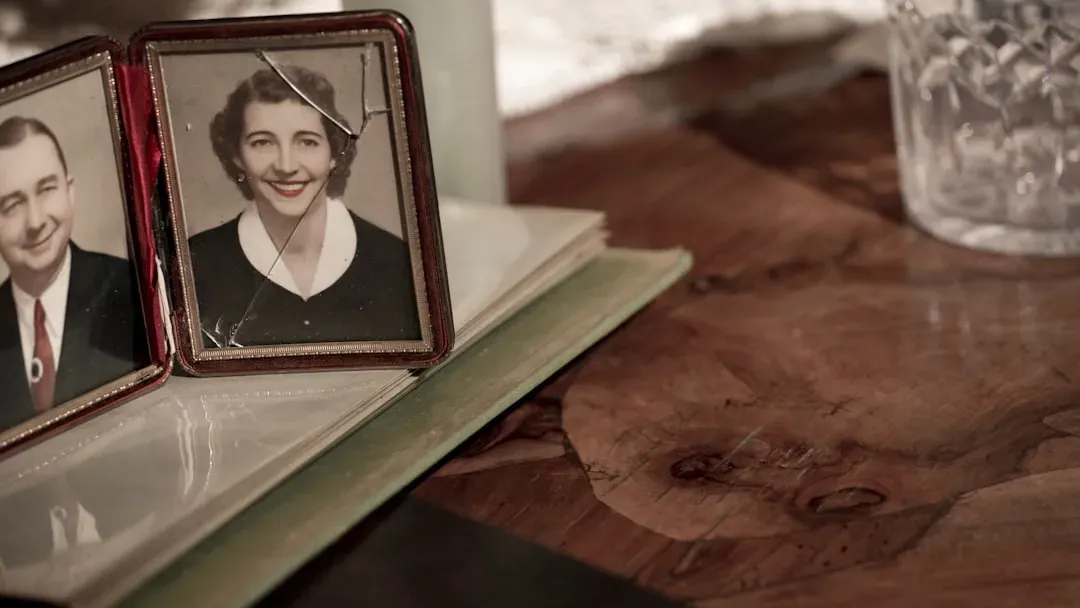
Nostalgia gives you a sense of continuity, as looking back in the past gives you a sense of connection between who you were and who you are now. It’s odd when you think about it. The person you were five years ago had different goals, different relationships, maybe even different values.
Nostalgia uses neurochemical rewards to preferentially promote the integration of past selves with the present self, and research on multicultural nostalgia shows that self-continuity suffers when people feel disconnected from their past identities, ensuring that your past remains relevant to who you are now. Without this thread connecting your various life chapters, you’d feel fragmented, disconnected from your own story. Nostalgia acts like the glue holding your sense of self together across time.
Social Glue: How Memories Connect You to Others

Nostalgia is a highly social emotion that connects you to other people. Think about your most nostalgic memories. I’d bet nearly all of them involve other people, whether family, friends, or significant relationships from your past.
Considering that loneliness triggers nostalgia, it serves to counteract the effects of loneliness and restore the sense of connectedness to others that is critical for optimal psychological functioning. Recalling a nostalgic memory has even increased prosocial behavior, such as helping a stranger pick up dropped pencils and donating to charity. When you reminisce about shared experiences, you’re reminding yourself that you belong, that you matter to others, and that you’re capable of meaningful connections.
The Happiness Boost: Measurable Mental Health Benefits

Nostalgia helps you reflect positively on the past and feel optimistic about the present and future. When manipulated in an experimental paradigm, nostalgia increases meaning in life, self-esteem, optimism, and positive affect. That’s a pretty impressive list of benefits from simply thinking about the past.
Research has found that it reduces cortisol levels associated with the body’s acute stress response. Nostalgia is also linked to higher levels of empathy and charitable behavior, as it rekindles appreciation for the past and sparks hope for the future, making it a valuable mental health resource. Honestly, few emotions pack such a therapeutic punch with so little effort required.
Meaning-Making Machine: Finding Purpose in Your Personal History

A sense of meaning in life involves knowing that your existence matters and that your life has coherence or purpose, and research suggests nostalgia can be an important resource for increasing meaning by highlighting central moments in your lives and giving you a sense of continuity. When you’re feeling adrift or questioning whether anything matters, nostalgia grounds you.
When individuals experience nostalgia, they typically bring back reflections of experiences with close people or significant events such as weddings and family reunions, and these memories can be considered important assets that make it easier for individuals to find meaning and increase their satisfaction with life. Your past becomes evidence that your life has texture, depth, and significance. It’s a reminder that you’ve already lived through meaningful moments and will likely experience more.
The Dark Side: When Nostalgia Becomes a Trap

It’s not all sunshine and dopamine hits, though. Everyday nostalgia relates negatively to well-being in contrast to the positive effects observed in experimental laboratory studies, with this discrepancy possibly due to differences in ecologically valid contexts. When you become too attached to the past, it can prevent you from fully engaging with your present life.
When you become too attached to certain memories, it can be hard to embrace the present, leaving you stagnant in certain areas of your lives. Recent research suggests that experiencing nostalgia increases a person’s dominant pre-existing mood and disposition, so it can prompt purposeful actions when it occurs within a positive context, but unfortunately in an already negative context the craving for an unattainable place can exaggerate negative feelings like hopelessness and grief. The key is balance.
Why 2025 Feels Like a Never-Ending Throwback

In moments of instability nostalgia becomes a grounding force, and in a world unsettled by political turbulence, economic anxiety, and technological disruption, nostalgia quietly became one of the most reassuring forces of the year. Let’s be honest, the world has felt overwhelming lately. Technology moves faster than we can adapt, social media constantly bombards us with crisis after crisis, and the future often seems uncertain at best.
Nostalgia reminds us that comfort, continuity, and connection are not luxuries but necessities especially in times of uncertainty, as looking back was not an escape but a way of finding balance. That explains why retro fashion, reboots of old shows, and vinyl records are everywhere right now. You’re not being unoriginal or stuck in the past. You’re responding to a psychological need for stability in unstable times.
Conclusion: The Paradox of Looking Backward to Move Forward

Nostalgia turns out to be far more than sentimental weakness or resistance to change. The foundation of nostalgia is its capacity to bring to the fore your humanity, as it serves as a psychological bridge linking you to what matters, reinforcing your sense of self by reconnecting you with significant aspects of your personal history and identity. It’s a sophisticated emotional tool that helps you navigate uncertainty, maintain your identity, strengthen social bonds, and find meaning in your journey.
The power of nostalgia lies in this beautiful paradox: by looking backward, you actually gain strength to move forward. Your past isn’t just history to be filed away and forgotten. It’s a living resource your brain can tap into whenever you need grounding, connection, or hope. So the next time that old song hits you with a wave of memories, don’t dismiss it as mere sentimentality. Your brain is doing exactly what it evolved to do, using your personal history to help you thrive in the present. What memory has been calling to you lately, and what might it be trying to tell you?