Picture this: you’re face-to-face with a creature that looks like it stepped out of a medieval fantasy, but this beast roamed Earth 76 million years ago. Its massive skull bristles with spikes, its body is covered in bony plates, and most remarkably, even its eyelids are armored. This isn’t science fiction – this is Borealopelta markmitchelli, one of the most heavily armored dinosaurs ever discovered, and its eyelid armor tells an incredible story of survival in a world filled with razor-sharp teeth and crushing jaws.
The Discovery That Changed Everything
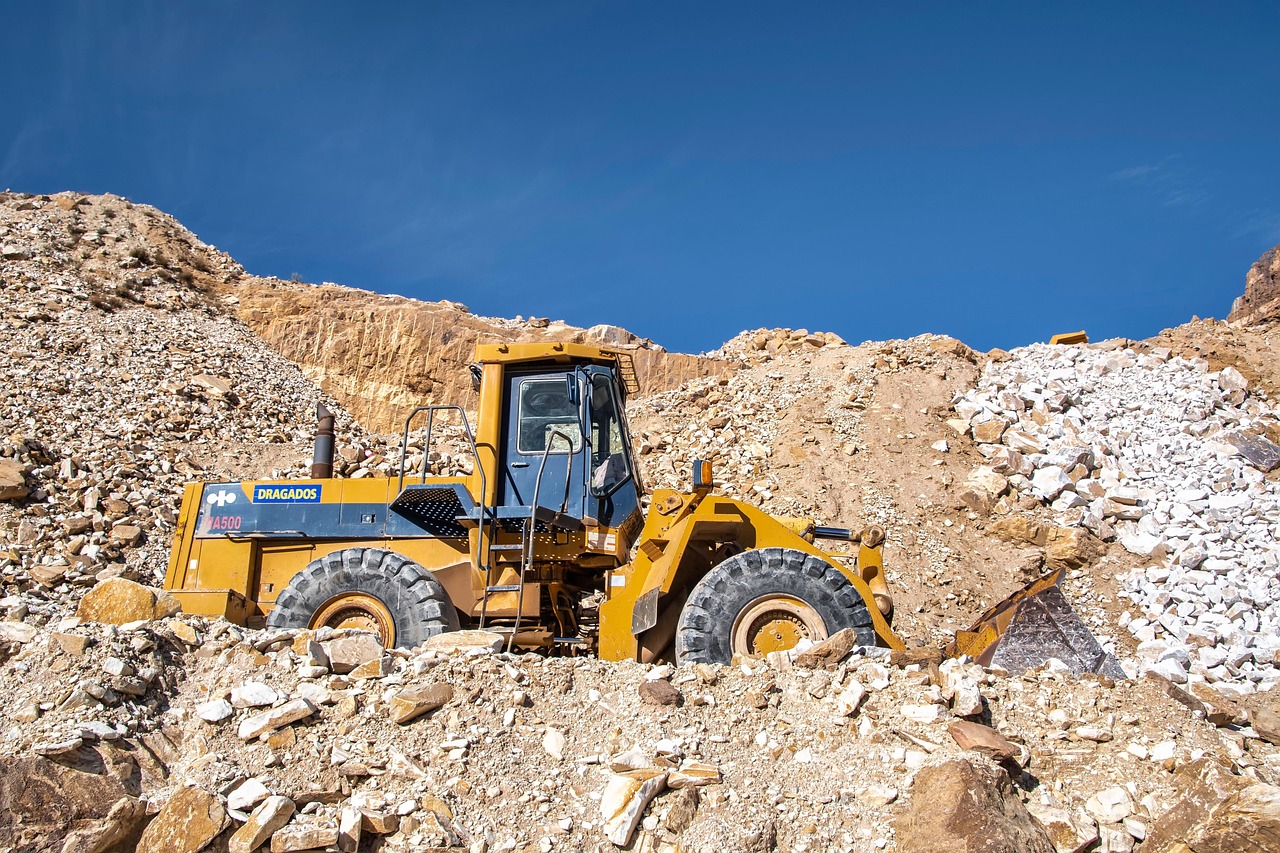
In 2011, a heavy equipment operator named Shawn Funk was working at the Suncor Millennium Mine in Alberta, Canada, when his excavator struck something unusual. What emerged wasn’t just another fossil – it was a perfectly preserved armored dinosaur that would rewrite our understanding of prehistoric defense mechanisms.
The specimen was so well-preserved that scientists could see details never before observed in dinosaur fossils. The creature’s armor wasn’t just scattered bones; it was an intact defensive system that included reinforced eyelids. This discovery sent shockwaves through the paleontological community because it revealed just how sophisticated dinosaur armor could be.
Meet Borealopelta: The Walking Fortress
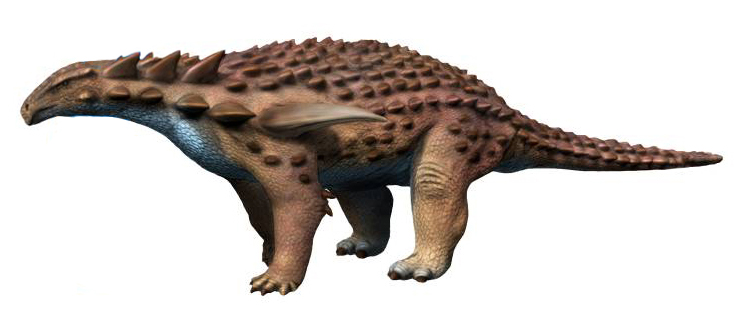
Borealopelta markmitchelli wasn’t your average plant-eater. This ankylosaur measured about 18 feet long and weighed as much as a modern rhinoceros, but its bulk came from more than just size – it was literally wrapped in armor. Every inch of its body was protected by bony plates called osteoderms, creating a living tank that could withstand attacks from the most fearsome predators of its time.
The dinosaur’s name translates to “northern shield,” and it lived up to that designation in every way. Its back was covered in rows of armor plates, its sides bristled with spikes, and even its belly had protective covering. But the most surprising feature was discovered when researchers examined its head – the eyelids themselves were armored with small, interlocking bony plates.
The Anatomy of Armored Eyelids
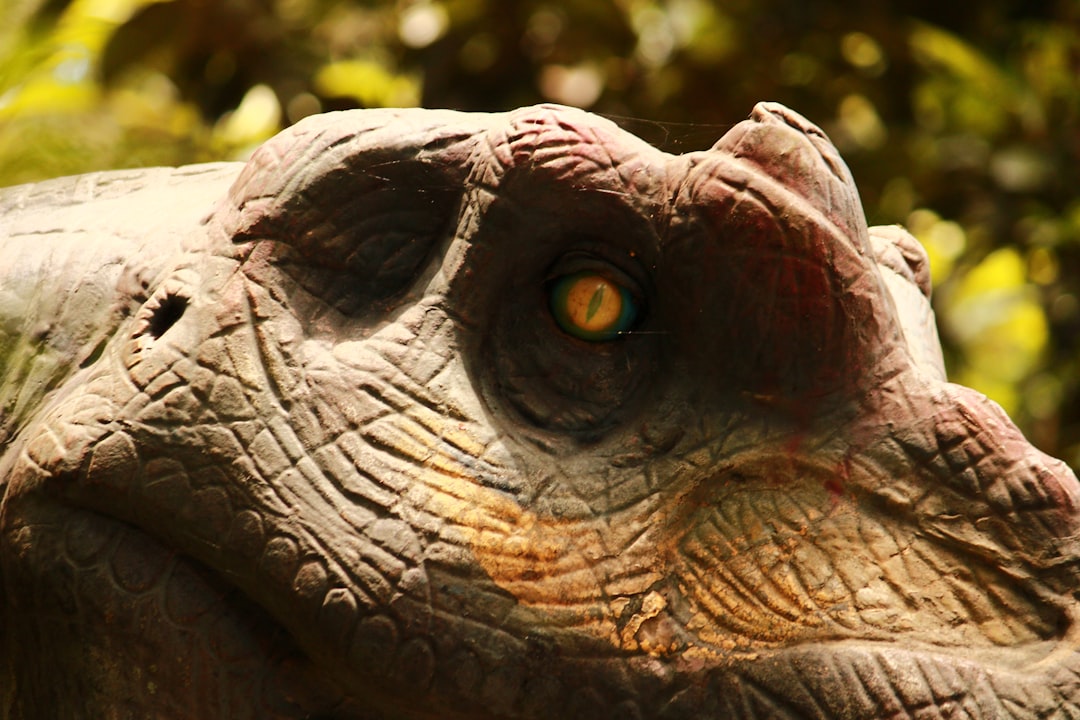
The armored eyelids of Borealopelta weren’t just random bone growth – they were a sophisticated defensive adaptation. These eyelids contained multiple small osteoderms that could flex and move while still providing protection. Think of them as medieval chain mail designed specifically for the most vulnerable part of the eye.
Each osteoderm in the eyelid was roughly the size of a pea and fit together like puzzle pieces. When the dinosaur closed its eyes, these bony plates would overlap and create an almost impenetrable barrier. The engineering behind this natural armor is so advanced that modern military designers study similar principles when creating protective gear for soldiers and vehicles.
Why Eyes Needed Extra Protection
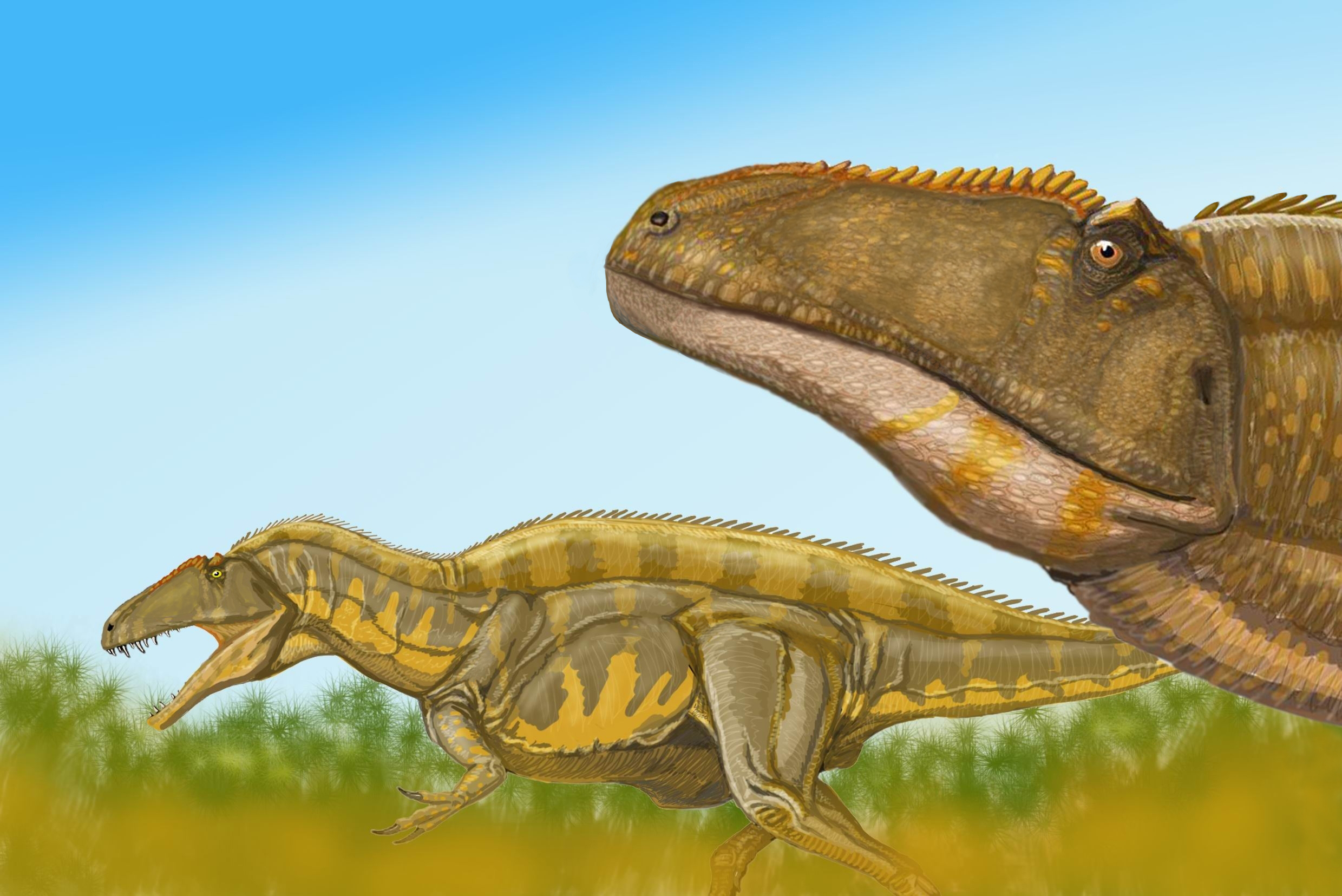
Eyes are among the most vulnerable parts of any animal’s body, and in the Cretaceous period, this vulnerability could mean the difference between life and death. Borealopelta lived alongside massive predators like Acrocanthosaurus, a carnivore with teeth designed to slice through bone and flesh. A single well-placed strike to the eye could blind or kill an otherwise well-protected herbivore.
The investment in eyelid armor suggests that eye injuries were a real and significant threat to these dinosaurs. Fossil evidence from other armored dinosaurs shows healed wounds around the head and neck area, indicating that predators regularly targeted these regions. For Borealopelta, armored eyelids were essentially insurance against a catastrophic injury that could leave it helpless against future attacks.
The Predator Arms Race
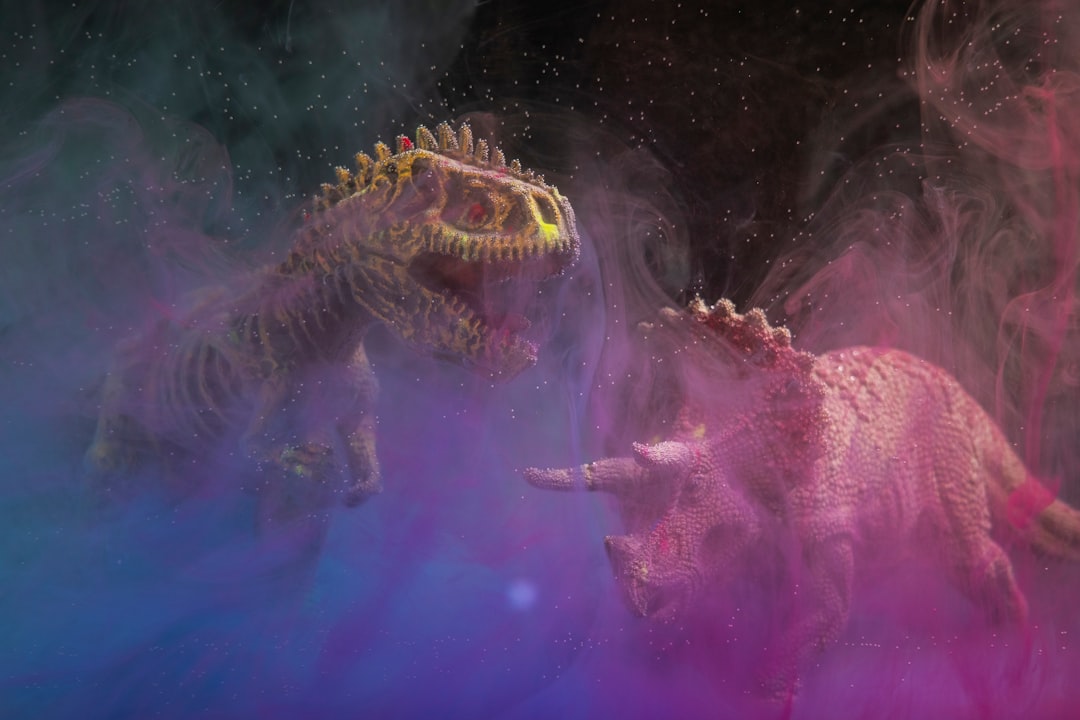
The evolution of armored eyelids didn’t happen in isolation – it was part of an escalating arms race between predators and prey that lasted millions of years. As carnivorous dinosaurs developed more powerful jaws and sharper teeth, herbivores responded with increasingly sophisticated defenses. Borealopelta represents the pinnacle of this evolutionary battle.
Predators like Acrocanthosaurus had bite forces that could crush modern car doors, and their teeth were designed to find weak spots in armor. The fact that Borealopelta evolved protection for something as small as its eyelids shows just how intense this prehistoric competition had become. Every possible vulnerability had to be addressed, or the species wouldn’t survive.
How Armored Eyelids Actually Worked
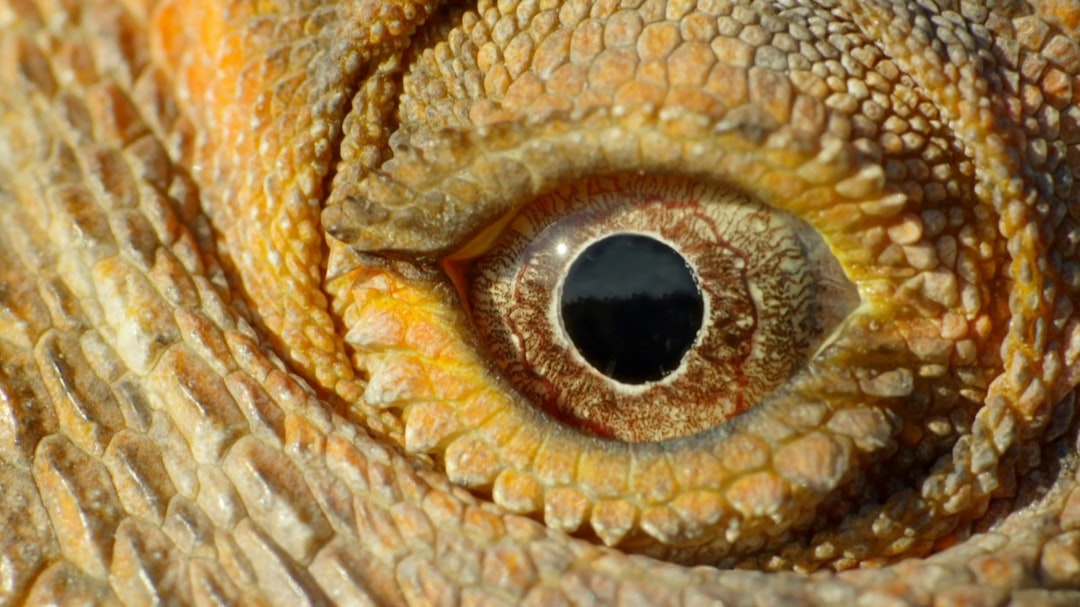
The mechanics of armored eyelids required a delicate balance between protection and function. The dinosaur still needed to see, blink, and express emotions or warnings to other members of its species. The osteoderms were connected by flexible tissue that allowed for normal eyelid movement while maintaining defensive capability.
When threatened, Borealopelta could squeeze its eyes shut and present an almost solid wall of bone to attackers. The overlapping design meant that even if one osteoderm was damaged, the others would continue to provide protection. This redundancy is a hallmark of truly effective armor systems, whether natural or artificial.
The Color of Ancient Armor
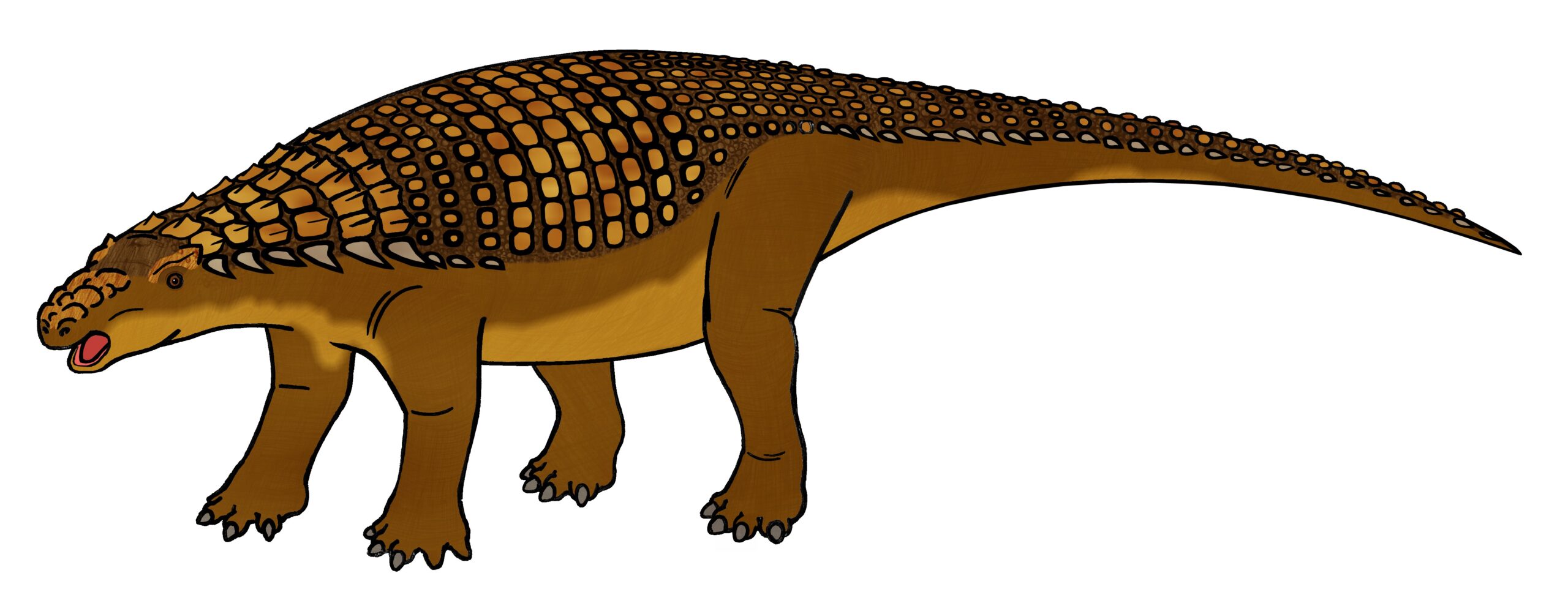
Recent scientific breakthroughs have allowed researchers to determine the actual color of Borealopelta’s armor, including its eyelids. Using advanced chemical analysis of fossilized melanosomes (color-bearing structures), scientists discovered that this dinosaur was reddish-brown on top with a lighter belly – a coloration pattern called countershading.
This color scheme served as camouflage, helping the massive dinosaur blend into its forest environment despite its size. The armored eyelids likely shared this coloration, making them less conspicuous to predators. It’s remarkable that after 76 million years, we can still determine not just how this armor worked, but what it looked like.
Fossil Preservation: A Perfect Storm
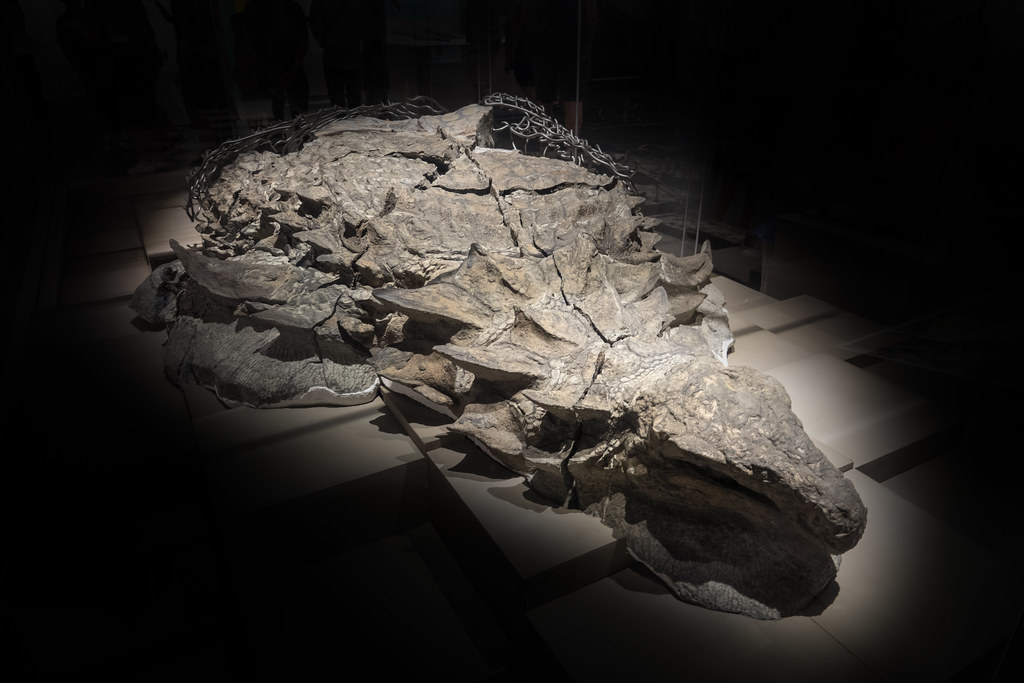
The preservation of Borealopelta’s armored eyelids required extraordinary circumstances. The dinosaur was likely swept out to sea by a river flood and quickly buried in marine sediments. The lack of oxygen in this underwater environment prevented decay and allowed even the smallest details to be preserved.
This type of preservation is so rare that paleontologists consider it a once-in-a-lifetime discovery. Most dinosaur fossils are incomplete skeletons found in pieces, but Borealopelta was preserved so perfectly that researchers could study its armor system as it existed in life. The armored eyelids were just one part of this incredible preservation story.
Comparing Ancient and Modern Armor

The principles behind Borealopelta’s armored eyelids are surprisingly similar to modern protective equipment. Military helmets, riot gear, and even sports equipment use overlapping plates and flexible joints to provide protection while maintaining mobility. The dinosaur’s natural armor achieved this balance millions of years before humans invented similar technologies.
Some modern animals also have armored features, though none as sophisticated as Borealopelta’s eyelids. Armadillos have bony plates, pangolins have overlapping scales, and some reptiles have reinforced skin. However, the specific adaptation of armored eyelids appears to be unique to certain armored dinosaurs, representing an evolutionary solution that has never been repeated.
The Cost of Ultimate Defense
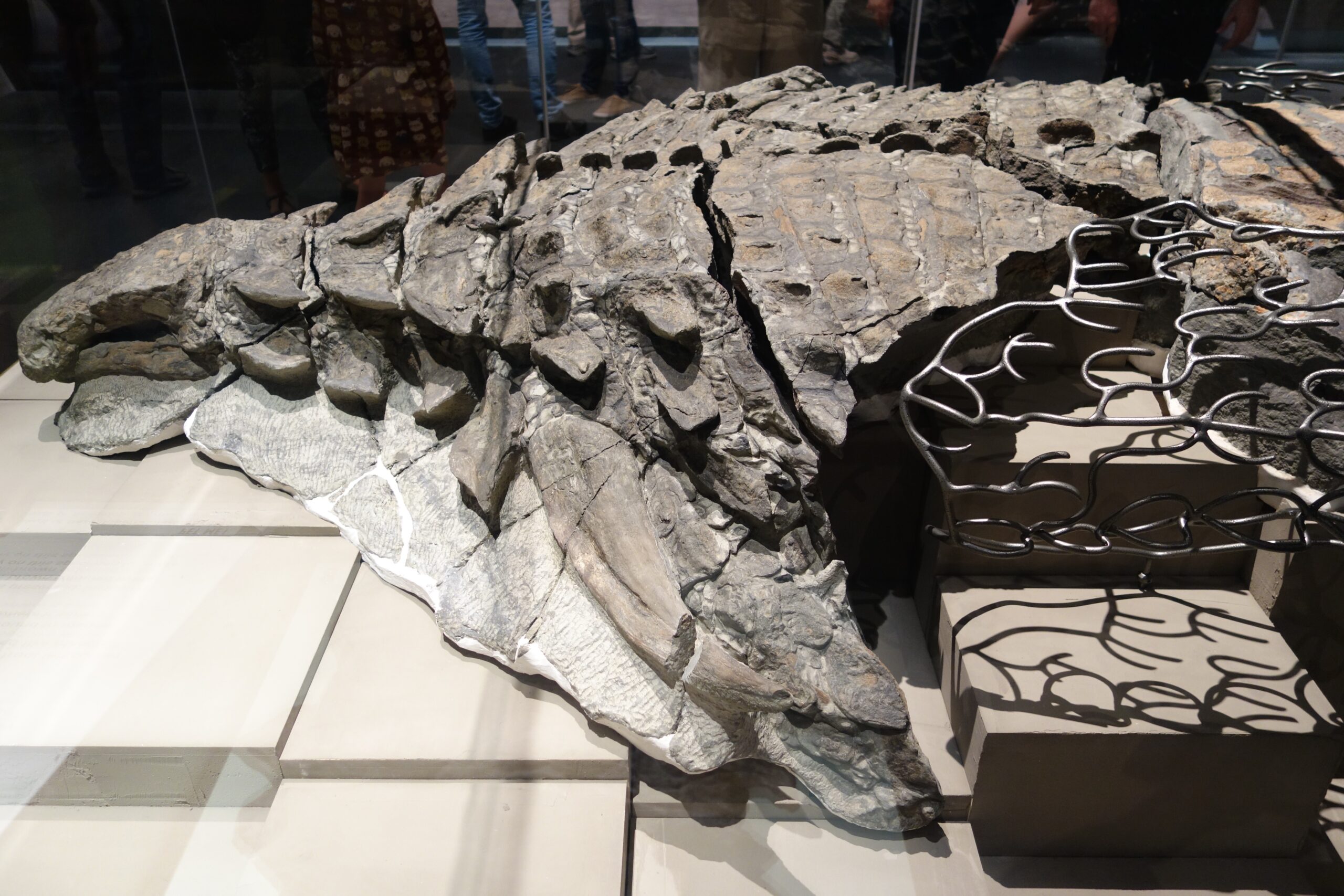
All that armor came with significant trade-offs. Borealopelta was essentially a walking fortress, but fortresses aren’t built for speed. The massive weight of its armor meant this dinosaur was probably quite slow, relying on its defenses rather than escape when threatened. The armored eyelids added to this weight burden, but the protection they provided was apparently worth the cost.
The energy required to grow and maintain such extensive armor was enormous. Borealopelta would have needed to consume vast quantities of plants just to fuel its armored lifestyle. This dinosaur was essentially investing everything in defense, creating a body that could withstand attacks that would kill most other animals.
Other Dinosaurs with Eye Protection
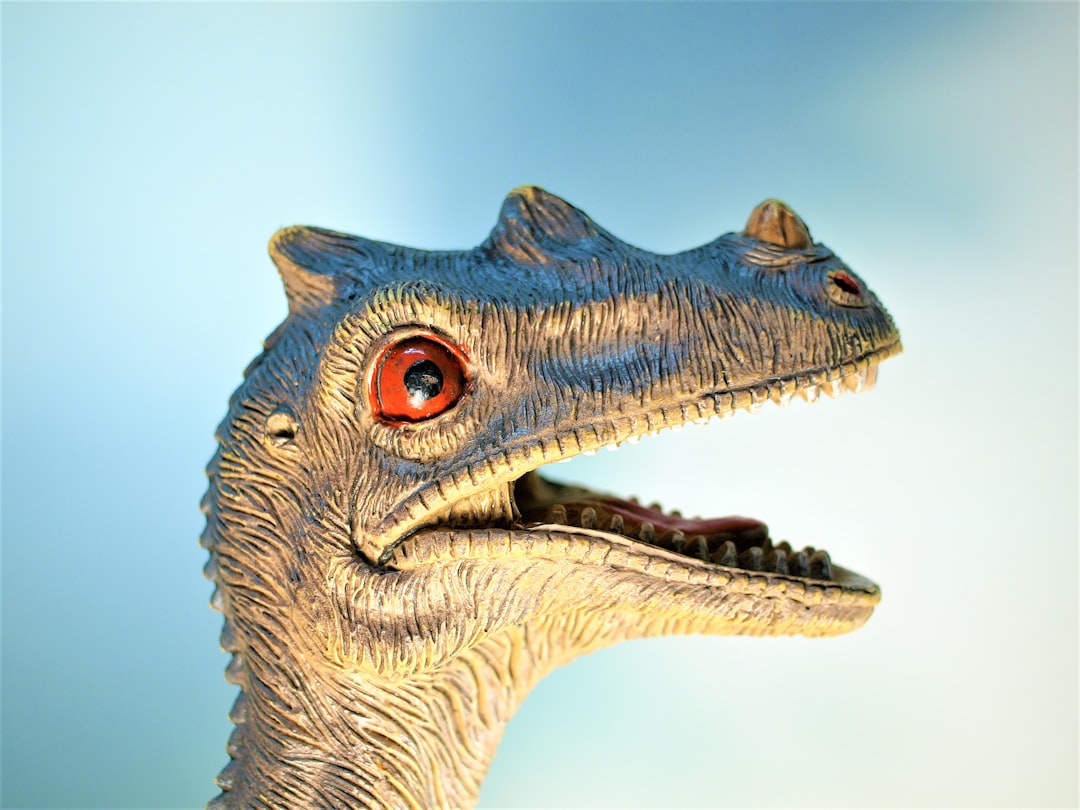
While Borealopelta’s armored eyelids are the most spectacular example, other dinosaurs also evolved various forms of eye protection. Some had bony ridges above their eyes, others had reinforced skulls that could protect the eye socket during head-to-head combat. Triceratops, for example, had a massive frill that could shield its eyes from attacking predators.
The variety of eye protection strategies shows how crucial vision was to dinosaur survival. Eyes were both incredibly valuable and incredibly vulnerable, leading to numerous evolutionary solutions. Borealopelta’s approach was perhaps the most direct – simply armor the eyelids themselves and eliminate the vulnerability entirely.
What This Tells Us About Dinosaur Behavior
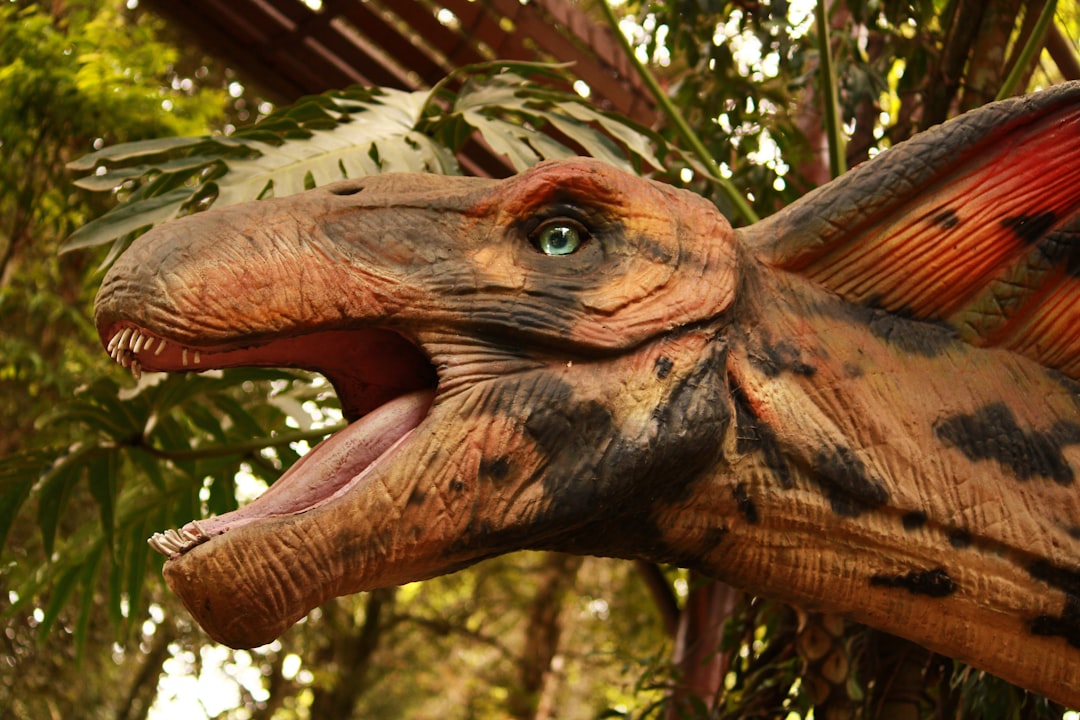
The presence of armored eyelids reveals fascinating details about how these dinosaurs lived and interacted. The level of protection suggests that eye injuries were common enough to drive evolutionary adaptation. This implies that dinosaur combat was more frequent and more intense than previously thought.
The armor also tells us that Borealopelta couldn’t rely on group protection or hiding behavior alone. Individual dinosaurs needed personal armor because they would inevitably face solo encounters with predators. The investment in eyelid protection suggests these dinosaurs lived in a world where violence was a constant threat, and every possible defense was necessary for survival.
The Legacy of Armored Eyelids
The discovery of Borealopelta’s armored eyelids has changed how scientists think about dinosaur armor and prehistoric ecosystems. It demonstrates that the arms race between predators and prey was even more intense than previously imagined, driving adaptations that seem almost impossible to modern eyes.
This finding has also influenced how paleontologists search for and study other armored dinosaurs. Features that might have been overlooked in the past are now examined more carefully, leading to new discoveries about the sophisticated defensive systems these ancient animals developed. The armored eyelids serve as a reminder that evolution can produce solutions that seem to come straight from science fiction.
Modern Implications and Future Research
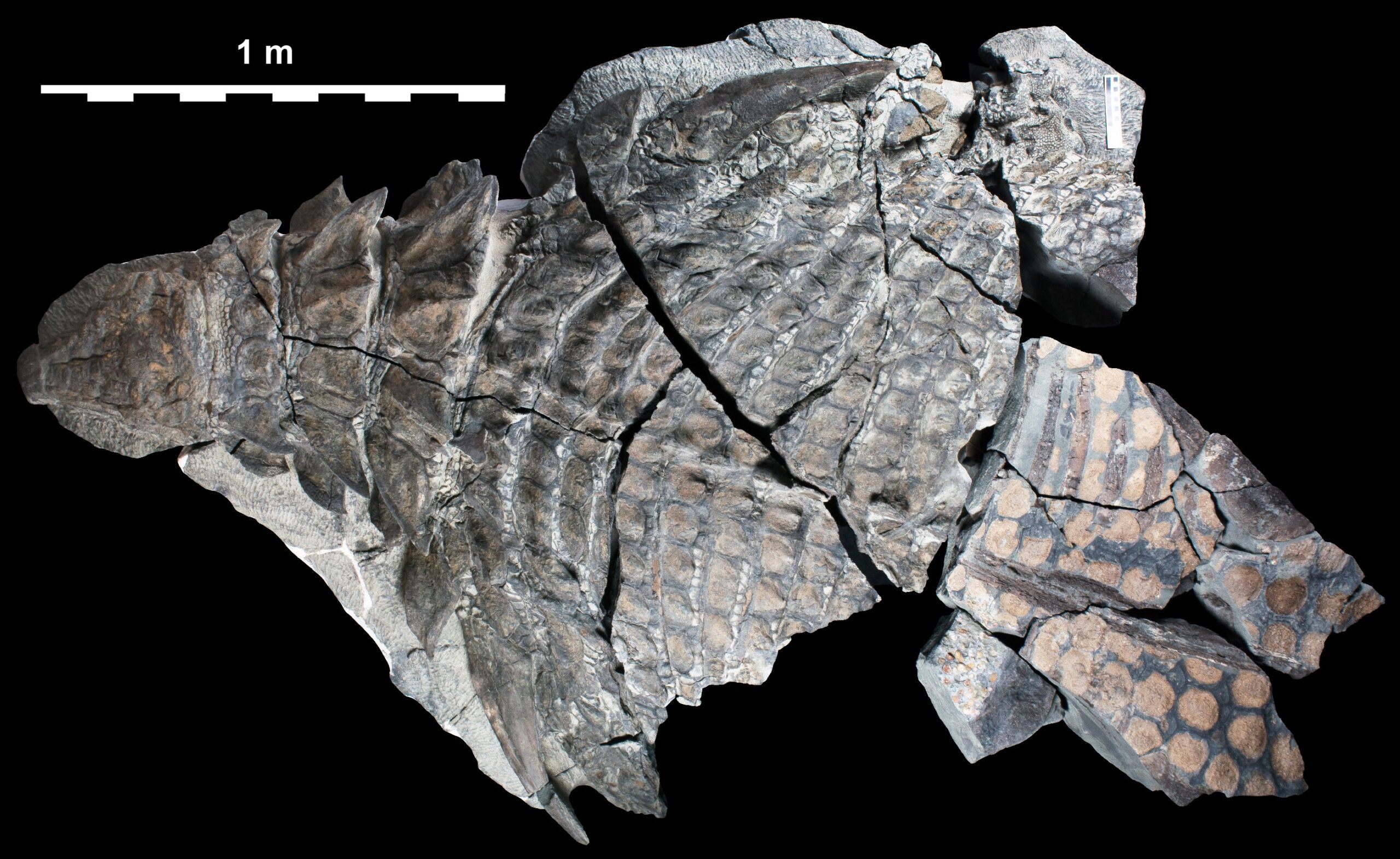
The study of Borealopelta’s armor continues to influence modern engineering and materials science. Researchers are examining how the overlapping osteoderms distribute impact forces and how the flexible connections maintain mobility while providing protection. These insights could lead to better protective equipment for humans.
Future research will likely focus on understanding exactly how these armored eyelids developed and whether other armored dinosaurs had similar adaptations. New fossil discoveries and advancing technology will continue to reveal secrets about these remarkable prehistoric defense systems. The story of armored eyelids is far from over.
In the end, Borealopelta’s armored eyelids represent one of evolution’s most remarkable solutions to the problem of survival in a dangerous world. This dinosaur didn’t just adapt to threats – it created a defensive system so comprehensive that even its most delicate features were protected by armor. The discovery reminds us that the prehistoric world was filled with creatures whose adaptations were so extraordinary they challenge our understanding of what’s possible in nature. What other incredible adaptations are still waiting to be discovered in the fossil record?