
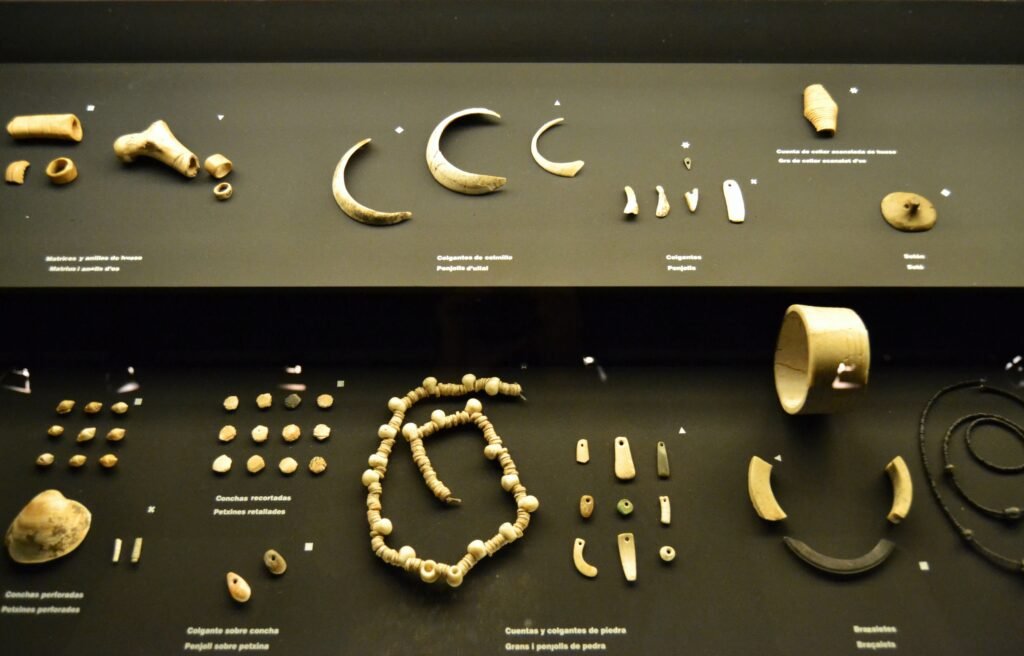
Imagine a freezing Ice Age evening: food is scarce, predators are close, and every bit of energy matters. Now imagine someone in that harsh world carefully tucking away a shimmering shell, a stripey pebble, or a chunk of glittering crystal that they cannot eat, cannot burn, and cannot throw at a mammoth. At first glance, it almost feels irrational, like packing a scented candle on a lifeboat. And yet, over and over across the archaeological record, we see exactly this: prehistoric people keeping things they did not strictly need in order to stay alive.
This odd pattern has fascinated researchers for decades because it hints at something deeply human: a desire for meaning, status, beauty, and connection that goes beyond bare survival. When we look closely at these “unnecessary” treasures, we are really looking at the early roots of art, religion, social identity, and maybe even self-esteem. The story is not just about pretty stones and shells; it is about why our minds evolved to care about them. Once you see that, it becomes hard not to notice how similar we are to those early collectors every time we buy a concert poster, a sports jersey, or a crystal we swear just “feels right” in our living room.
The Archaeological Clues: When Pretty Objects Start Showing Up
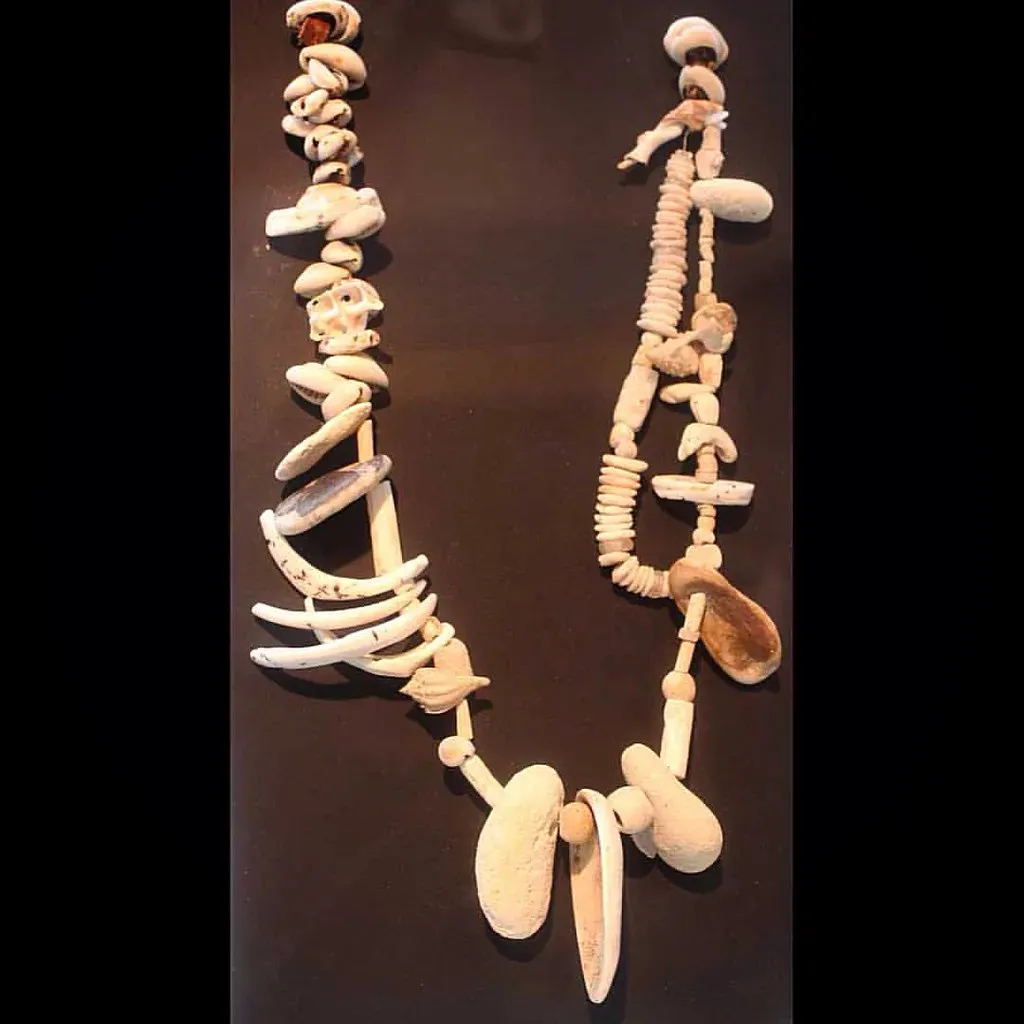
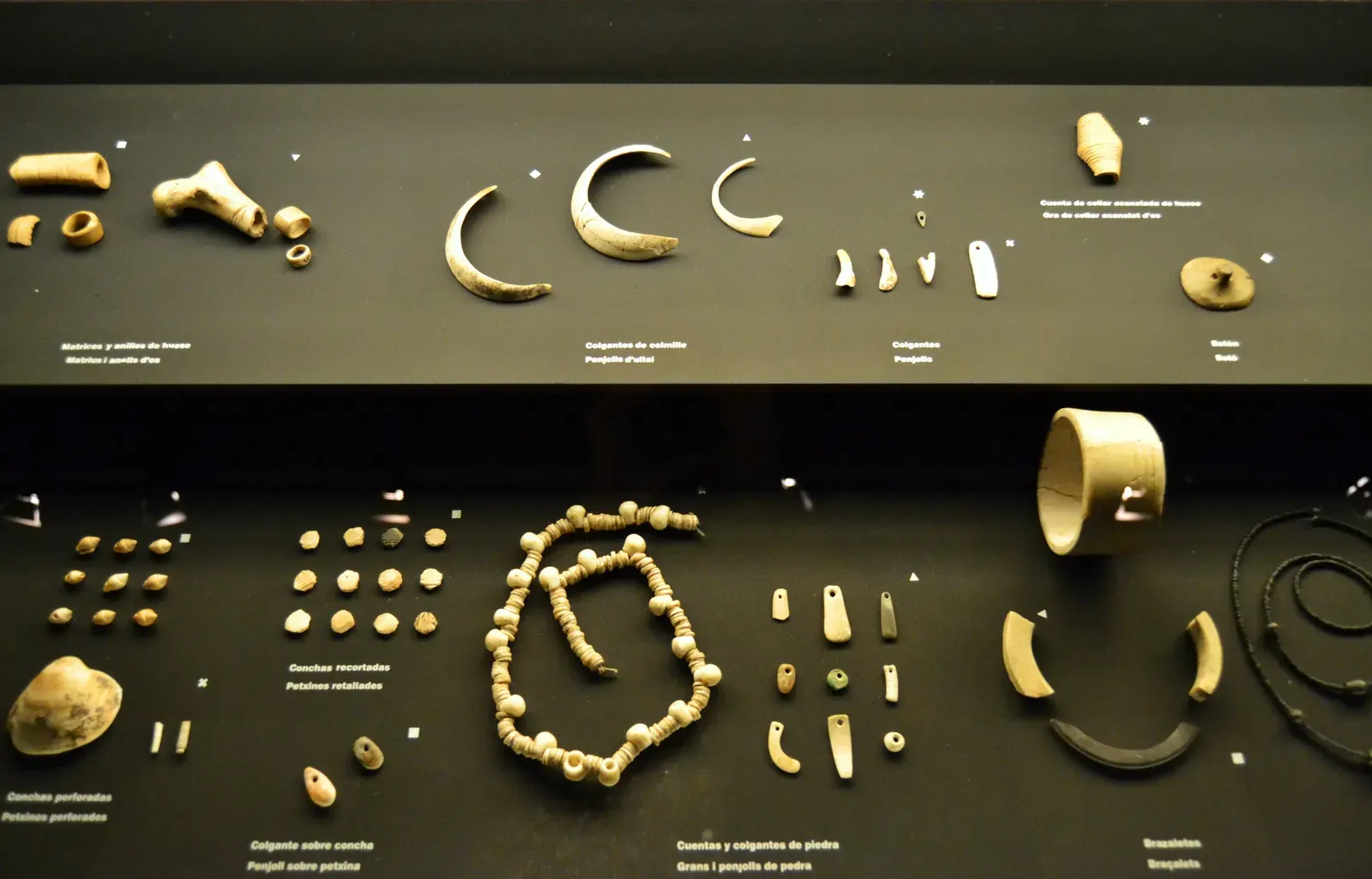
One of the most surprising things archaeologists keep finding in prehistoric sites is how often non‑useful objects show up in places where they clearly took effort to bring. There are beads made of shells found hundreds of miles from the nearest sea, lumps of red ochre worn smooth from repeated use, and carefully shaped pieces of antler or bone that carry no obvious practical function. These are not accidents or random leftovers; they are deliberate choices, carried and curated by people who had much easier options if they only cared about calories or warmth.
In some caves and burials, beautiful objects appear in layers older than agriculture and long before cities. That means this urge to keep special things emerged while humans were still full-time hunter‑gatherers. It undercuts the idea that “luxury” only starts when life gets easy. Instead, the evidence suggests that as soon as our species developed complex social lives and rich inner worlds, we started investing time and energy in items that symbolized something more than survival. That alone tells us these objects were doing a serious psychological or social job, even if they were not tools in the usual sense.
Signaling Status and Identity in Small, Intense Groups
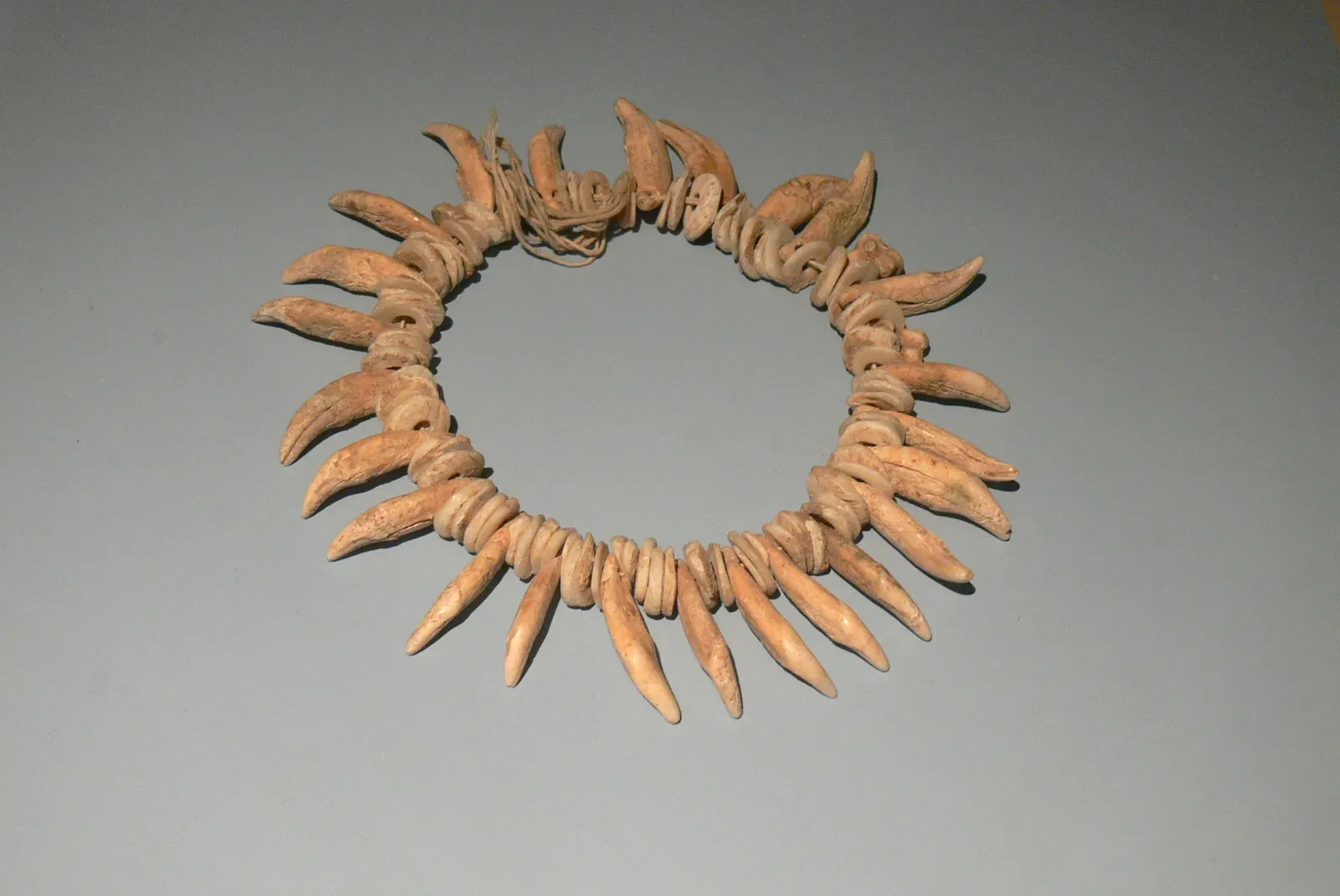
In small prehistoric bands, everyone likely knew everyone else, which makes social status both intensely personal and incredibly fragile. In that kind of world, having something rare, shiny, or hard to get can act like a portable résumé. An unusual shell necklace, a carefully polished stone, or a distinctive piece of pigment might have marked someone as a skilled hunter, a respected healer, or a person with powerful allies far away. Objects become visible shortcuts that say, “I’m important, I’m connected, I matter here.”
This is where evolutionary thinking comes in. From that angle, “wasting” a bit of time and energy on beautiful, hard‑to‑acquire items is not waste at all; it is advertising. Just like a peacock’s tail is a costly, inconvenient display that signals genetic quality, an impressive ornament or rare object can signal social quality. The extra risk and effort that goes into acquiring or making it is the point. It shows that the collector can afford to spend resources on something more than the bare minimum of survival, which in turn makes others more likely to trust, follow, or mate with them.
Beauty, Pattern, and the Brain’s Reward System

There is also a quieter, more intimate reason prehistoric people may have clung to beautiful things: their brains, like ours, probably found them deeply satisfying. Humans are hard‑wired to respond to patterns, symmetry, rhythm, and color. A stripy piece of flint, a spiral shell, or a crystal that refracts light in a strange way can all trigger a sense of rightness or delight that is hard to rationalize but easy to feel. Once that happens, it is not surprising someone would want to keep that object close by.
Modern neuroscience shows that pleasing patterns and colors light up reward pathways in the brain that are linked to motivation and pleasure. While we obviously do not have brain scans of Ice Age hunters, the continuity of human biology makes it reasonable to think their brains worked similarly. In a world full of danger and uncertainty, a small, beautiful object could act like a pocket-sized hit of calm or joy. It would not feed you like meat or warm you like fire, but it might feed your sense of wonder or control, which in its own way helps you keep going.
Ritual, Belief, and the Birth of Symbolic Worlds
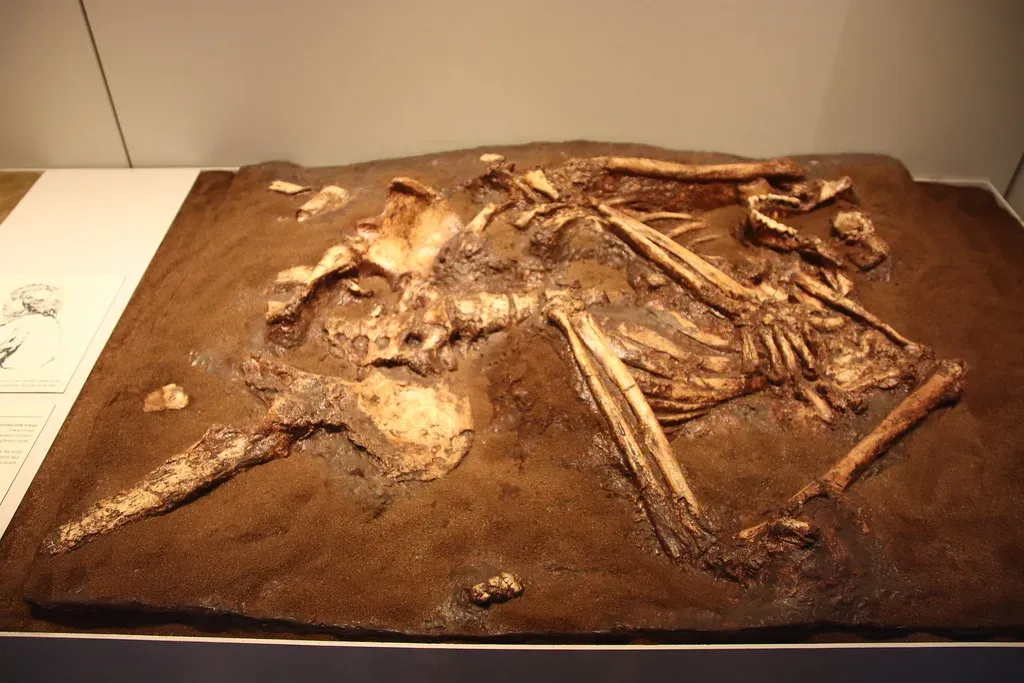
As soon as objects stop being just things and start standing for ideas, you enter the realm of symbols and belief. Many prehistoric finds suggest that beautiful or rare items were used in rituals, burials, or other emotionally loaded events. Pigments like red ochre show up on bones, beads appear in graves, and caches of special stones are found in what look like carefully chosen spots. These are not random dumps of trash; they look like meaningful placements tied to ideas about death, spirits, or the unseen.
When a shell is not just a shell but a marker of a journey, a prayer, or a connection to ancestors, its “uselessness” from a survival standpoint becomes irrelevant. Its power is symbolic and emotional, not practical. Holding or displaying that object might have helped people process grief, ask for protection, or mark the boundary between ordinary days and sacred moments. In that sense, prehistoric collections of beautiful objects may be the earliest physical footprints of myth, religion, and shared stories about what the world really is.
Social Glue: Sharing, Gifting, and Group Belonging
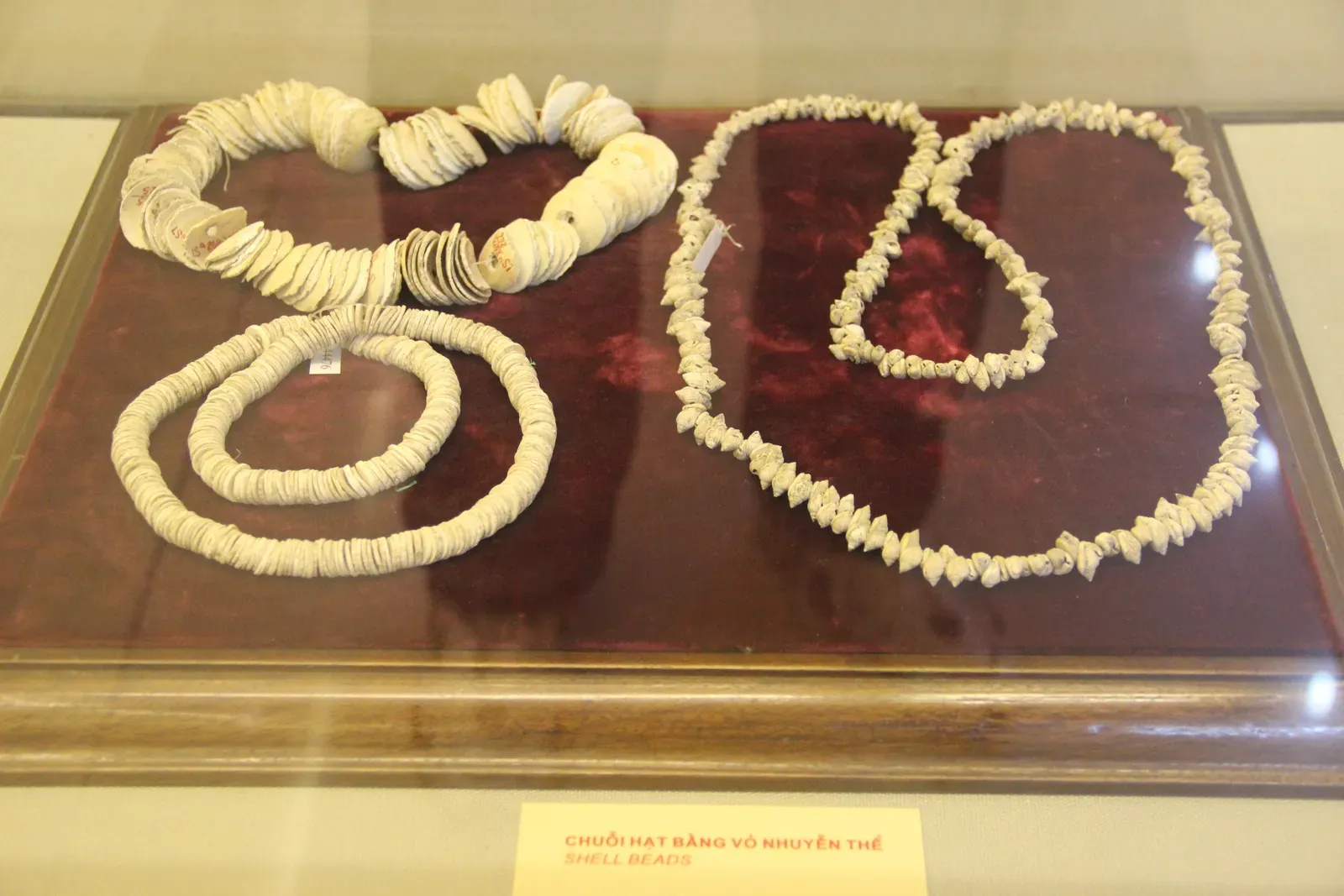
Collecting pretty things also creates an opportunity to do something very human: give them away. A rare ornament makes a better gift than a generic stone, and gifts in small groups can be a powerful way to build alliances, repay favors, or signal commitment. Archaeologists have argued that long‑distance trade in shells, stones, and pigments among prehistoric groups was not just about materials; it was about weaving together social networks that stretched beyond the horizon.
Think of it like early social media, but made of beads instead of posts. When people in far‑flung groups exchange similar objects, they are saying, “We are connected, we speak the same symbolic language.” Wearing the same type of bead or painting the same color patterns can turn a scattered set of bands into a loose cultural community. In harsh environments where cooperation and information sharing could make the difference between life and death, anything that strengthened those ties had serious value, even if the objects themselves looked like luxuries.
Inside each group, these items could also function like team jerseys or club memberships. Maybe only certain families, age groups, or ritual specialists wore a specific design. That instantly tells you who is who in a crowded campfire circle and can reduce conflict or confusion. An outsider might see nothing but pretty decorations, but for the people who used them, these objects carried rules, histories, and obligations packed into their shapes and colors.
Curiosity, Play, and the Evolution of Creativity
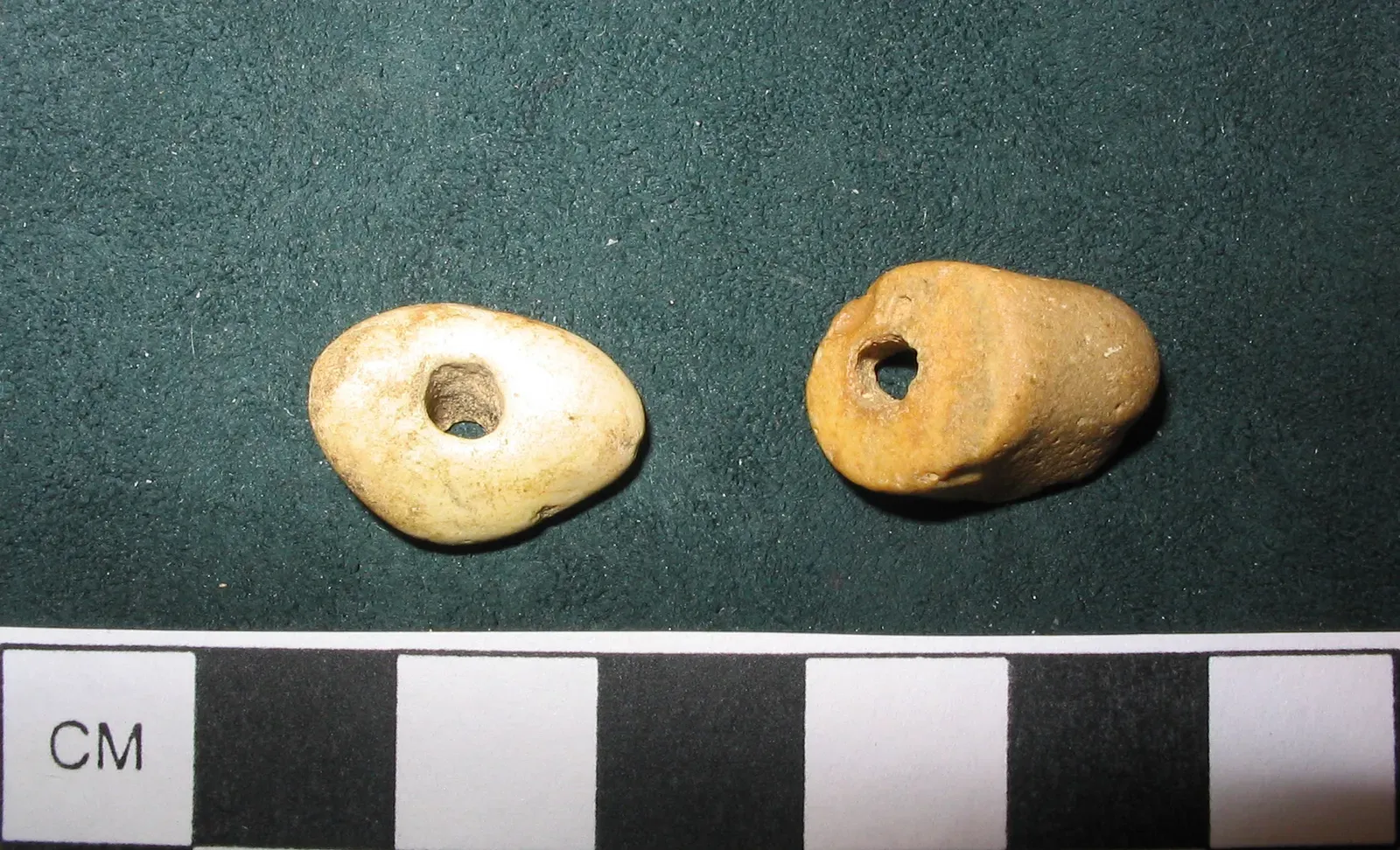
There is another layer that often gets overlooked because it sounds almost too simple: prehistoric people might have collected beautiful things partly because it was fun. Curiosity is a powerful driver of human behavior, and there is no reason to think it suddenly appeared with smartphones or museums. Picking up a strange crystal or a shell with a hole in it is a small act of exploration. It says, “This is different. I want to look at it longer.” That impulse is closely tied to the same mental flexibility that gave rise to better tools and new survival strategies.
Play is similar. When someone experiments with scraping pigment onto a rock or threading beads into a pattern, they are playing with materials and ideas. Over time, those playful experiments can turn into full‑blown artistic or symbolic traditions. In that sense, collections of beautiful, non‑useful objects might be the training ground where the human mind learned to imagine alternatives, combine concepts, and think beyond the here‑and‑now. The same brain that admires a shiny stone is the one that will later imagine gods, tell epics, and invent mathematics.
Comfort in Chaos: Emotional Support Objects Before Therapy
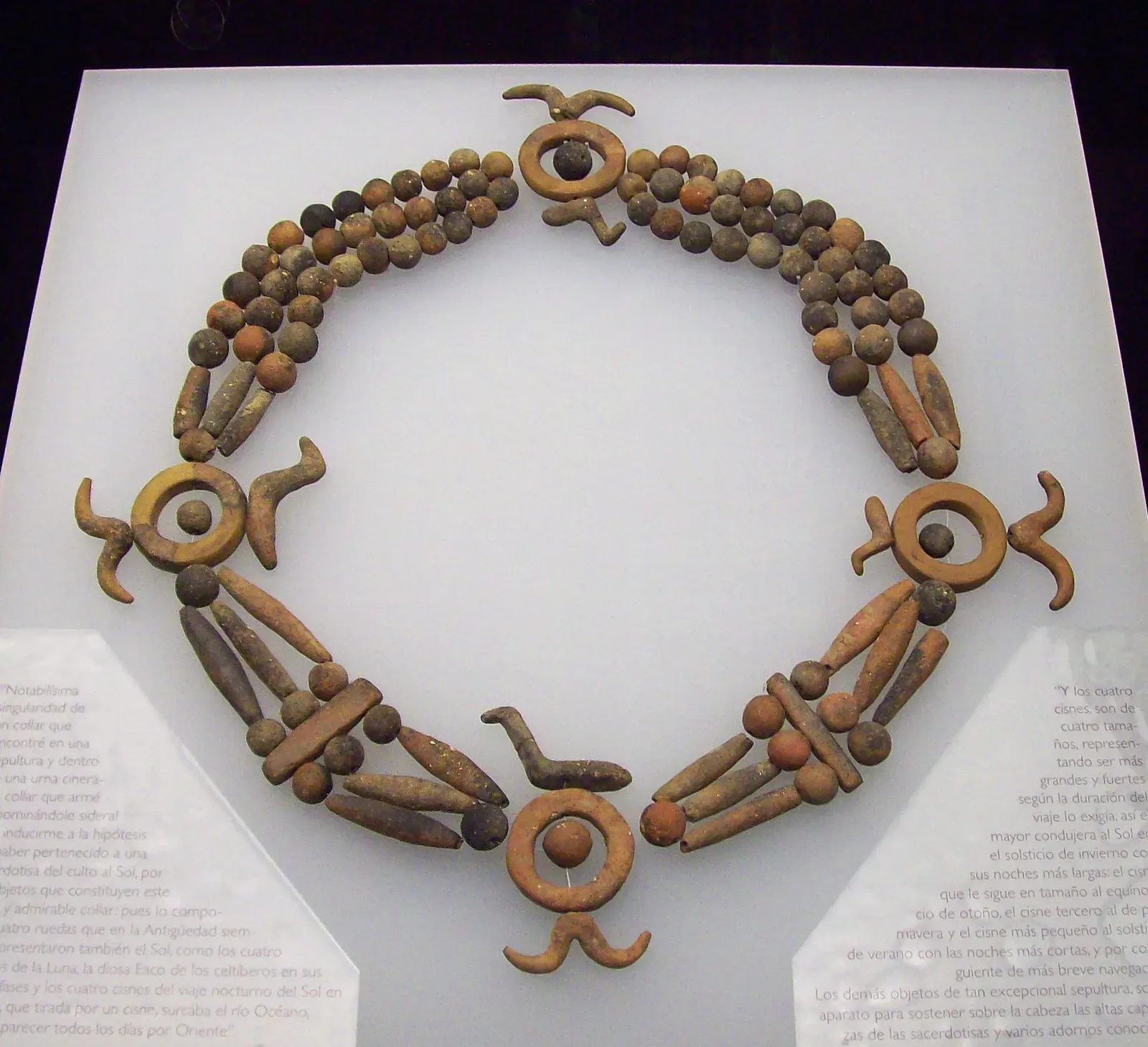
Life in prehistoric times was brutally uncertain. Illness, injury, sudden weather changes, or lost prey could turn a good season into a disaster. In that context, a small, familiar object that feels special can offer emotional stability. Many of us today keep a lucky charm, a favorite piece of jewelry, or something given by a loved one because it feels grounding. It is not a stretch to imagine someone ten or twenty thousand years ago clutching a favorite bead or stone before a dangerous hunt or during a stormy night.
Psychologically, these objects might have worked like anchors. They could help people feel like they had a thread of continuity running through all the chaos. If your father wore a particular pendant and passed it to you, that pendant is no longer about material value; it is about identity and belonging. When we see beautiful objects placed in graves, it is hard not to read them as attempts to soften loss, to send something comforting with the dead, or to reassure the living that the person was honored. That emotional function alone justifies the effort of collecting and keeping them.
What This Says About Us Today
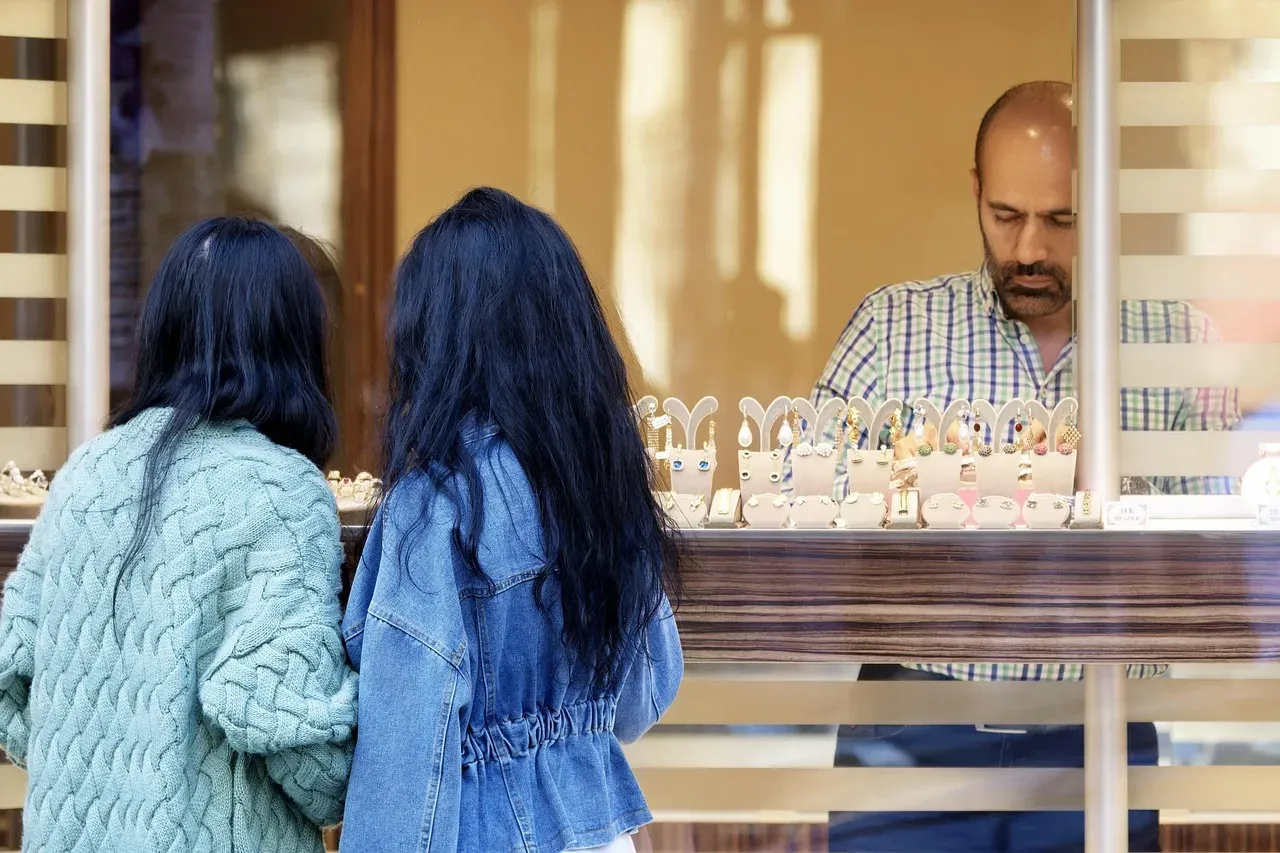
When you line up all these explanations – status signaling, reward and beauty, ritual and belief, social bonds, curiosity, and emotional comfort – they start to sound very familiar. We still pour time and money into objects we do not need to survive: sneakers with a famous logo, vinyl records we barely play, figurines, crystals, posters, and carefully curated shelves of souvenirs. From a cold, survival‑only lens, most of that behavior looks pointless. But from a human lens, it is exactly the point.
The continuity between prehistoric collectors and modern consumers suggests that the urge to gather beautiful, unnecessary things is not a cultural glitch; it is a core feature of how our minds and societies work. These objects help us tell stories about who we are, where we come from, and who we want to be. They oil the gears of cooperation, scratch our itch for pattern and meaning, and cushion us against fear and uncertainty. Far from being irrational, they might be one of the reasons humans were able to build such rich, complex worlds together.
Conclusion: Beauty as a Survival Strategy in Disguise
When people say prehistoric life was only about survival, they miss something crucial. The very fact that our ancestors invested effort in collecting shells, stones, pigments, and ornaments they did not “need” shows that survival was never just about food and shelter. It was also about status, belonging, belief, comfort, and the deep, sometimes indescribable satisfaction of surrounding yourself with things that feel meaningful. In my view, those early collectors were not being irrational at all; they were quietly inventing what it means to be fully human.
If anything, the archaeological record suggests that beauty, symbolism, and emotional attachment to objects were not luxuries added on top of survival – they were part of the survival toolkit, just operating through minds and relationships instead of muscle and fire. The next time you find yourself treasuring something that is useless in a strict, practical sense, you are echoing a very old pattern. Maybe the real question is not why prehistoric humans collected beautiful objects they did not need to survive, but how we ever thought survival could be separated from beauty in the first place.